SUMMER CULINARY TRENDS — When peak peach season arrives, food lovers are routinely met with a familiar dilemma: these velvety, aromatic stone fruits are famously fleeting, here for a good time rather than a long time. While traditional baking options like deep-dish cobblers and caramelized baked halves offer delicious ways to celebrate the harvest, the human palate can only handle so much sugar before yearning for contrast.
Enter the vibrant world of fresh fruit salsas—a category of condiments that has steadily gained traction in modern American kitchens as a way to bridge the gap between sweet harvests and savory weeknight dinners. Leading the charge this season is cookbook author and recipe developer Erin Clarke, creator of the popular food platform Well Plated, who has spent months refining what she calls the ultimate homemade Peach Salsa.
Designed to elevate everything from traditional tortilla chips to grilled chicken and flaky fish tacos, Clarke’s meticulously tested recipe represents a broader culinary shift toward balancing natural fruit sugars with bright acidity, herbaceous notes, and fiery peppers.
Main Facts: Deconstructing the Perfect Peach Salsa
At its core, Clarke’s viral-bound recipe is a masterclass in culinary balance. Achieving the ideal texture and flavor profile required overcoming common pitfalls associated with both store-bought and homemade fruit salsas.
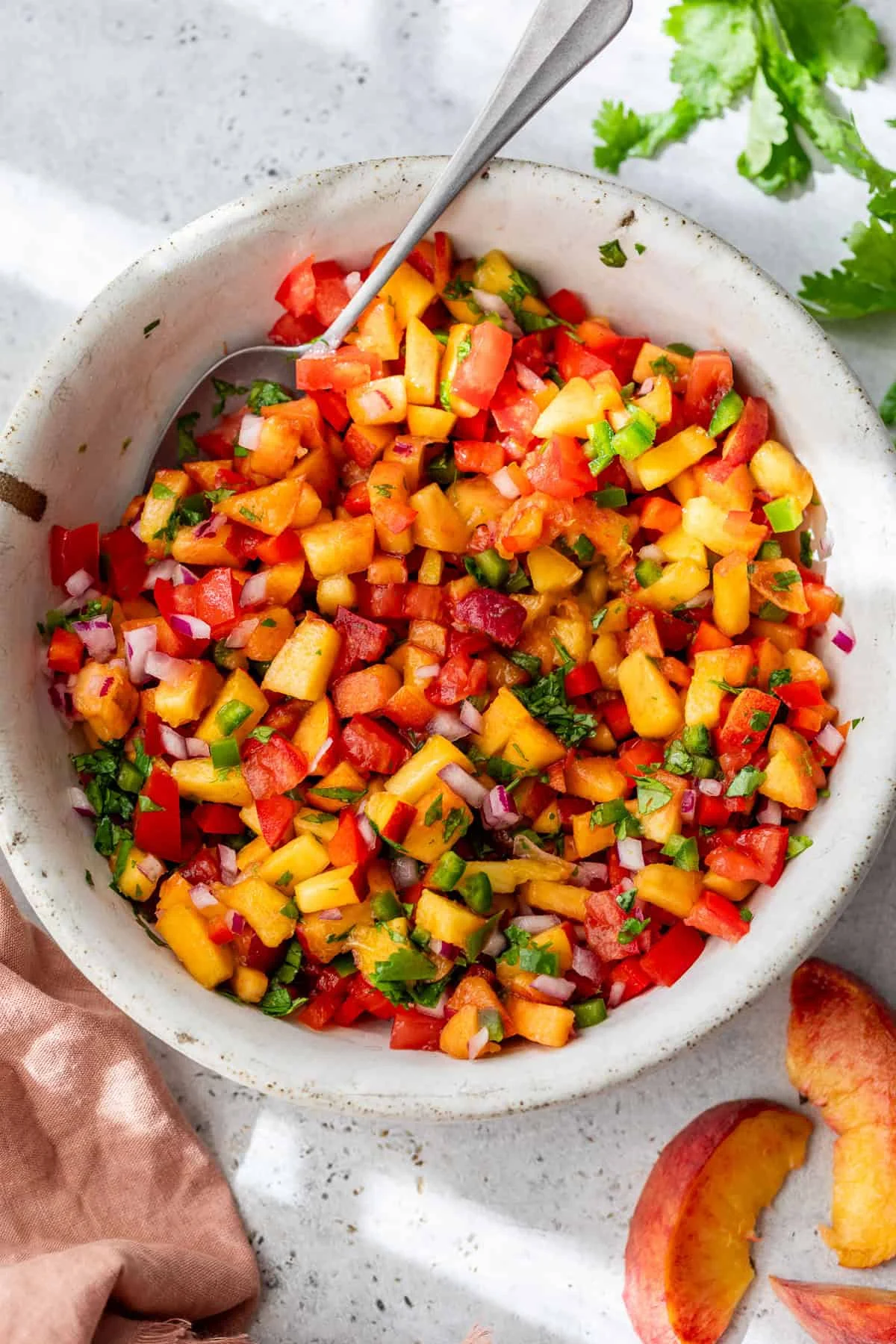
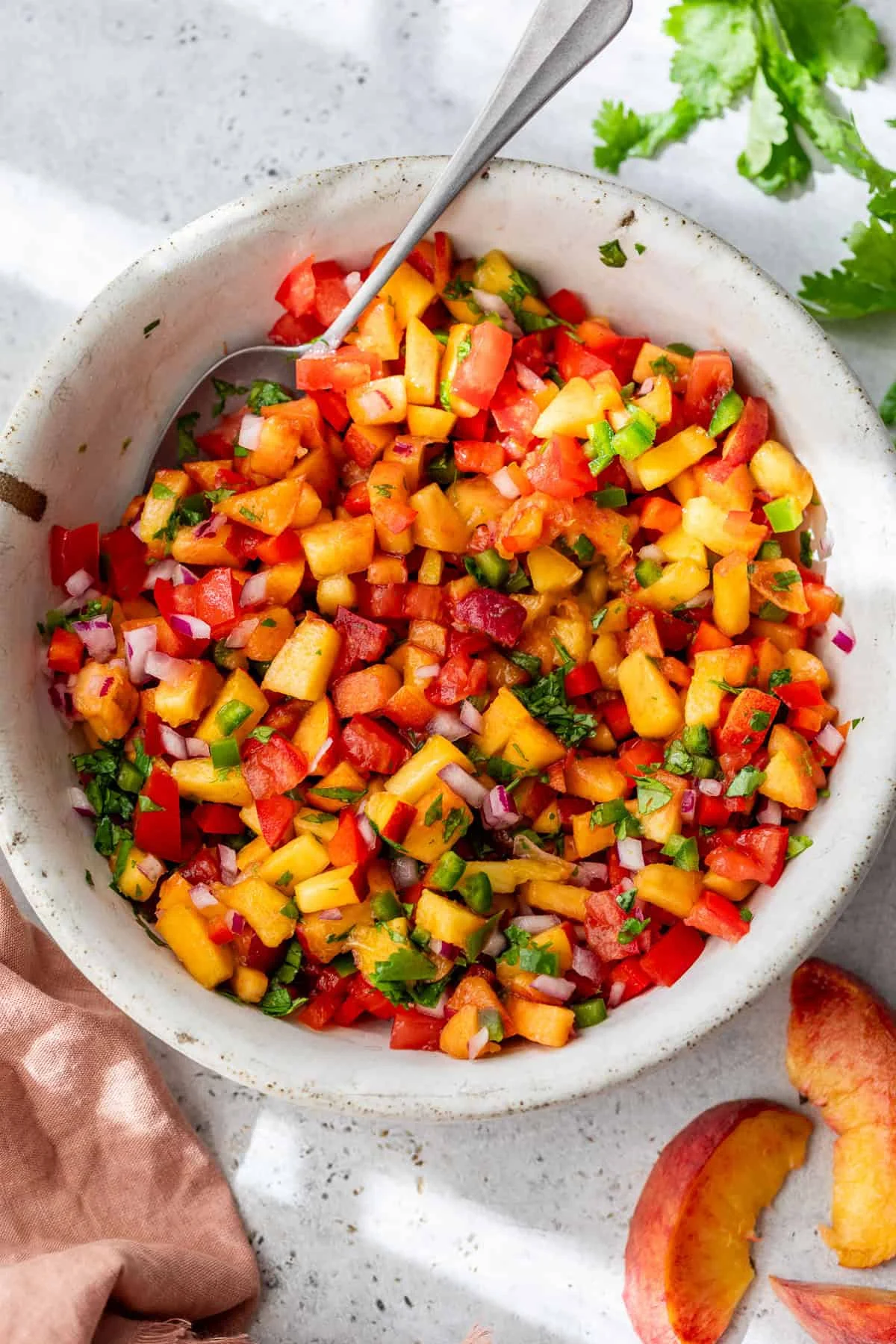
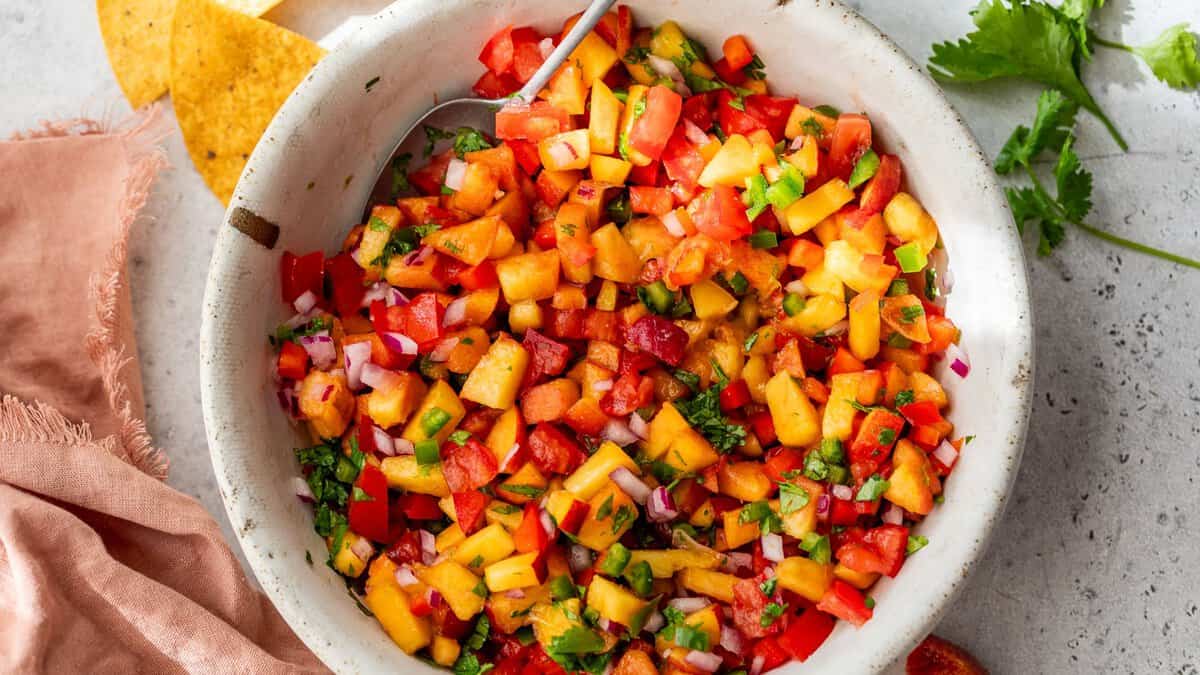
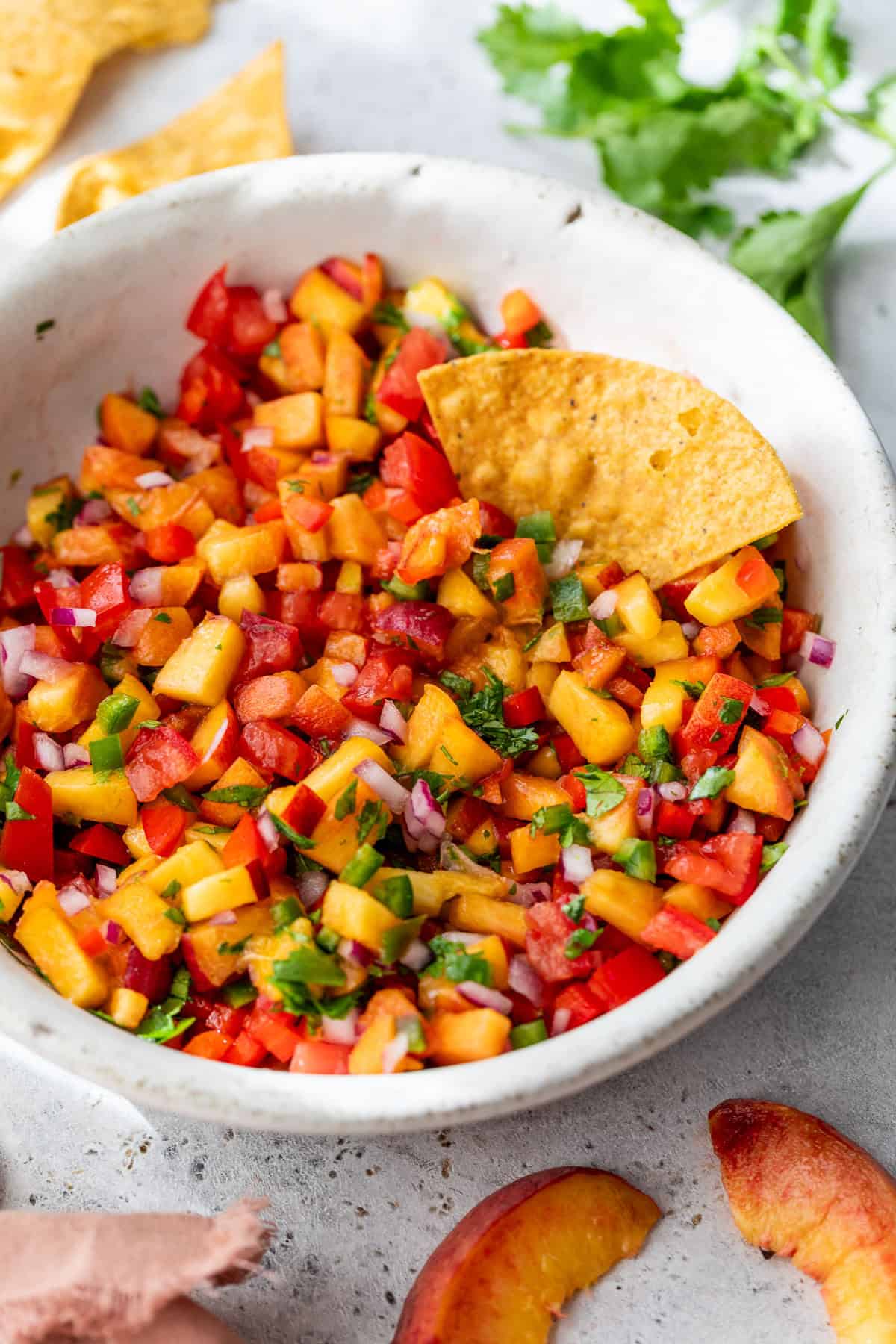
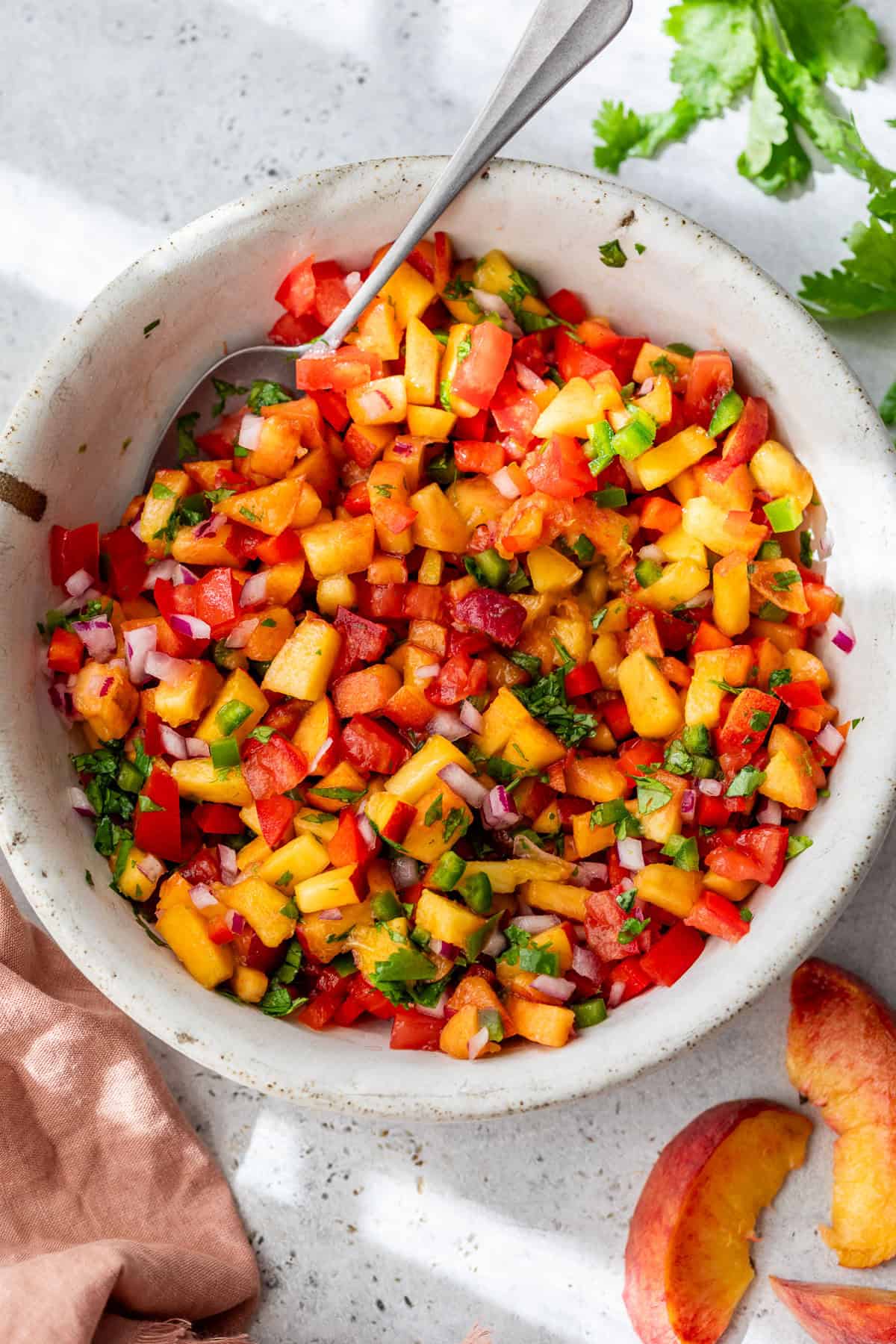
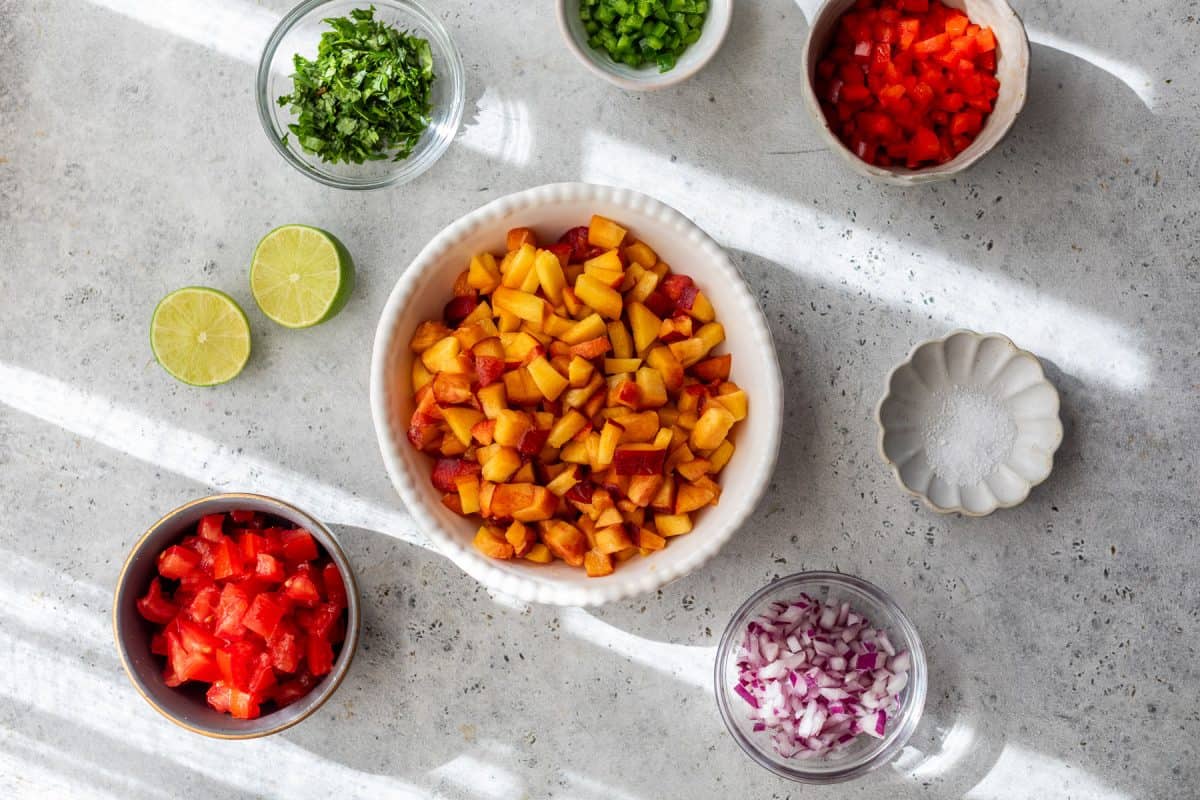
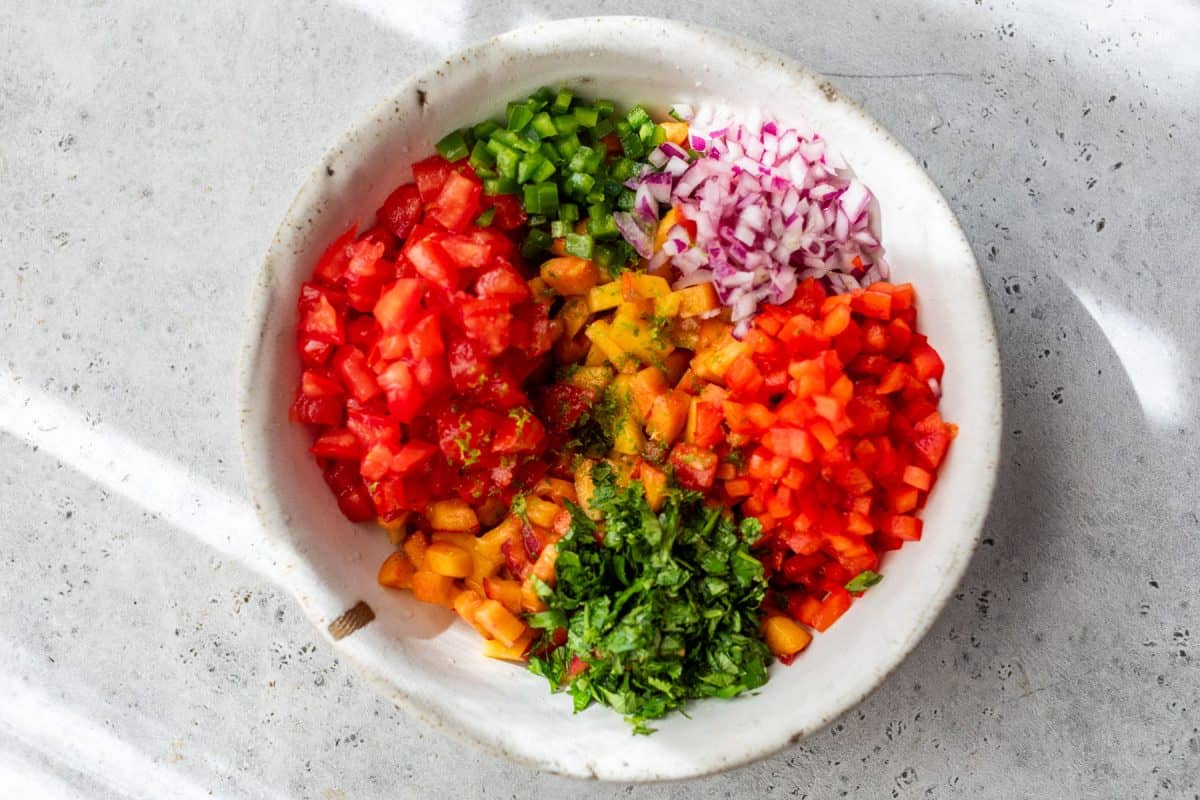
- The Flavor Blueprint: The recipe relies on five key pillars: ripe peaches for natural, velvety sweetness; diced tomatoes for foundational acidity; crunchy bell peppers for structural integrity; fresh jalapeños for a controlled, warming kick; and freshly squeezed lime juice to tie the entire flavor profile together with a burst of brightness.
- The Testing Process: Commercial peach salsas are frequently criticized by culinary professionals for being overly saccharine, masking the delicate flavor of the fruit with cane sugar or high-fructose corn syrup. Conversely, amateur homemade variations often skew sharp due to an overabundance of raw onions or turn out watery and bland when developers utilize underripe fruit.
- Versatility: Unlike heavy cream-based dips or complex reductions, this fresh salsa functions as a high-utility condiment. It pairs effortlessly with casual party snacks, serves as a dynamic topping for proteins like grilled pork chops or mahi-mahi, and fits seamlessly into clean-eating meal plans.
- Nutritional Profile: Clocking in at just 54 calories per serving, the salsa offers a nutrient-dense profile characterized by low fat content (0.4 grams), high dietary fiber (2 grams), and robust levels of Vitamin C (27 mg) and Vitamin A.
Chronology: From Farm Stand Inspiration to Kitchen Success
The journey from a passing farmers’ market craving to a polished, standardized recipe involved a deliberate, iterative process executed in Clarke’s test kitchen.
Phase One: Conceptualization and Market Scouting
The project began with the arrival of mid-summer stone fruit yields. Recognizing that tomatoes traditionally dominate the salsa landscape, Clarke sought to disrupt the savory monopoly by anchoring the dish in peak-season peaches. The initial hypothesis was simple: substitute stone fruit for tomatoes to create a fruit-forward variation of standard pico de gallo.
Phase Two: Iterative Kitchen Testing
Early kitchen trials revealed immediate technical challenges. The first batch suffered from an overpowering onion presence that completely overshadowed the delicate floral notes of the peaches. Subsequent tests utilized unripe fruit, resulting in a firm, uninspired texture completely devoid of juiciness.
To correct these errors, Clarke instituted strict uniformity standards. All core produce—the peaches, bell peppers, tomatoes, and red onions—were mandated to be diced to uniform proportions. This structural discipline ensured that every individual scoop delivered a balanced ratio of sweetness, crunch, and heat.
Phase Three: Refining the Ratios and Resting Time
Through multiple rounds of adjustments, Clarke determined that tomatoes were not strictly mandatory, positioning them as an optional component dependent on whether a truly exceptional, vine-ripened specimen was available. Furthermore, kitchen trials proved that allowing the finished mixture to rest in the refrigerator for approximately 30 minutes before serving was critical. This brief resting period allowed the salt to draw out minor juices, marrying the lime juice and jalapeño oils into a cohesive marinade without compromising the structural integrity of the delicate peach cubes.

Supporting Data: Nutritional and Economic Breakdown
To understand why fresh fruit salsas have become a staple of modern culinary programming, one must examine both their nutritional makeup and their alignment with seasonal eating habits.
Nutritional Breakdown (Per Serving of 6)
- Calories: 54 kcal
- Total Carbohydrates: 13 g
- Dietary Fiber: 2 g
- Total Sugars: 9 g (naturally occurring fructose)
- Protein: 1 g
- Total Fat: 0.4 g
- Sodium: 110 mg
- Potassium: 210 mg
- Vitamin C: 27 mg (approx. 30% of the recommended daily intake)
- Vitamin A: 826 IU
Economic and Agricultural Context
Peak peach season typically spans from late June through August in North America, representing a window of peak agricultural yield. Food economists note that utilizing seasonal produce not only guarantees superior flavor profiles but also aligns with cost-effective grocery purchasing, as local orchards flood markets with abundant supplies. By pairing low-cost pantry staples like red onions and limes with high-yield summer fruits, home cooks can produce gourmet-level condiments for a fraction of the cost of premium jarred alternatives.
Official Responses and Culinary Expert Insights
The release of Clarke’s peach salsa recipe has generated significant discussion within online home-cooking communities and among professional recipe developers regarding the philosophy of modern meal preparation.
In statements accompanying her recipe rollout, Clarke emphasized her core mission: helping home cooks save time, minimize dish cleanup, and experience genuine culinary confidence without overcomplicating procedures.
"While I get excited for tomatoes and other summer produce, it’s peaches that really make my heart skip a beat," Clarke noted during her kitchen notes presentation. "They’re a delight in cobblers and baked dishes, but one can only eat so many desserts. That’s when this peach salsa recipe comes in handy. My aim was balance—creating something that checks all the boxes without relying on artificial additives or excessive sugars."
Culinary nutritionists have similarly praised the recipe for its emphasis on whole foods and high-micronutrient profiles. By encouraging consumers to embrace natural fruit sugars combined with low-calorie, vitamin-rich vegetables like bell peppers and jalapeños, recipes of this nature support dietary guidelines that advocate for increased consumption of fresh, unrefined produce during the summer months.
Implications: The Future of Seasonal Condiments
The popularity of peach salsa points to a broader, ongoing evolution in how home cooks approach seasonal eating. As consumers increasingly prioritize fresh, locally sourced ingredients, traditional boundaries between sweet and savory flavor profiles continue to dissolve.
1. Elevated Weeknight Entertaining
Dishes like Clarke’s peach salsa democratize gourmet cooking. By utilizing simple knife skills and raw assembly techniques rather than complex heat-driven cooking methods, amateur cooks can deliver restaurant-quality presentations at backyard barbecues, family gatherings, and casual weeknight dinners. The salsa serves as an accessible entry point for consumers looking to move beyond basic jarred salsas into more adventurous flavor combinations.
2. Reducing Food Waste Through Preservation and Repurposing
Because stone fruits have a notoriously short shelf life once fully ripened, home cooks frequently face the challenge of utilizing bruised or overripe peaches before they spoil. Recipes that accommodate softer, highly juicy fruits provide an essential mechanism for household food waste reduction. Furthermore, understanding proper storage protocols—such as containing leftovers in airtight vessels for up to two days—ensures maximum utilization of perishable produce.
3. The Continuous Shift Toward Clean-Label Condiments
The commercial success of clean, homemade fruit salsas sends a clear message to the packaged food industry: modern consumers actively reject overly processed, sugar-laden jarred goods in favor of transparent, bright, herbaceous preparations that highlight the unadulterated flavor of the agricultural source material.
As long as summer yields continue to produce exceptional stone fruits, recipes that honor the fruit’s natural lifecycle while pairing it with bold, savory elements will remain an indispensable staple of the contemporary American kitchen.