CULINARY TRENDS — For generations, the skirt steak has reigned supreme as the undisputed monarch of the fajita world. Prized for its rich, beefy flavor and loose grain that readily absorbs marinades, it has long been the go-to cut for taquerias and backyard pitmasters alike. However, a quiet revolution is taking place across suburban patios and professional test kitchens. Culinary enthusiasts and outdoor cooking experts are turning their attention to an unsung hero of the butcher counter: the sirloin flap meat.
Offering a tenderness that arguably surpasses traditional skirt steak while retaining an equally robust beef profile, the sirloin flap is fast becoming the ultimate secret weapon for elevate-at-home Mexican cuisine. Paired with scratch-made guacamole, vibrant pico de gallo, and sizzling cast-iron vegetables, this elevated fajita recipe promises to transform an ordinary weeknight dinner into an authentic backyard fiesta.
Main Facts: The Anatomy of the Ultimate Fajita
To understand why this specific preparation stands out, one must examine the core components that elevate a standard meal into a gourmet experience.
- The Star Cut: Sirloin flap meat (often referred to in culinary circles as bavette or simply flap steak) sits adjacent to the flank and skirt on the beef carcass. It is heavily marbled, highly absorbent to dry rubs, and exceptionally tender when cooked over high heat and sliced correctly.
- The Method: Direct-flame grilling utilizing high-heat lump charcoal, combined with simultaneous cast-iron skillet sautéing for the accompanying aromatics.
- The Supporting Cast: Homemade pico de gallo, fresh lime-and-avocado guacamole seasoned with specialty seasonings like Meat Church BLANCO, and warm flour tortillas.
- The Golden Rule: Slicing the finished meat strictly against the grain to guarantee a melt-in-your-mouth texture.
Chronology: Step-by-Step Execution of the Master Recipe
Achieving restaurant-quality fajitas requires precise timing and coordinated kitchen and grill management. Follow this chronological breakdown to execute the recipe flawlessly.

Phase 1: Prep and Seasoning (T-Minus 25 Minutes)
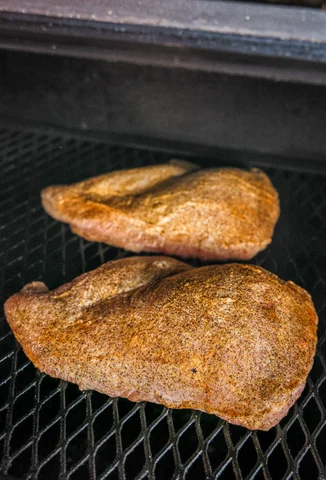
Begin by preparing your primary protein. Take your sirloin flap meat and season it evenly on all sides with a dedicated fajita seasoning (such as Meat Church Fajita seasoning). Do not rush this step; allow the dry rub to sit and adhere to the meat for a minimum of 15 minutes. This brief resting period allows the salt and spices to begin breaking down surface proteins and drawing out the natural flavors.
While the steak is resting, turn your attention to the side components.

Phase 2: Crafting the Fresh Guacamole
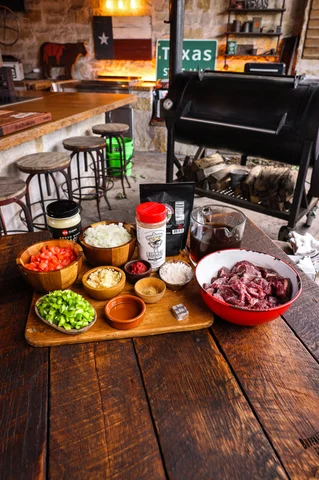
If you have not already prepared your homemade pico de gallo, do so now (utilizing a classic blend of diced tomatoes, white onions, fresh jalapeños, cilantro, and fresh lime juice).
- Take a medium-sized mixing bowl and add ripe avocados.
- Using a sturdy fork, thoroughly smash the avocados to your desired consistency—some prefer it chunky, while others lean toward smooth.
- Fold in a generous scoop of your freshly prepared pico de gallo.
- Add a splash of fresh lime juice to brighten the flavor and prevent oxidation.
- Season the mixture with a savory blend like Meat Church BLANCO.
- Mix everything until thoroughly combined, then cover and set aside.
Phase 3: The Skillet and the Grill (Simultaneous Action)
True efficiency in outdoor cooking means managing multiple heat sources at once.

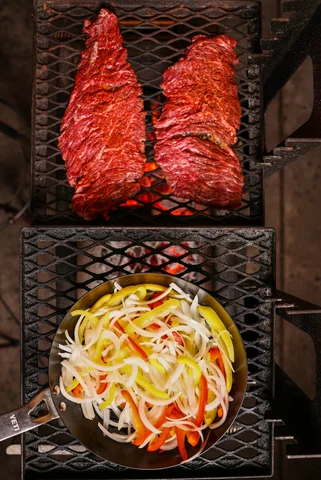
- The Skillet: Place a heavy-duty cast-iron skillet over a burner or side burner. Add a rich cooking fat such as beef tallow or high-smoke-point olive oil. Once hot, add your sliced bell peppers and onions, sautéing them until they achieve a tender-crisp texture with caramelized edges.
- The Grill: Concurrently, fire up your grill using ripping hot lump charcoal. You want a blazing-hot direct heat zone to sear the exterior of the beef quickly.
Phase 4: High-Heat Grilling Technique
Once your charcoal bed is white-hot and radiating intense heat, place your seasoned sirloin flap directly onto the grate.
- Sear the steak for exactly three minutes on the first side to build a gorgeous, smoky crust.
- Flip the meat and sear for an additional three minutes.
- From this point forward, flip the steak every minute, monitoring the internal temperature and the development of the char until you reach your preferred degree of doneness (medium-rare to medium is highly recommended for flap meat to preserve its tenderness).
Phase 5: The Crucial Rest and Slice
Remove the sizzling steak from the grill immediately upon reaching your target internal temperature. Transfer it to a cutting board or a warm platter and let it rest for 10 minutes. This resting period allows the internal muscle fibers to relax and redistribute their savory juices throughout the cut. Cutting into the meat too soon will result in dry fajitas.

The Pro Technique: Once rested, locate the direction of the muscle fibers (the grain) and slice the steak perpendicular (against) the grain into thin, bite-sized strips. This shortens the muscle fibers, ensuring an extraordinarily tender bite.
Phase 6: Assembly and Presentation
While the meat rests, quickly warm your fresh flour tortillas according to the package instructions—either on a hot dry skillet or wrapped in foil on the cooler side of the grill.

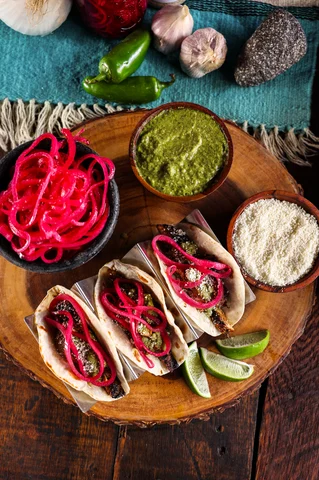
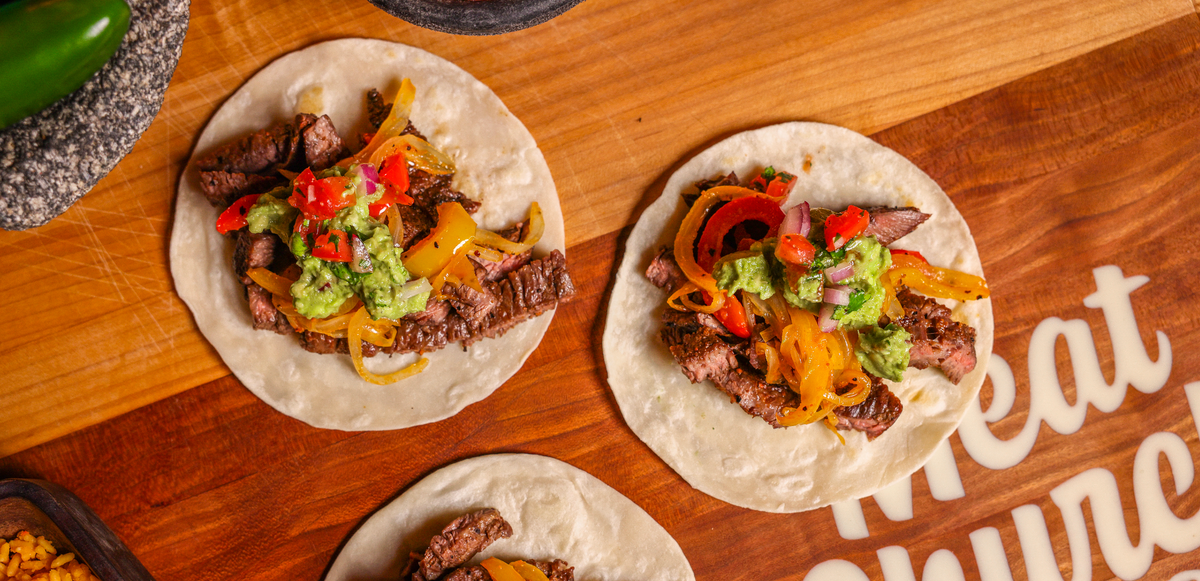
To serve, lay down a warm flour tortilla, pile on the tender, expertly sliced sirloin flap, top generously with the sautéed bell peppers and onions, a dollop of creamy house-made guacamole, and a spoonful of fresh pico de gallo. Complete the experience with a side of authentic Mexican rice, refried beans, and an ice-cold Cerveza.
Supporting Data: Understanding the Sirloin Flap
Why is the culinary community making the shift away from traditional skirt steak? Data from culinary researchers and butcher associations point to several distinct advantages of the sirloin flap (bavette):

| Metric | Traditional Skirt Steak | Sirloin Flap Meat (Bavette) |
|---|---|---|
| Average Thickness | Thin and uniform | Thicker, offering more versatility in doneness |
| Marbling | Moderate to high | High, yielding superior natural juiciness |
| Tenderness Quotient | Good (when sliced correctly) | Exceptionally tender due to looser muscle structure |
| Marinade Absorption | Excellent | Exceptional (absorbs rubs and liquids deeply) |
| Cost Efficiency | Often subject to high market demand pricing | Generally offers better value for superior texture |
Grilling experts note that because skirt steak has surged in popularity over the last two decades, prices have risen sharply while quality can occasionally be inconsistent. Sirloin flap, conversely, delivers an identical (if not superior) deep, beefy flavor profile while forgiving the cook with its naturally more tender disposition.
Official Responses and Expert Insights
Pioneers in the barbecue and outdoor cooking community have long championed lesser-known cuts of beef, aiming to educate backyard chefs on how to maximize flavor without breaking the bank.

"People get locked into traditional mindsets when it comes to Tex-Mex classics like fajitas," notes a leading barbecue content creator from Meat Church. "Everyone immediately thinks skirt or flank. But once you introduce a home cook to properly grilled and sliced sirloin flap—especially when seasoned right and paired with fresh, scratch-made toppings—the paradigm shifts completely. It changes the way you look at the butcher counter forever."
Culinary nutritionists also point out that pairing lean, grass-fed or well-marbled beef cuts with nutrient-dense toppings like avocados, tomatoes, limes, and onions provides a balanced macronutrient profile rich in healthy monounsaturated fats, vitamin C, and essential iron.

Implications: The Future of Backyard Tex-Mex Cuisine
The rising popularity of sirloin flap meat in everyday households signals a broader shift in modern home cooking. Consumers are increasingly willing to experiment with alternative cuts of meat, moving beyond standard grocery store cuts like ribeyes and strip loins in search of enhanced flavor and texture.
As more backyard chefs adopt high-heat charcoal grilling techniques and focus on scratch-made accompaniments—such as custom spice blends, fresh guacamole, and bright pico de gallo—the standard for casual weekend cooking rises. The humble fajita, once viewed as a simple weeknight fallback, has evolved into a canvas for culinary craftsmanship.

For those ready to step up their outdoor cooking game, the blueprint is clear: ditch the predictable, embrace the flap, master the slice, and enjoy one of the finest beef experiences your grill has to offer.