CULINARY ARTS — When it comes to traditional comfort food, few dishes rival the universal appeal of Mexican carnitas. Traditionally defined by chunks of pork simmered and crisped to perfection in copious amounts of rendered lard, this beloved culinary masterpiece has long presented home cooks with a logistical hurdle. While authentic in its fat-submerged methodology, cooking pork in vast quantities of lard is neither practical nor sustainable for the modern kitchen.
However, modern culinary techniques are bridging the gap between historical authenticity and weekday accessibility. According to recent culinary insights, home cooks can completely bypass the cumbersome lard-bath method without sacrificing a single ounce of flavor or texture. The secret? A surprisingly fast, highly effective one-hour saltwater brine paired with a low-and-slow oven roast.
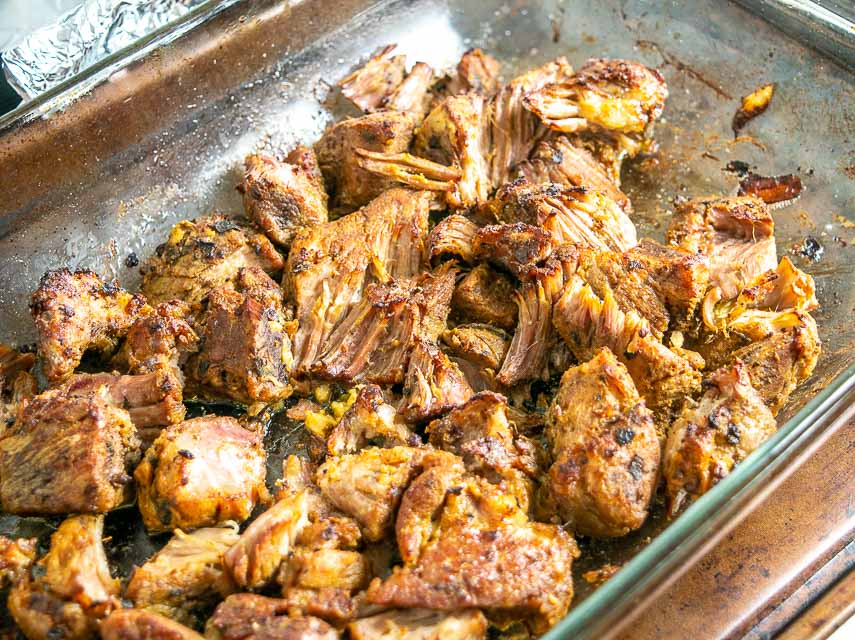
Main Facts: Deconstructing the Modern Carnitas Method
The traditional approach to carnitas relies on fat to keep the lean cuts of pork moist during hours of heat exposure. Without that heavy fat barrier, leaner pieces of pork shoulder are prone to drying out and losing their structural integrity.
To solve this without gallons of lard, culinary experts recommend a straightforward modification:
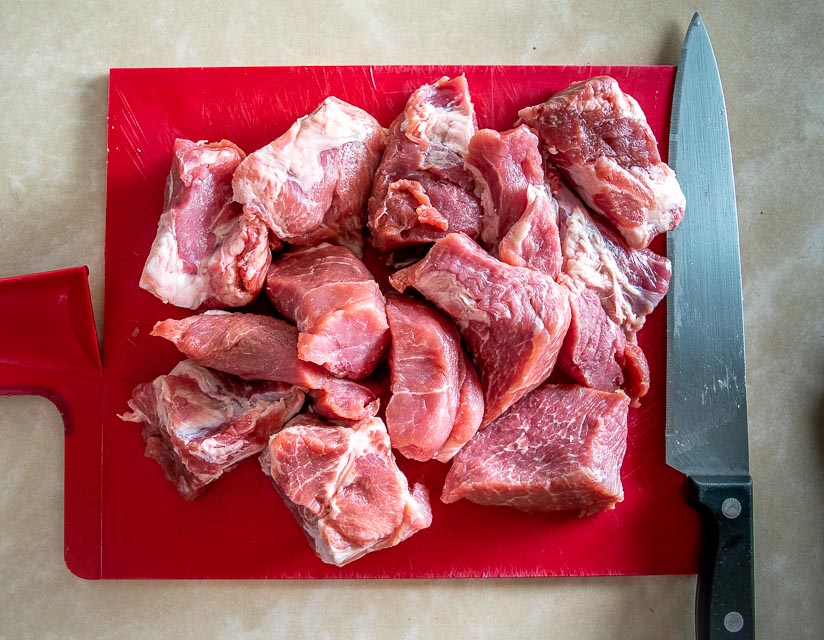
- The Pork Base: 2 to 2.5 pounds of pork shoulder, neatly trimmed and sliced into uniform 2-inch chunks.
- The Quick Brine: Submerging the meat in a mixture of 2 quarts of cold water and ½ cup of kosher or sea salt for precisely one hour.
- The Flavor Profile: A robust dry rub featuring Mexican oregano, cumin, chipotle powder, black pepper, and olive oil, combined with aromatics like fresh oranges, onions, jalapeños, and garlic cloves.
- The Cooking Technique: A three-hour, low-and-slow roast at 300°F inside a tightly covered casserole dish, followed by a quick 5-to-10-minute broil to achieve the signature crispy exterior.
Chronology of the Cook: From Brine to Broiler
Executing restaurant-quality carnitas at home no longer requires a 24-hour advance planning window. The entire process has been streamlined for maximum efficiency and flavor retention.
Step 1: The One-Hour Saltwater Swim
Traditional cookbooks often prescribe exhaustive 12-to-24-hour brining times for dense meats like pork. However, by cutting the pork shoulder into manageable 2-inch cubes before brining, the surface-area-to-volume ratio increases dramatically.
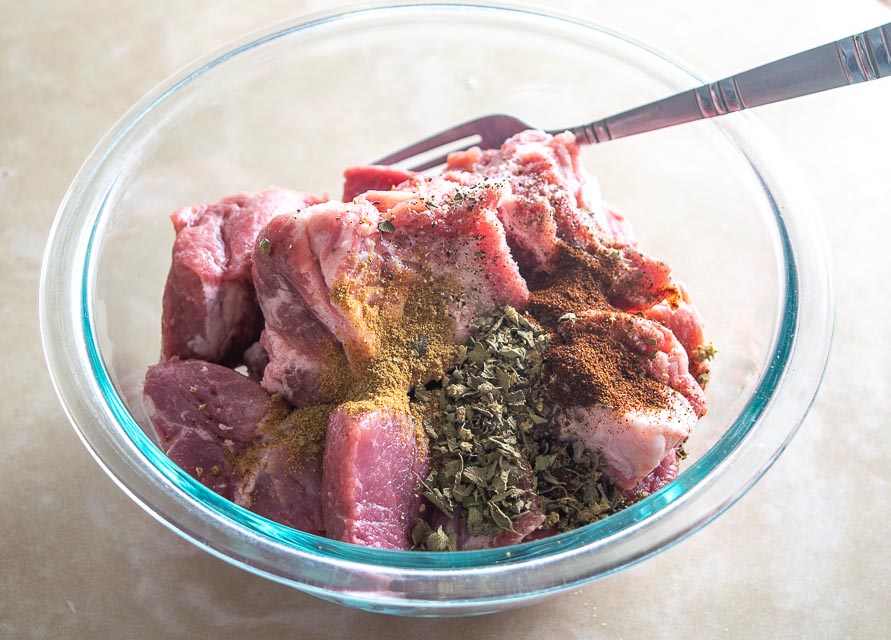
Placing the pork into a cold saltwater bath (using non-iodized kosher or sea salt to avoid off-flavors) for just 60 minutes allows the meat to absorb crucial moisture. More importantly, the salt alters the protein structures, enabling the pork to hold onto its internal juices throughout the subsequent multi-hour cooking process.
Step 2: Seasoning and Aromatics
Once the brined pork is patted completely dry, it is tossed in a mixing bowl with olive oil, freshly cracked black pepper, 1 teaspoon of salt, 1 teaspoon of cumin, a pinch of chipotle powder, and 2 teaspoons of aromatic Mexican oregano.
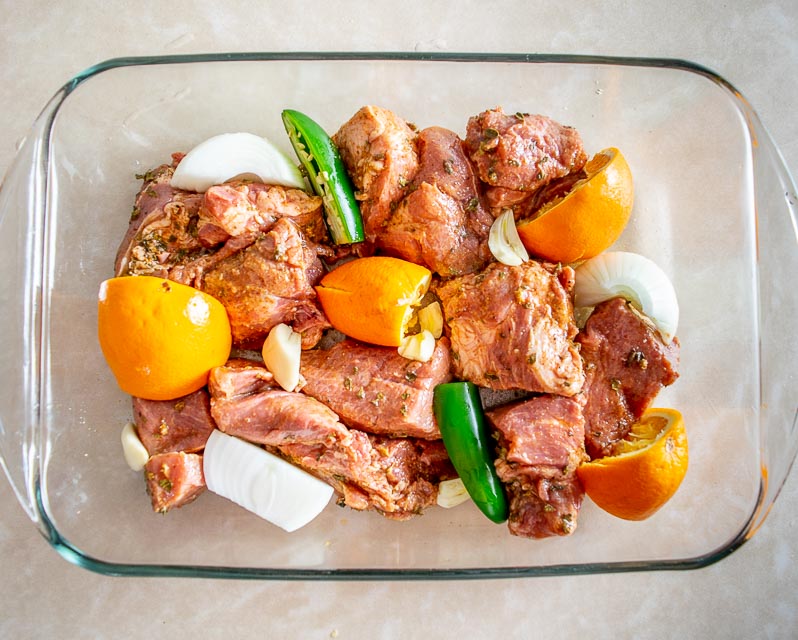
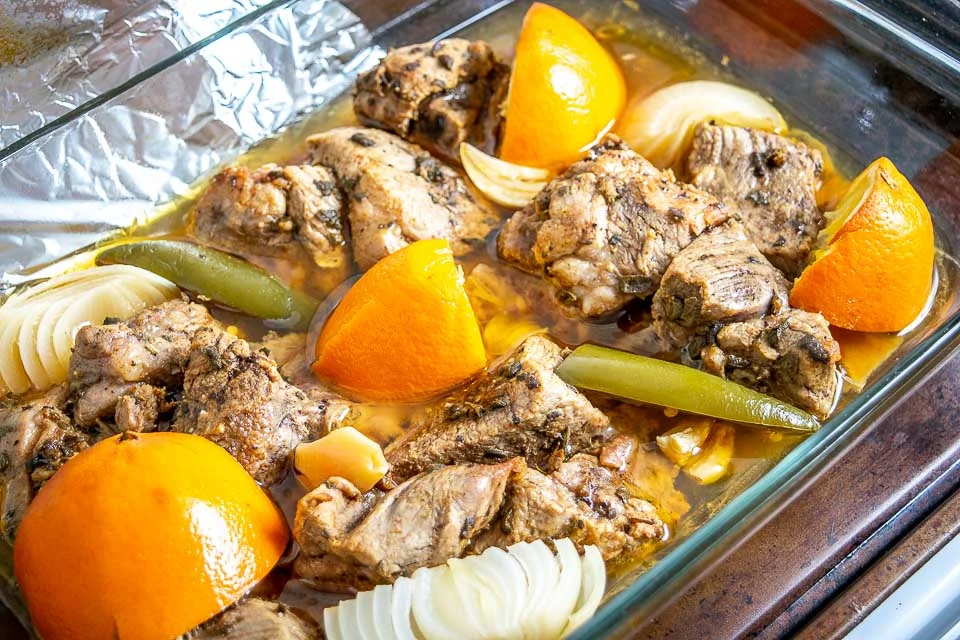
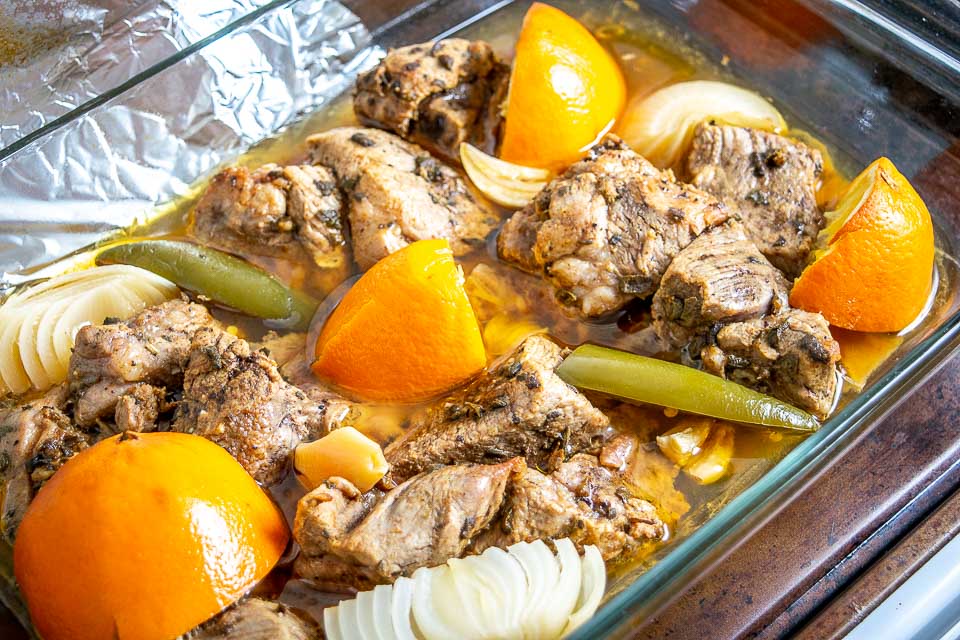
The seasoned pork is transferred to a deep baking dish. Fresh citrus and aromatics are introduced: the juice of a whole orange is squeezed directly over the meat, with the remaining orange rinds, half an onion, a halved jalapeño, and four smashed garlic cloves nestled snugly among the pork chunks.
Step 3: Low-and-Slow Roasting
Covered tightly with aluminum foil to trap every drop of steam, the dish goes into a preheated 300°F oven for three hours. During this phase, the connective tissues break down entirely. When tested with a fork, the meat should yield with minimal resistance, achieving ultimate fork-tender status.
Step 4: The Secret Weapon—Resting Liquid
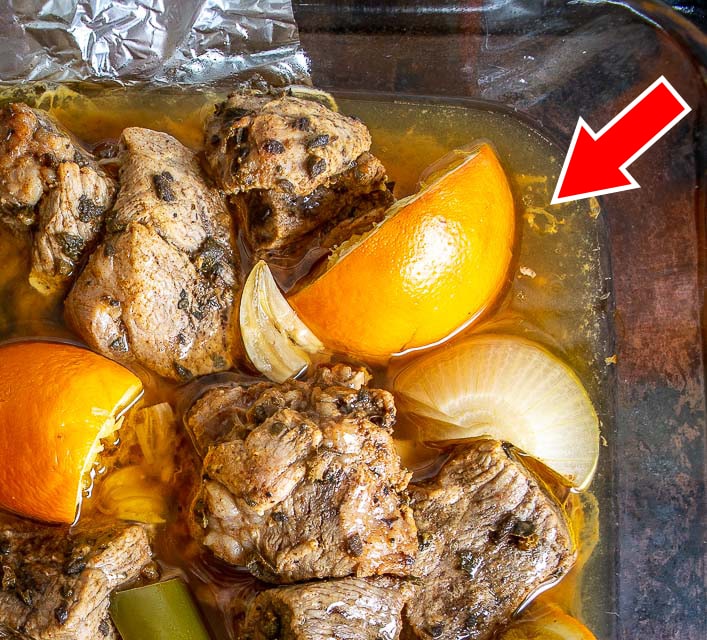
Upon removing the pan from the oven, cooks are greeted with a rich, aromatic resting liquid at the bottom of the dish—a prized byproduct brimming with sweet citrus notes, gentle heat from the jalapeño, savory pork drippings, and deep herbal undertones from the oregano and cumin.
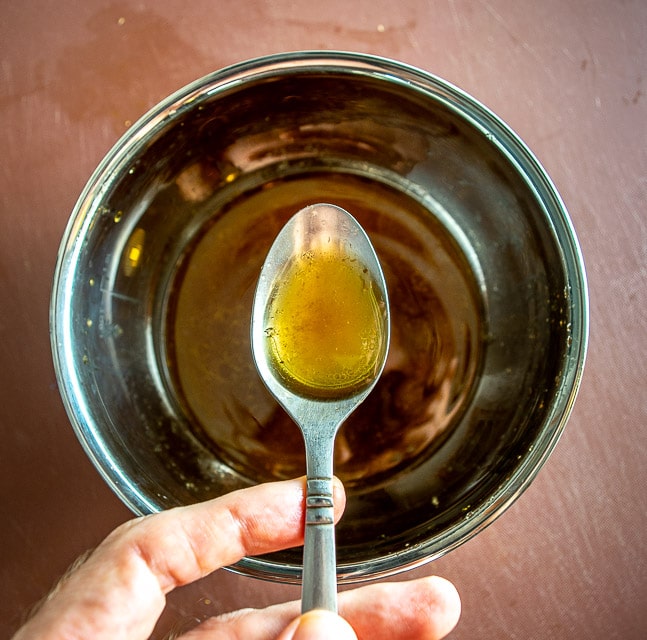
Before crisping, this liquid is drained and set aside. As it rests, a layer of rendered fat rises to the surface. Drizzling a small amount of this fat back onto the pork accelerates the crisping process under the broiler while locking in flavor. Furthermore, this resting liquid serves as an emergency rescue tool: if any leaner pieces of pork emerge slightly dry, tossing them back into this liquid instantly restores them to succulent perfection.
Step 5: The Broiler Finish and Assembly
To finish, the pork is placed under a high broiler for 5 to 7 minutes, resulting in semi-crispy edges while keeping the interior meltingly tender.
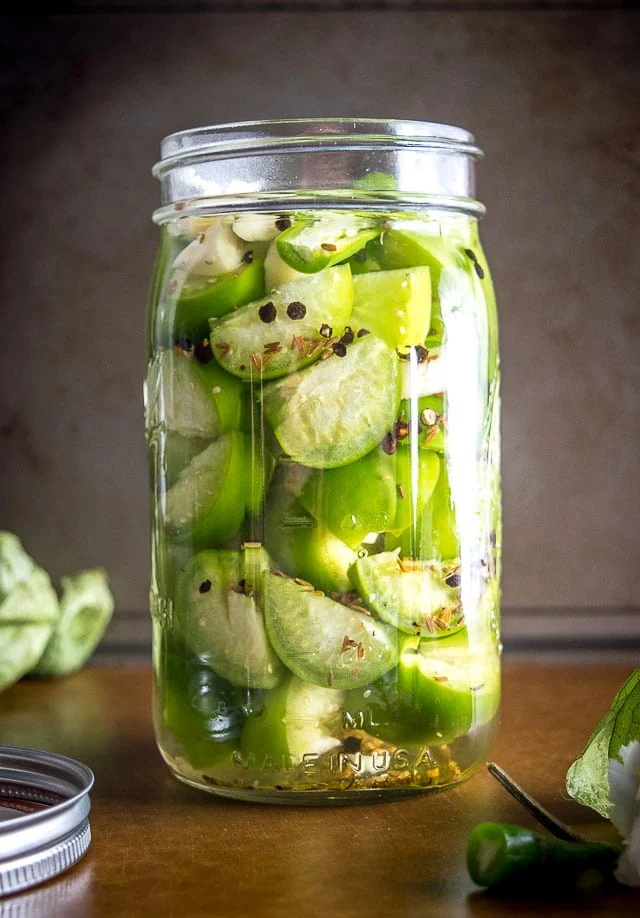
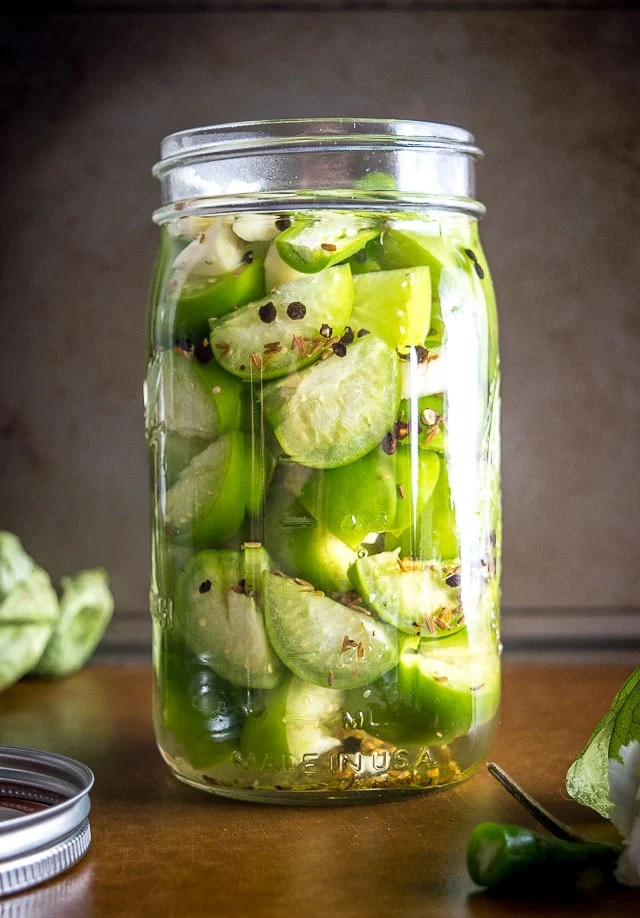
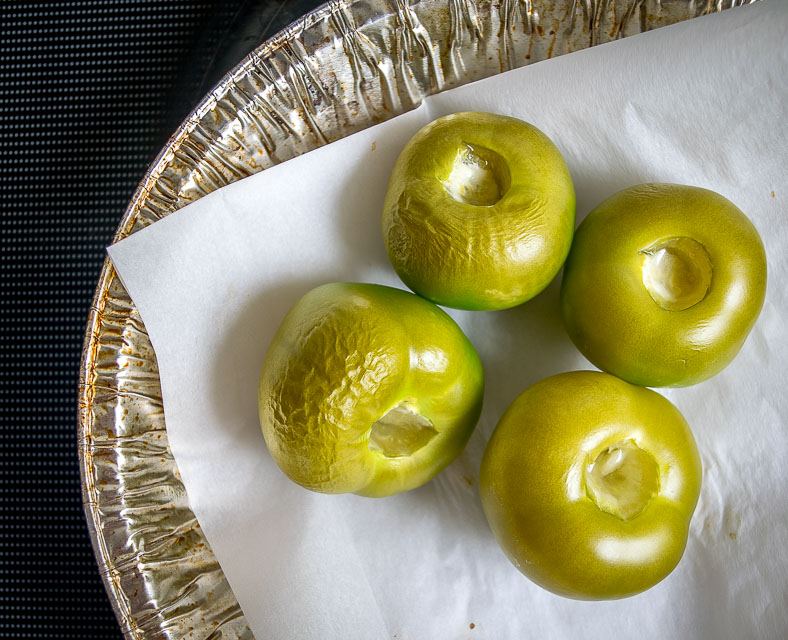
While the pork finishes, a sharp, vibrant Salsa Verde can be whipped up by roasting tomatillos in the oven during the final 20 minutes of the pork’s cook cycle. Blended with half an onion, a garlic clove, cilantro, and two fiery serrano peppers (scaled back or increased depending on heat preference), this pungent salsa cuts effortlessly through the rich pork. Served on warm, dry-skillet-crisped corn tortillas and topped with fresh raw onions and cilantro, the result is an authentic, elevated street-style taco experience.
Supporting Data and Culinary Science
The science behind brining meat relies on osmosis and protein denaturation. When meat is submerged in a hypertonic saltwater solution, salt molecules diffuse into the muscle tissue. This process dissolves certain muscle proteins (specifically myosin), creating a gel-like matrix that traps water molecules inside the muscle fibers.
When subjected to heat, standard unbrined pork experiences severe moisture loss as muscle fibers tighten and squeeze out water. Brined pork, conversely, retains up to 10% more moisture during cooking.
| Culinary Metric | Traditional Lard Method | Modern One-Hour Brine Method |
|---|---|---|
| Active Prep Time | 15 minutes | 20 minutes |
| Cooking Time | 3 to 4 hours | 3 hours (300°F oven) |
| Fat Requirement | Several pounds of commercial lard | Natural pork shoulder fat + olive oil |
| Moisture Retention | High (via fat barrier) | High (via cellular water-binding) |
| Cleanup Difficulty | High (heavy grease management) | Low-to-Moderate |
Official Responses and Expert Perspectives
Professional chefs and culinary educators have long debated the necessity of traditional lard-braising (known as confiter in French culinary terms). While purists argue that lard imparts an unmistakable traditional richness, modern recipe developers emphasize adaptability for home cooks.
"The biggest barrier to entry for authentic Mexican cooking at home is the intimidation factor of traditional ingredients and techniques," notes food culture researchers. "By substituting an accessible brine for a cumbersome lard bath, home cooks gain the exact same moisture retention without the environmental or clean-up deterrents."
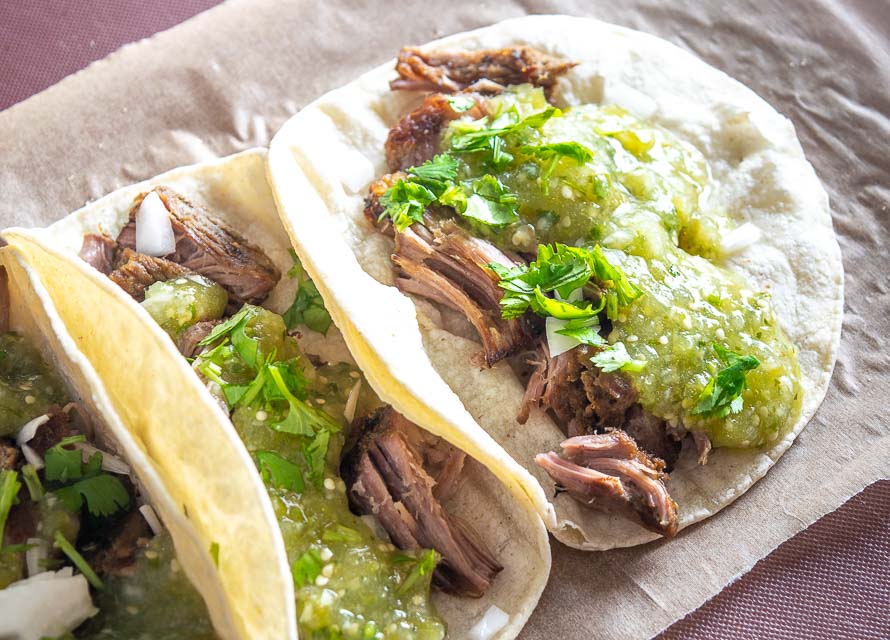
Furthermore, culinary instructors point out that the versatility of carnitas extends far beyond the traditional taco. The finished pork adapts seamlessly to burritos, grain bowls, taquitos, and even hearty weekend soups, making it one of the most cost-effective and high-yielding batch-cooking proteins available.
Implications for the Home Cook
The popularization of the one-hour brine technique democratizes complex Mexican cuisine, making it accessible for busy weeknights or casual weekend gatherings. By stripping away intimidating steps—such as sourcing industrial quantities of lard or waiting 24 hours for a brine to take effect—home kitchens can produce restaurant-quality results with standard grocery store ingredients.
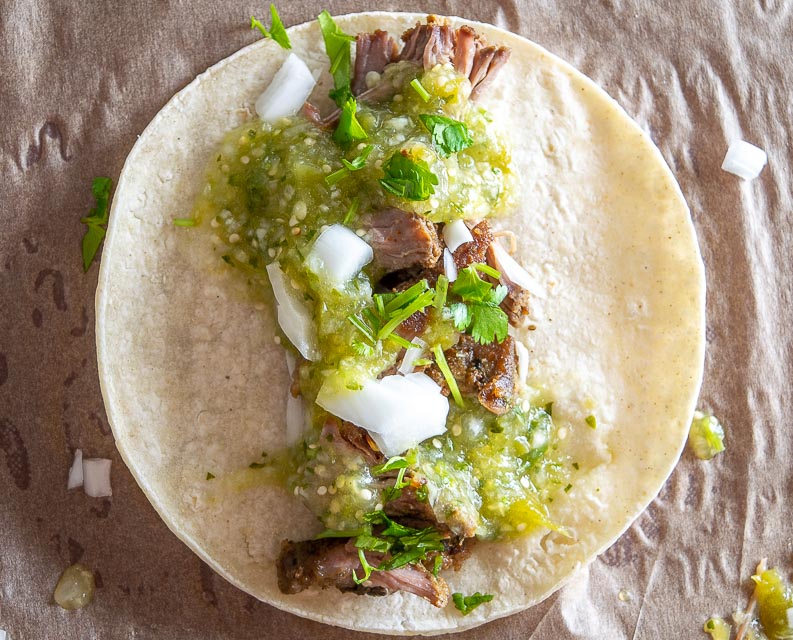
Ultimately, mastering this technique transforms a humble cut of pork shoulder into an extraordinarily versatile culinary asset. Whether incorporated into a sharp, tomatillo-forward taco or enjoyed straight from the roasting pan, these carnitas prove that bridging the gap between historical methods and modern convenience is entirely achievable.