By The Culinary Trends Desk Published: February 2026
Main Facts: The Rise of the Air Fryer Sweet Potato Standard
In the landscape of modern home cooking, few culinary innovations have matched the cultural and practical impact of the countertop air fryer. Among the vast ecosystem of recipes adapted for this appliance, one dish has risen to undisputed prominence: crispy air fryer sweet potato fries.
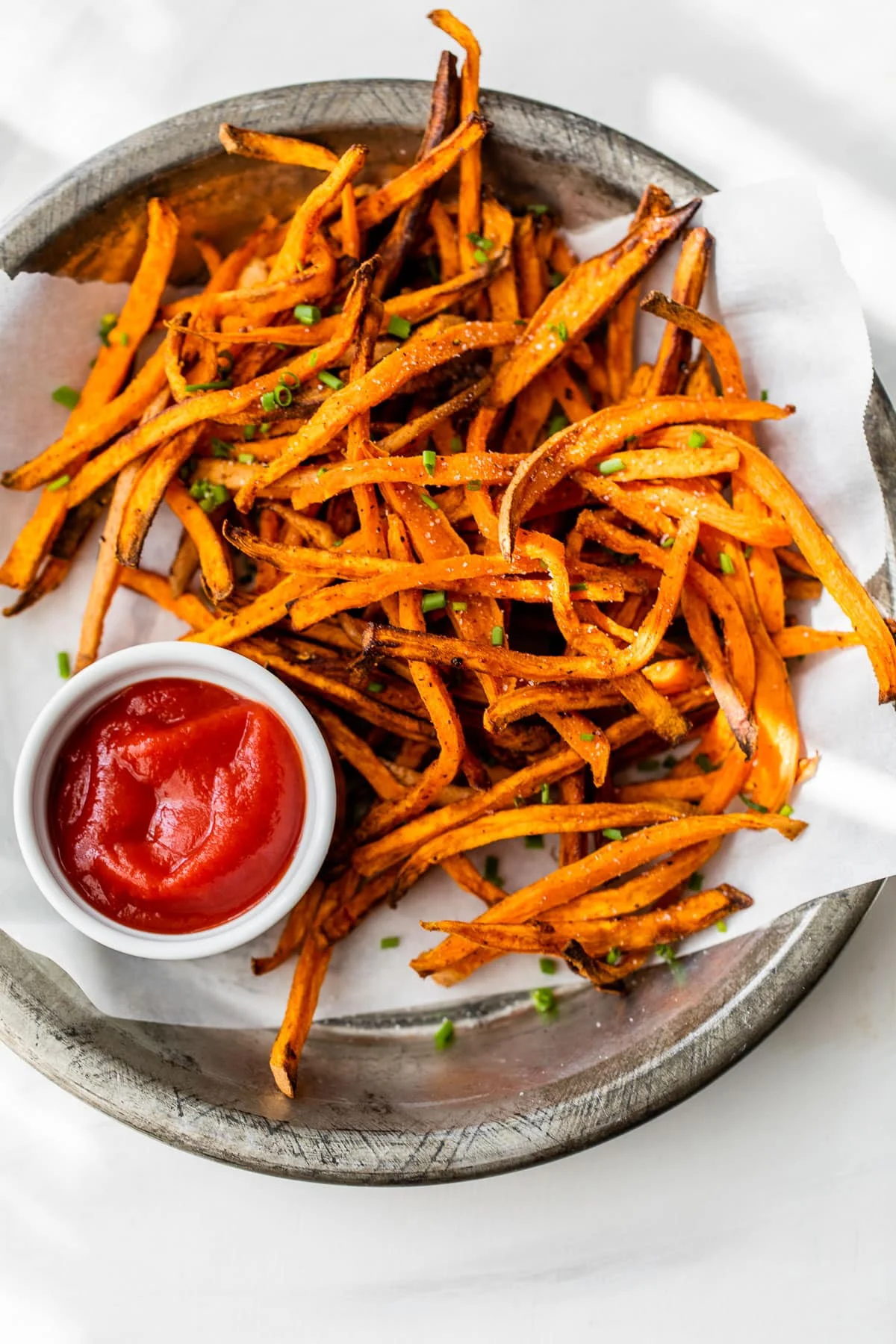
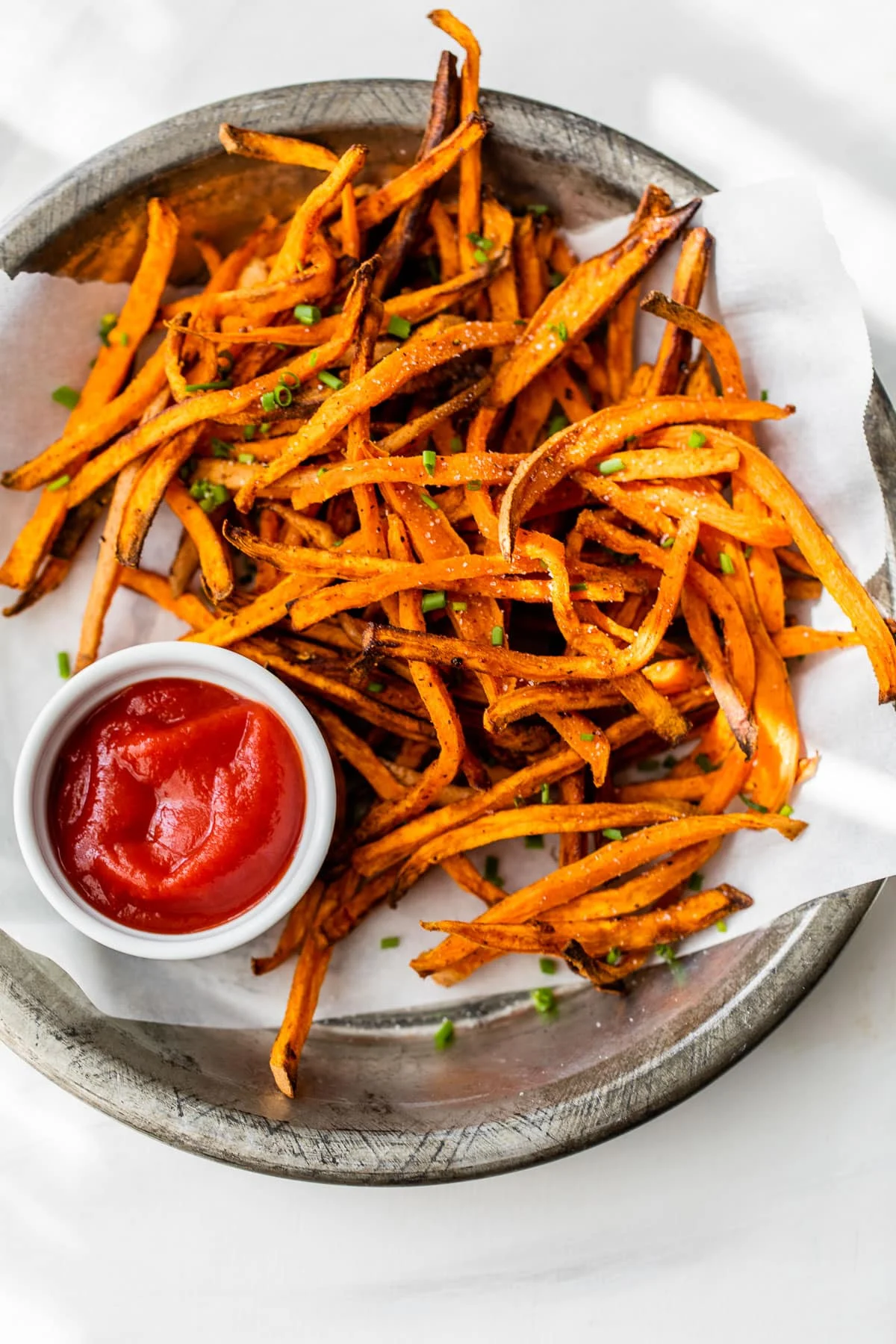
Long notorious for turning out soggy, limp, or unevenly cooked when baked in a traditional oven, sweet potatoes have finally found their ideal thermal environment. Developed and popularized by cookbook author and home-cooking advocate Erin Clarke of Well Plated, this definitive method yields a result previously thought impossible outside of a commercial deep fryer. Characterized by a shatteringly crisp exterior and a pillowy, tender interior, these fries require only a handful of pantry staples—primarily fresh sweet potatoes, a light touch of oil, and basic seasonings—to achieve restaurant-quality results.
The recipe has captured the imagination of millions of home cooks, backed by glowing five-star testimonials. Reviewers like home cook Anita noted, "UH-MAZE-ING. We ate the whole batch!"—a sentiment echoed across digital recipe boards and social media feeds nationwide. As consumers increasingly prioritize fast, healthy, and satisfying side dishes for weeknight dinners and game-day gatherings, this preparation has established a new benchmark for vegetable-based snacking.
Chronology: From Oven Disappointment to Air Fryer Mastery
To understand the triumph of this modern recipe, one must look back at the historical challenges of cooking sweet potatoes at home.
The Pre-Air Fryer Era: For decades, home cooks attempted to replicate restaurant-style sweet potato fries using conventional ovens. Due to the high natural sugar and moisture content of sweet potatoes, traditional baking frequently resulted in a caramelized disaster: burnt edges combined with steamed, soggy interiors.
The Deep Fryer Alternative: While deep-frying solved the texture issue by instantly dehydrating the outer layer of the starch, it introduced heavy amounts of saturated fats, cumbersome cleanup processes, and the hazards associated with boiling vats of oil in home kitchens.
The Air Fryer Revolution (2018–2021): As air fryers saturated the consumer market, recipes began migrating to the new convection technology. Early attempts still suffered from overcrowding and inadequate preparation techniques. It was during this period that culinary developers like Erin Clarke systematically tested temperature thresholds, oil-to-starch ratios, and cutting dimensions to formulate an infallible blueprint.
Mainstream Dominance (2021–Present): The publication and subsequent viral spread of standardized air fryer sweet potato fry guides shifted consumer habits permanently. Video tutorials, optimized cooking times, and strategic prep hacks turned the recipe into a cornerstone of contemporary quick-service home cooking.
Supporting Data: Nutrition, Yields, and Cooking Metrics
A key driver behind the enduring popularity of air fryer sweet potato fries is their favorable nutritional profile compared to traditional fried fast food. Scientific and culinary metric evaluations highlight why this dish strikes an optimal balance between indulgence and wellness.
Nutritional Breakdown (Per Standard Serving – 1/3 Batch):
Calories: 91 kcal
Carbohydrates: 16 g
Dietary Fiber: 2 g
Sugars: 3 g
Protein: 1 g
Total Fat: 3 g
Saturated Fat: 1 g
Potassium: 270 mg
Micronutrients: Exceptional levels of Vitamin A (10,853 IU), alongside modest amounts of Vitamin C, calcium, and iron.
Culinary Metrics and Specifications:
Prep Time: 10 minutes
Cook Time: 8–12 minutes total (with a mandatory midpoint flip)
Optimal Temperature Setting: Typically calibrated between 380°F and 400°F, depending on the specific air fryer model.
Batch Strategy: Cooking in a single, uncrowded layer yields maximum crispness. However, a quick-service compromise allows for a double layer provided the basket is shaken frequently.
Official Responses and Expert Insights: The Philosophy Behind the Method
Behind the viral success of the recipe is a deliberate culinary philosophy rooted in saving time while refusing to compromise on flavor or texture. Erin Clarke, the culinary mind behind the formulation, emphasizes that home cooking should alleviate stress rather than add to it.
"I’ve helped millions of people cook healthier meals that actually taste amazing," Clarke explains regarding her approach to recipe development. "I’m here to help you save time, dirty fewer dishes, and feel great about what you’re eating, without overthinking it."
Culinary experts note that the success of the air fryer method relies on understanding the cellular structure of the sweet potato. Because sweet potatoes contain high levels of sugar and water, trapping them in a confined space creates steam rather than crispness. Clarke’s method counters this by stressing proper spacing and airflow management.
Furthermore, professional chefs have weighed in on the versatility of the base recipe. By utilizing simple variations—such as tossing the freshly cooked fries in smoked paprika, garlic powder, or a cinnamon-cayenne blend—home cooks can pivot the dish effortlessly from a savory burger companion to a sweet-and-spicy game-day appetizer.
Implications: Changing How We View Weeknight Vegetables
The widespread adoption of streamlined air fryer vegetable preparations carries broad implications for modern nutrition, family meal planning, and kitchen appliance technology.
1. Revitalizing Weeknight Vegetable Consumption
For parents and busy professionals, getting children and adults alike to consume nutrient-dense vegetables often feels like an uphill battle. By transforming the sweet potato—a nutritional powerhouse rich in beta-carotene and antioxidants—into a crispy, handheld format that rivals fast food, this recipe bridges the gap between health and indulgence.
2. The Shift Away from Single-Purpose Appliances
The success of multi-step recipes executed entirely within a single countertop appliance underscores a larger consumer trend: the demand for efficiency. Home cooks are increasingly abandoning complex stovetop pan-fries and messy deep-frying setups in favor of appliances that minimize cleanup while maximizing texturizing capabilities.
3. The Democratization of Restaurant-Quality Food
Historically, achieving the exact crunch of a restaurant-grade sweet potato fry required commercial-grade equipment capable of flash-frying at high temperatures. Recipes optimized for consumer air fryers democratize this culinary experience, proving that advanced cooking techniques can be successfully translated to standard home kitchens with minimal equipment investment.
As consumer technology continues to evolve, foundational recipes like these serve as a reminder that the future of home cooking lies at the intersection of nutritional value, scientific precision, and absolute convenience.