Apples are the undisputed foundation of the autumnal kitchen. Whether you are crafting a rustic, deep-dish pie, a delicate morning muffin, or a sophisticated savory stuffing, the humble apple remains a versatile workhorse. However, the difference between an amateur bake and a professional-grade dessert often boils down to a single, critical decision: choosing the right variety.
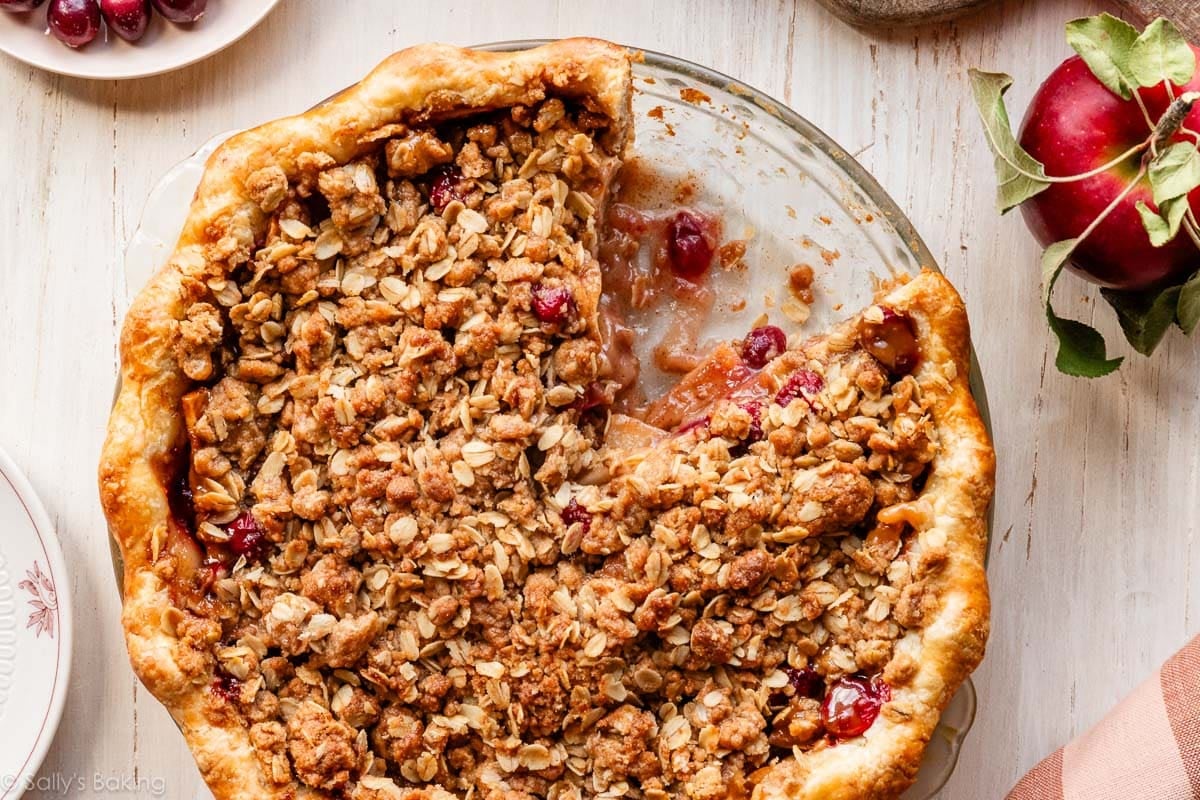
In the world of pastry arts, not all apples are created equal. Understanding the science of pectin, sugar content, and cell structure is essential for any baker aiming for success. This guide explores the complexities of apple selection, the necessity of blending varieties, and the techniques that elevate a simple fruit into a culinary masterpiece.

Main Facts: The Anatomy of a Baking Apple
To achieve the perfect texture, one must first understand what happens to an apple under heat. As an apple bakes, its cellular structure breaks down. Varieties with low acidity and soft flesh, such as the Red Delicious, lack the structural integrity required for heat. They tend to collapse into a mealy, flavorless mush, turning your pie filling into an unappealing sauce.
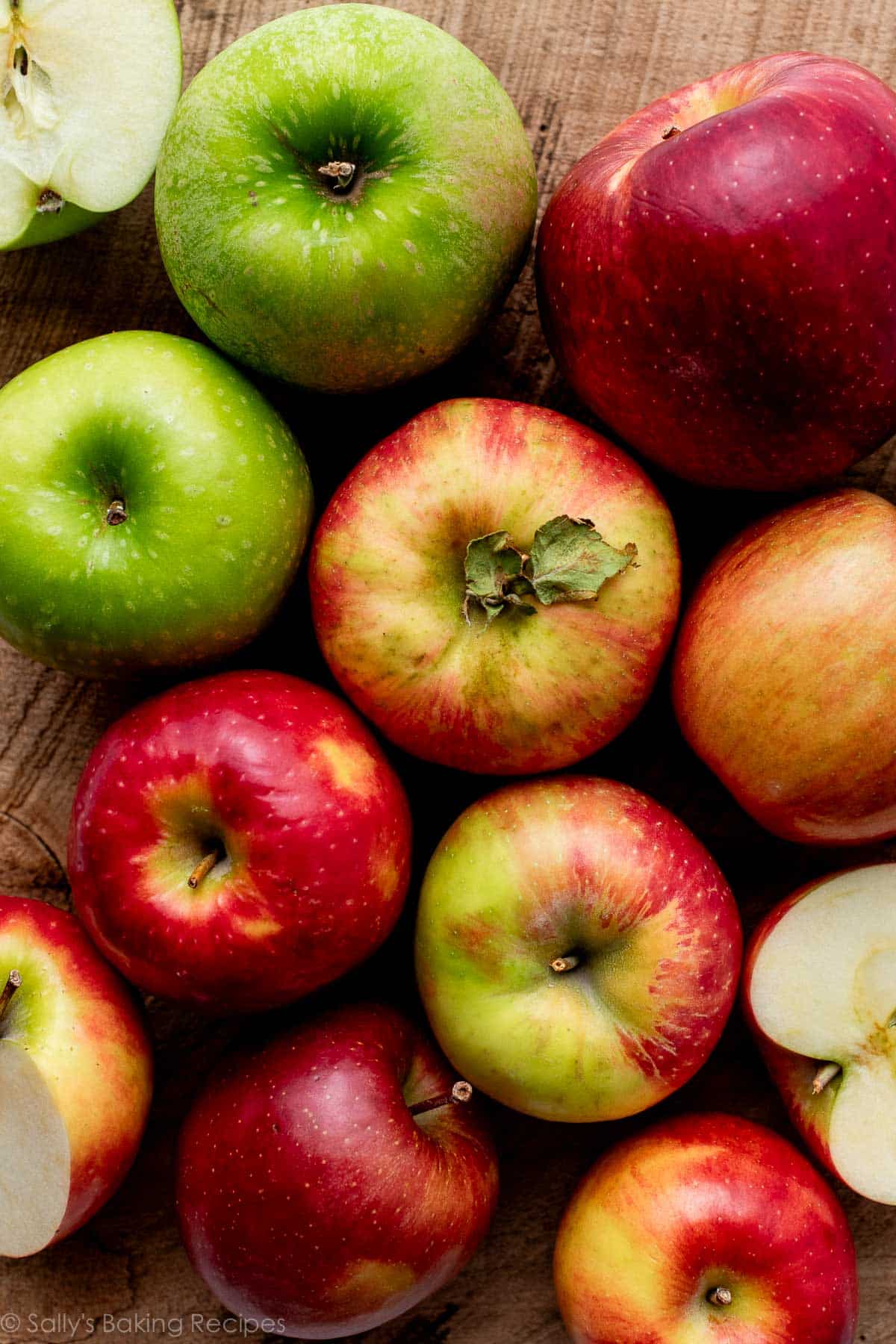
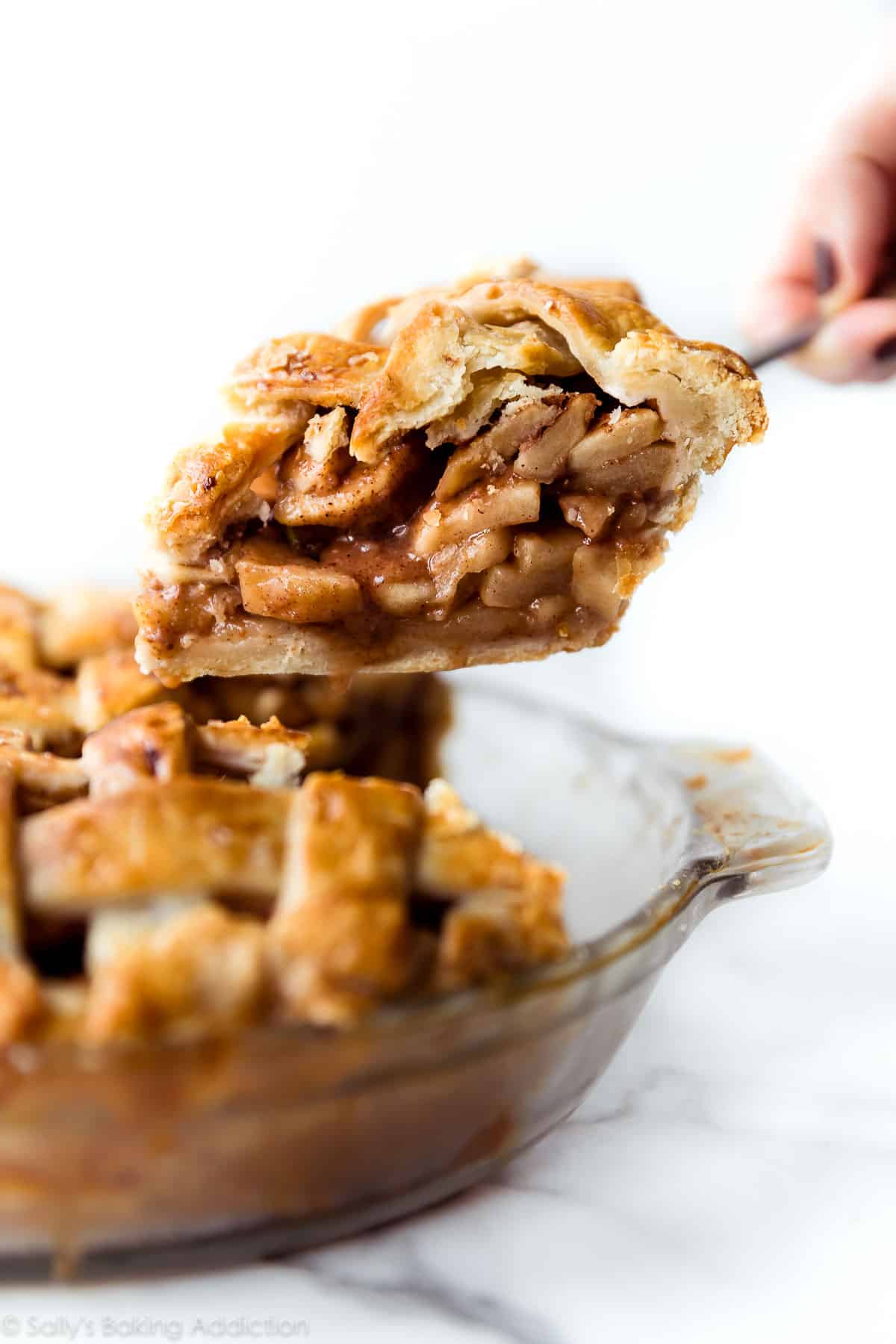
Conversely, the ideal baking apple must possess two specific traits: firmness and acidity. Firmness ensures that the fruit maintains its shape, offering a satisfying "bite" even after forty minutes in a hot oven. Acidity, or tartness, is the essential counterpoint to the sugar used in baking. When combined with brown sugar, cinnamon, and buttery crusts, a tart apple provides a brightness that prevents the final product from becoming cloyingly sweet.
Chronology of the Harvest: When and Why to Choose
The apple season begins in late summer and extends well into the depths of winter. Understanding the seasonality of these fruits allows bakers to source the freshest produce, which directly impacts the moisture content and flavor profile of the bake.
- Early Season (Late August/September): Varieties like Ginger Gold or early Galas start the season. These are generally better for fresh eating or quick, stovetop sauces rather than long-term oven roasting.
- Mid-Season (October): This is the "Goldilocks" period for bakers. Varieties like Honeycrisp, Jonagold, and McIntosh reach their peak. The cold nights and warm days of early autumn develop the complex sugars necessary for high-end pastries.
- Late Season (November/December): This is the time for the storage powerhouses. The Granny Smith, Braeburn, and Pink Lady varieties are engineered by nature to last, making them the superior choices for holiday pies and winter crumbles.
Supporting Data: The Hierarchy of Apple Varieties
For the home baker or the pastry professional, categorizing apples by their culinary utility is the key to consistency.
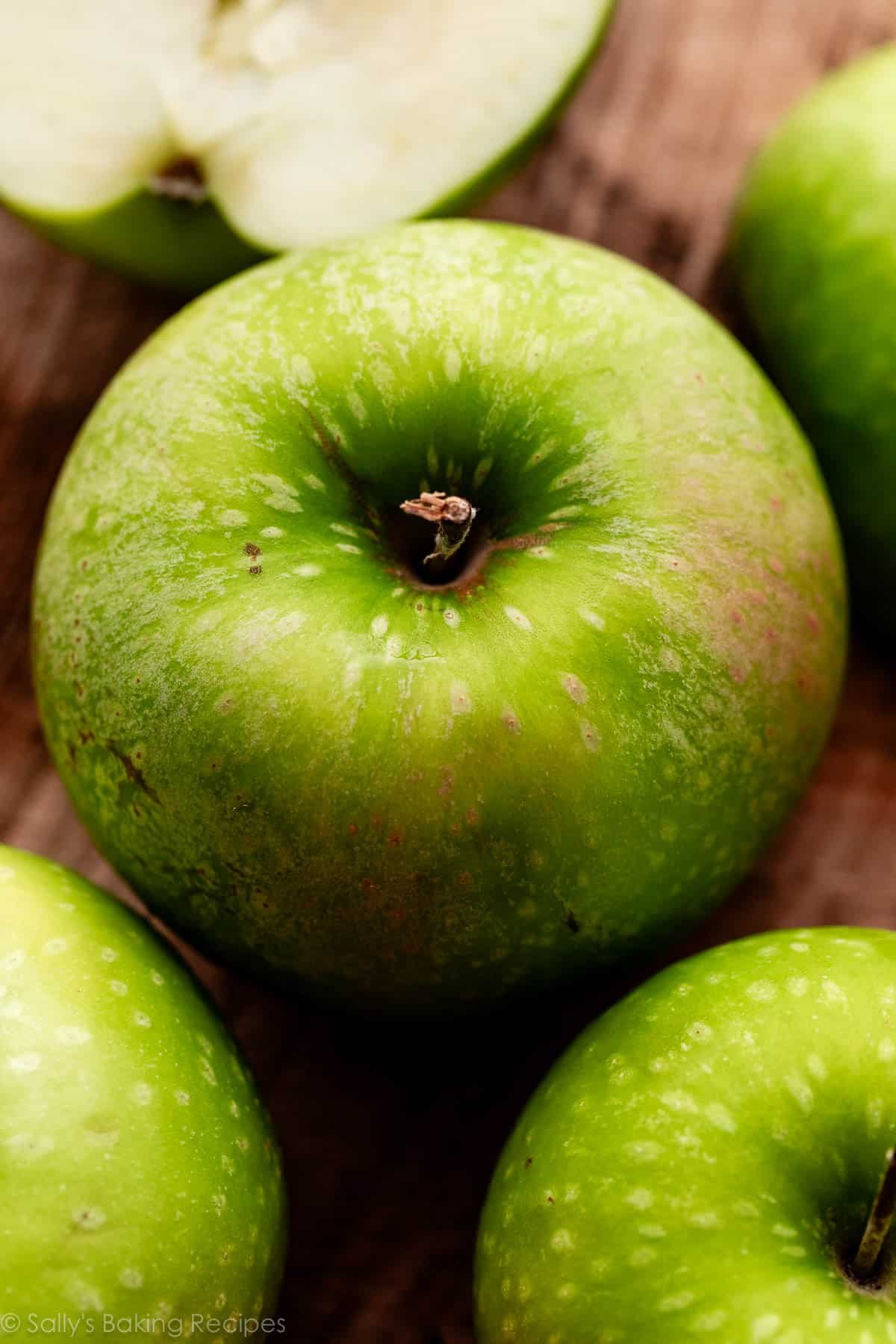
The Tart Essentials
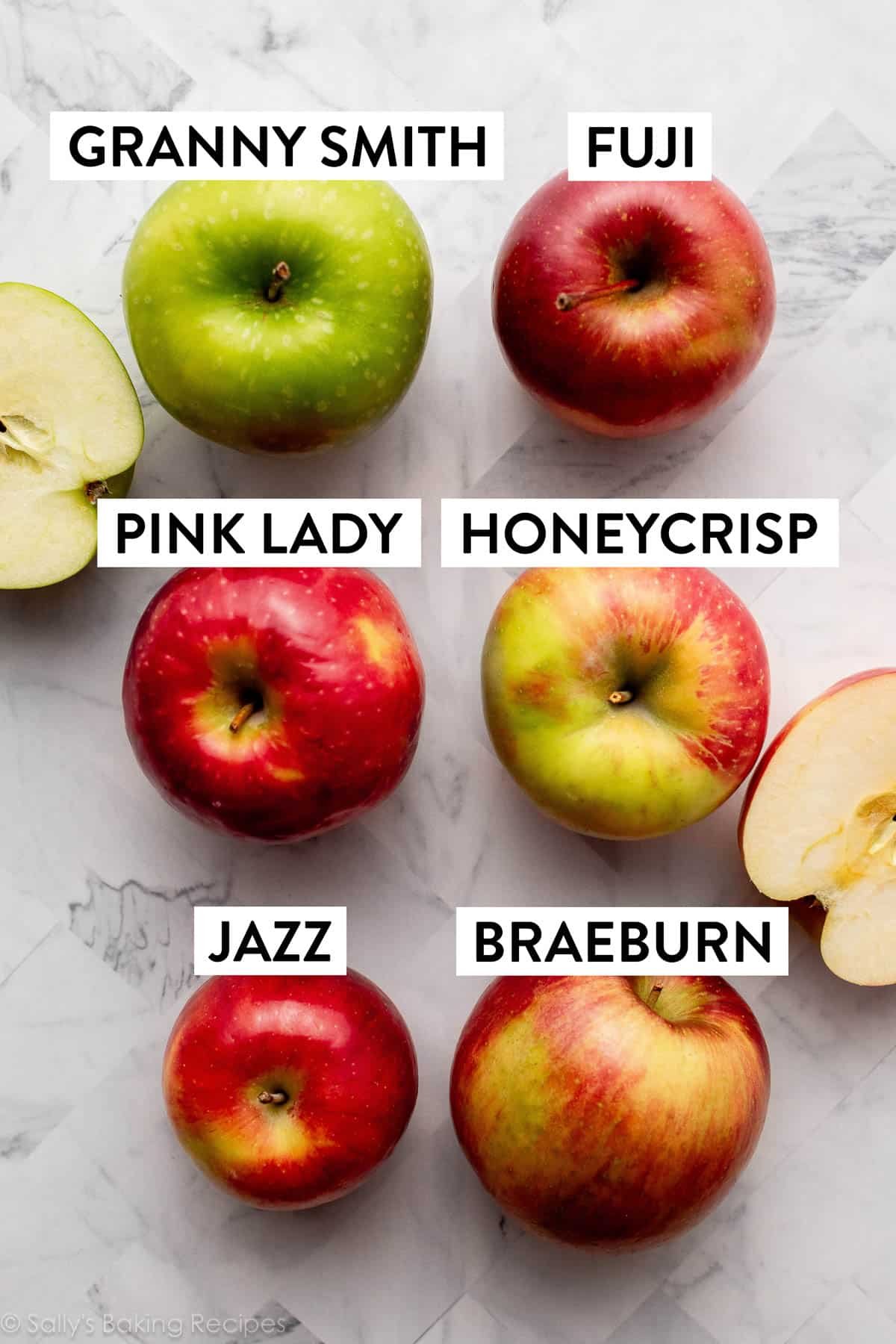
- Granny Smith: The gold standard for baking. It is exceptionally firm, acidic, and maintains its shape under high heat. If a recipe calls for only one type of apple, the Granny Smith is the most reliable choice.
- Braeburn: Known for a sharp, complex flavor profile. It is slightly less acidic than a Granny Smith but provides a robust, classic apple taste that pairs beautifully with nutmeg and cloves.
The Sweet and Balanced Options
- Honeycrisp: A modern favorite. Its texture is incredibly crisp and juicy. While it can soften more than a Granny Smith, its honey-like sweetness is unparalleled, making it a star in cakes and quick breads.
- Pink Lady (Cripps Pink): A dual-purpose powerhouse. It is naturally firm and possesses a unique sweet-tart balance that keeps it from losing its integrity in a pie shell.
- Jazz: A favorite among many pastry chefs. It is firm, crisp, and possesses a tangy edge that mimics the best qualities of the Braeburn and the Gala.
Professional Techniques: The "Combination" Philosophy
The secret that most professional bakers guard is that they rarely rely on a single variety. By mixing apples, you create a "flavor layering" effect.
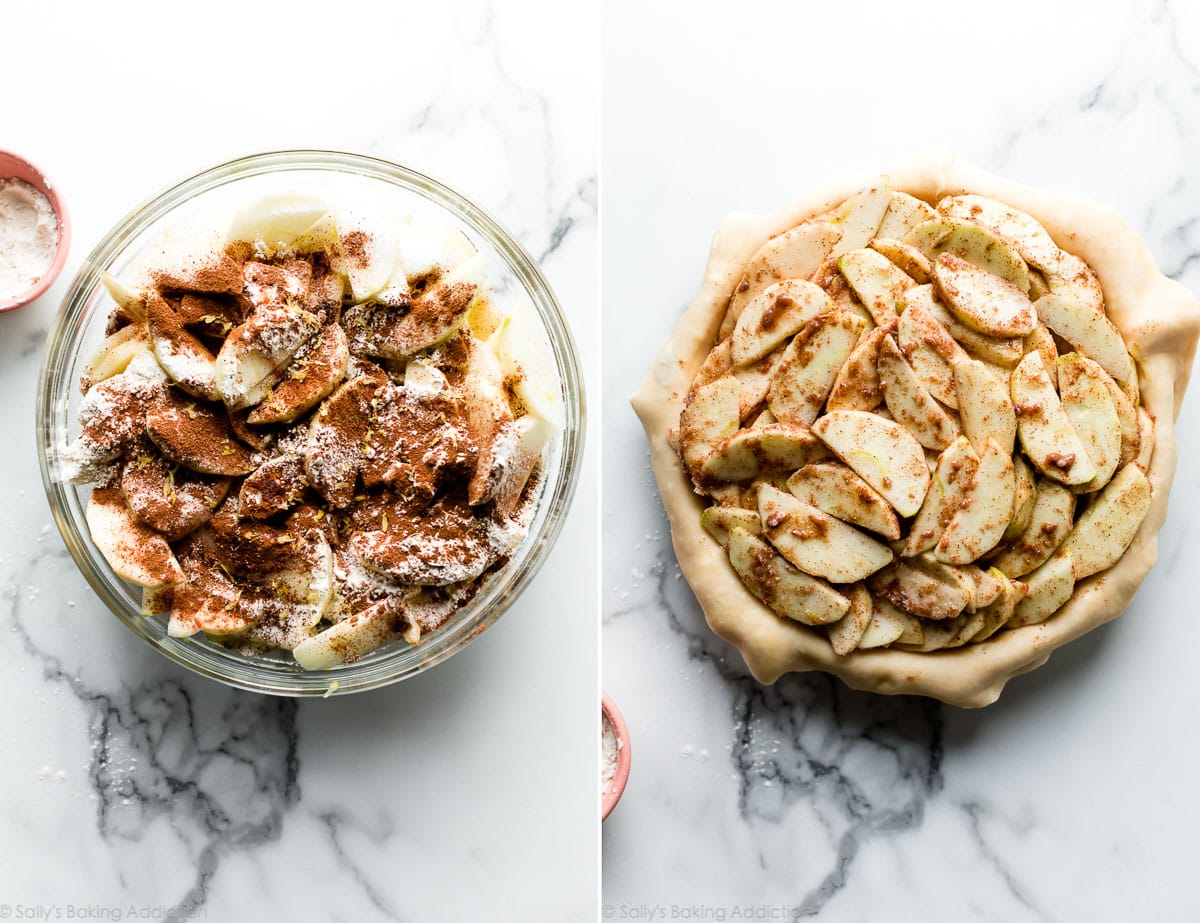
For instance, a pie made exclusively with Granny Smiths can be bracingly tart. A pie made exclusively with Honeycrisp can be overly sweet and potentially too soft. However, a 50/50 blend of the two creates a filling that is balanced, texturally diverse, and intellectually interesting to the palate.
When preparing your fruit, consistency is paramount. For pies and cobblers, slice your apples into uniform, 1/4-inch segments. This ensures that every piece of fruit cooks at the same rate. If you are preparing an apple crisp, where chunks are preferred, ensure they are roughly the size of a large dice. This allows the fruit to soften into the surrounding topping, creating a harmonious bite.

Official Guidelines on Preparation
Preparation method is just as vital as variety selection. The debate over peeling often sparks lively discussion in professional kitchens.

- The Case for Peeling: For delicate pastries like turnovers or refined tarts, the skin can become tough and leathery. Using a high-quality mechanical apple peeler is the professional’s choice for efficiency. The goal is a long, continuous ribbon, which minimizes fruit waste.
- The Case for Keeping the Skin: For rustic recipes like muffins or hearty quick breads, the skin adds color, fiber, and texture.
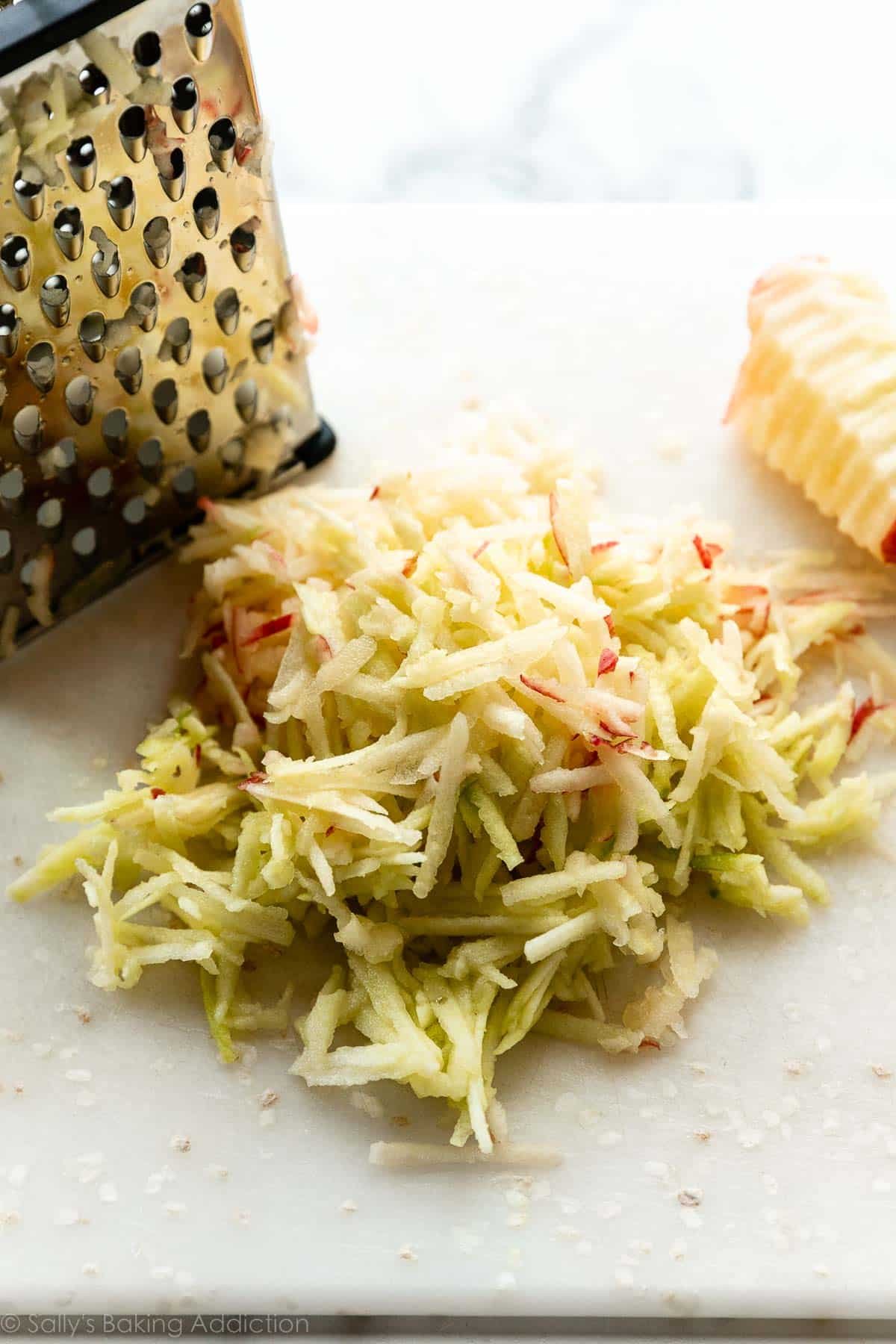
- The Shredding Method: When making recipes like Morning Glory muffins or dense apple cakes, a standard box grater is the most efficient tool. Shredded apples provide moisture and distribute flavor more evenly throughout the batter than chopped chunks.
Implications for Your Kitchen
Ultimately, the goal of selecting the right apple is to move beyond mere "baking" and into the realm of "crafting." By paying attention to the texture of the flesh, the balance of acidity, and the uniformity of your preparation, you elevate the humble apple to its highest potential.
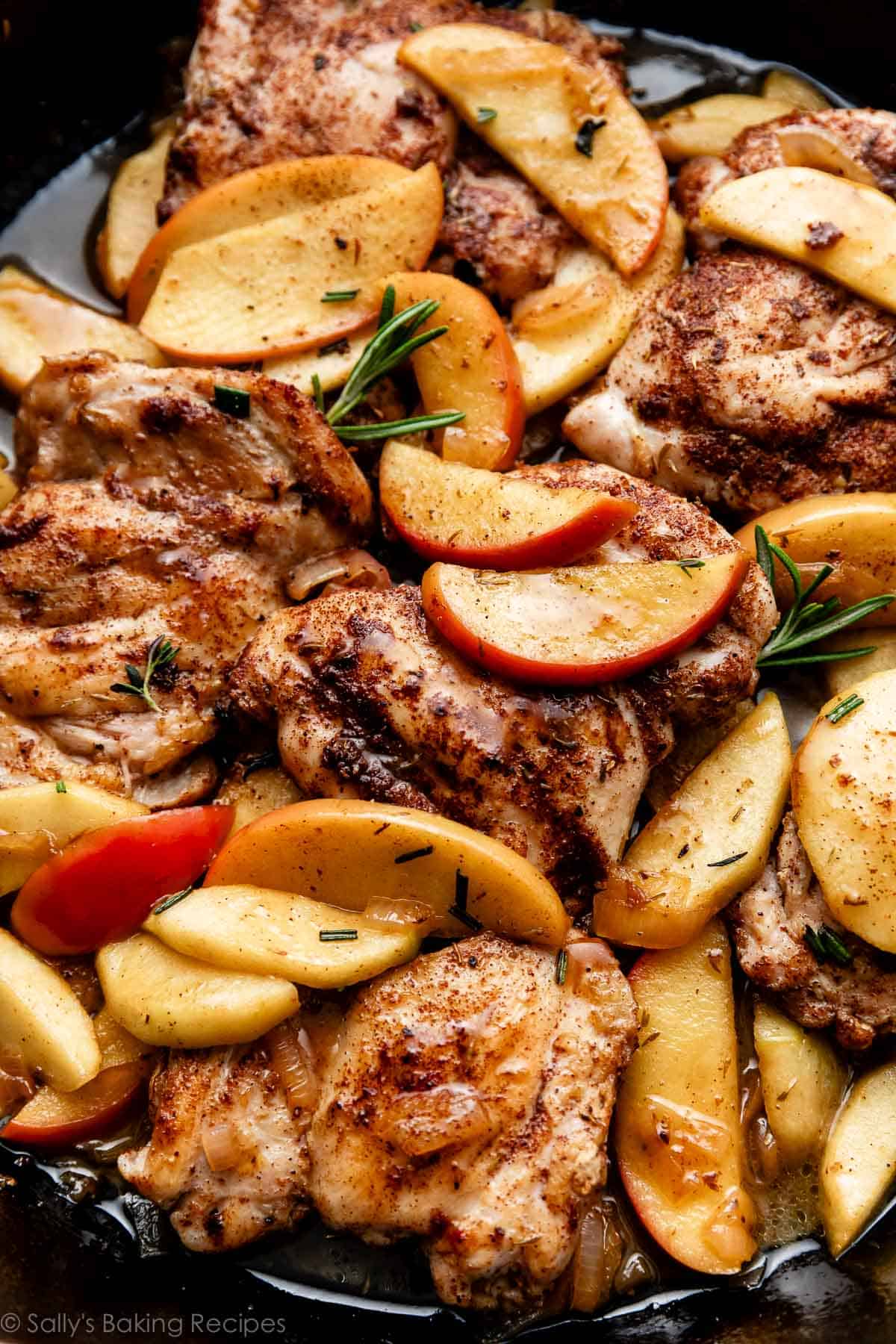
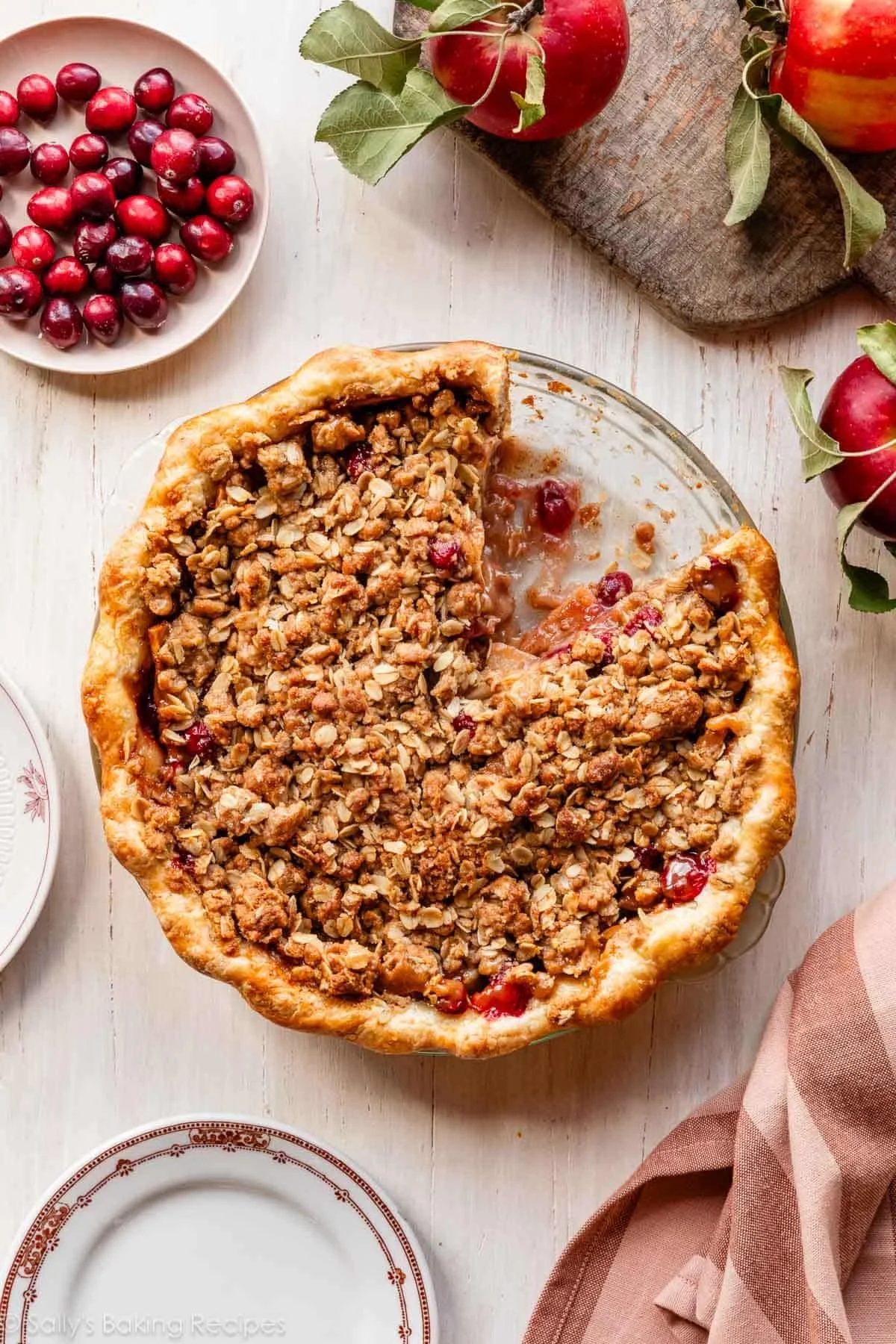
Whether you are preparing a simple apple cider muffin or a complex, layered apple cranberry crumble pie, the choice of fruit acts as the blueprint for your final result. As the season turns, take the time to visit local markets, sample different varieties, and experiment with your own proprietary blends.
Essential Apple Baking Checklist:
- Avoid the "Delicious" varieties: Red Delicious and similar soft-flesh apples are meant for raw snacking, not for the oven.
- Prioritize structural integrity: If you can press your thumb into the raw apple with little effort, it is likely too soft for a pie.
- Mind the moisture: If you are baking a cake, ensure you drain excess liquid from your apples if they are exceptionally juicy, such as a fresh-picked Honeycrisp.
- Always taste: Before adding sugar and spices, taste a sliver of the apple. Adjust your added sugar based on the natural sweetness of the fruit.
By adhering to these principles, you ensure that your kitchen remains a place of consistent excellence, where every apple-based creation is a reflection of careful selection and technical precision. The harvest is generous; ensure you are using it to its full advantage.