In the world of home baking, few things offer the same nostalgic comfort as a classic sugar cookie. Yet, for many, the prospect of rolling, cutting, and painstakingly decorating cookies with intricate icing feels like a daunting commitment of time and skill. Enter the "Sprinkle Sugar Cookie"—a culinary solution that prioritizes simplicity without sacrificing the whimsical, bakery-style finish that makes a treat feel truly special. These soft, buttery delights have become a staple for modern families, offering a way to elevate basic pantry staples into a vibrant centerpiece for any celebration.
Main Facts: The Anatomy of a Perfect Cookie
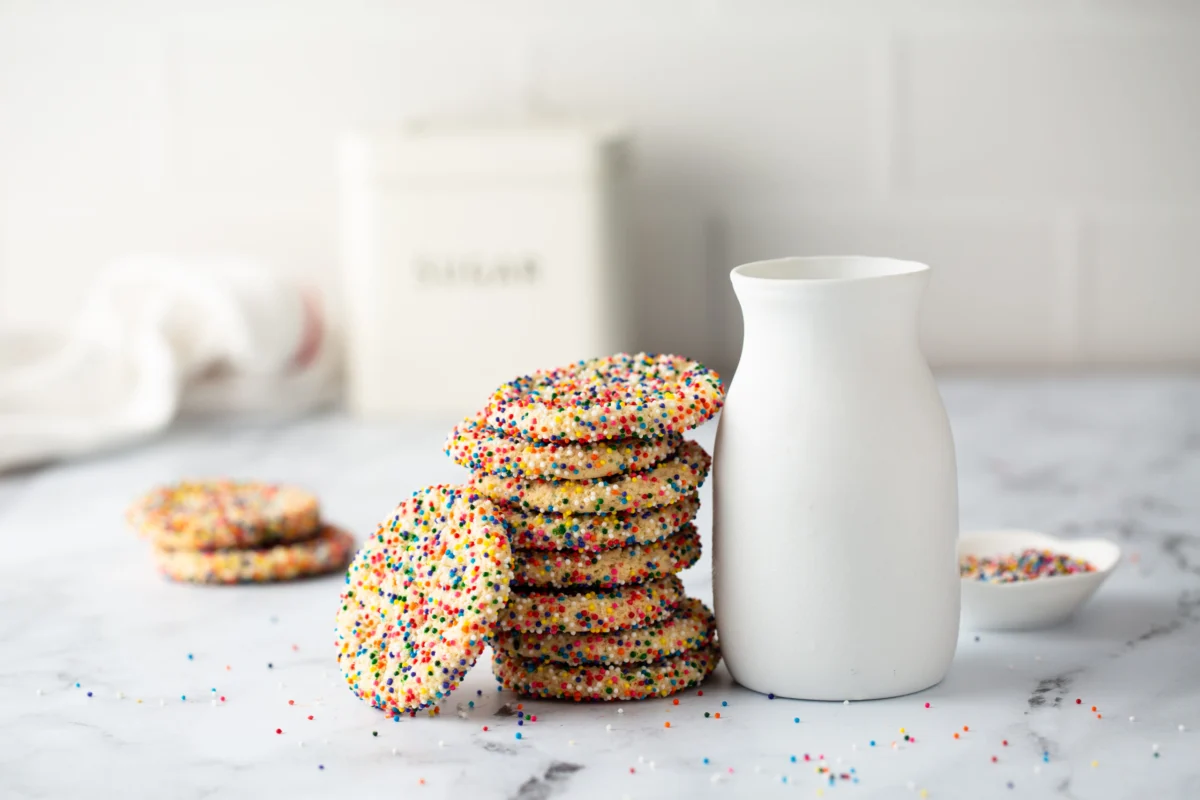
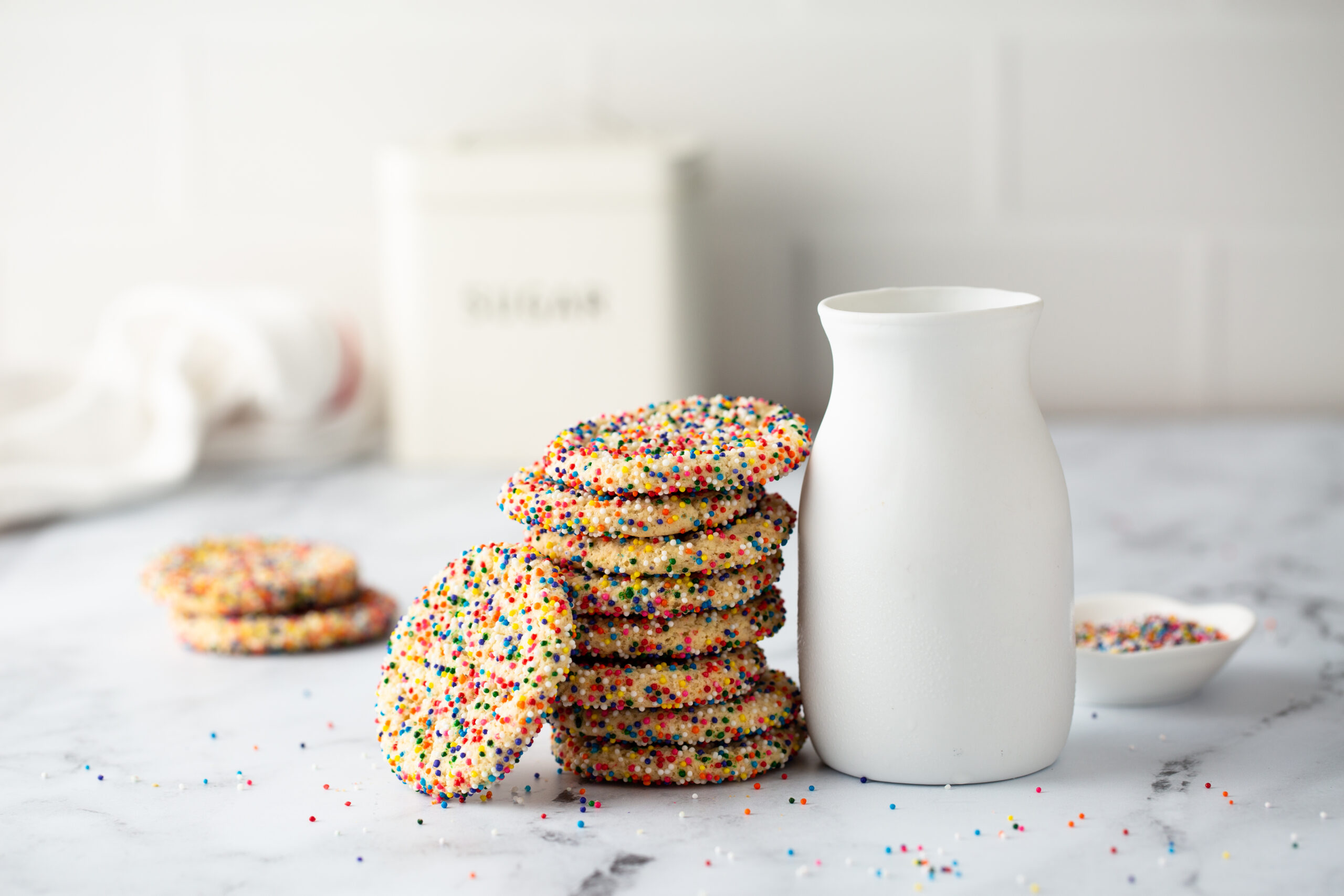
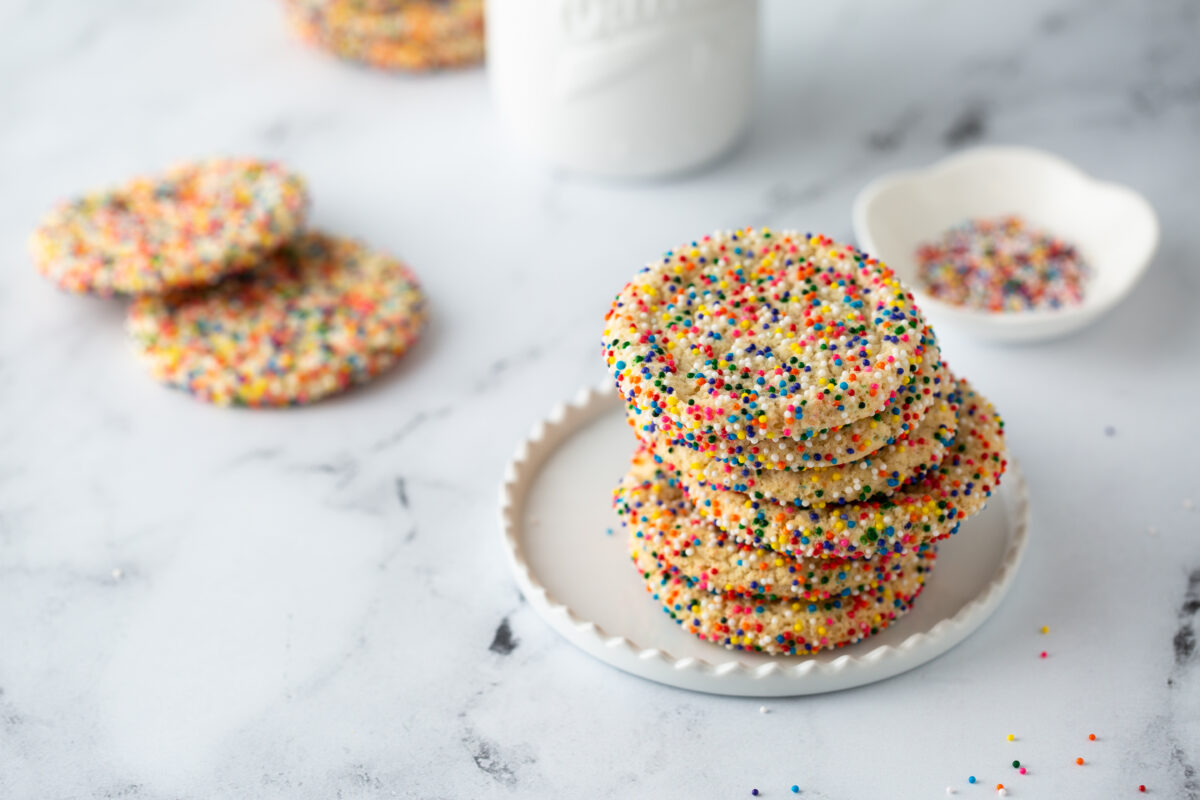
At its core, the sprinkle sugar cookie is a study in texture and visual appeal. Unlike traditional sugar cookies that rely on royal icing for their decorative flair, this iteration derives its personality from a generous coating of colorful sprinkles applied before the baking process.
The primary allure of these cookies lies in their texture: they boast a delicate, slightly crisp outer edge that yields to a soft, chewy, and buttery interior. By using “jimmies”—the elongated, cylindrical sprinkles—bakers can achieve a soft crunch that doesn’t compromise the integrity of the dough. Because the decoration is applied as part of the preparation process, the need for post-bake cooling, piping bags, and messy icing stations is entirely eliminated. This efficiency makes them an ideal candidate for high-volume needs, such as bake sales, classroom parties, or last-minute holiday gatherings.
Chronology of the Baking Process
Understanding the lifecycle of these cookies is key to achieving that professional result. The process begins with the careful preparation of the dough, which relies on room-temperature butter to ensure a smooth, cohesive texture. Once the wet and dry ingredients are incorporated, the most critical step—chilling—commences.
1. The Preparation Phase (0–15 Minutes)
The dough comes together rapidly. Once mixed, the dough requires a mandatory rest period in the refrigerator. This is not merely a suggestion; it is a chemical necessity. Chilling allows the butter to firm up, preventing the cookies from spreading into thin, oily puddles once they hit the heat of the oven. A 30-minute rest is the standard recommendation for optimal structural integrity.
2. The Application Phase (15–20 Minutes)
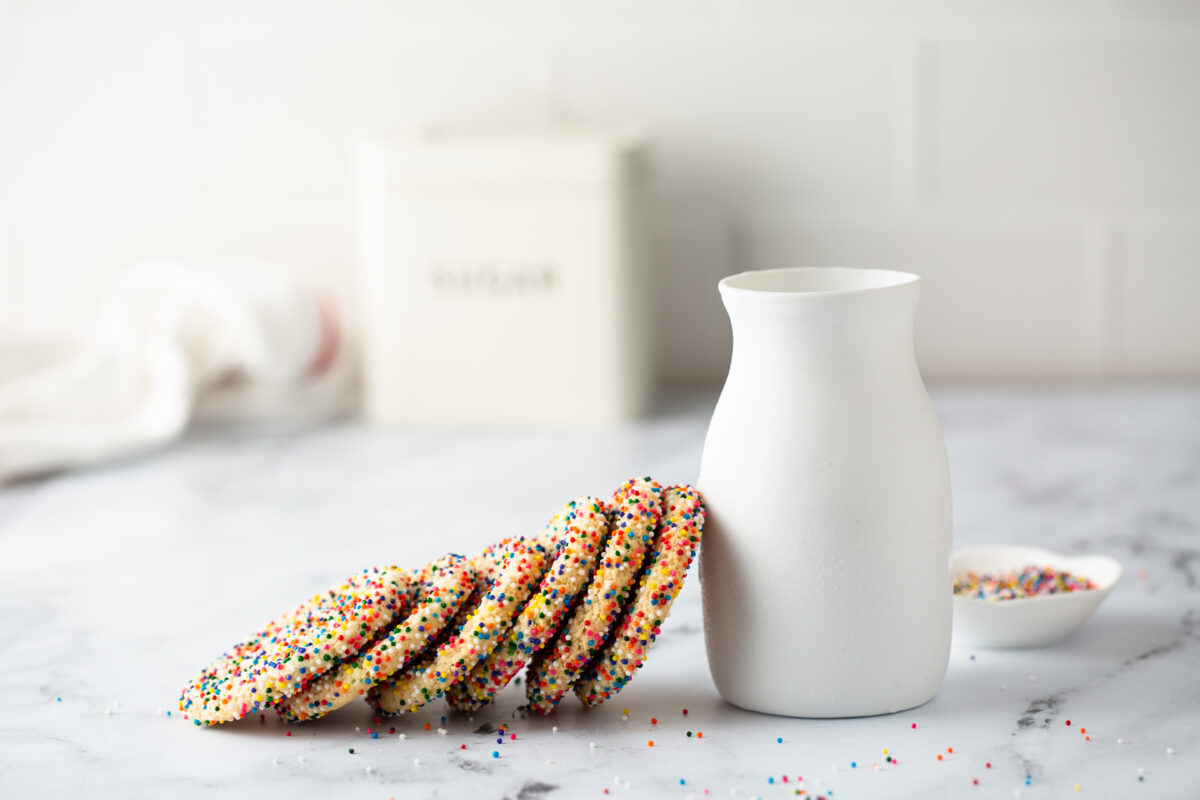
Once chilled, the dough is portioned into uniform balls. This is the stage where the magic happens. By rolling the raw, slightly tacky dough balls into a bowl of vibrant jimmies, the baker ensures an even, colorful coating. The heat of the oven then "bakes" the sprinkles into the outer layer of the cookie, fusing them into the structure.
3. The Baking and Cooling Phase (20–55 Minutes)
Baking is a delicate balance. To maintain the signature "soft center," the cookies must be removed from the oven while the edges are set but the middles remain slightly soft. They will continue to firm up as they rest on the hot baking sheet, a phenomenon known as carry-over cooking.
Supporting Data: The Science of Ingredients
The success of this recipe is rooted in the careful selection of pantry staples. According to culinary experts, the secret to a high-quality cookie lies in three specific areas:
- The Butter Factor: Using softened, rather than melted, butter is non-negotiable. Melted butter alters the hydration levels of the flour, leading to excessive spreading.
- The Flour Measurement: A common pitfall in home baking is the over-packing of flour. By using the "spoon and level" method—spooning flour into a measuring cup and leveling it off with a knife—bakers prevent the density that leads to dry, chalky cookies.
- The Sprinkle Selection: Not all sprinkles are created equal. Jimmies are widely considered the gold standard. Nonpareils (the tiny, ball-shaped sprinkles) are often avoided in the dough-rolling phase because their thin sugar shells can bleed color, creating an unappealing mottled look rather than a crisp, vibrant finish.
Implications for Family Engagement
One of the most significant implications of this recipe is its role in "democratizing" the kitchen. Unlike complex decorating tasks that require a steady hand and artistic experience, rolling dough balls in a bowl of colorful sprinkles is a tactile, forgiving task that invites participation from all age groups.
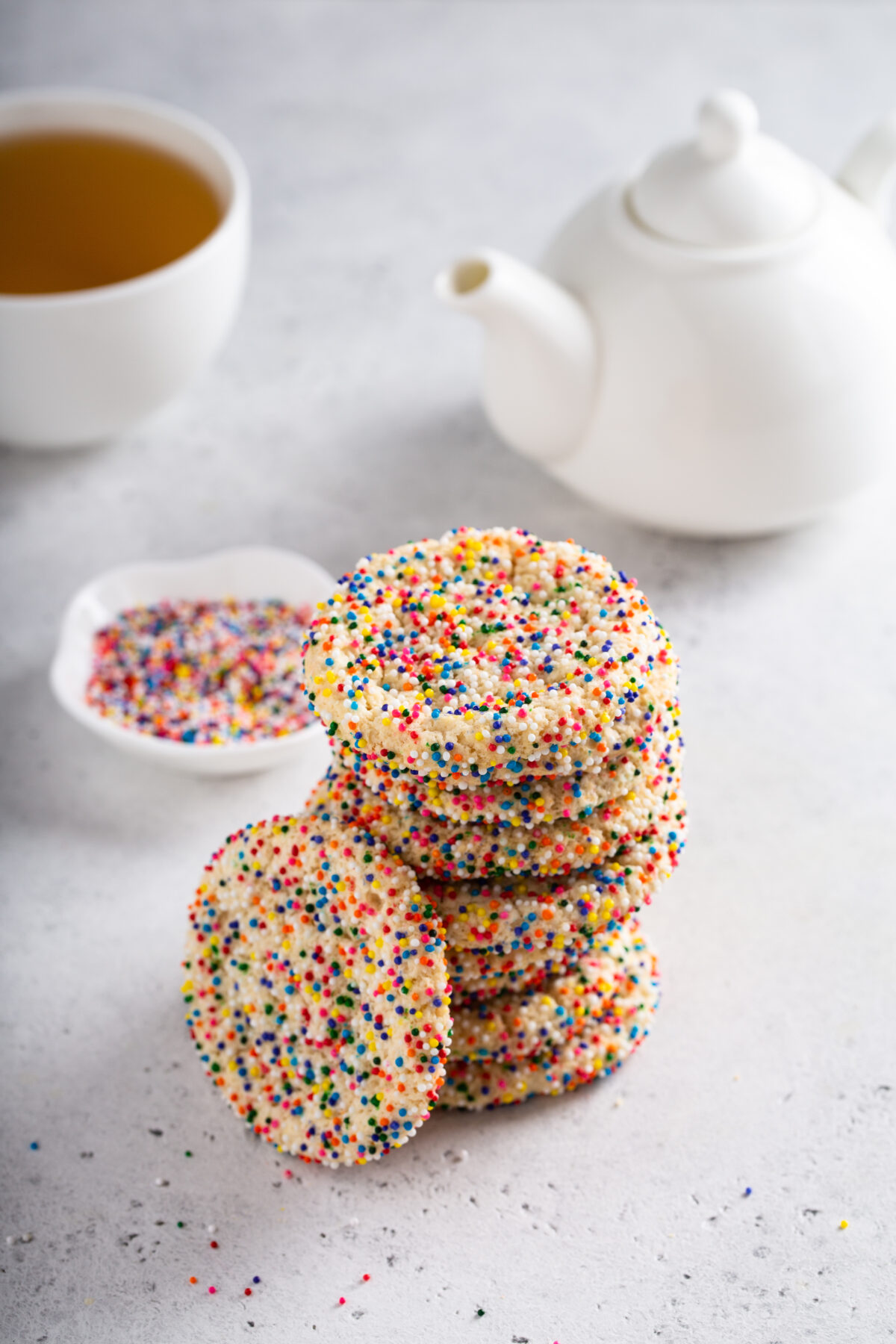
Child development experts and home economics enthusiasts alike note that involving children in the baking process fosters a better relationship with food. The tactile nature of this recipe serves as an excellent introduction to basic culinary concepts: measurement, texture, and the physics of heat. It transforms the kitchen from a place of "chore-based" cooking into an environment of creative expression.
Culinary Variations and Customization
The versatility of this base recipe is perhaps its greatest strength. While the classic vanilla-and-rainbow-sprinkle profile is a crowd-pleaser, the recipe acts as a canvas for seasonal adaptation:
- The "Birthday Cake" Twist: By adding a half-teaspoon of almond extract, bakers can mimic the flavor profile of professional-grade funfetti cakes.
- The Cocoa Infusion: Replacing a portion of the flour with high-quality unsweetened cocoa powder creates a chocolate-based dough that pairs beautifully with bright, contrasting sprinkles.
- The Holiday Pivot: The recipe can be tailored to the calendar simply by swapping the color palette of the jimmies—red and green for December, pastel hues for spring, or bold primary colors for patriotic celebrations.
- The Textural Upgrade: Adding white chocolate chips or folding sprinkles directly into the dough (a technique known as the "Funfetti style") adds an extra layer of depth to the experience.
Expert Troubleshooting and FAQ
Despite the simplicity of the process, questions often arise regarding the final output. Here are the most common inquiries addressed by culinary professionals:
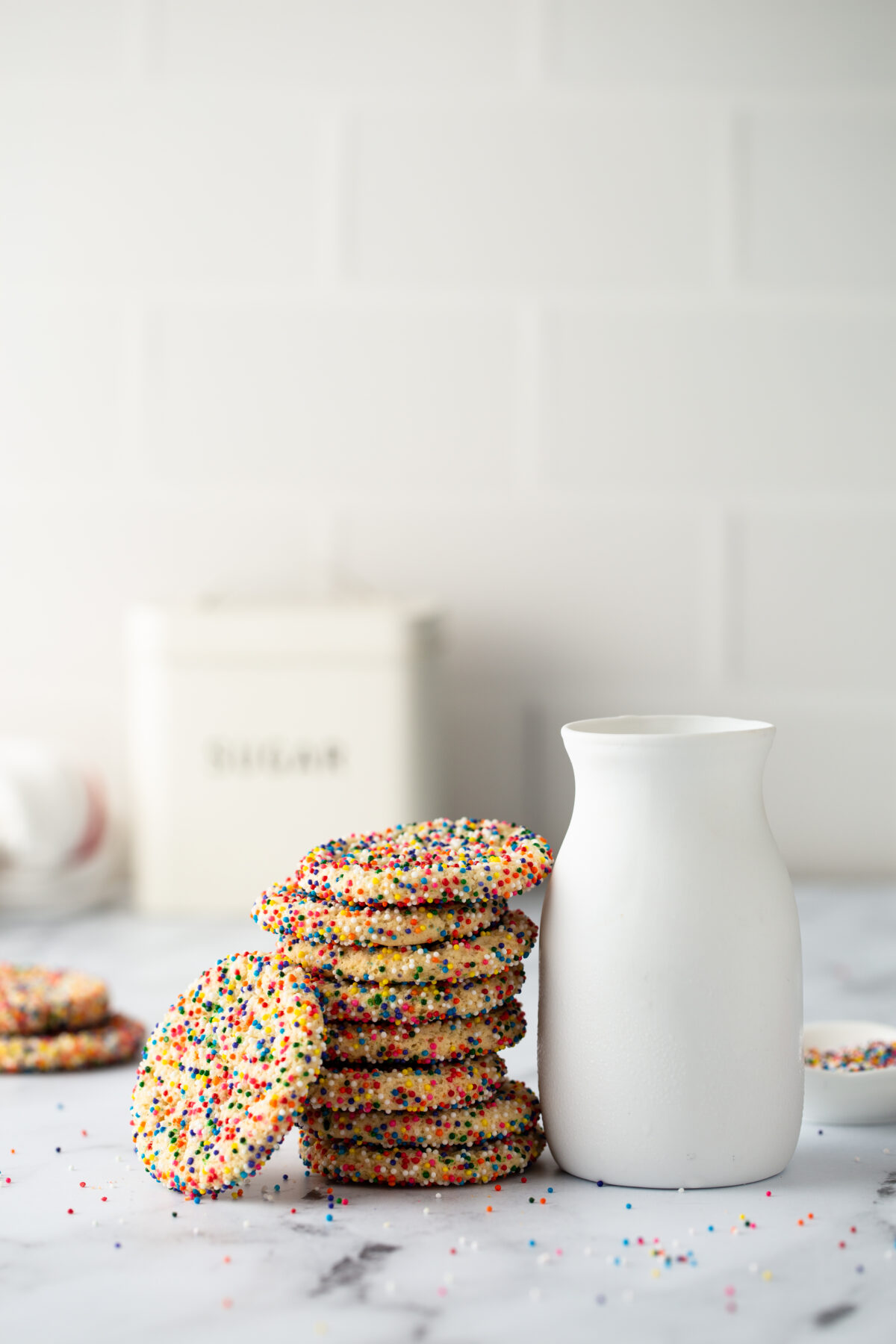
Q: Why are my cookies spreading too much?
A: Invariably, this points to temperature. Either the butter was too warm before mixing, or the dough was not chilled for the recommended duration. Always prioritize that 30-minute chill time.
Q: How do I keep them soft for days?
A: The enemy of the soft cookie is air. Once the cookies have cooled to room temperature, they should be transferred immediately to an airtight container. If you notice them drying out, adding a small piece of plain white bread to the container can help reintroduce moisture to the environment.
Q: Can this recipe be scaled for large events?
A: The recipe is highly scalable. Because the process is linear and does not require complex cooling or decorating equipment, it is an ideal choice for large-batch production. Doubling the recipe is standard practice for school bake sales or office events.
Conclusion: A Modern Essential
The "Easy Sprinkle Sugar Cookie" represents a shift in how we approach home baking in the 21st century. As lifestyles become increasingly fast-paced, the demand for recipes that offer high rewards for low labor has never been higher. By focusing on quality ingredients—good butter, accurate flour measurement, and the right choice of sprinkles—the home baker can produce a product that rivals local bakeries.
Whether it is a rainy Sunday afternoon project with children or a strategic choice for a professional event, these cookies offer a consistent, reliable, and inherently joyful result. They prove that in the kitchen, sometimes the most impressive results are the ones that require the least amount of pretense. By mastering the fundamental techniques outlined here, you ensure that every batch is as vibrant and delicious as the first, cementing the sprinkle sugar cookie as an indispensable tool in your culinary repertoire.