In the world of culinary arts, few dishes command as much reverence and patient dedication as authentic Tonkotsu ramen. Traditionally, this Japanese staple—famed for its milky, opaque, and deeply savory pork-bone broth—is a labor-intensive endeavor. It requires anywhere from 12 to 24 hours of meticulous simmering to extract the gelatin and marrow from the bones. However, modern kitchen technology is bridging the gap between time-honored tradition and the demands of contemporary life. By utilizing the Instant Pot, home cooks can now achieve a restaurant-quality bowl of spicy pork ramen in a fraction of the time, without sacrificing the depth of flavor that defines the dish.
The Evolution of Ramen: From Street Food to Global Phenomenon
Ramen’s journey from a humble wheat-noodle dish served in Japanese street stalls to a global gastronomic phenomenon is well-documented. At its core, a perfect bowl of ramen relies on a delicate harmony between three distinct components: the tare (the seasoning base), the broth, and the noodles.
The tare is arguably the "soul" of the ramen, providing the essential salinity and umami. Whether it is shio (salt), shoyu (soy sauce), or miso (fermented bean paste), it dictates the flavor profile. The broth serves as the canvas, providing the mouthfeel and richness, while the noodles act as the vehicle for these flavors. For years, the barrier to entry for home cooks has been the broth. The "milky" appearance of a true Tonkotsu broth is the result of emulsifying fat and water over hours of boiling. With the introduction of high-pressure cooking, the structural breakdown of collagen and marrow can be accelerated, effectively "speeding up" the chemistry of the kitchen.
Chronology of the Modern Ramen Process
Creating a high-end bowl of ramen using a pressure cooker requires a specific, strategic approach to ensure the final product tastes as if it had been simmering for a full day.
Phase 1: The Blanch and Prep
The process begins with the "clean" blanch. Pork bones, typically femur or neck bones, are boiled in water for approximately 10 to 15 minutes. This initial step is non-negotiable for those seeking a clean, white, and creamy broth. It removes impurities, blood, and gray foam that would otherwise muddle the clarity and flavor of the final soup. Once blanched, the bones must be thoroughly scrubbed under cold, running water.
Phase 2: Pressure Extraction
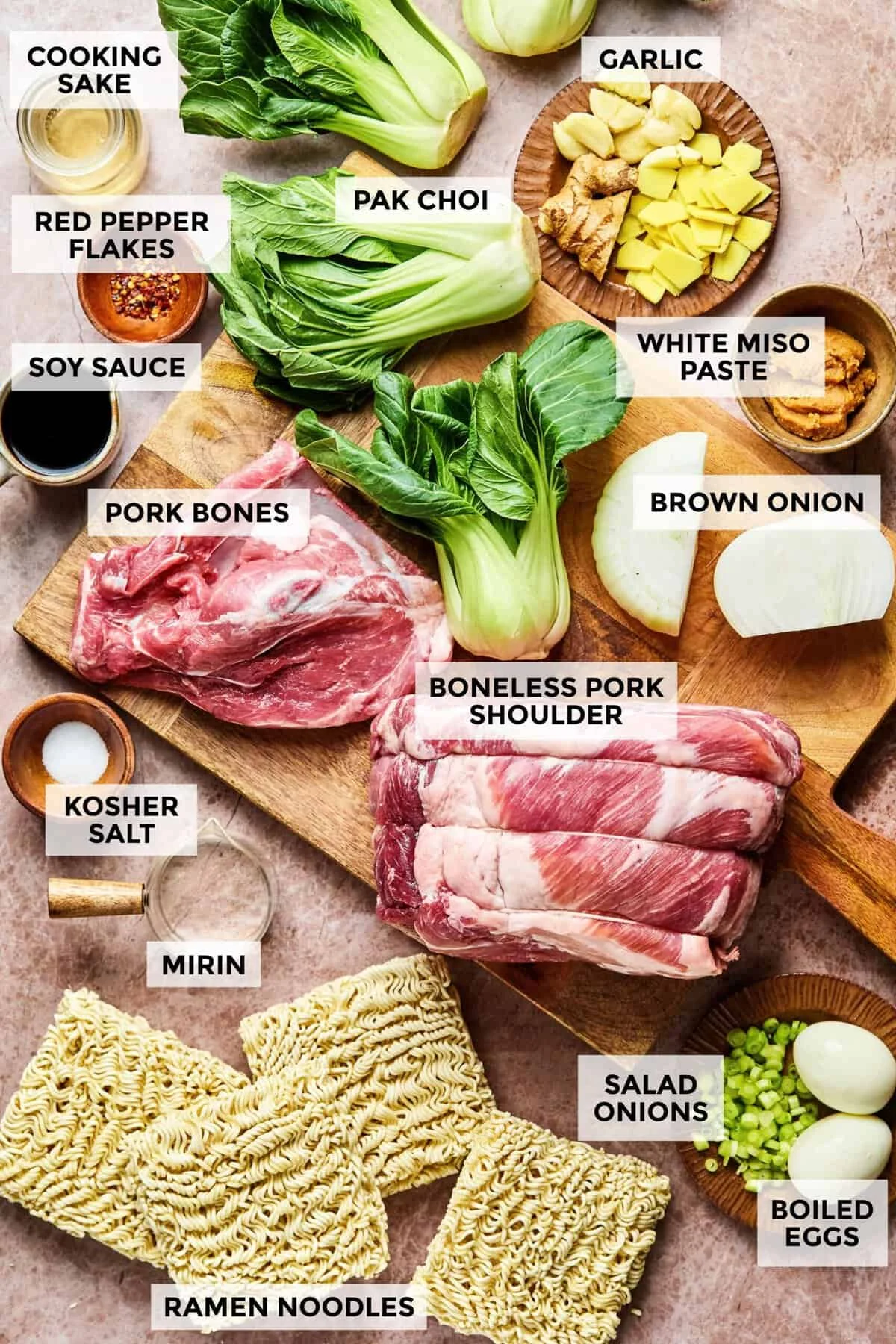
Once the bones are pristine, they are returned to the Instant Pot with aromatics—ginger, garlic, green onions, and sometimes a piece of kombu (dried kelp). The pressure setting is then engaged. While a stovetop simmer takes half a day, the Instant Pot uses high pressure to force the water into the marrow, resulting in a robust, emulsified liquid in just over an hour of active cooking.
Phase 3: The Tare and Assembly
While the broth builds its complexity under pressure, the chef prepares the tare. By whisking together miso paste, mirin, and sake, the cook creates a concentrated flavor bomb. Once the broth is ready and strained, it is combined with the tare just before serving. This ensures that the freshness of the seasonings is not lost to the heat of the boiling broth.
Supporting Data: Why Pressure Cooking Changes the Game
The efficacy of the Instant Pot in this context is not merely anecdotal; it is grounded in thermodynamic efficiency. In a traditional open-pot setting, water evaporates rapidly, requiring constant monitoring and the addition of more liquid to prevent the bones from scorching. This constant addition of water dilutes the broth.
In a sealed pressure cooker, the boiling point of water is elevated to approximately 240°F (115°C). At this temperature, the hydrolysis of collagen into gelatin—the process responsible for the "sticky" lip-coating texture of a good ramen—occurs much faster.
According to nutritional estimates, this style of homemade pork ramen provides a significant protein punch. A standard serving (based on the provided data) yields approximately 44 grams of protein, making it not only a comforting meal but a substantial one. With 345 calories per serving, it offers a dense nutritional profile that can be balanced by the addition of fresh vegetables like baby pak choi or mushrooms, which add fiber and essential micronutrients.
Expert Perspectives: The Role of Customization
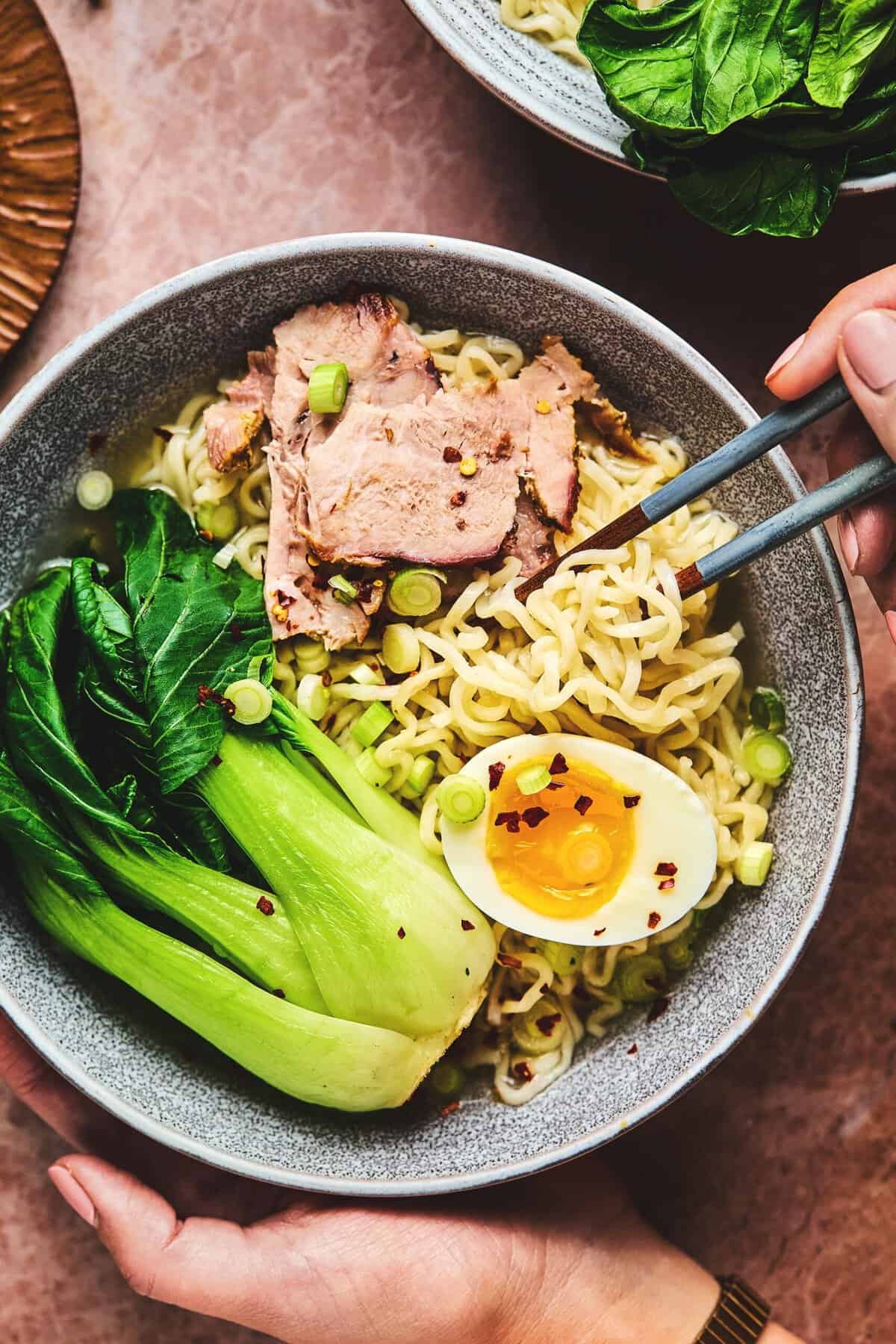
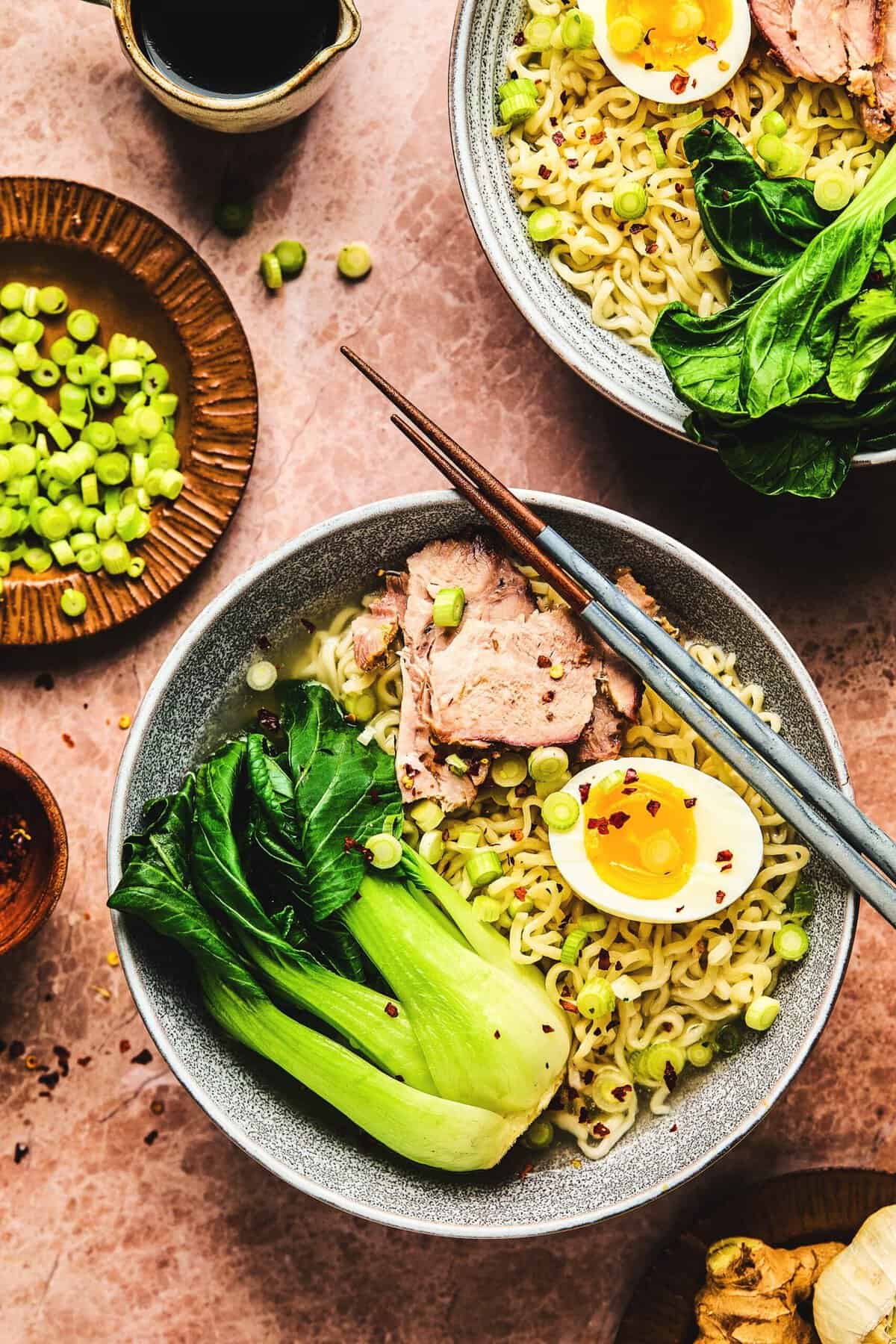
Culinary experts often emphasize that while the broth is the "backbone," the versatility of toppings is what makes ramen a personal culinary journey. The ability to customize the bowl allows for dietary inclusivity and creative expression.
"The beauty of ramen lies in its modularity," says one culinary consultant. "By focusing on a consistent, high-quality broth, you create a foundation that can support everything from soft-boiled ajitsuke tamago (marinated eggs) to grilled shrimp, kimchi, or even sautéed greens. The ‘Spicy Pork’ variant is particularly popular because the heat from chili pastes or infused oils cuts through the richness of the pork fat, creating a more balanced palate."
Furthermore, the "make-ahead" potential of this recipe is a major boon for home cooks. Broth can be stored in the refrigerator for up to three days or frozen for several months, while roast pork can be thinly sliced and portioned, allowing for a 15-minute assembly process on a busy weeknight.
Implications for Home Cooking
The democratization of professional-style cooking techniques has profound implications for the modern household. As people move away from pre-packaged, high-sodium instant noodle cups, the shift toward "elevated" home cooking becomes clear.
- Reduction in Food Waste: By using bones and scraps to create a rich stock, home cooks can practice a form of sustainable consumption, utilizing parts of the animal that might otherwise be discarded.
- Economic Efficiency: A bowl of premium Tonkotsu ramen at a metropolitan restaurant can easily cost $18 to $25. Producing a similar quality meal at home, despite the upfront cost of ingredients, results in a significantly lower price per bowl, especially when cooking in bulk.
- Health Consciousness: By controlling the sodium and the quality of the ingredients, the home cook can avoid the preservatives and excessive MSG often found in commercial broth bases.
Mastering the Final Bowl: A Step-by-Step Guide
To ensure success, keep these expert tips in mind:
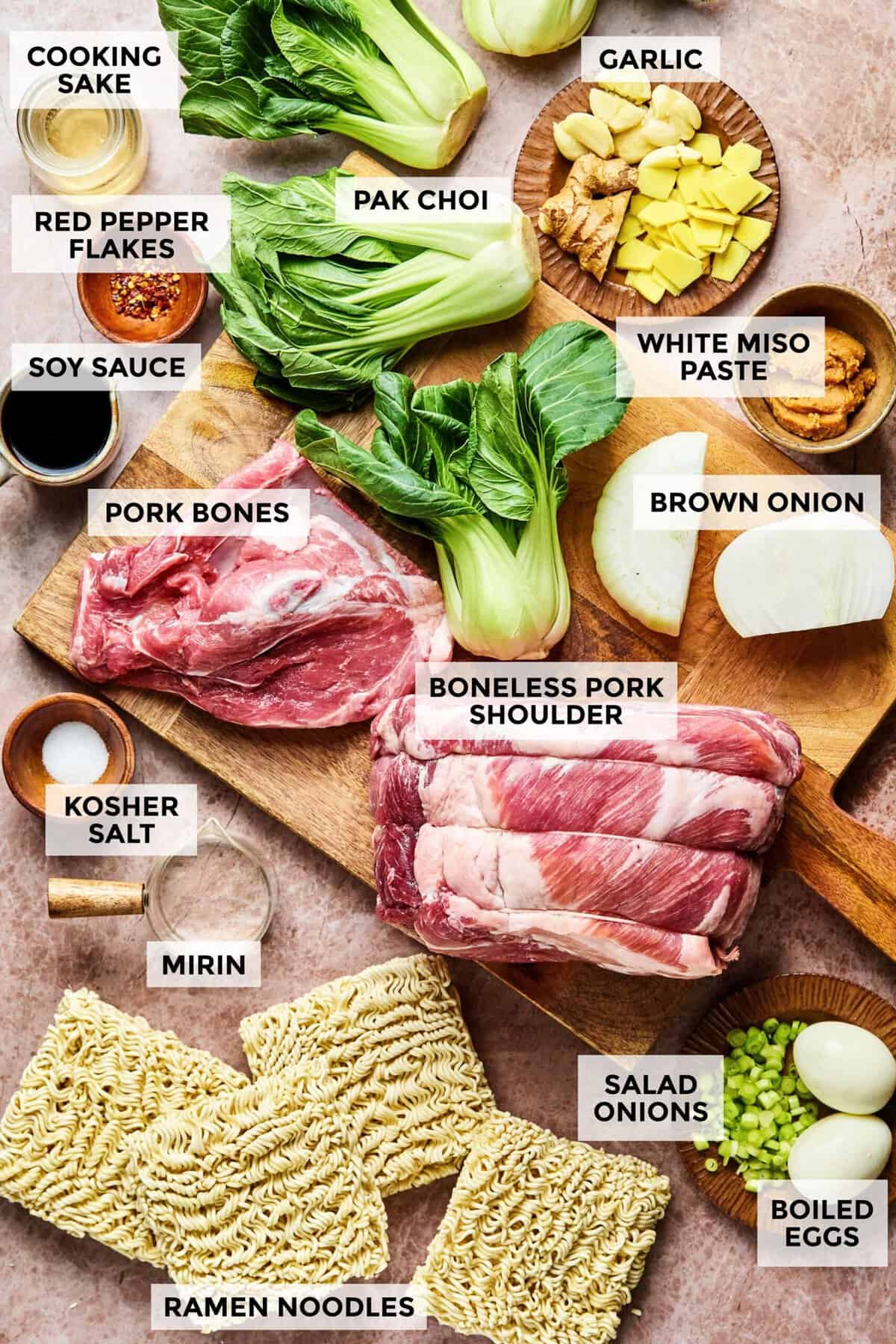
- The Egg Factor: The soft-boiled egg is the crown jewel of the ramen bowl. To achieve the perfect jammy yolk, bring water to a boil, submerge the eggs for exactly six and a half minutes, and immediately transfer them to an ice bath. This stops the cooking process and makes peeling significantly easier.
- Noodle Selection: While fresh ramen noodles are ideal, high-quality dried alkaline noodles are a perfectly acceptable substitute. Avoid standard spaghetti or linguine, as they lack the "chew" and alkalinity required to stand up to a rich pork broth.
- The Emulsification: If the broth isn’t quite white enough after the pressure cooking stage, consider using an immersion blender to pulse the broth briefly. This helps further emulsify the fat and marrow, creating that desired creamy, opaque aesthetic.
Conclusion: The Future of the Kitchen
The integration of the Instant Pot into the repertoire of the home cook represents more than just a trend; it is a fundamental shift in how we perceive time in the kitchen. By stripping away the hours of passive labor while maintaining the integrity of the dish, we are invited to reclaim the ritual of cooking.
Whether you are a novice looking to impress guests or a seasoned home cook seeking to master the complexities of Japanese cuisine, the spicy pork ramen recipe stands as a testament to the fact that great food does not always require great time—it requires a marriage of quality ingredients and intelligent tools. As you embark on your own journey to craft the perfect bowl, remember that the most important ingredient is patience in the prep and passion in the assembly. Snap a photo, share your creations, and most importantly, enjoy the warmth of a meal that bridges the gap between ancient tradition and modern convenience.