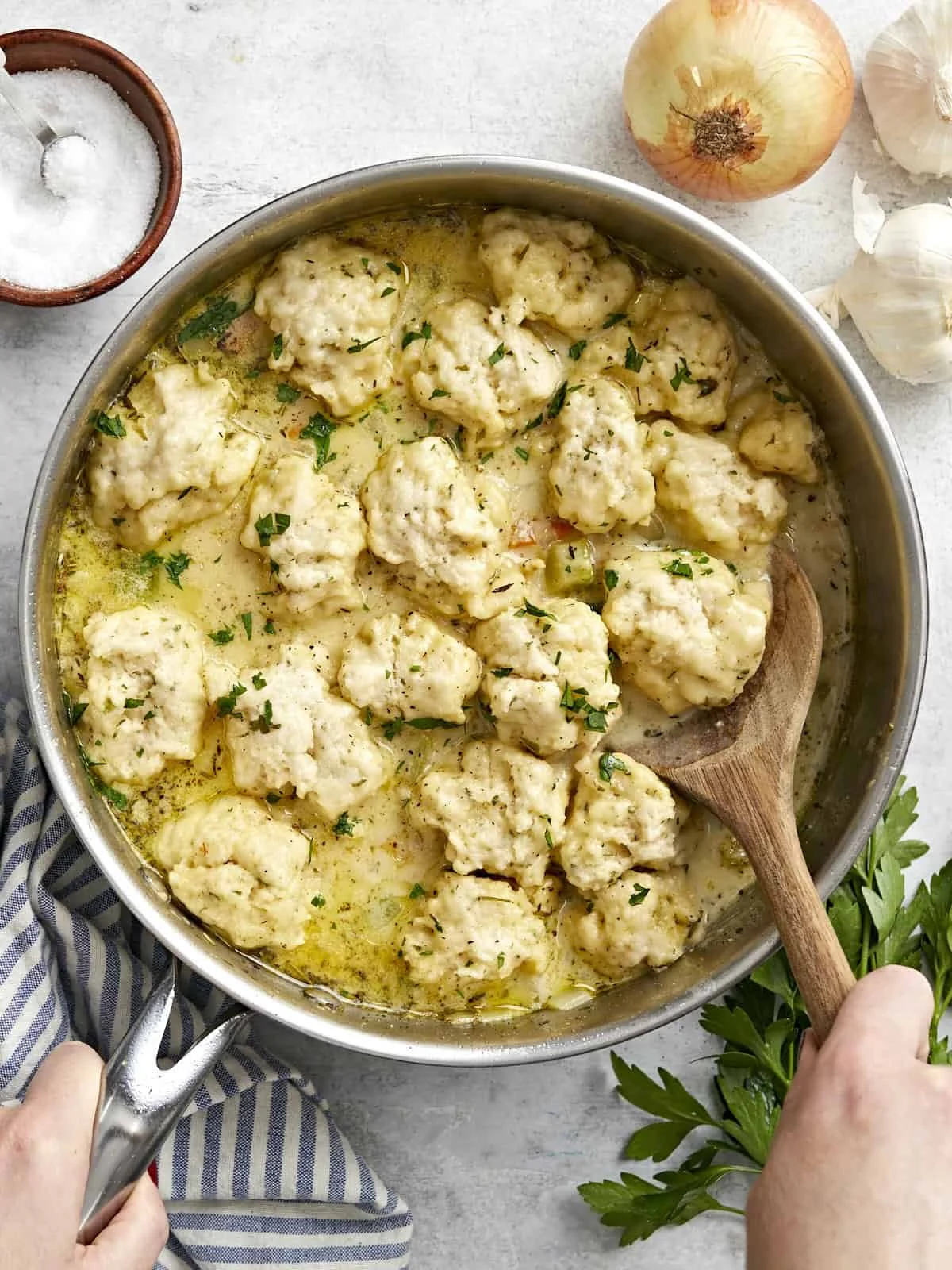
In the modern culinary landscape, the intersection of high-quality nutrition and budget-conscious cooking is often difficult to navigate. However, the resurgence of "from-scratch" cooking has brought back a beloved classic that stands as a testament to both thrift and flavor: the traditional Chicken and Dumplings. Recently updated and rigorously tested in the Nashville Test Kitchen, this one-pot recipe has garnered significant attention for its ability to deliver a sophisticated, "warm-hug" dining experience for the remarkably low cost of $1.18 per serving.
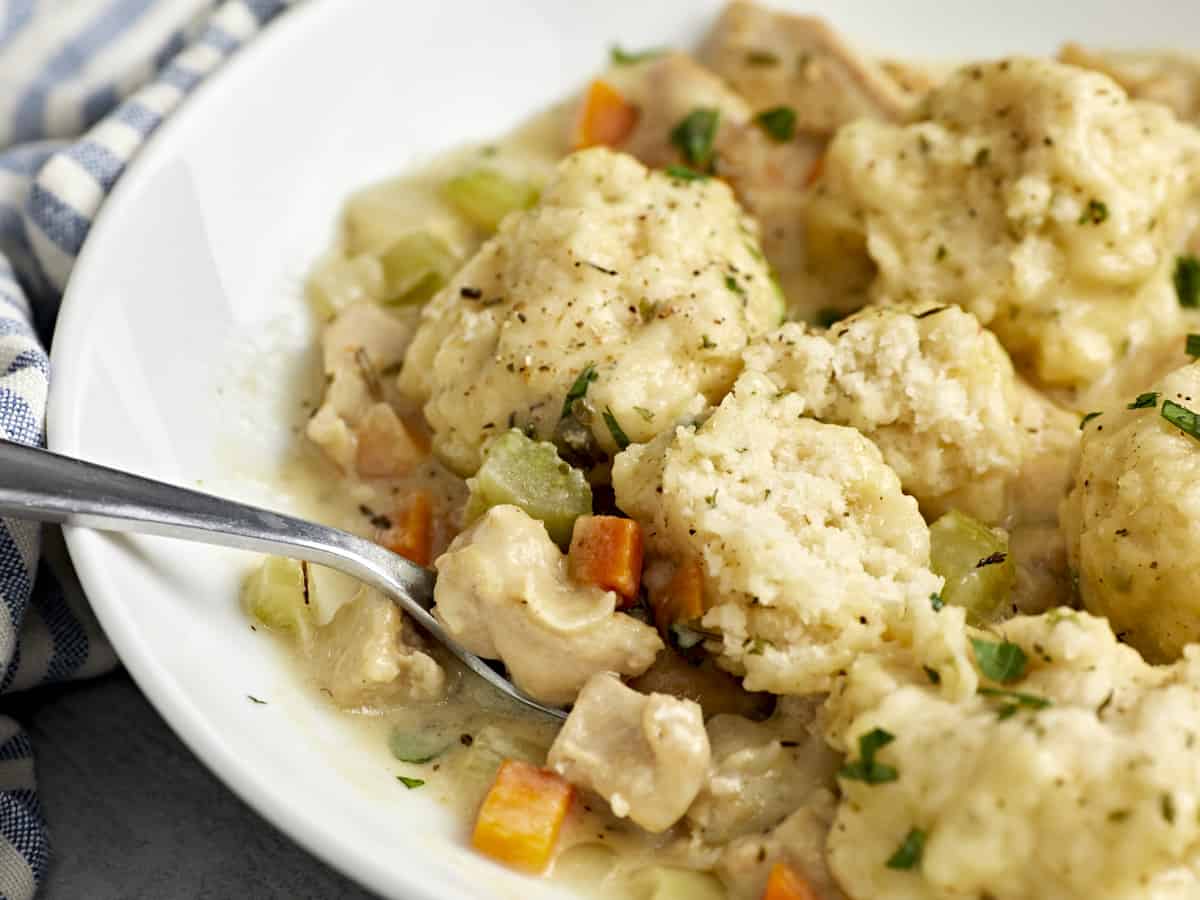
Main Facts: A Study in Culinary Economics
At its core, the recipe relies on a philosophy of maximizing flavor through foundational technique rather than expensive ingredients. By utilizing boneless, skinless chicken thighs—which offer superior moisture retention compared to their breast counterparts—and a scratch-made dumpling dough, the dish achieves a level of quality typically associated with high-end comfort food establishments.
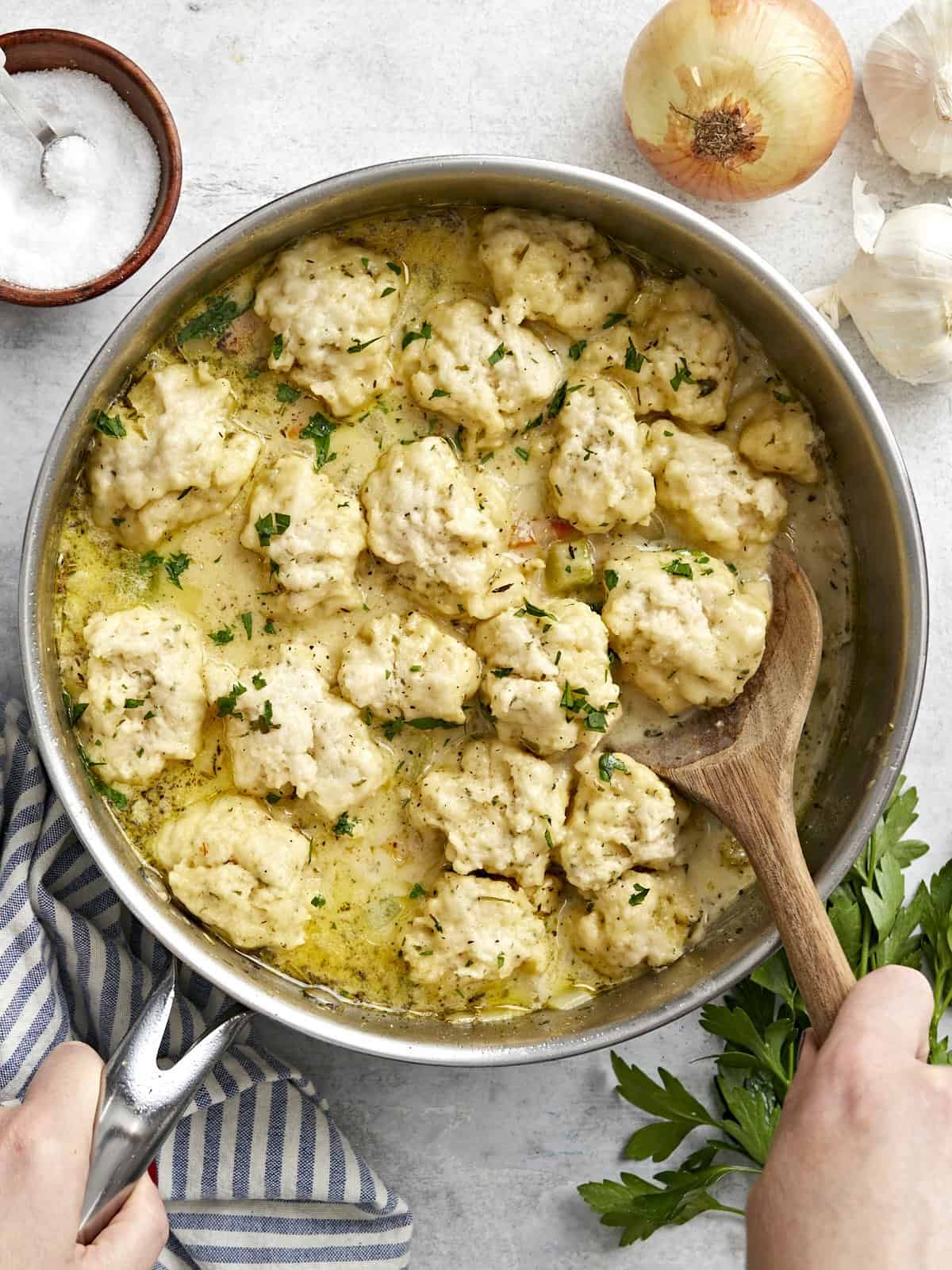
The total cost for the entire batch is approximately $7.12, serving six people. This efficiency is achieved through careful ingredient selection, such as the use of "Better Than Bouillon" to create a rich, seasoned broth base, and the implementation of a "drop dumpling" method that eliminates the need for complex rolling or shaping. The resulting dish is not merely a soup; it is a nutritionally dense meal providing roughly 369 calories and 20 grams of protein per 1.5-cup serving.
The Chronology: Mastering the One-Pot Method
The success of this recipe lies in its streamlined workflow, designed to minimize both effort and cleanup. The process is broken down into a specific, optimized sequence:

- Searing the Foundation: The process begins by browning chicken thighs in a deep skillet or Dutch oven. This is not merely for color; it creates the "fond"—the savory, caramelized bits stuck to the bottom of the pan—which serves as the essential base for the gravy.
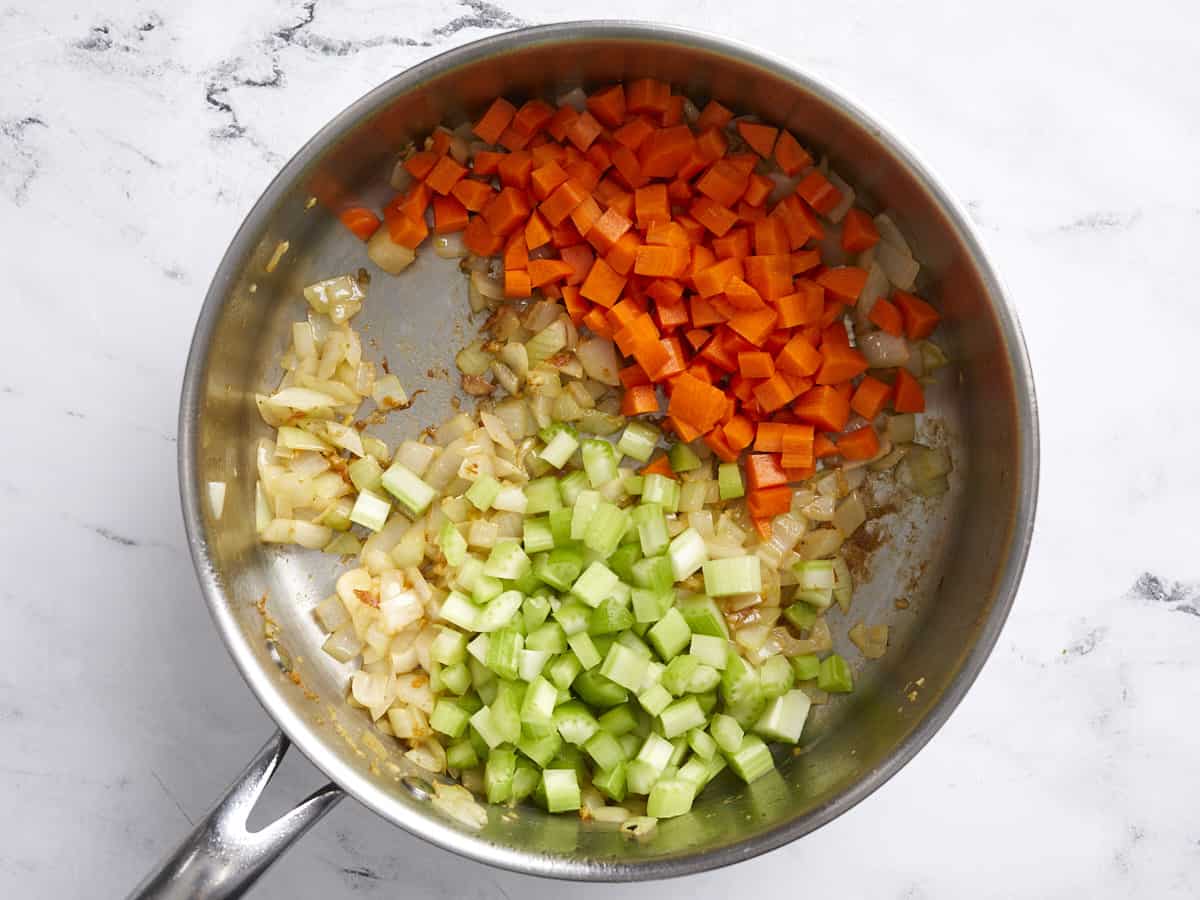
- Building the Aromatics: After removing the chicken, the base is built by sautéing minced garlic, yellow onion, carrots, and celery. This "mirepoix" provides the necessary sweetness and depth to balance the richness of the gravy.
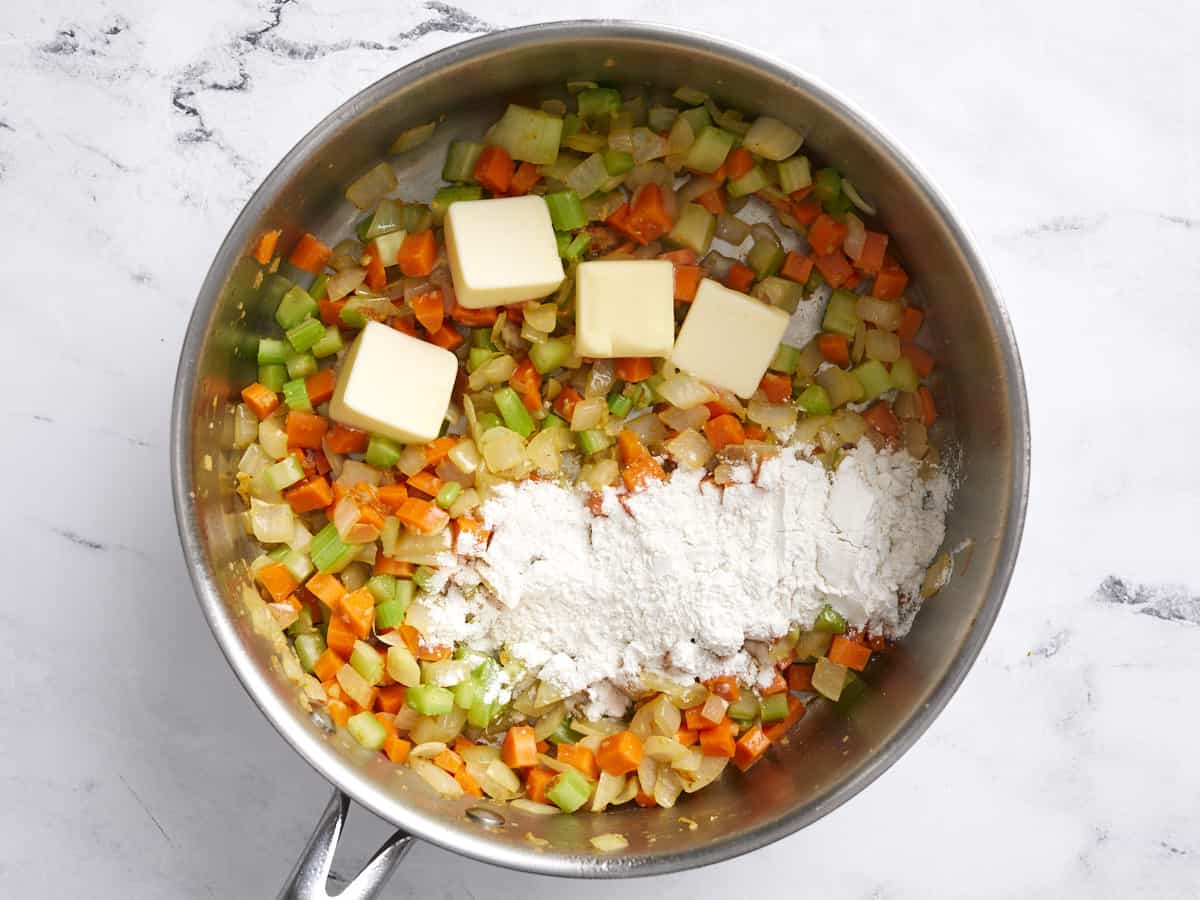
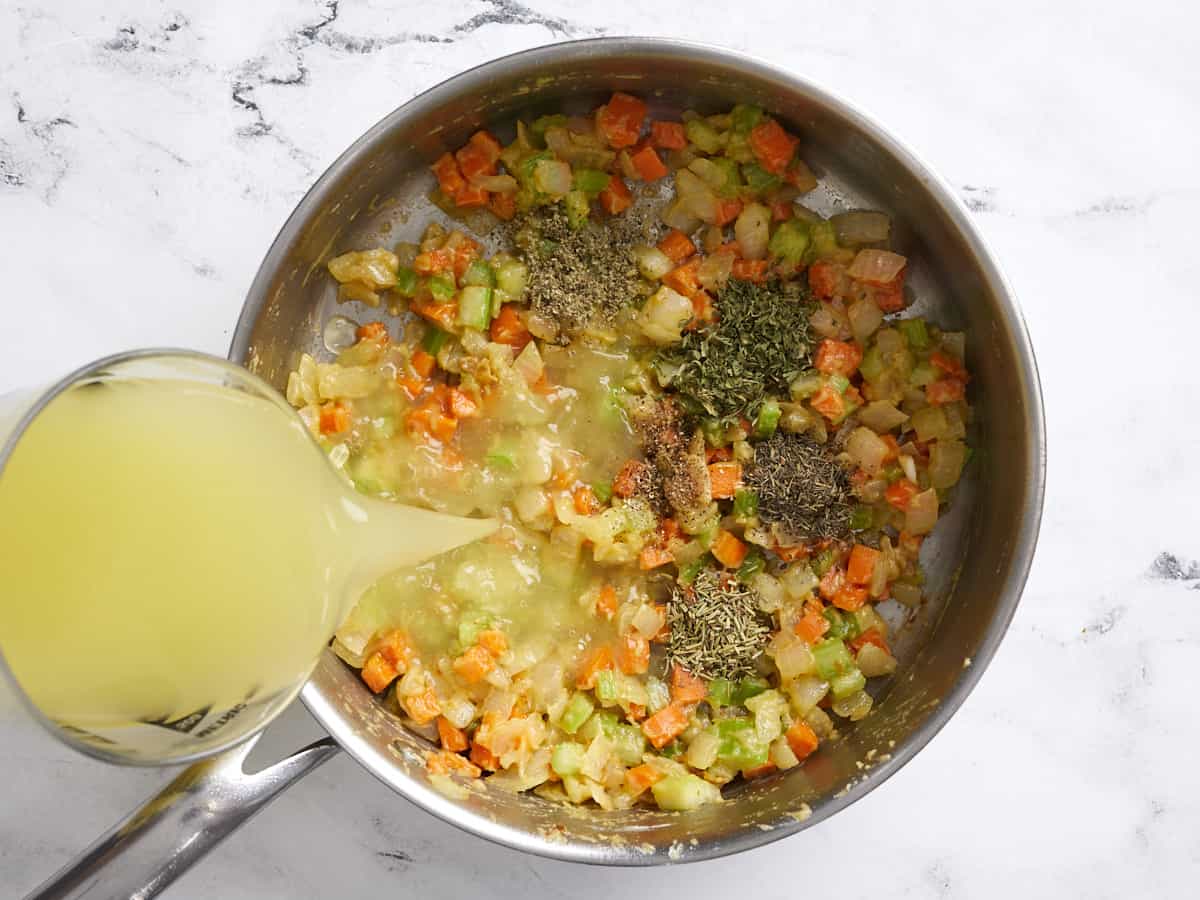
- Creating the Roux: By introducing butter and flour to the vegetables, the cook creates a thickening agent. When whisked with broth, milk, and a blend of dried herbs—parsley, thyme, rosemary, and sage—this transforms into a velvety, herb-infused gravy.
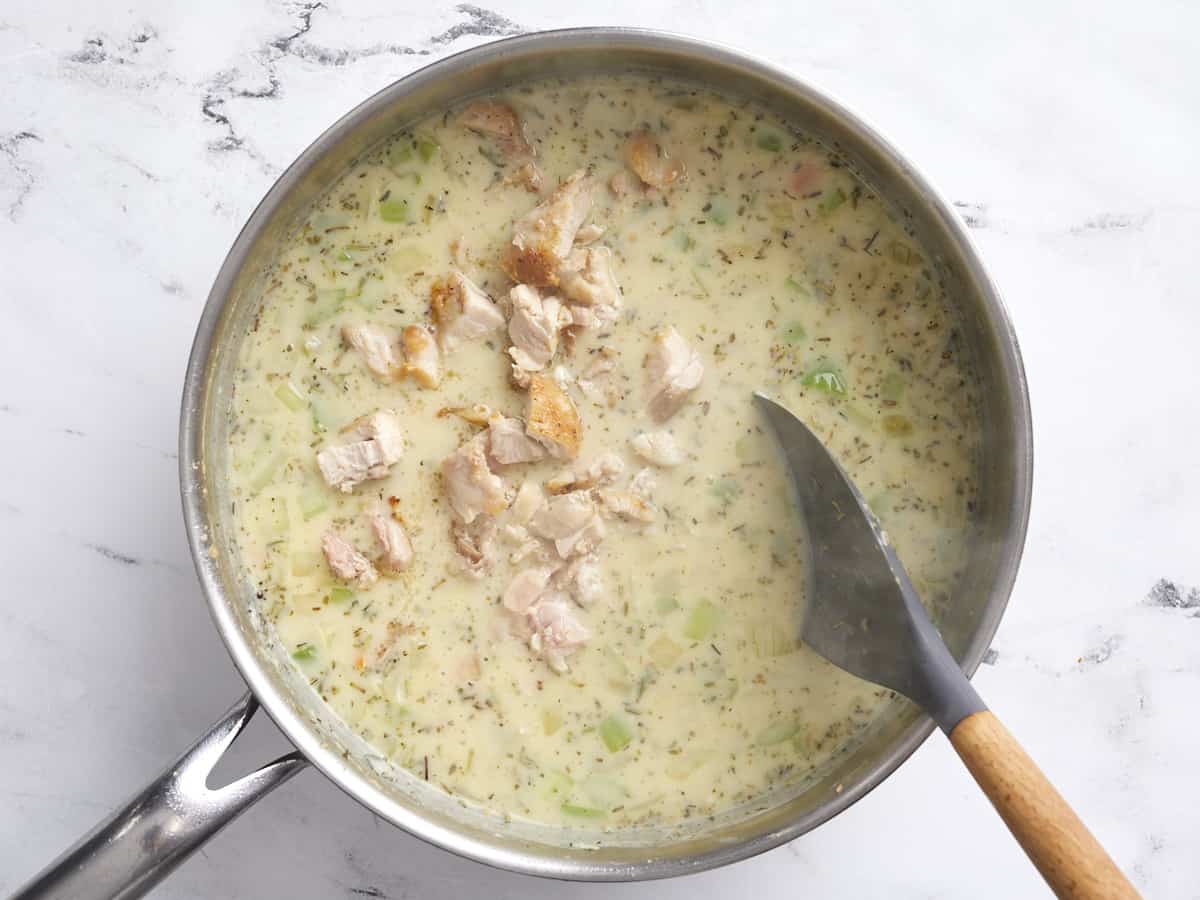
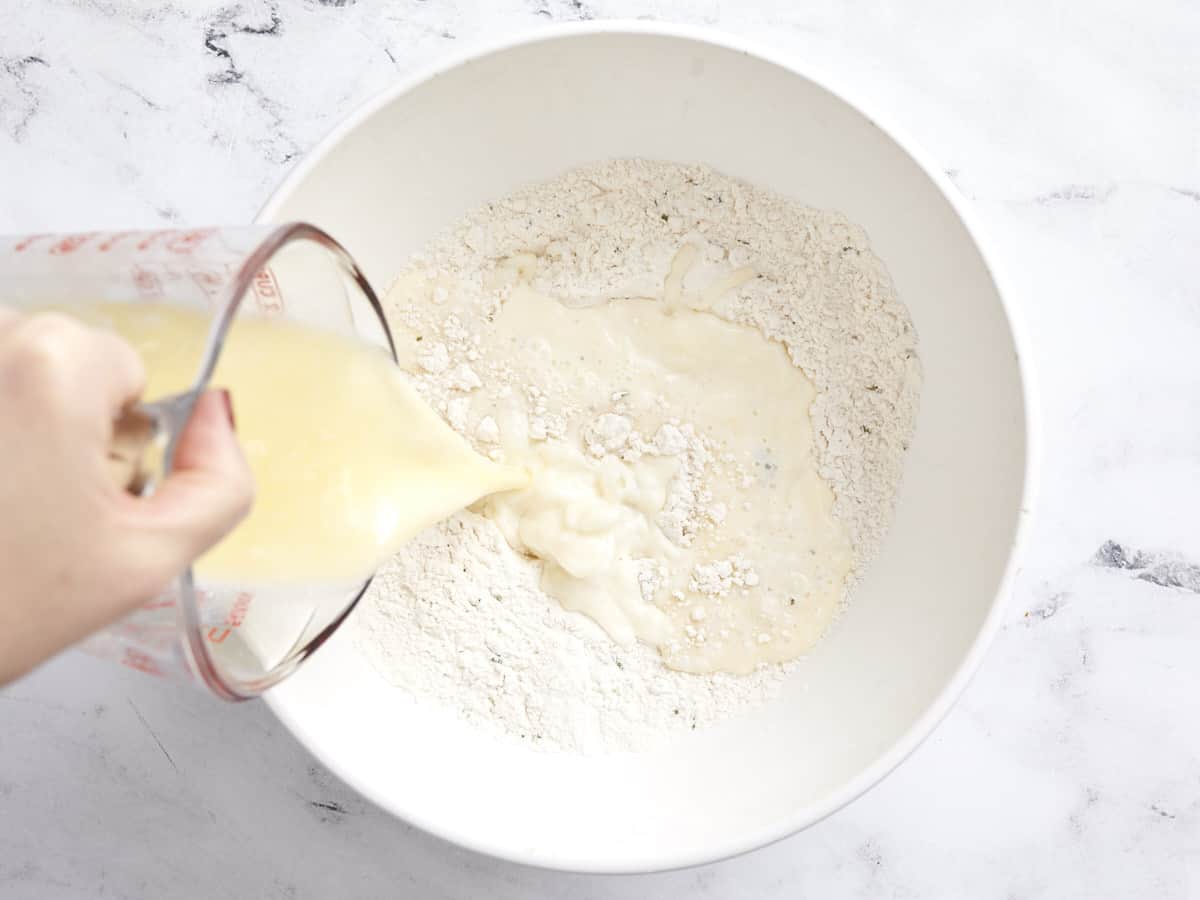
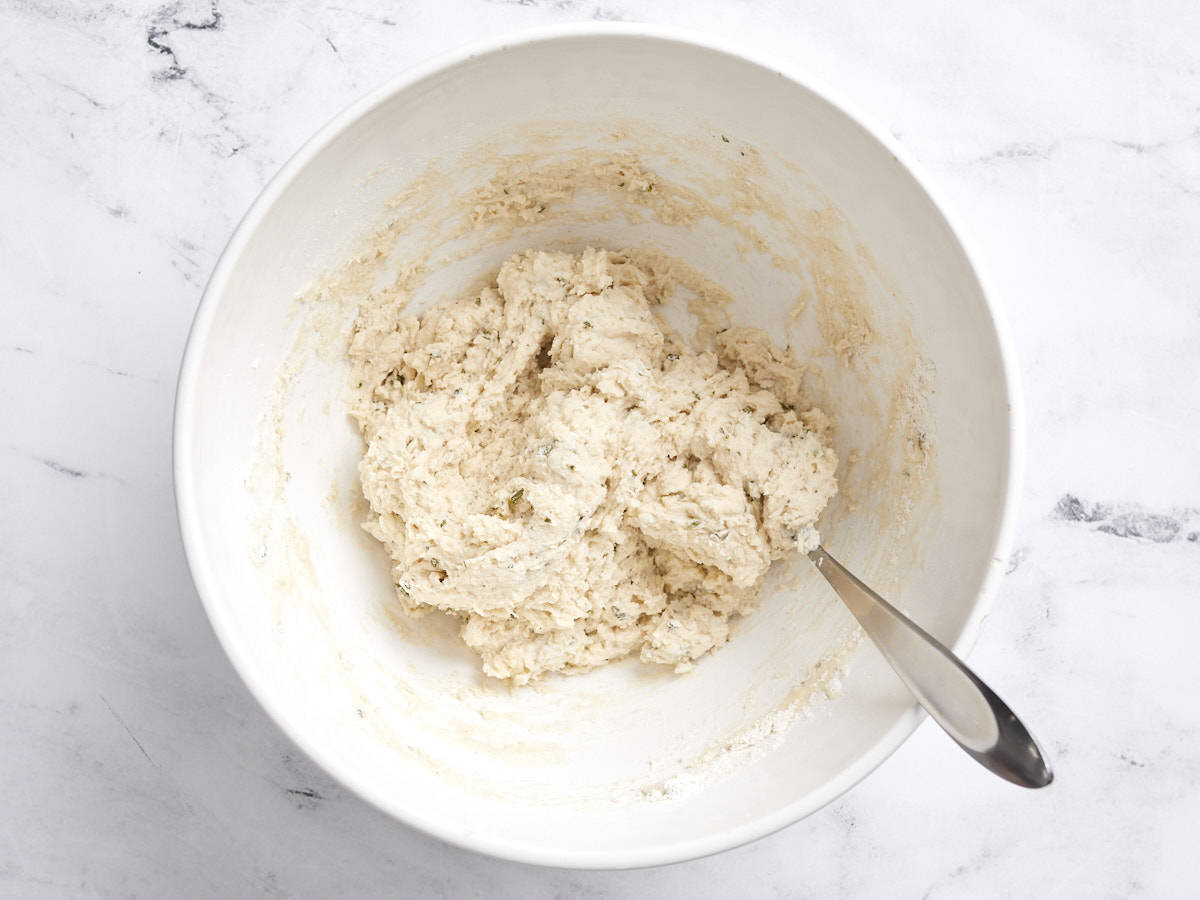
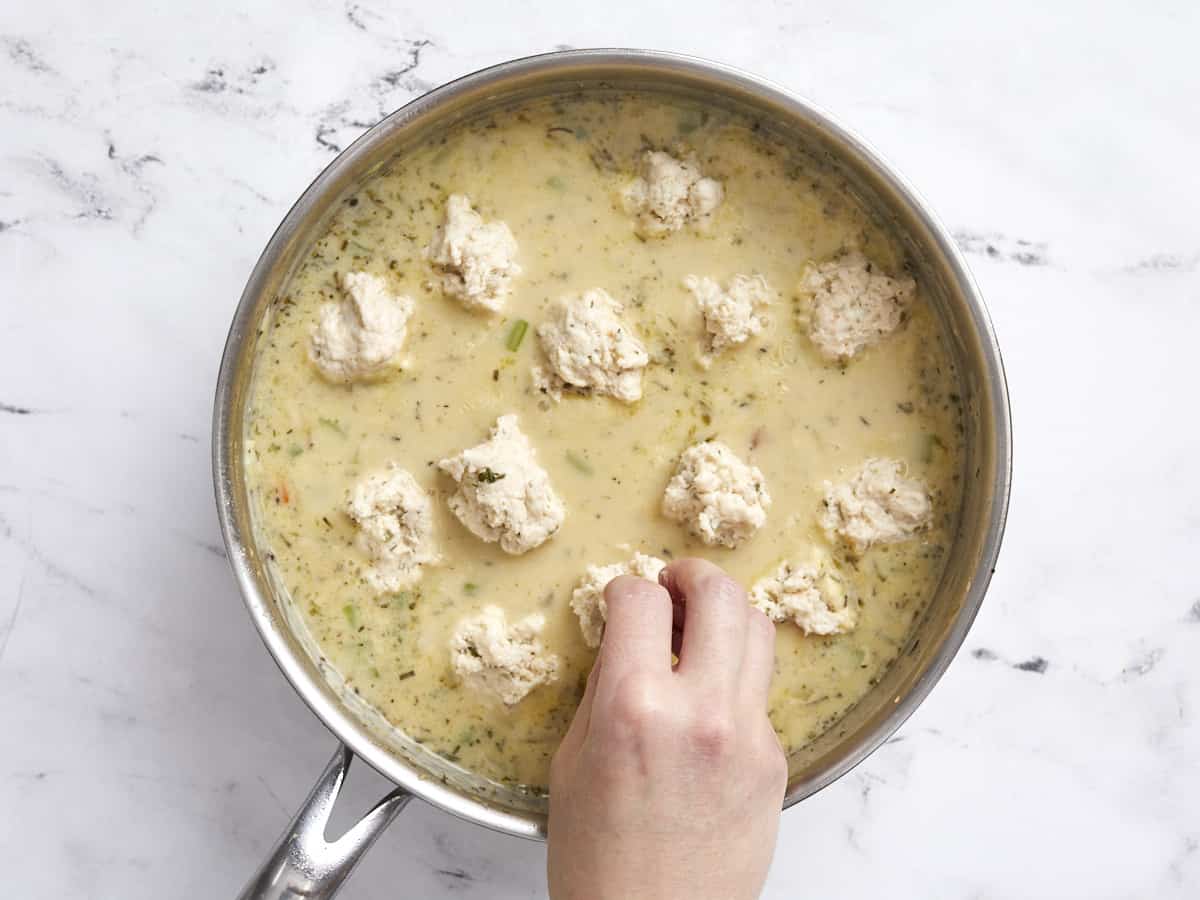
- Simmering and Steaming: Once the chicken is diced and returned to the pot, the final step involves dropping spoonfuls of the scratch-made dumpling dough directly into the simmering liquid. By covering the skillet, the trapped steam ensures the dumplings cook evenly, resulting in a texture that is light and airy on the top and tenderly infused with the gravy on the bottom.
Supporting Data: Why Technique Matters
The science of this recipe is as critical as the budget. According to the test kitchen notes, the precision of measurement is paramount. For instance, when measuring flour, the "spoon and level" method is strictly advised. Scooping directly from the bag often results in over-packing the measuring cup, which can lead to a dense, leaden dumpling and an overly thick, pasty gravy.
Furthermore, the choice of dairy plays a significant role in the final texture. Whole milk is recommended for its fat content, which provides a creamy mouthfeel without the need for high-cost heavy cream. The recipe also offers flexibility; for those looking to swap ingredients, the use of previously cooked shredded chicken is a viable alternative, provided it is stirred in just before the dumplings are added to prevent the meat from drying out.
Official Perspectives and Community Feedback
The longevity and popularity of this dish are evidenced by its enduring presence in home kitchens. One notable testimonial comes from a user named Devin, who noted that the recipe became a staple during a family excursion to Colorado. "This is one of the first recipes I made from Budget Bytes," Devin remarked. "It is so simple and so delicious. I made a big pot of it on a family vacation… and everyone loved it, including the picky cousins. 10/10."
This feedback underscores the recipe’s reliability. By removing the intimidation factor of traditional, roll-and-cut dumplings, the drop-biscuit style makes the process accessible to novices while still impressing seasoned home cooks.
The Implications: Elevating the Weeknight Routine
The broader implication of this recipe is that comfort food does not need to be synonymous with high grocery bills or excessive time spent in the kitchen. In an era where food inflation has pressured many households to rely on pre-packaged or processed meals, this "from-scratch" approach offers a path toward healthier, more flavorful eating.
Strategic Serving and Storage
The versatility of the dish allows it to be scaled up for larger gatherings or broken down into manageable portions for the week ahead. When serving, the dish acts as a complete meal, though it pairs excellently with simple sides. For those aiming for a "cozy Sunday" aesthetic, homemade soda bread is a perfect accompaniment. For health-conscious diners, oven-roasted broccoli or air-fried Brussels sprouts offer a contrasting crunch that cuts through the creamy richness of the gravy.
Longevity and Leftover Management
One of the most frequent questions regarding this dish is how it handles storage. While the dumplings are at their peak immediately after steaming, they hold up well in the refrigerator for three to four days. To preserve the quality of the leftovers:
- Reheating: When using a microwave, stir gently to redistribute the gravy and ensure the dumplings heat through without turning gummy.
- Consistency Control: If the gravy thickens too much during storage (as the flour-based thickener continues to absorb liquid), a splash of milk or broth during the reheating process will restore the original consistency.
- Freezing: For long-term storage, the mixture can be frozen for up to three months. It is important to note that freezing and thawing will soften the dumplings further, so a gentle reheating approach is required.
Conclusion: A Testament to Simple Perfection
Whether it is being prepared for a budget-restricted weeknight dinner or a communal family gathering, this Chicken and Dumplings recipe proves that intentional cooking—focused on technique, fresh aromatics, and cost-effective protein—remains the gold standard of home cuisine. By retesting and refining the process in 2026, the recipe ensures that it remains not just a meal, but a reliable, comforting, and incredibly affordable experience for any home cook. Through the careful balance of a creamy, savory gravy and the airy, herb-infused dumplings, it continues to define what it means to eat well for less.