
In the landscape of modern home cooking, few dishes capture the essence of "comfort food" quite like a well-executed bowl of creamy soup. As seasons shift and the pace of daily life accelerates, the demand for meals that are simultaneously nourishing, budget-conscious, and efficient has reached an all-time high. Enter the Creamy White Bean Soup—a culinary revelation that proves you do not need heavy cream or complex techniques to achieve a luxurious, velvety texture. By leveraging the natural starch of humble legumes, home cooks are discovering a smarter, healthier, and more sustainable way to bring warmth to the dinner table.
The Main Facts: Simplicity Meets Sophistication
At its core, this recipe is a masterclass in pantry-staple utilization. Comprised primarily of tender white beans, aromatic vegetables, garlic, and garden herbs, the dish relies on a simple yet effective physical transformation: the partial blending of the beans.
Unlike traditional creamy soups that rely on heavy cream, roux, or butter-laden bases, this version achieves its signature "mouthfeel" by pureeing a portion of the white beans directly into the broth. This action releases amylose and amylopectin, the starches responsible for thickening the soup into a rich, velvety consistency without compromising the integrity of the whole beans or the structural crunch of the mirepoix. The result is a dish that feels decadent but remains light, fiber-rich, and deeply satisfying.
Chronology: A Culinary Evolution
The history of the bean soup is as old as the hearth itself, but its current iteration marks a departure from the "long-simmer" tradition of the past.

- The Preparation (0-15 Minutes): The process begins with the foundational mirepoix—onions, carrots, and celery. By sautéing these in olive oil, one builds a flavor foundation that provides the necessary depth for the broth. The garlic is introduced in the final stages of the sauté to ensure it releases its oils without succumbing to bitterness.
- The Simmer (15-40 Minutes): Once the broth is added, the mixture is brought to a gentle boil before being reduced to a simmer. This allows the vegetables to soften and the beans to absorb the aromatic profile of the herbs.
- The Transformation (40-45 Minutes): The crucial step occurs here: the immersion blending. By emulsifying a portion of the mixture, the cook dictates the final texture. The process concludes with the addition of a modest amount of dairy or a dairy-free substitute, followed by a final, essential adjustment: a splash of fresh lemon juice. This acidity acts as a "flavor brightener," cutting through the earthiness of the beans and ensuring the soup is balanced rather than heavy.
Supporting Data: Nutritional Efficiency and Economic Value
From a nutritional standpoint, white beans—particularly Cannellini, Great Northern, and Navy beans—are powerhouses of plant-based protein and dietary fiber. A single serving of this soup provides a sustained energy release, making it an ideal candidate for meal prep.
The economic implications are equally compelling. In an era of rising grocery costs, the white bean remains one of the most affordable sources of nutrition available. By relying on canned or dried beans, the dish remains accessible across varying socio-economic brackets, requiring minimal capital investment while yielding a professional-grade culinary result. Furthermore, the shelf-stable nature of these ingredients allows for "emergency" meal preparation, ensuring that a healthy dinner is always within reach, regardless of the state of the fresh produce drawer.
The Expert Consensus: Culinary Tips for Success
Culinary professionals and home-cooking experts alike emphasize that the "secret" to this soup lies in the discipline of the process. Below are the key practices that elevate a simple bean soup to a restaurant-quality dish:
1. The Blending Strategy
Never blend the entire pot. The beauty of this soup lies in the textural contrast between the creamy, starch-thickened base and the distinct, bite-sized pieces of whole beans and softened vegetables. A partial blend preserves the identity of the ingredients.

2. The Importance of Acid
The most frequent mistake in bean-based cookery is the omission of acid. Whether it is a squeeze of fresh lemon juice or a dash of high-quality sherry vinegar, the addition of acid is the final "wake-up call" for the palate, preventing the soup from tasting muddy or overly dense.
3. Temperature Control with Dairy
If incorporating half-and-half or heavy cream, it must be added at the end of the cooking process over low heat. Subjecting dairy to a hard boil can cause it to break or curdle, ruining the visual appeal and texture of the soup.
4. Rinse for Clarity
While canned beans are a convenience, they are often packed in a sodium-heavy, starchy liquid that can affect the flavor of the final broth. Thoroughly rinsing the beans under cold water is a non-negotiable step for maintaining control over the sodium profile of the meal.
Implications for the Modern Household
The rise of the "One-Pot" movement is not merely a trend; it is a response to the time-poverty experienced by the modern family. By consolidating the cooking process into a single vessel, the Creamy White Bean Soup minimizes cleanup and maximizes efficiency.

Flexibility and Dietary Inclusivity
The recipe’s inherent versatility makes it a champion of inclusivity. For those seeking a dairy-free or vegan option, the transition is seamless. Replacing half-and-half with coconut milk, cashew cream, or simply increasing the ratio of blended beans allows the dish to cater to diverse dietary requirements without losing its core identity.
Scalability for Meal Prep
Because this soup benefits from the "overnight rest"—a phenomenon where flavors continue to meld and develop after the soup has been refrigerated—it is an ideal candidate for batch cooking. It retains its quality for up to four days in the refrigerator, and with careful handling, it can even be frozen. The key to successful freezing is to pause the process before adding the dairy, which ensures that the texture remains consistent upon reheating.
Expanding the Palate: Variations and Additions
While the base recipe is formidable, the dish acts as a blank canvas for regional and seasonal variations.
- For the Protein Enthusiast: The addition of shredded rotisserie chicken or browned turkey sausage transforms the soup into a robust, high-protein main course.
- For the Vegetable Lover: Incorporating kale or baby spinach during the final minutes of cooking adds a nutritional boost and a vibrant color contrast.
- For the Rustic Touch: The inclusion of diced Yukon Gold potatoes or small pasta shapes like ditalini introduces a heartiness that appeals to those looking for a "stick-to-your-ribs" meal during the coldest months of the year.
Conclusion: A Return to Basics
The Creamy White Bean Soup is more than just a recipe; it is a testament to the idea that sophisticated cooking does not require an abundance of expensive ingredients or hours of labor. By understanding the science of the ingredients—specifically how beans can serve as their own thickening agent—the home cook gains the power to create, adapt, and refine.
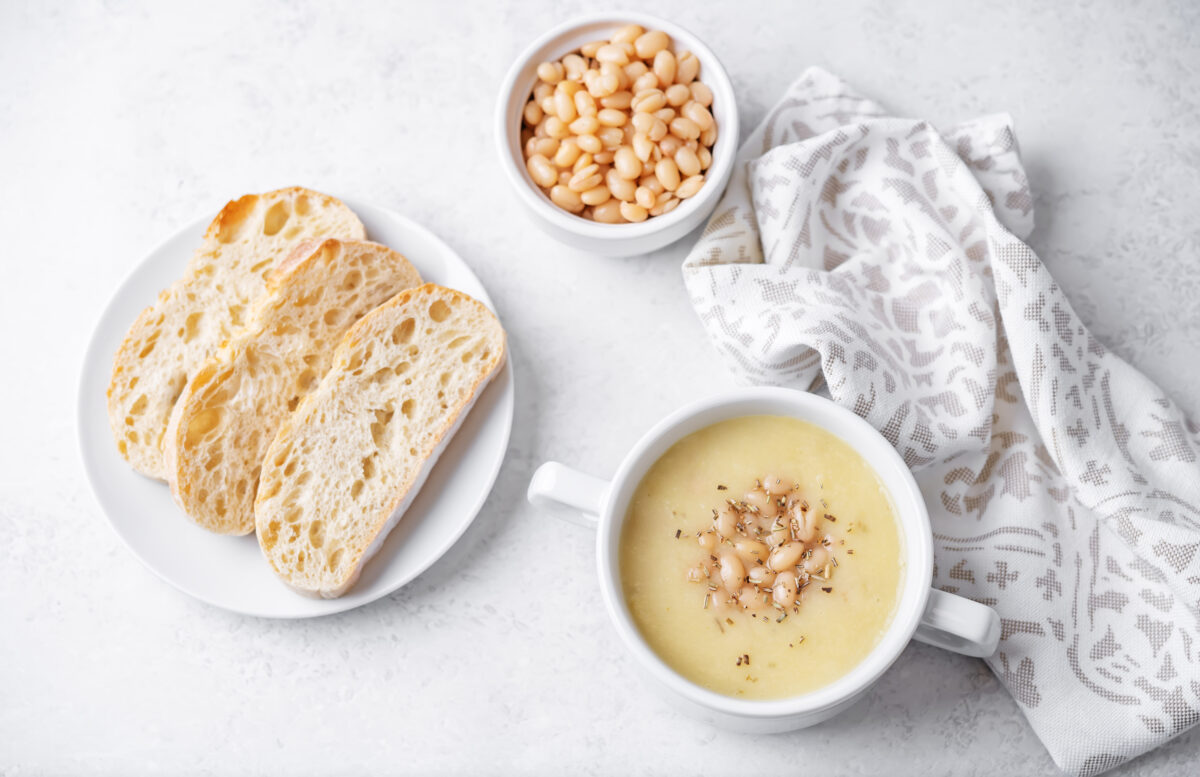
As we look toward a future that prioritizes both sustainability and health, this dish stands as a beacon of efficiency. It is a reminder that the best meals are often those that rely on the timeless integrity of the bean, the aromatic brilliance of fresh herbs, and the patience to let a pot simmer until it reaches perfection. Whether served with a side of warm, crusty bread to a family of six, or portioned out for a busy week of lunches, this soup serves as a vital tool in the repertoire of the modern, health-conscious home cook. It is, in every sense, the perfect intersection of heart, health, and home.