For generations, upland game hunters have relied on a familiar playbook when processing their harvest. Dove season, eagerly anticipated across the American South and Southwest, traditionally yields a bounty of lean, flavorful meat that usually ends up wrapped in bacon with a slice of jalapeño, secured by a toothpick, and tossed onto a hot grill. While this classic preparation is a time-honored tailgate staple, a growing movement of outdoor chefs and culinary enthusiasts is looking to push wild game far beyond conventional boundaries.
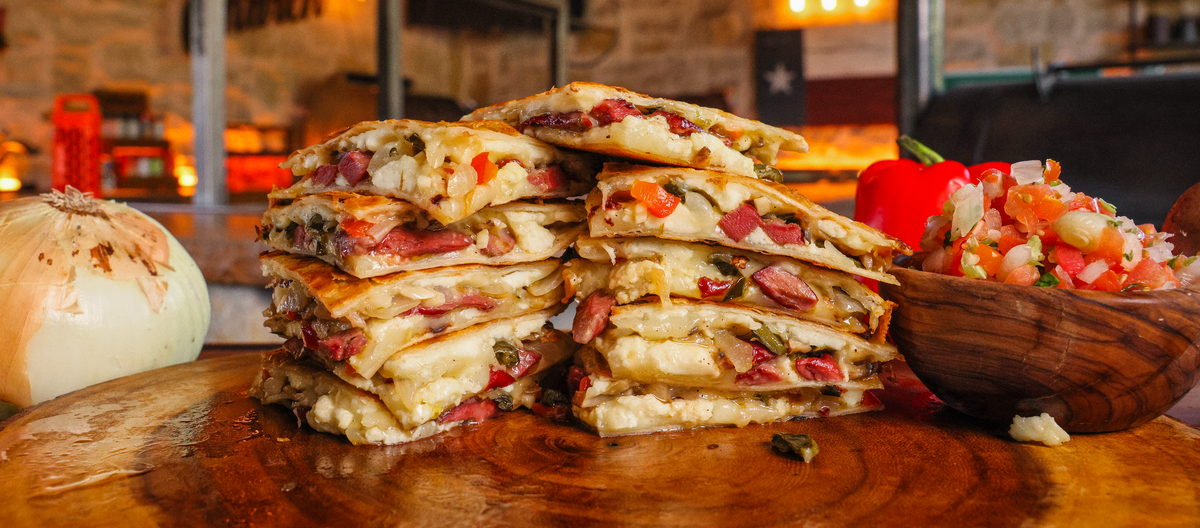
Enter the Ultimate Smoked Dove Quesadilla—a masterclass in balancing rich, smoky undertones with the delicate, earthy flavor of wild game. By fusing traditional low-and-slow barbecue techniques with the comforting, melt-in-your-mouth textures of Tex-Mex cuisine, this recipe transforms a modest dove harvest into a sophisticated, crowd-pleasing centerpiece.
Main Facts: A Modern Approach to Wild Game
The Ultimate Dove Quesadilla is built on a foundation of dual-stage cooking: gentle smoking followed by high-heat griddling. The recipe elevates wild dove breast—historically prone to drying out if overcooked—by treating it with the precision usually reserved for high-end cuts of beef or pork.
- The Protein: Freshly harvested dove breasts, carefully deboned from the keel bone to preserve maximum yield and texture.
- The Flavor Aromatics: Poblano peppers, sweet yellow onions, vibrant red bell peppers, and earthy mushrooms.
- The Technique: Post oak smoke at 250°F to infuse depth, followed by a cast-iron sauté and a golden-brown griddle finish.
- The Bind: A double-cheese blend that ensures structural integrity and a decadent, gooey interior.
This dish represents a broader shift in outdoor cooking culture. Hunters are no longer content with treating wild game as a novelty; instead, they are applying rigorous culinary techniques to honor the animal, maximize flavor profiles, and elevate hunting culture into high-end gastronomy.

Chronology: Step-by-Step Culinary Execution
Creating these gourmet quesadillas requires patience, timing, and an appreciation for how different ingredients react to heat and smoke. Here is the chronological breakdown of how to bring this dish to life.
Phase 1: Preparing the Smoker
Before any meat is prepped, the pit must be properly conditioned.

- Ignition: Light the smoker and bring the internal temperature to a steady 250°F. For this particular preparation, post oak—known for its clean, balanced, and mild smoke profile—is the wood of choice (demonstrated using a Millscale 94-gallon offset smoker).
- Vegetable Foundation: Halve a yellow onion and place it directly onto the smoker grates alongside whole poblano peppers. Allow them to smoke for approximately two hours, or until they reach the desired level of smoke penetration and softness. Once finished, remove them from the heat and chop them down to bite-sized pieces.
Phase 2: Smoking the Dove Breasts
Wild dove is exceptionally lean, meaning temperature control is everything. Overcooking will render the meat tough and dry.
- Extraction: Carefully remove the dove breasts from the keel bone, ensuring clean cuts that leave the meat intact.
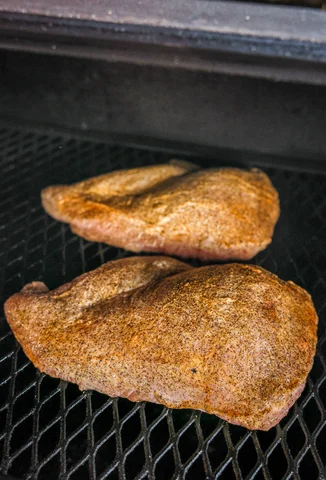
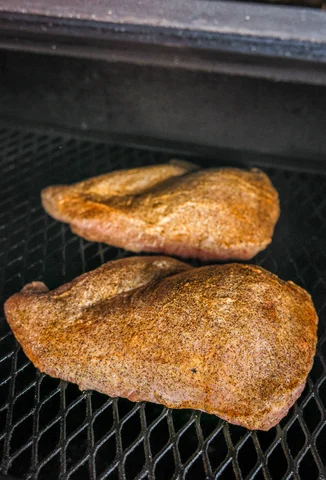
- The Rack Setup: Place the breasts onto a wire smoking rack to allow for optimal airflow and even smoke distribution.
- Seasoning: Lightly dust the meat with a savory rub—such as Garlic and Jalapeño BLANCO—to complement the gamey notes without overpowering them.
- The Smoke: Place the rack into the 250°F smoker. Monitor the internal temperature closely, pulling the dove breasts the moment they hit 125°F (roughly 25 minutes). This leaves the meat at a perfect medium-rare, ensuring it stays juicy during the subsequent cooking phases.
- The Slice: Remove the breasts from the smoker and slice them into thin, fajita-style strips.
Phase 3: Sautéing the Vegetables
With the smoke profile established, it is time to build layers of savory depth on the stovetop.

- Cast Iron Preparation: Heat a heavy-duty cast-iron skillet over medium-high heat.
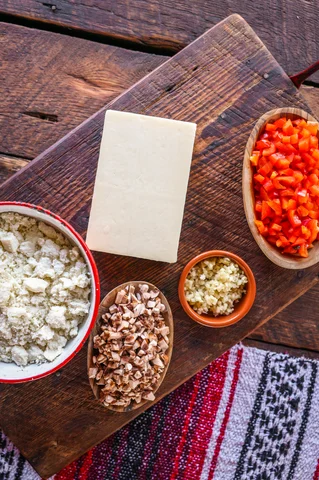
- The Sauté: Add a splash of olive oil followed immediately by the sliced red bell peppers. Cook for approximately one minute to begin softening their cell walls.
- Combining Elements: Introduce the pre-smoked onions and poblanos, along with fresh sliced mushrooms and minced garlic. Sauté the entire vegetable medley until it reaches your preferred tenderness. Season lightly with additional Garlic and Jalapeño BLANCO to tie the flavor profile together, then set the mixture aside.
Phase 4: Constructing and Griddling the Quesadillas
The final stage brings all the components together into a crispy, golden package.
- Tortilla Prep: In a clean skillet or on a flat-top griddle, warm your tortillas according to package instructions to make them pliable, then set aside.
- The Assembly: Melt a generous pat of butter in the skillet. Lay down a base tortilla, followed by a generous handful of a two-cheese blend (designed for optimal melting). Layer on the sautéed vegetable medley and the sliced, smoked dove breasts.
- The Cap: Top the filling with another handful of cheese and crown it with a second tortilla.
- The Crisp: Allow the quesadilla to cook until the bottom cheese melts and the tortilla achieves a rich golden-brown crisp. Using a large, sturdy spatula, carefully flip the quesadilla. Continue flipping periodically until the cheese is completely molten throughout and both sides achieve an even, appetizing crunch.
Phase 5: Serving
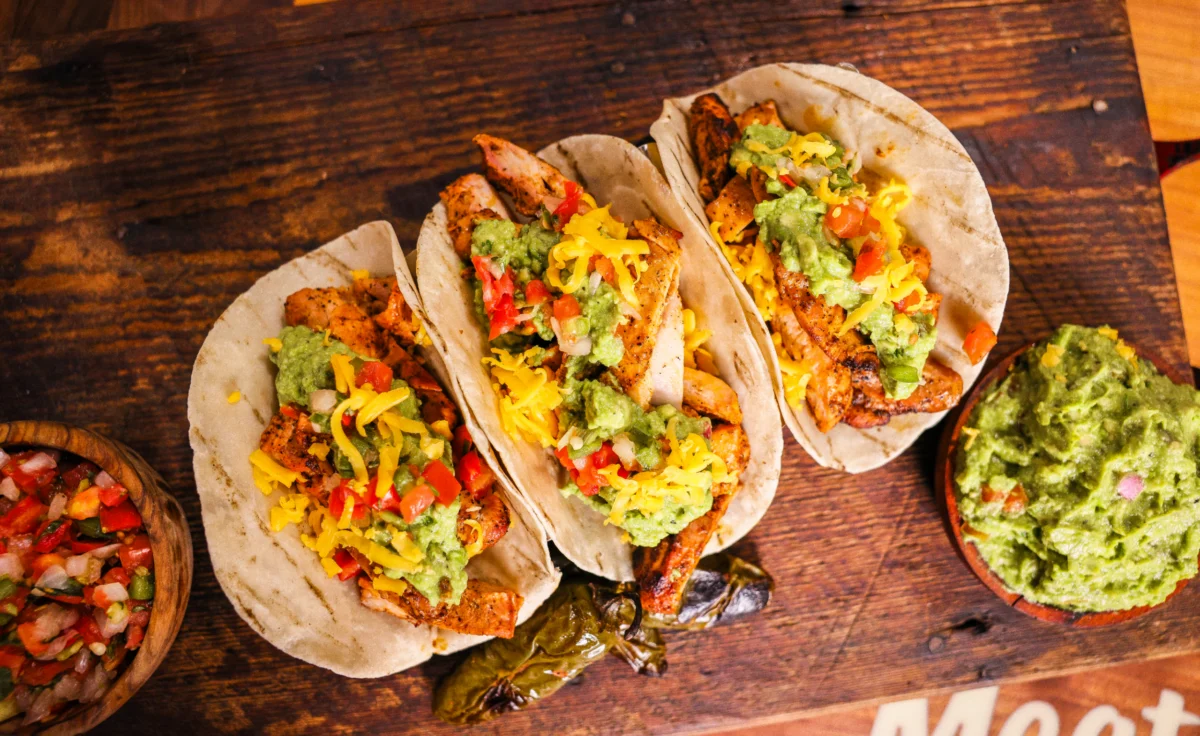
Transfer the finished masterpiece to a cutting board, use a sharp chef’s knife to slice it cleanly into equal triangles, and serve immediately alongside your favorite salsas, crema, or guacamole.

Supporting Data: The Nutritional and Culinary Science of Wild Dove
Understanding why this recipe works requires looking at the properties of wild game. Unlike commercially raised poultry, mourning doves are high-performance migratory birds. Their flight muscles are dense, highly vascularized, and exceptionally low in fat.
- Lean Protein Profile: Wild dove meat contains virtually no intermuscular fat (marbling). Because of this, traditional high-heat frying or grilling often results in moisture loss. By introducing a low-temperature smoke phase (to 125°F) and pairing the meat with high-moisture vegetables (mushrooms and peppers) and high-fat cheeses, the recipe mathematically compensates for the natural dryness of the game.
- The Role of Post Oak: Post oak burns relatively cool and clean compared to heavy mesquite or hickory. This prevents the delicate flavor of the dove from being overwhelmed by harsh creosote, allowing the natural iron and mineral notes of the meat to shine through the smoke.
- Extraction Yield: A standard limit of dove yields a manageable amount of meat per breast. Utilizing them in a quesadilla format stretches the harvest efficiently, allowing hunters to feed a group of friends or family without needing an exorbitant number of birds.
Official Responses and Perspectives from the Field
The culinary evolution of wild game has sparked significant discussion within outdoor and sporting communities. Chefs, conservationists, and hunting advocates have weighed in on how creative recipes are changing the public perception of harvesting wild animals.

"For too long, wild game cooking was viewed through a very narrow lens—either you drowned it in heavy cream sauces to hide the gamey flavor, or you overcooked it until it tasted like leather," notes a prominent Texas-based outdoor chef and wild game advocate. "Recipes like the Smoked Dove Quesadilla prove that wild protein is just as versatile, if not more so, than store-bought beef or chicken. When you treat the ingredient with respect, control your temperatures, and build complex flavor profiles, you elevate the entire hunting experience."
Wildlife conservation organizations have also echoed these sentiments, pointing out that connecting the harvest directly to high-end, approachable home cooking fosters a deeper appreciation for sustainable, ethical food sources. When non-hunters partake in a dish like this, the conversation shifts quickly from the act of hunting to the undeniable quality of the finished plate.

Implications: The Future of Wild Game Gastronomy
The popularity of innovative wild game recipes signals a broader cultural shift. As consumer interest in farm-to-table—and specifically field-to-table—eating continues to surge, hunters are increasingly stepping into the role of culinary ambassadors.
- Bridging the Cultural Gap: Dishes like the Ultimate Dove Quesadilla serve as an accessible gateway for people who may be hesitant to try wild game. By wrapping familiar, comforting textures (tortillas, melted cheese, sautéed peppers) around wild protein, the intimidation factor disappears.
- Elevating Conservation Support: When non-hunters experience the rich, deliberate flavors of properly prepared wild game, it builds broader cultural support for hunting as a valid, conservation-backed method of harvesting sustainable protein.
- Inspiring Outdoor Innovation: The commercialization of portable pellet smokers, cast-iron cookware, and specialty rubs has democratized gourmet outdoor cooking. Hunters are no longer bound to the hunting camp stove; they are bringing backyard barbecue culture and fine-dining techniques directly into their everyday kitchens.
Ultimately, the Ultimate Smoked Dove Quesadilla is more than just a clever way to cook a limit of birds. It is a testament to the creativity of the modern outdoorsman—proving that with a little patience, the right wood, and a hot griddle, the field can yield some of the finest cuisine available.