Main Facts: The Anatomy of a Culinary Staple
In the ever-evolving landscape of modern gastronomy, home cooks frequently find themselves caught in a cycle of convenience-driven shortcuts. Pre-packaged meals, jarred condiments, and fast-casual dining have long dominated the American palate. However, a quiet counter-revolution is currently taking place in residential kitchens across the country, spearheaded by a single, transformative culinary philosophy: back to the basics.
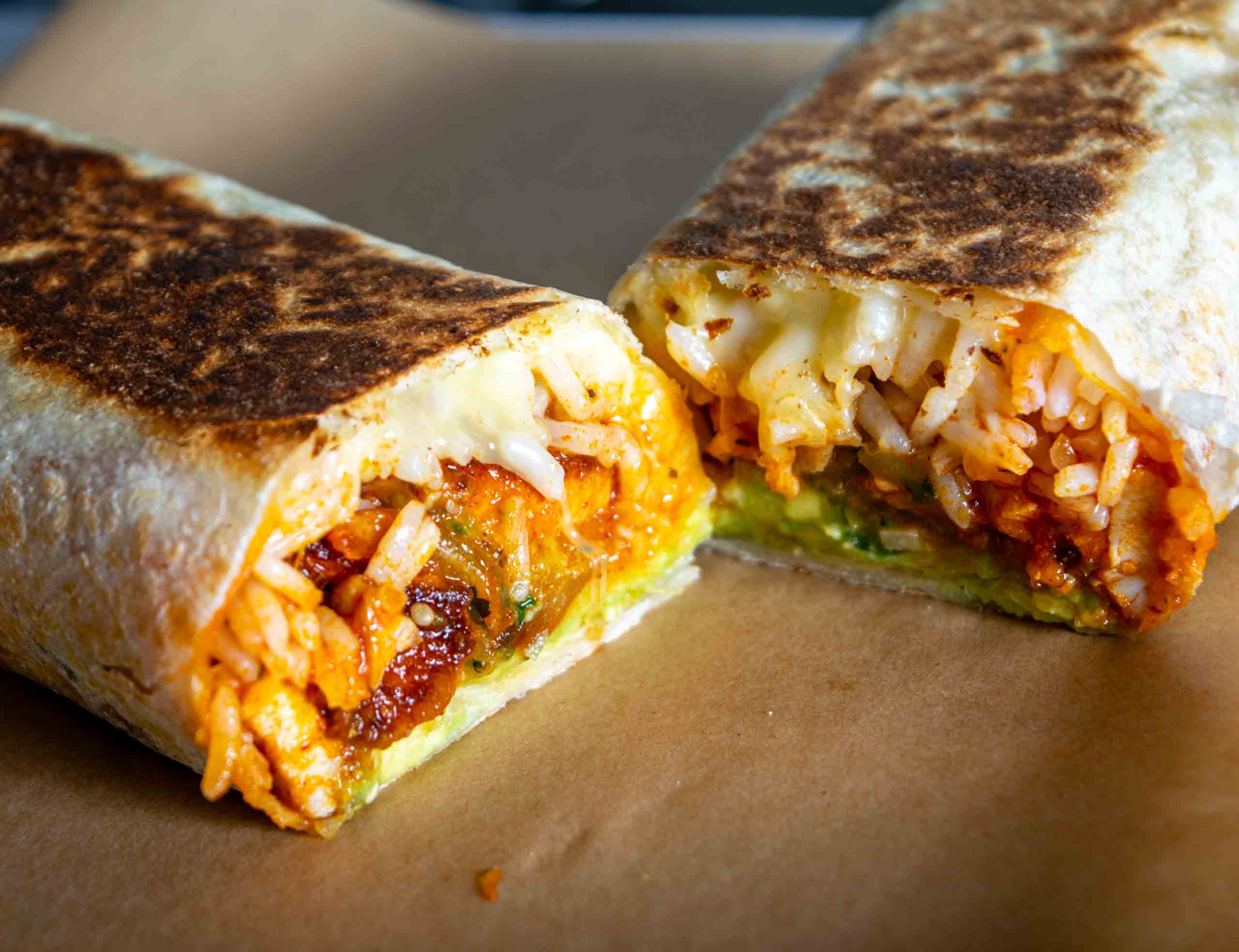
At the center of this movement is a deceptively simple dish that has become a fixture of home cooking: the ultimate chicken burrito. But this is not the soggy, heavy-handed creation associated with late-night delivery. Instead, it is a masterclass in texture, balance, and, most importantly, scratch-made components.
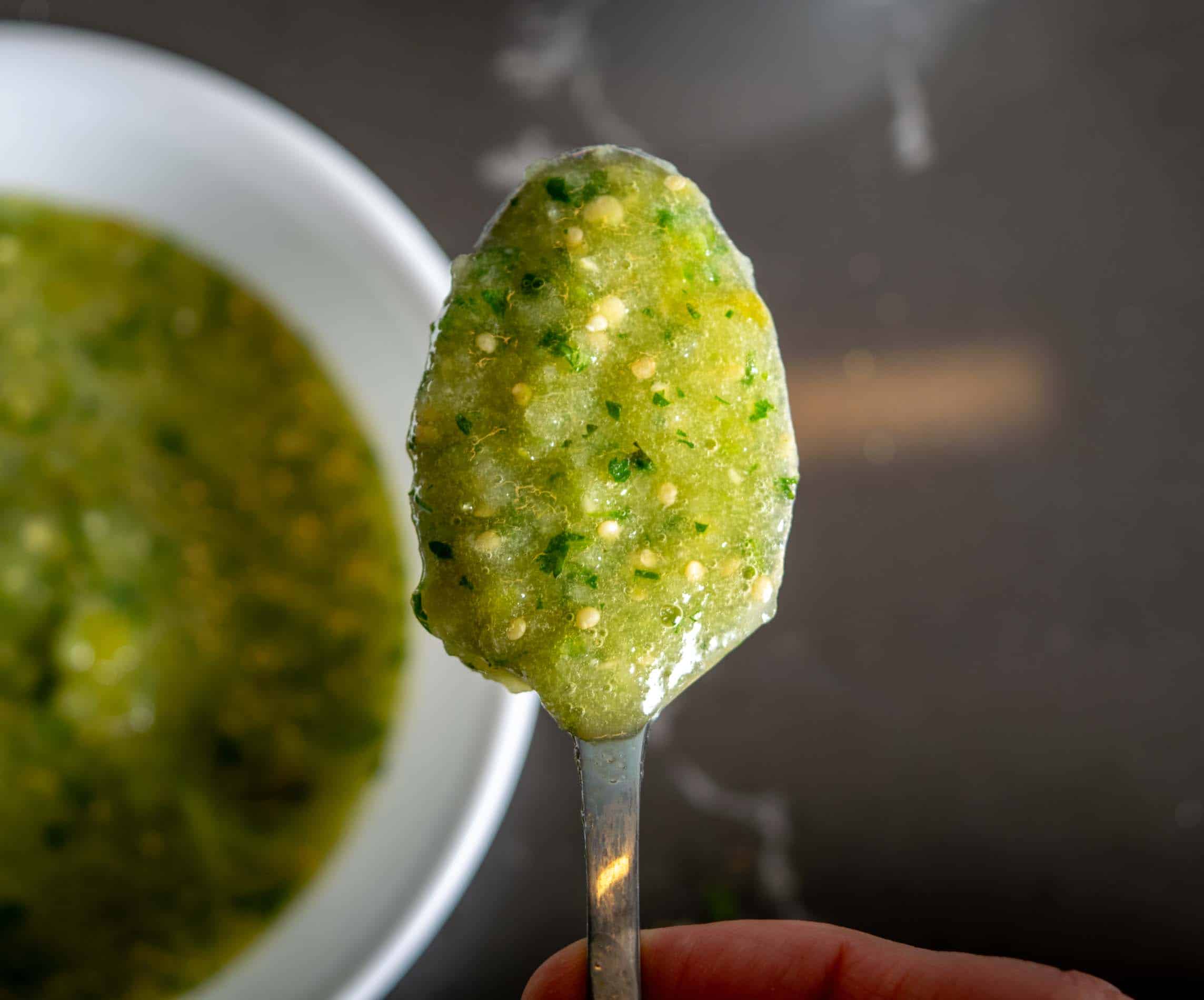
The undisputed cornerstone of this recipe is homemade Salsa Verde. Culinary experts and home cooks alike are recognizing that transitioning from jarred salsa verde to a freshly prepared, oven-roasted version is a gamechanger. Utilizing a vibrant blend of oven-roasted tomatillos, aromatic onions, fresh garlic, cilantro, and fiery serrano peppers, this green sauce elevates a humble weeknight meal into a restaurant-quality experience. Combined with chili-spiced chicken, white rice, melted cheese, and fresh guacamole, all wrapped in a lightly toasted flour tortilla, this dish proves that foundational cooking yields unmatched rewards.
Chronology: From Farm-Fresh Tomatillos to the Skillet Finish
Creating the ultimate chicken burrito requires a deliberate, step-by-step methodology. Far from being a chaotic assembly of leftovers, the process follows a precise culinary timeline designed to maximize flavor development at every stage.
Phase 1: Roasting the Tomatillos
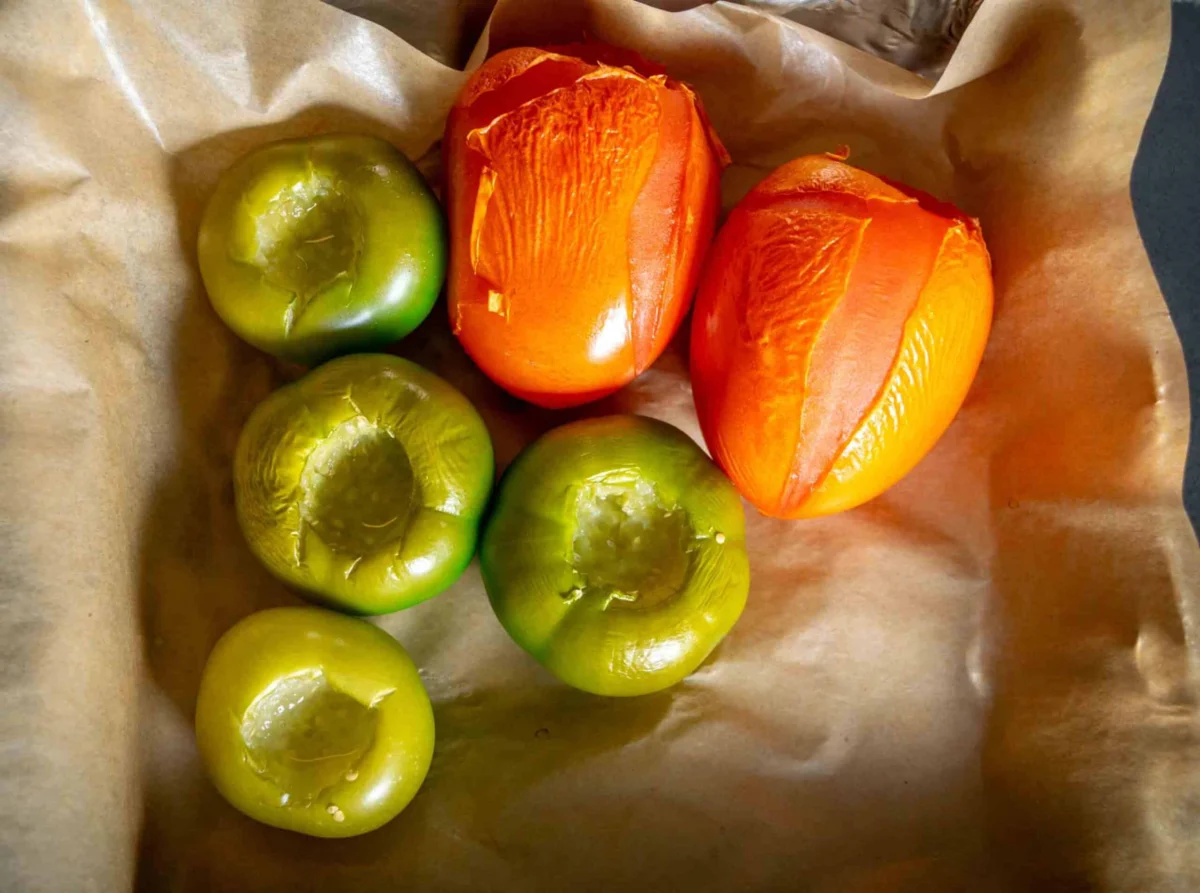
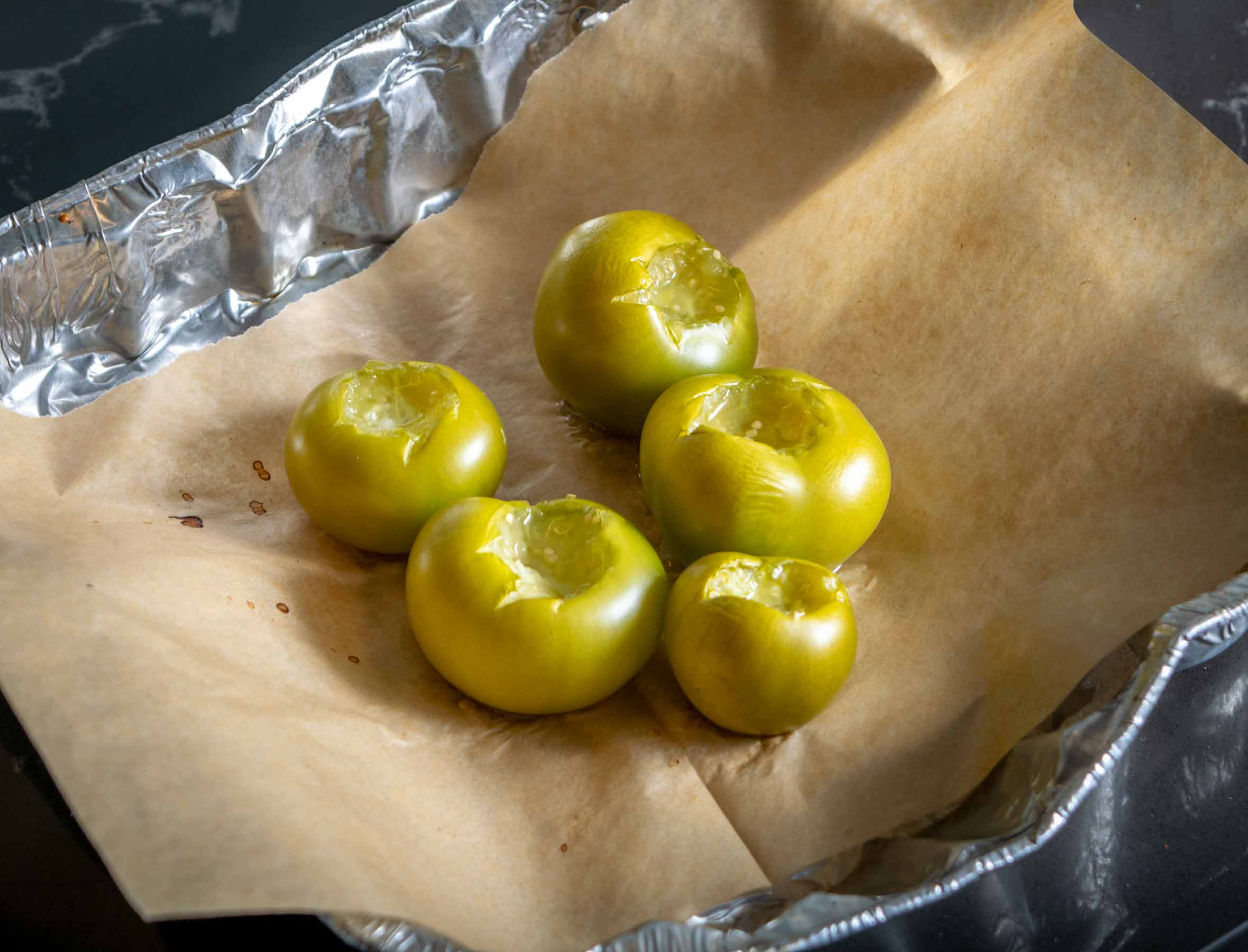
The journey begins in the oven. While traditional culinary practices occasionally lean toward boiling tomatillos, rigorous kitchen testing consistently proves that dry-roasting yields superior depth of flavor. By placing husked, washed tomatillos on a baking sheet and transferring them to a preheated 400°F (200°C) oven for approximately 20 minutes, the natural sugars caramelize. This hands-off technique softens the fruit while imparting a subtle, smoky sweetness that boiling simply cannot replicate.
Phase 2: Crafting the Salsa Verde
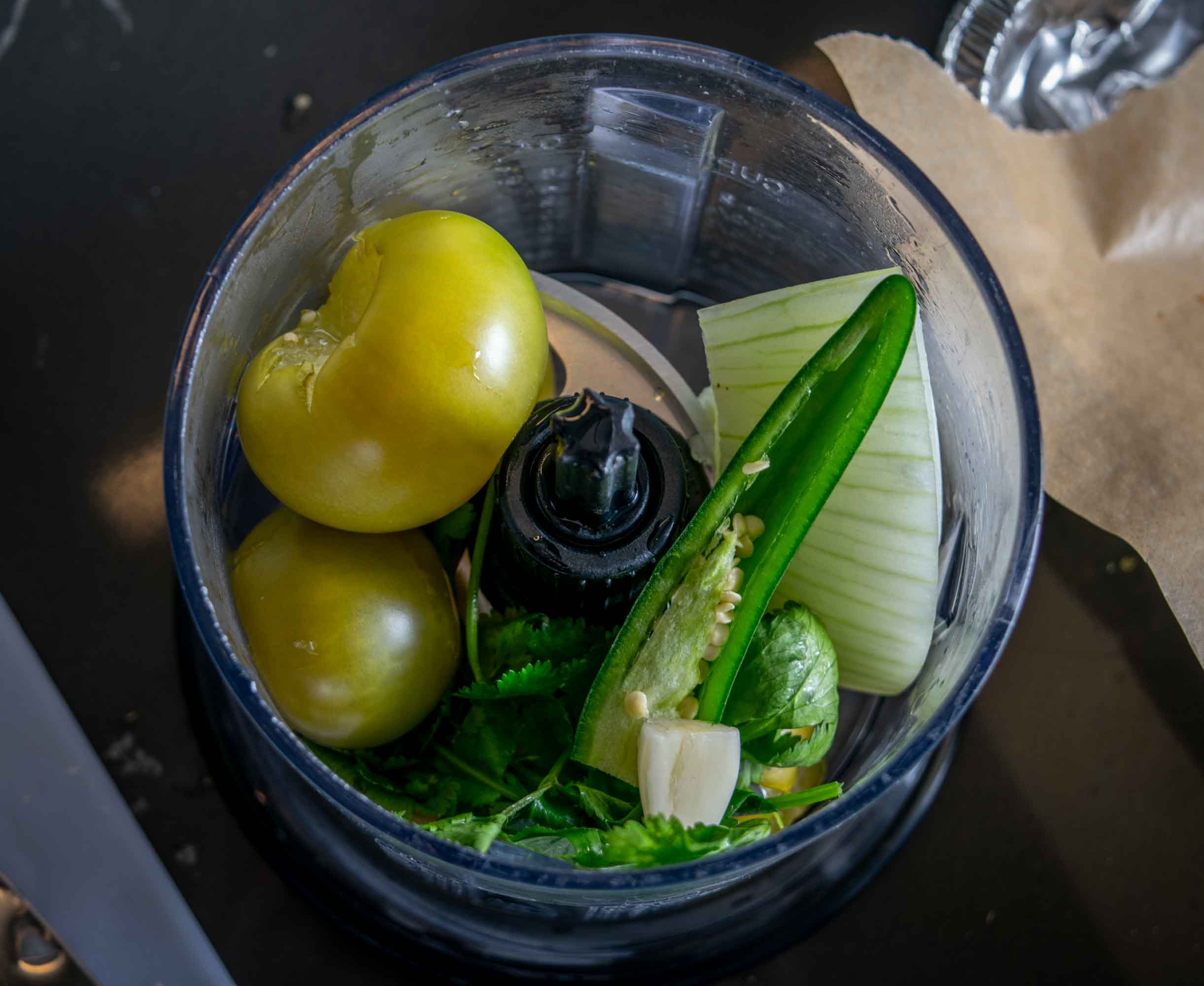
Once the tomatillos emerge from the oven blistered and tender, they are transferred directly to a blender. They are joined by half of a small onion, a single garlic clove, 10 to 12 sprigs of fresh cilantro, and the chef’s choice of chili pepper—traditionally a serrano for sharp heat, though a standard jalapeño serves as an admirable substitute.
For those re-acclimating their palates to homemade heat, a cautious approach is recommended: introducing the pepper incrementally (a quarter at a time), blending, and tasting until the desired spice profile is achieved.
Phase 3: Preparing the Fillings
While the salsa verde rests, the remaining components are prepared in parallel.
- The Protein: Chicken breasts or thighs are coated generously with a robust chili powder blend and sautéed alongside diced onions until perfectly browned and juicy.
- The Starches and Accoutrements: A quick batch of fluffy white rice is steamed, and a bowl of fresh, creamy guacamole is whipped up using ripe avocados, lime, and salt.
Phase 4: Assembly and The Crucial Final Step
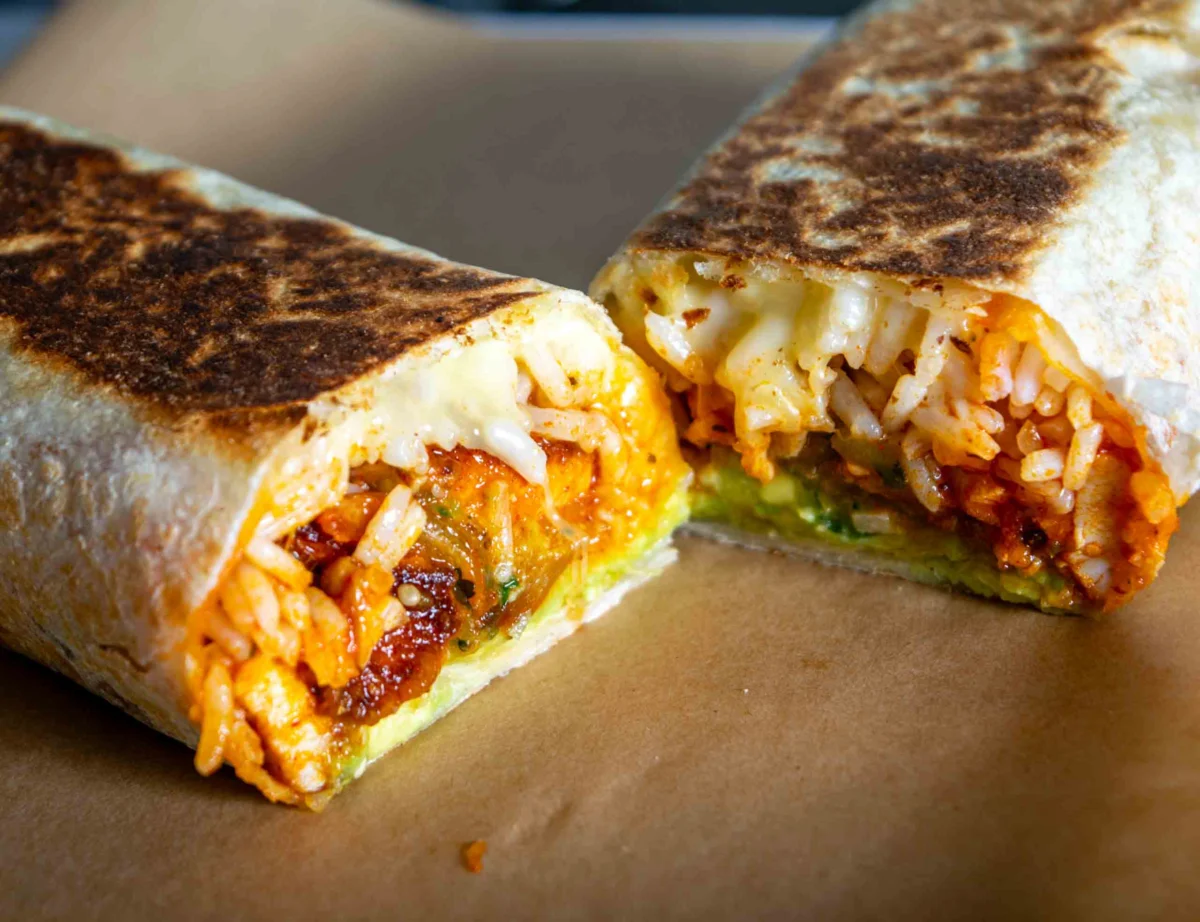
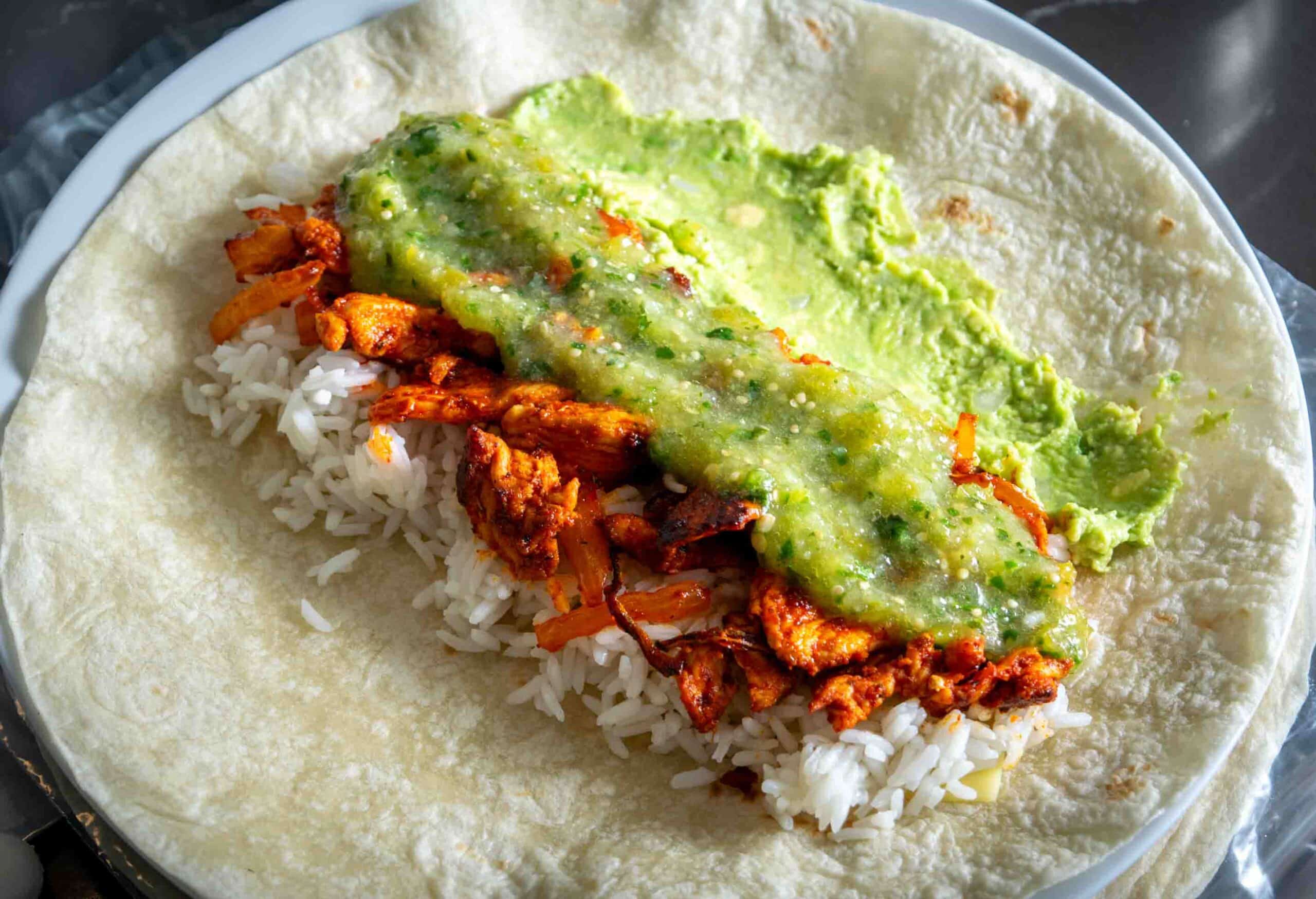
With all elements ready, a flour tortilla is gently warmed to maximize elasticity, preventing tears during the rolling process. A layer of shredded cheese is laid down first—ensuring direct contact with the warm ingredients for optimal melting—followed by the seasoned rice, chili chicken, a generous ladle of the freshly made salsa verde, and guacamole.
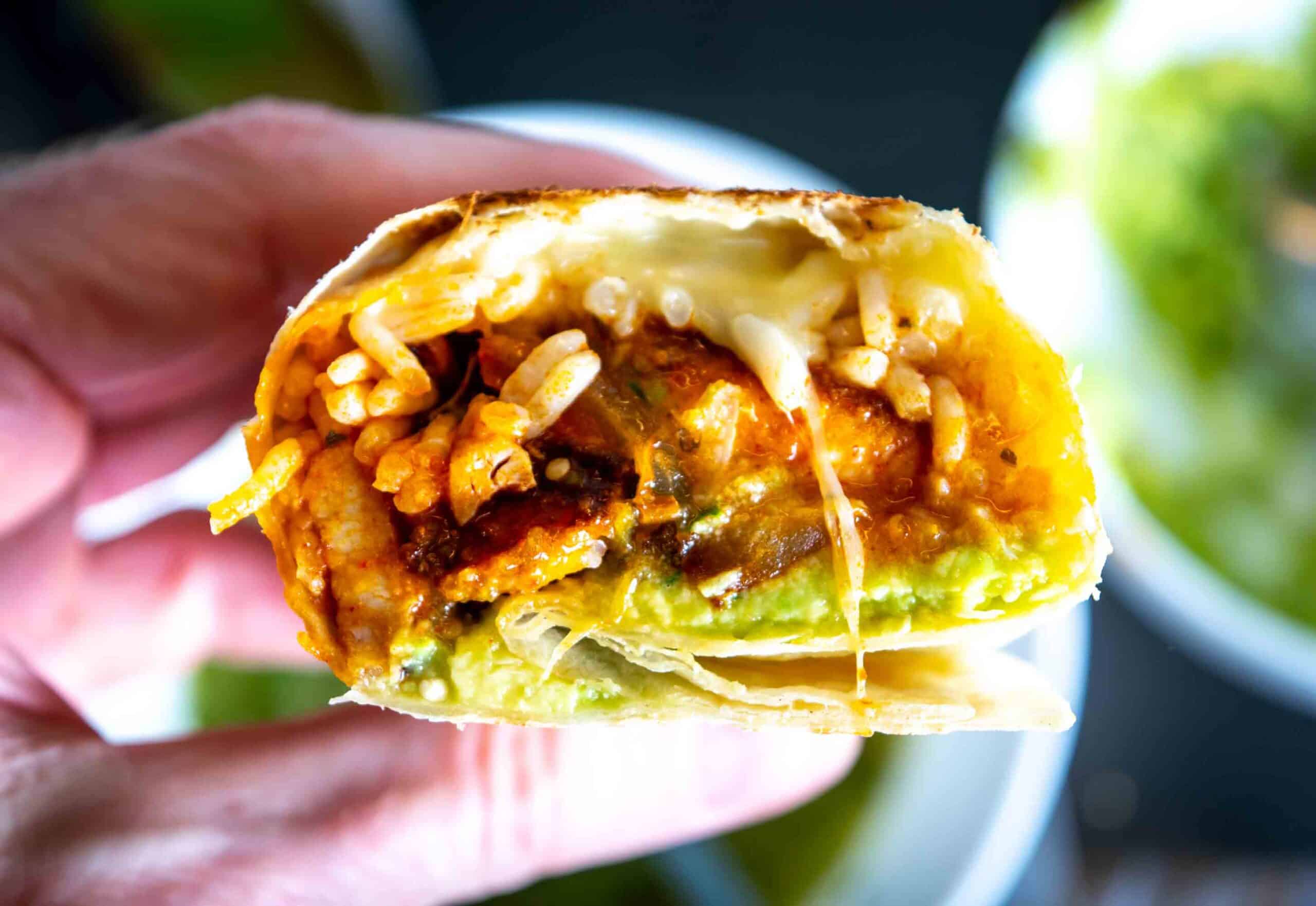
The burrito is rolled tightly, sealing in the vibrant fillings. However, the chronological process does not end at the wrap. The final, non-negotiable step involves placing the assembled burrito seam-side down in a dry skillet over medium-high heat. Toasting the exterior until golden-brown and crisp transforms the texture of the tortilla and cements the internal structural integrity of the meal.
Supporting Data: The Science of Scratch-Made vs. Store-Bought
To understand why this specific chicken burrito recipe has dominated home kitchens for weeks, one must examine the culinary data and sensory mechanics behind its key components.
The Flavor Compound Breakdown: Oven-Roasted vs. Boiled
When tomatillos are subjected to dry heat at 400°F, Maillard reactions and caramelization occur. Sugars break down into complex flavor compounds that introduce nutty, savory, and sweet notes. Boiling, conversely, leaches water-soluble organic acids and volatile aromatics into the cooking water, resulting in a flat, overly acidic sauce that relies heavily on added sodium for flavor balance.
Nutritional and Sensory Metrics
- Acid Balance: Fresh lime, cilantro, and roasted tomatillos provide natural malic and citric acids, which stimulate the palate and cut through the richness of the cheese and chicken.
- Textural Contrast: The recipe utilizes a deliberate multi-texture profile:
- Soft: Steamed rice and tender chicken.
- Creamy: Guacamole and melted cheese.
- Crisp: Pan-toasted flour tortilla exterior.
- Sodium Control: Jarred salsas often contain between 150mg to 300mg of sodium per two-tablespoon serving, heavily reliant on preservatives. A scratch-made salsa verde allows the home cook to control sodium intake down to the grain, letting the natural brightness of the ingredients shine.
Official Perspectives: Home Cooks and Culinary Advocates
The culinary community has been vocal about the renaissance of foundational cooking techniques. Food bloggers, recipe developers, and domestic chefs have increasingly advocated for stepping away from convenience aisles in favor of artisanal, home-prepared components.
"You simply can’t beat the flavor of homemade salsa verde—it will turn any dish you make into a keeper," notes leading food creator and recipe developer Mexican Please. Emphasizing the non-negotiable nature of the sauce, advocates point out that while proteins and fillings can be endlessly adapted to dietary preferences or refrigerator inventory, cutting corners on the salsa strips the dish of its soul.
Furthermore, culinary instructors emphasize the psychological benefits of mastering foundational recipes. Preparing a salsa verde from scratch shifts cooking from a chore into an engaging sensory experience. The aroma of roasting tomatillos, the bright green visual appeal of fresh cilantro, and the customized heat level of serrano peppers empower home cooks to take ownership of their daily nutrition.
Implications: The Shift Toward Intentional Weeknight Cooking
The enduring popularity of this chicken burrito recipe speaks to a broader cultural shift in how individuals approach home economics and lifestyle choices. As grocery prices fluctuate and consumers become more critical of ultra-processed food items, the kitchen is reclaiming its status as a creative sanctuary.
1. Economic Efficiency Through Flexibility
While the salsa verde remains sacred, the surrounding ingredients of the burrito are remarkably forgiving. Leftover roasted vegetables, alternative proteins like black beans, pork, or shrimp, and varying grains can be substituted based on what is available in the pantry. This adaptability reduces household food waste, making gourmet-style cooking both practical and economically sustainable.
2. Redefining Fast Food at Home
Many consumers resort to takeout or fast-casual dining under the assumption that complex, satisfying flavor profiles require professional commercial kitchens. Recipes like this prove that with minimal planning—such as batch-roasting a tray of tomatillos over the weekend—an exceptional, customizable meal can be executed in under 30 minutes on a busy weeknight.
3. Culinary Confidence and Skill Building
By mastering techniques like dry-roasting vegetables, balancing acid and heat incrementally, and properly toasting a tortilla in a dry skillet, home cooks build an intuitive understanding of flavor mechanics. These foundational skills easily transfer to other cuisines, permanently elevating the quality of domestic cooking.
Ultimately, whether enjoyed fresh off the skillet or accompanied by an extra spoonful of vibrant green salsa in every bite, the humble chicken burrito stands as proof that looking backward to traditional techniques is the most progressive step a modern kitchen can take.