In the fast-paced landscape of modern home cooking, the ability to transform humble, everyday ingredients into something bordering on gourmet is a skill that eludes many. Yet, there is a culinary staple sitting in most fruit bowls—the apple—that serves as the perfect canvas for such a transformation. The rising trend of "cozy, simplified cooking" has brought the classic caramelized apple back into the spotlight. By marrying the earthy, warm notes of cinnamon with the rich, unrefined sweetness of pure maple syrup, home cooks are discovering that they can elevate a simple snack into a versatile culinary component in just 15 minutes.
The Anatomy of the Perfect Caramelized Apple
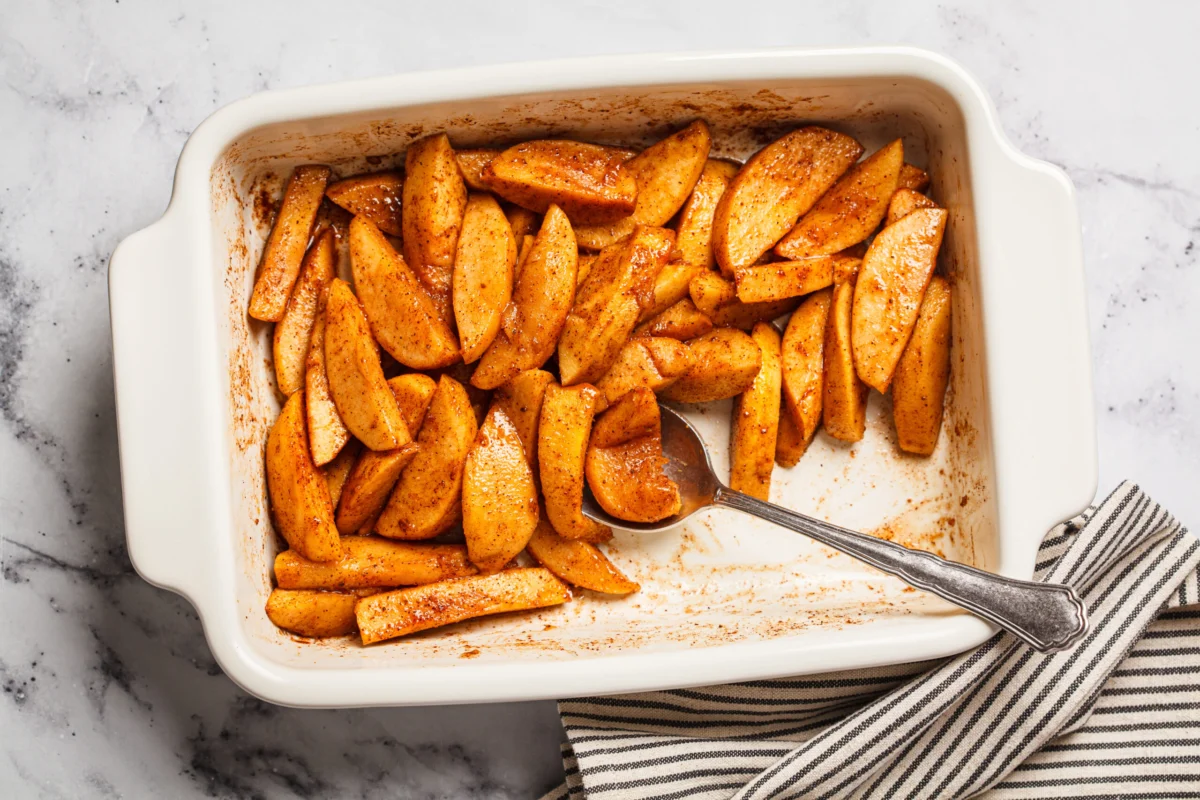
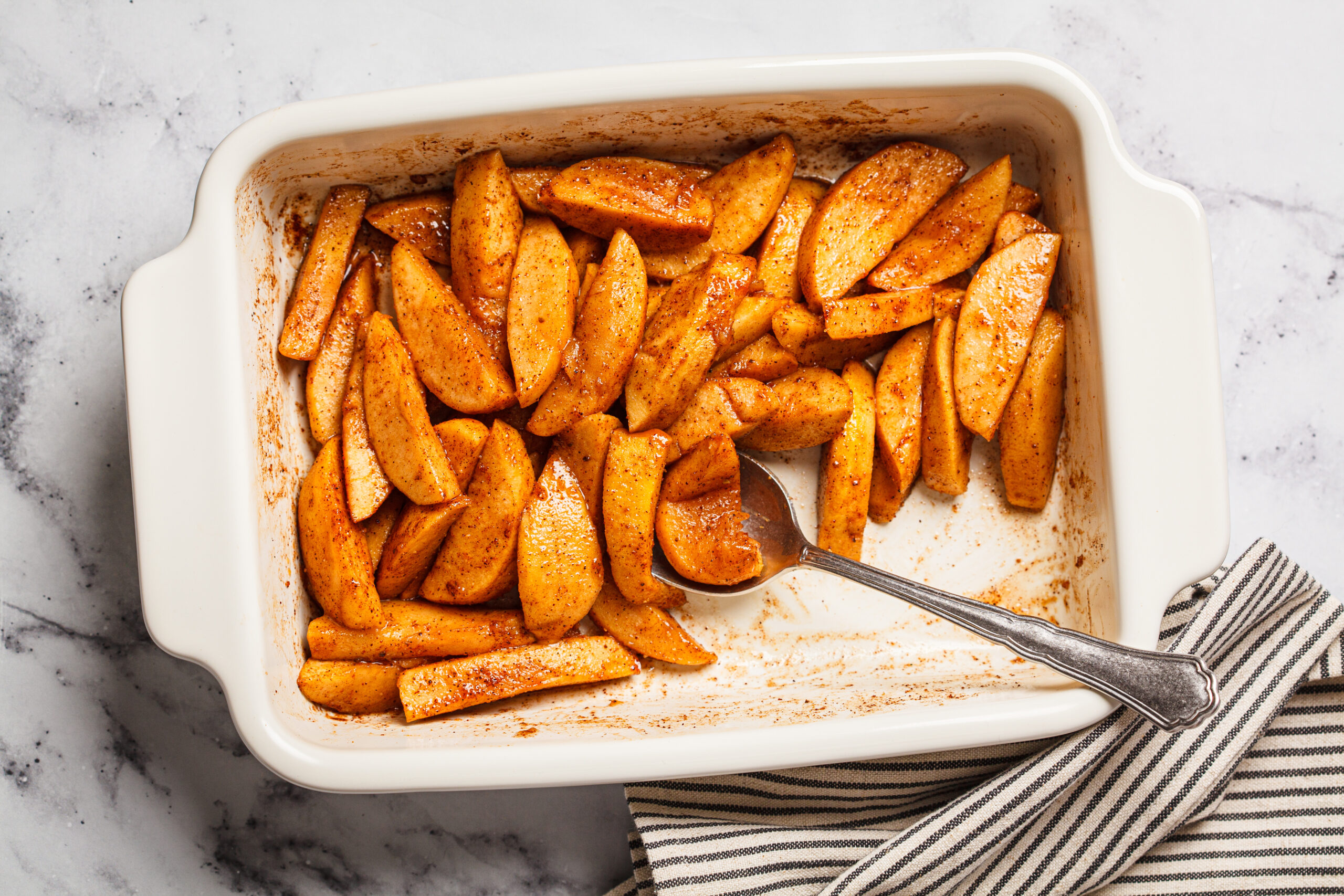
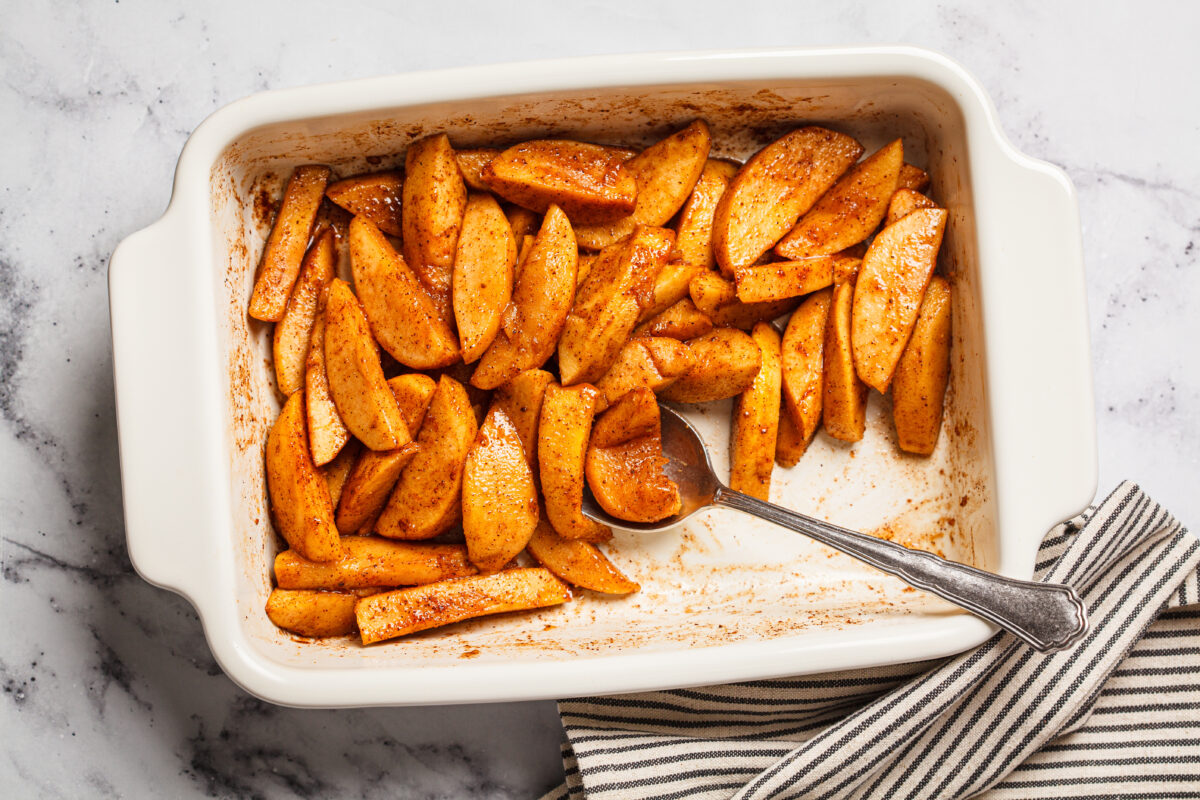
At its core, the caramelized apple is an exercise in restraint and technique. Unlike traditional desserts that rely on heavy refined sugars, this preparation highlights the natural fructose of the fruit. The magic occurs through the Maillard reaction and the subtle reduction of maple syrup, which, when combined with a touch of butter, creates a glossy, golden-hued glaze that clings to each slice.
From a nutritional perspective, this preparation is a significant upgrade from processed snacks. Apples are a robust source of dietary fiber, particularly pectin, and when cooked, they become easier to digest while retaining their essential vitamins. By opting for pure maple syrup, cooks introduce antioxidants and minerals such as manganese and zinc, creating a profile that feels indulgent without the heavy caloric toll of traditional caramel sauces.
Chronology: From Prep to Plate in 15 Minutes
Efficiency is the hallmark of this recipe. To understand why it has become a favorite among busy households, one must look at the optimized workflow:
- 0–5 Minutes (Preparation): The quality of the end product is determined by the uniformity of the cut. Slices should be approximately 1/4-inch thick. If they are too thin, they lose structural integrity; if too thick, they remain raw in the center.
- 5–12 Minutes (The Sauté): The skillet is brought to medium heat. The butter is introduced, followed by the apples. This is the critical window where the apples release their natural juices, which then mingle with the maple syrup and cinnamon to create the signature glaze.
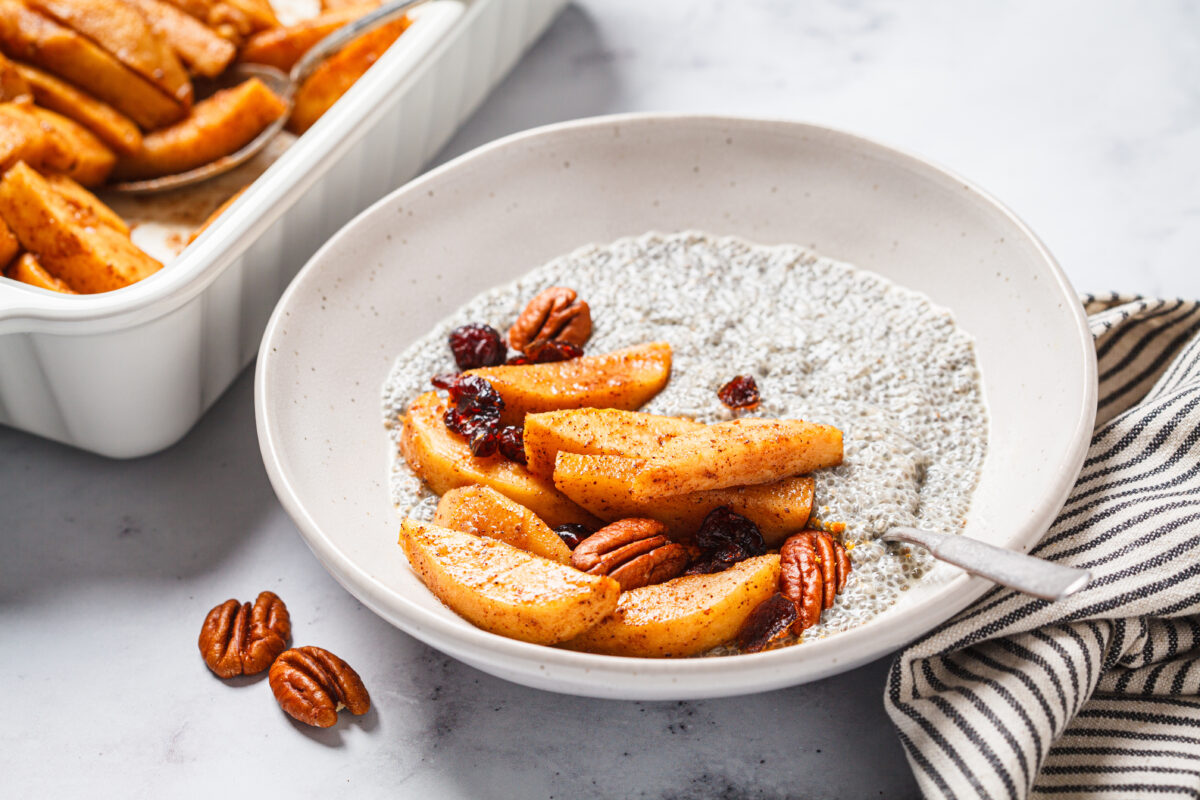
- 12–15 Minutes (The Finish): Once the apples have reached a tender-crisp texture—where they hold their shape but yield to a fork—they are ready to serve. This is the moment to fold in optional textures, such as toasted pecans or dried cranberries, to provide a sophisticated contrast to the softness of the fruit.
Supporting Data: The Versatility of the Seasonal Staple
Data from culinary lifestyle surveys indicate a significant shift toward "multi-functional ingredients"—items that can transition across the day. The caramelized apple is a prime example of this versatility.
Breakfast Integration
The modern breakfast is often a hurried affair. However, the addition of warm, cinnamon-spiced apples to a base of Greek yogurt or chia pudding elevates the meal from a functional necessity to a sensory experience. The tartness of the yogurt balances the sweetness of the maple-coated apples, while the fiber content keeps blood sugar levels stable throughout the morning.
The Dessert Evolution
When served warm over premium vanilla ice cream, the dish undergoes a metamorphosis. The thermal contrast between the warm fruit and the cold dairy, combined with the spice profile of the cinnamon, creates a restaurant-quality finish that requires almost zero professional skill. This adaptability is precisely why the recipe is finding its way into a wide demographic of kitchens, from students to experienced home chefs.
Expert Perspectives: The Role of Texture and Flavor Balancing
Professional chefs and nutritionists alike emphasize that the "feel" of a dish is just as important as the flavor. The inclusion of pecans is not merely an aesthetic choice; it is a structural one. By adding a lipid-rich, crunchy element to the soft, warm apples, the dish achieves a "satiety loop"—the brain is engaged by the changing textures, which makes the snack feel more substantial.
Similarly, the use of dried cranberries serves as a "palate cleanser." The natural acidity found in dried cranberries cuts through the richness of the butter and the maple syrup, preventing the dish from becoming one-dimensionally sweet. This layering of flavor profiles is what separates a basic cooked apple from a professionally balanced side dish.
Nutritional Implications and Dietary Considerations
While the recipe is inherently healthy, its implications for daily nutrition are noteworthy. By choosing an apple-based dessert, families are prioritizing fruit intake. However, for those monitoring sugar intake, the ability to control the amount of maple syrup is a major advantage. Unlike store-bought preserves or canned apple pie fillings, this method allows the cook to taste the apples as they go, adjusting the sweetness level based on the variety of apple used—such as the naturally sweeter Fuji or the tart, firm Granny Smith.
Furthermore, this dish serves as an excellent vehicle for introducing healthy fats into a child’s diet. By encouraging the addition of nuts and seeds, the recipe transforms into a nutrient-dense snack that supports brain health and sustained energy levels.
Troubleshooting the Process: Avoiding Common Pitfalls
Even with a 15-minute timeframe, there are variables that can derail the result. Experts point to three common errors:
- Heat Management: High heat is the enemy of caramelization. It burns the sugars in the maple syrup before the apples have a chance to soften. Medium heat is the "sweet spot" for allowing the natural juices to emulsify.
- Overcrowding the Pan: If the skillet is too full, the apples will steam rather than caramelize. Ensuring each slice has contact with the pan is essential for that golden-brown finish.
- The "Applesauce" Effect: Over-stirring is a common mistake. Once the apples are in the pan, they should be flipped gently and infrequently. The goal is to retain the slice shape, not to create a puree.
Storage and Sustainability: Reducing Food Waste
One of the most sustainable aspects of this recipe is its utility as a solution for "lonely" apples. Apples that have lost their crispness in the fruit bowl are no longer appealing to eat raw, yet they are perfect for this cooking method.
Once prepared, the apples exhibit remarkable shelf stability. Stored in an airtight container, they remain viable for up to four days in the refrigerator. This allows for batch-cooking, providing a ready-made topping for various meals throughout the work week. The ability to reheat them without loss of texture is a testament to the durability of the fruit when handled with care.
Conclusion: A Simple Ritual for Modern Living
In an era where convenience often comes at the cost of health and enjoyment, the 15-minute caramelized apple stands as a reminder of the power of simplicity. It requires no complex equipment, no long list of obscure ingredients, and no advanced culinary degree. It is a dish that honors the seasons, utilizes staple pantry items, and provides a level of comfort that is increasingly rare in the modern diet.
Whether incorporated into a morning routine, enjoyed as an afternoon pick-me-up, or served as a light evening dessert, these apples offer a reliable, consistent, and deeply satisfying experience. As we look toward more intentional ways of nourishing ourselves, the answer is often not in the newest superfood or the latest kitchen gadget, but in the classic, cozy, and timeless act of simmering fruit with spice and care. The next time you find yourself with a handful of apples, consider the skillet—you are only 15 minutes away from a transformative culinary experience.