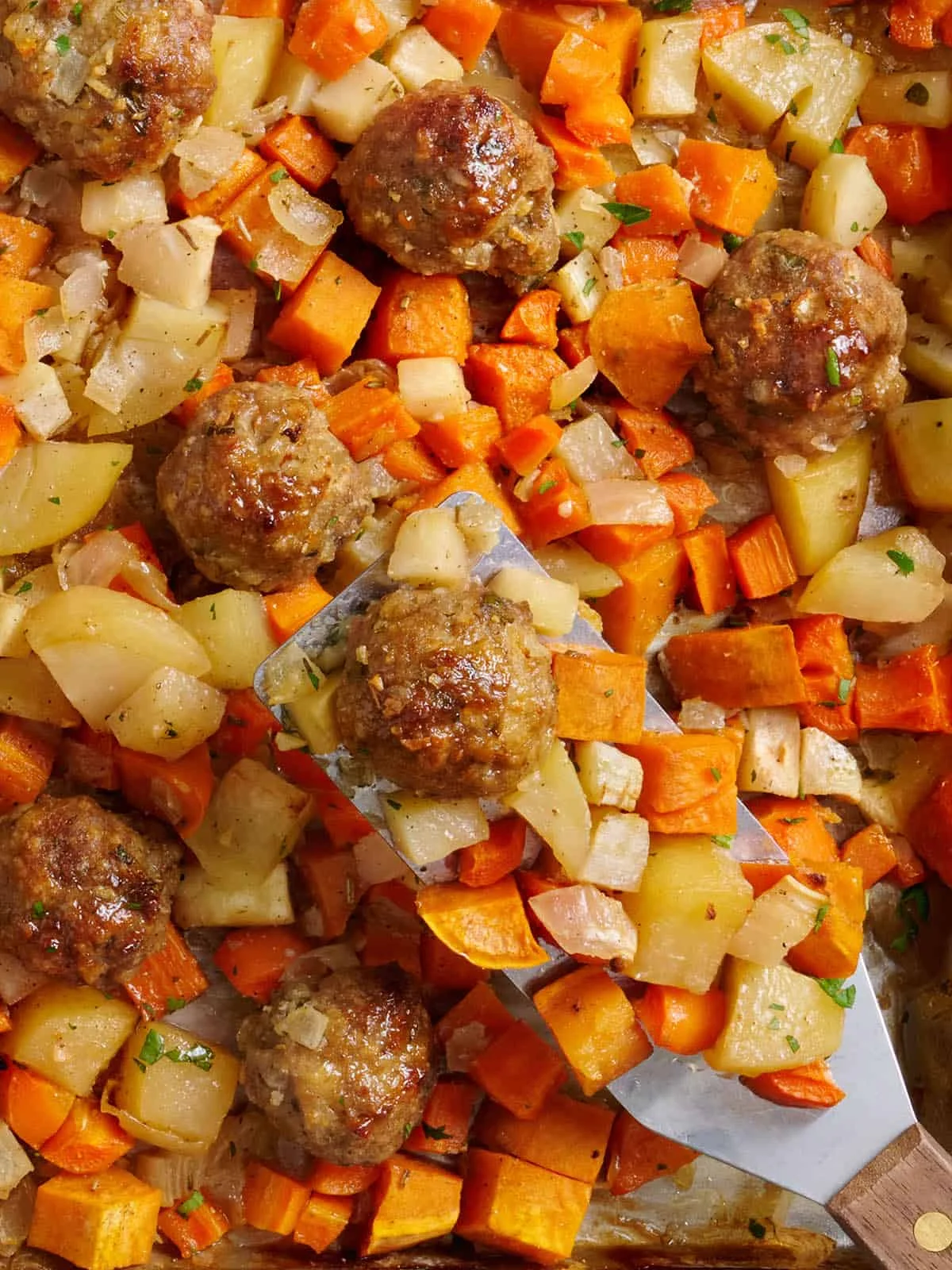
In the modern culinary landscape, the "sheet pan meal" has transitioned from a niche kitchen hack to a cornerstone of efficient home cooking. As grocery prices fluctuate and the demands of a fast-paced lifestyle continue to mount, home cooks are increasingly seeking solutions that marry nutritional density with financial prudence. A standout example of this movement is the recently perfected Sheet Pan Turkey Meatballs with Root Vegetables—a dish that balances gourmet flavor profiles with a remarkable price point of just $9.26 for four full servings.
Developed within the Nashville Test Kitchen, this recipe serves as a masterclass in culinary efficiency. By utilizing a unique binder—cottage cheese—the dish solves one of the most persistent problems in poultry cookery: the tendency for ground turkey to dry out.
The Main Facts: Efficiency Meets Nutrition
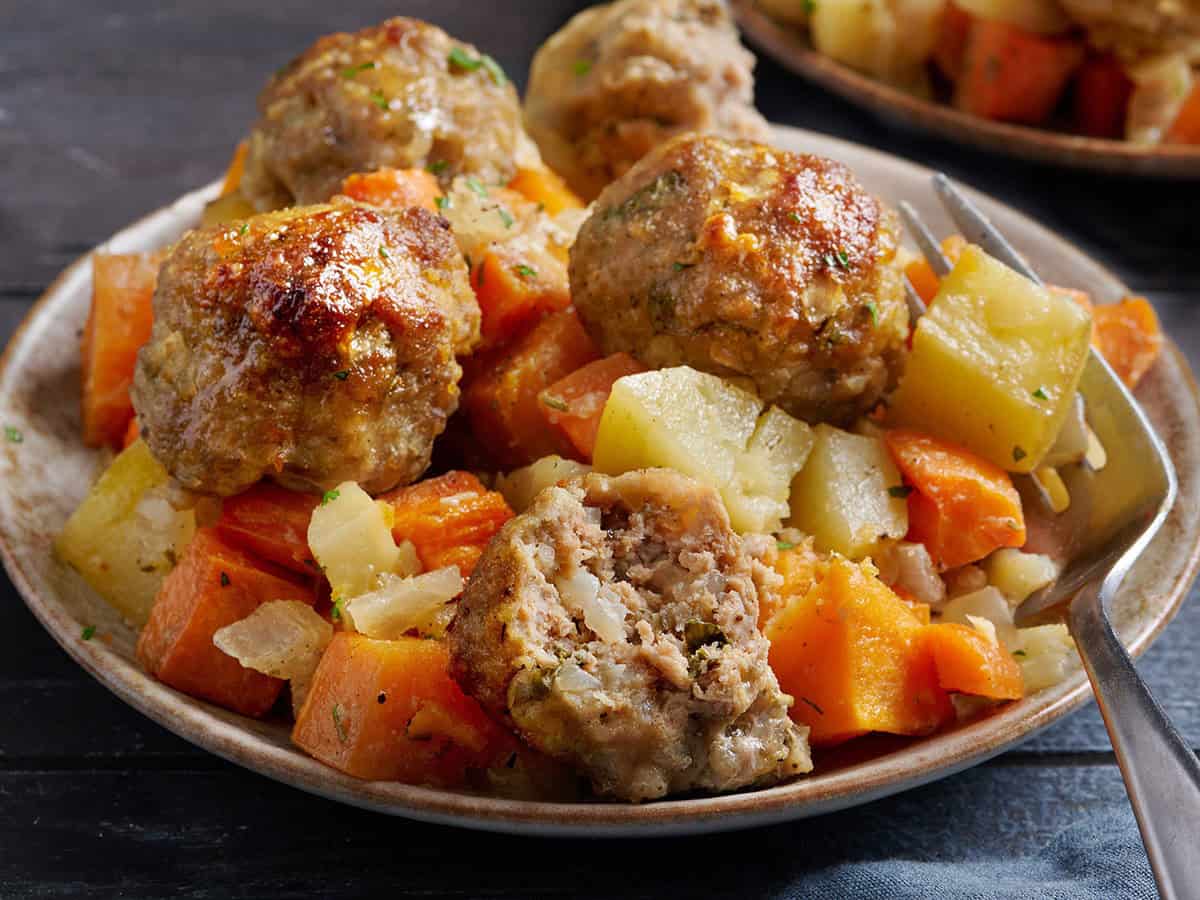
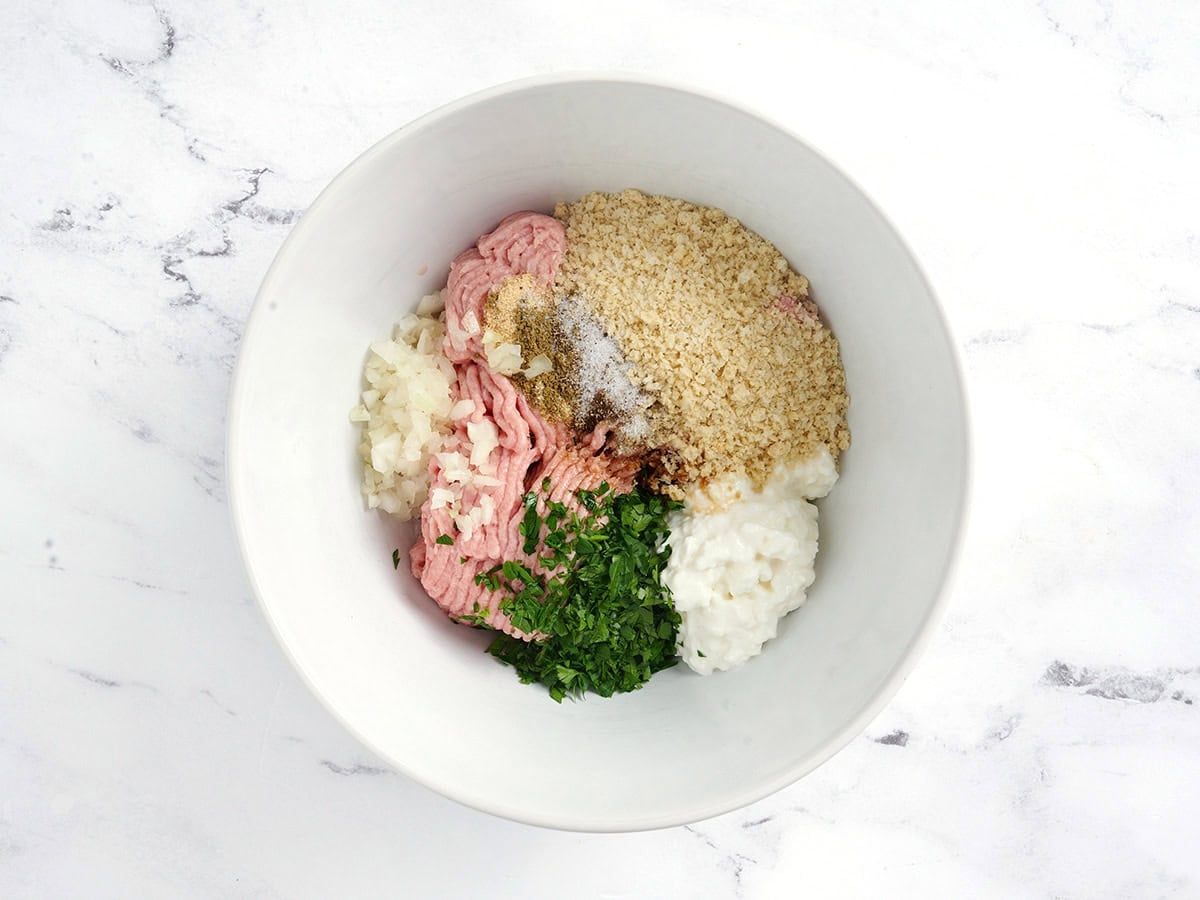
At its core, this recipe is designed for the pragmatic home cook. The dish centers on a protein-rich foundation of ground turkey, bolstered by a clever, modern twist: the inclusion of cottage cheese. This ingredient, often overlooked in meat-based recipes, functions as a source of moisture and protein, ensuring that the meatballs remain succulent even after roasting at high temperatures.
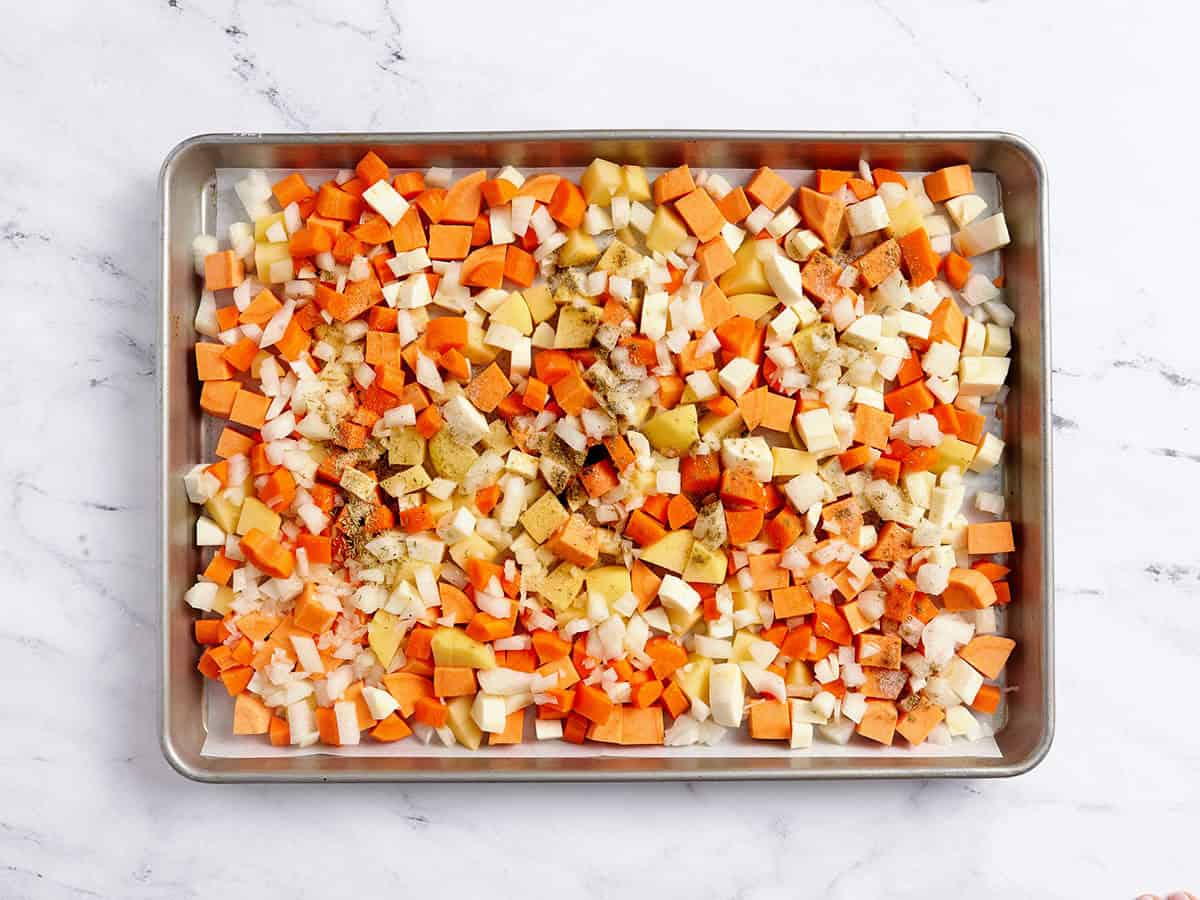
The accompanying root vegetables—a colorful medley of carrots, sweet potatoes, yellow potatoes, and parsnips—provide a robust, fiber-rich base that roasts in tandem with the protein. The total caloric profile sits at approximately 485 kcal per serving, with a substantial 34g of protein. This nutritional breakdown makes it an ideal candidate for meal prep, as it provides a balanced macronutrient ratio that satisfies without the heavy, lethargic aftermath of processed convenience foods.
Chronology of the Cook: A Streamlined Workflow
The brilliance of this dish lies in its logistical simplicity. By standardizing the prep work, the recipe eliminates the common "juggling act" often associated with multicomponent dinners.
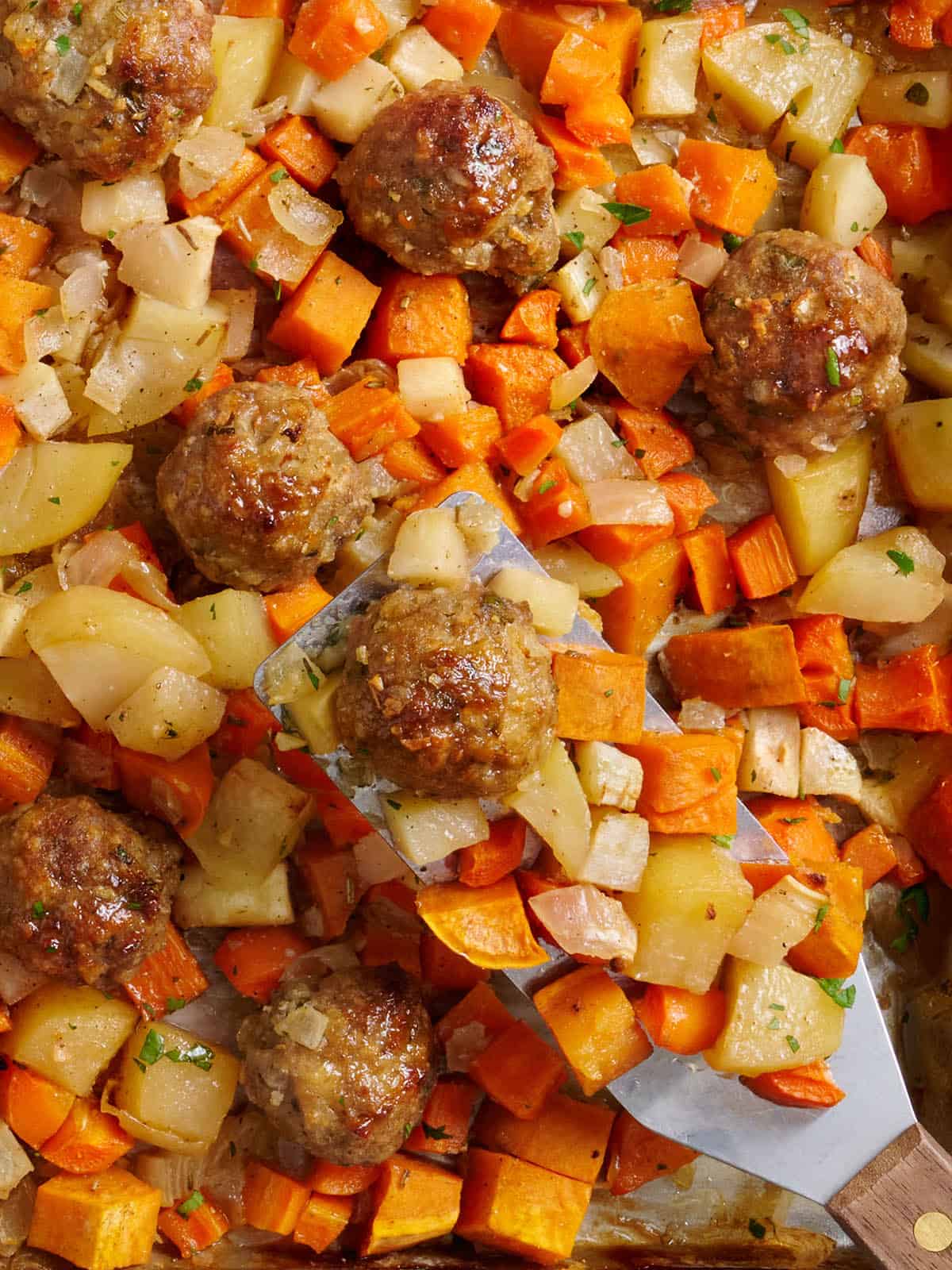
- Preparation (Minutes 0–15): The process begins with precision. The carrots, sweet potatoes, yellow potatoes, and parsnips are sliced into uniform ¾-inch pieces. This uniformity is critical; it ensures that the density of the vegetables allows them to soften and caramelize simultaneously with the poultry.
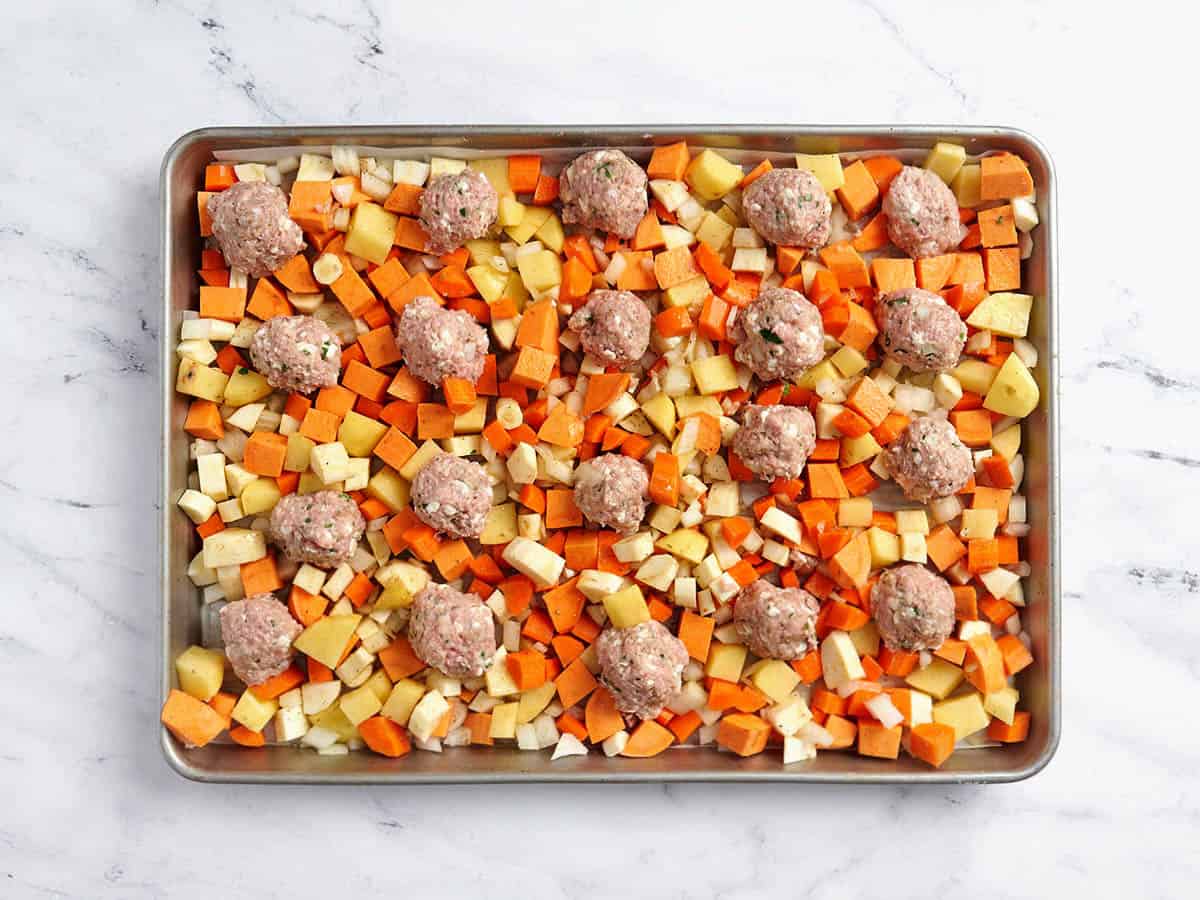
- Seasoning and Initial Roast (Minutes 15–35): The vegetables are tossed directly on the sheet pan with a blend of salt, pepper, garlic powder, and poultry seasoning. The meatballs, mixed with cottage cheese, panko, and aromatics, are placed directly atop the vegetables, allowing the juices to mingle during the first 20 minutes of high-heat roasting at 425°F.
- The Glaze Application (Minutes 35–45): A signature maple-Dijon glaze—comprised of melted butter, garlic, maple syrup, and Dijon mustard—is brushed over the assembly. This secondary stage introduces a complex, caramelized finish that bridges the savory depth of the herbs with a subtle sweetness.
- Completion: A final 10-12 minute burst in the oven locks in the glaze, resulting in a dish that is visually striking and aromatically complex.
Supporting Data: Economic and Dietary Context
The economic viability of this dish is a central pillar of its appeal. At $2.32 per serving, the recipe challenges the notion that healthy, scratch-made food must be expensive. This cost-efficiency is achieved through the use of root vegetables, which are historically among the most affordable and shelf-stable produce items available.
Nutritional Breakdown (Per Serving)
- Calories: 485 kcal
- Protein: 34g (68% DV)
- Carbohydrates: 51g (17% DV)
- Fiber: 9g (38% DV)
- Fat: 17g (26% DV)
These figures demonstrate a high-protein, high-fiber profile that is conducive to sustained energy, making it a favorite for individuals focusing on macro-based nutrition without the need for specialized, expensive ingredients.
Professional Perspectives on Culinary Techniques
Culinary experts emphasize that the success of this dish relies on two specific techniques: the "gentle mix" and the "pan-juice economy."
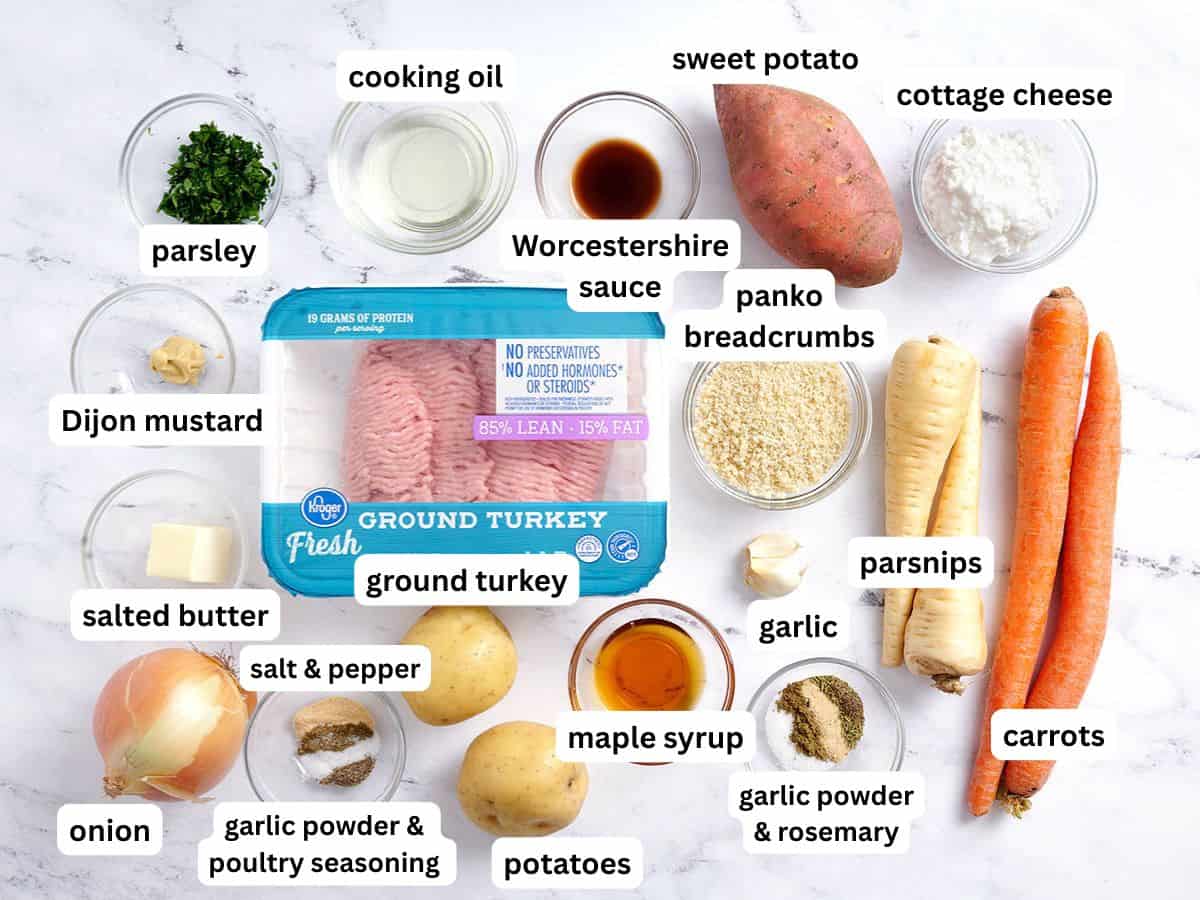
When incorporating cottage cheese into ground turkey, the mixture becomes notably softer than traditional beef-based meatball recipes. Overworking this mixture is a critical error; doing so can lead to a dense, rubbery texture. The recipe developers explicitly advise mixing only until the components are just combined.
Furthermore, the "pan-juice economy"—the practice of utilizing the residual butter, maple, and garlic juices left on the sheet pan after roasting—is what elevates the dish from a simple roast to a restaurant-quality meal. By spooning these drippings over the plated food, the cook ensures that no flavor is lost, a technique often used in professional kitchens to finish roasted proteins.
Implications: The Future of Weeknight Meal Prep
The rise of such recipes has significant implications for how families approach their weekly food budgets and time management. By removing the need for multiple pots and pans, this sheet pan approach reduces the barrier to entry for home cooking.
Scalability and Adaptability
The flexibility of the root vegetable base allows for seasonal adaptation. As the calendar shifts, cooks can swap parsnips for rutabaga or add seasonal squashes, provided the cut size remains consistent. This adaptability ensures that the recipe remains a staple throughout the year rather than a seasonal novelty.
Strategic Meal Prep
The dish is uniquely suited for the "container-to-work" pipeline. Because the components—meatballs, roasted vegetables, and a savory glaze—are robust, they hold their structural integrity through the refrigeration and reheating process. The suggestion to keep yogurt-based sauces (like tzatziki) separate during storage is a professional tip that prevents the dish from becoming soggy, maintaining the texture of the roasted vegetables for up to four days.
Conclusion: A New Standard for Home Cooking
The Sheet Pan Turkey Meatballs with Root Vegetables is more than just a recipe; it is a manifestation of contemporary culinary values: sustainability, affordability, and health. In an era where the kitchen is often a source of stress, this dish offers a respite—a way to reclaim the evening meal without compromising on quality or budget.
By leveraging the chemistry of cottage cheese, the high-heat roasting of root vegetables, and the flavor profile of a maple-Dijon glaze, this recipe provides a blueprint for successful home cooking. It proves that with the right technique, a single sheet of metal is all that stands between a busy professional and a nutritious, flavor-packed, and highly affordable dinner. As home cooks continue to refine their methods, it is likely that techniques like these—prioritizing minimal cleanup and maximum nutritional impact—will continue to define the standard for domestic excellence.