Introduction: Reinventing the Ultimate Crowd-Pleaser
In the competitive world of backyard barbecue and game-day entertaining, few dishes hold as much sacred status as the chicken wing. From deep-fried neighborhood sports bar staples to elaborate, low-and-slow smoked variations, pitmasters and home cooks alike constantly chase the holy grail of wing preparation: skin that shatters with a crisp crunch upon the first bite, meat that remains meltingly tender and juicy, and a flavor profile that balances richness, acidity, heat, and savory depth.
Enter a revolutionary take on the classic wing: the Garlic Jalapeño Blanco smoked chicken wing. By merging high-heat pellet grilling techniques with a robust, made-from-scratch garlic herb parmesan sauce and a uniquely spiced rub, this recipe redefines what outdoor cooking can achieve in under an hour. Whether you are prepping for a Sunday afternoon kickoff, hosting a backyard summer gathering, or simply looking to refine your outdoor culinary repertoire, this comprehensive guide breaks down the science, the steps, and the strategy behind crafting the ultimate game-day wings.
Main Facts: The Blueprint of High-Heat Smoked Wings
Achieving restaurant-quality wings at home often feels like a guessing game, but modern pellet grill technology and specialized rubs have streamlined the process. This specific recipe hinges on several core elements that guarantee success:
- The Cooking Method: Hot and fast. Unlike traditional barbecue cuts like brisket or pork shoulder that demand hours of low-and-slow smoke, chicken skin actually benefits from elevated temperatures to render fat effectively and achieve crispiness. The target smoker temperature is set to a blistering 425°F.
- The Wood Selection: To impart a balanced, sweet, and robust smoke profile without overpowering the poultry, a blend of cherry and pecan wood pellets (such as Meat Church Cherry and Pecan pellets) is utilized.
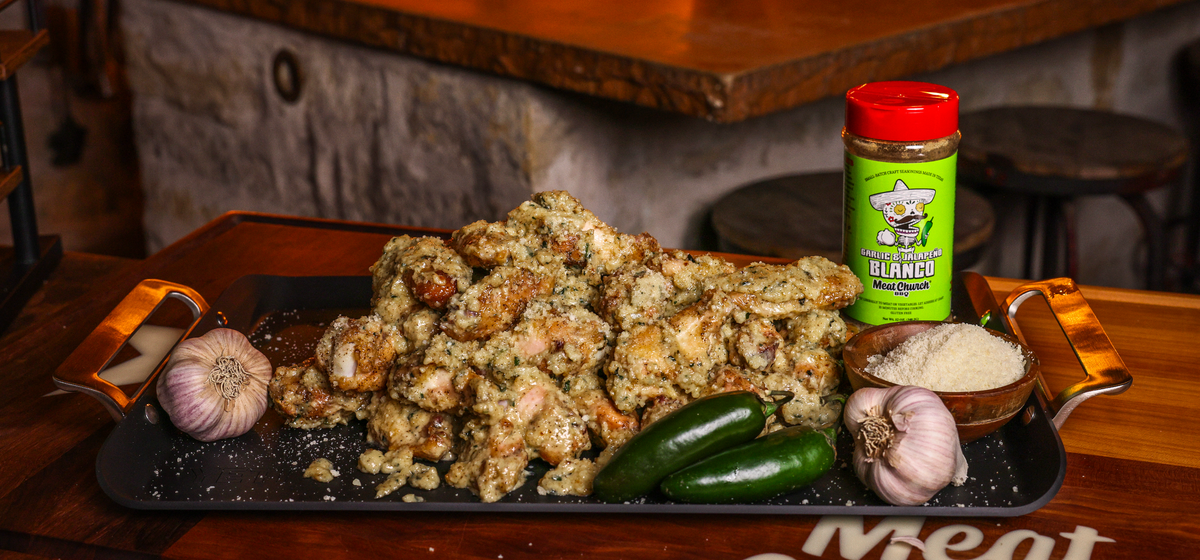
- The Seasoning Foundation: The flavor profile is anchored by Meat Church Garlic and Jalapeño BLANCO, a specialized seasoning that bridges savory garlic undertones with a clean, measured kick of green chili heat.
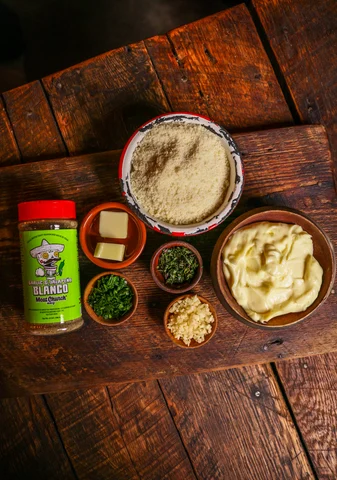
- The Sauce Composition: Moving away from standard vinegar-and-cayenne buffalo sauces, this preparation employs a creamy, decadent Garlic Parmesan sauce crafted from melted butter, sautéed garlic, fresh aromatic herbs (parsley and thyme), real grated parmesan cheese, and creamy mayonnaise, all heightened with an extra dusting of the Blanco seasoning.
- The Temperature Milestone: Wings are pulled from the smoker only when they reach an internal temperature of 185°F, ensuring the collagen has broken down for optimal tenderness while retaining maximum juiciness.
Chronology: Step-by-Step Execution of the Recipe
Precision timing and methodical preparation are the hallmarks of great barbecue. Follow this chronological breakdown to execute the recipe flawlessly from start to finish.
Phase 1: Preparation of the Smoker
Before handling the meat, your cooking vessel requires careful calibration.
- Ignite and Preheat: Fire up your smoker—in demonstration videos, models like the Traeger Westwood are frequently utilized—and bring the internal ambient temperature up to a steady 425°F.
- Select the Fuel: Load the hopper with a balanced fruit and nut wood pellet blend. Cherry provides a gorgeous mahogany color and subtle sweetness, while pecan delivers a rich, nutty backdrop that complements poultry exceptionally well.
Phase 2: Seasoning the Wings
The secret to a great bark and deep flavor penetration lies in proper seasoning mechanics.

- Surface Prep: Ensure your chicken wings are thoroughly patted dry with paper towels. Removing surface moisture is the single most critical step in achieving crispy skin.
- Apply the Rub: Generously season the wings on all sides with Meat Church Garlic and Jalapeño BLANCO.
- The Rest: Allow the seasoned wings to rest at room temperature for approximately 15 minutes. This resting window allows the salt within the rub to draw out minor surface moisture, dissolve, and pull flavors deeper into the meat while creating an ideal surface texture (known as the pellicle) for smoke adhesion. Arrange the wings on a wire baking rack for easy transport to and from the smoker.
Phase 3: The Hot-and-Fast Smoke
- Loading the Cooker: Place the wire rack containing the seasoned wings directly onto the preheated smoker grates.
- The Cooking Duration: Operating at 425°F, the hot-and-fast environment will rapidly render the fat beneath the skin. This cooking phase takes approximately 30 minutes.
- Monitoring Doneness: Rely on a reliable digital meat thermometer rather than guesswork alone. Cook the wings until they register an internal temperature of 185°F at their thickest part. While 165°F is technically safe for poultry, taking dark meat chicken parts like wings and thighs to 185°F melts away residual connective tissue, resulting in a vastly superior, melt-in-your-mouth texture.
Phase 4: Crafting the Garlic Parmesan Sauce
While the wings are bathing in smoke, utilize the downtime to prepare the emulsified sauce.
- Sautéing Aromatics: Melt high-quality unsweetened butter in a small skillet over medium heat. Add finely minced fresh garlic and sauté carefully for 3 to 4 minutes until it turns a fragrant, golden-brown hue. Watch closely to prevent burning, which introduces bitterness.
- Adding Herbs: Stir in finely chopped fresh parsley and thyme, cooking for an additional minute to release their essential oils into the butter. Remove the skillet from the heat and set aside.
- Building the Base: In a large mixing bowl—one spacious enough to comfortably toss the entire batch of wings—combine mayonnaise, freshly grated parmesan cheese, and the warm butter-garlic-herb mixture.
- Final Seasoning: Add Meat Church Garlic and Jalapeño BLANCO to taste, whisking the components together until a rich, cohesive, and creamy sauce is formed.
Phase 5: The Grand Finale and Tossing
- Extraction: Once the internal thermometer confirms the wings have hit 185°F, promptly remove them from the smoker.
- The Toss: Transfer the piping-hot wings directly into the large bowl containing the prepared Garlic Parmesan sauce. Toss vigorously to ensure every single wing is completely coated in the decadent, garlicky emulsion.
- Plating and Garnish: Transfer the coated wings to a serving platter and garnish generously with an extra dusting of freshly grated parmesan cheese.
- Service: Allow the wings to cool for just a minute or two so the flavors settle, and serve immediately alongside an ice-cold beverage of your choice.
Supporting Data: Understanding the Culinary Science
To truly master this recipe, it helps to examine the underlying culinary principles that elevate these wings above standard backyard fare.
Why Hot and Fast Outperforms Low and Slow for Wings
For decades, conventional barbecue wisdom dictated that "low and slow" was the universal answer to great smoked meat. However, poultry skin presents a unique biochemical challenge. Chicken skin is composed largely of collagen and fat. When cooked at low temperatures (e.g., 225°F to 250°F) for extended periods, the skin often turns rubbery, chewy, and tough because the fat does not render quickly enough to crisp up.

By increasing the cooking temperature to 425°F, two things happen simultaneously:
- Rapid Fat Rendering: High heat aggressively melts the subcutaneous fat layer, causing it to render out entirely rather than trapping moisture against the skin.
- The Maillard Reaction: Elevated heat accelerates the Maillard reaction—the chemical reaction between amino acids and reducing sugars that gives browned food its distinctive, savory flavor. This creates a deeply savory, crisp exterior while locking the natural juices safely inside the meat.
The Thermal Dynamics of Dark Meat Poultry
Many home cooks mistakenly pull chicken breasts, wings, and thighs off the heat the moment they hit 165°F. While white meat breast tissue dries out quickly past this threshold, chicken wings consist entirely of dark meat (muscle fibers rich in myoglobin, connective tissue, and fat).
Dark meat thrives when cooked to higher internal temperatures. As the temperature climbs from 165°F to 185°F, tough connective collagen breaks down into gelatin. This gelatin coats the muscle fibers, giving the meat a succulent, tender quality that practically falls off the bone, even when subjected to a high-heat cooking environment.

Balancing Richness and Heat
The flavor profile of this dish relies on a carefully calibrated contrast. Mayonnaise and butter provide a heavy, luscious lipid base, which is brightened by the pungent, aromatic qualities of fresh garlic, parsley, and thyme. However, without a counter-element, rich sauces can easily become cloying. The Garlic Jalapeño BLANCO seasoning introduces a subtle, clean heat that cuts right through the dairy and fat, cleansing the palate and encouraging the diner to reach for just one more wing.
Official Responses and Expert Insights
Barbecue authorities and outdoor cooking content creators have increasingly leaned into high-heat fusion methods, bridging the gap between traditional smoking and modern flavor profiles.
According to culinary teams and outdoor cooking influencers, the shift toward specialty rubs like Garlic Jalapeño BLANCO represents a broader consumer desire for complex, ready-to-use seasoning blends that save time without sacrificing gourmet results.

"When you combine the clean smoke of fruit and nut woods with an aggressive, high-heat convection environment, you eliminate the rubbery skin issue that plagues so many backyard pitmasters," notes culinary product development specialists. "Adding an emulsified dairy and herb sauce right at the end locks in that crunch while delivering an explosion of savory umami."
Furthermore, professional pitmasters emphasize that preparation versatility is key to modern outdoor cooking. The ability to execute a high-end, restaurant-caliber appetizer on standard backyard equipment—whether using a pellet grill, a kamado-style cooker, or an oven-and-broiler setup in a pinch—democratizes gourmet cooking for everyday enthusiasts.
Implications: The Future of Game-Day Entertaining
The popularity of recipes like the Garlic Jalapeño Blanco smoked chicken wing points to significant shifts in how consumers approach casual dining and home entertaining.

1. The Elevation of Casual Comfort Food
Gone are the days when game-day food meant frozen, pre-breaded nuggets tossed in commercial bottled sauce from a supermarket shelf. Today’s home cooks view sports viewing parties and backyard gatherings as legitimate culinary showcases. Recipes that demand technical attention—such as monitoring internal temperatures, rendering fat correctly, and building multi-layered sauces from scratch—elevate casual comfort food into gourmet territory.
2. The Rise of Hybrid Cooking Techniques
The culinary world is moving rapidly past rigid categorizations. Pitmasters are no longer confined strictly to traditional Texas-style or Carolina-style smoking paradigms. Instead, hybrid techniques—such as smoking meat at high heat to mimic the textural benefits of frying while retaining wood-fired aromatics—demonstrate a willingness to blend traditional barbecue with contemporary kitchen science.
3. Convenience Meets Craftsmanship
Products like specialty rubs and precision temperature probes have bridged the gap between professional-grade cuisine and amateur accessibility. Consumers want the satisfaction of crafting a complex, scratch-made meal without spending six hours tending a stubborn charcoal fire on a Sunday morning. Recipes optimized for a 30-to-45-minute cook time fit seamlessly into busy modern lifestyles, proving that exceptional flavor no longer requires an all-day time commitment.

As backyard culinary enthusiasts continue to experiment with bold flavor pairings like garlic, jalapeño, and rich dairy emulsions, the standard for game-day food will only continue to rise. Armed with the right techniques, precise temperature control, and a willingness to step outside traditional barbecue boundaries, your next weekend gathering is guaranteed to be an unforgettable culinary success.