CULINARY ARTS & LIFESTYLE REPORT — For decades, the gluten-free baking community faced a disheartening culinary compromise. Those forced or choosing to eliminate gluten from their diets were routinely asked to settle for baked goods characterized by a crumbly texture, a hollow flavor profile, and an uninspired aesthetic. However, a quiet revolution in home baking and commercial food science is rewriting the narrative. Spearheaded by culinary innovators like Nicole Hunn of Gluten Free on a Shoestring, modern gluten-free baking has transitioned from an exercise in damage control to a vibrant discipline of gastronomic excellence.
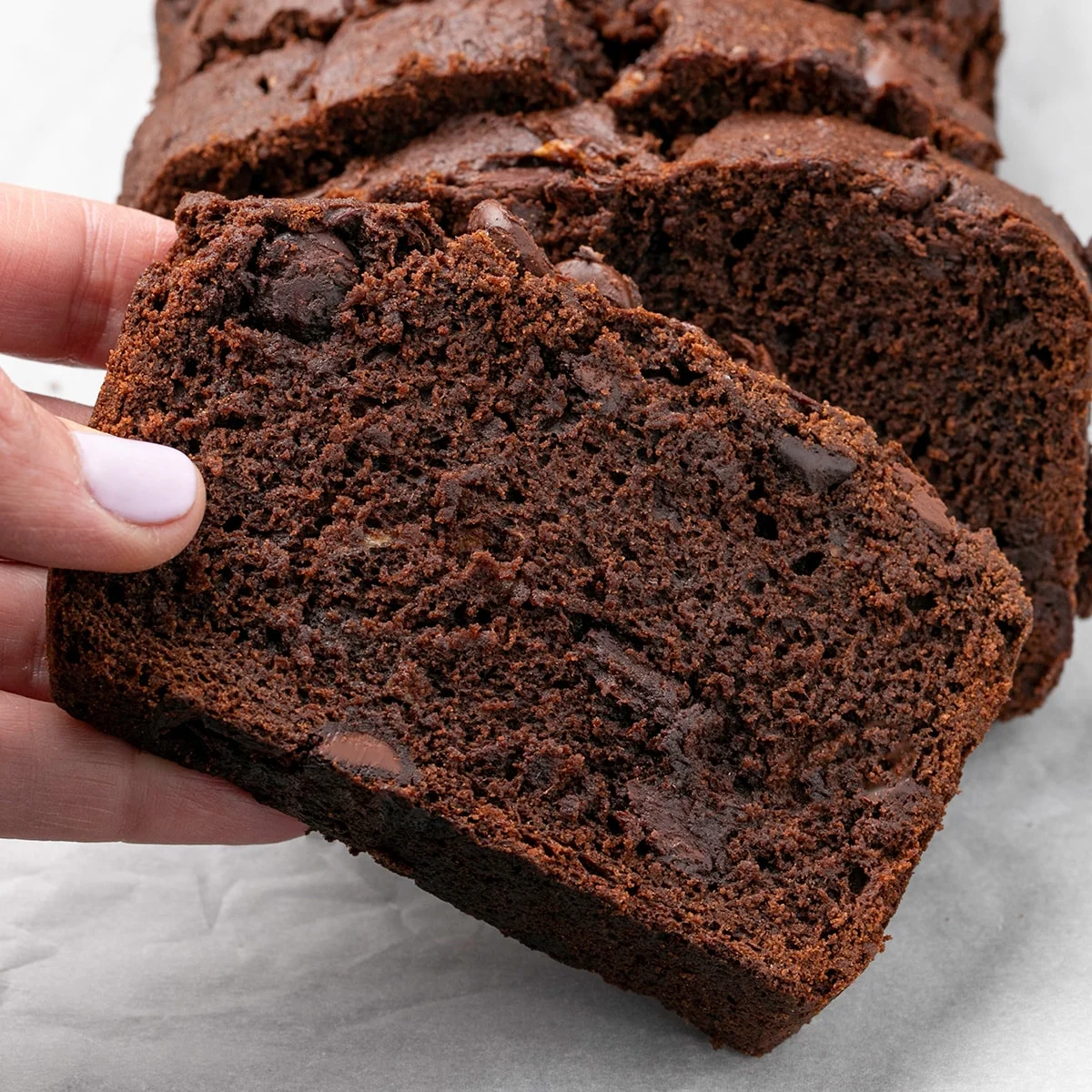
At the center of this movement is a surprising new benchmark for comfort food: a deeply decadent, fudgy, and intensely flavorful gluten-free chocolate banana bread. Far from being a mere novelty, this recipe represents a sophisticated convergence of chemistry, ingredient engineering, and classic comfort baking, proving conclusively that dietary restrictions need not act as a barrier to culinary indulgence.
Main Facts: Deconstructing the Phenomenon
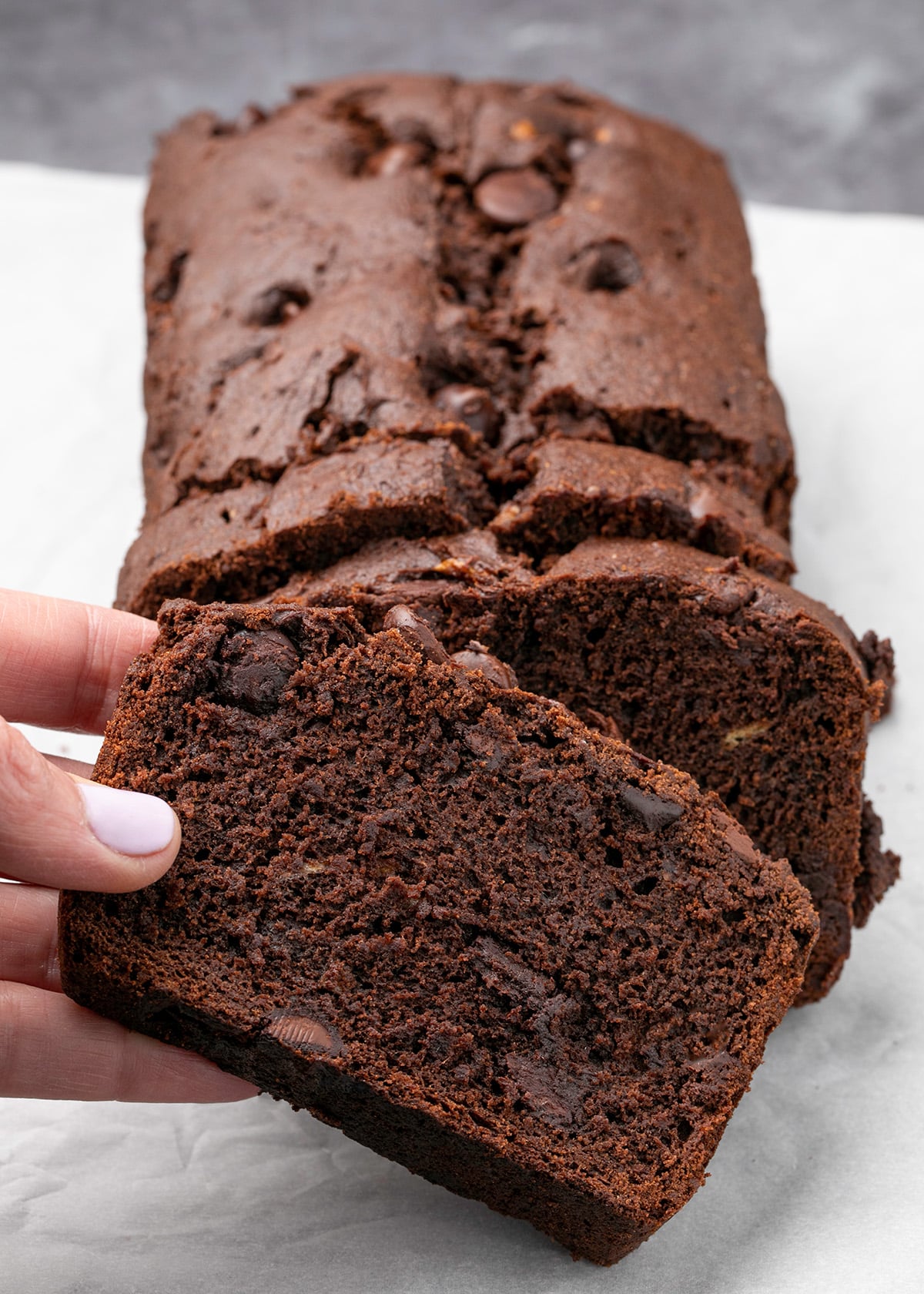
The newly introduced gluten-free chocolate banana bread recipe defies conventional expectations of what gluten-free quick breads can achieve. Standard banana bread formulas frequently rely on a simple, single-dimensional flavor profile where chocolate chips are tossed into a standard batter as an afterthought. This approach, however, falls short in a gluten-free context, where the absence of wheat protein inherently alters structural integrity and moisture retention.
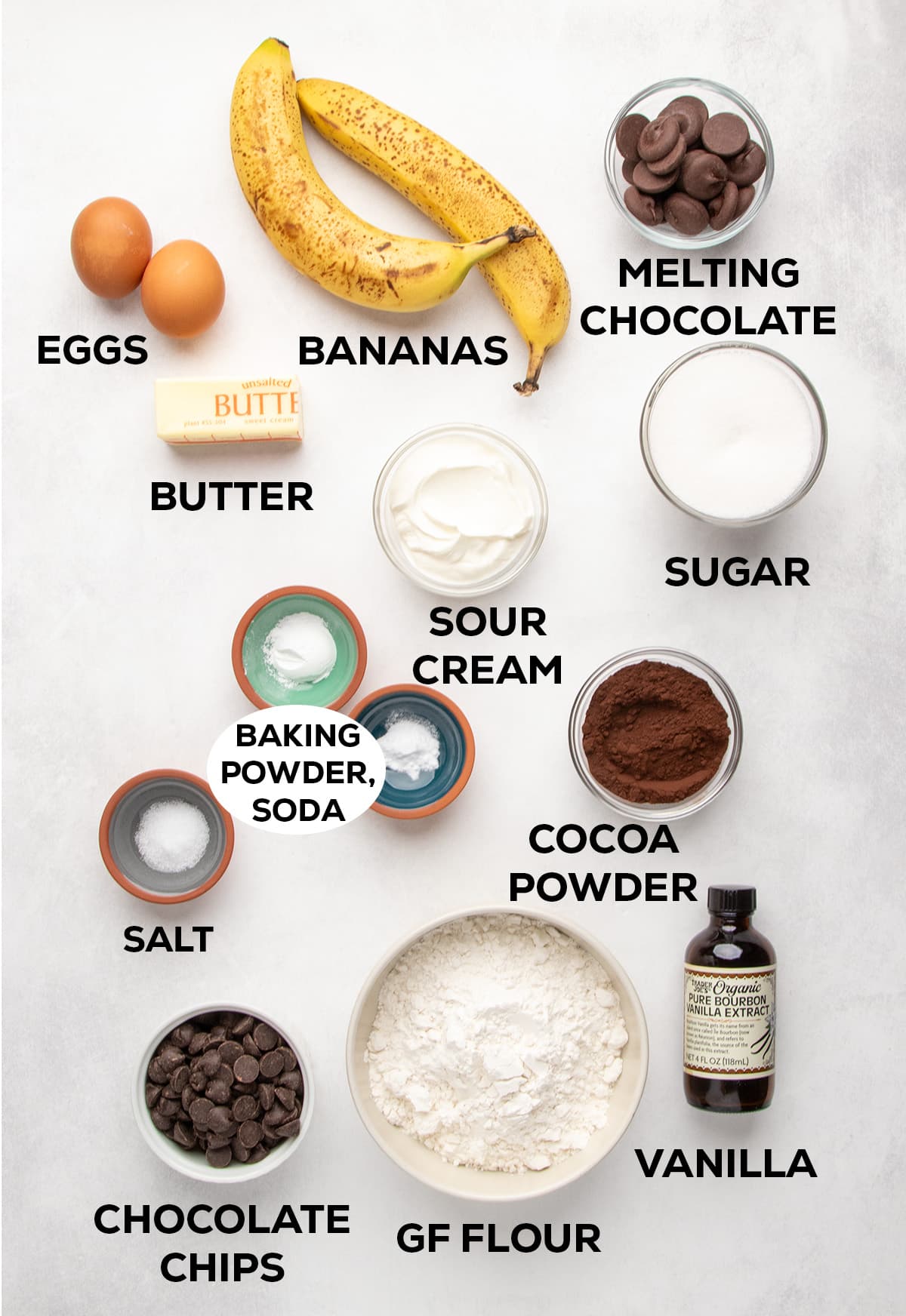
This modern iteration utilizes a sophisticated matrix of ingredients designed to maximize both flavor and mouthfeel:
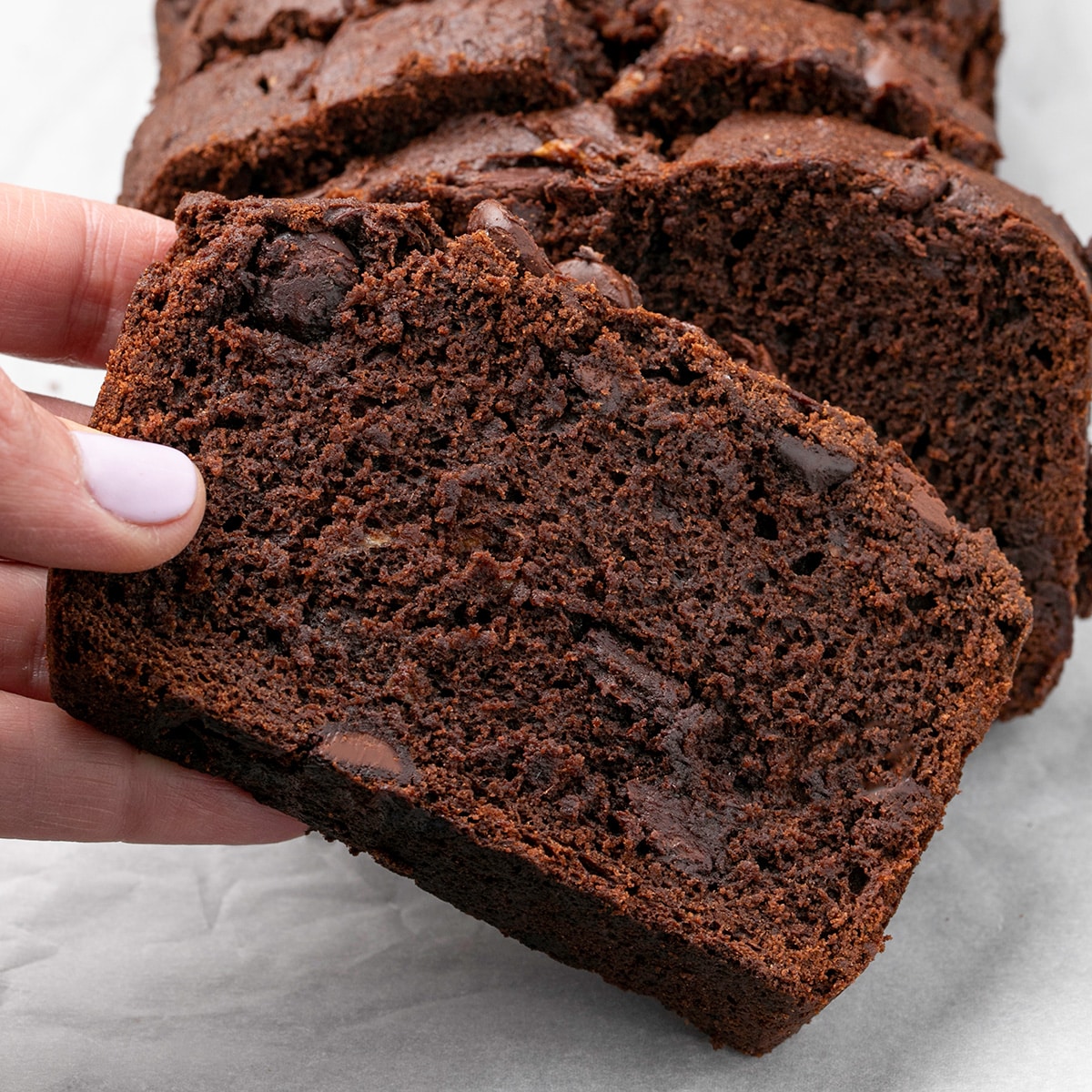
- The Dual-Chocolate Engine: Rather than relying solely on cocoa powder, the recipe incorporates a dual approach of cocoa powder and melted, high-cacao-butter baking chocolate (approximately 65% cacao). This ensures a rich, fudgy density that mimics a high-end cake.
- Structural Integrity via Lipids and Proteins: By integrating two eggs (an upgrade from earlier single-egg iterations), the bread achieves a higher structural rise and an extended shelf-life of moisture.
- The Moisture Balancing Act: Sour cream is introduced to counterbalance the drying tendencies of gluten-free flour blends and cocoa powder, providing the essential acidity needed to activate the leavening agents while maintaining a tender crumb.
- Textural Contrast: Folded-in banana chunks and premium chocolate chips prevent the dominant chocolate flavor from completely eclipsing the characteristic sweetness of the ripe fruit.
Chronology: The Evolution of Gluten-Free Baking
To understand the significance of this recipe, one must examine the timeline of gluten-free baking innovations over the past twenty years.
Phase One: The Era of Compromise (Early 2000s)
In the early days of mainstream gluten-free awareness, commercial and home recipes relied heavily on single-grain flours such as rice flour or potato starch. The results were notoriously gritty, dry, and structurally unstable, requiring excessive quantities of sugar and fat simply to mask an unpalatable texture. Quick breads like banana bread often crumbled apart upon the first touch of a knife.
Phase Two: The Rise of Composite Flour Blends (2010s)
Baking pioneers introduced weighed-and-measured all-purpose gluten-free flour blends, often incorporating xanthan gum to replicate the binding elasticity naturally provided by gluten. While this era brought stability to cookies and cakes, quick breads remained delicate, frequently suffering from a "gummy" interior or a collapsed center due to improper moisture distribution.
Phase Three: Flavor-Forward Gastronomy (Present Day)
Today’s culinary landscape focuses less on mere replication and more on intentional flavor development. Recipes like this chocolate banana bread acknowledge the unique chemical properties of gluten-free starches—such as their distinct moisture absorption rates—and actively engineer batters to work with those properties rather than fighting them. By melting chocolate directly into the wet ingredients and beating the mashed bananas to release maximum interior hydration, contemporary bakers have solved the historical pitfalls of gluten-free quick breads.
Supporting Data: Nutritional and Technical Breakdown
Baking is, at its core, applied chemistry. Achieving a successful loaf of gluten-free chocolate banana bread requires careful balancing of fats, starches, and leavening agents.
Nutritional Profile (Per Single Slice, Based on a 10-Serving Loaf)
- Calories: 363 kcal
- Total Carbohydrates: 52g
- Dietary Fiber: 5g
- Sugars: 25g
- Protein: 4g
- Total Fat: 17g
- Saturated Fat: 10g
- Cholesterol: 53mg
- Sodium: 224mg
Technical Specifications and Tolerances
- Baking Temperature: 350°F (175°C), ideally executed in a light-colored cast aluminum or non-stick loaf pan. Dark pans are discouraged, as their heat absorption properties risk scorching the exterior of a dark-toned chocolate loaf before the interior starches have fully set.
- Cooling Mechanics: Due to the high density of the batter and the unique retrogradation properties of gluten-free starches, the loaf requires a mandatory 10-minute rest in the pan followed by a 45-minute cooling period on an elevated wire rack. Premature slicing disrupts the starch matrix, leading to a collapsed or crushed loaf.
Expert Insights and Master Techniques
Creating a bakery-quality loaf at home demands adherence to specific professional methodologies. Culinary experts emphasize several critical steps that separate a mediocre bake from an exceptional one.
1. The Power of the Melt
Melting the chocolate and butter together prior to incorporation serves a vital emulsifying function. When introduced to the wet ingredients, this lipid-rich mixture coats the sugar and egg proteins, creating a smooth, homogenous base that prevents the grainy texture often associated with amateur baking.
2. Flour Blend Selection
Not all gluten-free flours are created equal. Professional bakers recommend specific commercial formulations—such as Better Batter’s original blend (sans xanthan gum) or Bob’s Red Mill 1-to-1 Baking Flour supplemented with an extra half-teaspoon of xanthan gum. These formulations provide the necessary elasticity to trap carbon dioxide bubbles released by the baking soda and baking powder, ensuring the bread achieves an adequate vertical rise.
3. Ripening Dynamics
A common amateur shortcut is attempting to force-ripen unripe bananas in the oven. Experts warn that this technique merely blackens the peel without triggering the enzymatic breakdown of starches into simple sugars. True flavor development requires naturally ripened fruit, ideally accelerated via ambient storage alongside ethylene-producing fruits like apples.
Implications: The Broader Cultural and Dietary Impact
The proliferation of high-end, uncompromising gluten-free recipes carries significant implications for modern dietary culture, the hospitality industry, and domestic kitchens alike.
Bridging the Culinary Divide
For households managing mixed dietary requirements—where one member has celiac disease or severe gluten intolerance while others do not—the traditional response has involved cooking two distinct meals. Recipes that achieve parity in taste, texture, and visual appeal eliminate this friction. When a chocolate banana bread is described as "fudgy, tender, and rich," and tastes indistinguishable from its gluten-containing counterpart, it normalizes the dining experience for the gluten-free individual.
Shifting Market Expectations
The success of advanced home-baking recipes signals a broader shift in consumer expectations. The era of "good enough for gluten-free" is rapidly fading. As consumers experience professional-grade results in their home kitchens using accessible ingredients, commercial bakeries and packaged goods manufacturers face mounting pressure to elevate their standards.
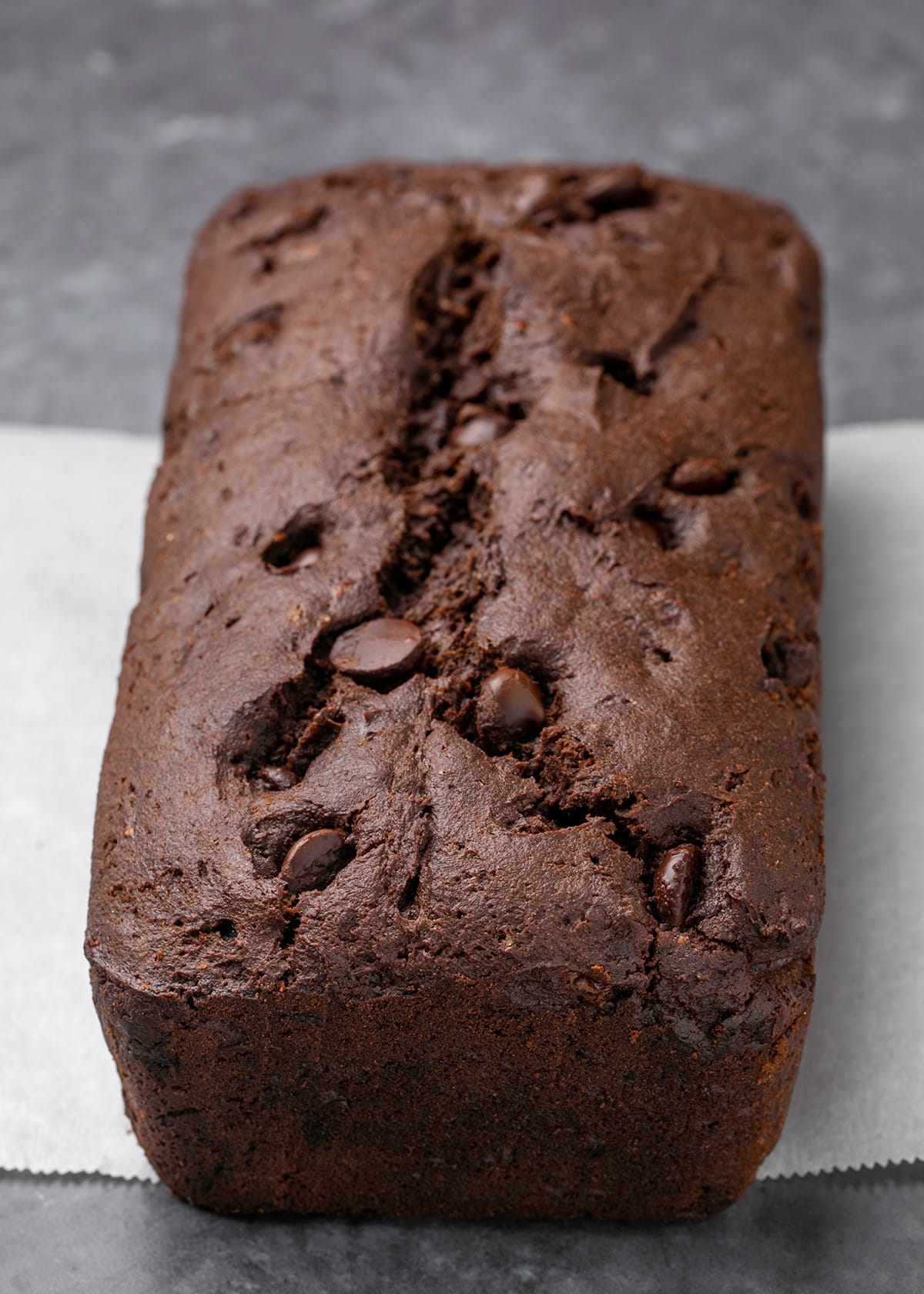
Ultimately, the triumph of this chocolate banana bread extends far beyond a single loaf cooling on a wire rack. It stands as a testament to the ongoing evolution of modern gastronomy—proving that restrictions, when met with creativity and scientific precision, can inspire some of the most inventive and satisfying creations in the culinary world.