The transition between the final school bell and the dinner hour is a universal challenge for parents. It is the "witching hour" of nutrition: children return home with depleted energy stores, requiring a caloric boost to bridge the gap until dinner, yet parents are often wary of providing snacks so heavy that they spoil a child’s appetite for the evening meal.
Enter the "After-School Snack Cracker"—a concept that balances culinary playfulness with nutritional mindfulness. By utilizing the humble graham cracker as a structural, slightly sweet base, parents are transforming a pantry staple into a versatile, protein-packed, and customizable snack experience that requires zero stove time and minimal preparation.
Main Facts: The Anatomy of a Perfect Snack
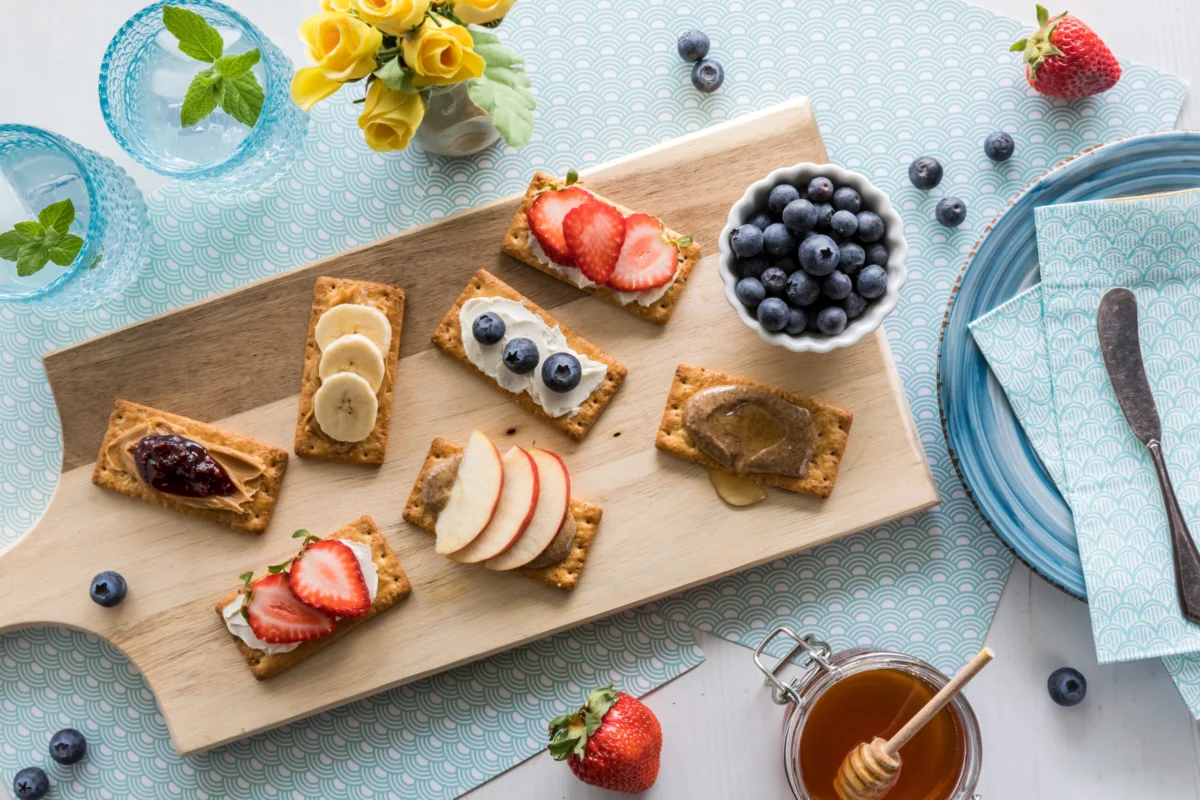
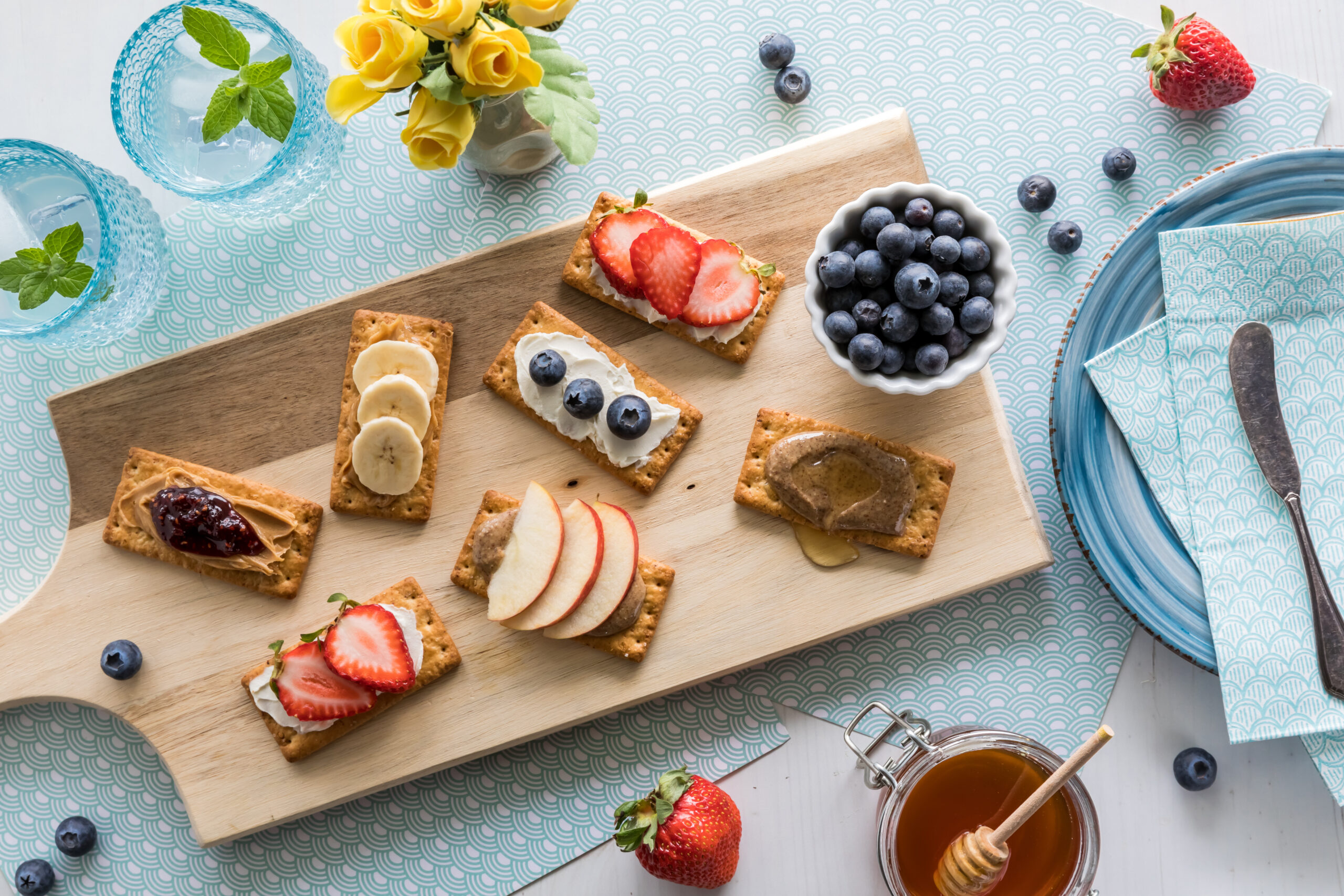
The core philosophy behind these snack crackers is simplicity. The "build-your-own" model centers on three distinct components: a base (the graham cracker), a creamy binder (nut butters, seed butters, or cream cheese), and a fresh topping (fruit, seeds, or aromatics).
Nutritionally, this approach moves beyond the typical ultra-processed snack. By pairing a complex or simple carbohydrate with a source of protein and healthy fats, the snack provides sustained energy rather than a fleeting sugar spike. The inclusion of fresh fruit ensures the intake of fiber and essential vitamins, turning a simple cracker into a balanced micro-meal.
Chronology: The Evolution of the "No-Cook" Movement
The rise of the "no-cook" after-school snack is a direct response to the increasing time-poverty of modern families.
- 3:00 PM – The Arrival: Students return home, often fatigued from cognitive labor and physical activity.
- 3:15 PM – The Assembly: Because the preparation involves no heat or complex assembly, children as young as school-age are empowered to prepare their own snacks. This encourages culinary autonomy.
- 3:30 PM – Consumption: The snack is consumed in a controlled portion, satisfying immediate hunger without the "fullness" of a heavy processed snack.
This methodology has moved away from the 1990s and early 2000s reliance on pre-packaged, shelf-stable snacks, which were often laden with high-fructose corn syrup and sodium. Today, the focus has shifted toward "assembly-based nutrition," where the parent provides the healthy building blocks, and the child dictates the final configuration.
Supporting Data: Why Customization Wins
Child psychologists and pediatric nutritionists have long touted the benefits of "choice architecture" in feeding children. When children are involved in the construction of their meals, they are statistically more likely to consume the food provided.
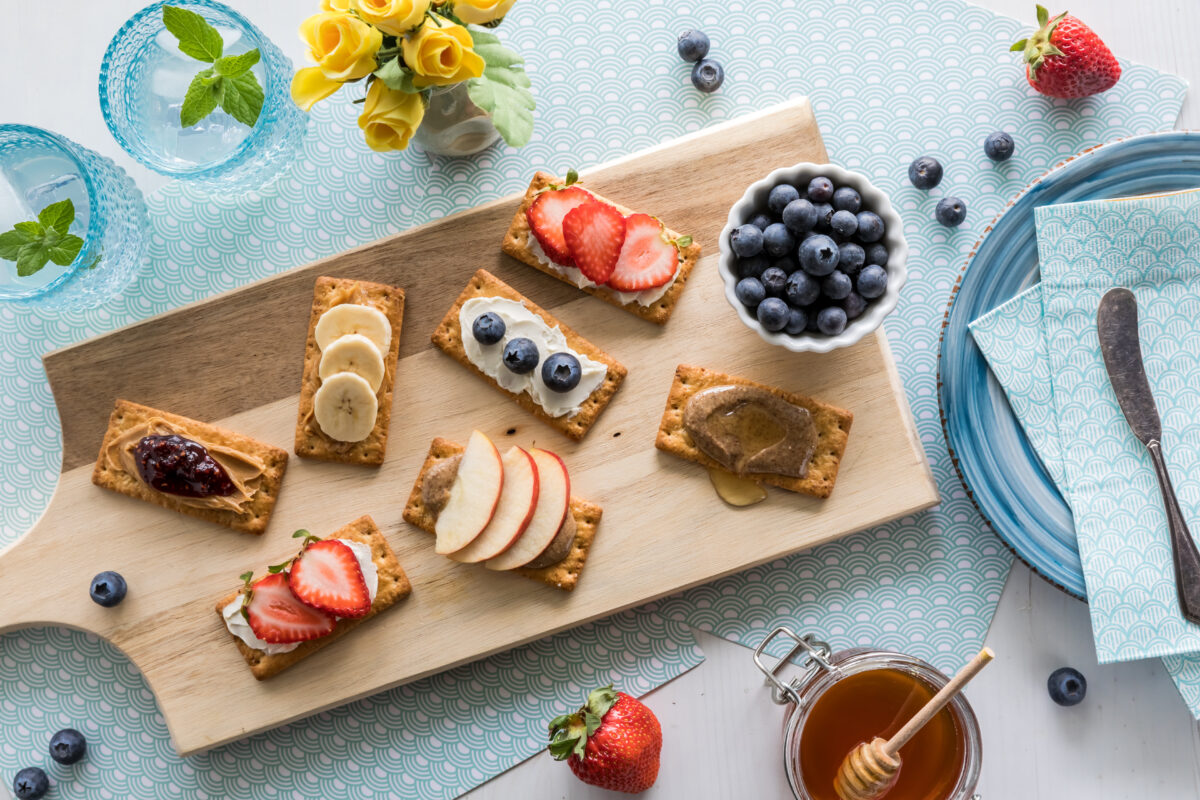
The snack cracker model offers a high degree of "sensory variety." Consider the contrast in textures: the crunch of the graham cracker, the creaminess of almond butter, and the snap of a fresh apple slice. This sensory complexity keeps children engaged. Furthermore, the variety of combinations—from the savory-sweet profile of peanut butter and banana to the cheesecake-inspired profile of strawberries and cream cheese—ensures that the snack never becomes monotonous.
Official Perspectives and Expert Advice
"The best snacks are the ones that serve a dual purpose: they satisfy the child’s hunger while also teaching them basic kitchen skills," notes leading pediatric nutritional counselors.
By setting up a "snack board" or a small assembly station, parents aren’t just feeding their children; they are teaching them about food groups. When a child chooses between blueberries, apple slices, or seeds, they are making an executive decision about their own health. Experts advise that providing a "protein anchor" (the nut butter or cream cheese) is the most critical element to ensure the snack provides satiety.
Implications for Modern Parenting
The implications of this simple snack strategy are twofold: it reduces the daily stress of "what’s for snack" and it promotes healthy eating habits in a low-pressure environment.
The "Canvas" Approach: Combinations That Work
To maximize the appeal of these crackers, consider these optimized pairings:
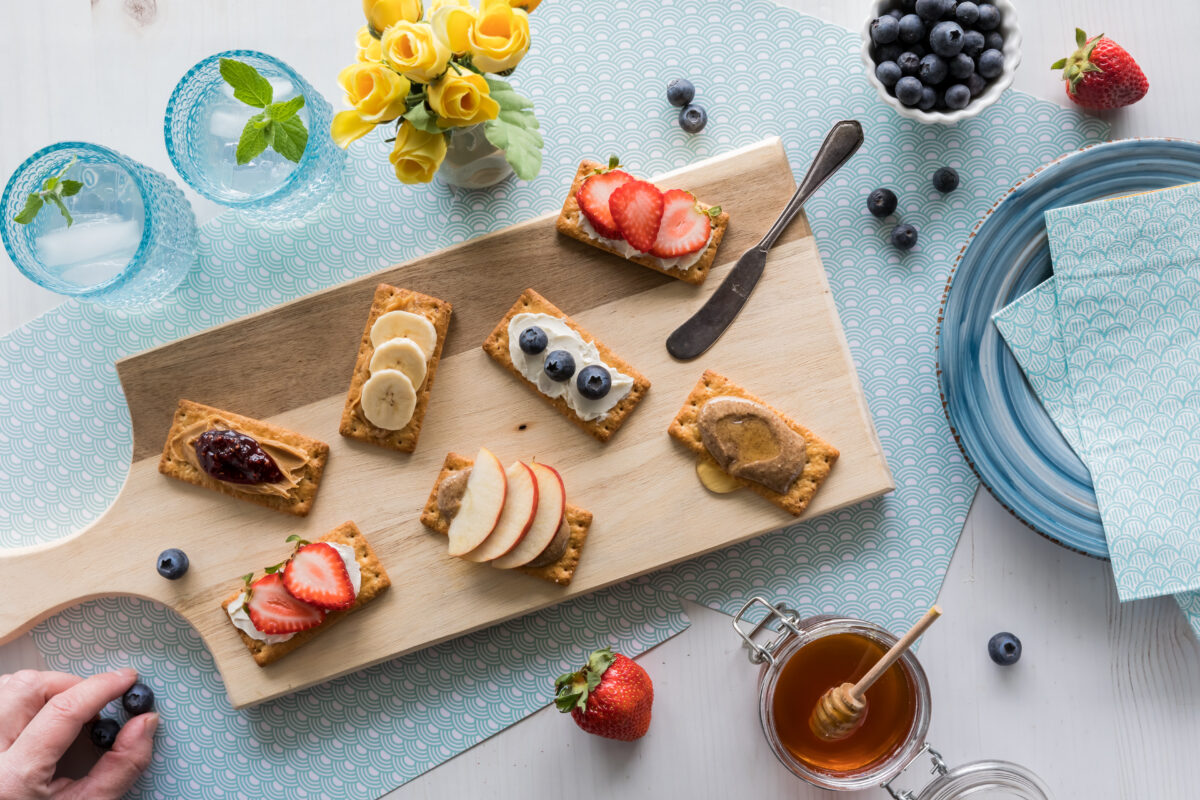
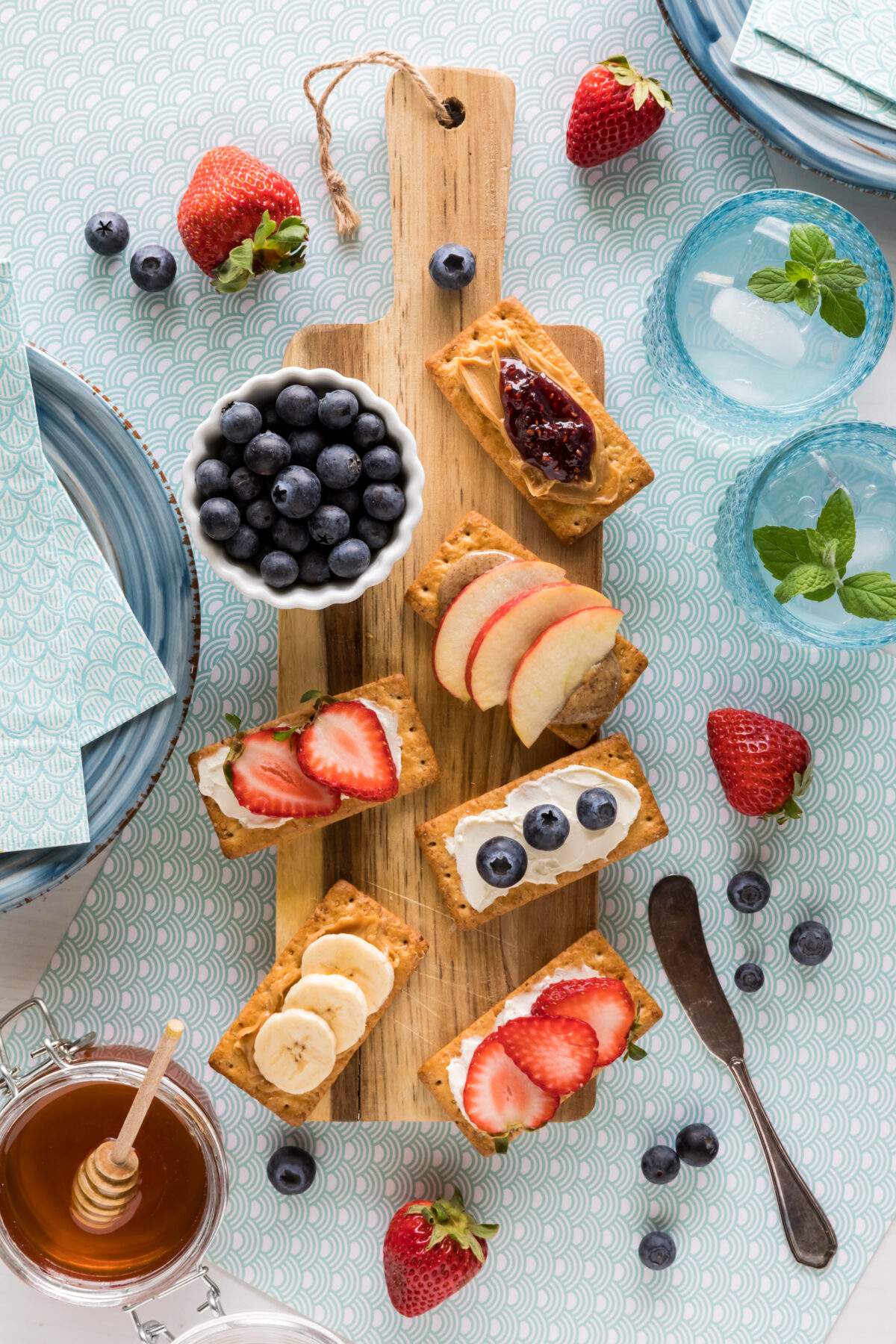
- The Protein-Powerhouse: Peanut butter paired with banana slices and a sprinkle of hemp seeds. This provides a dense profile of healthy fats, potassium, and plant-based protein.
- The Orchard Crunch: Almond butter spread over a cracker, topped with thinly sliced Honeycrisp or Gala apples, finished with a dash of ground cinnamon. The cinnamon serves as a natural flavor enhancer without adding refined sugars.
- The "Mini-Cheesecake": A thin layer of whipped cream cheese topped with fresh, sliced strawberries. This satisfies a sweet tooth while incorporating fresh fruit.
- The Classic PB&J: A thin layer of peanut butter topped with a small amount of low-sugar fruit preserves. This provides the nostalgic appeal of a sandwich in a lower-calorie, snack-sized format.
Operational Tips for Success
To keep this system running smoothly, maintain a "snack pantry" containing consistent staples.
- The Base: Opt for whole-grain graham crackers when possible to increase fiber content.
- The Prep: Slice fruits into uniform, thin pieces. This makes them easier to balance on the cracker and easier for children to consume without making a mess.
- The Moisture Barrier: A critical tip for the discerning snacker: always pat berries dry after washing. Excess water is the enemy of the graham cracker; it leads to sogginess and structural failure.
- Temperature Management: Keep cream cheese at room temperature for roughly ten minutes before serving. A softer spread prevents the brittle graham cracker from snapping during the application process.
The Future of Healthy Snacking
As families continue to seek out ways to balance convenience with nutrition, the "After-School Snack Cracker" serves as a prototype for the future of domestic eating. It requires no complex recipes, no specialized equipment, and no long-term meal planning.
By treating the afternoon snack as a creative endeavor rather than a chores-based obligation, parents can transform a simple moment of hunger into a routine that supports healthy growth, culinary independence, and, perhaps most importantly, a peaceful transition from the school day to the dinner table.
Whether it is a quick snack for a singular child or a elaborate spread for a post-school playdate, the formula remains the same: Keep the base crisp, the spread creamy, and the toppings fresh. In an era of increasing complexity, there is a profound relief in returning to the basics of good, simple, and customizable food. By fostering an environment where children can build their own snacks, we are not only filling their bellies but also equipping them with the confidence to make mindful choices about the food they consume.
Summary Checklist for Parents
- Keep it accessible: Ensure healthy spreads and fruits are at a child-accessible height in the refrigerator.
- Focus on balance: Always pair a carbohydrate (the cracker) with a protein or fat (nut butter/cream cheese) to ensure lasting energy.
- Embrace variety: Rotate fruits seasonally to ensure a diverse intake of phytonutrients and to keep the "snack board" interesting throughout the academic year.
- The "No-Cook" Rule: By keeping the process simple, you eliminate the barrier to entry for your children, ensuring they can participate regardless of their age or skill level.
As the school year progresses, the consistency of this snack routine can become a cornerstone of your family’s daily rhythm. It is a small, manageable way to ensure that even on the busiest days, your children are getting the nourishment they need with a touch of fun.