In the fast-paced landscape of modern nutrition, the search for meals that balance convenience, nutritional density, and flavor is a constant endeavor. Emerging as a standout solution is the Chickpea Caprese Salad—a brilliant culinary marriage between the traditional Italian Caprese and the fiber-rich versatility of the Mediterranean chickpea. This article explores the mechanics, nutritional implications, and cultural appeal of a dish that has quickly become a staple for both home cooks and nutritionists alike.
The Main Facts: An Anatomy of a Modern Classic
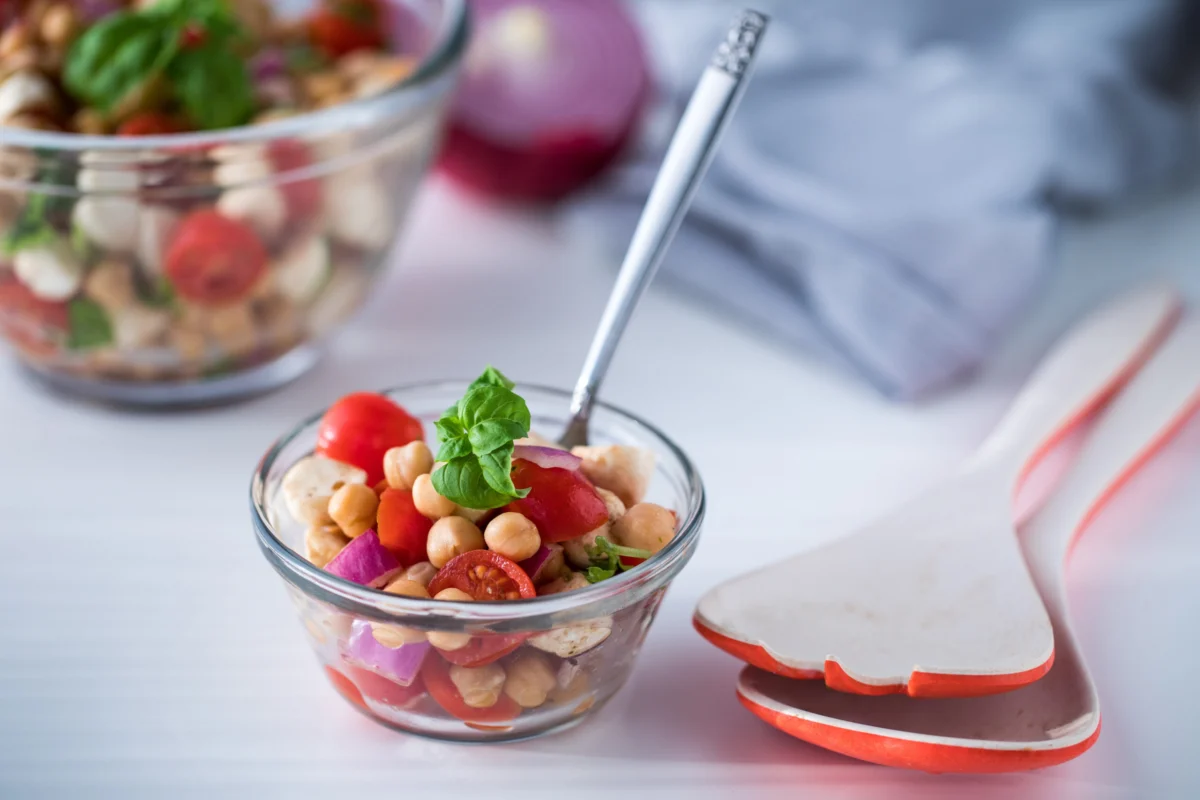
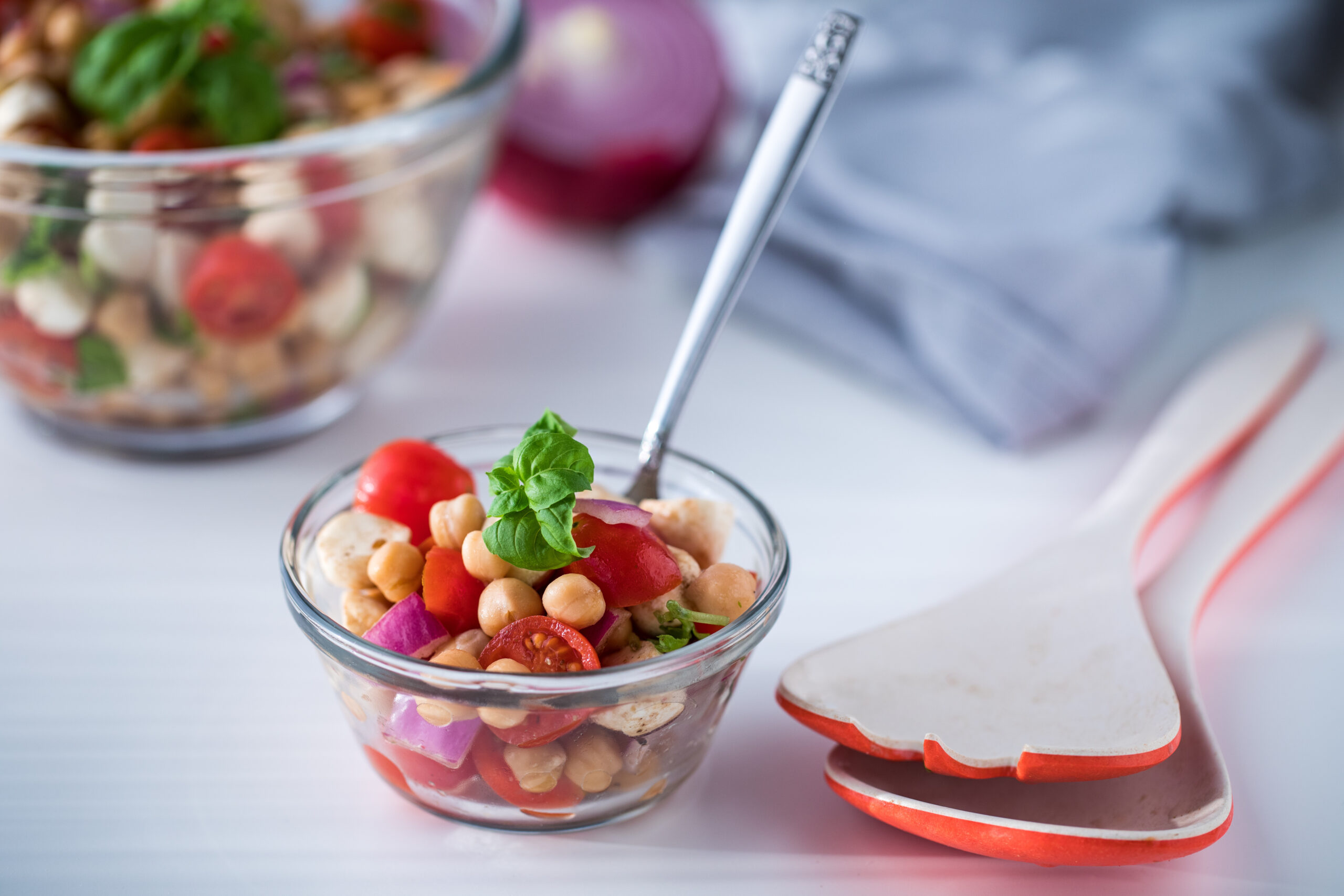
The Chickpea Caprese Salad is essentially a high-protein, plant-forward reinvention of the iconic Insalata Caprese, a salad traditionally composed of tomatoes, mozzarella, and basil, dressed with extra-virgin olive oil and balsamic. By introducing chickpeas, the dish undergoes a metamorphosis, shifting from a light appetizer to a substantial, satiating meal.
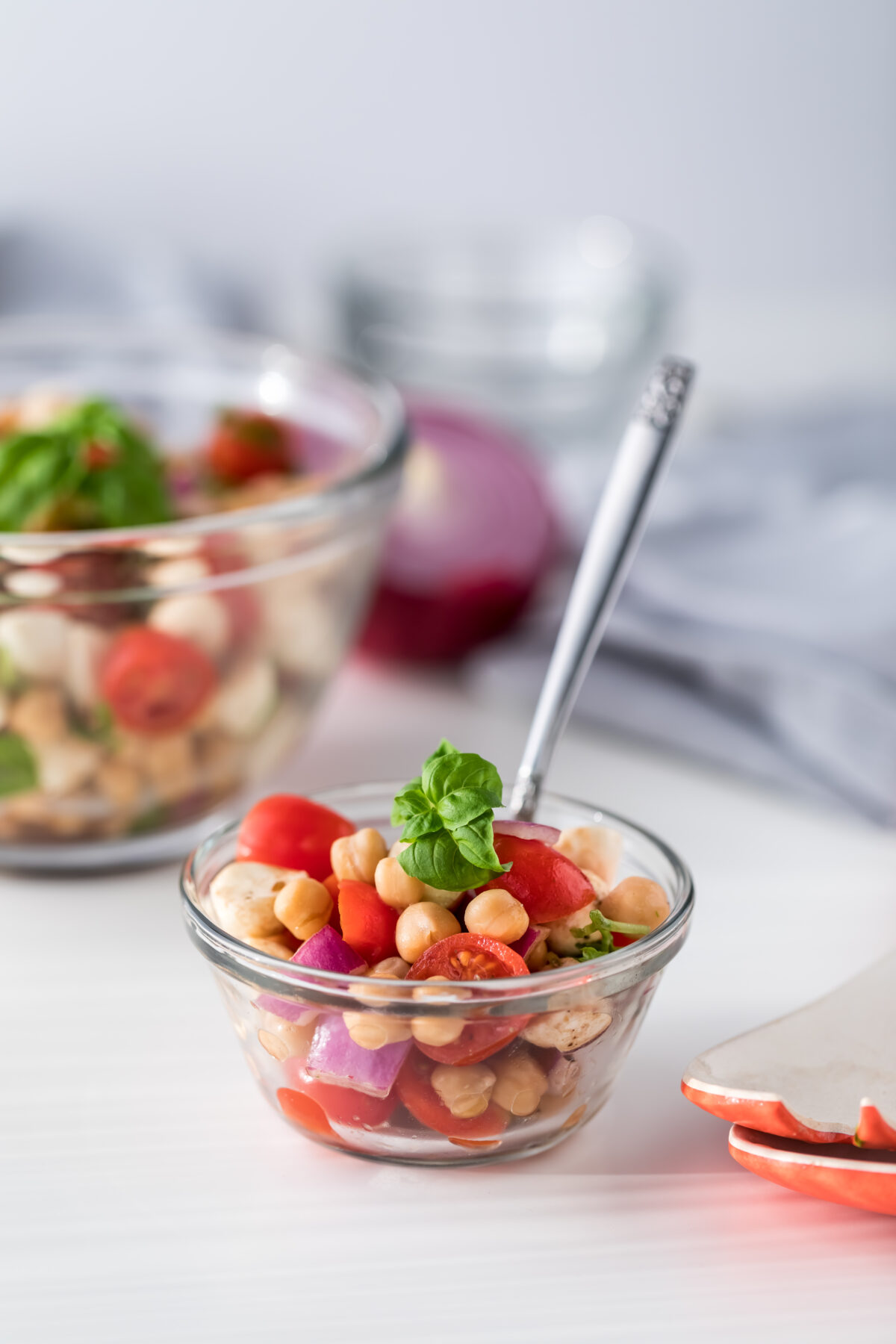
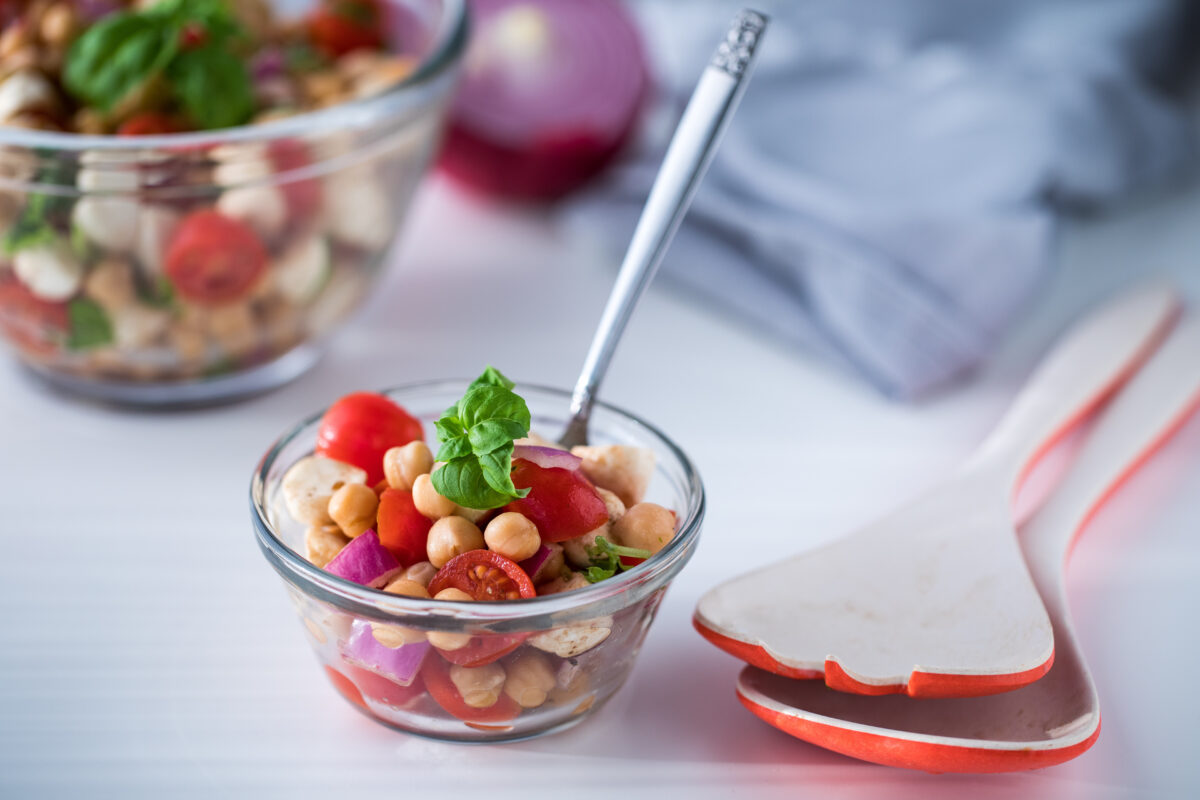
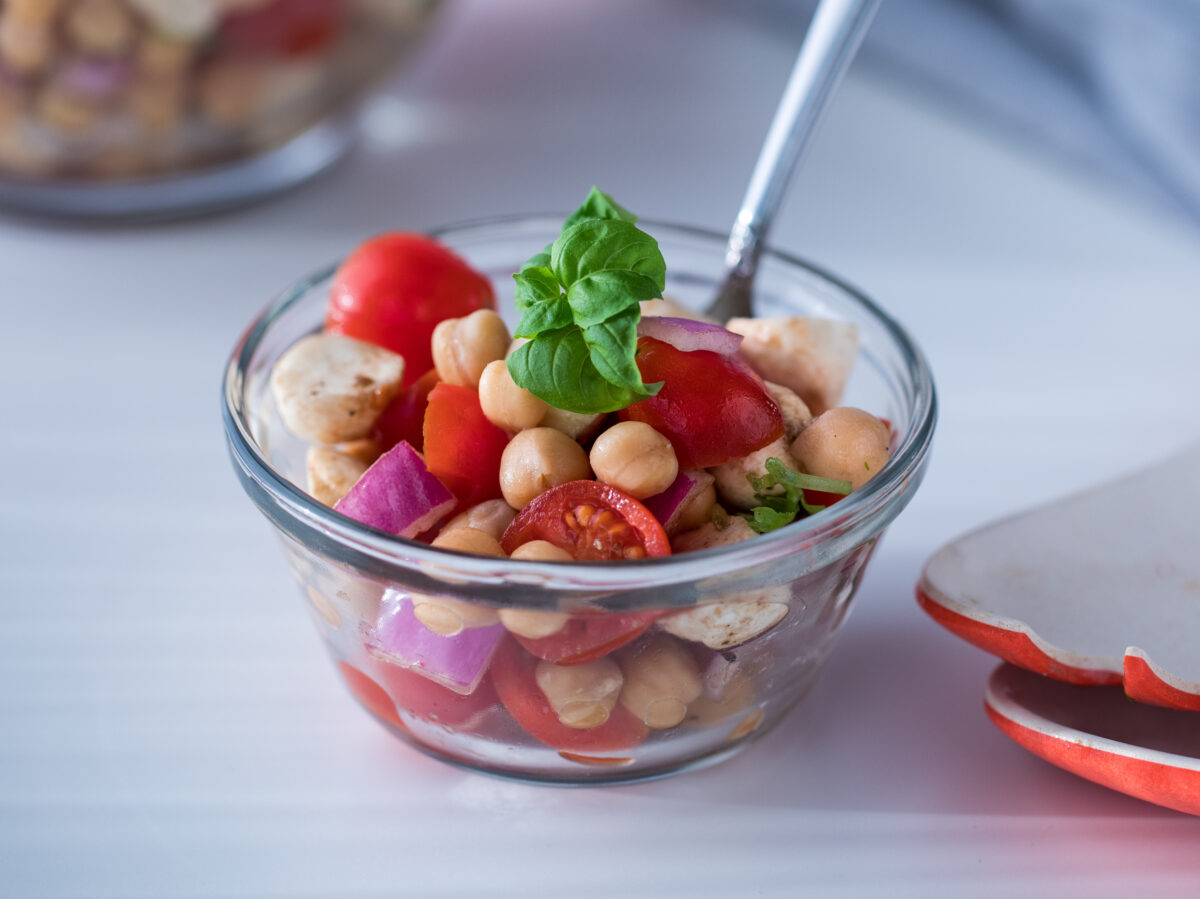
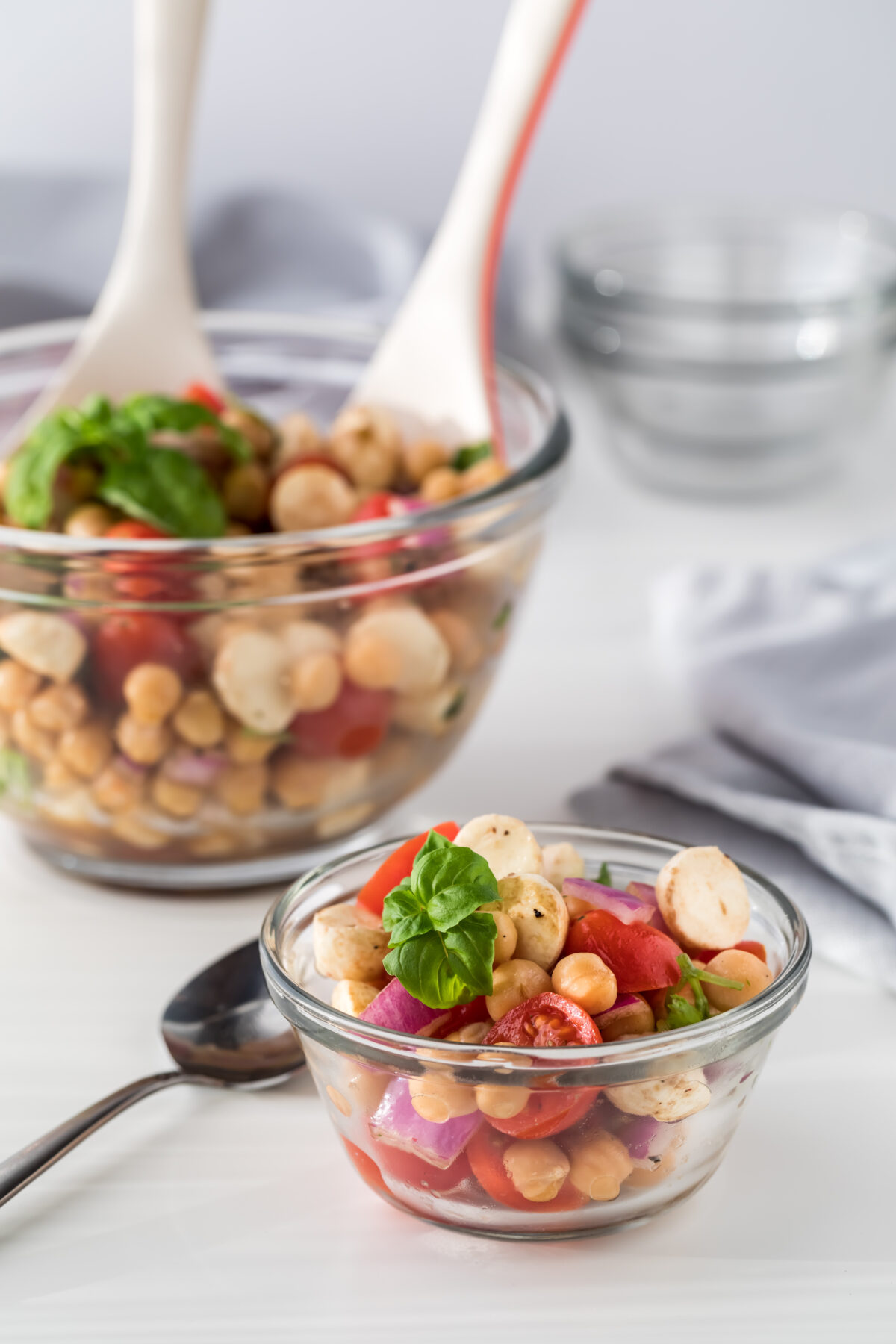
The primary ingredients—juicy cherry or grape tomatoes, creamy fresh mozzarella pearls, and heart-healthy chickpeas—provide a diverse spectrum of textures and nutrients. When tossed with premium extra-virgin olive oil and a splash of aged balsamic vinegar, the salad achieves a flavor profile that is simultaneously bright, acidic, and savory. Its hallmark is its accessibility; the dish requires no cooking, making it an ideal candidate for meal prep, spontaneous hosting, or rapid weeknight dinners.
The Chronology of Evolution: From Traditional to Modernized
To understand the rise of the Chickpea Caprese, one must look at the historical trajectory of the salad. The classic Caprese salad, hailing from the island of Capri, was designed to reflect the colors of the Italian flag: red (tomatoes), white (mozzarella), and green (basil). For decades, this remained a quintessential Italian staple.
In recent years, the intersection of the Mediterranean diet’s popularity and the global rise in plant-based eating has pushed chefs and nutritionists to innovate. The integration of pulses—specifically chickpeas—into fresh salads became a trend in the early 2020s. By 2026, the Chickpea Caprese solidified its place in the digital culinary zeitgeist. It represents a "conscious comfort" food movement: the desire to eat food that feels indulgent and traditional while meeting the demands of modern health consciousness.
Supporting Data: The Nutritional Profile
The efficacy of this dish lies in its nutritional balance. While a traditional Caprese salad is excellent for its lycopene (from tomatoes) and healthy fats (from olive oil), it often lacks the sustained energy release provided by complex carbohydrates and fiber.
Fiber and Satiety
Chickpeas (garbanzo beans) are a nutritional powerhouse. A standard serving of this salad provides a significant boost of dietary fiber, which aids in digestion and blood sugar regulation. This fiber content is what separates this variation from its predecessor, preventing the post-meal "crash" often associated with lighter salads.
Plant-Based Protein
For vegetarians or those looking to reduce meat intake, the addition of chickpeas provides a vital source of plant-based protein. When paired with the dairy protein found in mozzarella, the dish offers a complete, satisfying profile that can easily serve as a standalone lunch.
Antioxidants and Vitamins
The raw, fresh nature of the ingredients ensures that vitamins C and K, as well as essential minerals like folate and magnesium, remain intact. Unlike cooked dishes where heat might degrade delicate nutrients, the "no-cook" nature of this salad maximizes the bioavailable health benefits of every component.
Expert Perspectives and Culinary Best Practices
Culinary experts emphasize that because the ingredient list for a Chickpea Caprese is so concise, the quality of each component is paramount.
The Tomato Selection
The choice of tomato dictates the success of the dish. Experts recommend cherry or grape varieties not only for their inherent sweetness but for their structural integrity. When sliced, these varieties are less prone to releasing excessive water, which can dilute the dressing. If larger heirlooms are used, it is advised to deseed them to maintain the proper texture-to-moisture ratio.
The Mozzarella Standard
The use of "pearls" or ciliegine is strongly encouraged. Their size allows for a uniform distribution of flavor in every bite. When using larger balls of fresh mozzarella, dicing them to match the size of the chickpeas ensures that the diner experiences a cohesive blend of textures.
The Role of Basil
Professional chefs consistently advise adding basil only at the final moment of assembly. Because basil is highly susceptible to oxidation—turning black when exposed to air and acid—the timing of its addition is a critical technical step that separates a mediocre salad from a restaurant-quality display.
Implications for Modern Dining and Lifestyle
The adoption of the Chickpea Caprese Salad has profound implications for how we view home cooking in the 21st century.
The "No-Cook" Revolution
As summer temperatures rise, or as our schedules become more crowded, the reliance on high-heat cooking becomes a burden. The Chickpea Caprese serves as a model for "assembly-based cooking." This method reduces kitchen energy consumption and minimizes the time spent standing over a stove, aligning with sustainability goals and time-management needs.
Economic and Social Accessibility
Unlike many "health foods" that rely on expensive superfoods or complex sourcing, the Chickpea Caprese is composed of ingredients found in virtually every grocery store globally. This makes it an egalitarian dish—accessible to students, families on a budget, and those living in food deserts where fresh, simple produce is the most reliable option.
The Adaptability Factor
The salad is a "living" recipe. Its structure is flexible enough to accommodate various cultural additions:
- Mediterranean Influence: The addition of Kalamata olives and red onion pushes the profile toward a Greek-Italian fusion.
- Hearty Grain Integration: Incorporating cooked, cooled quinoa or farro transforms the salad into a robust grain bowl.
- Protein Boosters: The addition of grilled chicken, hard-boiled eggs, or even canned tuna turns it into a high-performance athlete’s meal.
Addressing Common Queries: The Expert View
As this dish grows in popularity, several questions have arisen regarding preparation and storage.
The "Sogginess" Problem
A common critique of any tomato-based salad is the tendency for it to become watery over time. The professional recommendation is to salt the tomatoes separately or to add the dressing (oil and balsamic) only at the point of service. This prevents the osmotic pressure of the salt from drawing out the moisture from the tomatoes prematurely.
Storage and Longevity
While the dish can be stored for up to three days in an airtight container, the structural integrity of the mozzarella and the brightness of the basil will inevitably decline. The best practice for meal-prepping this dish is to store the "dry" components (chickpeas, tomatoes, mozzarella) in one container and the dressing and fresh herbs in a secondary, smaller container, mixing them immediately before consumption.
Dietary Adjustments
The recipe’s inherent versatility makes it easily adjustable. For those with lactose intolerance, vegan mozzarella alternatives have advanced significantly in the last year, providing a similar texture without the dairy. For those following a low-sodium diet, using "no-salt-added" canned chickpeas and skipping the added salt in the dressing allows for a perfectly flavorful dish that adheres to strict medical requirements.
Conclusion: A Simple Solution to Complex Needs
The Chickpea Caprese Salad is more than just a trend; it is a symptom of a broader shift in our collective approach to food. We are moving away from overly complicated, ingredient-heavy recipes and returning to the foundational principles of fresh, raw, and high-quality nourishment.
By combining the timeless, bright flavors of the Mediterranean with the substantial, reliable nutrition of legumes, this dish offers a template for success in the kitchen. Whether it is served as a sophisticated side dish at an outdoor gathering or packed into a reusable container for a quick office lunch, the Chickpea Caprese Salad proves that simplicity, when executed with intention, remains the ultimate form of culinary sophistication. In a world of endless nutritional noise, this salad stands out as a clear, vibrant, and delicious signal.