In the modern kitchen, where time is the most precious commodity, the quest for a meal that balances nutritional integrity with high-end flavor is constant. For many home cooks, seafood represents a daunting challenge—a protein that is prone to drying out or failing to excite the palate of picky diners. However, a culinary movement led by figures such as cookbook author Erin Clarke of Well Plated has identified a "golden ratio" for the home cook: Honey Mustard Salmon.
This dish has emerged not merely as a recipe, but as a staple of the modern, health-conscious household. By marrying the sharp, complex acidity of Dijon mustard with the mellow, caramelizing sweetness of honey, this 30-minute preparation has become a masterclass in efficiency.
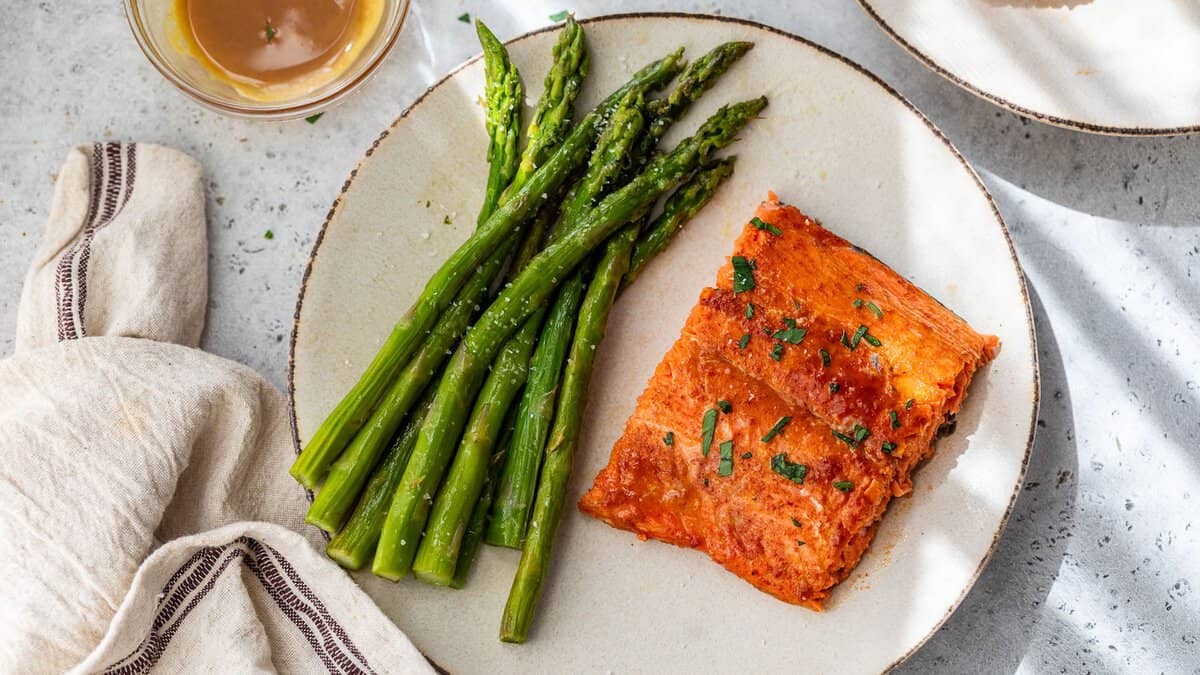
The Evolution of the 30-Minute Meal
The culinary landscape has shifted significantly over the past decade. As schedules have tightened, the "30-minute meal" has evolved from a novelty into a necessity. Traditional salmon preparations—often requiring complex poaching, heavy butter-basting, or long marination times—have been replaced by the high-heat, glaze-and-bake method.
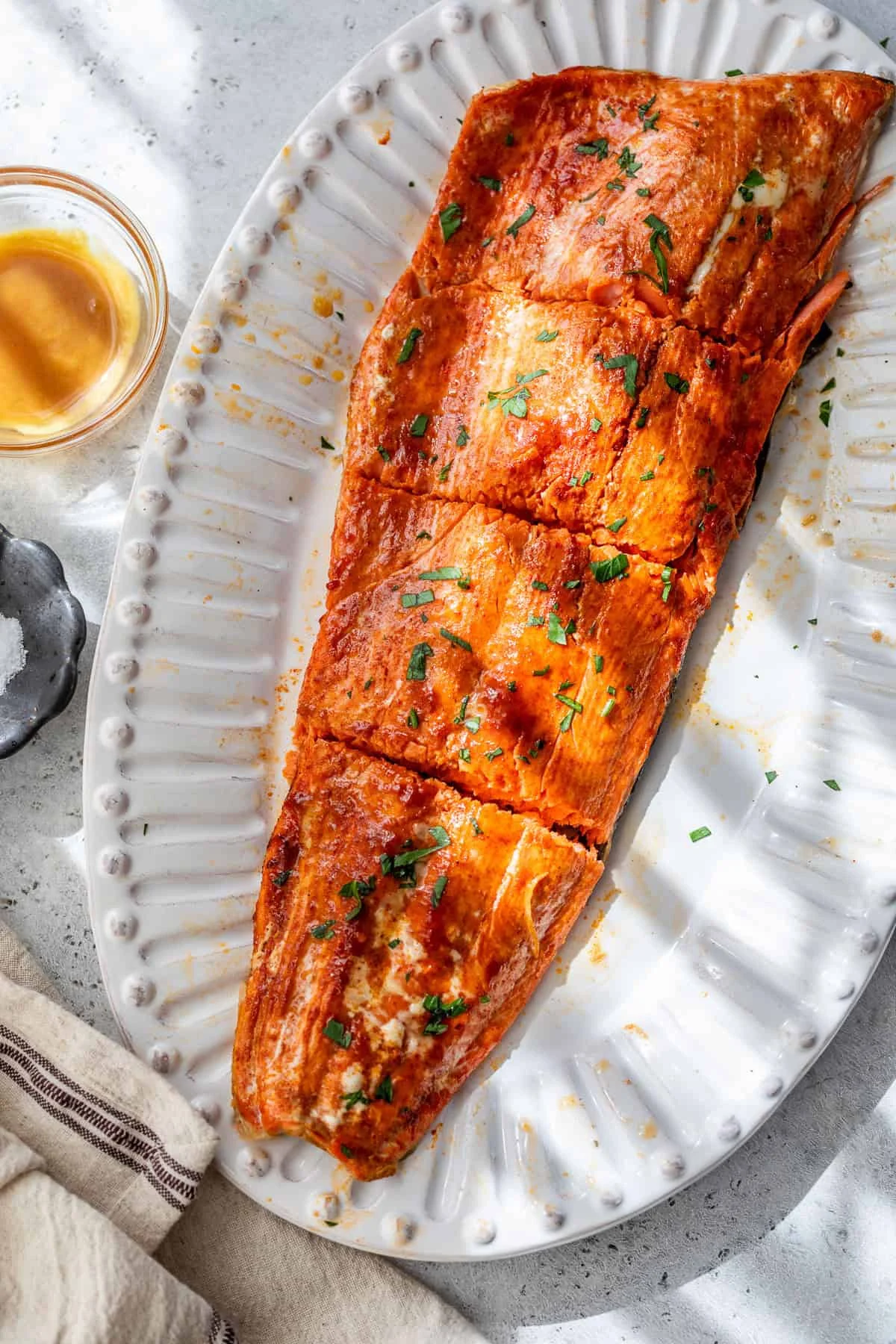
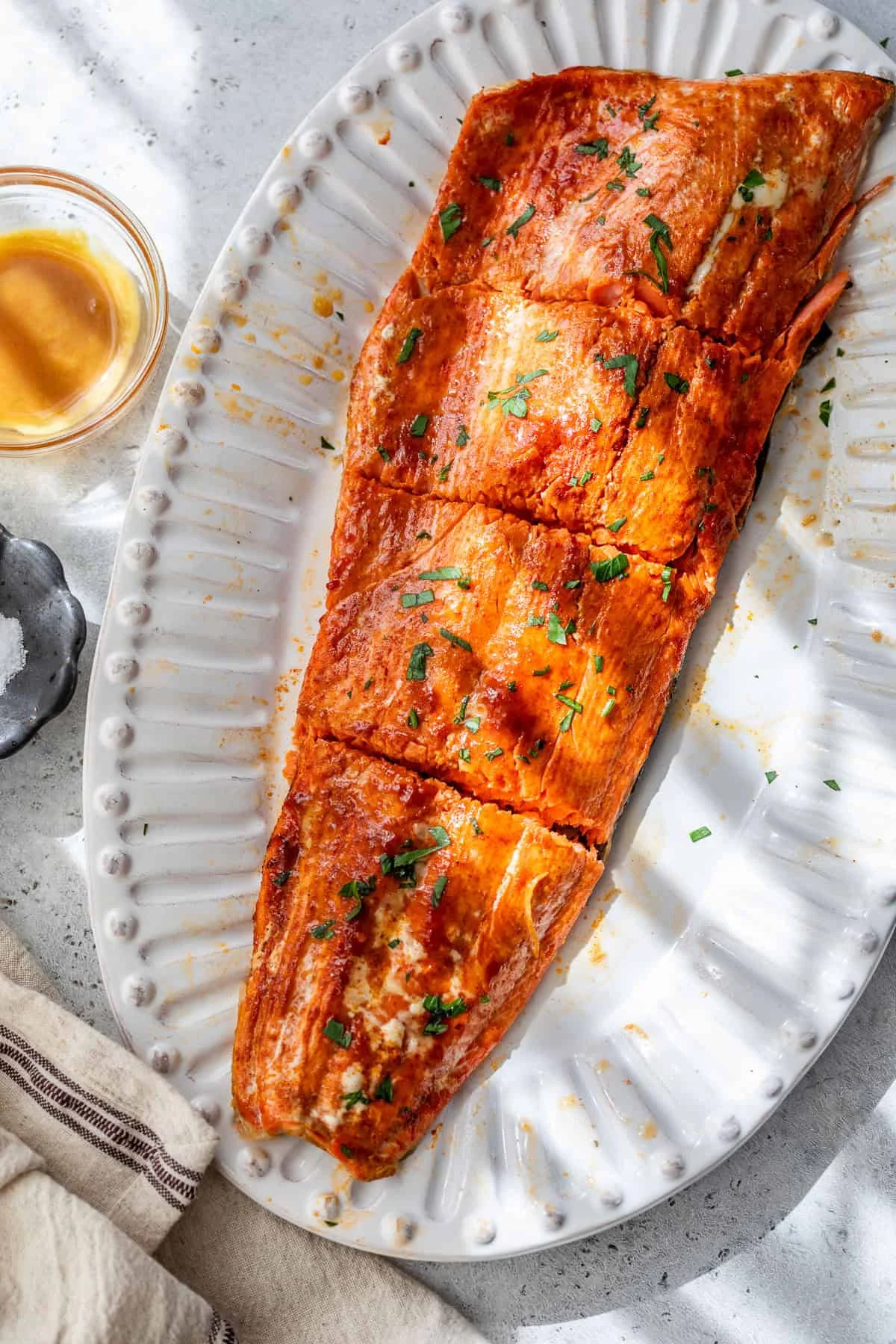
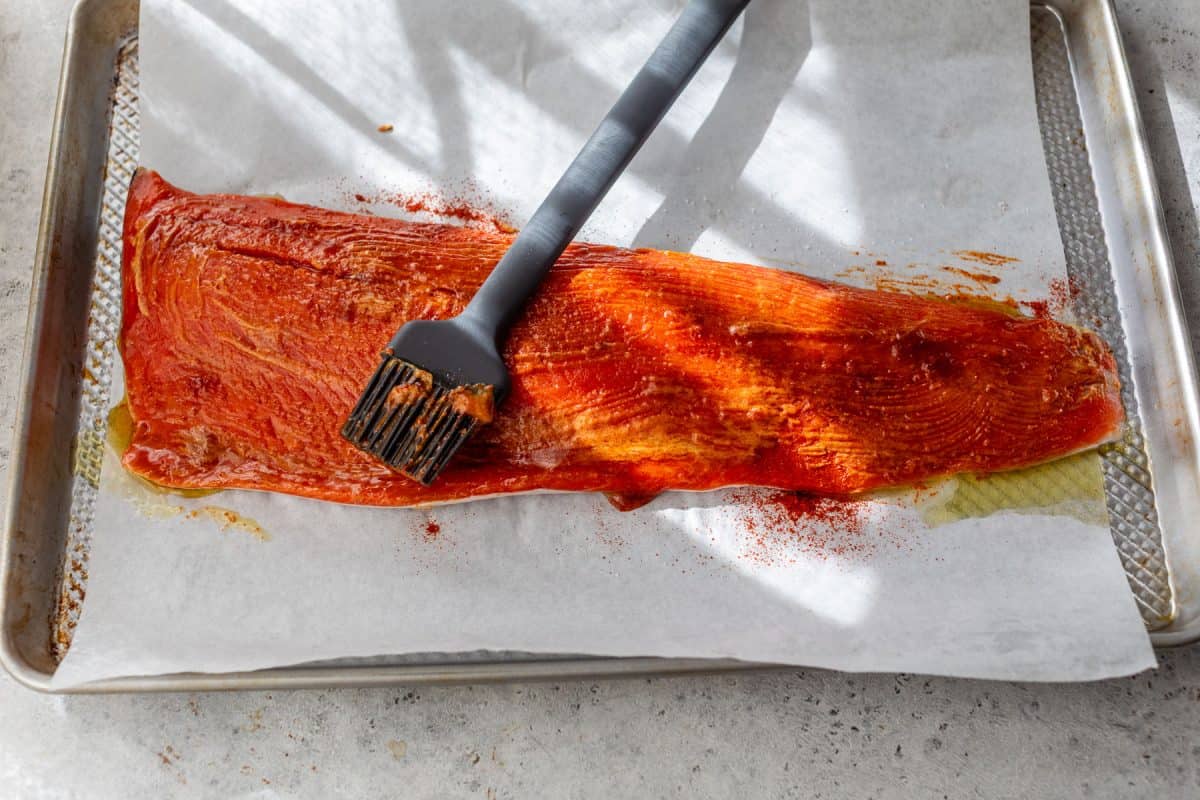
The Honey Mustard Salmon phenomenon relies on a scientific principle: the Maillard reaction. By brushing the fillet with a mixture of honey and mustard, the sugars in the honey caramelize under the intense heat of a 425-degree Fahrenheit oven. This creates a protective, flavor-packed crust that locks in the salmon’s natural moisture. The result is a texture that is simultaneously flaky and tender, providing a sensory experience that rivals restaurant-grade preparations.
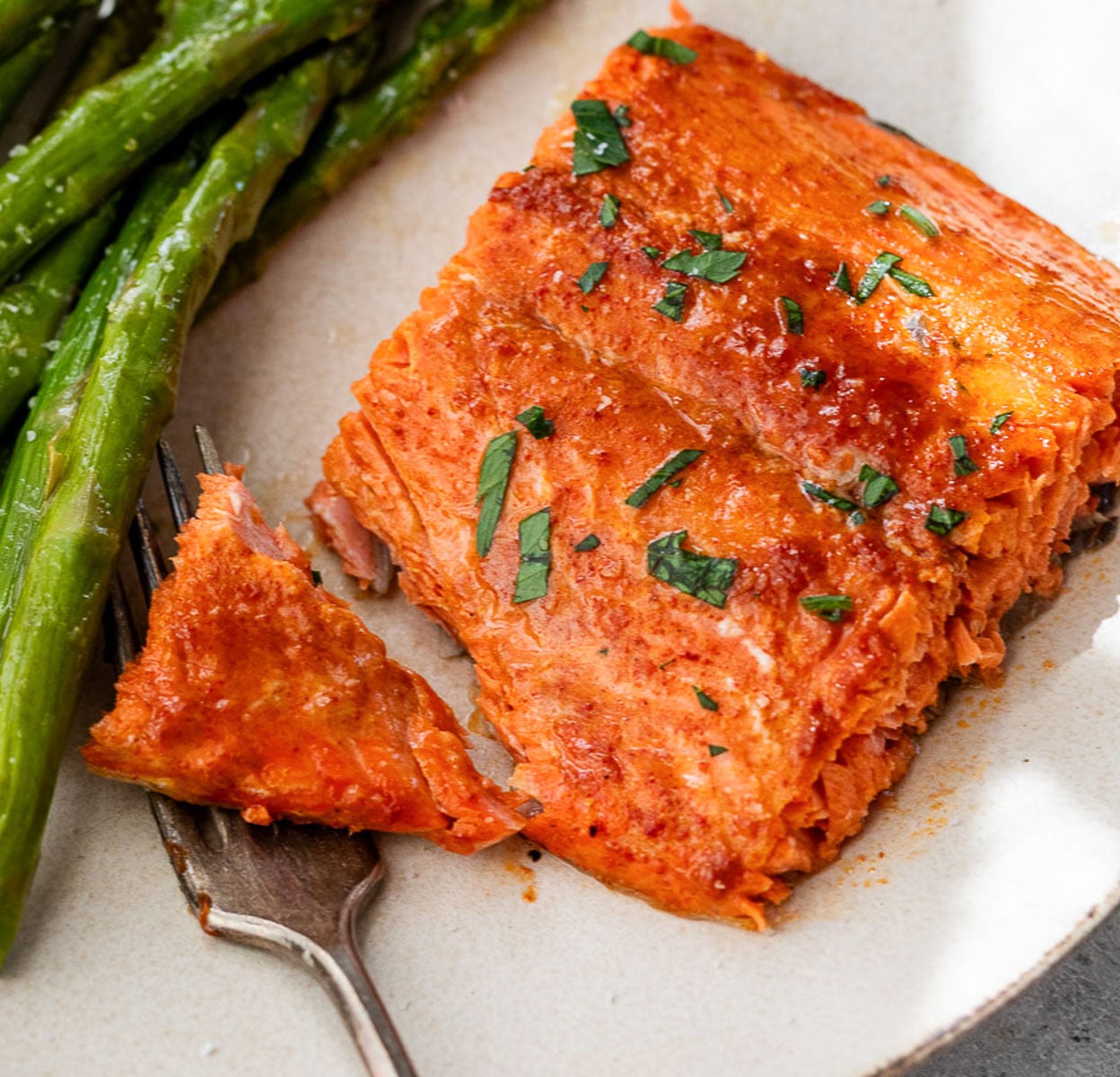
A Chronology of the Perfect Bake
Achieving the "perfect" salmon is often treated as an elusive skill, but it is, in reality, a matter of precise timing and preparation. Understanding the lifecycle of the dish from prep to plate is essential for consistent results.
1. The Pre-Bake Foundation
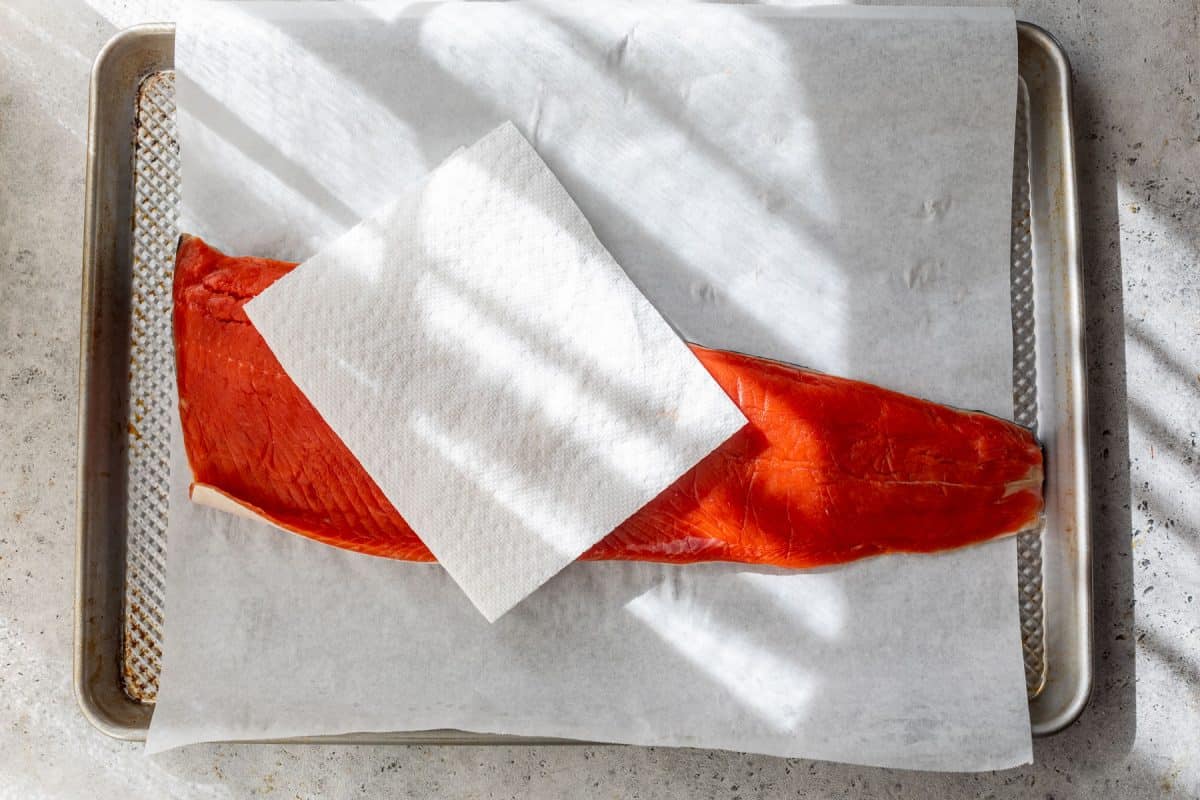
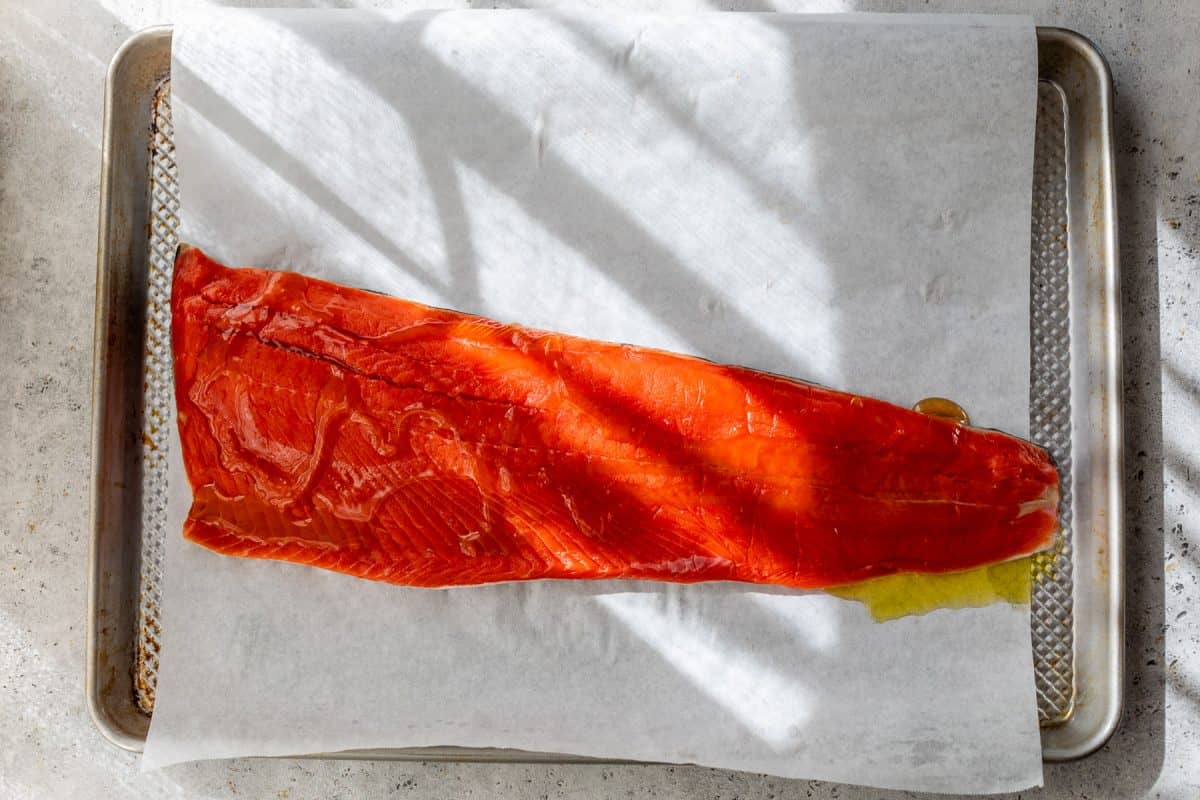
The process begins with the environment. The salmon fillet must be patted dry with a paper towel—a step often overlooked by amateur cooks. Moisture on the surface of the fish inhibits proper searing and causes the protein to steam rather than roast. Allowing the salmon to sit at room temperature while the oven preheats ensures that the center of the fillet does not remain cold when the exterior reaches its optimal doneness.

2. The Glaze Application
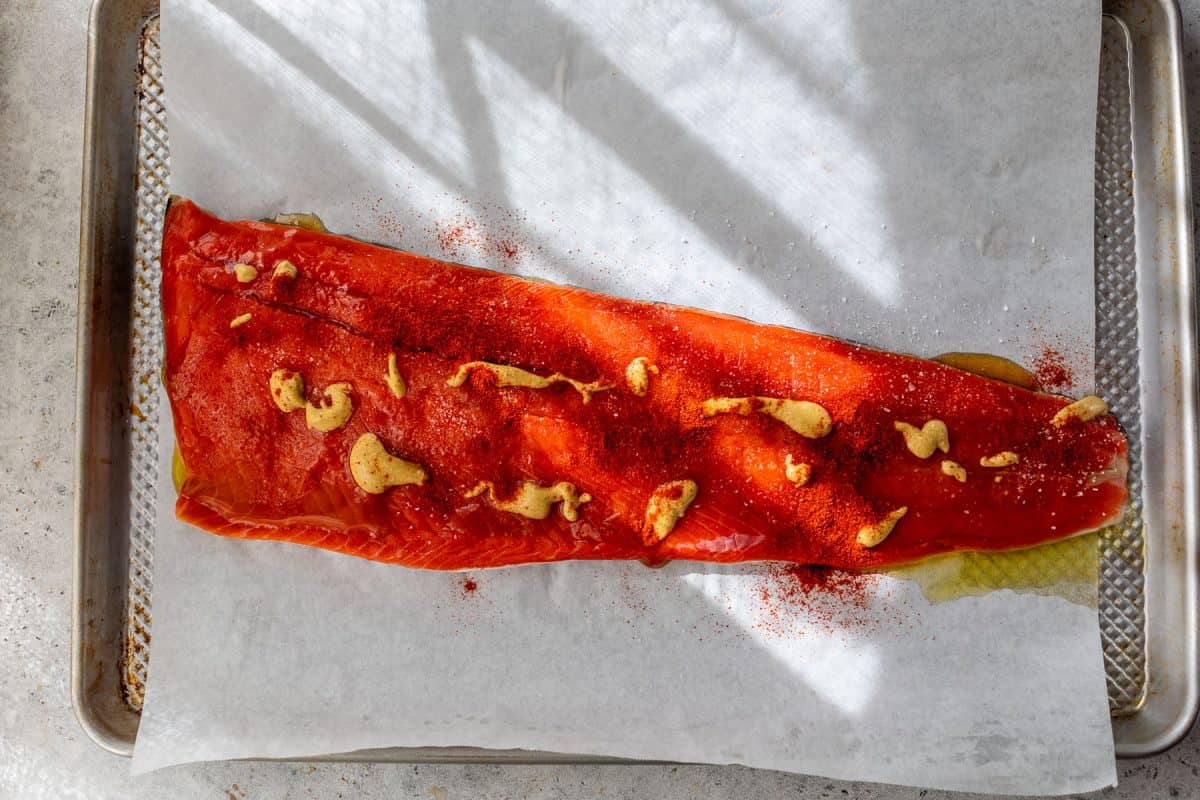
The glaze itself is deceptively simple. Combining Dijon mustard, honey, a touch of olive oil, and a dash of paprika creates a complex flavor profile. The mustard provides the necessary tang to cut through the richness of the salmon’s healthy fats, while the honey provides the depth. Applying this mixture with a pastry brush ensures an even coating, which is crucial for uniform caramelization.
3. The Thermal Threshold
The most critical phase of the cooking process is the application of heat. At 425 degrees Fahrenheit, the salmon experiences a rapid rise in temperature. The industry standard for safety and quality is an internal temperature of 145 degrees Fahrenheit at the thickest point of the fillet. Using an instant-read thermometer is the only way to guarantee this result, removing the guesswork that often leads to overcooked, dry fish.
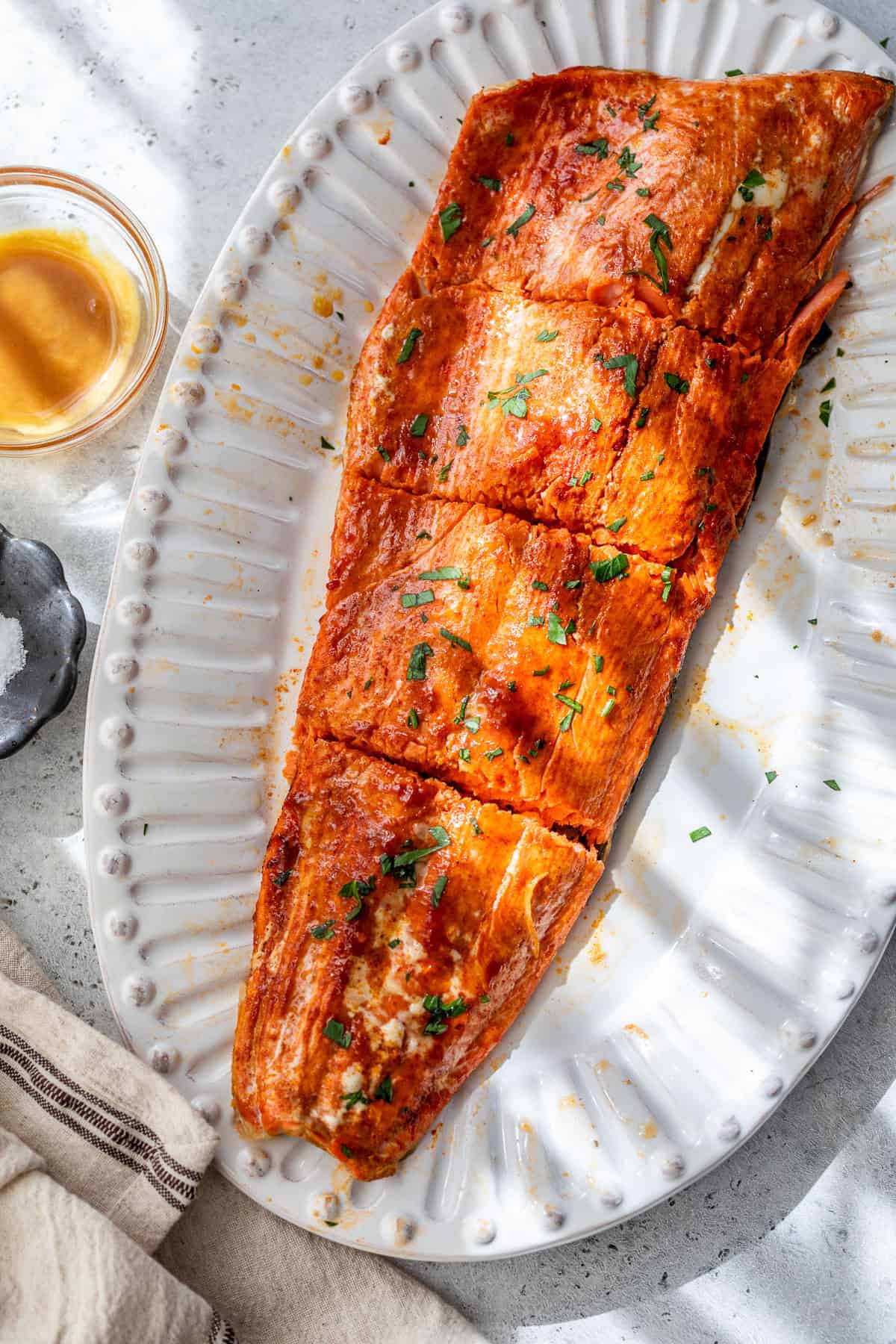
4. The Rest
The final, often neglected, step is the rest. Allowing the fish to sit for three to five minutes post-oven allows the proteins to relax and the juices to redistribute throughout the fillet. This simple pause is the difference between a good dinner and a professional-level entrée.
Nutritional Implications: Why Salmon Matters
From a public health perspective, the inclusion of salmon in the weekly rotation is highly encouraged. Salmon is a premier source of omega-3 fatty acids, specifically EPA and DHA, which are linked to improved heart health, cognitive function, and reduced systemic inflammation.
Data from the provided nutritional profile of this dish highlights its efficacy as a balanced macronutrient source. With approximately 45 grams of protein per serving and a low glycemic impact (only 9 grams of carbohydrates), it serves as an ideal meal for those managing blood sugar levels or focusing on muscle recovery. The inclusion of high-quality fats (22 grams total) provides satiety, reducing the likelihood of late-night snacking.
The Cultural Impact: Scaling Down Complexity
Why has this specific preparation resonated so deeply with home cooks? The answer lies in the removal of "culinary gatekeeping." For generations, cooking fish was seen as a skill requiring professional intuition. By providing a structured, six-ingredient framework, experts like Erin Clarke have effectively democratized the process.
This recipe is designed to be "fail-safe." Whether served alongside simple roasted asparagus, a crisp garden salad, or a side of grains, the flavor profile is versatile enough to adapt to any pantry. It addresses the "picky eater" dilemma by masking the "fishiness" some find off-putting with a familiar, sweet-savory glaze that appeals to a wide demographic, including children.
Expert Insight: The Philosophy of Well Plated
Erin Clarke, the architect behind the popular Well Plated brand, advocates for a philosophy that prioritizes efficiency without sacrificing quality. Her approach to the Honey Mustard Salmon is reflective of a broader trend in modern cooking: the move toward "low-stress, high-reward" meals.
"I’ve helped millions of people cook healthier meals that actually taste amazing," Clarke notes. Her methodology is predicated on the idea that if a recipe is too difficult, it will never make it into a permanent rotation. By simplifying the ingredient list and streamlining the steps, the barrier to entry for cooking high-protein, heart-healthy meals is significantly lowered. This philosophy aligns with current consumer trends that favor whole-food ingredients over processed convenience meals.
Implications for the Future of Home Cooking
The success of dishes like Honey Mustard Salmon signals a change in how we view the kitchen. We are moving away from the "event" dinner—long, arduous tasks that take hours of active labor—and toward the "functional" dinner, where the quality of the ingredients and the precision of the technique take center stage.
As more households prioritize health, the demand for accessible, nutrient-dense recipes will continue to grow. This recipe, in particular, acts as a template. Once a cook masters the ratio of the glaze and the timing of the bake, they can experiment with different aromatics—perhaps adding crushed garlic, fresh dill, or a squeeze of lemon juice to tailor the dish to their specific preferences.
Conclusion: A Staple for the Modern Age
The Honey Mustard Salmon represents the intersection of science, nutrition, and convenience. It is a dish that respects the home cook’s limited time while providing the nutritional benefits of a diet rich in omega-3s.

By following the standard of using high-quality ingredients, paying attention to the internal temperature, and embracing the simplicity of the glaze, the modern home cook can turn a simple grocery store purchase into a restaurant-quality meal. In an era of infinite digital recipes and complex culinary trends, sometimes the most profound impact comes from mastering the simple, the reliable, and the delicious. As the popularity of this dish continues to demonstrate, the path to a better dinner is often much simpler than we think.