In the world of home baking, few treats bridge the gap between "simple pantry staple" and "bakery-level showstopper" as effectively as the sprinkle sugar cookie. These vibrant, buttery rounds have become a cornerstone of family kitchens, offering a nostalgic flavor profile paired with an aesthetic appeal that requires no professional piping skills or hours of meticulous decorating. As interest in accessible, high-quality home baking continues to surge, these cookies represent the gold standard for those seeking a festive result with minimal logistical headache.
Main Facts: The Anatomy of a Perfect Cookie
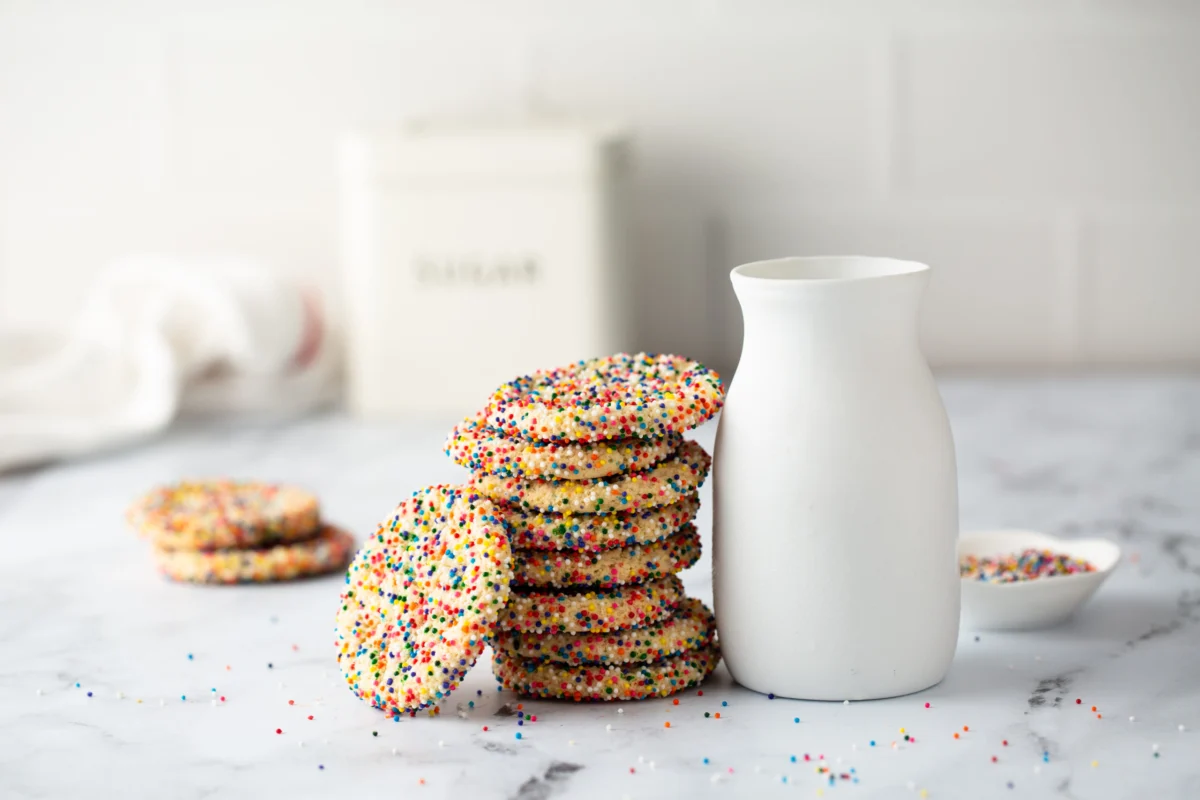
At its core, the sprinkle sugar cookie is a study in texture and contrast. A successful batch relies on a delicate balance: soft, tender centers that yield to the bite, contrasted by edges that possess a light, golden crispness. The flavor profile is anchored in high-quality butter and pure vanilla, providing a neutral, rich canvas that allows the colorful sprinkles to take center stage.
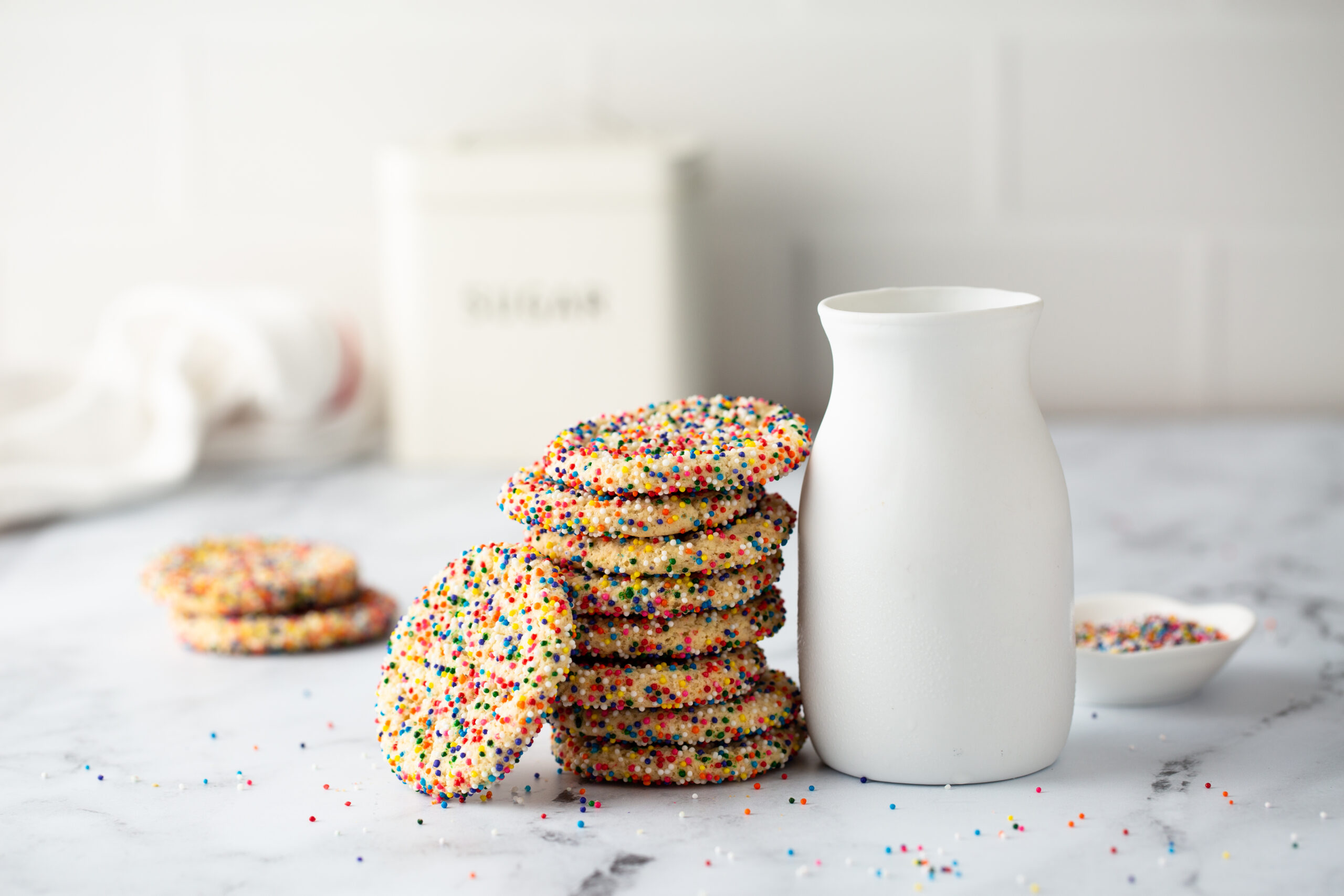
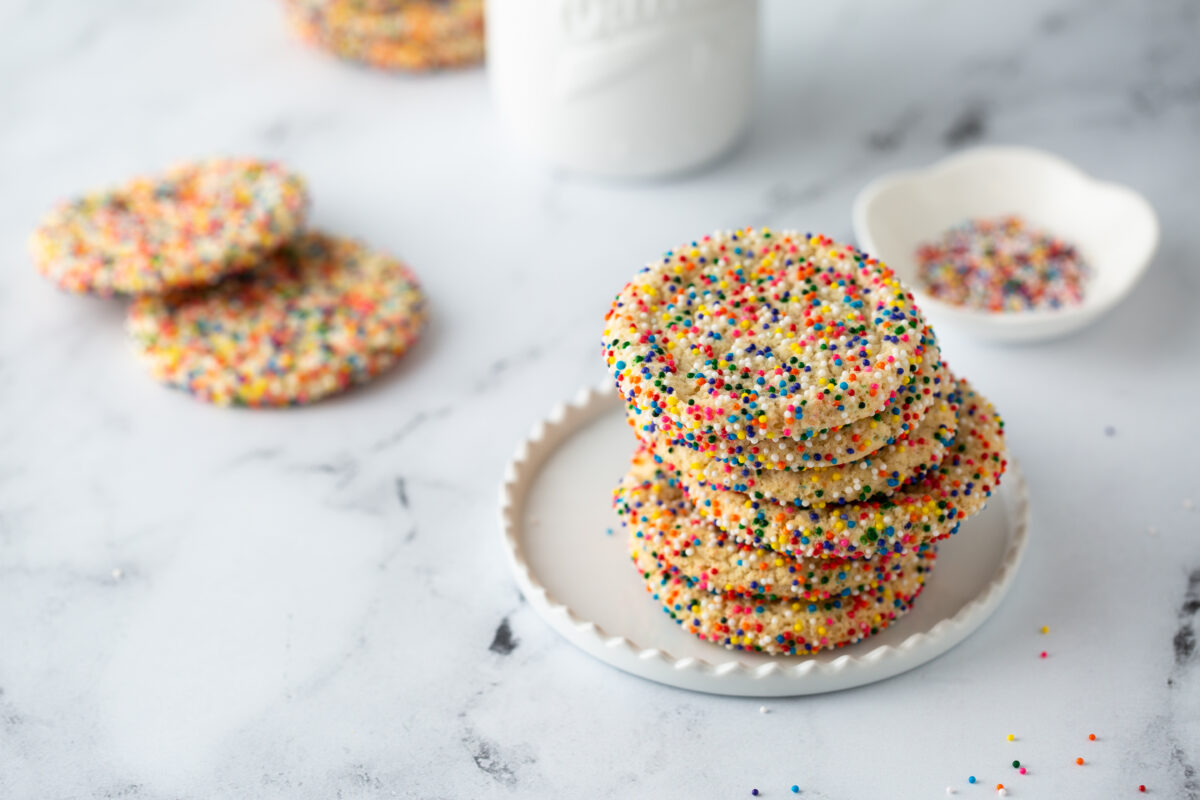
The defining characteristic of these cookies is the application of sprinkles prior to the bake. Unlike traditional sugar cookies that require a post-oven cooling period followed by the messy application of royal icing or buttercream, these treats are rolled in colorful jimmies before they ever touch the oven. This creates a vibrant, crunchy outer shell that locks in moisture and adds a festive visual flair. Because the dough utilizes standard pantry staples—flour, sugar, butter, eggs, and leavening agents—it remains an economically accessible project for households, school bake sales, and spontaneous holiday celebrations.
A Chronological Guide to Preparation
Achieving the perfect texture requires a methodical approach to the baking timeline. While the recipe is straightforward, the physics of baking demands patience during specific stages.
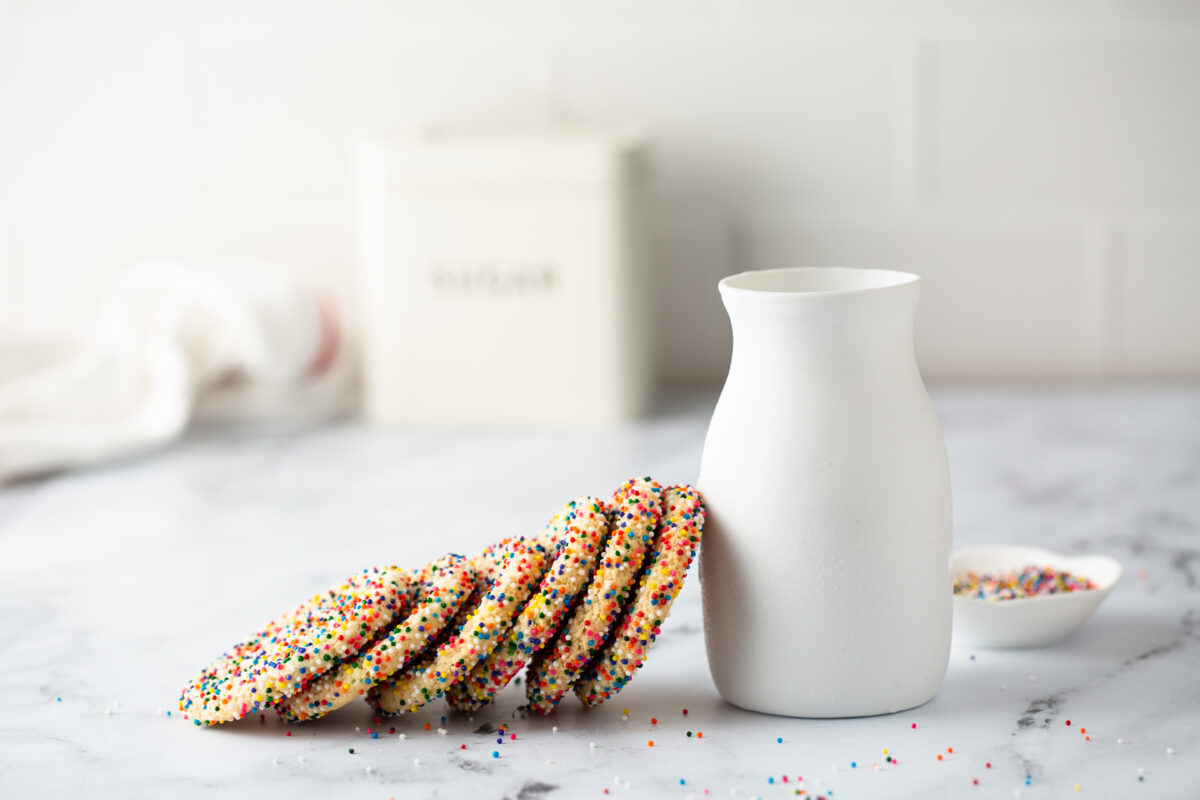
- The Preparation Phase (0–15 Minutes): The process begins with creaming softened butter and sugar until light and fluffy. This aeration is critical for achieving the signature soft crumb. Once the dry ingredients are folded in—being careful not to overwork the gluten—the dough is ready.
- The Crucial Chill (30 Minutes): While many novice bakers are tempted to skip this step, chilling the dough is mandatory for structural integrity. As the butter firms up, it ensures that the cookies maintain their shape rather than spreading into thin, flat puddles in the heat of the oven.
- The Decoration Phase (5–10 Minutes): Once chilled, the dough is scooped into uniform balls. Rolling these in a bowl of sprinkles while the dough is slightly tacky ensures the colors adhere securely.
- The Bake (8–10 Minutes): Precision here is vital. Removing the cookies while the centers still appear slightly underdone is the "secret" to professional-quality results. Residual heat from the baking sheet will complete the process, preventing the edges from hardening into a brittle texture.
Supporting Data: Why "Jimmies" Reign Supreme
When selecting ingredients, the type of sprinkle matters significantly. Culinary experts and home bakers alike overwhelmingly prefer "jimmies"—the elongated, cylinder-shaped sprinkles.
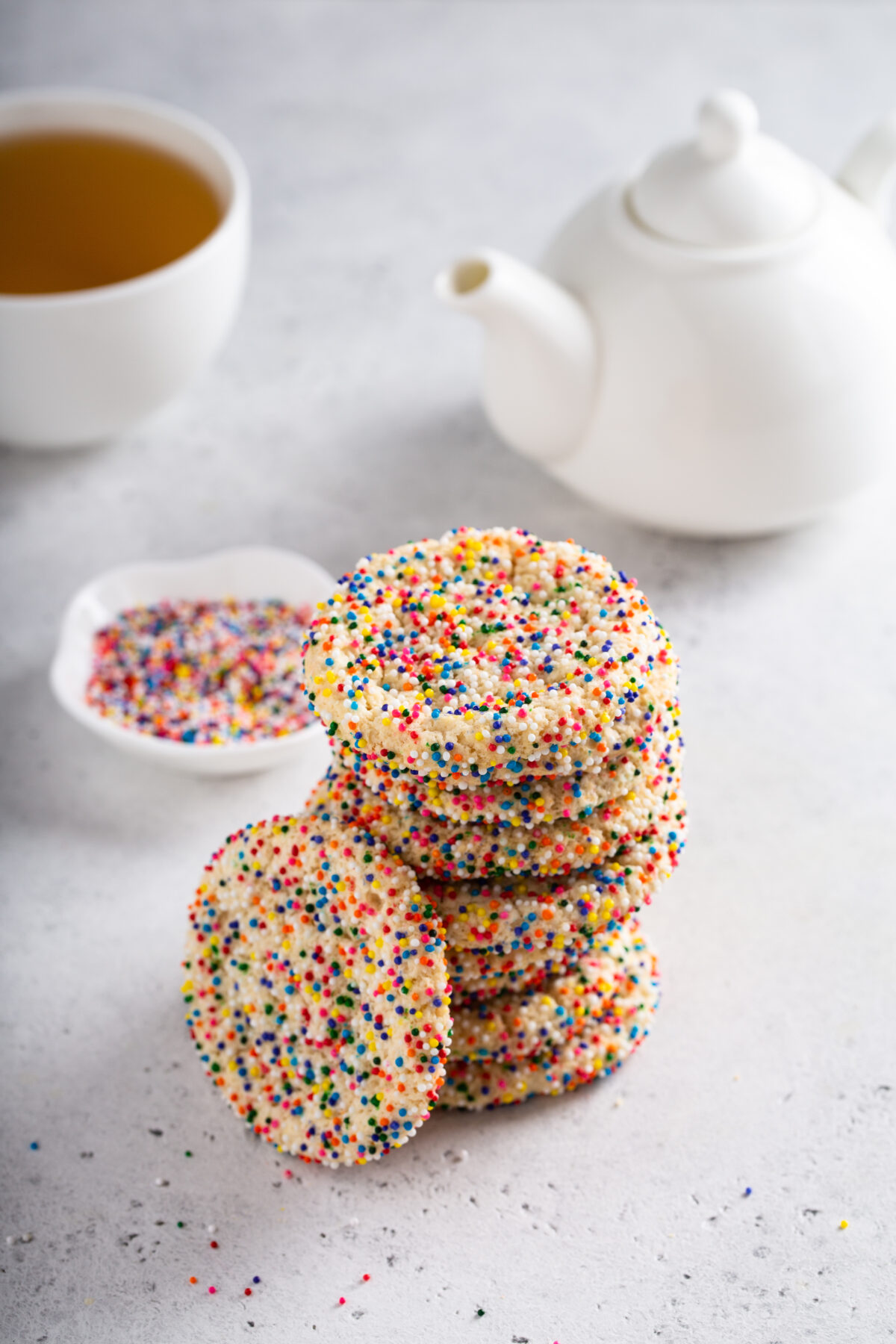
Data from consumer baking trends suggests that jimmies are the superior choice for high-heat applications. Unlike nonpareils (tiny, round, hard sugar balls) which tend to bleed their colors into the dough and create an overly aggressive, tooth-cracking crunch, jimmies are formulated to withstand oven temperatures. They maintain their structural integrity and vibrant hue, providing a soft, pleasant bite that complements the chew of the cookie. While sanding sugars can provide a crystalline sparkle, they lack the "pop" of color that makes the classic sprinkle cookie so visually distinct.
Professional Insights: Troubleshooting Common Pitfalls
Even with a simple recipe, culinary experts emphasize the importance of technique over complex ingredients. When asked why cookies might fail to meet expectations, industry professionals point to three primary variables:
- The Temperature of the Butter: Melted or greasy butter is the enemy of the soft cookie. It should be "room temperature"—pliable to the touch but cool enough to hold its shape.
- The Flour Ratio: Over-measuring flour is a common amateur mistake that leads to dry, sandy cookies. The "spoon and level" method—where flour is gently spooned into a measuring cup and leveled off with a knife—is the only way to ensure the chemistry of the dough remains balanced.
- The Over-Mixing Factor: Once the flour meets the wet ingredients, the mixer should be handled with restraint. Excessive mixing develops gluten, which can turn a tender cookie into a tough, chewy biscuit.
Implications for the Modern Kitchen
The resurgence of the sprinkle sugar cookie in modern home baking speaks to a broader cultural shift toward "approachable indulgence." In an era where complex pastry arts are often highlighted on social media, there is a renewed appreciation for recipes that prioritize family involvement and low-stress success.
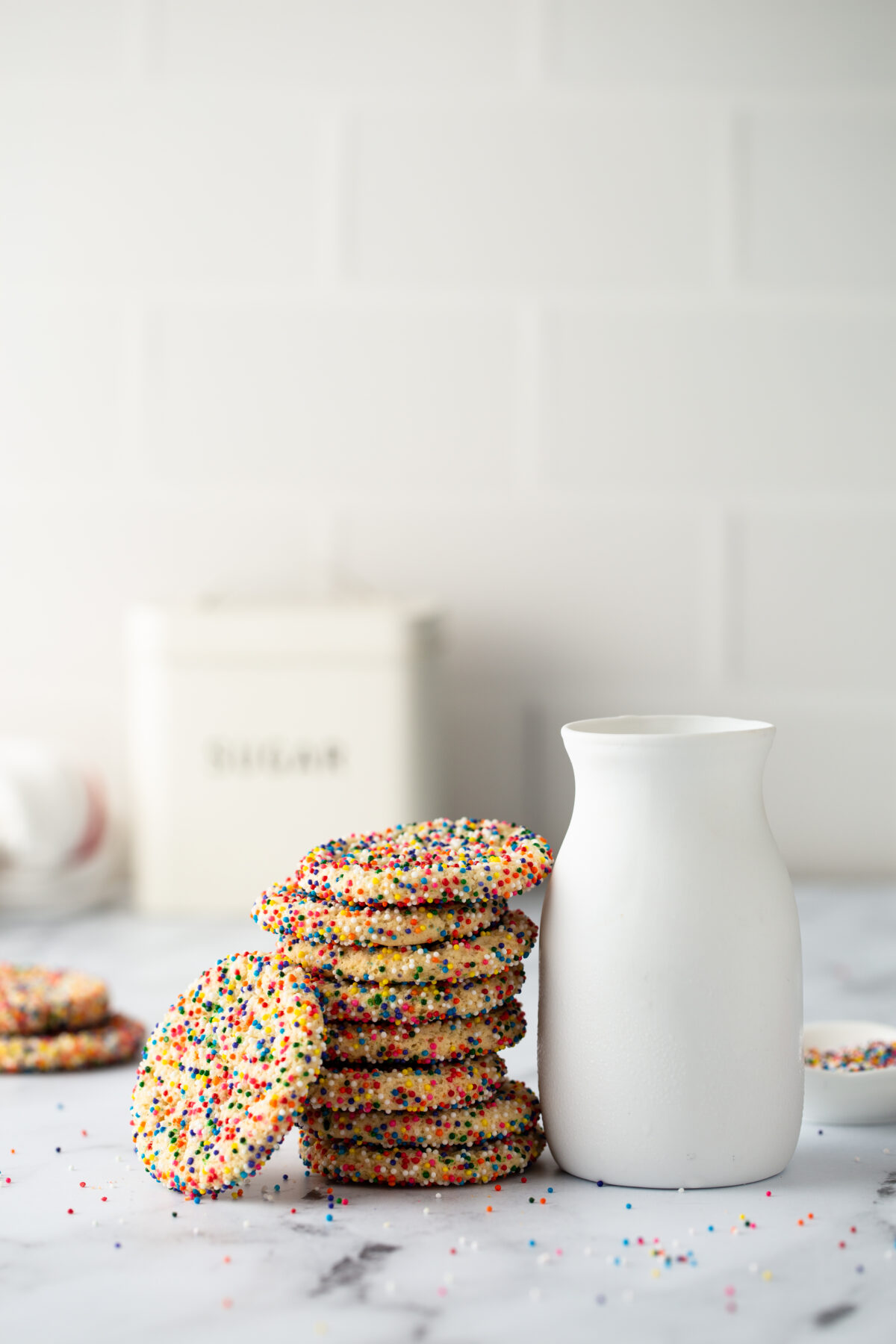
The versatility of this base dough has significant implications for home bakers looking to maximize their utility in the kitchen. By simply adjusting the color of the sprinkles or adding a tablespoon of citrus zest or almond extract, the cookie transforms from a birthday staple into a seasonal treat suitable for Halloween, Christmas, or the Fourth of July.
Furthermore, the "make-ahead" potential of this recipe is a major advantage for busy families. Because the dough freezes exceptionally well—either as pre-portioned, sprinkle-coated balls or as a bulk log—it offers a "ready-to-bake" solution for unexpected guests or last-minute school events. This convenience factor reduces food waste and eliminates the need for store-bought, processed alternatives.
Conclusion: A Timeless Treat
The Easy Sprinkle Sugar Cookie is more than just a dessert; it is a reliable, versatile, and joy-inducing culinary tool. By mastering the fundamental techniques—proper chilling, correct flour measurement, and strategic baking times—home bakers can produce a high-quality product that rivals any commercial bakery.
Whether you are looking to teach children the basics of baking or simply want a nostalgic, buttery treat to pair with a glass of milk, this recipe serves as a reminder that the most effective kitchen projects are often the ones that rely on simple ingredients and a bit of festive color. As the culinary world continues to evolve, the enduring popularity of these cookies proves that in the heart of the home, classic flavors will always find a place on the table.