For generations, the pecan pie has reigned supreme as the undisputed monarch of the holiday dessert table. With its signature contrast of a crackling, toasted nut surface and a deep, mahogany-colored custard center, this Southern classic is more than just a sweet treat—it is a cultural touchstone. Whether you are a seasoned baker or a holiday novice, mastering the art of the perfect pecan pie is a rite of passage.
This guide explores the anatomy of the perfect pecan pie, breaking down the science behind the crust, the necessity of specific ingredients, and the professional techniques required to ensure your dessert steals the show this season.
The Anatomy of the Perfect Pecan Pie: Main Facts
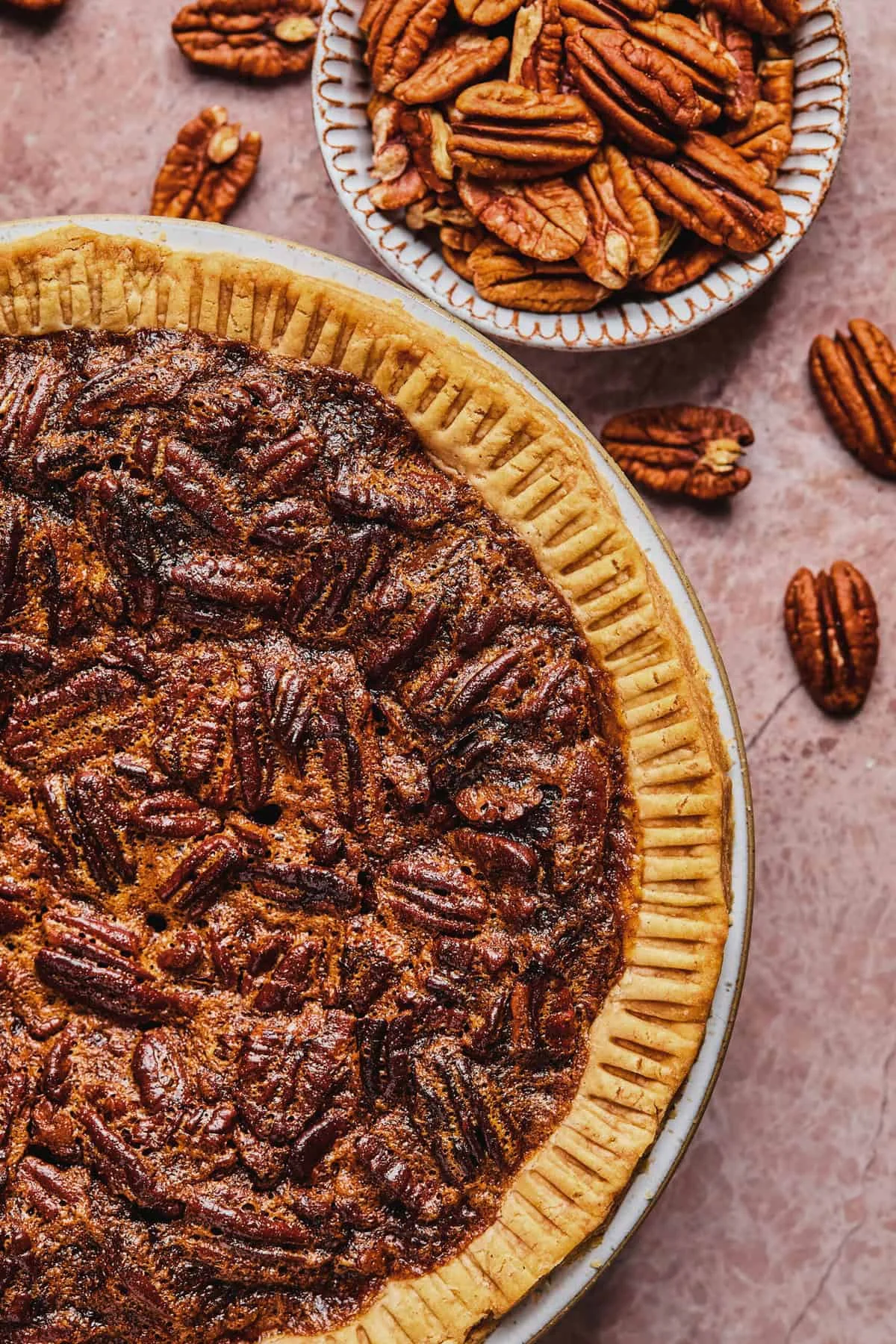
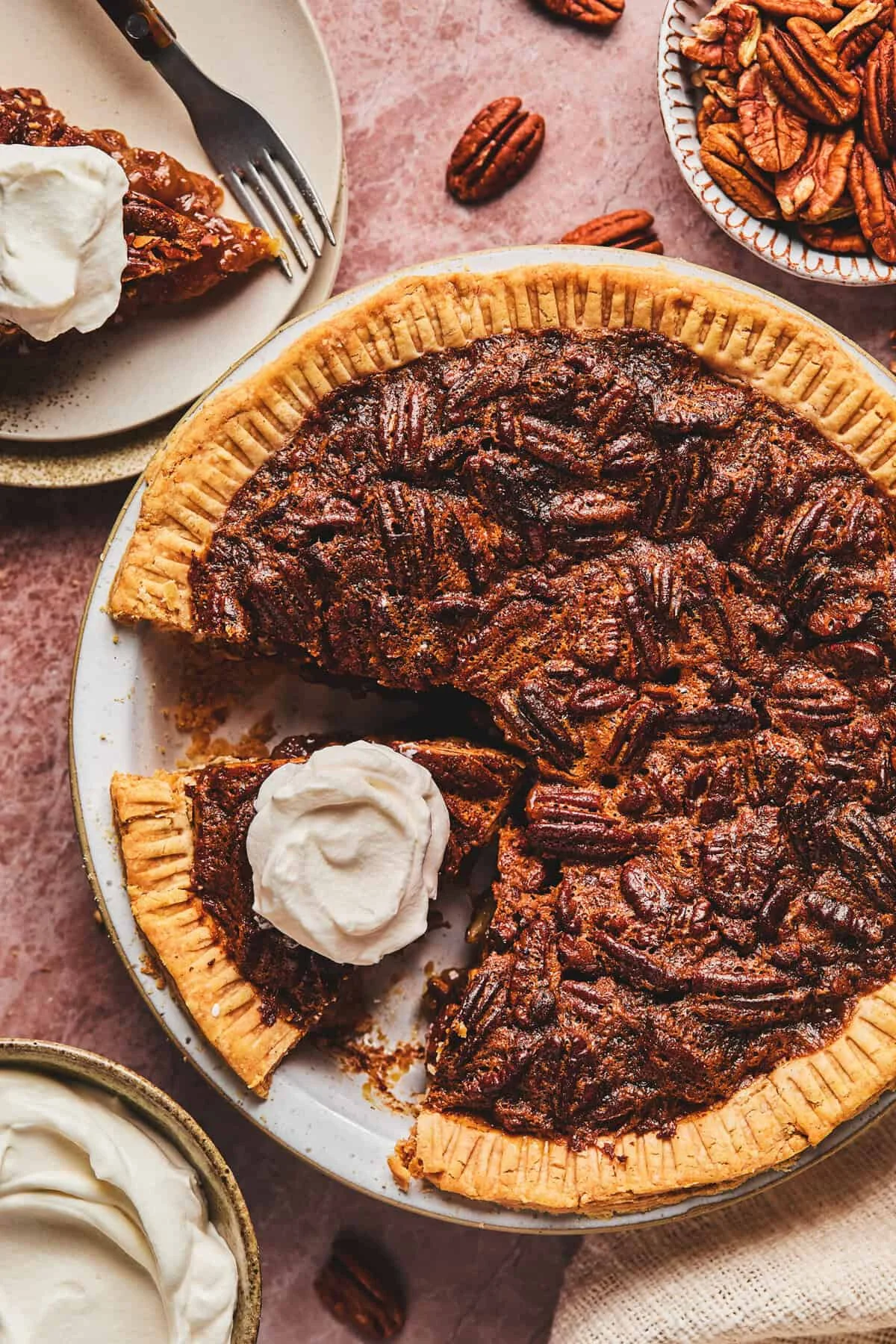
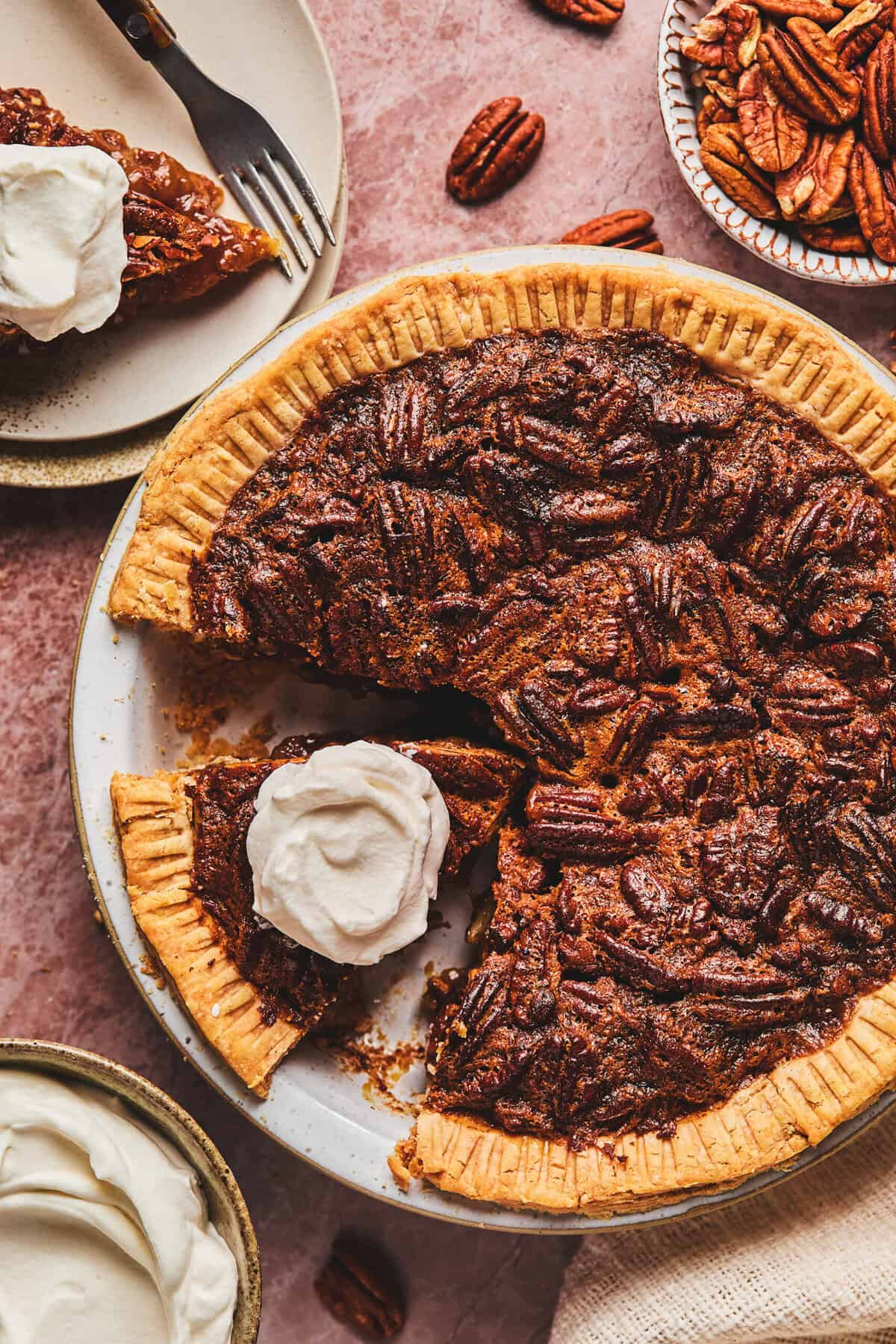
At its core, a traditional Southern pecan pie is a study in texture. It is defined by three distinct layers: a buttery, flaky pastry shell; a rich, viscous filling derived from a mixture of sugar, eggs, and corn syrup; and a generous topping of toasted, earthy pecan halves.
The Foundation: The Crust
While store-bought crusts are an acceptable convenience for the time-strapped home cook, the gold standard remains the homemade, all-butter crust. The goal is "shortness"—a crumbly texture achieved by keeping the butter cold so it creates distinct layers of steam as it bakes.
The Filling: The Sticky-Sweet Science
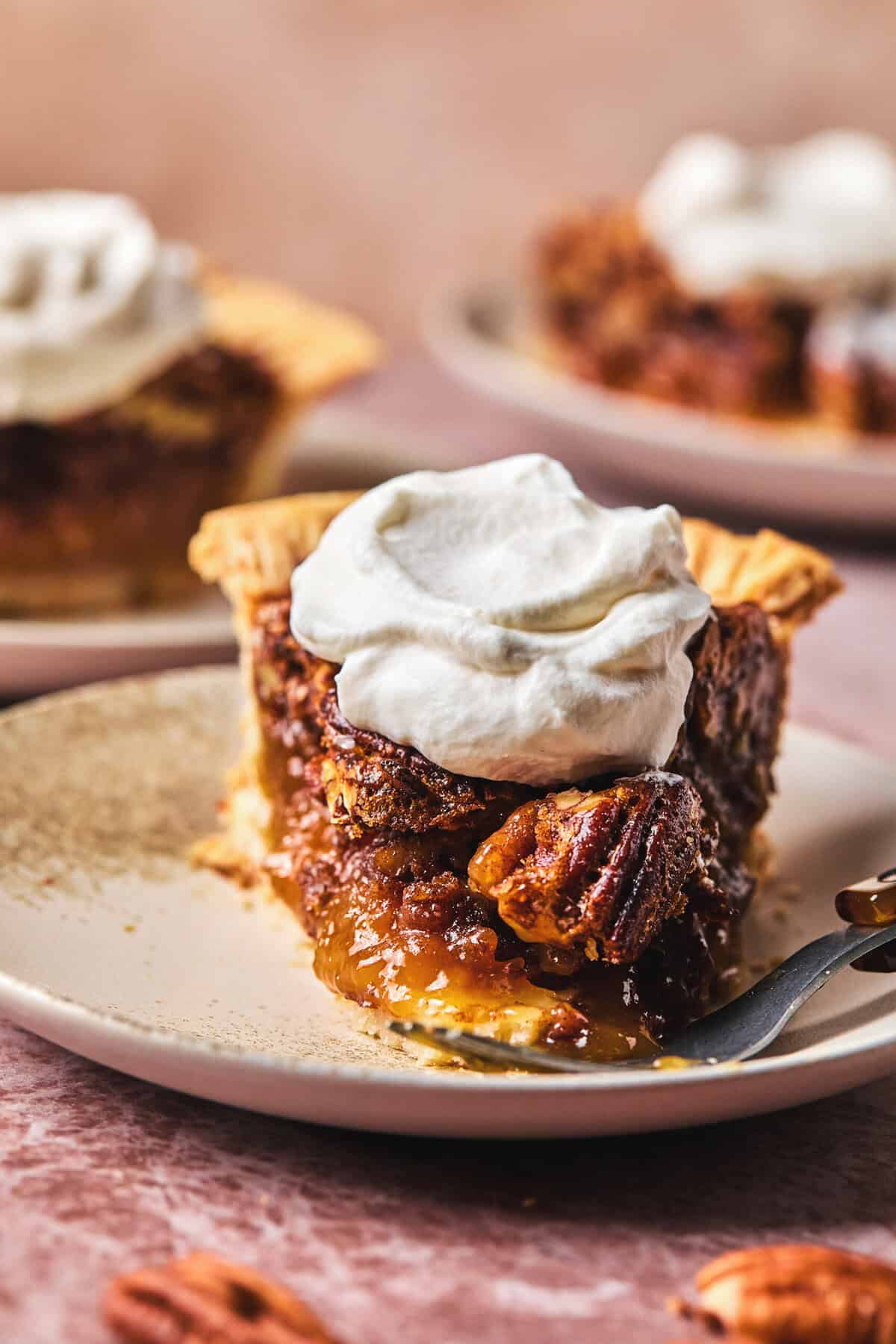
The filling is what separates a mediocre pie from an extraordinary one. The interplay between corn syrup, brown sugar, and eggs creates a custard-like consistency that is firm enough to slice but soft enough to melt on the tongue. Corn syrup is essential here; its chemical properties prevent the sugar from crystallizing, ensuring that smooth, glossy, "gooey" finish that enthusiasts crave.
The Crown: The Pecans
The quality of the nut is paramount. Fresh, high-quality pecan halves should be used rather than broken pieces. Toasting the nuts lightly before they hit the oven amplifies their natural oils, resulting in a more profound, nutty flavor that cuts through the intense sweetness of the syrup.
A Chronological Approach: The 15-Minute Prep Strategy
Many home bakers are intimidated by the perceived complexity of pecan pie. However, by breaking the preparation into a logical sequence, the process becomes remarkably efficient—requiring only about 15 minutes of active kitchen time.
Step 1: Mise en Place
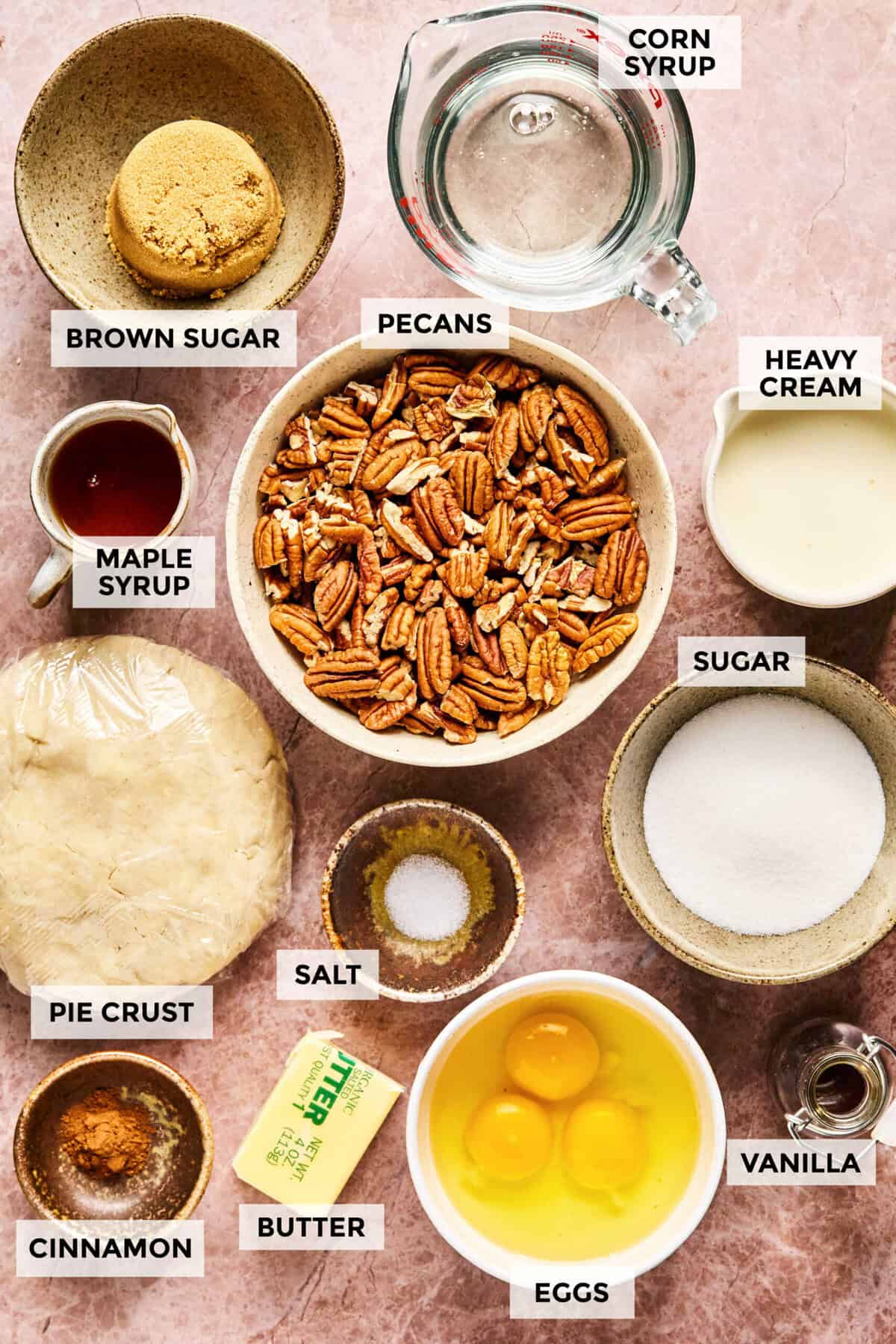
Begin by organizing your ingredients. Ensure your butter is at the correct temperature—browning the butter (beurre noisette) is a secret step that adds a sophisticated, nutty depth to the filling.
Step 2: Preparing the Base
Preheat your oven and prepare your pie shell. Whether you are rolling out homemade dough or unrolling a refrigerated store-bought crust, ensure it is properly chilled before the filling is added. This prevents the edges from slumping during the bake.
Step 3: The Custard Mixture
Whisk your eggs, sugars, corn syrup, and vanilla extract together. The goal is to incorporate the ingredients thoroughly without whipping too much air into the mixture, which can cause the pie to puff up unevenly and collapse later.
Step 4: The Assembly
Spread your toasted pecans evenly across the bottom of the unbaked crust. Pour the syrup mixture over the top, ensuring every nut is coated.
Step 5: The Bake
Place the pie in the center of the oven. A common pitfall is removing the pie too early. You are looking for a gentle "jiggle"—the edges should be set and slightly puffy, while the center should move only slightly when the pan is nudged.

Supporting Data: Why Technique Matters
Understanding the variables in baking can mean the difference between a soggy crust and a masterpiece.
The Role of Temperature
Baking at a moderate temperature is crucial. If the oven is too hot, the sugar in the filling will caramelize and potentially burn before the custard in the center has had time to coagulate. Conversely, a temperature that is too low will result in a weeping, runny filling that fails to set.
Storage and Shelf Life
Pecan pie is a custard-based dessert, meaning it contains eggs and dairy. According to food safety standards, it should be kept refrigerated once cooled. This also serves a culinary purpose: the chilling process allows the custard to firm up, making for cleaner slices when it is time to serve. A properly stored pecan pie will hold its quality in the refrigerator for up to five days.

Nutritional Profile
While pecan pie is undeniably an indulgence, it is worth noting the components of its 558-calorie average serving. The high fat content (35g) comes primarily from the pecans themselves, which provide heart-healthy monounsaturated fats. The sugar content (51g) is the defining characteristic of the classic Southern style, providing the energy boost associated with holiday feasting.
Professional Insights: Expert Tips and Tricks
When interviewed for this guide, culinary experts emphasized several "pro-tips" that elevate the standard recipe.
- The "Jiggle" Test: Never rely solely on a timer. Every oven calibrates differently. The "jiggle test" is the most accurate way to gauge doneness. If the center is liquid, give it another 5–10 minutes.
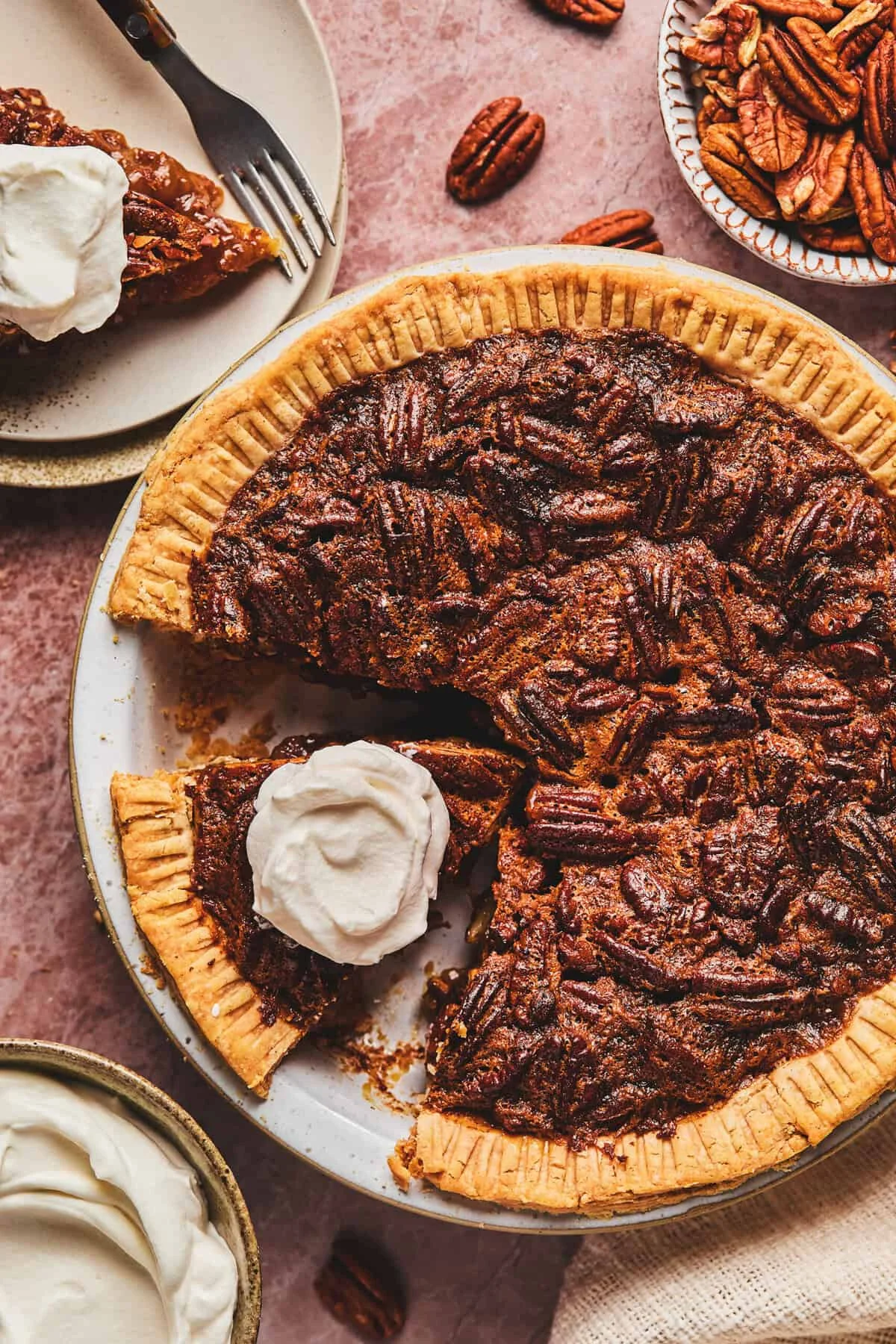
- Maple Whipped Cream: To cut through the intense sweetness of the pie, top it with a house-made whipped cream infused with pure maple syrup. The earthy notes of the maple provide a perfect balance to the corn syrup-based filling.
- Gluten-Free Adaptations: For those with dietary restrictions, the filling is naturally gluten-free. Simply swap the traditional crust for a gluten-free flour blend or a nut-based crust to ensure all guests can enjoy the dessert.
- The Salt Factor: If you find yourself with unsalted butter, do not skip adding extra salt. Salt is a flavor enhancer that prevents the pie from tasting "one-note" sweet.
Implications: The Cultural Significance of the Pecan Pie
The pecan pie is more than just a caloric indulgence; it is a symbol of regional identity. Originating in the American South, it became a staple of holiday tables in the early 20th century, popularized by the invention and marketing of corn syrup.

Today, the pie serves as a bridge between generations. The act of preparing a homemade pie involves patience—a virtue often lost in the age of convenience. When a cook chooses to brown their own butter or whip their own cream, they are participating in a culinary lineage that prioritizes quality and care.
Avoiding Common Pitfalls
- Runny Filling: Often caused by underbaking or cutting the pie while it is still warm. Always allow the pie to cool completely to room temperature before slicing.
- Burned Crust: If the edges of your crust are browning too quickly, use a pie shield or a ring of aluminum foil to cover the edges for the remainder of the baking time.
- Substituting Corn Syrup: While some attempt to use honey or agave, these substitutes alter the chemistry of the pie. For the true "Southern style" experience, corn syrup remains the most reliable ingredient for achieving the correct viscosity.
Conclusion
The "Best Pecan Pie" is not merely a recipe; it is a commitment to the craft of baking. By mastering the delicate balance of the gooey custard, the crispness of the toasted pecans, and the structural integrity of the crust, you provide your guests with a sensory experience that defines the holidays. Whether you opt for a store-bought crust to save time or go the extra mile with a hand-rolled pastry, the result—when baked with care and cooled with patience—is a timeless dessert that will remain the centerpiece of your table for years to come.