By the Culinary Features Desk
Published: September 2026
Main Facts: Redefining a Holiday Classic
In the landscape of comfort food, few dishes evoke the warmth and nostalgia of corn casserole. Traditionally known as a staple of holiday spreads, potlucks, and Sunday family dinners, the dish has long relied on convenience items: boxed cornbread mixes like Jiffy, cans of creamed corn, and pre-packaged dairy. However, a major shift in home cooking trends is underway. Culinary creators and home cooks alike are pivoting toward from-scratch variations that prioritize fresh, whole ingredients without sacrificing the ease and comforting flavors that made the original a household name.
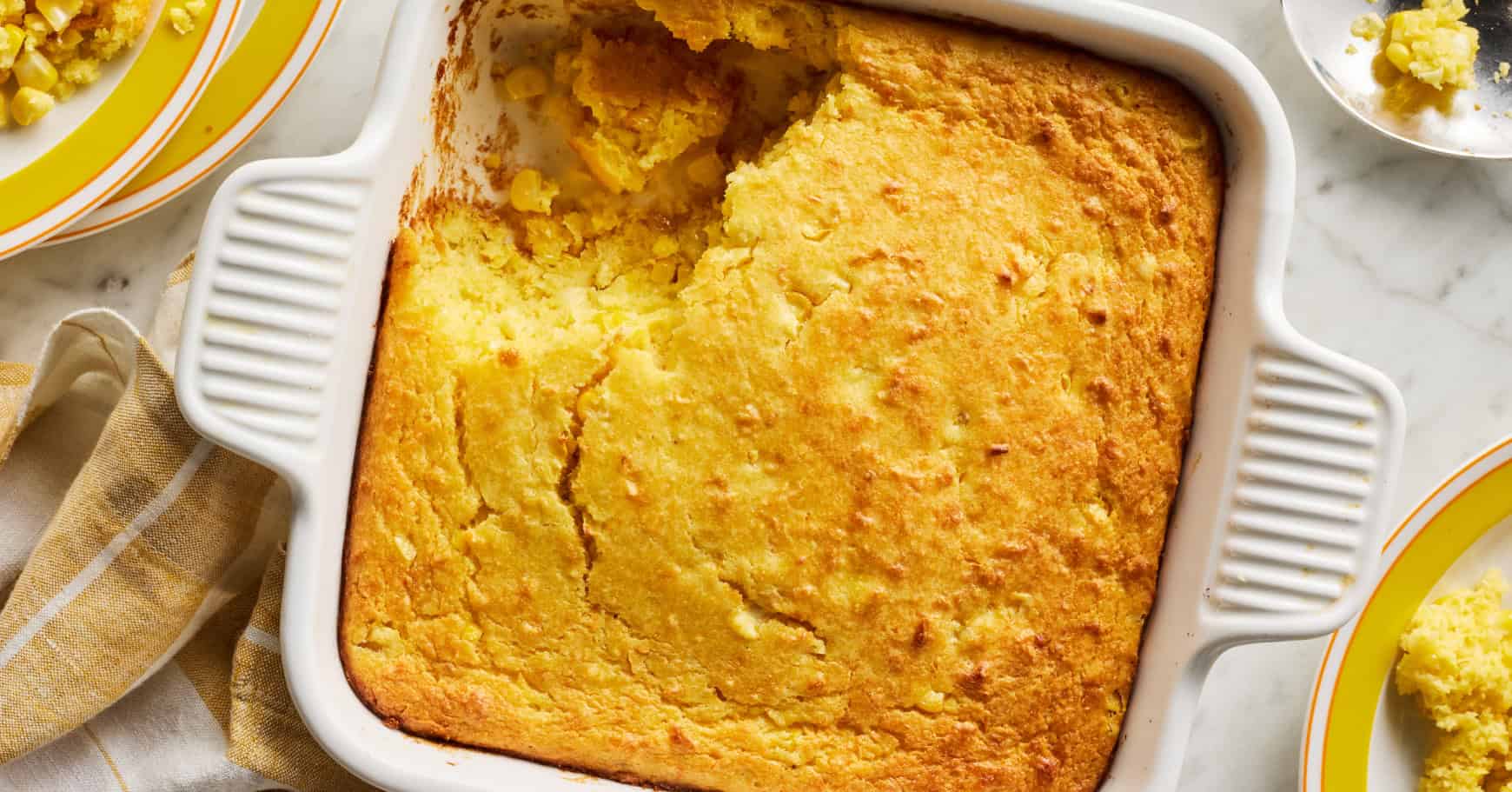
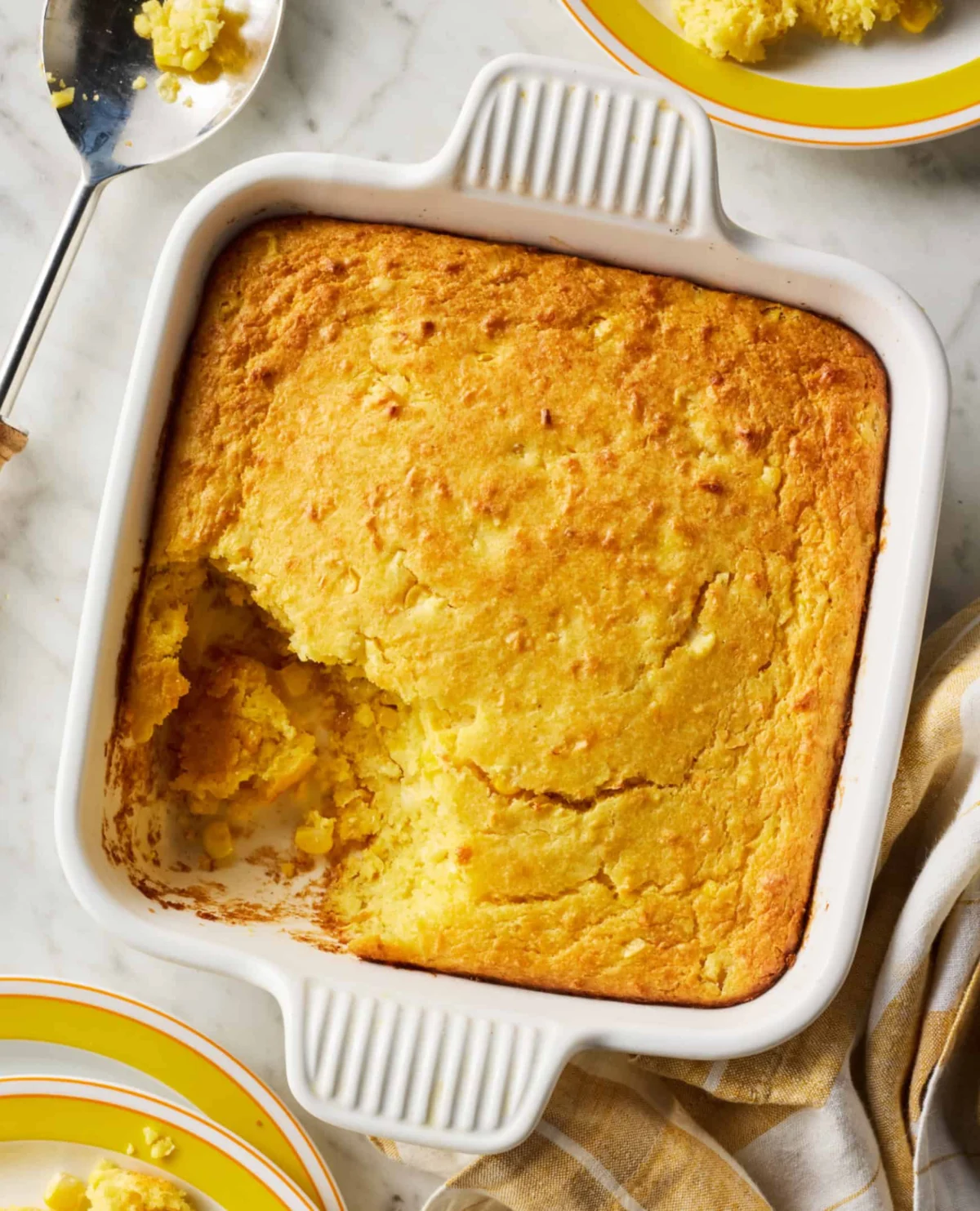
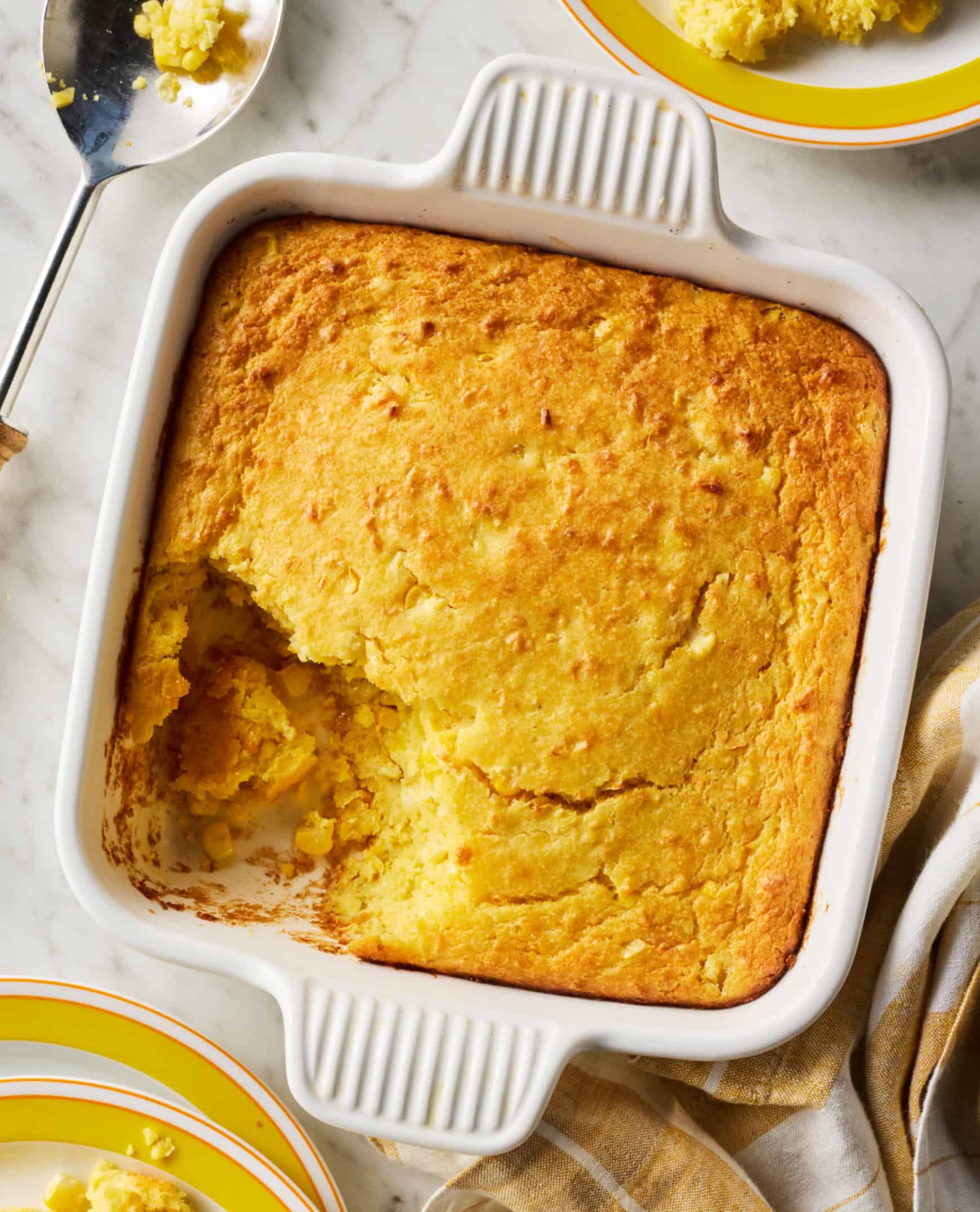
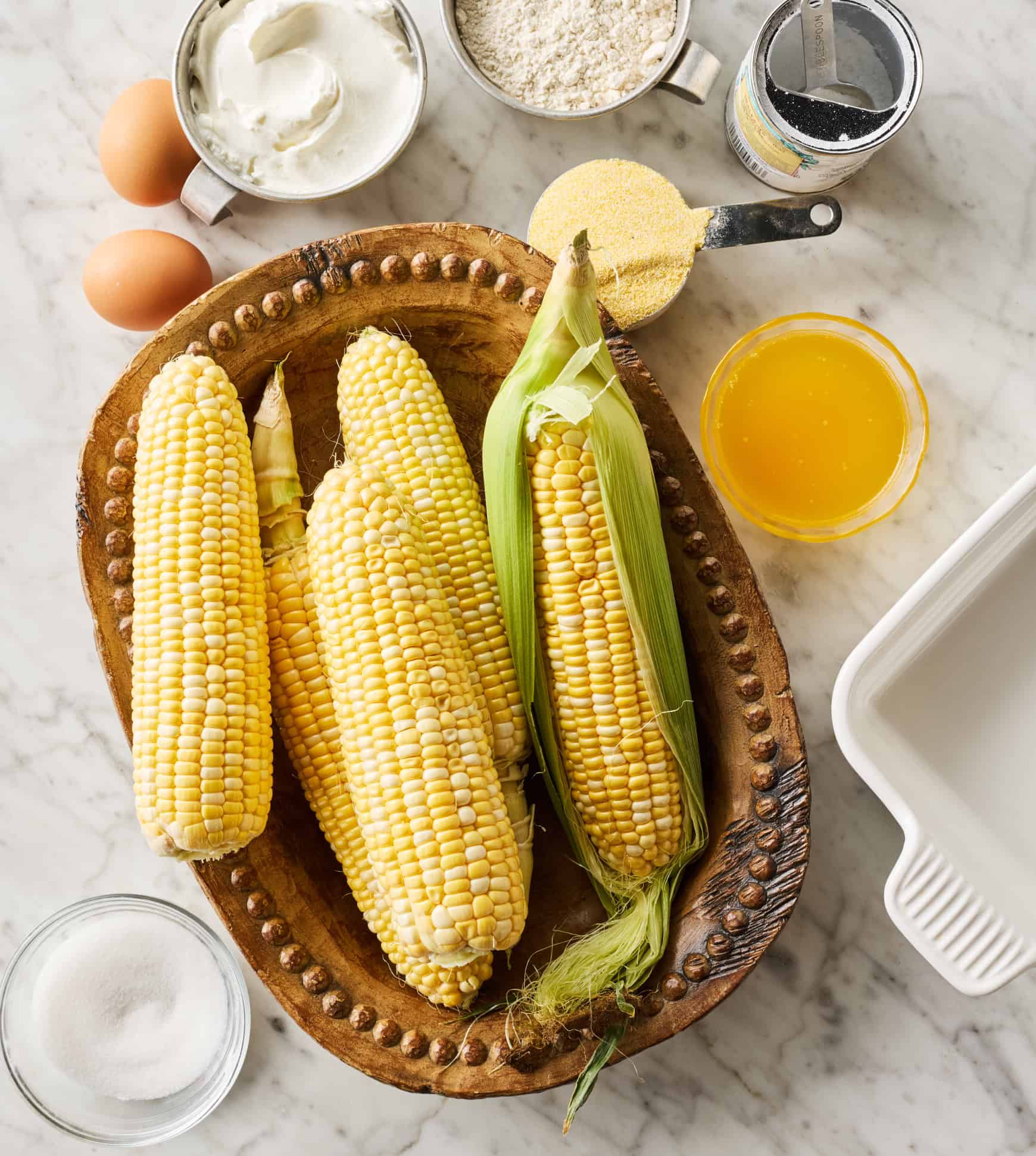
The latest recipe capturing attention across food blogs and social media platforms reimagines corn casserole as a softer, spoonable hybrid between traditional cornbread and corn pudding. By blending a portion of fresh corn kernels into a smooth puree—mimicking the moisture and texture of canned cream-style corn—and combining it with a homemade blend of flour, cornmeal, baking powder, and sour cream, this updated approach delivers golden brown edges, a rich and creamy center, and an unmistakable sweet-and-savory profile.
While purists may cling to the nostalgic 1950s convenience of boxed mixes, this from-scratch rendition proves that elevated home cooking does not require sacrificing simplicity. Taking just 15 minutes to prep and 45 minutes to bake, the recipe yields a versatile 9×9-inch side dish boasting roughly 292 calories per serving, making it an accessible, crowd-pleasing addition to any autumn or winter menu.
Chronology: The Journey from Boxed Convenience to Modern Freshness
To understand the significance of this culinary update, it helps to examine the timeline of corn casserole’s evolution in American kitchens.
- Mid-20th Century (The Rise of Convenience): Following the post-World War II boom, processed foods transformed American home cooking. Inexpensive, shelf-stable items like canned creamed corn and packaged dry cornbread mixes became pantry staples. Home cooks discovered that combining these items with eggs, butter, and sour cream produced a foolproof, rich, and decadent side dish often referred to as "corn pudding" or "spoon bread."
- Late 20th Century (The Holiday Staple): Over the decades, the recipe cemented its place as a mandatory fixture on Thanksgiving and Christmas tables across the United States. Its low cost, high yield, and ability to hold its temperature made it an invaluable asset for large holiday gatherings.
- Early 2000s (The Food Blog Era): As the internet democratized recipe sharing, thousands of variations of the classic Jiffy-based corn casserole circulated online. Modifications ranged from adding diced jalapeños and cheddar cheese to folding in green chiles or bacon bits.
- September 2026 (The From-Scratch Renaissance): Marking a departure from heavily processed shortcuts, modern food developers have begun publishing adaptable recipes that deconstruct the classic. By utilizing fresh early-autumn corn, pureeing a portion to replicate the classic creamed-corn texture, and retaining the flexibility to fall back on frozen or canned goods when necessary, the dish enters a new era of culinary appreciation.
Supporting Data: Nutritional Breakdown and Yield Analysis
For home cooks navigating dietary preferences and meal-planning logistics, understanding the metrics behind a recipe is crucial. The modern corn casserole is engineered to serve nine generous portions, striking a balance between indulgence and everyday accessibility.
Nutritional Profile (Per Single Slice Serving)
- Calories: 292 kcal
- Calories from Fat: 153 kcal
- Total Fat: 17g (26% Daily Value)
- Saturated Fat: 9g (56% DV)
- Trans Fat: 0.4g
- Polyunsaturated Fat: 1g
- Monounsaturated Fat: 4g
- Cholesterol: 75mg (25% DV)
- Sodium: 368mg (16% DV)
- Potassium: 287mg (8% DV)
- Total Carbohydrates: 33g (11% DV)
- Dietary Fiber: 3g (13% DV)
- Sugars: 10g (11% DV)
- Protein: 6g (12% DV)
Micronutrient Content
- Vitamin A: 631 IU (13% DV)
- Vitamin C: 5mg (6% DV)
- Calcium: 110mg (11% DV)
- Iron: 1mg (6% DV)
(Note: Percentage Daily Values are based on a standard 2,000-calorie diet. Nutrition figures may vary slightly depending on whether fresh, frozen, or canned corn is utilized.)
Time and Yield Metrics
- Prep Time: 15 minutes
- Cook Time: 45 minutes
- Total Time: 1 hour
- Yield: 9 servings (baked in a standard 9×9-inch casserole dish)
Official Perspectives and Culinary Insights
Food scientists, recipe developers, and home economics experts have long studied why certain comfort foods hold such a powerful psychological grip on consumers. The secret to corn casserole’s enduring popularity lies in its texture matrix—a combination of crisp, caramelized edges and a custardy, moist interior.
According to culinary experts who tested the updated from-scratch iteration, the decision to puree fresh corn kernels in a food processor is a game-changer. "When you take fresh corn and break down a portion of it into a thick puree, you capture the natural starches and plant sugars without relying on the heavy sodium and added corn syrup often found in canned varieties," notes one food development specialist. "It mimics the functional properties of cream-style corn while delivering a significantly brighter, garden-fresh flavor profile."
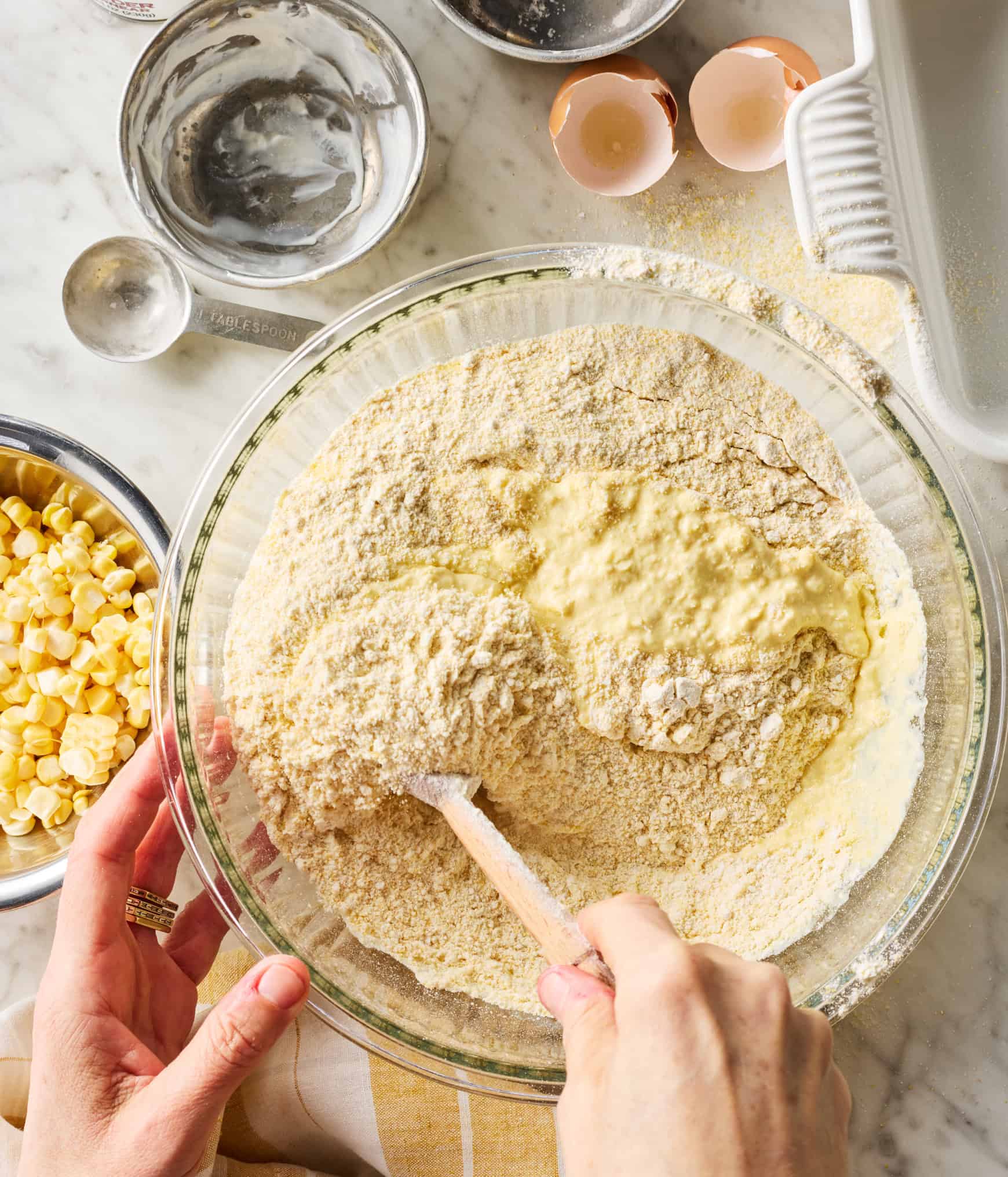
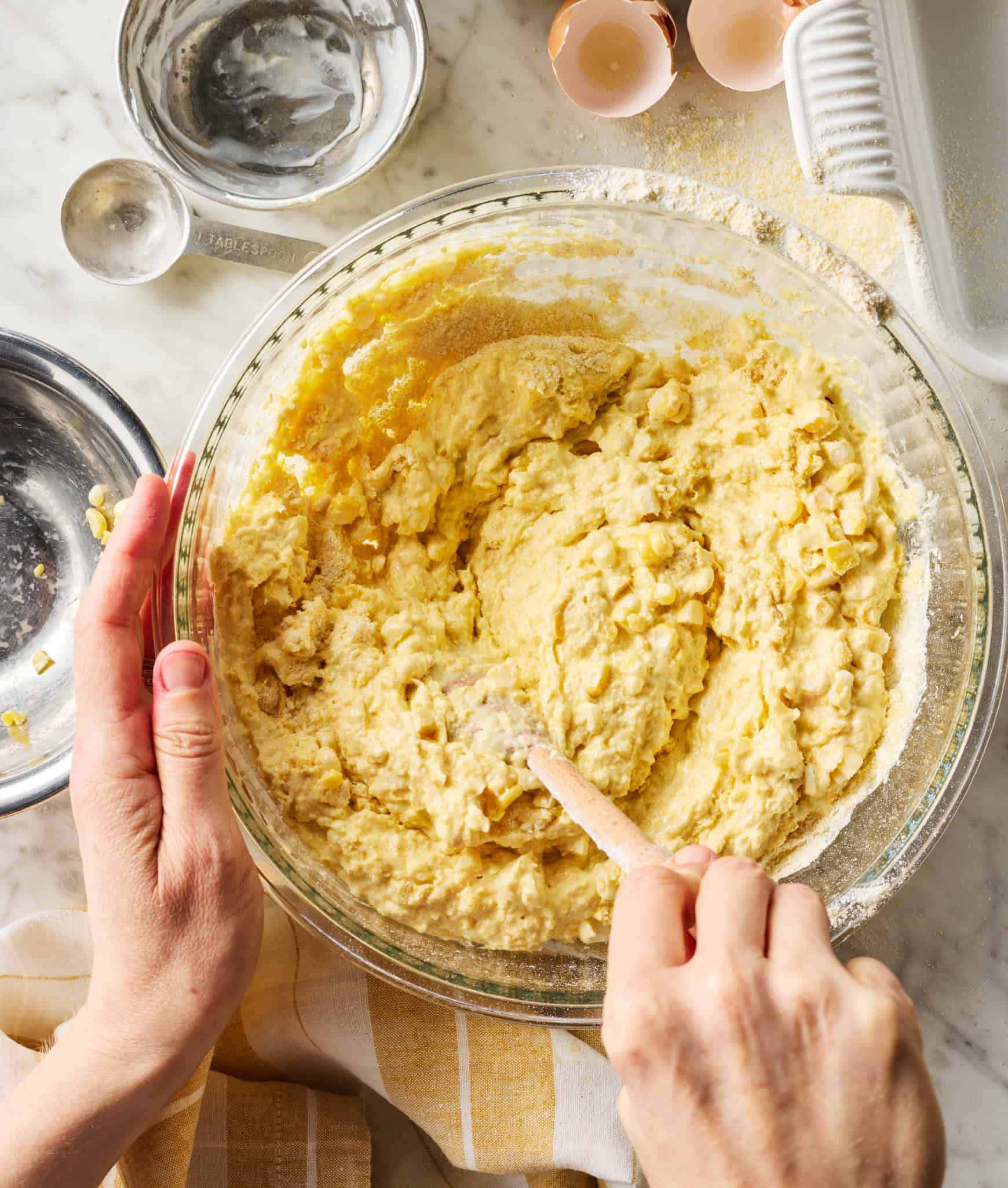
Furthermore, culinary instructors emphasize the importance of technique—specifically, the warning against overmixing the batter. "Just like preparing pancakes or muffins, overworking the flour activates the gluten, turning a tender, melt-in-your-mouth casserole into something dense and rubbery," experts explain. "A few lumps in the batter are not only acceptable; they are a sign that your casserole will bake up light and airy."
Chefs also praise the dish’s exceptional make-ahead capabilities. Because the recipe can be fully baked up to two days in advance, cooled, refrigerated, and gently reheated at 300°F for 10 to 20 minutes before serving, it alleviates the logistical bottleneck that routinely plagues home cooks during high-stress holidays like Thanksgiving.
Implications: The Shift Toward Intentional Comfort Food
The widespread embrace of elevated, from-scratch comfort food dishes signals a broader cultural shift in how modern consumers approach home cooking. As grocery prices fluctuate and awareness of ultra-processed ingredients grows, home cooks are increasingly seeking ways to reclaim control over their pantry staples.
1. The Death of Food Snobbery Meets Convenience
The success of adaptable recipes—those that provide a pristine from-scratch method while gracefully accommodating canned, frozen, or boxed alternatives—highlights a pragmatic approach to modern cooking. Consumers do not want to choose between elite culinary standards and the frantic realities of a Tuesday night dinner schedule. Recipes that bridge this gap empower cooks to use fresh corn during peak harvest seasons in early fall, while seamlessly transitioning to frozen or canned kernels when time or seasonality dictates.
2. The Resurgence of Regional American Classics
Dishes like corn casserole, scalloped potatoes, and green bean casserole are shedding their reputation as outdated potluck novelties. Instead, they are being re-examined through a lens of regional heritage and culinary preservation. By refining these dishes with higher-quality dairy, unbleached flours, and fresh produce, home cooks are honoring traditional flavor profiles while upgrading their nutritional and sensory impact.
3. Future Outlook for Holiday Meal Planning
As families look for ways to streamline holiday preparations without sacrificing quality, make-ahead casseroles will undoubtedly remain a cornerstone of American culinary traditions. The ability to freeze the casserole for up to three months—thawing it overnight before a brief oven reheat—offers an efficient blueprint for stress-free entertaining.
Ultimately, whether prepared with a vintage box of Jiffy mix or crafted entirely from fresh local corn, the corn casserole remains a powerful symbol of what food is ultimately meant to do: bring people together around a shared table, offering comfort, warmth, and a taste of home.