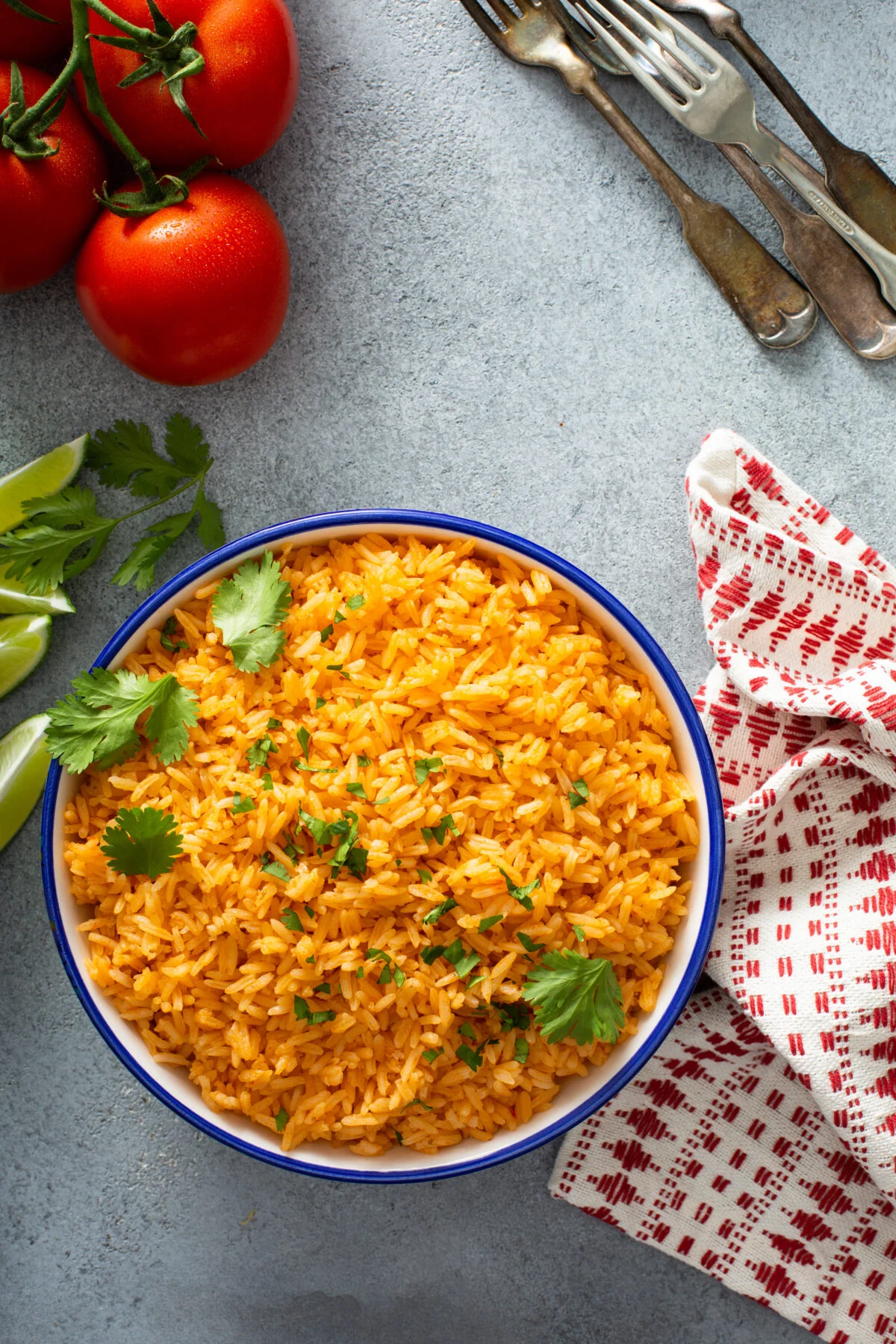
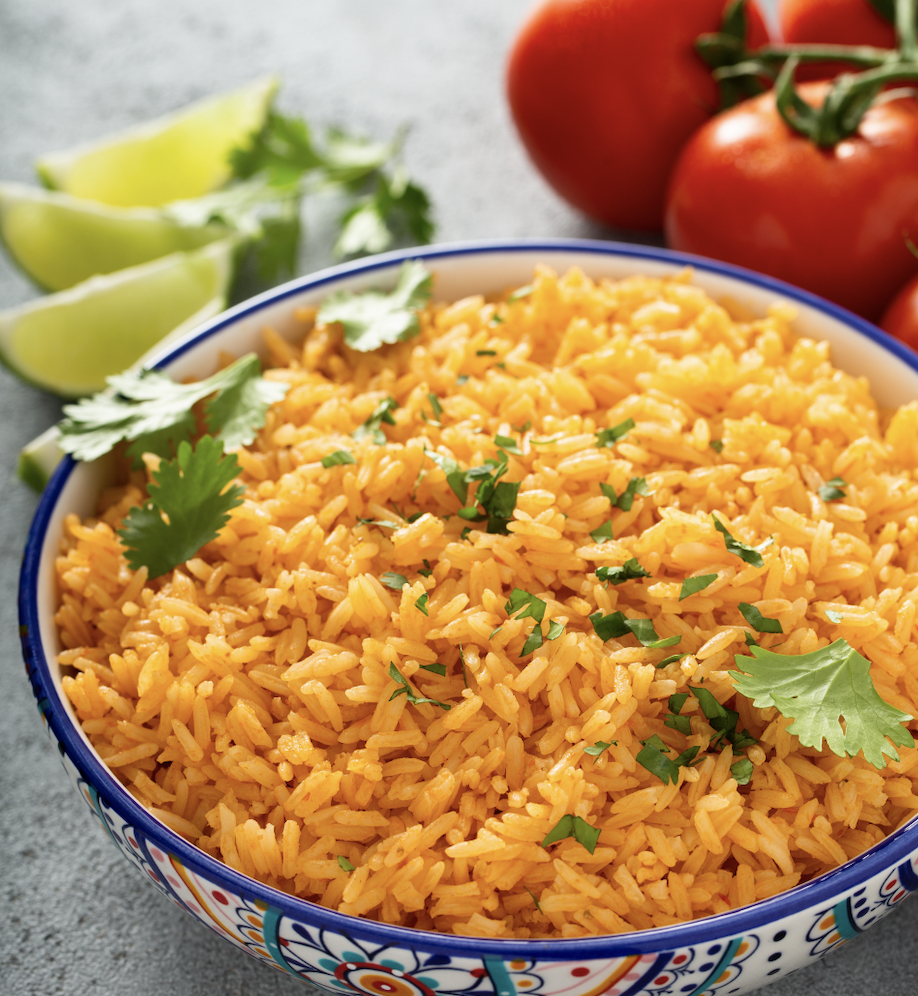
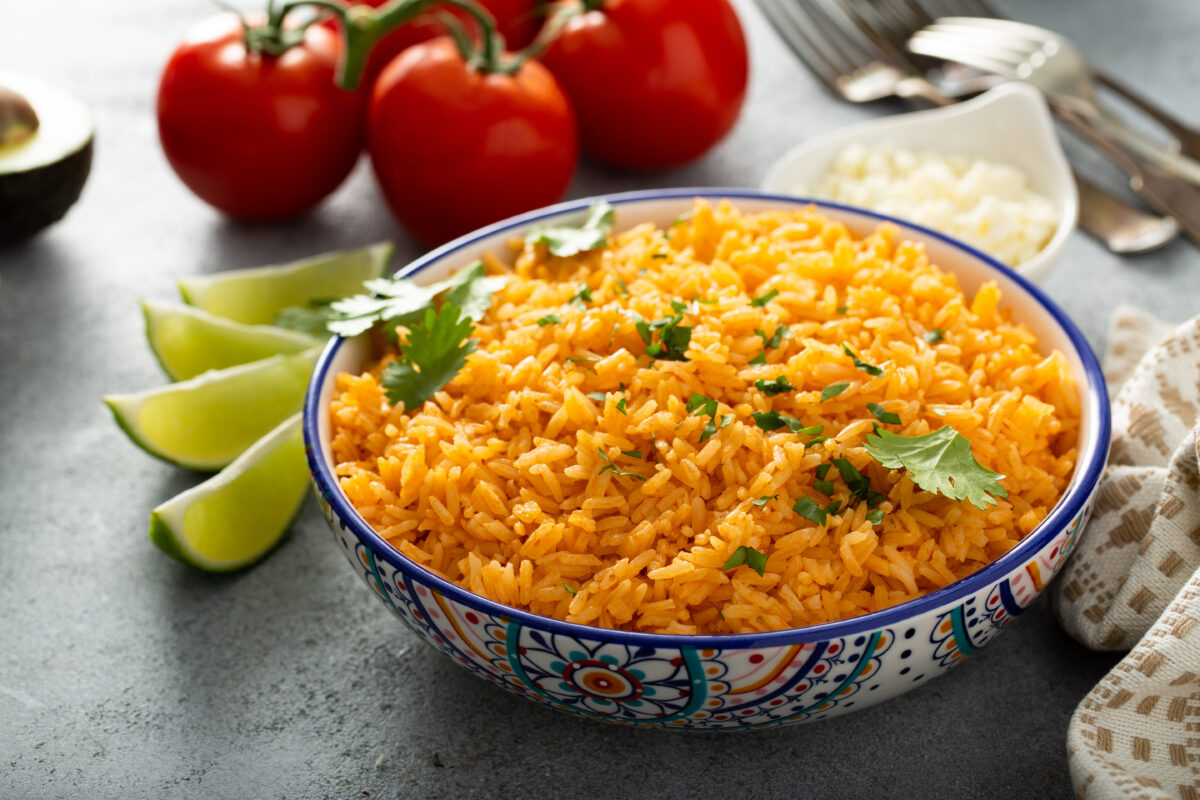
Whether you are hosting a festive taco Tuesday or preparing a weeknight meal for the family, the unsung hero of any Mexican-inspired spread is the rice. Often overshadowed by the main protein—the sizzling carne asada or the slow-cooked carnitas—a well-executed Mexican rice (often interchangeably referred to as Spanish rice) provides the essential savory backbone that ties a meal together. It is more than just a starch; it is a fragrant, tomato-kissed, and perfectly fluffy component that defines the authentic experience of the cuisine.
Main Facts: The Anatomy of a Classic Dish
At its core, Mexican rice is a testament to the culinary philosophy of "less is more." By utilizing simple pantry staples—white rice, tomatoes, onions, garlic, broth, and a blend of warm spices—home cooks can elevate a basic grain into a centerpiece of comfort food.
Unlike steamed white rice, which is often bland, Mexican rice relies on a crucial culinary technique: toasting. By sautéing the raw, dry grains in oil before the introduction of any liquid, the rice undergoes a transformation. The exterior of the grain browns slightly, creating a nutty aroma and a structural integrity that prevents the rice from turning into a gummy, mushy mess once the broth is absorbed. This process ensures that every grain remains distinct and fluffy, absorbing the rich tomato and garlic flavors without losing its bite.
While the terms "Mexican rice" and "Spanish rice" are frequently used interchangeably in American households, there is a distinct culinary heritage here. The tomato-based preparation is a staple across the many regional cuisines of Mexico, tailored to accompany the bold, earthy flavors of chiles, cumin, and cilantro found in the country’s diverse gastronomic landscape.
Chronology: A Culinary Evolution
The evolution of rice in the Americas is a fascinating journey of global trade and cultural fusion. While rice is not indigenous to the Americas—having been introduced by Spanish colonizers who brought the crop from Asia and Africa—it was quickly adopted and adapted into local cuisines.
- 16th Century: Rice cultivation begins in Mexico, primarily in regions with high humidity and irrigation capabilities.
- 18th & 19th Centuries: The regional styles of preparing rice begin to solidify. In Mexico, the technique of arroz a la mexicana becomes a staple of home cooking, emphasizing the sofrito base—a mixture of aromatics, onions, garlic, and tomatoes—to season the grains.
- 20th Century: As Mexican-American food culture (Tex-Mex) gains massive popularity in the United States, the recipe is standardized in restaurants. It becomes the quintessential "side" served alongside refried beans and enchiladas.
- Modern Day: With the rise of the "foodie" culture and an emphasis on fresh, wholesome cooking, the recipe has seen a resurgence. Today, the focus is on achieving the perfect balance of flavor without the heavy reliance on pre-packaged seasoning mixes, favoring fresh aromatics and quality vegetable or chicken broths.
Supporting Data: Why Technique Matters
Culinary science confirms that the texture of rice is almost entirely dependent on the preparation method. When boiling rice in water, starch is released, often causing the grains to stick together. However, by rinsing the rice under cold water before cooking, a significant portion of this surface starch is washed away.
Furthermore, the "golden rule" of this dish—the lid-on technique—is rooted in thermodynamics. The rice cooks via absorption and steam. Every time a cook lifts the lid to check on the progress, precious steam escapes, lowering the internal temperature of the pot and disrupting the ratio of liquid to grain. This is precisely why recipes for professional-grade rice emphasize a strict "no-peeking" policy, followed by a mandatory resting period. During this 5-to-10-minute rest after the heat is turned off, the moisture in the pot redistributes evenly, resulting in a perfectly fluffy texture that is neither undercooked nor waterlogged.
Official Perspectives: The Culinary Consensus
Leading culinary educators and nutritionists often point to Mexican rice as an ideal "gateway" dish for families looking to transition away from processed, boxed meals.
"The secret to a healthy kitchen is learning how to transform basic, inexpensive grains into something that feels like a celebration," notes a prominent food science expert. "Mexican rice is efficient. It uses one pan, it’s cost-effective, and it allows for the hidden inclusion of nutrient-dense vegetables like carrots, peas, and corn without compromising the integrity of the dish."
From a nutritional standpoint, the dish provides a balanced platform. By using a low-sodium vegetable or chicken broth and increasing the ratio of fresh tomatoes to processed sauce, the dish becomes a clean, flavorful side that pairs perfectly with lean proteins. The consensus is clear: the most "authentic" version of this dish is the one made from scratch, allowing the cook to control the salt, heat, and fat content.
Implications: A Versatile Kitchen Staple
The implications of mastering this recipe extend far beyond a single meal. Because the dish stores exceptionally well in the refrigerator for up to four days and is freezer-friendly, it is a masterclass in effective meal planning.
The "Kid-Friendly" Factor
One of the most significant hurdles in home cooking is creating flavors that appeal to both children and adults. Mexican rice excels here because it is savory without being inherently spicy. For families with children sensitive to texture, the aromatics (onions and garlic) can be pureed into the tomato sauce before cooking, ensuring the flavor profile remains complex while the texture remains uniform.
The "Empty Fridge" Solution
Because the core components are long-term pantry staples, Mexican rice is the ultimate "emergency" dinner. If you have rice, a can of tomato sauce or fresh tomatoes, and a bouillon cube, you are never more than 35 minutes away from a filling, satisfying meal.
Dietary Flexibility
The recipe is remarkably adaptable to modern dietary trends:
- Vegetarian/Vegan: Simply swap chicken broth for a high-quality vegetable stock.
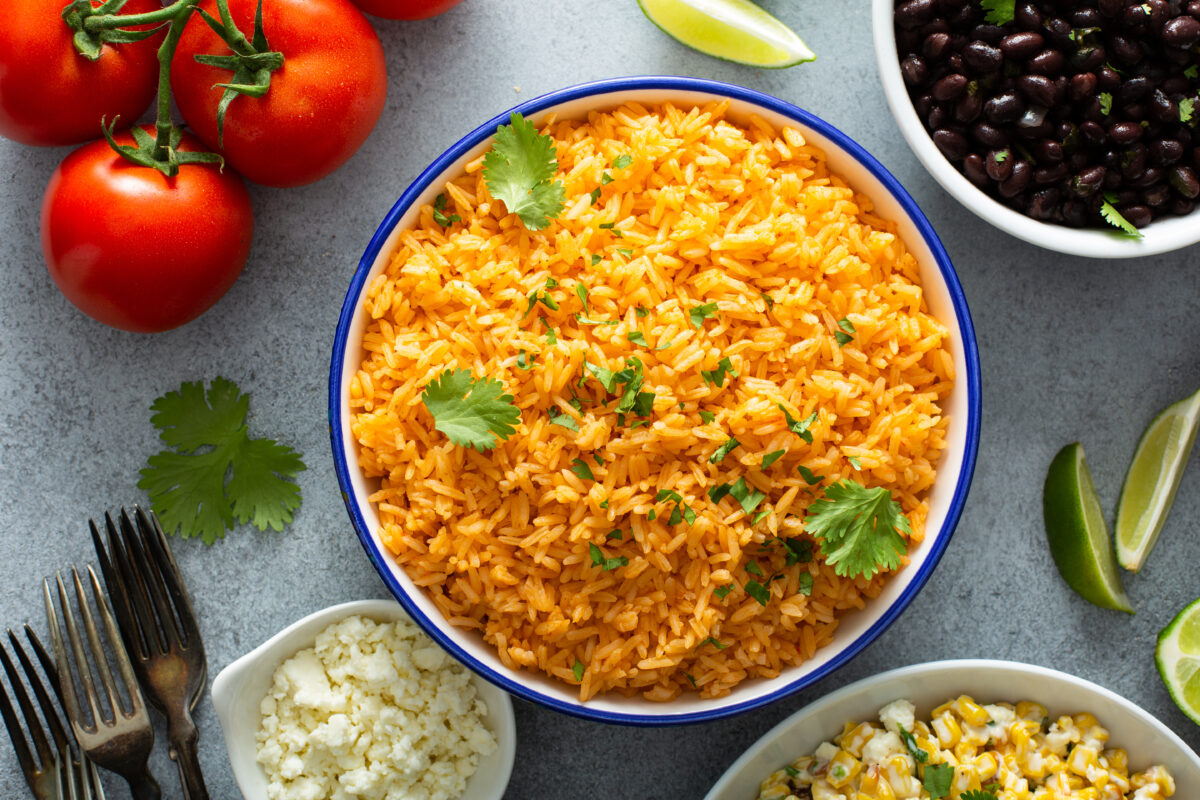
- Protein-Packed: By folding in shredded rotisserie chicken, sautéed shrimp, or black beans, the side dish is easily upgraded into a standalone lunch or dinner bowl.
- Low-Glycemic Modifications: While white rice is traditional, the foundational technique can be applied to other grains, though cooking times and liquid ratios must be adjusted for brown rice or quinoa.
Troubleshooting the Perfect Pot
Even seasoned cooks sometimes encounter common pitfalls. Below are the definitive solutions to the most frequent challenges:
1. The "Mushy" Problem:
This is almost always a result of too much liquid or over-stirring. Remember that the rice continues to cook even after you turn the burner off. If the rice is slightly firm when you remove it from the heat, the resting period will finish the job perfectly.
2. The "Stuck to the Bottom" Issue:
While a light crust (known in many cultures as socarrat) is sometimes desirable, burnt rice is not. Using a heavy-bottomed pot or a Dutch oven helps distribute heat more evenly, preventing the bottom layer from scorching while the top layer is still steaming.
3. The Spice Balance:
Many recipes call for chili powder. It is important to note that commercial chili powders vary wildly in heat levels. Start with a conservative amount and taste your broth before adding the rice. If the flavor profile is too sharp, a teaspoon of sugar or a squeeze of fresh lime juice can help mellow the acidity of the tomatoes and balance the heat of the spices.
Conclusion: The Heart of the Kitchen
In the grand scheme of home cooking, few dishes offer the return on investment that a bowl of scratch-made Mexican rice provides. It is a dish that honors tradition, rewards patience, and provides the flexibility to evolve alongside the changing tastes of a family. Whether you are serving it as a humble side or packing it into a burrito bowl for lunch, this recipe is a reminder that the best meals are often built on the simplest foundations. By focusing on the technique of the toast, the importance of the rest, and the quality of the broth, any home cook can achieve that elusive, restaurant-quality fluffiness that makes this dish a timeless favorite.