For generations, the standard for the perfect fajita has been defined by skirt steak. It is a cut synonymous with the sizzling cast-iron plates served in Tex-Mex institutions across the Southwest. However, as the culinary world evolves and home grilling techniques become increasingly sophisticated, a new champion has emerged from the butcher’s counter. For those seeking a superior texture, a deeper beefy flavor, and a more forgiving cooking process, the secret lies in the sirloin flap.
This guide explores why switching to sirloin flap might change the way you look at fajitas forever, providing a comprehensive deep dive into the preparation, the science of the sear, and the art of the perfect assembly.
Main Facts: The Rise of Sirloin Flap
The sirloin flap—often referred to by butchers as bavette—is a cut taken from the bottom sirloin. While skirt steak is known for its intense flavor, it can be notoriously tough if not handled with precise care. The sirloin flap, conversely, possesses a looser, more open grain structure that allows it to absorb marinades and dry rubs with exceptional efficiency, while maintaining a tenderness that skirt steak simply cannot match.
When prepared correctly over a high-heat charcoal grill, the sirloin flap develops a profound, savory crust while remaining succulent on the inside. It is this balance of tenderness and robust "beefiness" that has led professional pitmasters and home cooking enthusiasts alike to crown it as the superior choice for fajitas.

Chronology: The Evolution of the Fajita
The history of the fajita is one of resourcefulness. Originally a dish created by Mexican ranch hands in Texas, it was composed of "throwaway" cuts—the scraps of beef that were given to workers as part of their wages. The skirt steak, the diaphragm muscle of the cow, was the classic choice.
Over the decades, the fajita migrated from the ranch campfire to the high-end restaurant menu, becoming a staple of global cuisine. In recent years, the democratization of quality meat through online butchers and specialty shops has allowed home cooks to experiment beyond the standard grocery store cuts. The shift toward sirloin flap represents the current stage of this evolution: a move toward higher quality, more consistent, and more versatile cuts of meat that respect the traditions of the past while elevating the dining experience.

Supporting Data: Why Texture and Technique Matter
The secret to a great fajita is not just the quality of the beef, but how it interacts with heat and seasoning.
The Science of the Sear
When grilling, the goal is to trigger the Maillard reaction—a chemical reaction between amino acids and reducing sugars that gives browned food its distinctive flavor. Sirloin flap has enough intramuscular fat to render beautifully over "ripping hot" charcoal, such as Meat Church’s lump charcoal, creating a deep char without drying out the muscle fibers.

The Importance of the Grain
One of the most critical, yet frequently overlooked, steps in preparing any steak, especially one with a distinct grain like the sirloin flap, is the post-grill slicing process. Slicing against the grain—perpendicular to the direction of the muscle fibers—shortens those fibers, making the meat feel significantly more tender to the palate.
Flavor Profiling
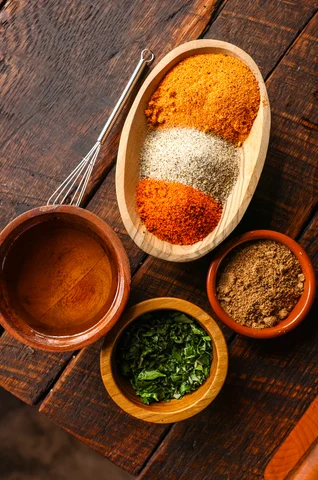
Fajita seasoning is generally comprised of a balance of salt, garlic, onion, and chili powder. Because the sirloin flap is slightly thicker than traditional skirt steak, it holds its own against aggressive seasoning profiles, allowing the cook to be generous with the rub without overpowering the natural taste of the beef.

The Master Recipe: Step-by-Step Preparation
1. The Foundation: Seasoning
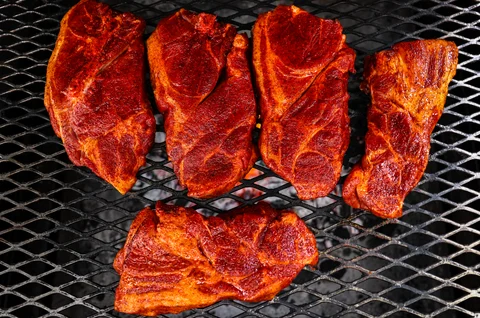
Begin by coating the sirloin flap evenly with a high-quality fajita seasoning. The key here is patience; allowing the seasoning to "adhere" for at least 15 minutes enables the salt to draw out a small amount of moisture, which then reabsorbs, pulling the spices deep into the surface of the meat.
2. The Sauté: Onions and Peppers
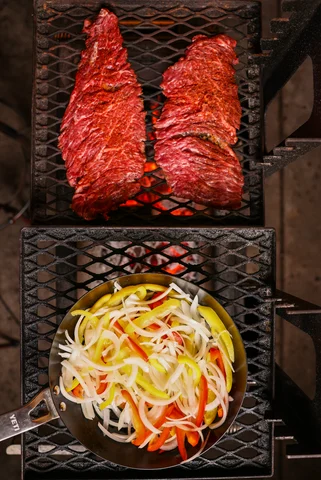
While the steak sits, prepare the classic vegetable accompaniment. Using a cast-iron skillet, heat beef tallow or high-quality olive oil. Sauté sliced bell peppers and onions until they reach a state of caramelization where they are soft but still retain a slight bite. The use of beef tallow is highly recommended; it provides an authentic, rich depth of flavor that vegetable oils simply cannot replicate.

3. The Grill: Mastering the Char
The grill should be preheated to a high temperature. Place the meat directly over the hot coals. A standard approach is three minutes per side, followed by one-minute intervals until the internal temperature reaches the desired doneness. The goal is a medium-rare to medium finish.
4. The Rest: A Non-Negotiable Step
Remove the meat from the heat and allow it to rest for at least 10 minutes. Resting allows the internal juices, which have been forced to the center of the steak by the heat, to redistribute throughout the meat. Cutting into the steak too early results in a loss of these juices, leading to a dry finished product.

Official Recommendations: The Perfect Accompaniments
No fajita experience is complete without the proper "build." A great fajita is a construction project, not just a meal.
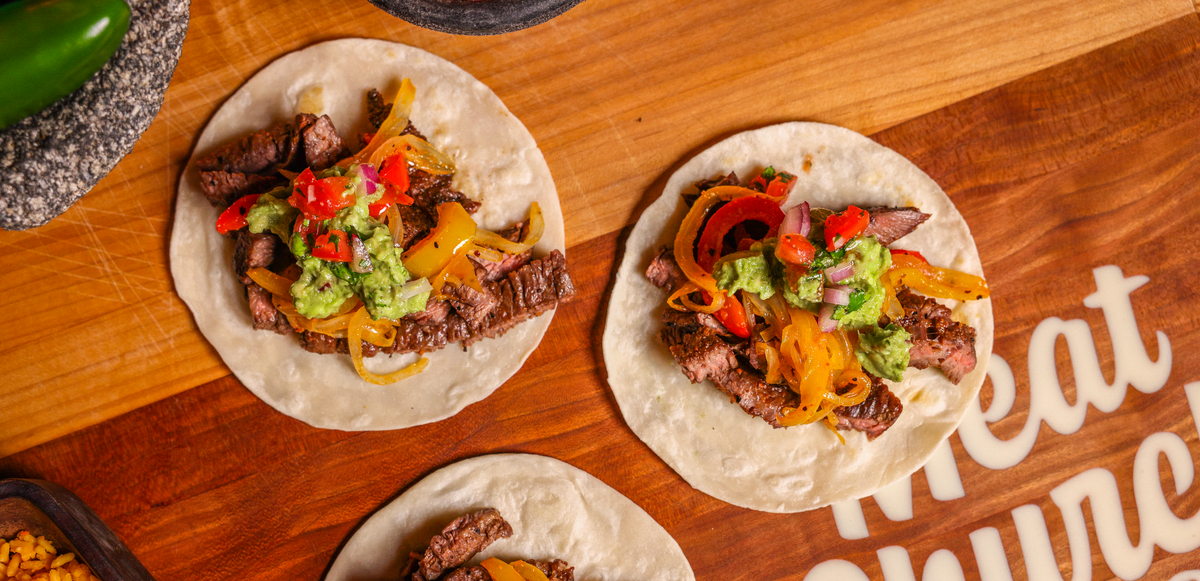
- Pico de Gallo: Freshness is the primary requirement. Using vine-ripened tomatoes, crisp white onions, fresh cilantro, and lime juice provides the acidic "cut" needed to balance the fatty richness of the beef.
- Guacamole: To create a superior guacamole, start with perfectly ripe avocados. Smash them lightly to maintain texture, then fold in your homemade pico de gallo, a squeeze of fresh lime, and a dash of a white seasoning blend like Meat Church BLANCO to enhance the creamy profile.
- The Vessel: Use fresh flour tortillas. Warm them briefly on the grill or in a pan to make them pliable and slightly toasted. This adds a subtle, nutty flavor that complements the grilled steak.
Implications: The Future of Home Grilling
The shift toward cuts like the sirloin flap signifies a broader trend in the home-cooking community: the pursuit of the "restaurant-quality" experience at home. As consumers become more educated about meat anatomy and grilling techniques, the reliance on pre-marinated, mass-produced cuts is declining.

This movement has significant implications for the meat industry. It encourages consumers to interact more closely with their local butchers, to demand better cuts, and to learn the fundamental skills—like proper slicing and temperature control—that define a true expert.
Furthermore, this approach encourages community and social dining. Fajitas are inherently a communal dish, designed for sharing, building, and customizing. By elevating the quality of the primary ingredient, the host is not just serving dinner; they are providing an experience that invites guests to participate in the assembly of their own perfect bite.

Final Thoughts
If you have been relying on the same old skirt steak for years, consider this a formal invitation to break the cycle. The sirloin flap offers a level of consistency, tenderness, and flavor depth that transforms the fajita from a "quick weeknight meal" into a culinary event. Pair it with a cold cerveza, a side of seasoned beans and rice, and the company of good friends, and you have the blueprint for the perfect grilling session.
The next time you fire up the charcoal, remember: the best secrets are usually found on the butcher’s block, not in the supermarket aisle. Take the time to prep, master your sear, and most importantly, enjoy the process of turning a simple cut of beef into something truly extraordinary.