In the fast-paced landscape of modern home cooking, the challenge for the culinary enthusiast is to strike a delicate balance between efficiency and complexity. The quest for a meal that avoids the monotony of standard fare while remaining achievable on a Tuesday evening is universal. Enter the Ground Beef Tostada, a quintessential Mexican dish that has long served as a canvas for home cooks. However, the true transformation of this humble meal lies not in the protein alone, but in the sophisticated, velvety accompaniment known as Salsa de Aguacate.
This article explores the mechanics of this pairing, the foundational techniques required to achieve professional results at home, and the broader implications of elevating traditional "quick-fix" meals through high-quality, vibrant sauces.
Main Facts: The Anatomy of a Perfect Tostada
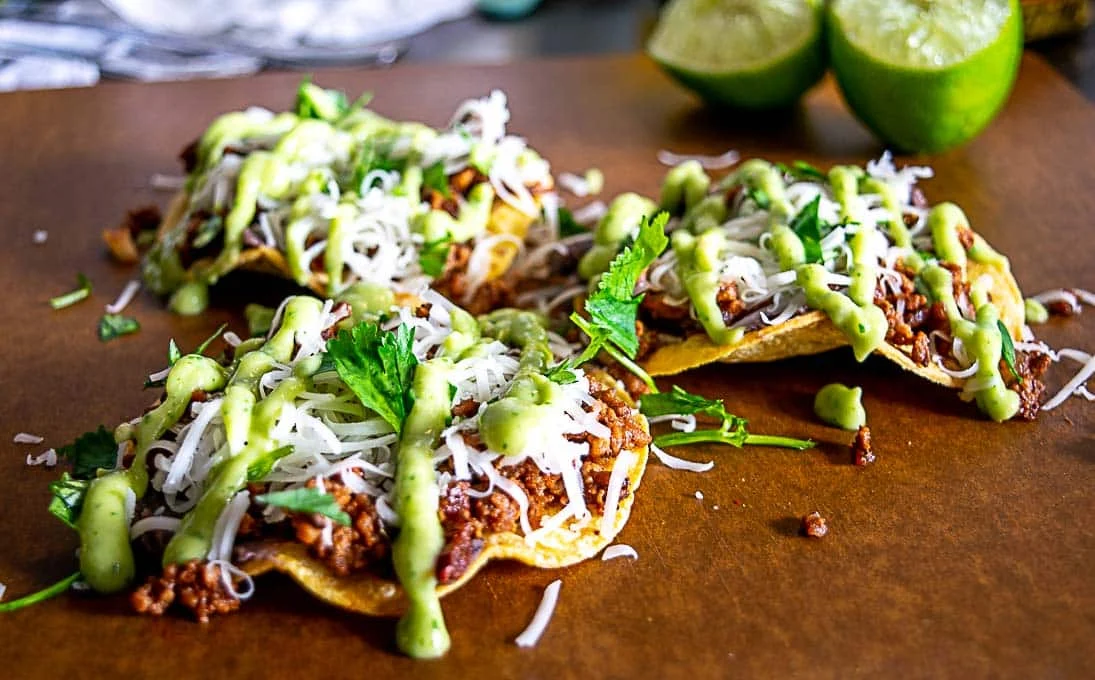
The Ground Beef Tostada is defined by its architectural integrity—the contrast between the crisp, fried corn tortilla base and the savory, spiced meat. While many recipes fall into the trap of using bland, pre-packaged seasonings, the hallmark of a superior tostada is the depth of the meat’s flavor profile.
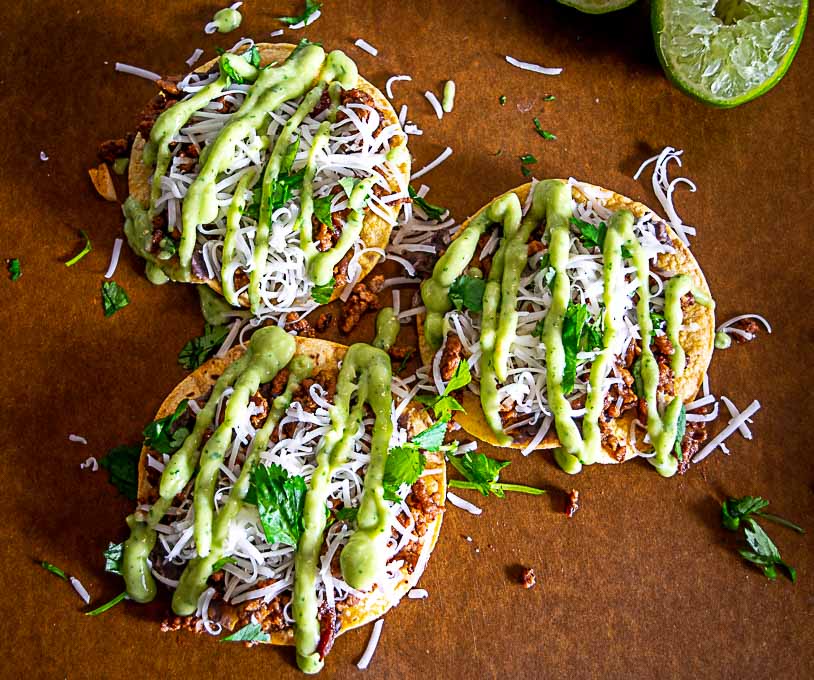
The integration of chipotles in adobo—smoked jalapeños preserved in a tangy, spiced tomato sauce—is the cornerstone of this recipe. The chipotle provides a dual-threat of smokiness and lingering heat, which cuts through the richness of the ground beef. When paired with the Salsa de Aguacate, the dish transitions from a basic snack to a nuanced culinary experience.
Salsa de Aguacate is not merely a topping; it is a structural necessity. It occupies a distinct space in the culinary taxonomy: smoother and more refined than traditional chunky guacamole, yet more substantial than a thin, vinegar-based green salsa. It functions as the "ideal dance partner" for spicy meats, offering a cooling, creamy counterpoint that balances the palate.
Chronology: A Step-by-Step Execution
For the home chef looking to replicate this experience, the process is streamlined for maximum impact with minimal wasted effort.
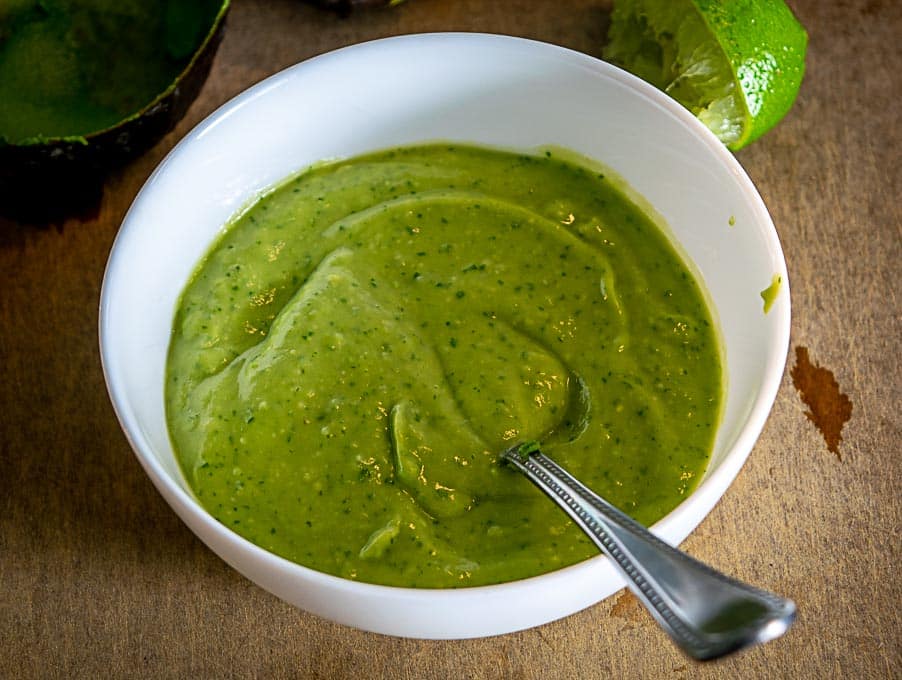
Phase 1: The Salsa de Aguacate
The preparation begins with the salsa. Because this sauce relies on the emulsion of avocado, lime, and aromatics, it is best prepared first to allow the flavors to marry.
- Ingredients: The flesh of one ripe avocado, the juice of one fresh lime, 4-5 sprigs of fresh cilantro, a pinch of salt, 1/4 cup of water, and half a garlic clove.
- The Process: These components are pulsed in a blender or food processor until the consistency reaches a light, creamy, and pourable state. While the initial taste may seem mild, the addition of the lime provides the necessary "lip-smacking tang" that prepares the sauce for the heat of the beef.
Phase 2: The Chipotle-Infused Protein
The beef requires a methodical approach to ensure the spices are toasted and the meat is thoroughly infused.
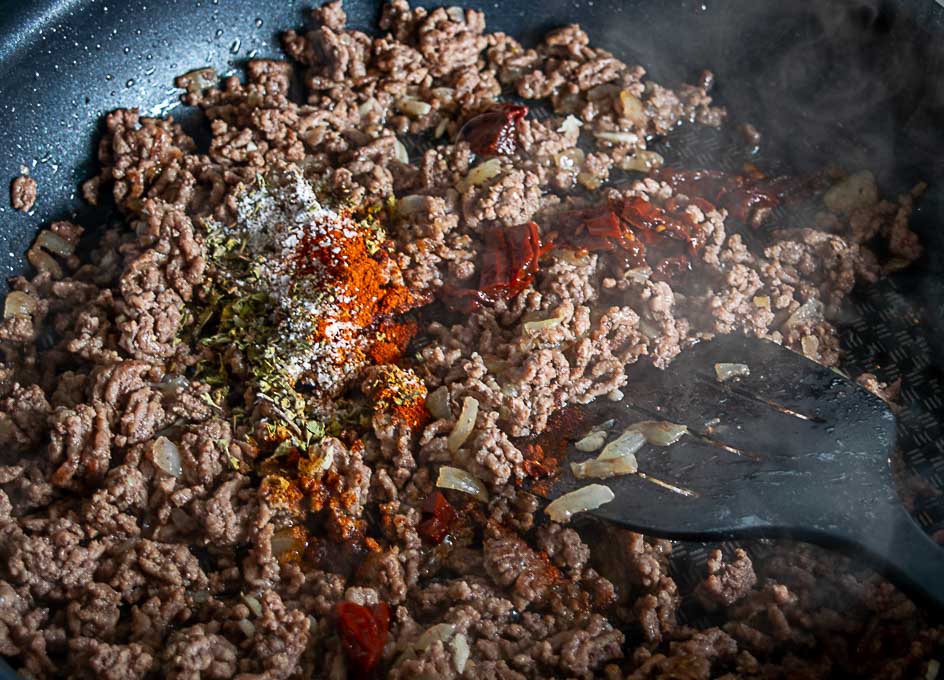
- Sautéing: Begin by softening half an onion in a skillet. Once translucent, the ground beef is introduced.
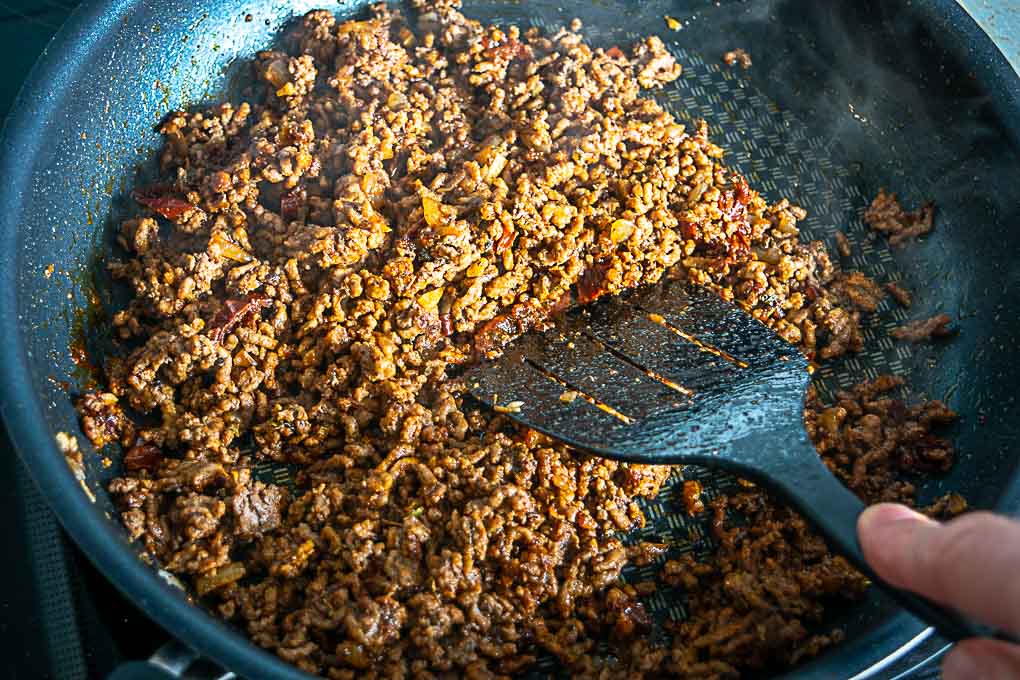
- Seasoning: As the beef browns, the aromatic profile is built with two cloves of minced garlic, 1-2 chipotles in adobo, and 1-2 tablespoons of the accompanying adobo sauce. This is further enhanced by Mexican oregano, cumin, chili powder, salt, and black pepper.
- The Finish: The cook must exercise judgment during the final minutes. Depending on the fat content of the beef, a final adjustment of salt or additional aromatics may be required to harmonize the flavors.
Phase 3: Assembly
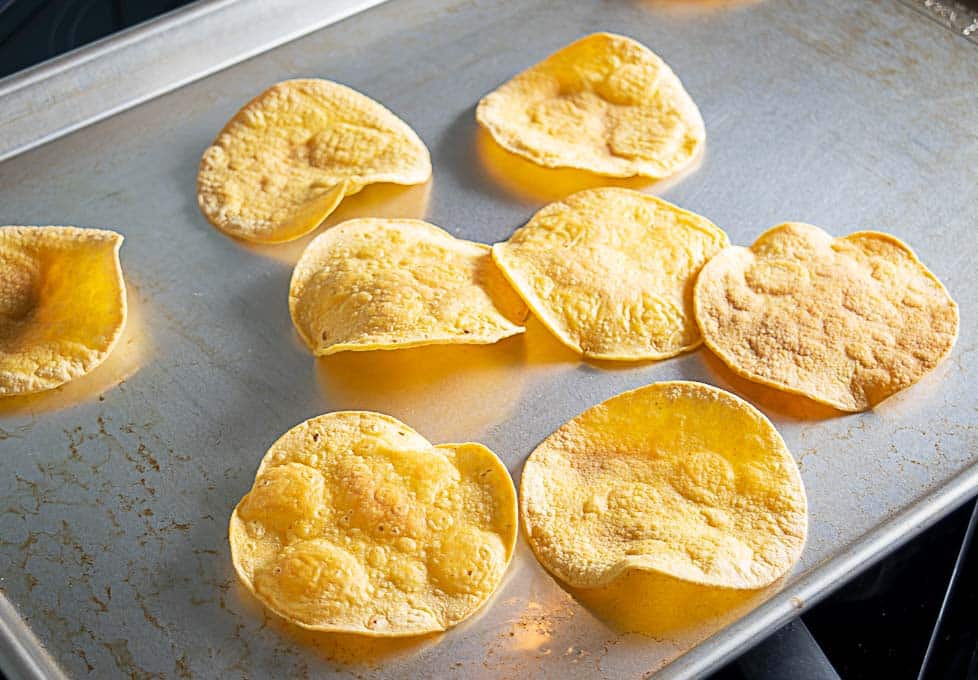
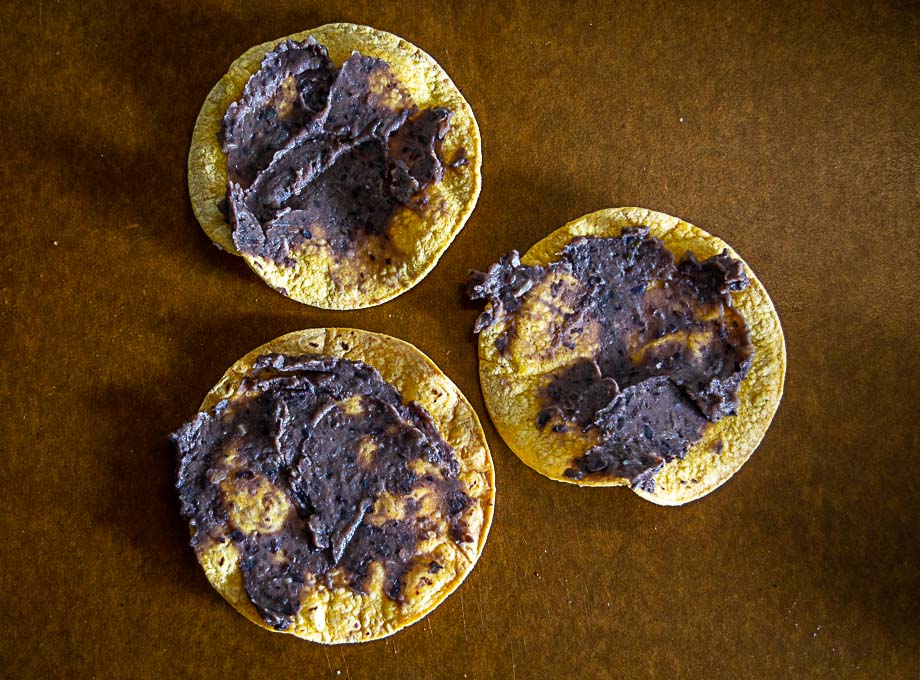
The final construction involves a crisp foundation—ideally a corn tortilla brushed with oil and baked at 400°F for 4-5 minutes per side. A base layer of refried beans is recommended for texture and structural support, followed by the beef, shredded cheese, and a generous application of the Salsa de Aguacate.
Supporting Data: Why This Combination Works
The success of this dish is grounded in the chemistry of flavor pairing. In culinary arts, the combination of smoky, fat-heavy proteins with acidic, creamy emulsifications is a proven strategy for palate satisfaction.
The chipotle in adobo contributes capsaicin (heat) and guaiacol (smoke). When these compounds interact with the tongue, they trigger a physical response that requires a "cooling" agent. Avocado, rich in monounsaturated fats, provides the exact lipid profile needed to dampen the intensity of the heat, while the lime juice acts as a surfactant that cleanses the palate between bites.
Furthermore, the choice of Mexican oregano is significant. Unlike the more common Mediterranean variety, Mexican oregano (Lippia graveolens) belongs to the verbena family and carries citrusy, slightly floral notes that bridge the gap between the savory beef and the bright, acidic salsa.
Official Perspectives: The Professional Chef’s View
In interviews with culinary experts specializing in regional Mexican cuisine, the consensus is clear: the Salsa de Aguacate is frequently misunderstood. Many home cooks attempt to make it too thick, effectively turning it into a guacamole. Professionals maintain that the key to this sauce is the inclusion of water during the blending process.
"The goal is a sauce, not a dip," one expert noted. "When the Salsa de Aguacate is the right consistency, it coats the beef and the bean layer like a velouté. It brings a cohesion to the tostada that prevents the ingredients from feeling like disparate elements on a plate."
Regarding the beef, the use of fresh onion and garlic as a base is non-negotiable. While dried powders can offer convenience, they lack the enzymatic breakdown that occurs during the sautéing of fresh aromatics. For a truly authentic flavor, the "blooming" of spices—adding the chili powder and cumin to the fat of the meat while it cooks—is a vital step often overlooked by novices.
Implications: The Future of Weeknight Dining
The significance of mastering a dish like these Ground Beef Tostadas with Salsa de Aguacate extends beyond the immediate satisfaction of a single meal. It speaks to a broader trend in home cooking: the "upgrade" of convenience foods.
- Economic Efficiency: By utilizing staple ingredients like ground beef, corn tortillas, and avocados, this meal remains highly cost-effective, particularly when compared to dining out or purchasing processed, ready-to-eat meals.
- Healthier Alternatives: Preparing tostada shells in the oven rather than deep-frying them significantly reduces the intake of saturated fats while maintaining the desired crunch.
- Culinary Versatility: The specific combination of the chipotle beef and the avocado sauce is modular. Once the home cook masters this duo, it can be repurposed for tacos, burritos, or as a filling for quesadillas, effectively expanding the repertoire of the home kitchen without requiring a new set of skills.
As domestic life continues to demand efficiency, the ability to produce restaurant-quality meals with minimal time investment is a high-value skill. The Salsa de Aguacate serves as a testament to the idea that flavor density is not always a function of cooking time, but rather a result of understanding how to balance fat, heat, and acidity.
Conclusion
The Ground Beef Tostada is far more than a simple assembly of ingredients; it is an exercise in balancing texture and flavor. By treating the Salsa de Aguacate as a vital component rather than an afterthought, and by respecting the infusion process of the chipotle-spiced beef, the home cook can elevate a standard Tuesday night dinner into a sophisticated culinary event. As we look toward the future of home dining, it is these accessible, high-impact recipes that define the modern kitchen—efficient, flavorful, and profoundly satisfying.
For those looking to refine their technique further, the secret remains in the final taste test. Do not be afraid to adjust the acidity or salt levels; the goal is to make the ingredients "dance," and that requires the final, personal touch of the chef.