In the evolving landscape of modern culinary arts, the gluten-free movement has transcended its origins as a medical necessity to become a sophisticated branch of professional pastry. At the forefront of this shift is the pursuit of the "perfect" cookie—one that achieves the elusive balance of structural integrity and indulgent texture. Enter the soft, chewy gluten-free chocolate brownie cookie: a triumph of technique that promises to redefine expectations for those with dietary restrictions.
Main Facts: The Anatomy of a Perfect Cookie
For the home baker and the professional alike, the challenge of gluten-free baking often centers on the absence of wheat protein, which typically provides the "chew" and "snap" associated with traditional baked goods. The recipe in question, championed by culinary expert Nicole Hunn of Gluten Free on a Shoestring, addresses this by employing a dual-chocolate infusion method.
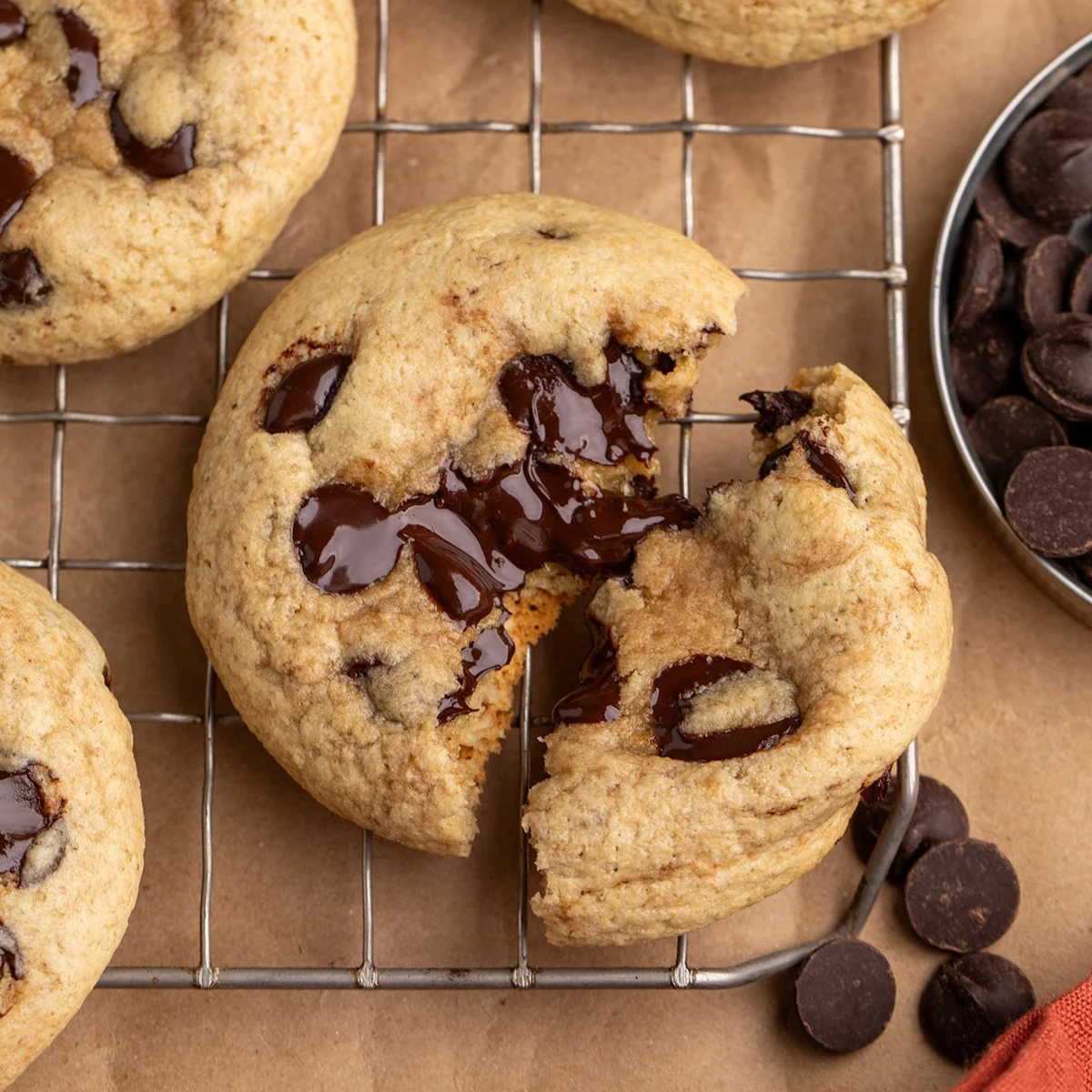
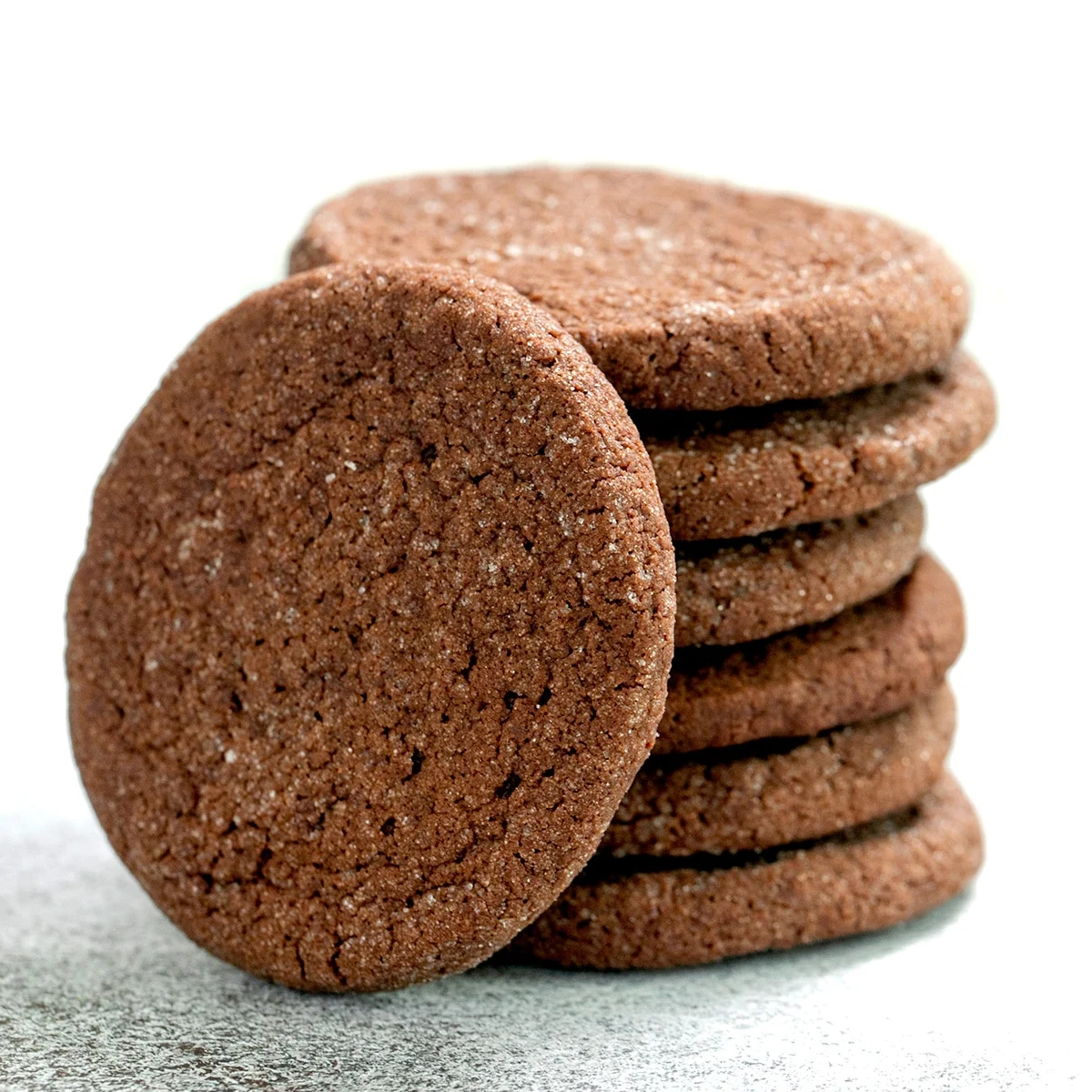
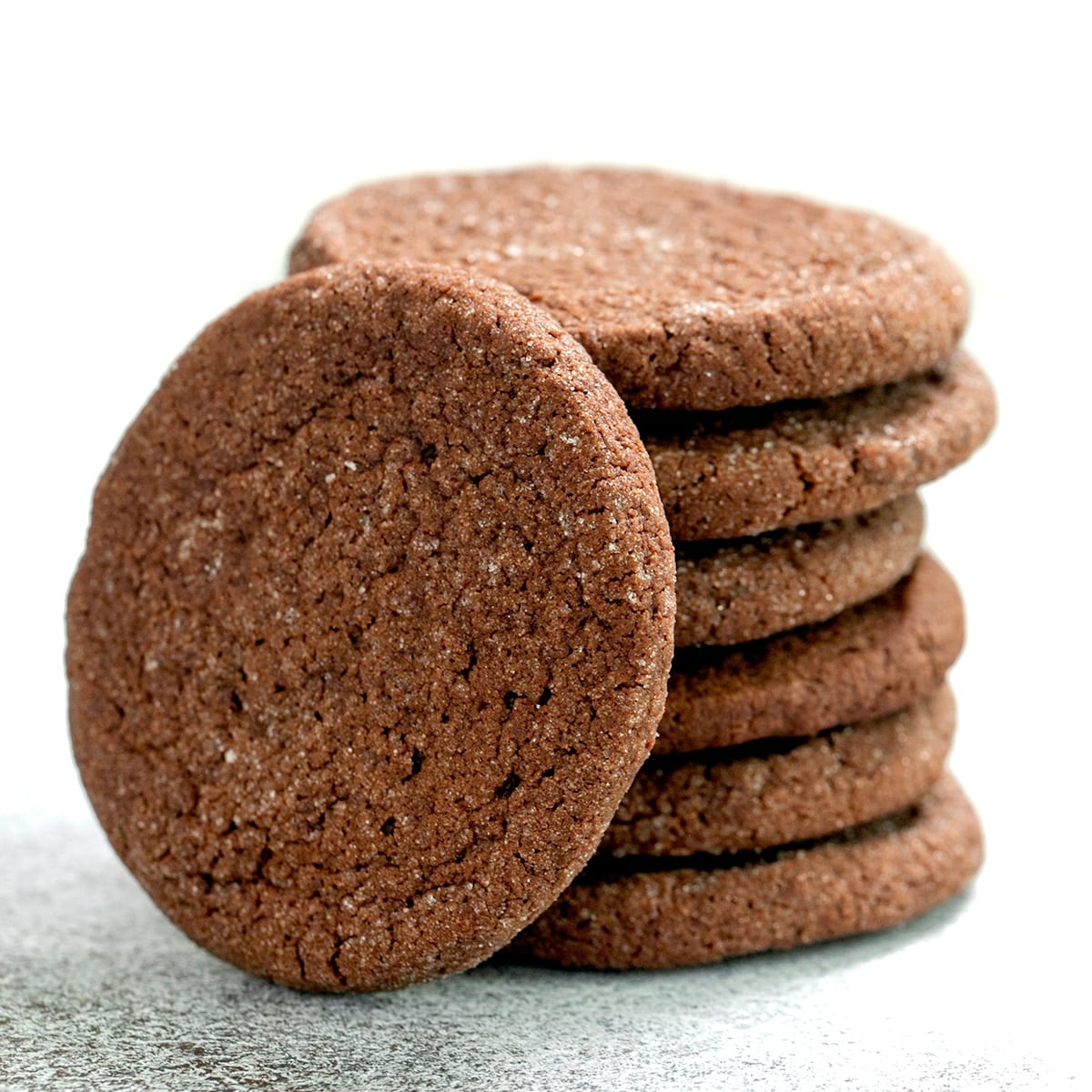
By combining high-quality cocoa powder with melted chocolate folded directly into the dough, these cookies mirror the density and fudgy richness of a gourmet brownie. The result is a slice-and-bake format that prioritizes convenience without sacrificing the artisanal quality one would expect from a high-end bakery. The cookies are characterized by their signature sugar-coated exterior—a delicate crust that yields to a decadent, molten-like center.
A Chronology of the Gluten-Free Evolution
The history of gluten-free baking is a study in rapid technological and chemical advancement.
- Early 2000s: The market was dominated by dense, gritty, and often flavorless substitutes. "Good for gluten-free" became a backhanded compliment that plagued the industry.
- 2010–2015: The rise of specialized flour blends, such as those incorporating xanthan gum and rice-based starches, allowed for better binding. However, texture remained a significant hurdle for delicate items like cookies.
- 2020–Present: We are currently in the "Golden Age" of gluten-free baking. Chefs like Nicole Hunn have moved beyond simple substitutions, focusing instead on moisture retention and fat-to-protein ratios. The development of this specific chocolate brownie cookie represents the culmination of years of testing, focusing on how fats (butter) and sugars (sucrose) interact with gluten-free starches to prevent the chalky aftertaste common in early iterations.
Supporting Data: Why "Brownie-Style" Works
The chemistry behind this cookie is rooted in the "emulsion" of ingredients. Standard cookie dough relies on the gluten matrix to hold air. Without gluten, the structure must be supported by the cooling of fats and the coagulation of proteins from eggs.
Data from culinary testing indicates that the inclusion of melted chocolate—rather than just chips—increases the cocoa butter content of the dough. This creates a softer, more stable structure that retains moisture even after the baking process is complete. Furthermore, the "slice-and-bake" technique is not merely a matter of convenience; it is a vital step for gluten-free doughs, which often require a "rest" period in the refrigerator to allow the flour to hydrate fully, preventing the sandy texture that often plagues poorly executed gluten-free recipes.
Official Perspective: The Philosophy of Nicole Hunn
Nicole Hunn has established herself as a primary voice in this field, driven by a philosophy that rejects the "good enough" standard. Her approach is rooted in the belief that dietary restrictions should not serve as a barrier to the culinary joy of eating.
"I create gluten-free recipes that really work and taste as good as you remember," Hunn notes. "No more making separate meals when someone is GF, or buying packaged foods that aren’t good enough to justify the price."
Her commitment to the craft is evidenced by the meticulous nature of her recipes. By focusing on ingredient interaction rather than just ingredient removal, she has effectively bridged the gap between medical dietetics and high-end gastronomy. Her work suggests that the future of the food industry lies in inclusivity—making dishes that are universally palatable, regardless of whether they were originally designed for a specific health constraint.
Implications for the Culinary Industry
The success of high-quality gluten-free recipes like these chocolate brownie cookies carries significant implications for the broader food market:
1. The Rise of the "Inclusive Kitchen"
As the prevalence of Celiac disease and gluten sensitivity continues to be diagnosed with greater frequency, the demand for high-quality alternatives is surging. Restaurants that fail to provide a "bakery-quality" experience for gluten-free patrons are increasingly viewed as outdated.
2. Economic Efficiency
For decades, the "gluten-free tax"—the premium price attached to store-bought gluten-free goods—was a deterrent. By providing recipes that utilize accessible, standard ingredients, experts like Hunn are democratizing the ability to create gourmet-level desserts at home for a fraction of the cost of commercial specialty items.
3. The End of the "GF Stigma"
Perhaps the most profound implication is the normalization of gluten-free treats. When a cookie is indistinguishable from its wheat-based counterpart, it erodes the stigma associated with the diet. This shift encourages more households to adopt these recipes, not because they are required to, but because the results are objectively superior.
Conclusion: The Path Forward
The journey to the perfect chocolate brownie cookie is a testament to the power of culinary innovation. It serves as a reminder that limitations, when approached with creativity and a deep understanding of food science, can often lead to superior results.
As we look toward the future of baking, the standard has been set: it is no longer enough for a recipe to be "safe." It must be delicious, it must be indulgent, and it must stand the test of a discerning palate. Whether you are baking for health reasons or simply for the love of chocolate, these cookies represent a standard of excellence that suggests the best is yet to come in the world of gluten-free gastronomy.
Frequently Asked Questions (FAQ)
Q: Why is the "slice-and-bake" method better for this recipe?
A: Chilling the dough allows the starches to fully hydrate and the fats to solidify. This prevents the cookies from spreading too thinly in the oven and ensures the final texture is chewy rather than crumbly.
Q: Can I use dairy-free chocolate?
A: Absolutely. The recipe’s structure relies on the cocoa solids and cocoa butter. Replacing the dairy components with high-quality vegan chocolate will maintain the integrity of the brownie-like texture.
Q: How do I store these cookies to keep them fresh?
A: To maintain the chewy texture, keep the cookies in an airtight container at room temperature. Because of the high chocolate content, they are susceptible to temperature fluctuations; keeping them in a cool, dry place is essential.
Q: Is xanthan gum necessary?
A: In most gluten-free baking, xanthan gum acts as the "glue" that replaces the elasticity of gluten. For this recipe, it is recommended to ensure the cookies hold their shape during the baking process.
For those seeking to master these techniques, the recipe provided by Gluten Free on a Shoestring serves as an essential guide for any modern kitchen. By focusing on high-quality ingredients and precise technique, the gap between "gluten-free" and "world-class" has finally closed.