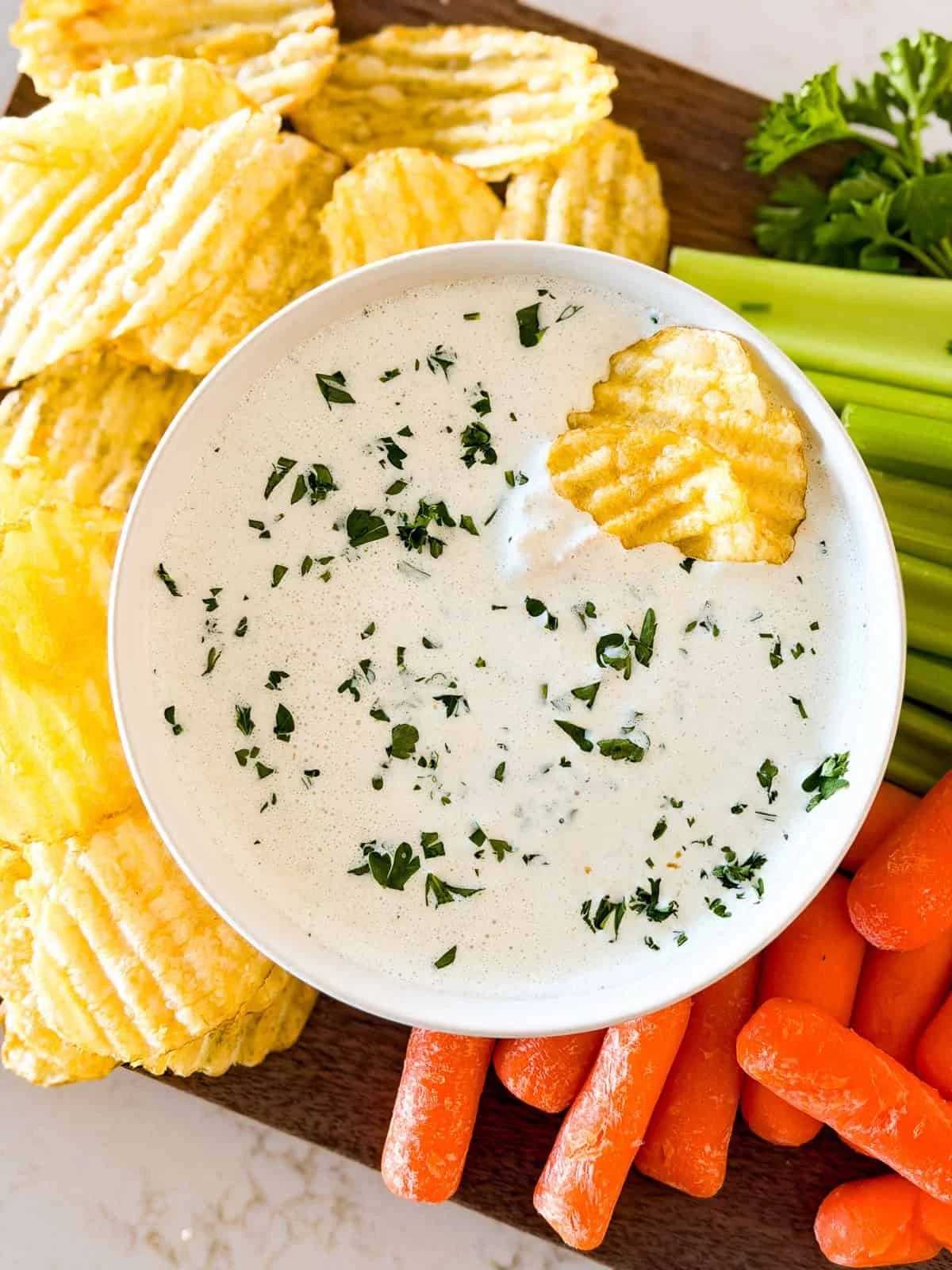
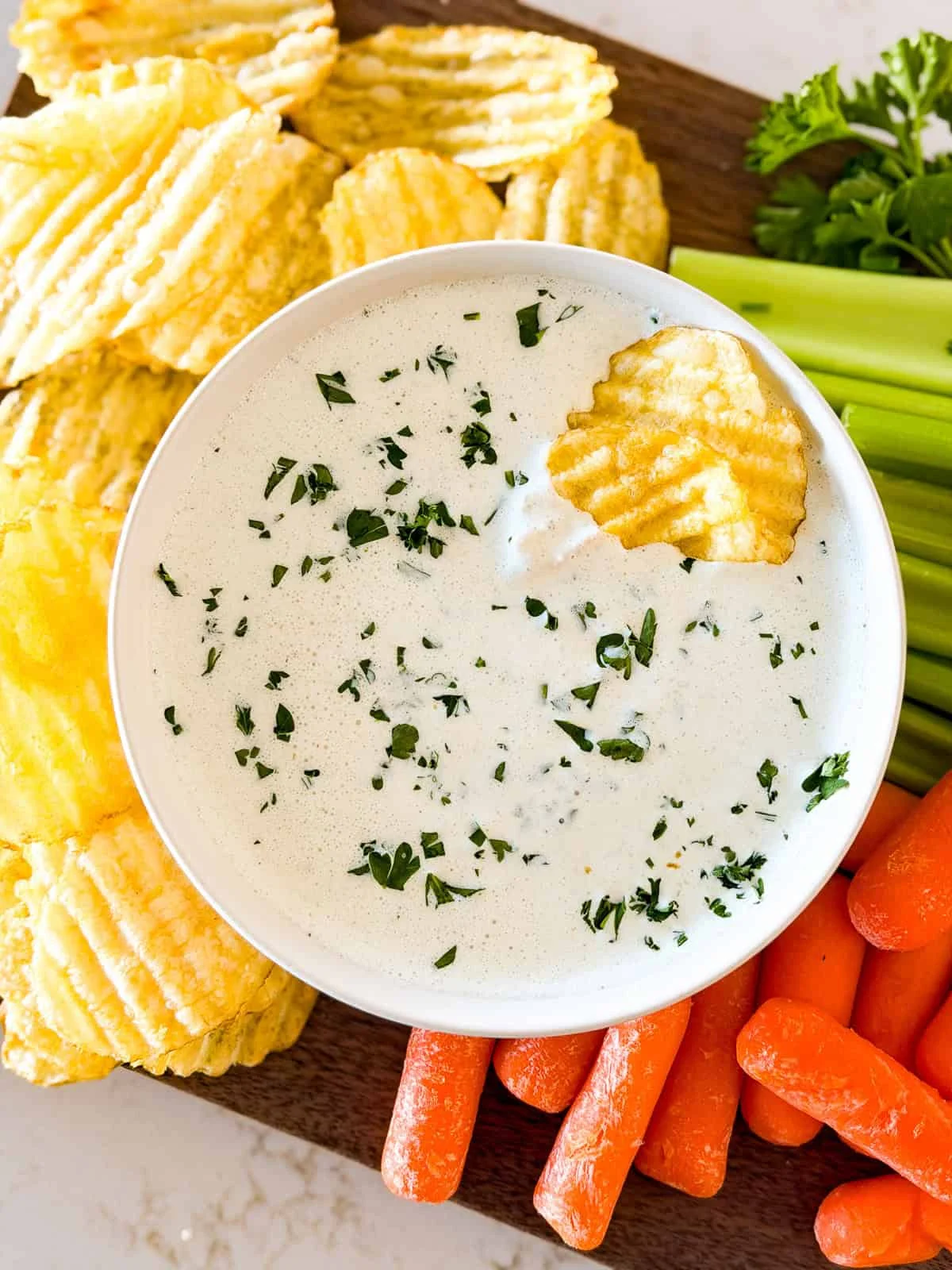
In the ever-evolving landscape of culinary trends, few ingredients have undergone as dramatic a transformation as cottage cheese. Once relegated to the back of the refrigerator as a dated diet staple of the mid-20th century, this humble curd-based dairy product is experiencing a massive resurgence. At the forefront of this movement is the “Whipped Cottage Cheese Dip,” a versatile, high-protein powerhouse that is redefining what it means to snack healthfully without sacrificing the creamy, indulgent texture that defines comfort food.
Professional home cook and bestselling cookbook author Erin Clarke has recently unveiled her definitive take on this dish, proving that with the right balance of aromatics and a dash of umami, cottage cheese can transcend its reputation to become a centerpiece for modern grazing boards.
Main Facts: The Anatomy of a Perfect Dip
The appeal of this dip lies in its simplicity. By taking the classic, somewhat lumpy texture of traditional cottage cheese and processing it into a velvety, aerated consistency, the ingredient takes on the luxurious mouthfeel of a soft goat cheese or a thick Greek yogurt dip.
Clarke’s recipe centers on a fundamental culinary truth: texture is flavor. By blending the curds until they are completely smooth, the dip achieves a “creamy-dreamy” profile. However, the true innovation lies in the seasoning. Many DIY cottage cheese dips fall flat, tasting like nothing more than cold, salted dairy. Clarke’s version corrects this by introducing a secret weapon: Worcestershire sauce.

The inclusion of Worcestershire sauce provides a complex, savory backbone that mimics the depth found in high-end bistro dips. Combined with fresh dill—which adds a bright, herbaceous lift—and a hint of cayenne for a subtle, warming finish, the result is a sophisticated appetizer that feels far more indulgent than its macronutrient profile would suggest.
A Chronology of the Cottage Cheese Comeback
The path to this recipe’s current popularity was not an overnight occurrence.
- The Mid-Century Era: Cottage cheese was widely popular in the 1950s and 60s, often served with canned peaches or celery sticks. It was the quintessential "diet food."
- The Culinary Stagnation: For decades, the ingredient saw a decline in culinary interest, largely due to its texture, which many found off-putting. It remained a static, utilitarian staple.
- The Rise of High-Protein Diets: As nutritional science shifted toward prioritizing protein satiety, consumers began searching for ways to incorporate dairy into their snacks that weren’t just sugary yogurts.
- The TikTok Influence: In recent years, social media platforms began showcasing "blended" cottage cheese, sparking a wave of innovation. Creators began using it as a base for pasta sauces, pizza crusts, and dips.
- The Perfection Phase: Recognizing the potential, professional developers like Erin Clarke began "testing and perfecting" these viral trends. By moving away from purely experimental versions and focusing on balanced flavor profiles, the dip graduated from a social media gimmick to a legitimate kitchen staple.
Supporting Data: Nutritional Efficiency
For the health-conscious consumer, the statistics surrounding this dip are compelling. According to nutritional analysis, a standard serving of this whipped dip offers approximately 9 grams of protein while remaining relatively low in calories (roughly 79 kcal per serving).
This ratio is significantly more favorable than traditional ranch or onion dips, which are often laden with high-fat mayonnaise or sour cream. Furthermore, the dip is naturally lower in saturated fats while providing a respectable dose of calcium, making it a functional food that satisfies the appetite while contributing to daily micronutrient goals.

Nutritional Profile (Per Serving)
- Protein: 9g (High density for a snack)
- Total Fat: 3g
- Saturated Fat: 1g
- Calories: 79 kcal
- Sugar: 2g
Expert Perspectives: The Role of Umami
Erin Clarke, the author behind Well Plated, notes that when she began developing her recipe, she encountered a common pitfall: the "one-note" syndrome. "Cottage cheese dip can be made many ways (and not all of them are good)," she explains. "When I started working on this recipe, I realized they were all missing a little something-something."
The decision to incorporate Worcestershire sauce is a classic example of culinary "flavor layering." In professional kitchens, umami-rich ingredients—such as soy sauce, Worcestershire, miso, or anchovy—are used to amplify the savory notes of the main component. By adding this depth to the cottage cheese, the dip achieves a savory complexity that signals to the palate that it is a finished dish, rather than a raw ingredient.
Implications for Modern Home Cooking
The success of the whipped cottage cheese dip has broader implications for how we approach home cooking. It represents a shift toward "ingredient optimization." Instead of buying expensive, processed dips that contain stabilizers and preservatives, the modern home cook is increasingly looking for ways to take high-quality, whole-food staples and elevate them through simple mechanical processing (blending) and thoughtful seasoning.
Ease of Preparation
The workflow is designed for the modern, time-pressed lifestyle:

- Combine: Cottage cheese, spices, and seasonings go directly into the blender.
- Puree: A quick blitz until smooth.
- Chill: The essential step that allows the flavors to meld and the texture to firm up.
- Serve: A simple garnish of fresh herbs makes it presentable for guests.
This process is not only faster than traditional cooking but also highly sustainable. The dip can be stored in an airtight container for up to four days, making it an ideal candidate for meal prep.
The Versatility of the Dip
What should one pair with such a dip? The options are vast. Because the flavor profile is savory and herbaceous, it pairs excellently with:
- Crunchy Vegetables: Baby carrots, celery sticks, cucumber rounds, and bell pepper strips provide a clean, refreshing contrast to the creamy dip.
- Salty Snacks: Potato chips or seeded crackers offer a satisfying textural crunch that holds up well against the smooth dip.
- Elevated Grazing: Serving the dip on a board alongside olives, nuts, and charcuterie allows it to function as a sophisticated component of an appetizer spread rather than just a quick snack.
Conclusion
The whipped cottage cheese dip is more than just a passing culinary trend; it is a testament to the power of ingredient transformation. By applying professional culinary techniques to a classic, affordable, and high-protein staple, home cooks like Erin Clarke are changing the way we snack.
Whether you are looking to increase your protein intake, reduce your reliance on store-bought processed foods, or simply looking for a crowd-pleasing appetizer that takes less than ten minutes to assemble, this recipe offers a blueprint for success. As we continue to prioritize health-conscious eating that doesn’t compromise on flavor, it is safe to say that the blender-whipped, herb-infused cottage cheese dip is here to stay.

For those ready to dive in, the key is the chill time—the hour in the refrigerator is the final ingredient in the process, ensuring that every bite is as cohesive and creamy as intended. Enjoy the dip, and enjoy the protein-packed efficiency of this modern kitchen essential.