For many, the distinction between a breakfast pastry and a decadent dessert is defined by a simple boundary: the presence of chocolate. However, in the world of artisan baking, that boundary is increasingly porous. The rise of "bakery-style" treats has brought us the Triple Chocolate Scone—a creation that bridges the gap between the structured, crumbly texture of a traditional British scone and the rich, molten intensity of a classic fudge brownie. First introduced to the digital culinary landscape in 2014, this recipe has since evolved into a staple for home bakers looking to elevate their morning routine.
Main Facts: The Anatomy of a Perfect Scone
At its core, a scone is a study in texture. Unlike a muffin, which relies on a moist, cake-like crumb, a perfect scone must achieve a specific harmony: a crisp, golden-brown exterior that shatters upon the first bite, yielding to a tender, buttery, and soft center. When you introduce chocolate into this equation, the technical difficulty increases significantly.
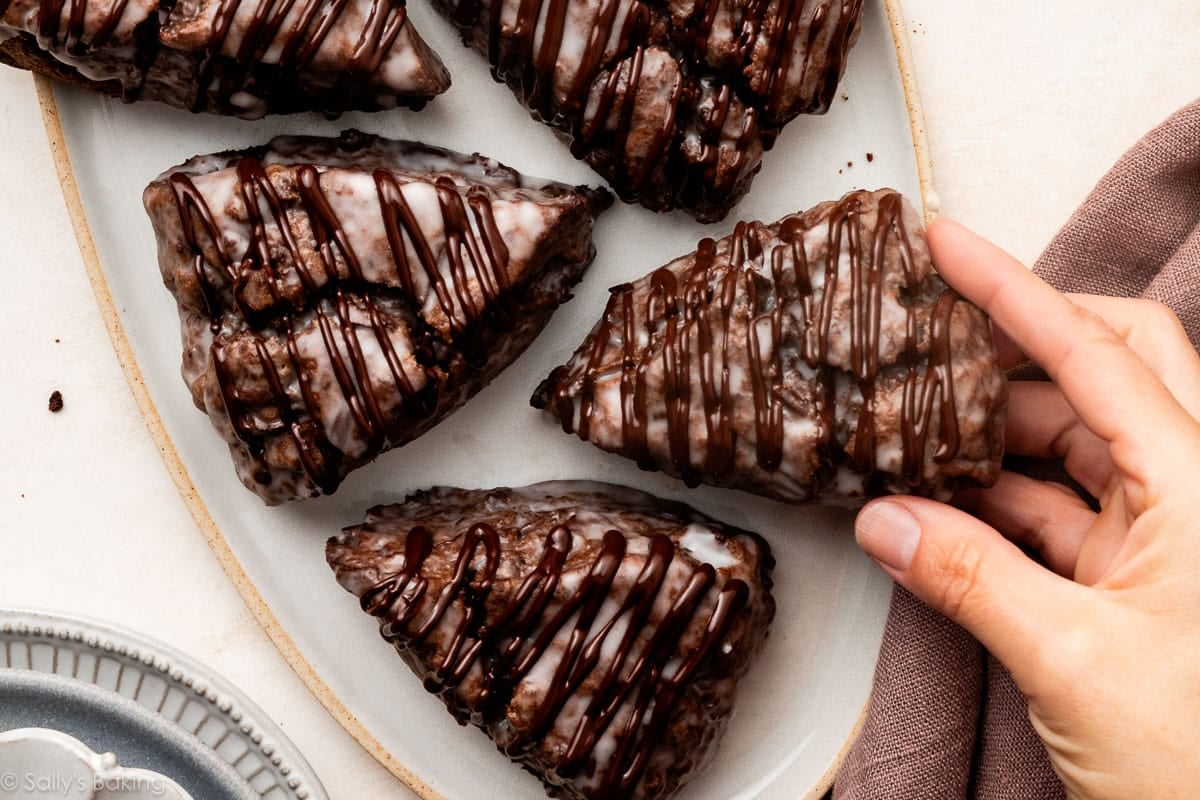
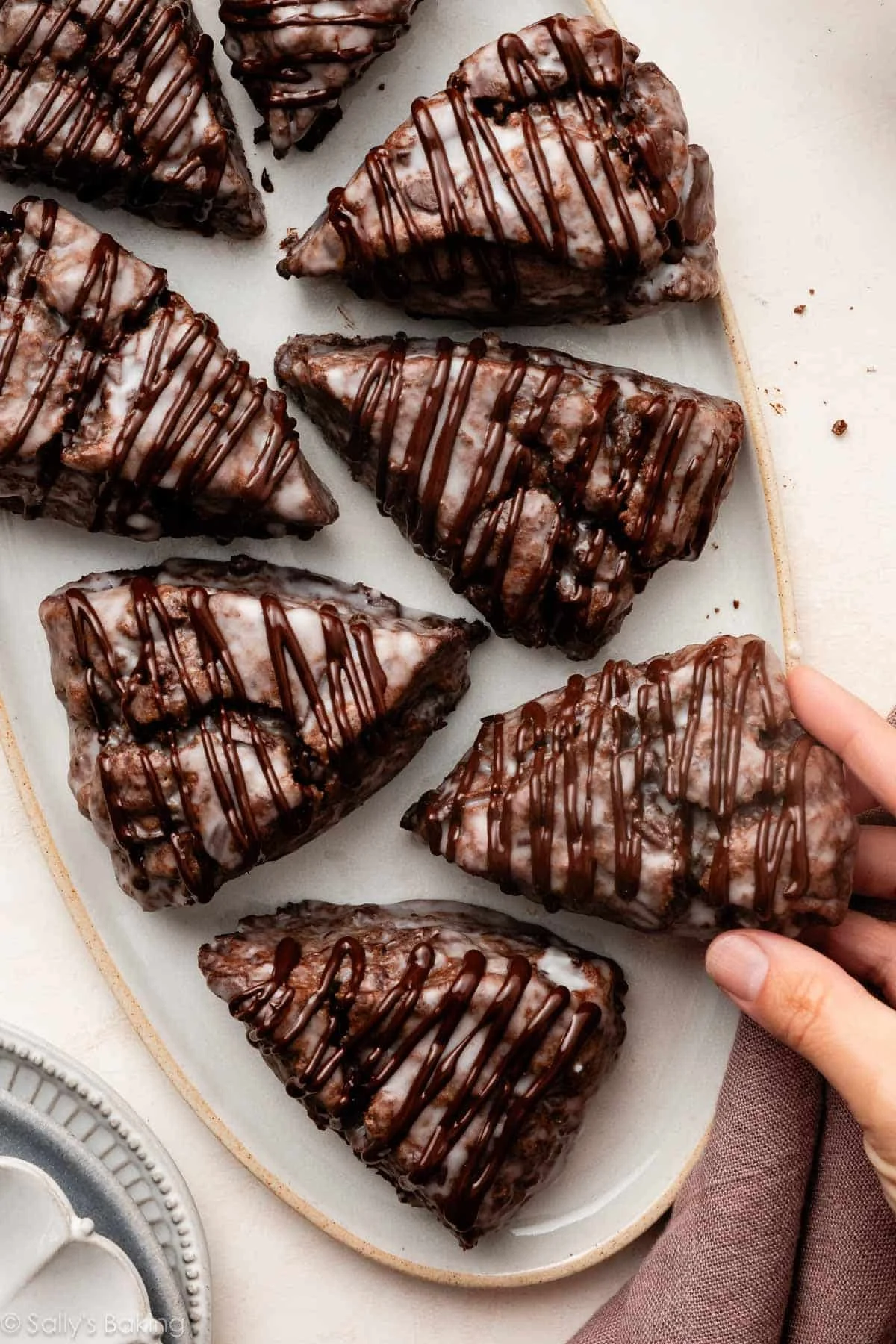
The "Triple Chocolate Scone" earns its moniker through three distinct layers of cocoa-based indulgence:
- The Base: A dough enriched with high-quality cocoa powder, creating a dark, earthy foundation.
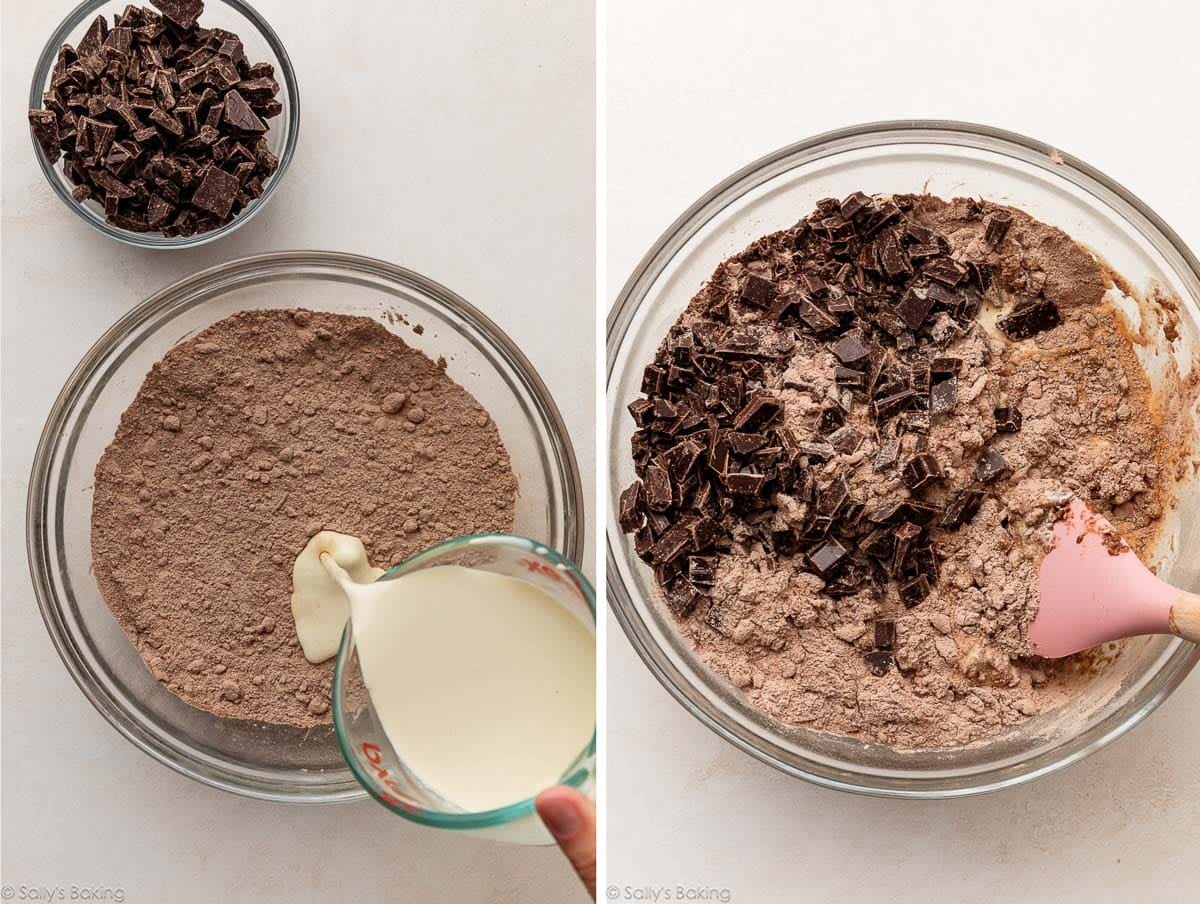
- The Inclusions: Generous chunks of semi-sweet baking chocolate folded into the dough, providing pockets of molten intensity.
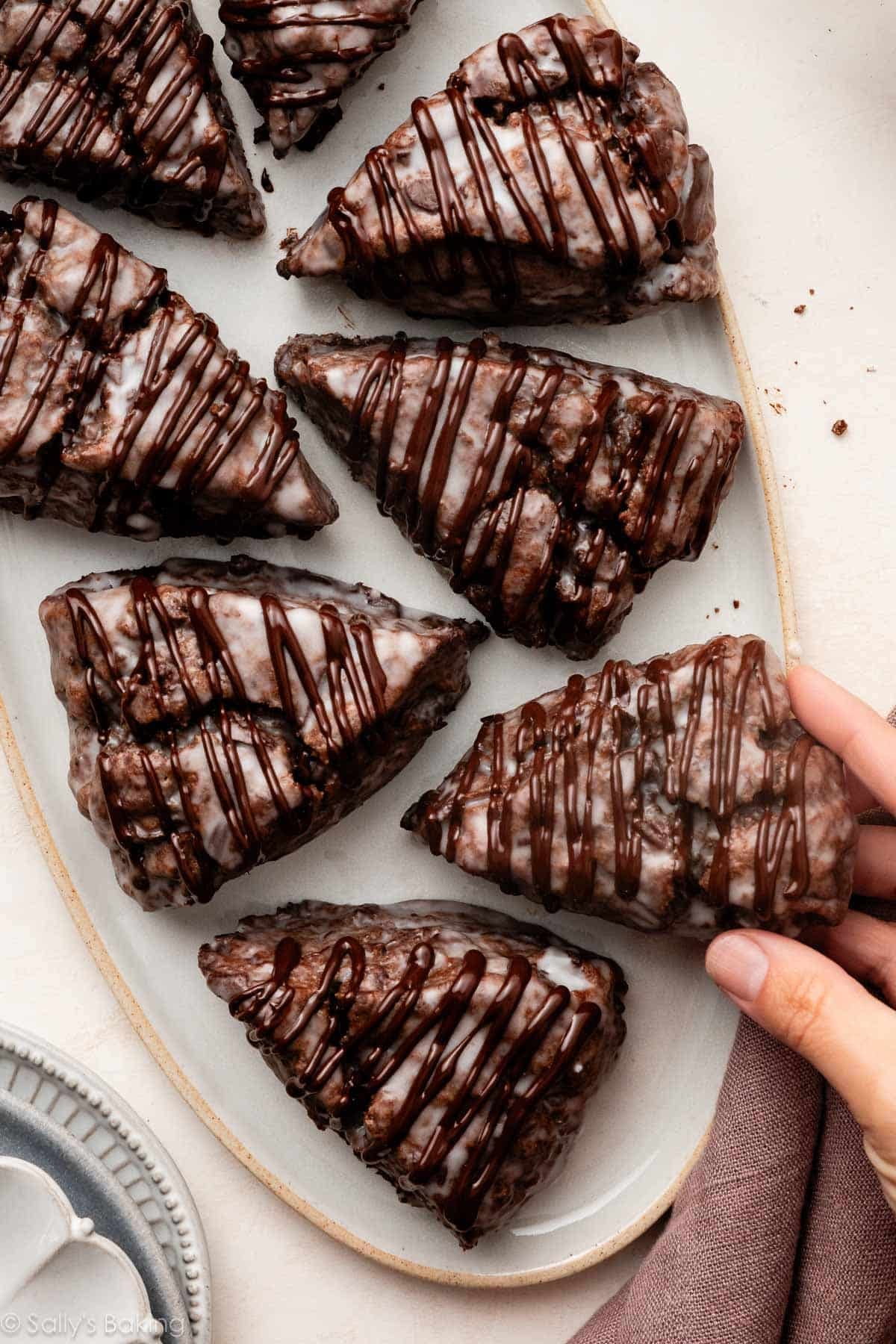
- The Finishing Touch: A delicate, glossy chocolate drizzle that binds the flavor profile together, often paired with a light vanilla glaze to balance the bitterness of the cocoa.
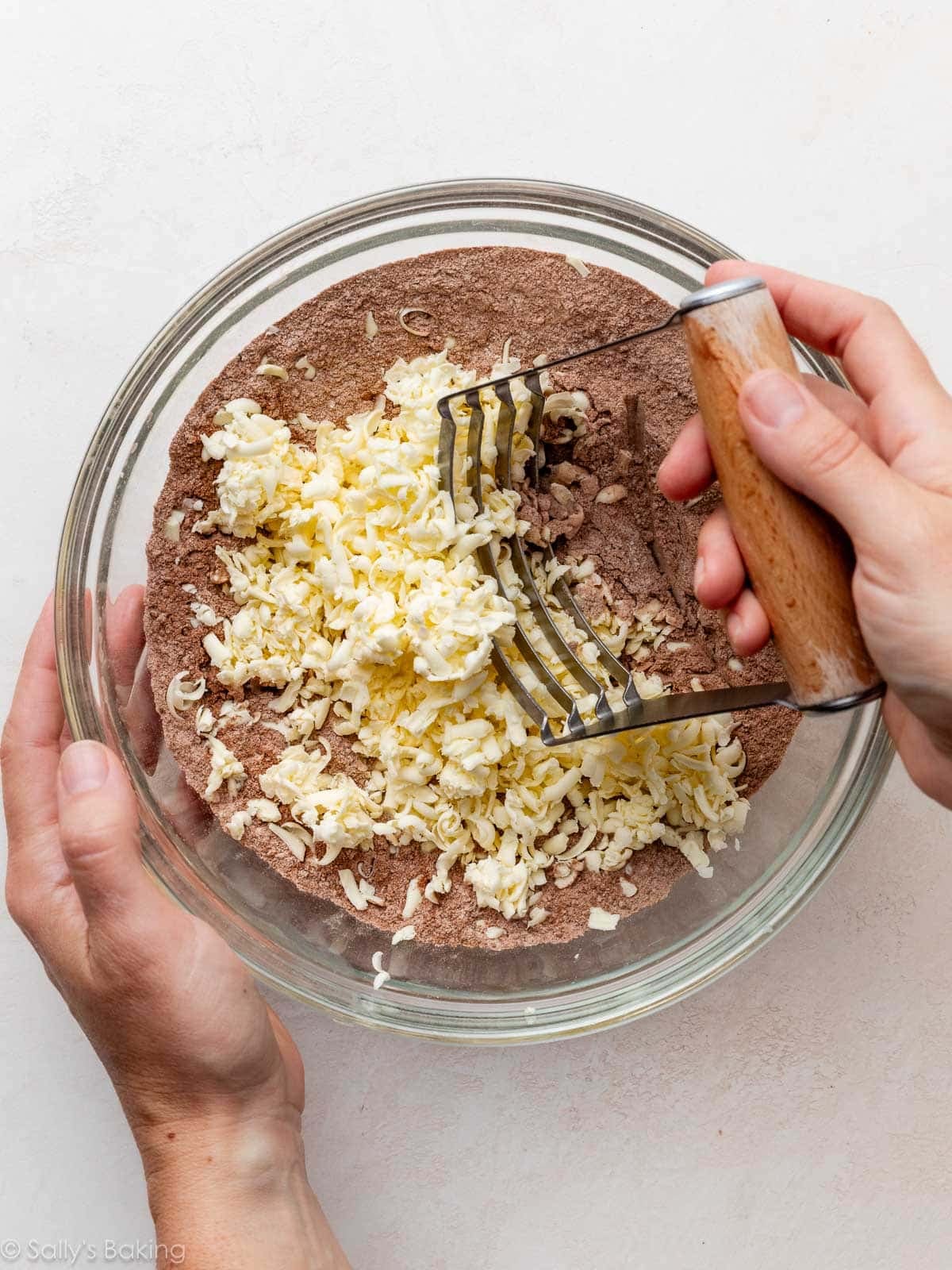
These scones are not merely "chocolate-flavored" bread; they are a calculated exercise in balance. The inclusion of heavy cream ensures the dough remains supple, while the deliberate use of frozen butter—a hallmark of professional pastry work—creates the steam-filled layers necessary for an impeccable rise.
Chronology: The Evolution of a Recipe
The journey of the Triple Chocolate Scone from a 2014 experiment to a modern classic reflects broader trends in home baking. Originally conceived as a way to satisfy the "brownie for breakfast" craving without the guilt of a sugar-laden dessert, the recipe underwent a rigorous period of refinement.
- 2014 Initial Launch: The recipe debuted with a focus on simplicity, aiming to provide a "no-mixer" solution for bakers of all skill levels.
- The Mid-2010s Refinement: As culinary education expanded through online platforms, the recipe was updated to include "pro-tips," such as grating frozen butter directly into the flour mixture—a technique once reserved for professional kitchens.
- The Modern Era: Today’s iteration of the recipe incorporates advanced temperature control methods. Bakers are now instructed to bake at a high initial temperature to shock the dough into rising before the butter melts, followed by a lower temperature to finish the centers. This dual-temperature method has become the gold standard for achieving professional-grade height and structure in home-baked scones.
Supporting Data: The Science of the "Shaggy Dough"
The success of a scone lies in the physics of the dough. The most common pitfall for novice bakers is overworking the ingredients. The goal is a "shaggy" dough—a mixture that looks barely combined and somewhat chaotic.
Scientific analysis of scone-making suggests that the "shaggy" state is critical because it prevents the development of gluten. If the dough is kneaded like bread, the result is a tough, rubbery texture rather than a crumbly, melt-in-the-mouth sensation. Furthermore, the ratio of fat to flour is paramount. By using heavy cream and cold butter, the baker creates a high-fat environment that prevents the flour from hydrating too quickly, thus keeping the scones light and airy.
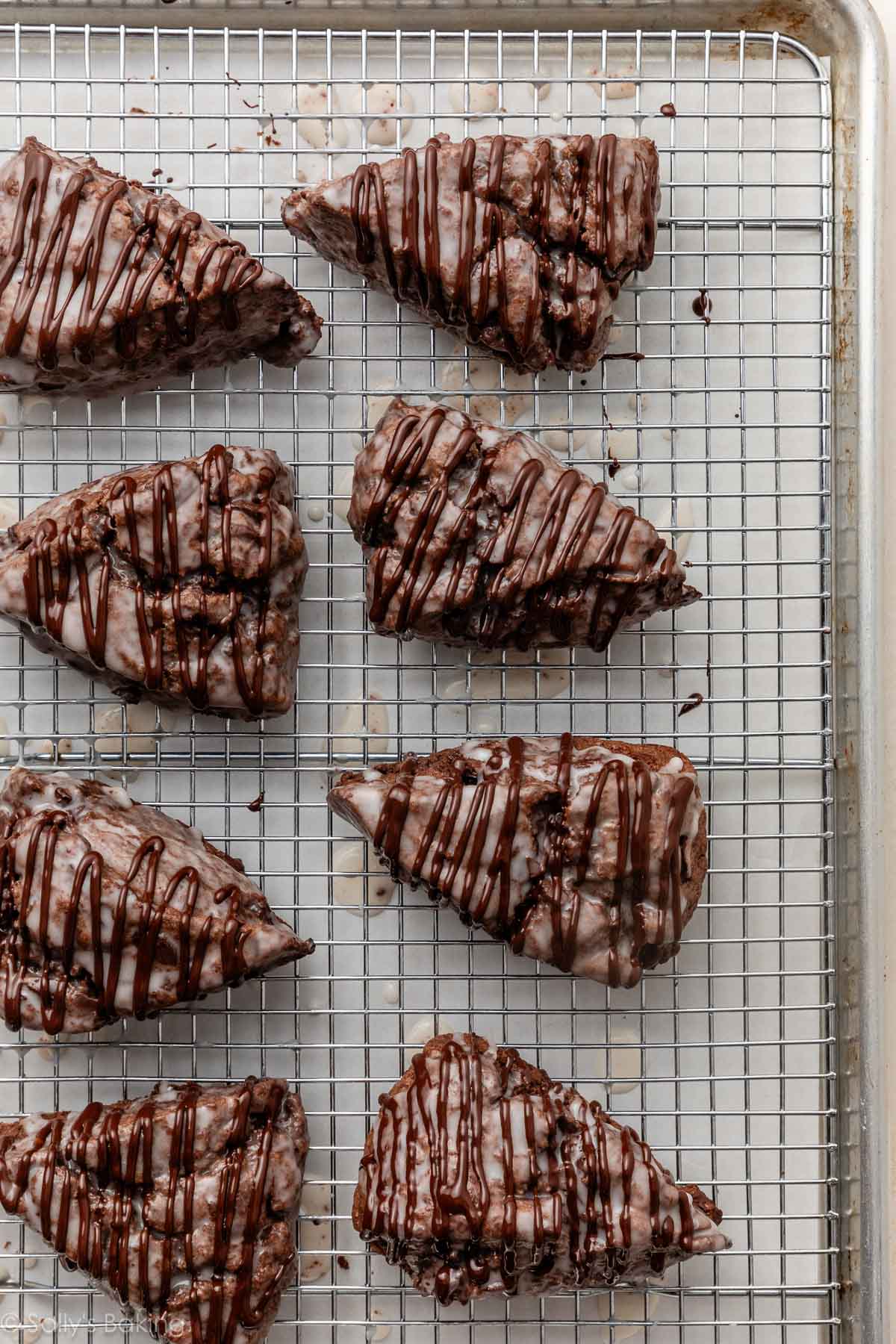
The "Vanilla Glaze" component, while seemingly cosmetic, serves a functional purpose. Cocoa powder is notoriously hygroscopic—it absorbs moisture from the air and the dough. A thin glaze acts as a moisture barrier, sealing the scone and preventing it from drying out over the course of a morning. Using cold brew coffee in the glaze, a popular substitution noted by experienced home bakers, introduces a subtle acidity that cuts through the fat, highlighting the deeper notes of the chocolate.
Official Responses: Community Feedback and Best Practices
The enduring popularity of this recipe is best illustrated by the feedback from the community of home bakers who have tested these methods in diverse kitchen environments.
One prominent reader, Jodi, praised the simplicity of the process, noting that the recipe removes the intimidation factor often associated with French-style pastry. Another baker, Nicole, highlighted the versatility of the base: "I used mini semi-sweet chocolate chips and cold brew for the glaze instead of water. Both worked out great!"
These testimonials underscore a fundamental truth in baking: the best recipes are those that provide a robust framework while allowing for personal creative expression. The consensus among the community is that the "Triple Chocolate" approach is not just a treat, but a reliable, repeatable project that delivers consistent, professional-looking results.
Implications: The Future of Breakfast Baking
The transition of the scone from a traditional tea-time staple to a vessel for chocolate innovation speaks to the shifting landscape of modern breakfast habits. We are seeing a move away from highly processed, pre-packaged pastries toward "slow-baking" at home.
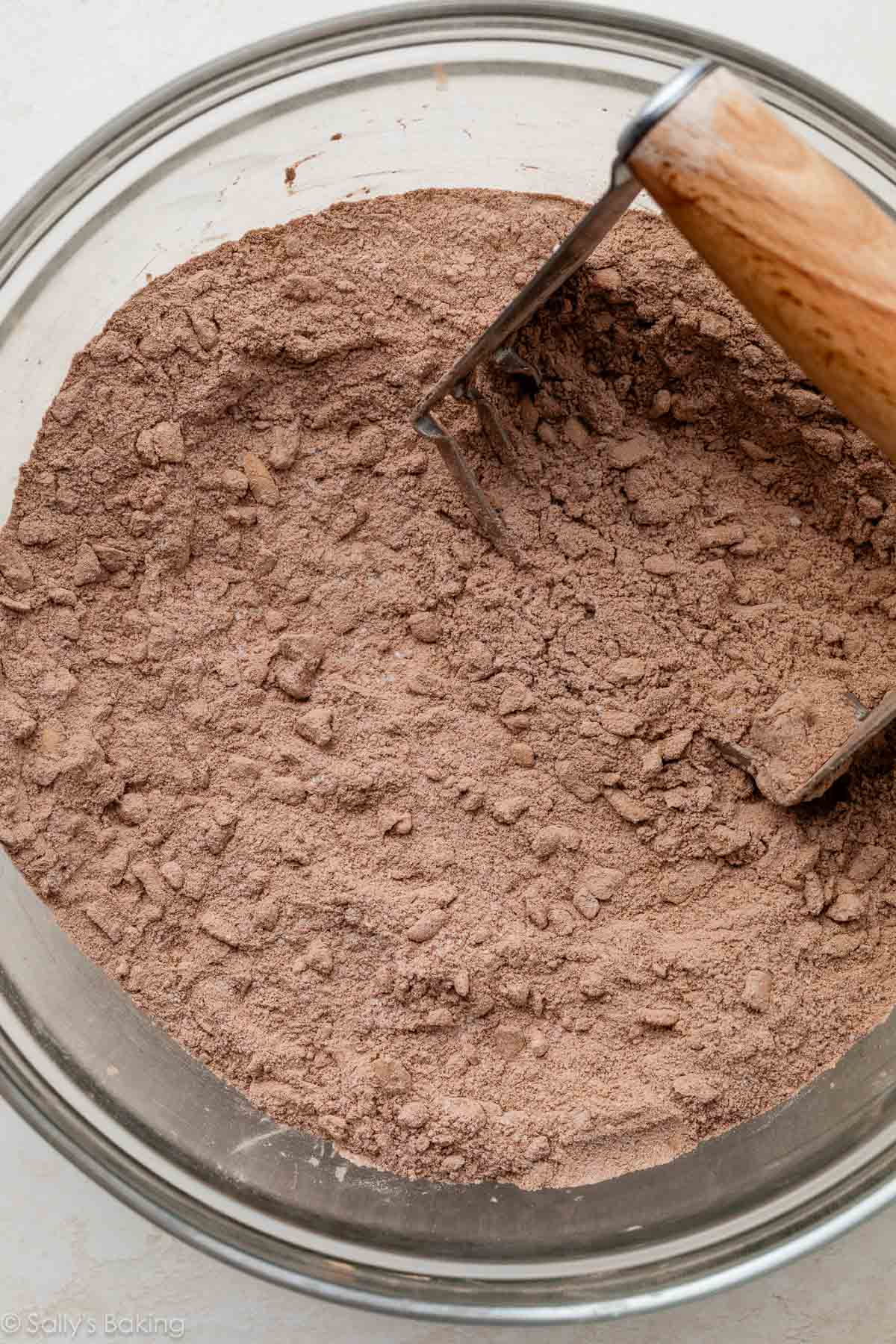
The implications for the home baker are clear: the barrier to entry for "bakery-style" quality is lower than ever. With the adoption of simple, high-impact techniques—such as chilling the dough, using a pastry cutter, and employing a multi-stage baking temperature—anyone can recreate the indulgence of a high-end café in their own kitchen.
Furthermore, the adaptability of this recipe suggests that the future of home baking is one of customization. Whether it is experimenting with dark versus milk chocolate, adding espresso powder to intensify the flavor, or incorporating nuts for textural contrast, the Triple Chocolate Scone serves as a "master recipe." It is a foundational lesson in pastry, demonstrating that with the right ratios and a respect for temperature, the humble scone can be transformed into an experience that rivals the finest patisserie offerings.
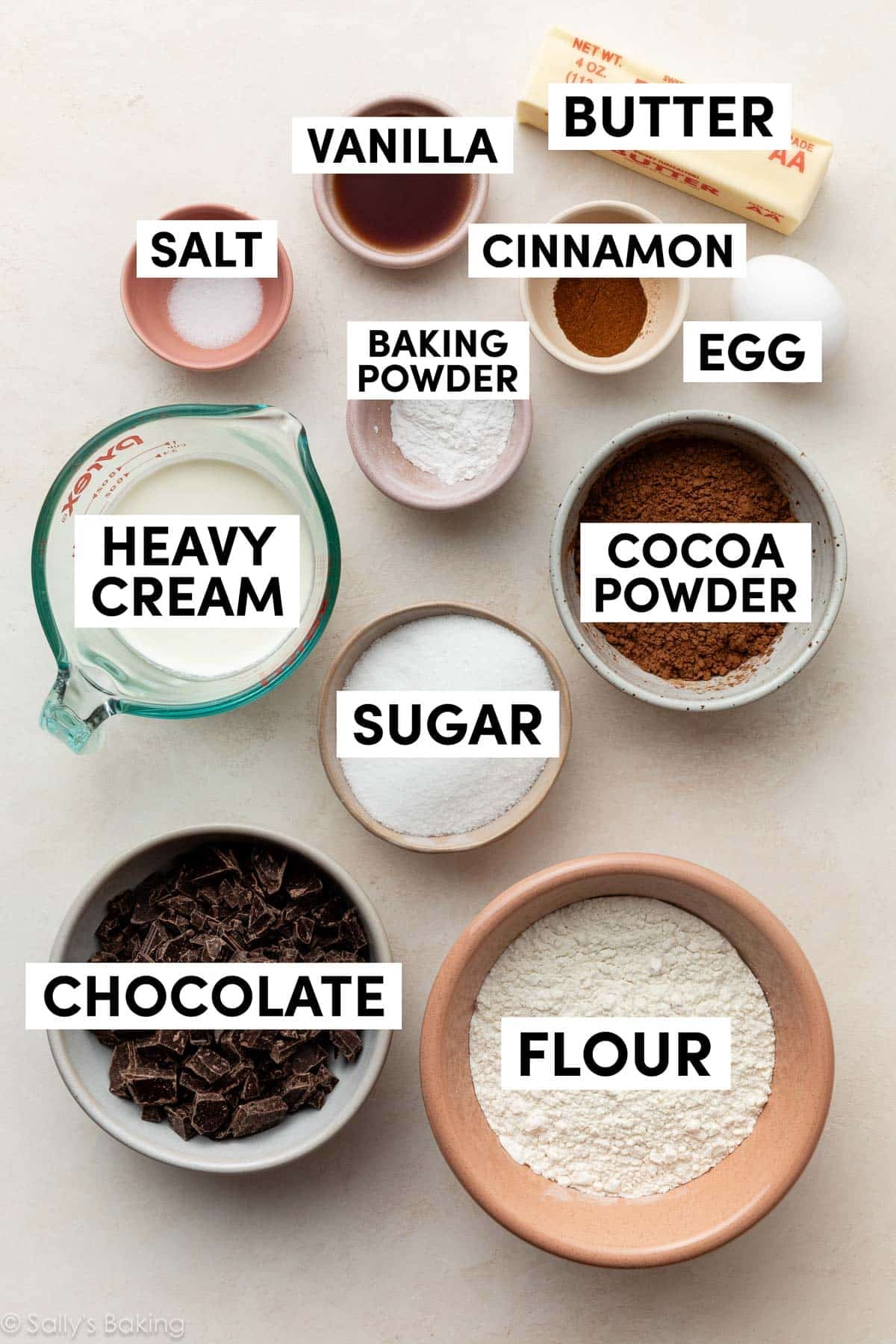
As we move forward, the focus remains on the marriage of accessibility and quality. The Triple Chocolate Scone is more than just a recipe; it is a testament to the fact that with just a few pantry staples—flour, cocoa, cream, and quality chocolate—one can elevate the most important meal of the day into something truly extraordinary. Whether enjoyed with a morning coffee or saved for a mid-afternoon respite, these scones represent the perfect intersection of culinary science and sheer, unadulterated comfort.