In the landscape of modern home cooking, few culinary hacks have managed to bridge the gap between high-end professional technique and budget-conscious accessibility as effectively as the viral sensation of "Cottage Cheese Eggs." By marrying the humble, protein-dense egg with the creamy, curd-rich texture of cottage cheese, home cooks are discovering a way to elevate a standard breakfast into a gourmet experience. This simple, four-ingredient preparation is not merely a trend; it is a masterclass in texture modification and nutritional optimization, transforming the way we perceive one of the world’s most foundational ingredients.
Main Facts: The Anatomy of a Perfect Scramble
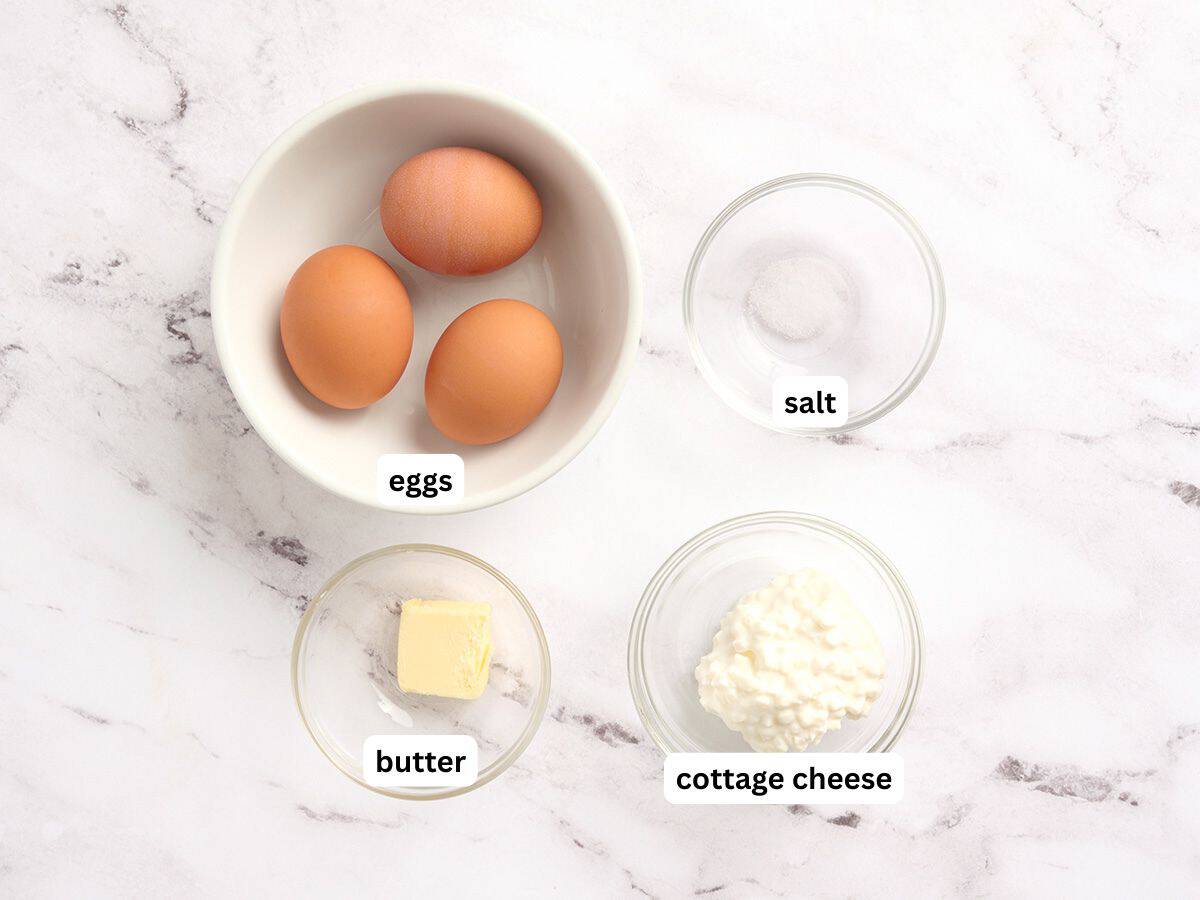
At its core, the appeal of cottage cheese eggs lies in their simplicity. The recipe requires only three eggs, two tablespoons of cottage cheese, a pat of butter, and a pinch of salt. While the ingredients are everyday pantry staples, the science behind the combination is sophisticated.
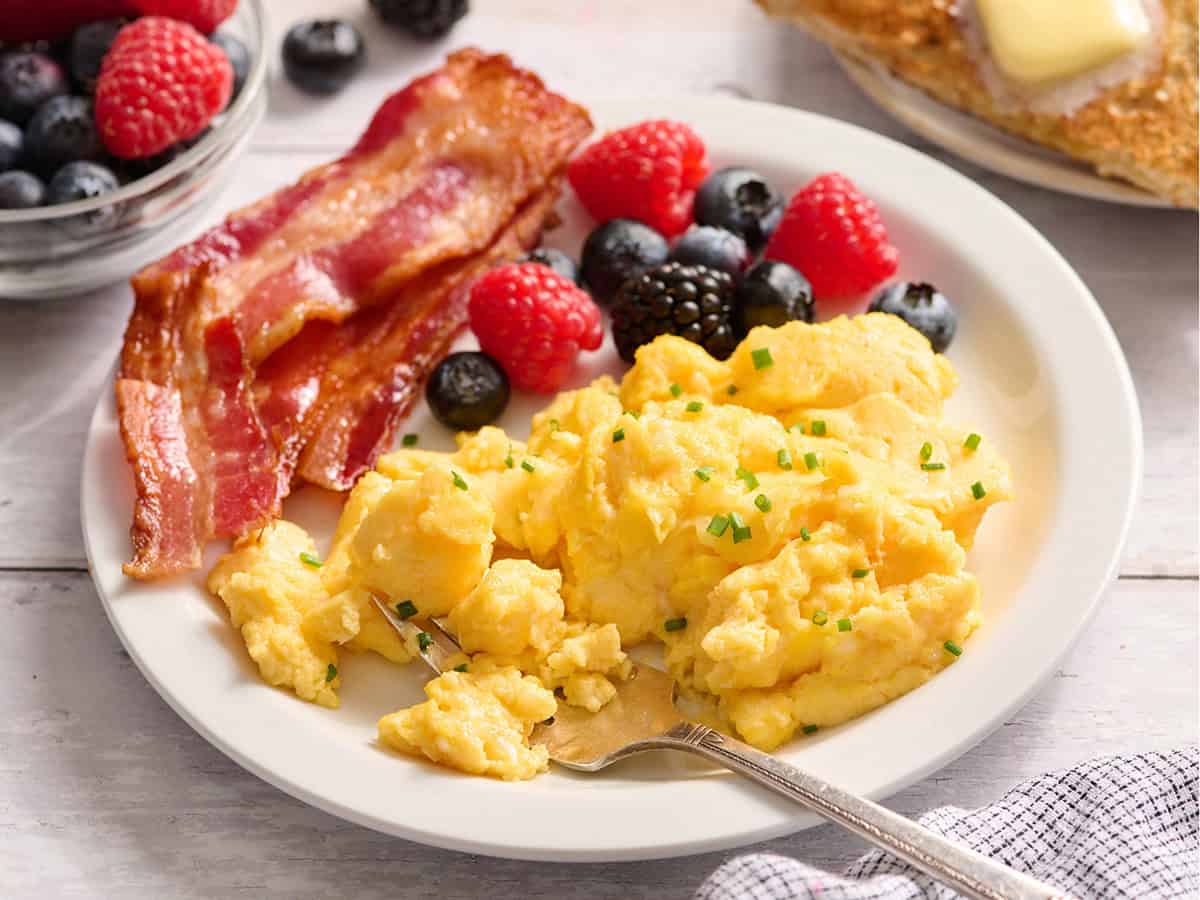
The addition of cottage cheese introduces two vital components to the pan: moisture and structure. Eggs are prone to becoming rubbery when overcooked because their protein strands tighten rapidly under heat. Cottage cheese, however, acts as a thermal buffer. The water content within the cheese curds helps maintain a lower internal temperature in the egg mixture, while the proteins in the cheese provide a soft, creamy base that resists the "seizing" effect typical of plain scrambled eggs.
This preparation is exceptionally efficient, requiring approximately 15 minutes from the initial whisk to the final plate. With roughly 11 grams of protein per serving, it offers a satiating start to the day that is both gluten-free and soy-free, making it an inclusive option for various dietary needs.
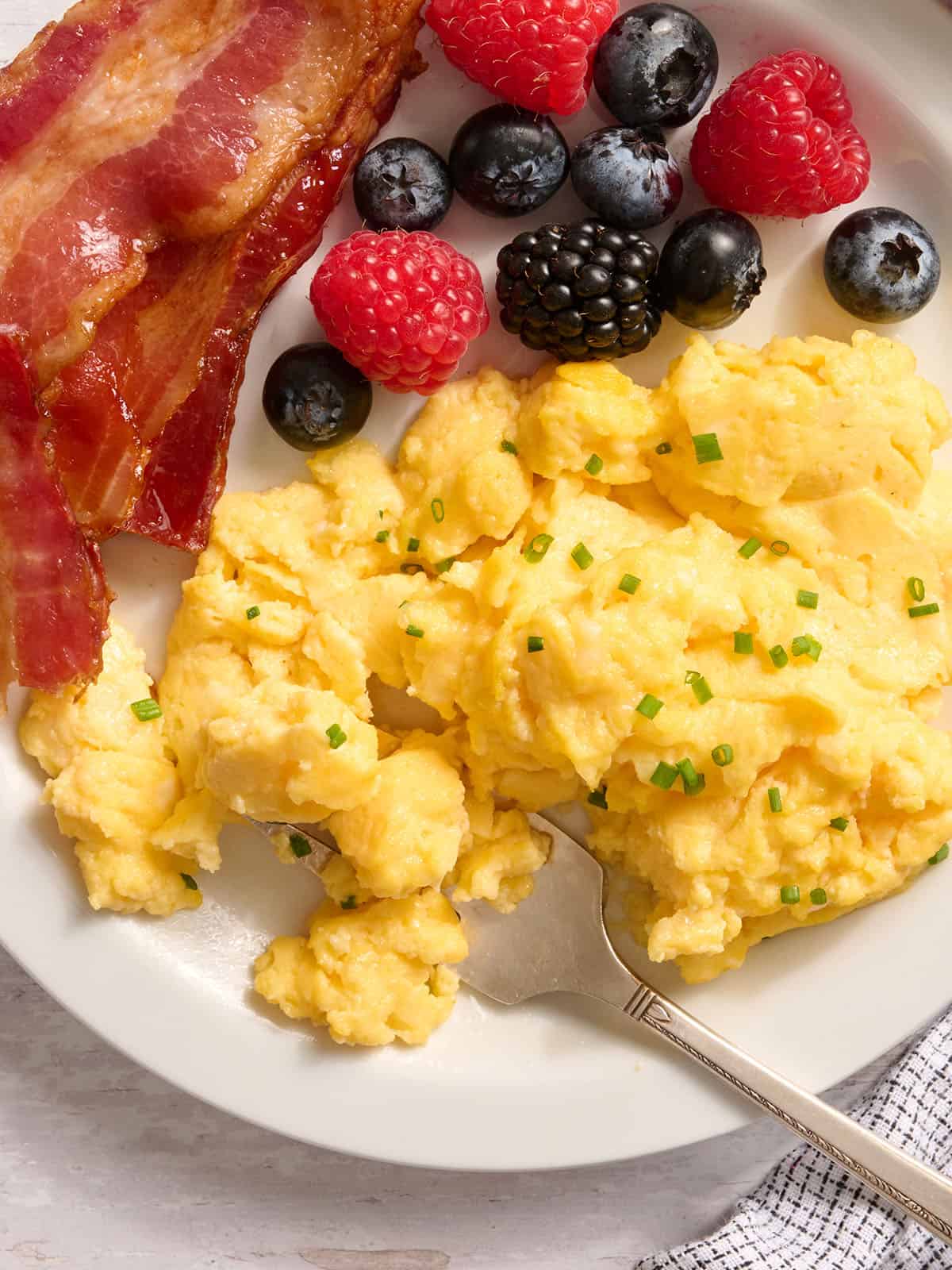
The Chronology of the Recipe
The evolution of the cottage cheese egg method can be traced through the rigorous testing protocols of professional test kitchens, such as the renowned Nashville Test Kitchen, where the technique has been refined for maximum consistency.
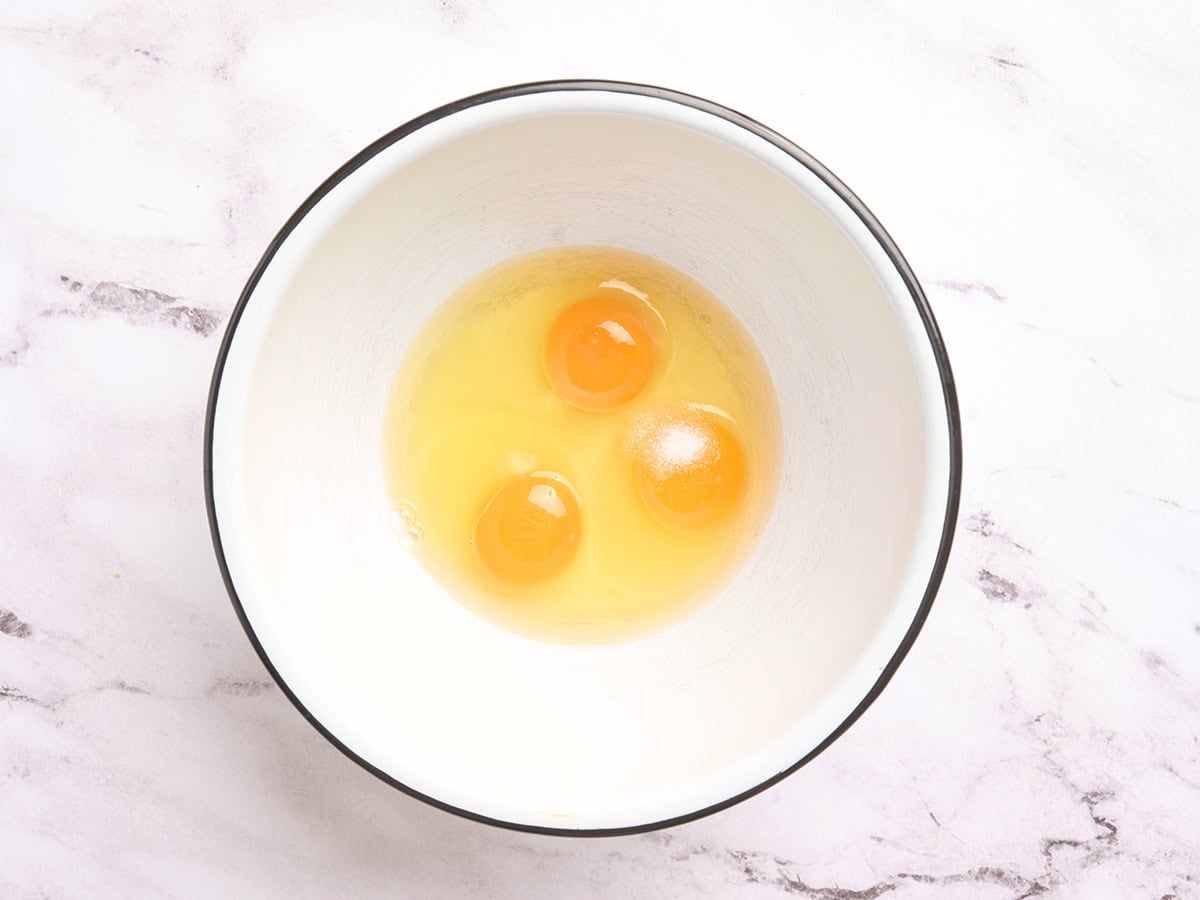
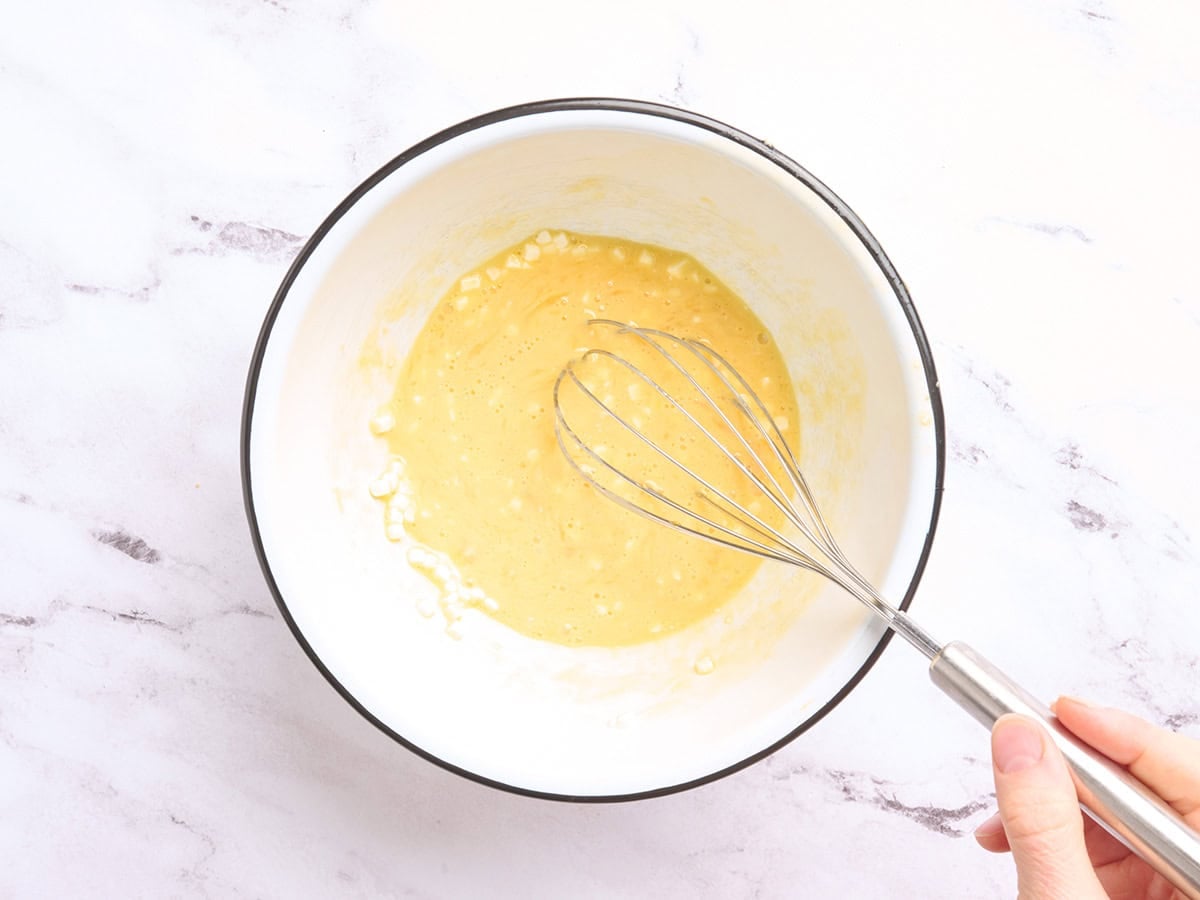
- Preparation (Minutes 0-3): The process begins with the careful integration of the base ingredients. Cracking three large eggs into a bowl and adding a quarter-teaspoon of salt is the first step. Whisking is paramount; the objective is to eliminate all streaks of egg white, creating a uniform, sunny-yellow consistency. This ensures that the proteins are primed for even coagulation.
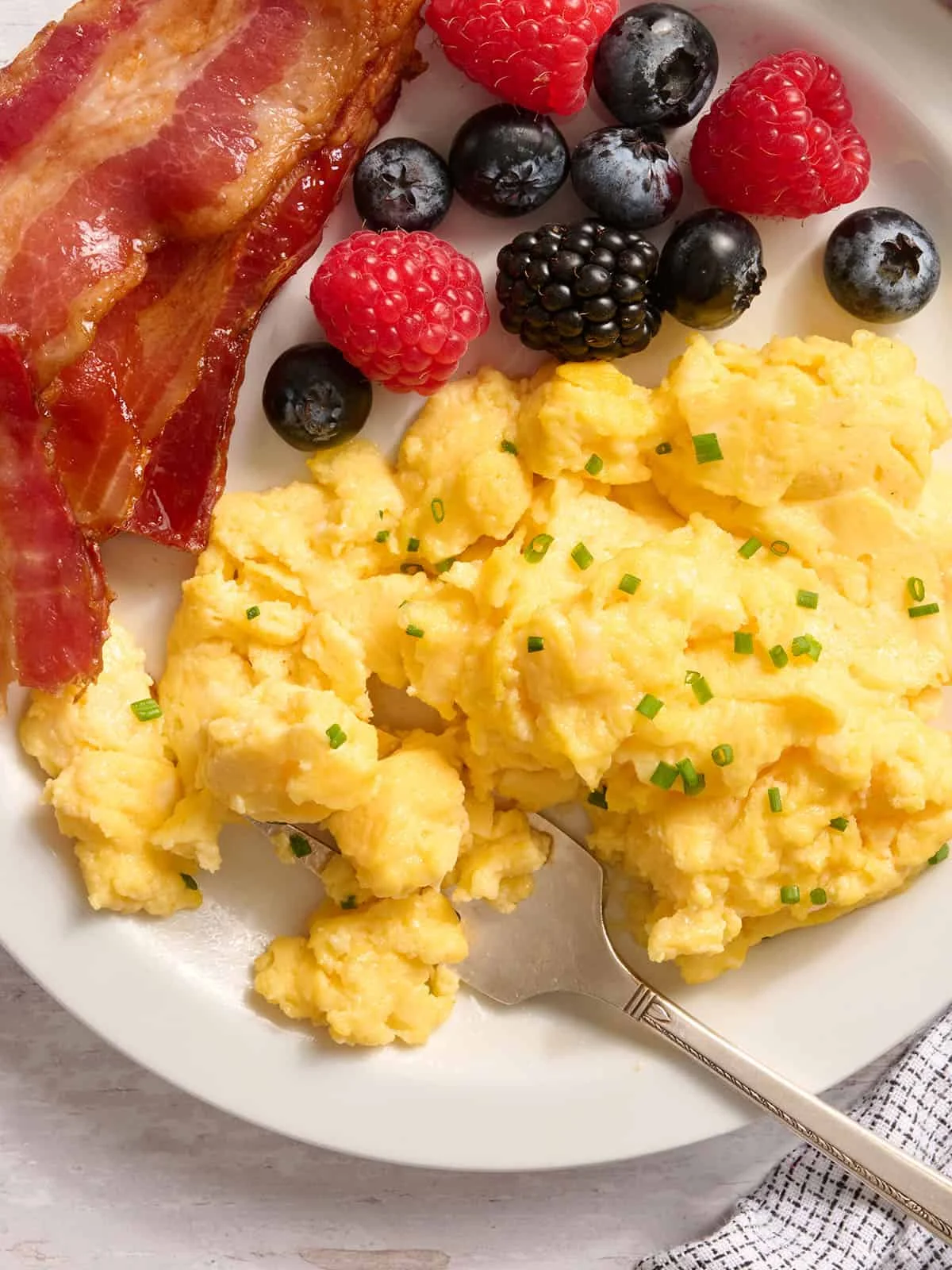
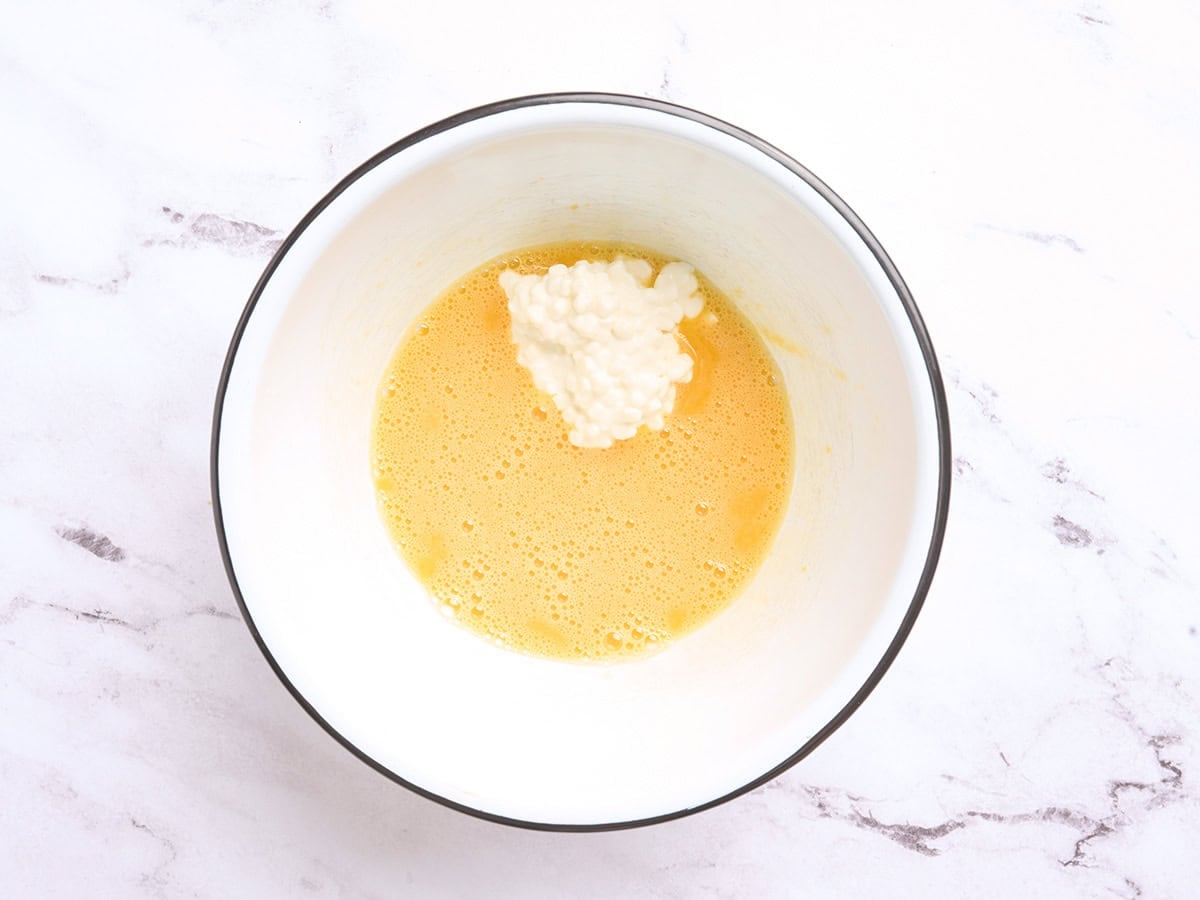
- Incorporation (Minutes 3-5): The cottage cheese—preferably a 4% fat variety for optimal creaminess—is added to the whisked eggs. Crucially, the chef must fold the cheese in gently. By leaving some of the curds intact, the final product gains a luxurious, complex texture that differentiates it from a standard, uniform scramble.
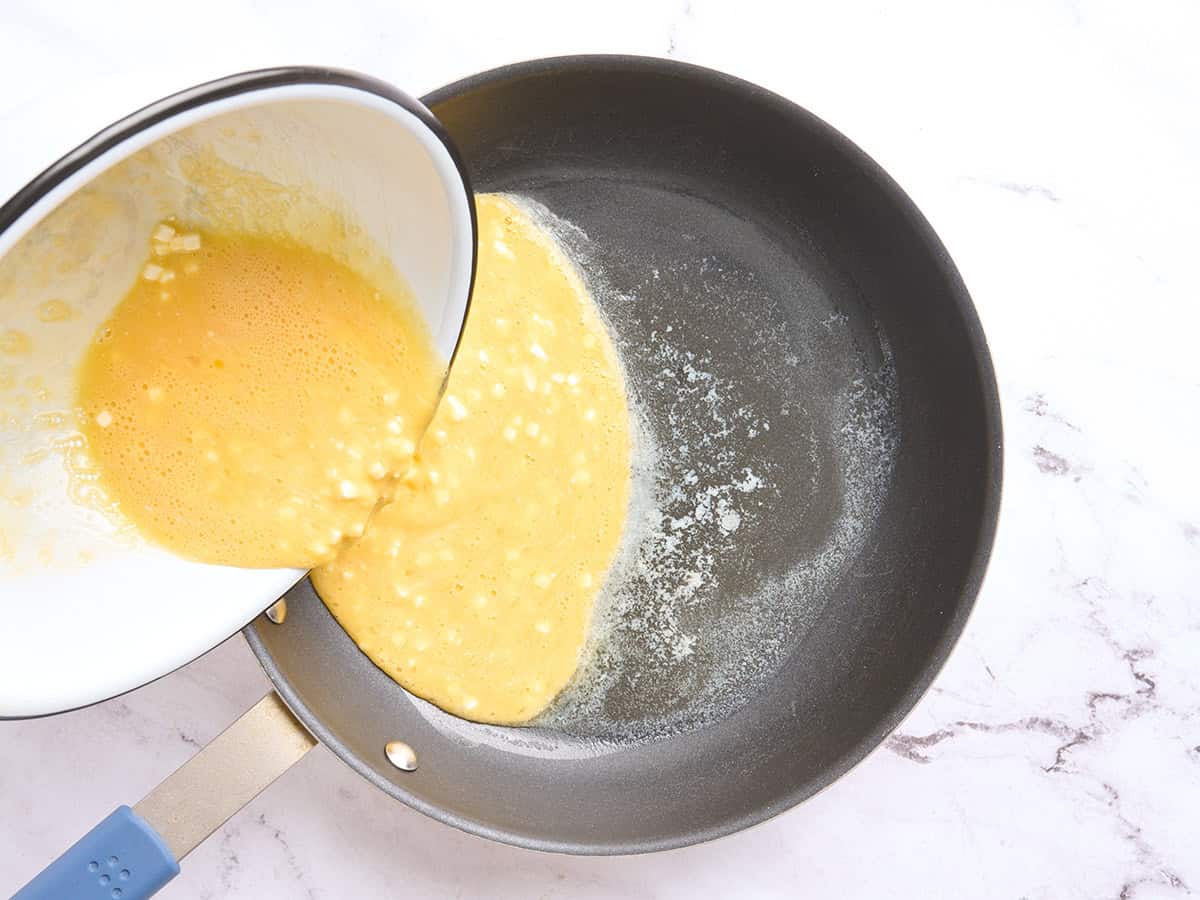
- The Thermal Process (Minutes 5-12): The eggs are introduced to a nonstick skillet containing melted, foaming butter. The heat must be maintained at a medium-low setting. Patience is the primary technique here; the eggs are allowed to sit undisturbed for several seconds before the chef uses a wooden spatula or chopsticks to gently push the cooked edges toward the center.
- The Finishing Touch (Minutes 12-15): The removal of the pan from the heat source is the most critical juncture. Because eggs retain residual heat, they must be removed while they appear slightly glossy and moist. If they look "done" in the pan, they are already overcooked on the plate.
Supporting Data and Nutritional Breakdown
In an era of fluctuating grocery prices, the economic viability of breakfast is a primary concern for the average consumer. The cottage cheese egg recipe serves as a testament to the fact that nutritional density does not have to be synonymous with high costs.
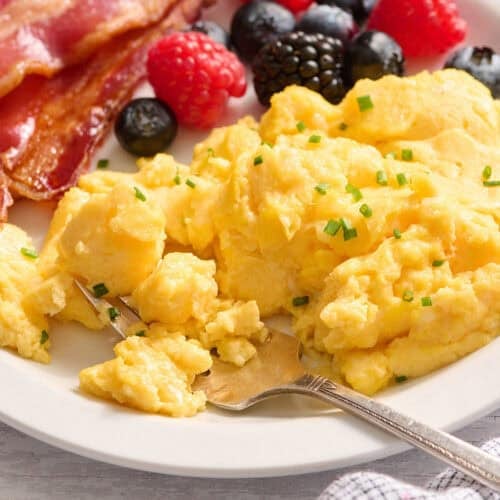
According to data compiled from current market pricing, this recipe averages approximately $0.58 per total batch, or a mere $0.29 per serving. This price point positions it as one of the most cost-effective protein sources available in the modern pantry.
From a nutritional perspective, the benefits are equally clear. Each serving provides:
- Calories: 172 kcal
- Protein: 11g
- Fat: 13g
- Carbohydrates: 1g
- Sodium: 344mg
These figures highlight a high-protein, low-carbohydrate profile that is ideal for sustained energy levels throughout the morning, significantly reducing the likelihood of mid-morning hunger spikes often associated with cereal or pastry-based breakfasts.
Professional Perspectives on Culinary Technique
Culinary experts, including Chef Jess Rice, emphasize that the success of this dish lies in the management of the "curd." Unlike traditional scrambled eggs, which are often stirred rapidly to create small, uniform curds, cottage cheese eggs benefit from a "folding" technique.
"The goal is to maintain the integrity of the cottage cheese curds while allowing the eggs to coat them," notes Chef Rice. "When you push the eggs from the outside of the pan to the center, you are essentially creating layers of texture. This is a technique often used in high-end French cooking, simplified for the home kitchen."
The choice of cottage cheese fat content is another point of professional consensus. While low-fat versions are available, the 4% fat variety is consistently recommended for its mouthfeel and stability under heat. Furthermore, the professional standard dictates that any excess liquid sitting atop the cottage cheese in the container should be strained or stirred back in to ensure the moisture ratio remains balanced in the final scramble.
Implications for the Home Kitchen
The adoption of the cottage cheese egg method has broader implications for how we manage our morning routines. It represents a shift toward "functional cooking"—the idea that every meal should serve a specific purpose, whether that is cost-saving, time-efficiency, or nutritional fortification.
Integration into the Weekly Meal Plan
Because the eggs are best served fresh, the recipe encourages a daily habit of short-duration, high-impact cooking. However, for those who meal-prep, the technique can be adapted. While the texture changes slightly upon reheating, these eggs can be incorporated into larger dishes, such as fried rice or breakfast burritos, effectively repurposing the protein for later meals.
Culinary Versatility
The neutrality of the cottage cheese flavor allows for extensive customization. While a simple finish of fresh chives or cracked black pepper is the classic recommendation, the dish acts as a canvas for:
- Botanical Additions: Sliced green onions or fresh parsley.
- Spiced Profiles: A few dashes of hot sauce or smoked paprika.
- Accompanying Proteins: Serving alongside air-fried bacon or smoked salmon adds a level of sophistication that makes the meal suitable for brunch hosting.
The Sustainability Factor
The return to eggs as a primary, affordable protein staple is a victory for the home cook. By pairing eggs with cottage cheese, we are not only utilizing a shelf-stable, widely available dairy product but also ensuring that our breakfasts are more substantial, keeping the consumer full longer and reducing the urge to purchase expensive, processed snack foods throughout the day.
Conclusion
The cottage cheese egg is a perfect marriage of convenience and culinary intelligence. It takes the most basic component of the kitchen—the egg—and introduces a secondary ingredient that solves its most common flaws: dryness and lack of satiety. As we continue to navigate the demands of busy mornings and the need for economical, nutritious food, this recipe stands out as a reliable, delicious, and deeply satisfying solution. Whether you are a professional chef looking for a quick morning fix or a budget-conscious student seeking high-protein sustenance, this four-ingredient wonder is, quite simply, the best way to start the day.