For the better part of two decades, the gluten-free (GF) community lived in a world of trade-offs. Finding a snack that was both safe for those with celiac disease or gluten sensitivity and palatable enough for a child’s lunchbox was a Herculean task. Specialty health food stores were the only reliable refuge, often charging a significant premium for products that frequently suffered from poor texture and lackluster flavor.
Today, the landscape has undergone a seismic shift. The "gluten-free aisle" is no longer a desolate corner of the grocery store; instead, many of the best gluten-free snacks are now integrated directly onto the shelves alongside conventional crackers, cookies, and chips. This transition represents not just a victory for convenience, but a profound shift in food manufacturing technology and consumer accessibility.
Main Facts: The New Reality of GF Availability
The core reality of the modern gluten-free market is that "normalcy" is the new gold standard. Parents and adults managing gluten-free lifestyles no longer need to settle for products that taste like cardboard. The current market is defined by two major categories: naturally gluten-free staples and reformulated "legacy" snacks.
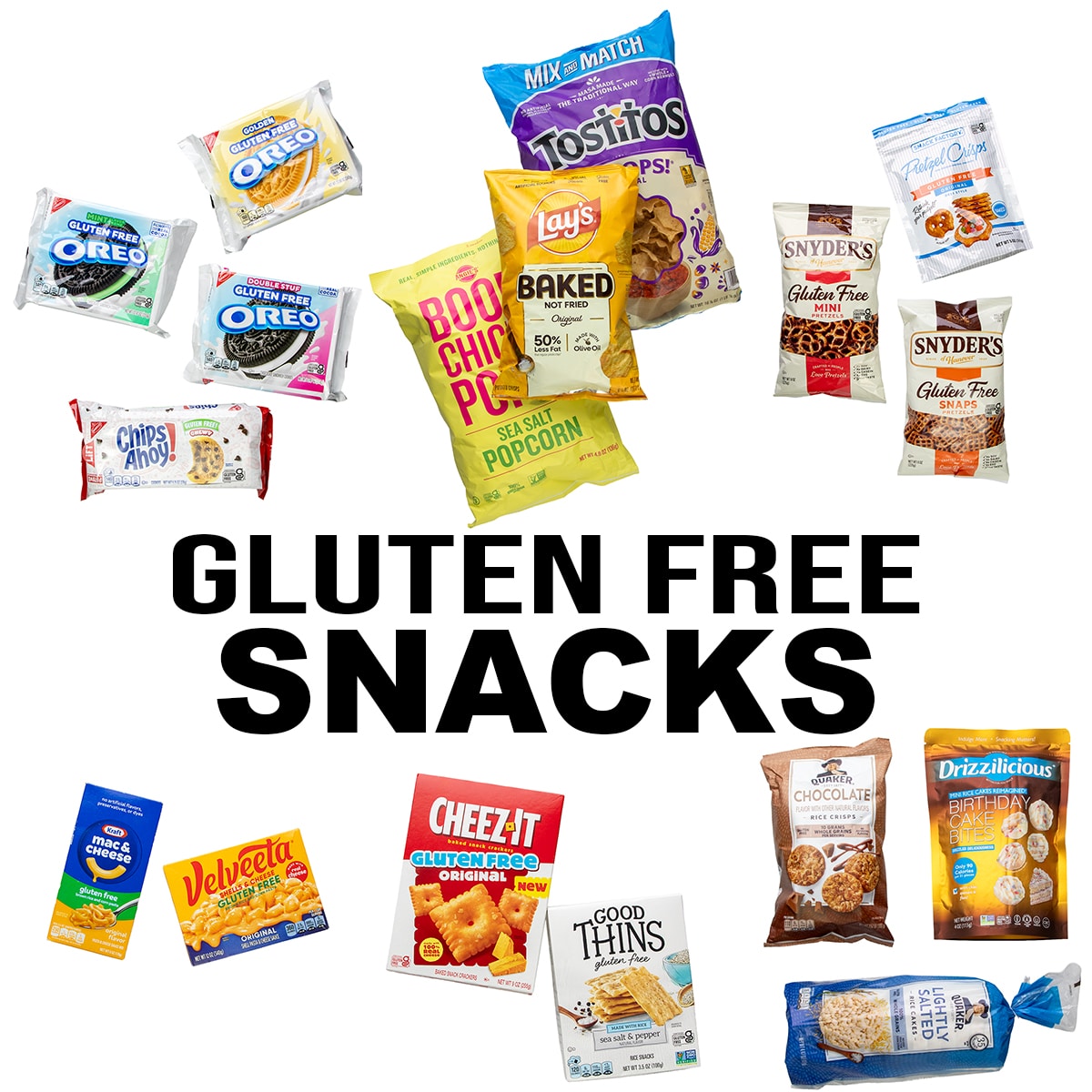
Major manufacturers, including giants like Nabisco and Frito-Lay, have recognized that the gluten-free consumer base is no longer a fringe market. It is a demographic that demands the same flavor profiles, crunch, and satisfaction as their gluten-consuming peers. As a result, we are seeing the widespread availability of certified gluten-free versions of iconic products that were previously unattainable for those with autoimmune restrictions.
Chronology: A Shift in Manufacturing Philosophy
The journey to this current state of accessibility began in earnest around 2005. At that time, the gluten-free movement was largely relegated to home bakers and expensive, specialized mail-order companies.
- 2005–2010: The "Early Adaptation" phase. Families navigated limited options, often relying on expensive, imported GF specialty items. Homemade recipes were the primary way to achieve a "normal" dining experience.
- 2010–2015: The "Mainstream Recognition" phase. Retailers began dedicating shelf space to dedicated GF brands. Innovation centered on creating gluten-free flours that could replicate the elasticity of wheat.
- 2015–2020: The "Reformulation" phase. Major CPG (Consumer Packaged Goods) companies began acquiring smaller GF brands or launching their own internal lines, leveraging their massive supply chains to lower prices.
- 2020–Present: The "Integration" phase. We have reached a point where GF items are not just safe alternatives, but preferred by many consumers, regardless of their dietary restrictions, due to advancements in ingredient science.
Supporting Data: Why Mainstream Matters
The economic and logistical impact of this shift cannot be overstated. When gluten-free snacks move from boutique shops to mass-market retailers, three things happen: prices stabilize, availability increases, and quality control improves.
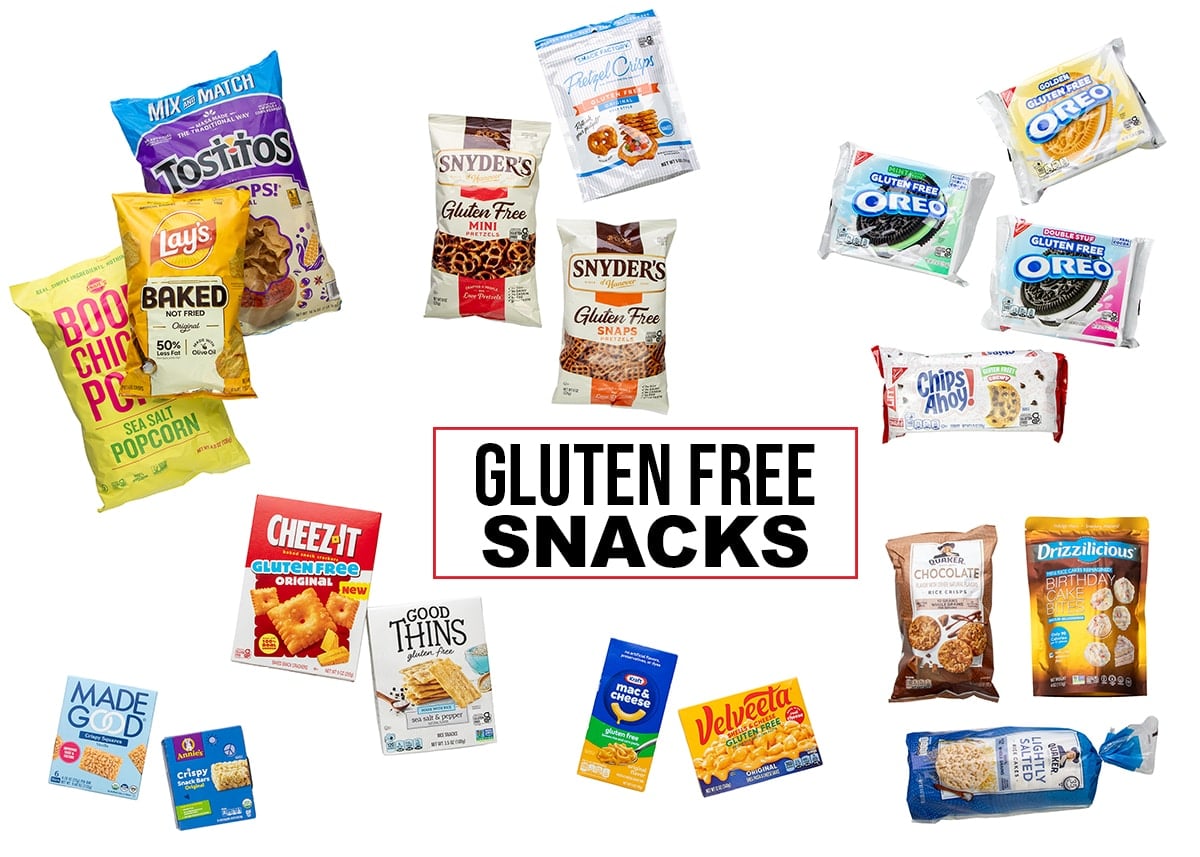
According to market analysis, the gluten-free snack segment is one of the fastest-growing sectors in the food industry. By prioritizing products found in traditional supermarkets, consumers benefit from lower price points—often saving 30% to 50% compared to boutique specialty brands. Furthermore, the accessibility of these products via services like Instacart or local grocery pickup has minimized the "broken cracker" phenomenon, ensuring that consumers get the quality they pay for.
The key to navigating this new world remains label vigilance. While the FDA has strict standards for "gluten-free" labeling, the manufacturing environment is dynamic. Cross-contact in shared facilities remains a primary concern, which is why relying on established, transparent manufacturers with clear allergen statements is the gold standard for the community.
Official Responses and Industry Standards
Major food manufacturers have responded to the outcry for better gluten-free options by implementing rigorous testing protocols. Companies like Frito-Lay, for instance, have set a high bar by providing clear "contains" statements and utilizing robust testing to ensure their corn-based products are safe.
In the world of cookies and crackers, Nabisco’s move to release gluten-free versions of Oreos and Chips Ahoy! marked a turning point. These products were not marketed as "health food," but as direct, identical substitutes for the original. When a product is developed by a legacy brand, it is subjected to the same consumer taste testing as its gluten-containing counterparts. The positive feedback from the gluten-free community—and even from those without dietary restrictions who find the taste identical—proves that the technology for high-quality gluten-free production is now mature.
Implications: The Psychological and Social Shift
The implications of having access to "normal" snacks extend far beyond nutrition. For a child with celiac disease, the ability to open a lunchbox and find a snack that looks, smells, and tastes exactly like their friends’ snacks is a significant social equalizer. It removes the "othering" that often accompanies food allergies.
Navigating the Shelves: A Curated Approach
When selecting snacks for a gluten-free pantry, focus on the following categories:
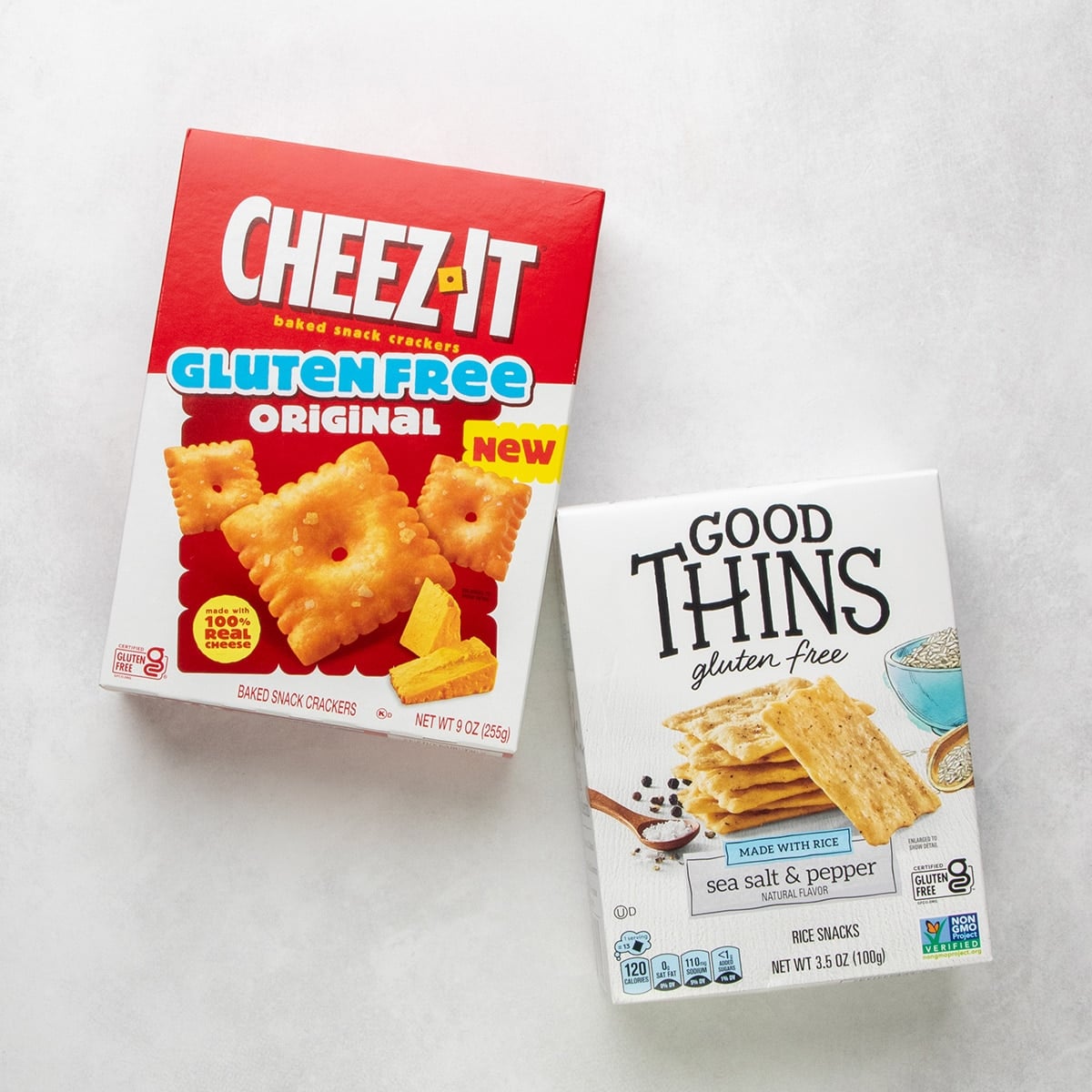
The Crackers and Savory Staples
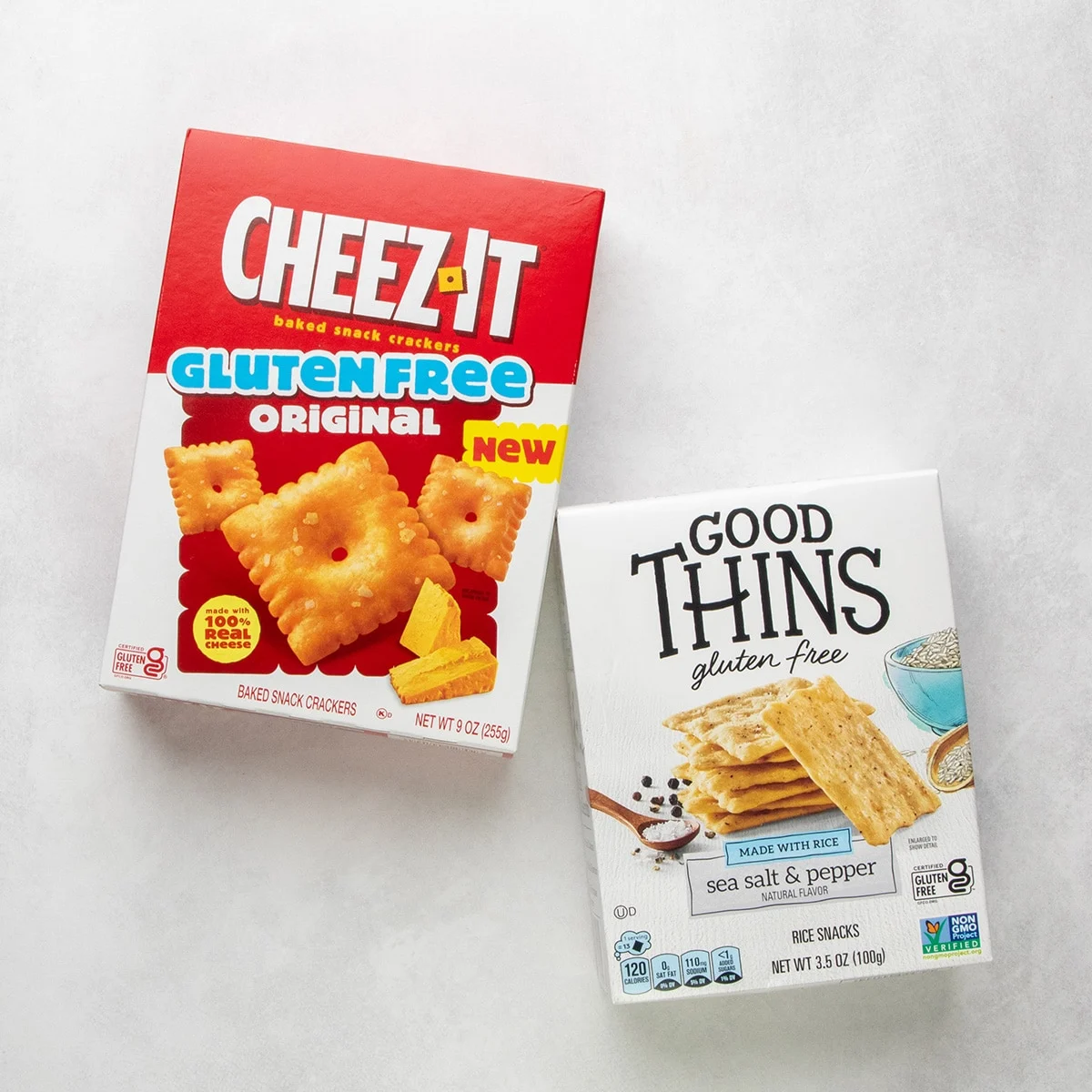
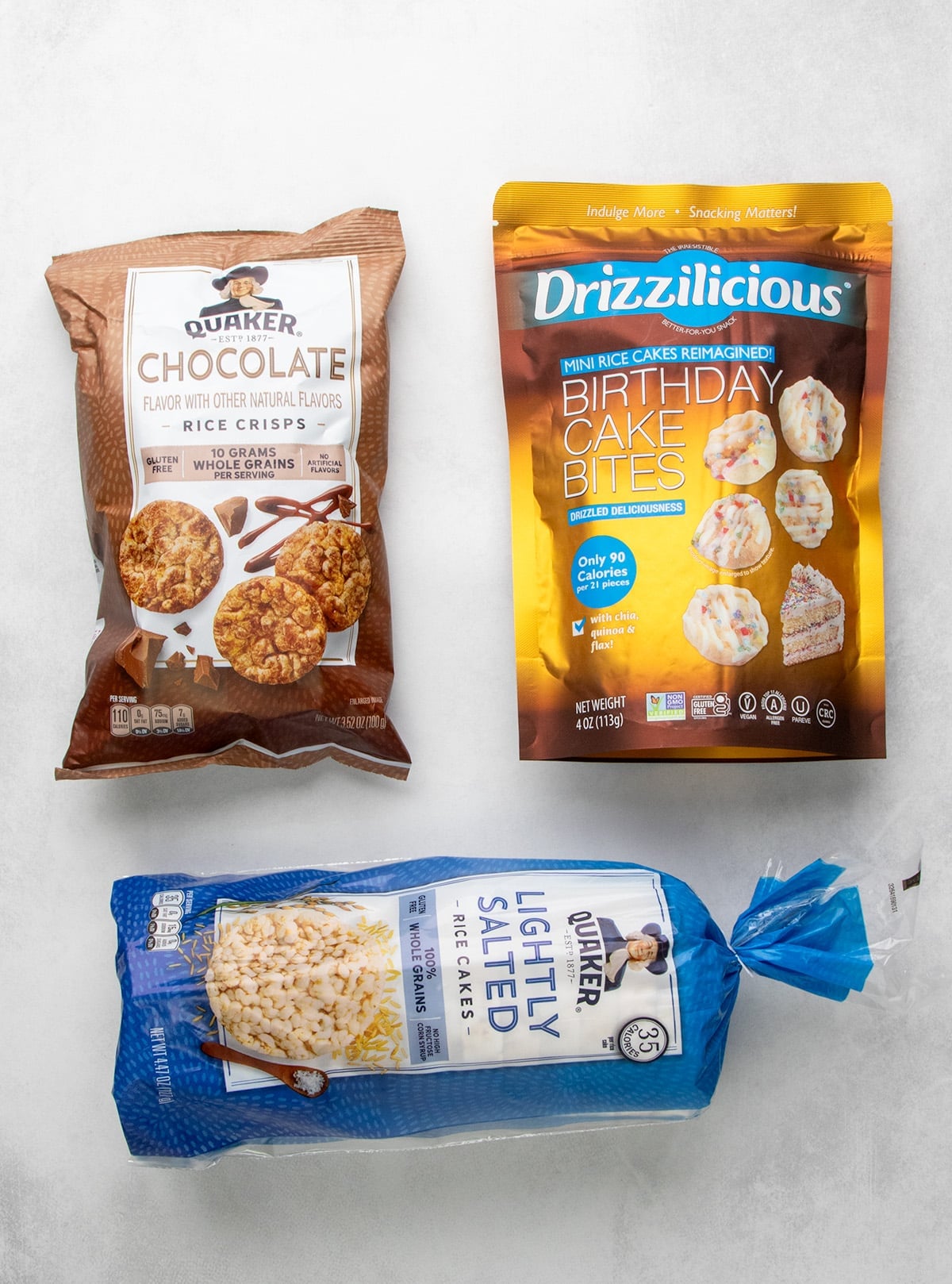
The cracker market is perhaps the most improved. From rice-based snacks that offer a clean, crisp texture to reformulated wheat-free versions of classic cheese crackers, options have never been more diverse. Always prioritize brands that explicitly state "Certified Gluten-Free" on the packaging to ensure they meet the strictest safety standards.
The "Naturally GF" Riches
Many snacks, particularly those derived from corn or potatoes, are naturally gluten-free. While the base ingredients are safe, the flavoring process can introduce hidden gluten. Always check the ingredient list for maltodextrin (if derived from barley), yeast extract, or modified food starch if the source is not explicitly listed as corn or potato.
The Cookie Revolution
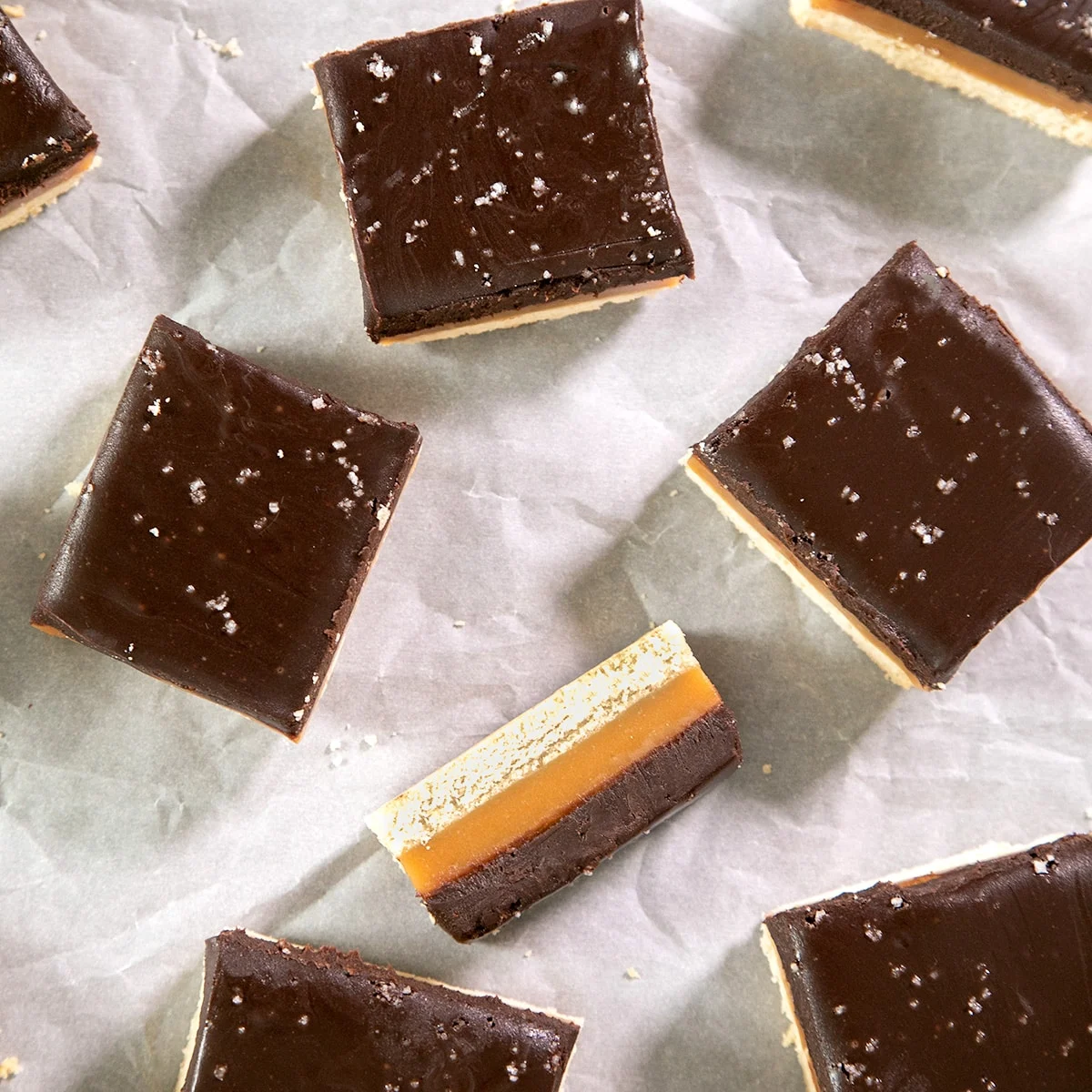
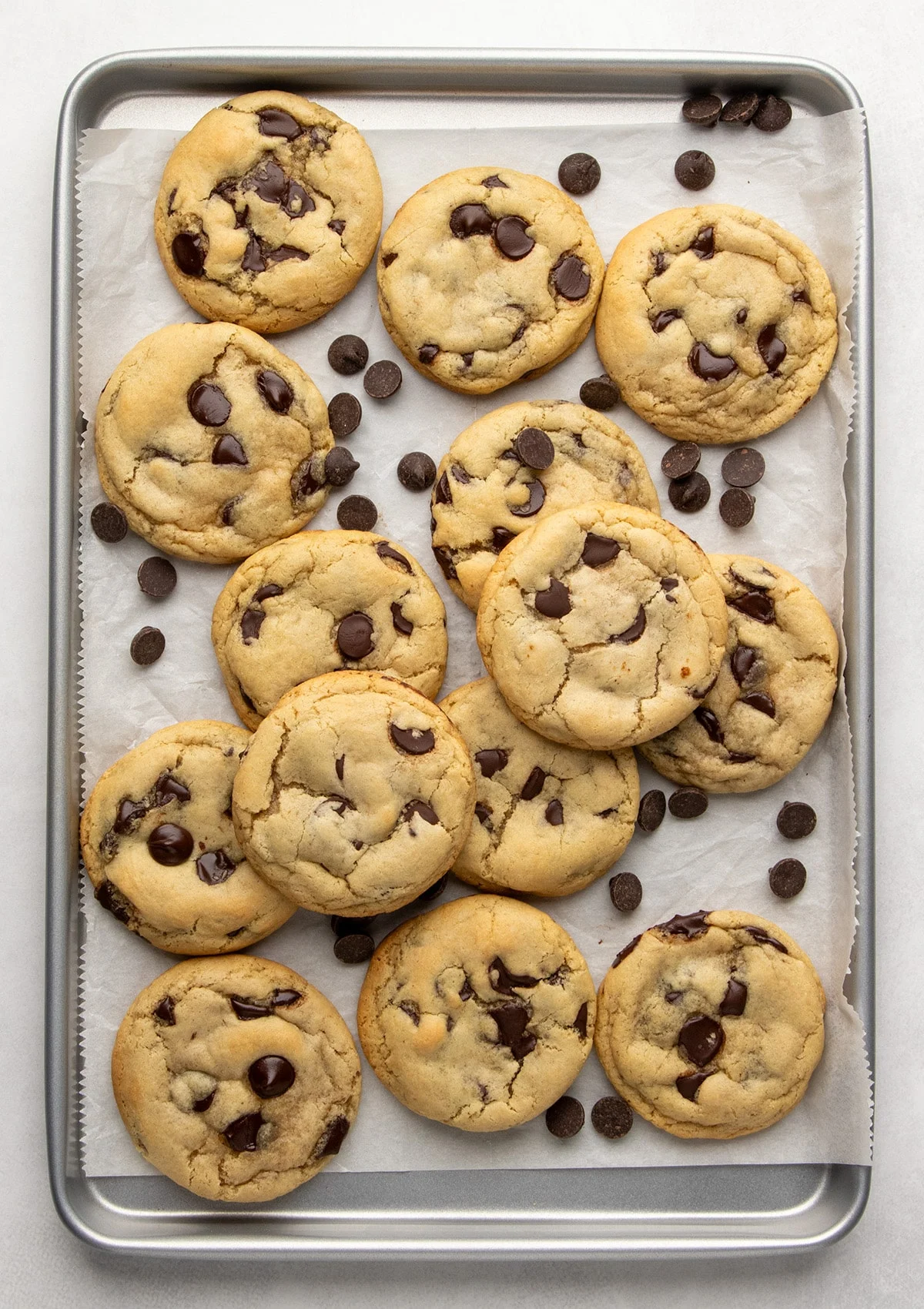
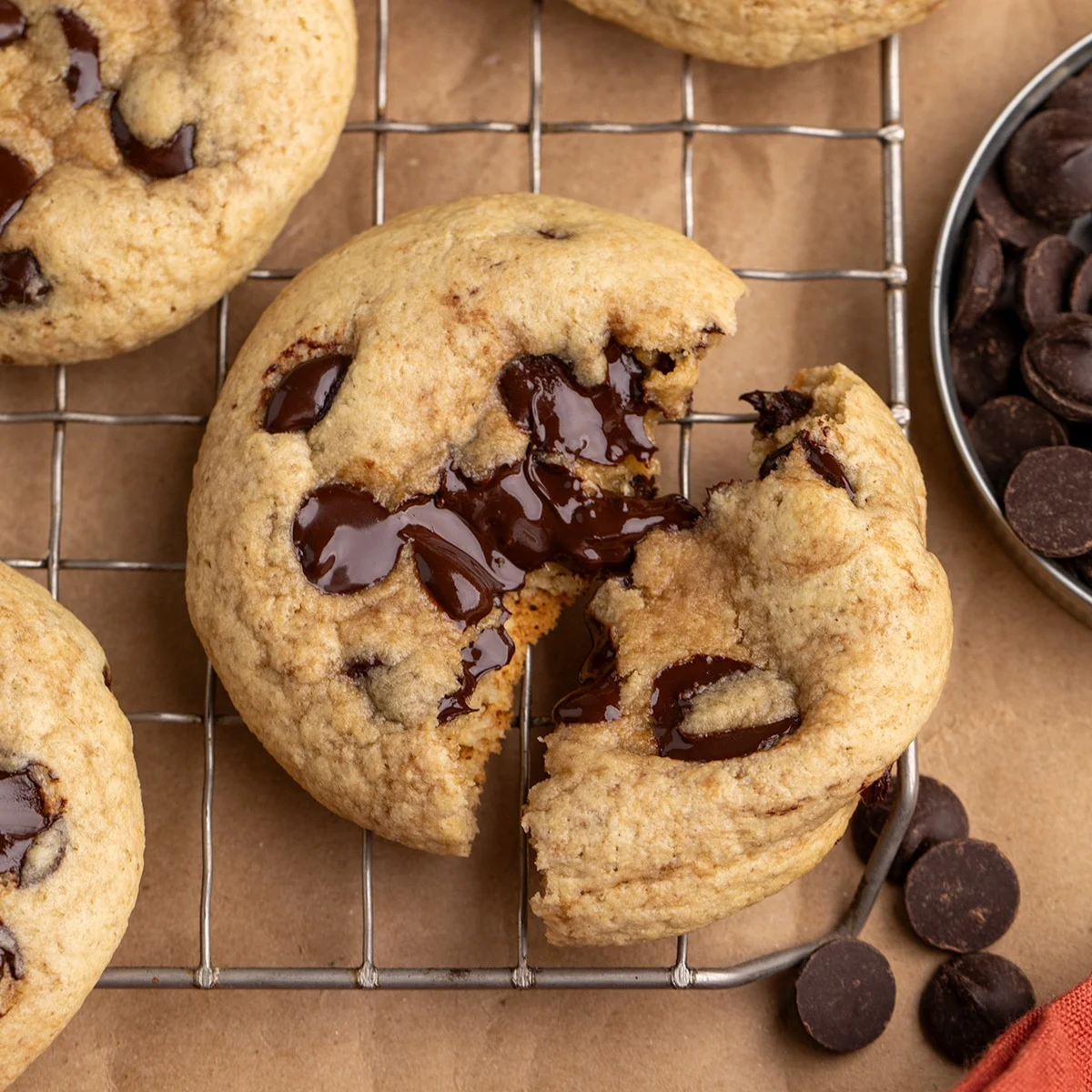
The era of the "fake" cookie is effectively over. With the introduction of mass-market, high-quality gluten-free cookies, the necessity of spending hours in the kitchen to bake individual batches has decreased. These cookies allow for the occasional indulgence that feels like a treat rather than a medical necessity.
Conclusion: A Future of Inclusion
The current state of the gluten-free market is a testament to the power of consumer demand. By pushing for products that prioritize taste and normalcy over "specialty" status, the gluten-free community has forced the industry to evolve.
As we look toward the future, the goal remains the same: a world where "gluten-free" is no longer a descriptor of a restricted diet, but a standard of high-quality, accessible food. For those who have been living this life since 2005 or earlier, the current selection is nothing short of revolutionary. We are finally at a place where the pantry can be stocked with items that make everyone—hungry kids and busy adults alike—truly smile.
Disclaimer: Always read the product label before purchasing, as manufacturing practices and ingredients can change without notice. For the most accurate and up-to-date information regarding specific products, consult the manufacturer’s official website.