In an era defined by processed convenience foods and hyper-sweetened breakfast cereals, the humble act of baking one’s own granola has emerged as a culinary rebellion. It is a practice that combines nutritional mindfulness with the sensory satisfaction of a kitchen filled with the aroma of toasted nuts and caramelized maple syrup. Among the pantheon of DIY breakfast staples, the Homemade Cranberry Pecan Granola stands out as a masterpiece of texture, flavor, and versatility.
This guide explores the mechanics of creating the perfect batch, the nutritional implications of choosing homemade over store-bought, and the professional techniques required to achieve that coveted, bakery-quality crunch.
The Main Facts: Why Homemade Reigns Supreme
The primary appeal of homemade granola lies in the absolute transparency of its ingredients. Commercial granolas are frequently criticized by nutritionists for their excessive sugar content, the use of low-quality oils, and the inclusion of preservatives meant to extend shelf life on supermarket aisles.
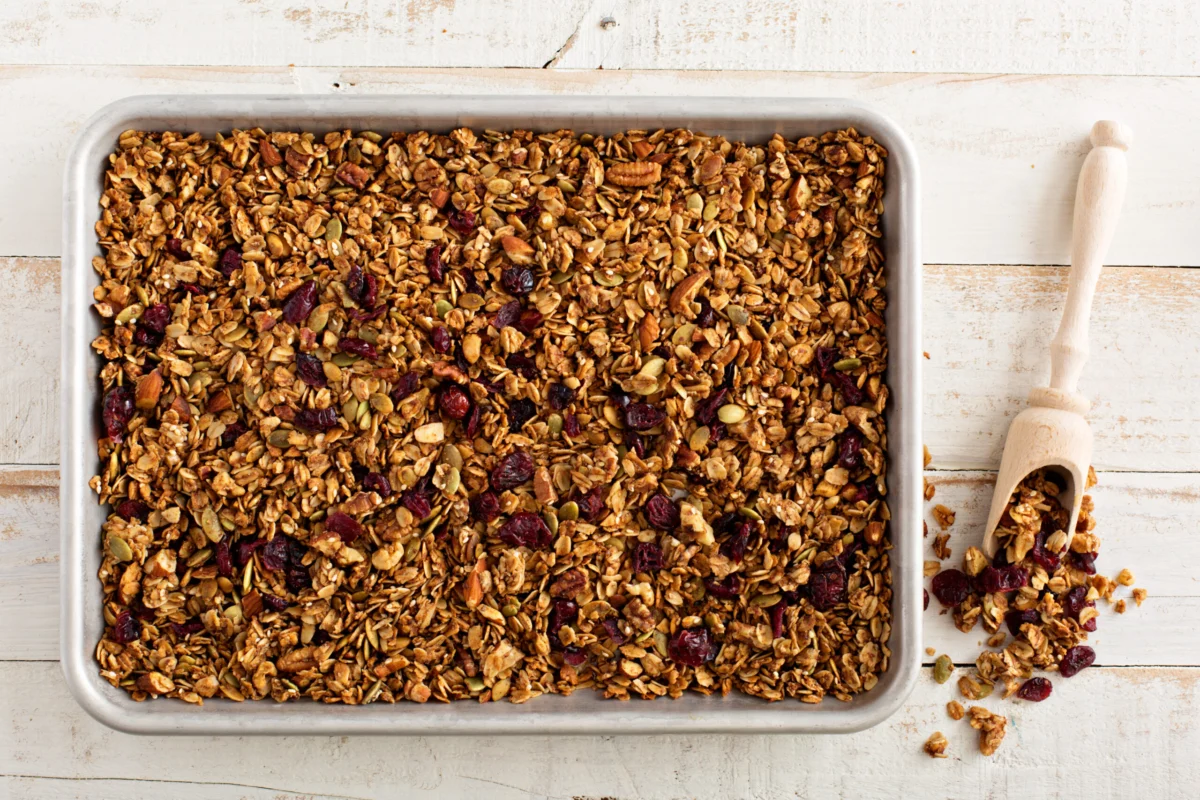
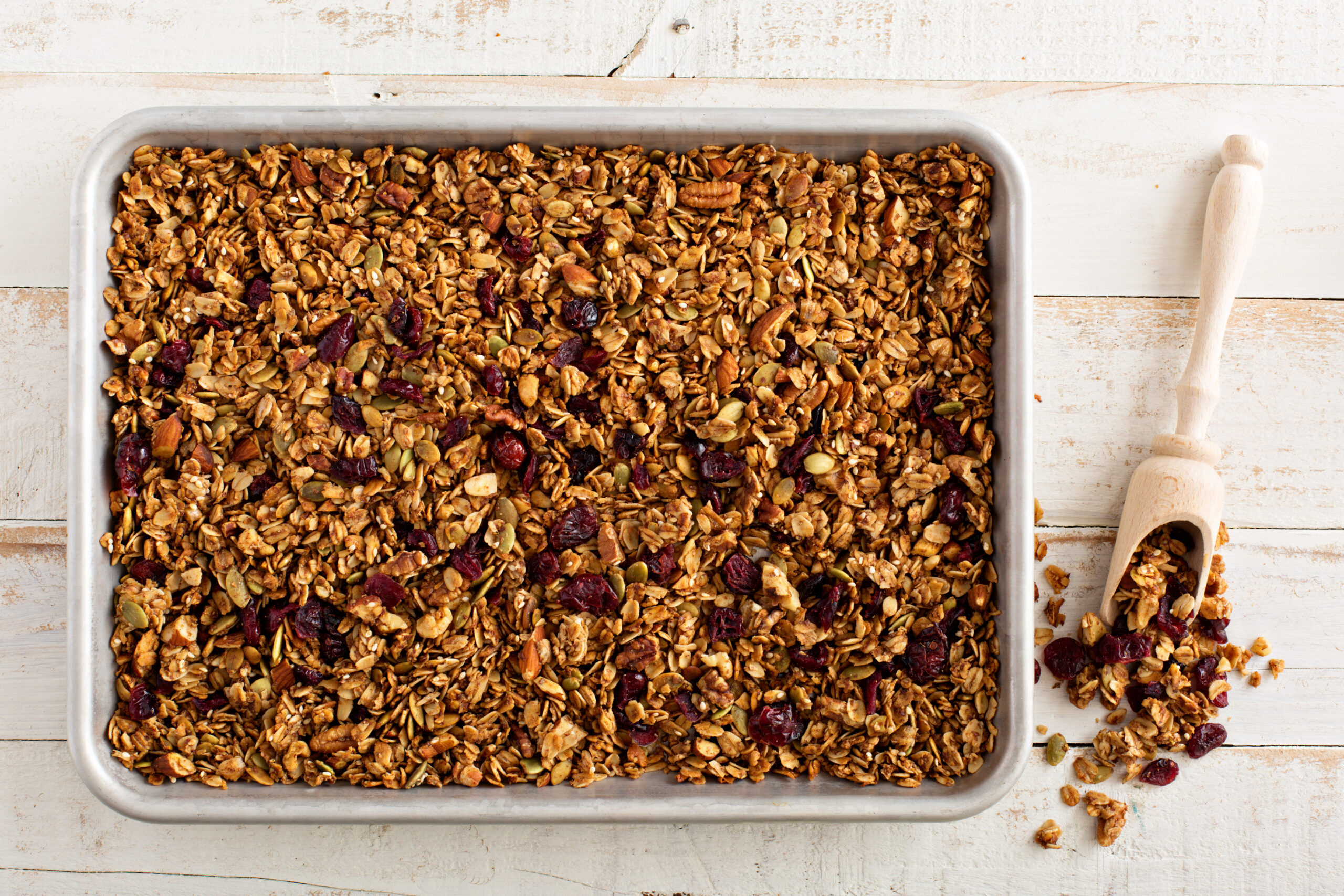
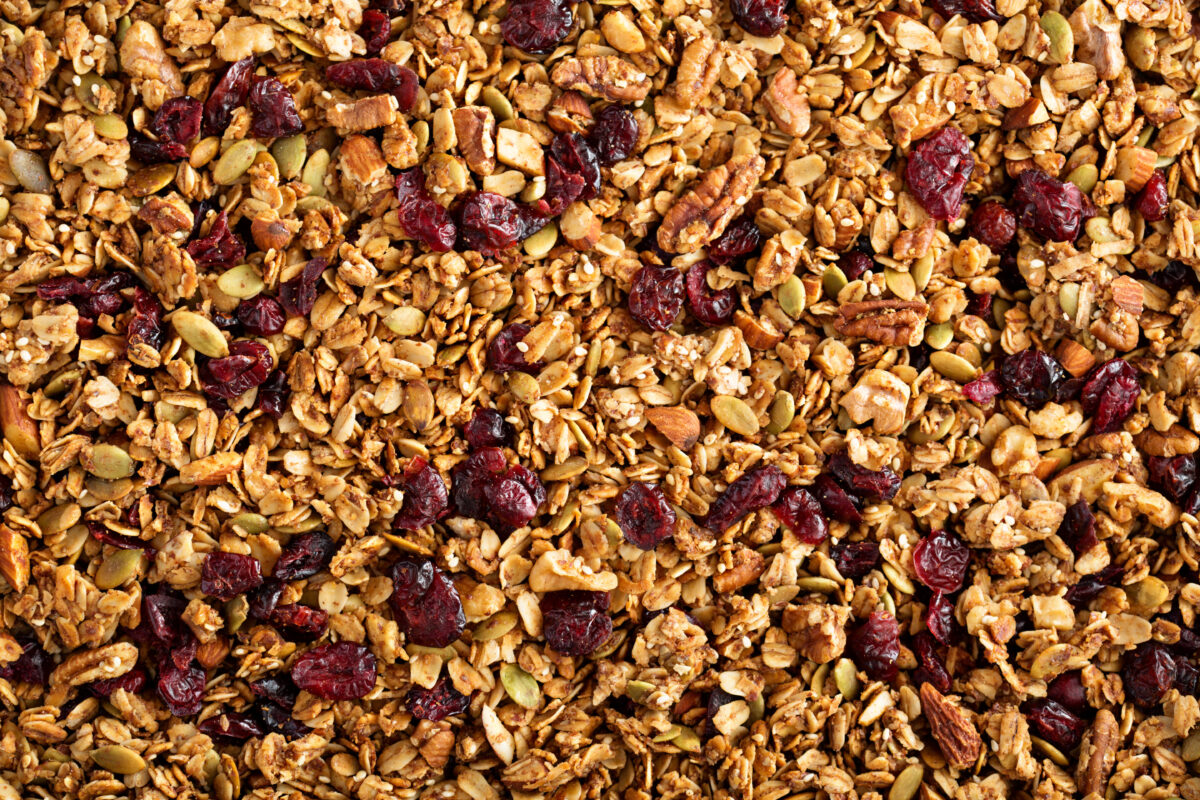
By contrast, this Cranberry Pecan Granola relies on a synergy of wholesome components. At its heart, the recipe utilizes old-fashioned rolled oats, which provide a hearty base of complex carbohydrates and fiber. When paired with the healthy fats of pecans and almonds—and the functional addition of pepitas (pumpkin seeds) and sesame seeds—the result is a sustained energy release that far outperforms high-glycemic breakfast alternatives. The tartness of the cranberries acts as a vital counterpoint to the deep, earthy richness of the nuts, creating a profile that is both complex and deeply satisfying.
A Chronological Breakdown of the Process
Achieving the perfect granola is not merely a matter of throwing ingredients together; it is a process that requires timing and precision.
Phase 1: Preparation (Minutes 0–15)
The process begins with the careful selection of dry ingredients. Old-fashioned oats are essential; their structural integrity allows them to withstand the oven’s heat without disintegrating into dust. The nuts and seeds are tossed in a large bowl, creating a landscape of textures. The binding agent—typically a blend of maple syrup or honey, oil, and a touch of salt and warm cinnamon—is emulsified and poured over the dry mixture. Proper coating is the secret to uniform browning.
Phase 2: The Thermal Transformation (Minutes 15–40)
The mixture is spread across a baking sheet. During the first 25 minutes of baking, the oven facilitates the Maillard reaction, where the natural sugars in the nuts and the syrup undergo a chemical change, resulting in that distinct, toasted flavor profile. The critical step here is the "watch and stir" method. As the edges begin to darken, they must be monitored closely to prevent the transition from "perfectly toasted" to "bitterly charred."
Phase 3: The Cooling Architecture (The Final Set)
Perhaps the most overlooked step is the cooling phase. Granola is structurally unstable immediately upon exiting the oven. It is during the cooling process that the sugars reharden, binding the oats and nuts into those coveted clusters. Attempting to package the granola before it reaches room temperature is the primary cause of soggy or crumbly batches.
Supporting Data: The Nutritional Advantage
When examining the nutritional profile of this recipe, the benefits become clear. By controlling the sweetener, a home baker can reduce the sugar load by as much as 40% compared to average store-bought varieties.
- Fiber Density: The use of rolled oats ensures a significant intake of beta-glucan, a soluble fiber associated with heart health and cholesterol regulation.
- Micronutrient Profile: Pecans and pepitas are excellent sources of magnesium, zinc, and Vitamin E. These nutrients are essential for immune support and skin health.
- The "Post-Bake" Advantage: By adding dried cranberries after the oven process, the fruit retains its moisture and natural antioxidants. Baking dried fruit often leaches away its flavor and texture, leading to a hard, shriveled product. Adding them post-bake ensures a plump, chewy bite.
Culinary Implications: Versatility Beyond the Bowl
The implications of mastering this recipe extend far beyond the breakfast table. This granola serves as a foundational element in a modern, busy lifestyle.
A Tool for Lunchbox Management
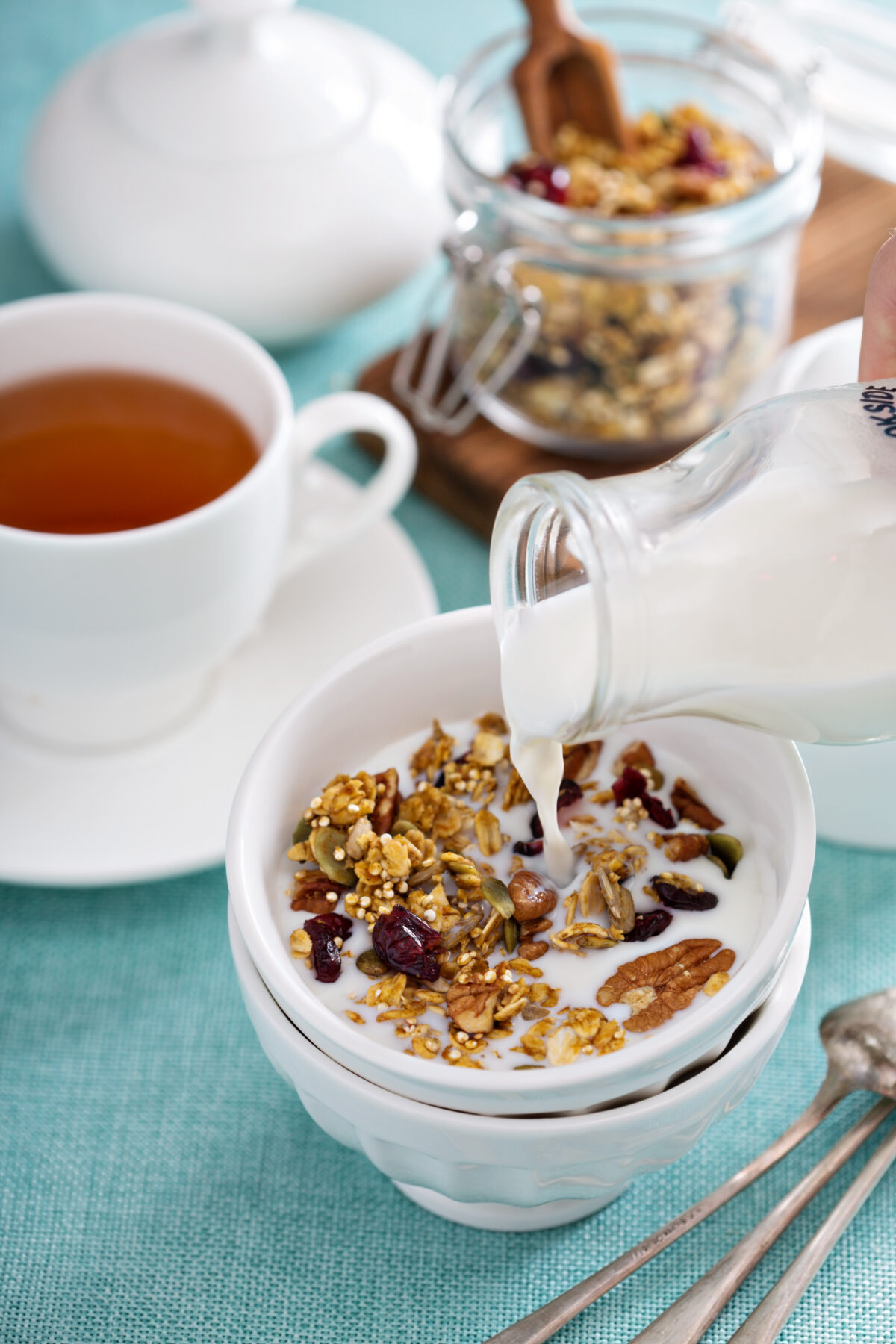
For parents, the challenge of packing school lunches that are both nutritious and appealing is constant. Homemade granola serves as a bridge between a "healthy" lunch and a "treat." It can be sprinkled over Greek yogurt, added to bento-style snack boxes, or used as a topping for fruit salads.
The Professional "Cluster" Technique
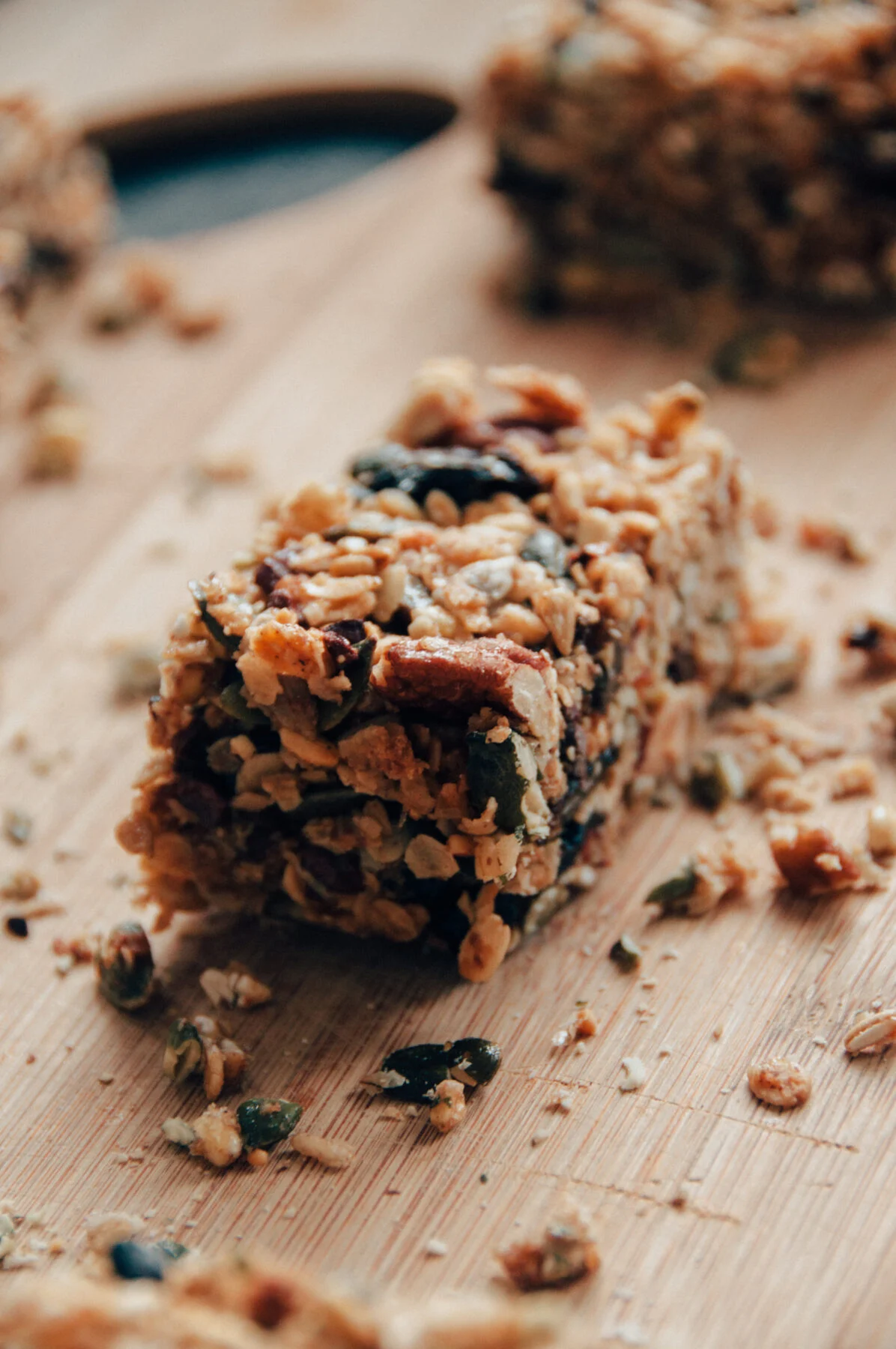
For those who prefer a "chunky" granola, the technique is to press the raw mixture firmly into the baking sheet before placing it in the oven. This creates a solid layer that, once cooled and broken, forms large, satisfying chunks rather than a loose, sand-like texture.
Dietary Customization
The recipe is naturally adaptable to various dietary requirements:
- Gluten-Free: Ensure the oats used are certified gluten-free.
- Dairy-Free: The recipe naturally excludes dairy, making it an excellent option for those with lactose sensitivities or plant-based preferences.
- Low-Sugar/Keto Adjustments: By replacing the maple syrup with a sugar-free monk fruit syrup or a keto-friendly sweetener, the recipe can be easily modified for low-carbohydrate diets.
Expert Tips for Success: Avoiding Common Pitfalls
To ensure your homemade granola reaches its full potential, heed these expert-level recommendations:
- The Humidity Factor: If your kitchen is particularly humid, your granola may lose its crunch faster. Store it in a completely airtight glass jar. If it does lose its crispness after a week, a quick 5-minute "refresh" in a low-temperature oven (250°F) will restore it to its original glory.
- The Salt Balance: Do not underestimate the power of a pinch of high-quality sea salt. It acts as a flavor enhancer, cutting through the sweetness of the syrup and elevating the flavor of the pecans.
- The Seed Strategy: Do not be afraid to experiment with the seed ratios. Adding chia or flax seeds at the very end (before baking) adds a significant boost of Omega-3 fatty acids without compromising the structural integrity of the clusters.
- Temperature Control: If your oven runs hot, lower the temperature to 300°F and extend the baking time by 5–10 minutes. This "low and slow" method creates a more even golden color throughout the tray.
Future Perspectives: Beyond the Cranberry
While the Cranberry Pecan combination is a classic, the framework provided by this recipe allows for endless seasonal innovation.
- The Winter Variation: During the holiday season, consider adding a dash of ground ginger, cloves, or nutmeg to the dry mix. This transforms the granola into a warm, aromatic comfort food that pairs beautifully with spiced lattes or warmed apples.
- The Summer Variation: In the warmer months, swapping the cranberries for dried apricots or cherries and adding a handful of toasted coconut flakes creates a lighter, more tropical profile.
- The Decadent Turn: For an evening snack, the addition of high-quality dark chocolate chips (70% cocoa or higher) once the granola is completely cool adds a touch of indulgence that feels sophisticated without being overly processed.
Final Reflections
The movement toward "real food" is not just about health; it is about the reclamation of the kitchen. By choosing to make your own Cranberry Pecan Granola, you are choosing to participate in the preparation of your own fuel. The process is meditative, the result is superior in both taste and quality, and the ability to customize your ingredients ensures that your breakfast is always exactly what you need it to be.
Whether you are a busy professional looking for a quick morning solution, a parent seeking nutritious options for your family, or a food enthusiast looking to master the basics, this recipe provides the perfect intersection of simplicity and culinary satisfaction. Keep your jars filled, your oven preheated, and your palate ready for the perfect crunch.