By Penelope Bass | July 01, 2026
Root beer occupies a unique, almost sacred space in the American beverage canon. It is a drink that manages to simultaneously evoke the dusty, sun-drenched memories of childhood summers and the sophisticated, discerning palate of the modern craft beverage enthusiast. From its deep, complex roots in indigenous botanical traditions to its current status as a premium staple in high-end coolers and artisanal cocktail bars, root beer remains an enduring icon of American refreshment.
The Botanical Origins: From Ancient Roots to Modern Soda
To understand the soul of root beer, one must look back long before the era of mass-market, high-fructose corn syrup sodas. The lineage of the beverage is inextricably linked to the wisdom of indigenous tribes, particularly the Choctaw and Cherokee. These nations utilized the natural bounty of North American forests, brewing potent, flavor-forward tonics from the roots of the sassafras tree and the bark of sarsaparilla.
These early preparations were not merely refreshing; they were medicinal and deeply aromatic. The transition from these traditional infusions to the carbonated soda we recognize today was a slow evolution of chemistry and commerce. As settlers adopted these indigenous flavor profiles, the "root beer" category began to take shape, characterized by the hallmark notes of wintergreen, anise, and sassafras—a combination that still serves as the North Star for modern craft makers.
Chronology of a Classic: Evolution of the Craft
The history of root beer is a mirror of American industrial and culinary history.
- Pre-1800s: Indigenous medicinal use of sassafras and sarsaparilla.
- 1870s: Charles Hires introduces "Hires Root Beer" at the Philadelphia Centennial Exhibition, marketing it as a temperance-friendly alternative to beer.
- 1891: Pharmacist William Boylan begins selling his proprietary birch serum, laying the foundation for what would become the Boylan Bottling Co.
- Mid-20th Century: The industrialization of soda production leads to a homogenization of flavors. Root beer becomes a ubiquitous but often overly sweet, synthetic-tasting commodity.
- 2001: The modern craft revival begins in earnest. Founders like Matt Seiler of Maine Root and the team behind Wild Bill’s Craft Beverage Co. pivot back to cane sugar, natural extracts, and traditional small-batch techniques, sparking a resurgence in consumer interest.
The New Guard: Leading the Craft Revolution
Today, the market is defined by a commitment to transparency, quality, and a return to the "spice-forward" profile that defined the original tonics.
Maine Root: A Fair-Trade Pioneer
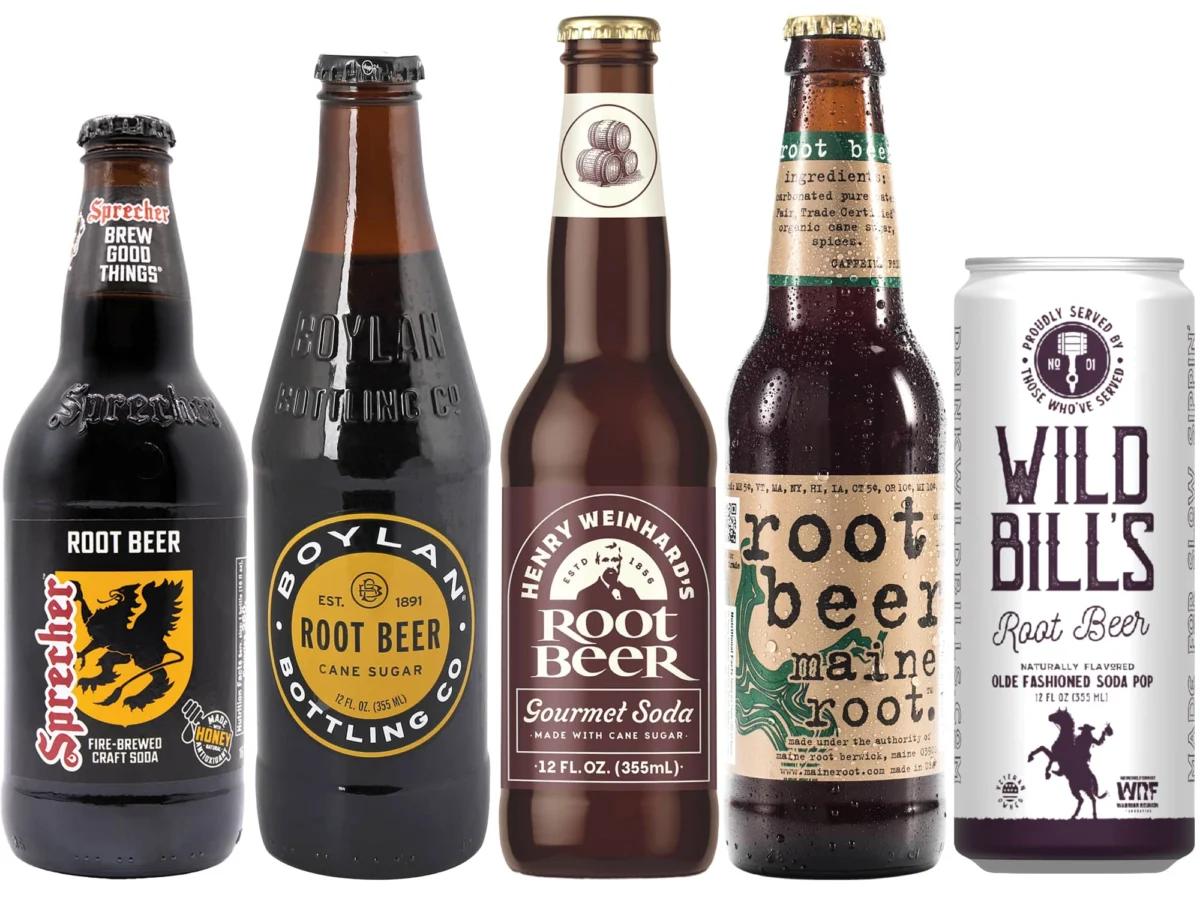
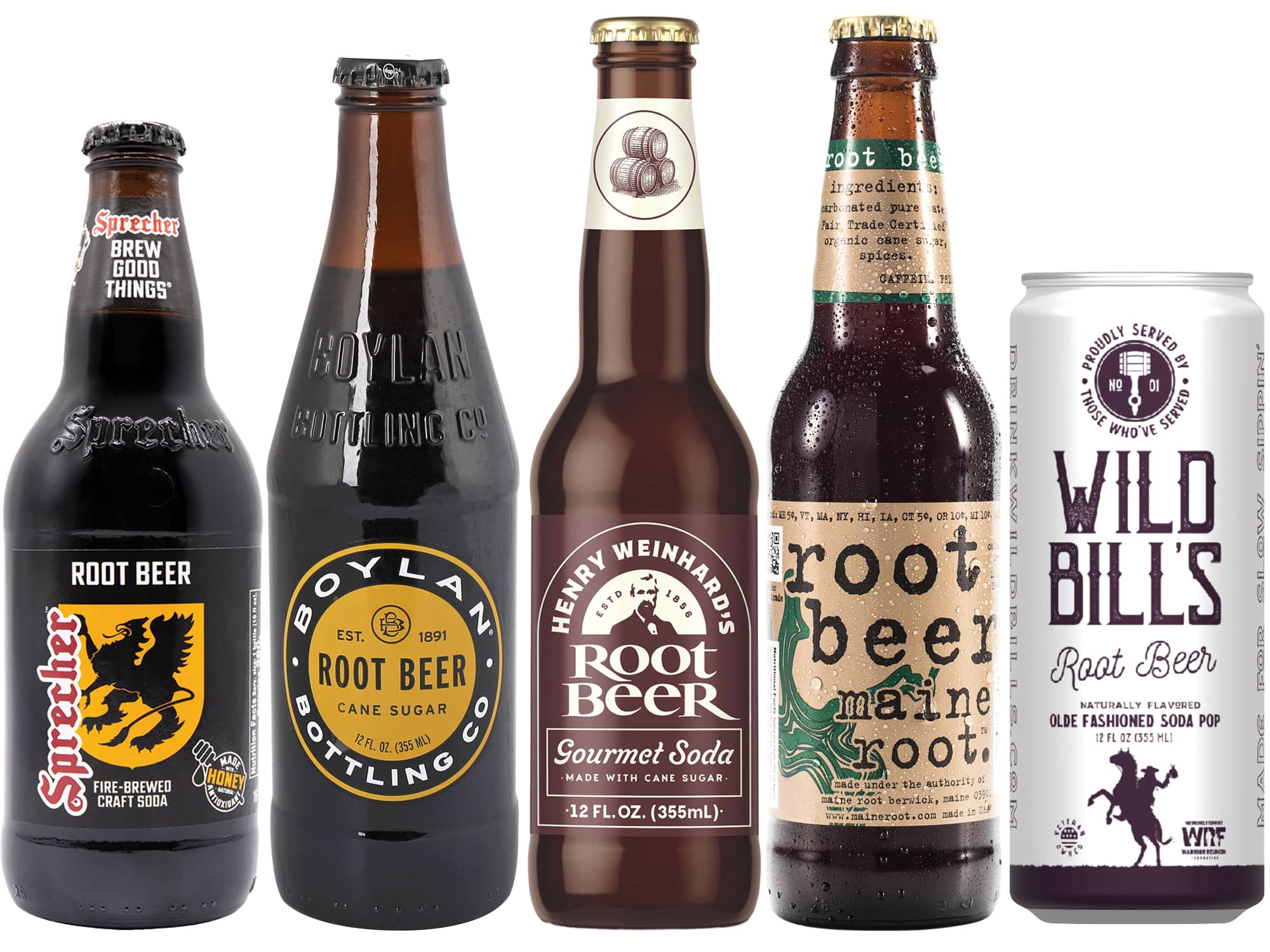
Launched in 2001 in Portland, Maine, Maine Root was born out of a simple, relatable frustration: the lack of a high-quality root beer option for a local pizza restaurant. Founder Matt Seiler’s solution was to create his own. Maine Root distinguishes itself through an uncompromising commitment to fair-trade organic cane sugar. Their flagship root beer is a masterclass in balance, utilizing a robust spice profile—clove, anise, and wintergreen—that provides a sophisticated depth without the cloying, one-dimensional sweetness of mass-produced alternatives.
Boylan Bottling Co.: A Legacy of Craft
With a heritage spanning back to 1891, Boylan Bottling Co. serves as a bridge between the historical roots of the beverage and the modern craft movement. By focusing on cane-sugar formulations and traditional botanical extracts, Boylan replicates the classic "sassafras-style" experience. The flavor profile is notably sweeter, characterized by rich, nostalgic notes of bubblegum and butterscotch, making it a standout choice for those looking to elevate a traditional root beer float.
Sprecher: The Brewery Approach
Sprecher Brewery, based in Milwaukee, has successfully applied the rigor of craft brewing to the soda category. Their process involves the use of a fire-heated kettle to caramelize the sugars found in the honey they use as their primary sweetener. The result is a profoundly earthy, complex beverage. The honey provides a mellow, rounded sweetness that acts as a perfect foil for the bold, licorice-forward spice blend, creating a soda that feels as substantial as a craft stout.
Wild Bill’s: The Modern Nostalgia
Wild Bill’s Craft Beverage Co., founded in 2002, sits at the intersection of retro branding and modern flavor innovation. Their root beer is a testament to the idea that "classic" doesn’t have to mean "stagnant." By utilizing a specific blend of vanilla, juniper, and licorice, the soda delivers a bright, citric opening that transitions into a caramelized finish. It is a crisp, clean experience that appeals to the modern consumer’s desire for complexity.
Henry Weinhard’s: The Prohibition Survivor
The story of Henry Weinhard’s is one of resilience. Surviving the volatility of the Prohibition era by pivoting from beer to soda, the brand cemented its place in the American beverage lexicon. Today, owned by Molson Coors, the brand continues to hold significant sway among soda aficionados. Its distinct, rich aroma and persistent notes of sweet wintergreen make it a perennial favorite for those seeking a traditional, punchy root beer experience.
Supporting Data: Why Consumers Are Pivoting
The resurgence of craft root beer is not merely a matter of taste; it is a shift in consumer behavior. Data indicates that the "Premium Soda" category has seen a consistent annual growth rate of approximately 5–7% over the last five years.
Several factors contribute to this:
- Clean Label Movement: Consumers are increasingly wary of high-fructose corn syrup (HFCS) and artificial preservatives. Craft root beers, by and large, utilize natural cane sugar, honey, and real botanical extracts.
- The Rise of the "Non-Alc" Movement: As the "sober-curious" trend gains momentum, adults are looking for non-alcoholic beverages that offer a complex, sophisticated palate experience rather than just a sugary soda.
- Culinary Versatility: Beyond being a standalone drink, root beer has found a home in the cocktail bar. From root beer-infused syrups for Old Fashioneds to the classic nitro-float, bartenders are treating root beer as a foundational ingredient rather than a childhood afterthought.
Implications for the Future
The implications for the beverage industry are clear: authenticity is the new currency. As smaller, craft-focused companies continue to disrupt the market, larger conglomerates are being forced to adapt. We are seeing a "premiumization" of the entire soda aisle.
For the hospitality industry, this means that stocking a high-quality root beer is no longer just about catering to children—it is about providing an elevated experience for all guests. Whether it is a summer gathering in the backyard or a high-end restaurant pairing, the demand for artisanal sodas that tell a story—like the honey-brewed tradition of Sprecher or the fair-trade mission of Maine Root—is only expected to grow.
Conclusion: A Toast to the Roots
As we look toward the future of the beverage industry, the success of craft root beer serves as a powerful reminder of the value of tradition. By honoring the botanical heritage of the Choctaw and Cherokee, while embracing modern standards of quality and ethical sourcing, today’s craft makers have managed to reinvent a classic.
Whether you are a fan of the licorice-heavy, complex brews from Milwaukee or the spice-forward, cane-sugar classics from Portland, the state of root beer in 2026 is stronger, more diverse, and more delicious than it has ever been. So, the next time you find yourself reaching for a cold one on a hot summer day, take a moment to appreciate the history, the craft, and the careful selection of roots and spices that have gone into your glass. It is, after all, more than just a soda; it is a piece of American history, carbonated and bottled for the modern age.