In the evolving landscape of home cooking, few dishes offer the universal appeal and comforting reliability of the meatball. While ground beef has long held the crown in American kitchens, a quiet revolution is taking place in the culinary world. Home cooks and professional chefs alike are pivoting toward ground pork as a superior, more flavorful alternative. This shift is highlighted by the latest culinary offering from cookbook author and wellness expert Erin Clarke, whose recent recipe for oven-baked pork meatballs has sparked renewed interest in this classic comfort food.
These meatballs, characterized by their juicy interior and ease of preparation, serve as a masterclass in how simple pantry staples can be elevated into a gourmet-level experience. By utilizing a high-temperature oven-baking technique, Clarke has effectively removed the complexity and mess often associated with stovetop frying, offering a streamlined, healthier, and more consistent result for the busy home cook.

The Main Facts: Why Pork is the New Standard
The primary appeal of the pork meatball lies in the inherent fat content and mild flavor profile of the meat. Unlike lean proteins, which can quickly become dry or tough when overcooked, pork remains tender and succulent, acting as a perfect canvas for a variety of flavor profiles ranging from Italian herb blends to Asian-inspired ginger and soy glazes.
According to culinary experts, the move toward pork is not merely a trend but a logical step for those seeking to maximize flavor without the need for expensive ingredients. The key to the "perfect" meatball, as outlined in recent documentation, lies in the balance of moisture-retaining additives—such as breadcrumbs and eggs—and the application of a precise baking environment. When baked at 400°F (approximately 200°C), the exterior of the pork develops a slight crust while the interior retains its juices, creating a texture that is simultaneously firm enough to hold its shape in sauce and soft enough to melt in the mouth.

A Chronological Evolution of the Meatball
The history of the meatball is as global as it is ancient, appearing in various forms across nearly every culture. However, the specific iteration of the "easy-to-make" pork meatball is a relatively modern adaptation.
- Pre-20th Century Origins: Historically, meatballs were a means of resourcefulness, using minced scraps of meat, fillers like stale bread, and aromatic herbs to stretch expensive proteins further.
- The Mid-Century Shift: During the mid-20th century, the "Spaghetti and Meatball" phenomenon solidified the dish as a staple of American comfort food, predominantly dominated by beef or a blend of beef and pork.
- The Modern Era (2010s–2020s): As health consciousness rose, the culinary world experimented with leaner alternatives like turkey and chicken. While these offered nutritional benefits, they often required significant culinary "hacking" to replicate the moisture of traditional pork.
- The 2025 "Well Plated" Renaissance: The most recent development, championed by authors like Erin Clarke, marks a return to pork but with a contemporary focus on efficiency. The emphasis has shifted from time-consuming labor to "one-pan" preparation, focusing on minimal cleanup and nutritional transparency.
Supporting Data: Nutritional and Practical Analysis
To understand why this specific preparation of pork meatballs is gaining traction, one must look at the data. A standard serving (typically three meatballs) provides approximately 341 calories and 22 grams of protein, making it a robust, high-satiety meal component.

Nutritional Profile (Per 3-Meatball Serving):
- Protein: 22g
- Total Fat: 26g (with a balanced breakdown of monounsaturated and saturated fats)
- Carbohydrates: 5g (primarily from breadcrumbs)
- Fiber: 1g
- Micronutrients: Significant sources of iron, potassium, and B-vitamins, which are naturally occurring in ground pork.
The culinary data also supports the "oven-bake" method over the traditional frying method. By eliminating the need for added oil in a frying pan, the oven-bake method reduces the total trans-fat content and ensures the meatballs are not sitting in grease, which can negatively impact the final flavor profile.
Professional Insight: The "Well Plated" Approach
Erin Clarke, the creative force behind the popular Well Plated platform, emphasizes that the transition to pork is about more than just taste—it is about the "comfort food vibe" without the logistical burden of complex preparation.

"I grew up on ground beef," Clarke notes, "but once I started experimenting with the unique moisture content of pork, I realized it was the missing link for home cooks who feel intimidated by the potential for dry, crumbly meatballs."
Her methodology focuses on the "Four Pillars of the Perfect Meatball":

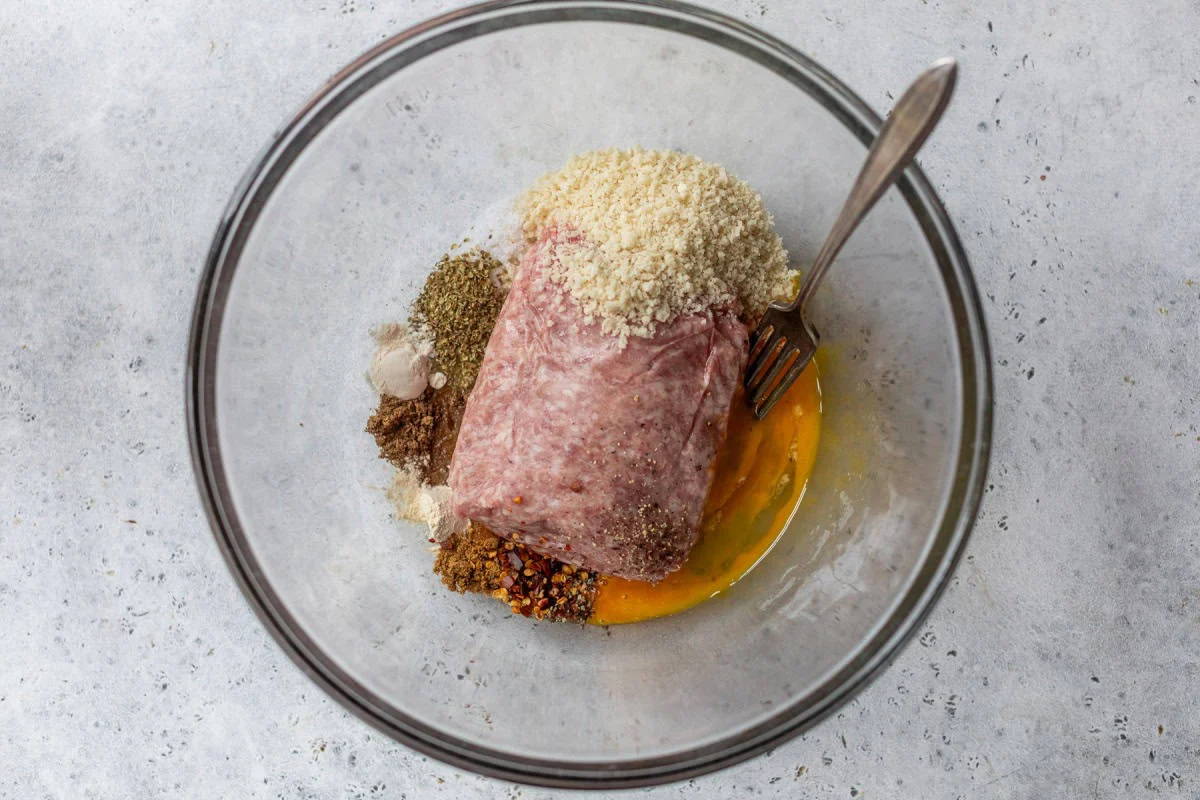
- The Binder: Using a lightly beaten egg to ensure protein coagulation without toughening the mixture.
- The Texture: Incorporating fresh breadcrumbs to absorb moisture rather than drying out the meat.
- The Temperature: A strict 400°F oven setting to ensure the Maillard reaction occurs on the surface while maintaining a 160°F internal temperature for safety.
- The Versatility: Ensuring the seasoning profile is neutral enough to be paired with anything from a spicy arrabbiata sauce to a creamy stroganoff base.
Culinary Implications: How This Changes Your Kitchen Routine
The implications of adopting this specific pork meatball recipe are significant for the average household. By shifting to a "batch-and-bake" model, the home cook is no longer tied to the stovetop, constantly turning individual meatballs to ensure even browning.
The Efficiency Factor
The transition to baking as a primary cooking method saves approximately 20 to 30 minutes of active kitchen time. This allows for a "set it and forget it" mentality that is essential for modern, time-pressed families.

The Versatility Factor
Beyond the traditional Italian pasta bowl, these meatballs are being increasingly used in:
- Sandwiches: Tucked into hoagie rolls with melted provolone and peppers.
- Rice Bowls: Served atop jasmine or brown rice with a light soy-ginger glaze.
- Appetizer Platters: Served as "cocktail meatballs" with a variety of dipping sauces.
Expert Tips for Success
To replicate the high-quality results seen in professional test kitchens, there are several "rules of the road" that shouldn’t be ignored.

1. Avoid Overworking the Meat:
The most common mistake home cooks make is mixing the ground pork too vigorously. This breaks down the protein structure and leads to a rubbery texture. Use your hands to gently fold the ingredients together until just combined.
2. The Importance of the Thermometer:
"Don’t guess," is the mantra of modern food safety. Using an instant-read thermometer to verify that the center of the largest meatball has reached 160°F is the only way to guarantee that the meat is safe while ensuring it hasn’t been cooked to a dry, flavorless state.

3. Parchment Paper is Mandatory:
Beyond easy cleanup, parchment paper provides a non-stick surface that allows the bottom of the meatball to crisp slightly without sticking to the metal pan, ensuring the integrity of the shape is maintained throughout the baking process.
Conclusion: A Staple for the Modern Era
The resurgence of the pork meatball is a testament to the fact that sometimes, the best culinary innovations are not about invention, but about refinement. By taking a classic, hearty ingredient and applying modern, efficient cooking techniques, the home cook can elevate their weekly meal rotation with minimal effort.

As demonstrated by the continued popularity of resources provided by experts like Erin Clarke, the goal of modern cooking is to reduce the "friction" between the desire for a homemade meal and the reality of a busy schedule. These pork meatballs provide a bridge between those two worlds, offering a dish that is deeply satisfying, nutritionally balanced, and undeniably easy to master. Whether you are serving them to family on a Tuesday night or prepping them for a weekend gathering, the pork meatball remains a cornerstone of the modern, home-cooked kitchen.