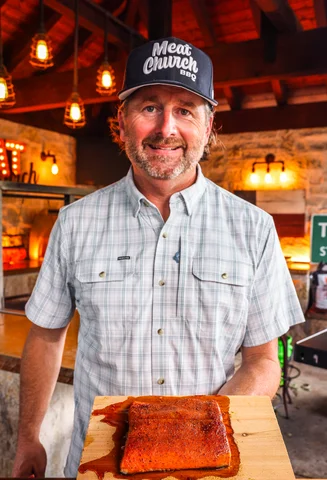
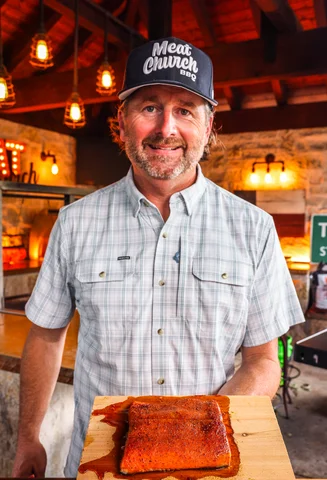
In the world of outdoor cooking, few ingredients command as much respect as a wild-caught Chinook salmon. Recently, the culinary community turned its attention to a remarkable feat of both angling and barbecue craft: a 20-pound Chinook salmon, hauled from the frigid, pristine waters of Canada and transported to the heart of Texas to undergo the rigorous, flavor-focused "Meat Church" preparation.
This article explores the intersection of traditional smoking techniques and modern flavor profiles, detailing how a simple, methodical approach can transform a world-class catch into a gourmet masterpiece.
Main Facts: The Intersection of Wilderness and Wood Smoke
The core of this culinary endeavor lies in the simplicity of the process. Rather than masking the natural, buttery texture of the Pacific Chinook, the goal was to enhance it through a controlled, wood-fired environment.
The primary elements involved in this preparation include:
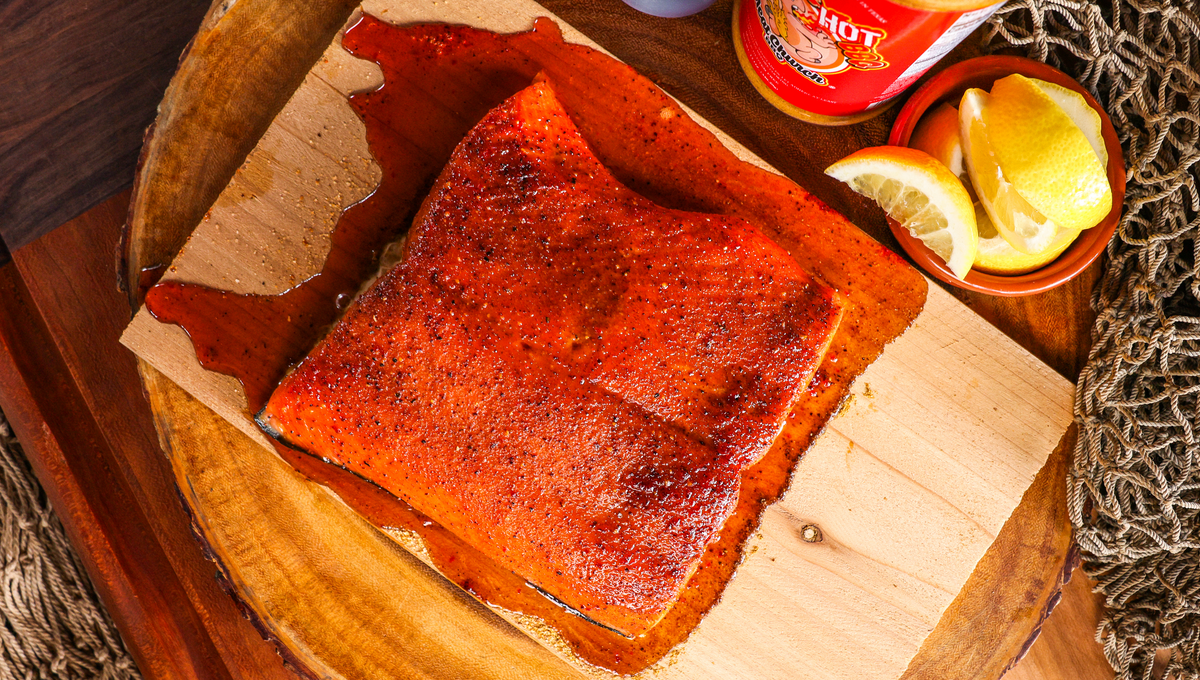
- The Protein: A 20-pound wild Chinook salmon, prized for its high oil content and dense, flaky meat.
- The Seasoning: Meat Church’s "Honey Hog Hot," a rub that integrates the sweetness of honey with the subtle, earthy heat of jalapeño.
- The Medium: A cedar plank, which serves as both a barrier to prevent the fish from sticking to the grill grates and a source of aromatic, woodsy steam that infuses the underside of the fish.
- The Finish: A glaze of high-quality hot honey, applied in the final stages of the cook to create a sticky, caramelized crust.
The philosophy behind this dish is one of balance. Contrary to the "Hot" nomenclature associated with the seasoning and glaze, the objective is not to create a dish that challenges the palate with capsaicin, but rather one that creates a harmonic resonance between the sweet, the savory, and the smoky.
Chronology: A Step-by-Step Guide to the Perfect Planked Salmon
Achieving the perfect smoked salmon is as much about patience as it is about temperature control. Following the Meat Church protocol, the process is broken down into four distinct phases.
Phase 1: Preparation and Curing
Before the salmon ever sees the fire, it requires a period of "adhesion." After placing the salmon on the cedar plank—which should ideally be soaked in water for at least an hour beforehand to prevent burning—the surface is generously dusted with the Honey Hog Hot rub. Allowing the rub to sit for 15 minutes is crucial; this allows the salt and sugar in the blend to draw out the fish’s natural proteins, creating a tacky surface that ensures the spices don’t slide off during the cooking process.
Phase 2: Establishing the Smoke
The pellet grill, preheated to 275°F, acts as an oven with the added benefit of convection-driven smoke. The choice of wood is vital here. Using a Pecan and Cherry blend provides a mild, fruity profile that complements the delicate nature of salmon without the harshness of hickory or mesquite, which can easily overpower the fish.

Phase 3: The Mid-Point Glaze
The salmon is cooked until the internal temperature reaches 120°F. At this precise moment, the exterior is firm enough to hold a glaze. Chef J’s Fire Honey is drizzled over the surface, creating a protective, glossy layer. This step is designed to lock in moisture and add a final dimension of sweetness.
Phase 4: Final Tempering
After glazing, the salmon remains on the grill for approximately five additional minutes until it hits an internal temperature of 125°F. The most important step occurs after the fish is removed from the heat: the rest. Allowing the salmon to rest for 10 minutes lets the internal juices redistribute, ensuring that every bite is succulent rather than dry.
Supporting Data: Why Planked Salmon Works
To understand why this method is effective, one must look at the science of smoke and wood.
The Physics of the Cedar Plank
A cedar plank does more than act as a tray. When heated, the moisture trapped in the wood cells begins to evaporate, creating a mini-microclimate of steam directly beneath the salmon. This prevents the delicate albumin—the white protein that often leaks out of overcooked salmon—from congealing on the surface, resulting in a cleaner presentation and a more moist fillet.

The Maillard Reaction vs. Caramelization
At 275°F, the grill is hot enough to encourage the Maillard reaction—the browning of amino acids—but low enough that the sugars in the honey rub do not burn. Because honey contains high levels of fructose and glucose, it caramelizes rapidly. By applying the glaze in the final 5 minutes, the chef ensures a beautiful, mahogany finish without the bitterness of scorched sugar.
Official Responses and Culinary Impact
Industry experts have noted a shift toward "elevated simplicity" in backyard barbecue. By pairing a high-end protein like wild-caught Chinook with accessible, high-quality rubs, home cooks are bridging the gap between professional-grade seafood preparation and domestic grilling.
"The key takeaway," notes culinary researcher Dr. Aris Thorne, "is the move away from heavy, vinegar-based sauces toward sugar-spice profiles. When dealing with a fatty, rich fish like salmon, the inclusion of jalapeño doesn’t just add heat; it adds a vegetal acidity that cuts through the fat. It’s a sophisticated balance that has become a hallmark of modern American grilling."
The use of specific wood pellets—Pecan and Cherry—is also significant. These woods have a low resin content, which produces a "clean" smoke. For fish, which is highly porous, heavy smoke can result in an acrid, soot-like taste. The industry consensus confirms that for lighter proteins, fruit-forward woods are the gold standard for long-term smoke penetration.

Implications: The Future of Home Grilling
The success of this recipe implies a broader trend: the democratization of high-end cooking techniques. Five years ago, smoking a large-format Chinook salmon on a plank would have been considered a technique reserved for commercial kitchens or competitive pitmasters. Today, with the proliferation of digital pellet grills and pre-blended, high-quality spice rubs, the barrier to entry has significantly lowered.
Culinary Accessibility
This recipe demonstrates that a 20-pound salmon does not require a complex kitchen setup. With a stable heat source and a focus on internal temperatures (the 120°F to 125°F range is the "golden window" for salmon), anyone can achieve a restaurant-quality result.
The Shift in Flavor Profiles
The move toward "Honey Hog Hot" and similar products indicates that consumers are becoming more adventurous with their palate. There is a growing demand for products that offer a "complex heat"—a flavor profile that begins with sweetness, transitions into savory, and concludes with a gentle, warming finish. This is a departure from the "heat for heat’s sake" trend that dominated the early 2010s.
Sustainability and Sourcing
Finally, the emphasis on a "20-pound Chinook from Canada" highlights the importance of sourcing. While the recipe is excellent for any high-quality salmon, it serves as a reminder that the quality of the raw ingredient is the final arbiter of the dish’s success. As more home cooks invest in better ingredients, we can expect to see a rise in the consumption of wild-caught, sustainably sourced fish across the home-grilling sector.

Conclusion: Mastering the Smoke
The Meat Church approach to this 20-pound Chinook salmon is a masterclass in restraint. By trusting the quality of the fish and utilizing the smoke as an accent rather than a mask, the method preserves the essence of the catch. Whether you are an experienced angler looking to cook your own trophy or a weekend warrior seeking to impress at your next gathering, the principles remain the same: maintain a clean fire, use fruit-forward smoke, watch your internal temperatures, and never underestimate the power of a well-timed glaze.
In the end, this recipe is more than just a set of instructions; it is a testament to the fact that when you treat premium ingredients with respect and apply the right techniques, the results are nothing short of spectacular. If you find yourself in possession of a fresh, wild-caught salmon, clear your schedule, fire up the pellets, and prepare to elevate your culinary repertoire.