As the crisp air of autumn settles in and local farmers’ markets overflow with an abundance of gourds, pumpkins, and squashes, one particular variety consistently steals the culinary spotlight: the delicata squash. Often affectionately dubbed the "sweet potato squash," this unassuming winter vegetable has quickly transitioned from a hidden farmers’ market gem to a staple of upscale autumn dining and home-cooking content alike.
Unlike its notoriously tough-skinned botanical cousins—such as the formidable butternut or the wrestling-match-worthy spaghetti squash—delicata squash offers a refreshing departure from kitchen frustration. Boasting a naturally sweet flavor profile, a velvety, custard-like interior, and a completely edible skin, it represents the pinnacle of accessible seasonal cooking. For home cooks and professional chefs alike, mastering the art of roasting delicata squash unlocks a rapid, foolproof gateway to elevated autumn dining.
Main Facts: Anatomy of a Fall Favorite
To truly appreciate the rise of delicata squash, one must understand its unique horticultural and culinary properties. Belonging to the Cucurbitaceae family, winter squashes are traditionally prized for their long storage potential and dense, starchy flesh. However, delicata (Cucurbita pepo) breaks several traditional rules of the squash category.
1. The Peel-Free Advantage
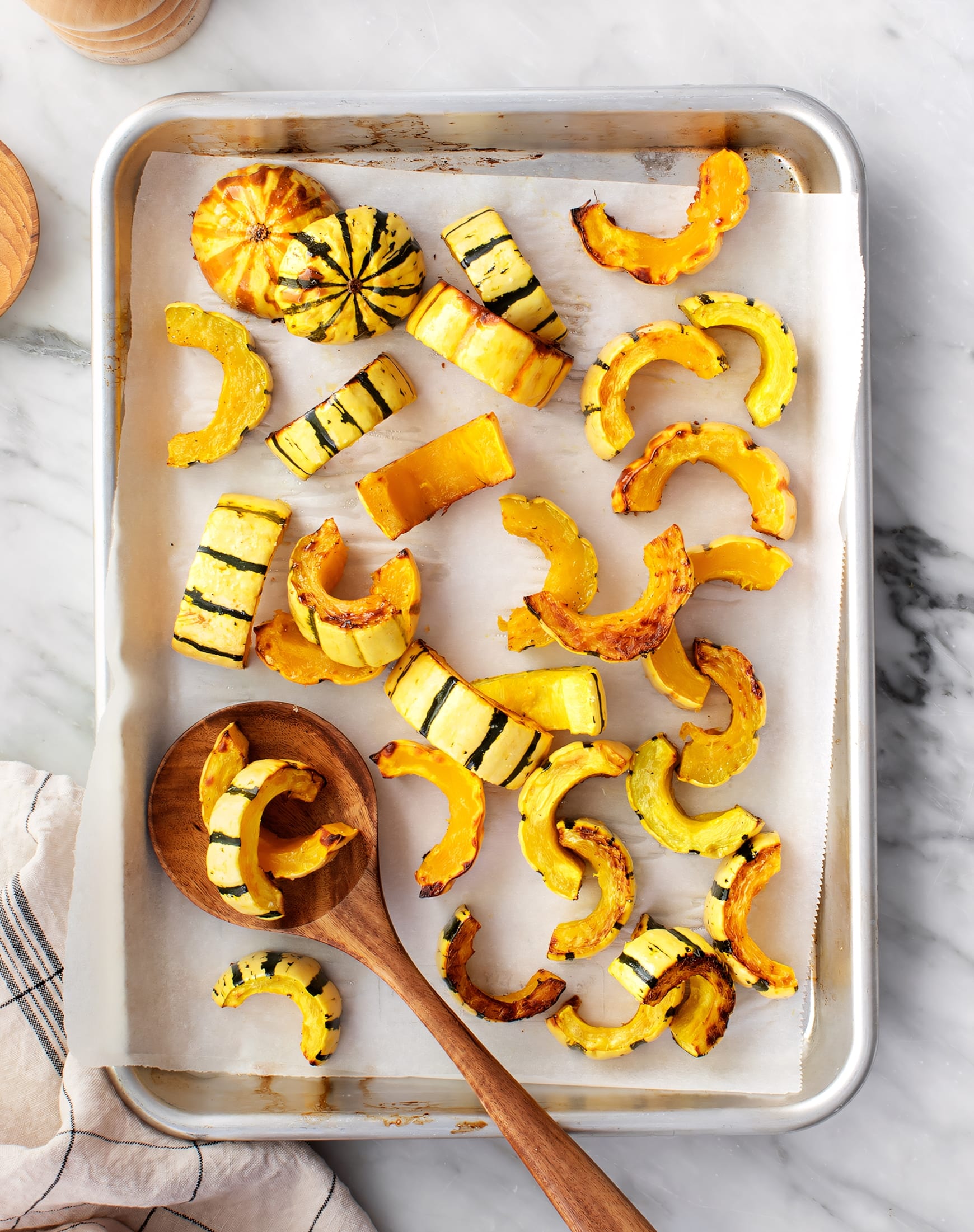
The single greatest deterrent for home cooks attempting to prepare winter squash is the arduous, often dangerous task of peeling a hard, uneven outer rind using a heavy chef’s knife or vegetable peeler. Delicata squash bypasses this hurdle entirely. Its skin is exceptionally thin and delicate—hence the name. When roasted, the skin softens into a pleasant, chewy texture that complements the creamy flesh beneath. This eliminates food waste, cuts preparation time in half, and retains valuable dietary fiber.
2. Flavor and Texture Profiles
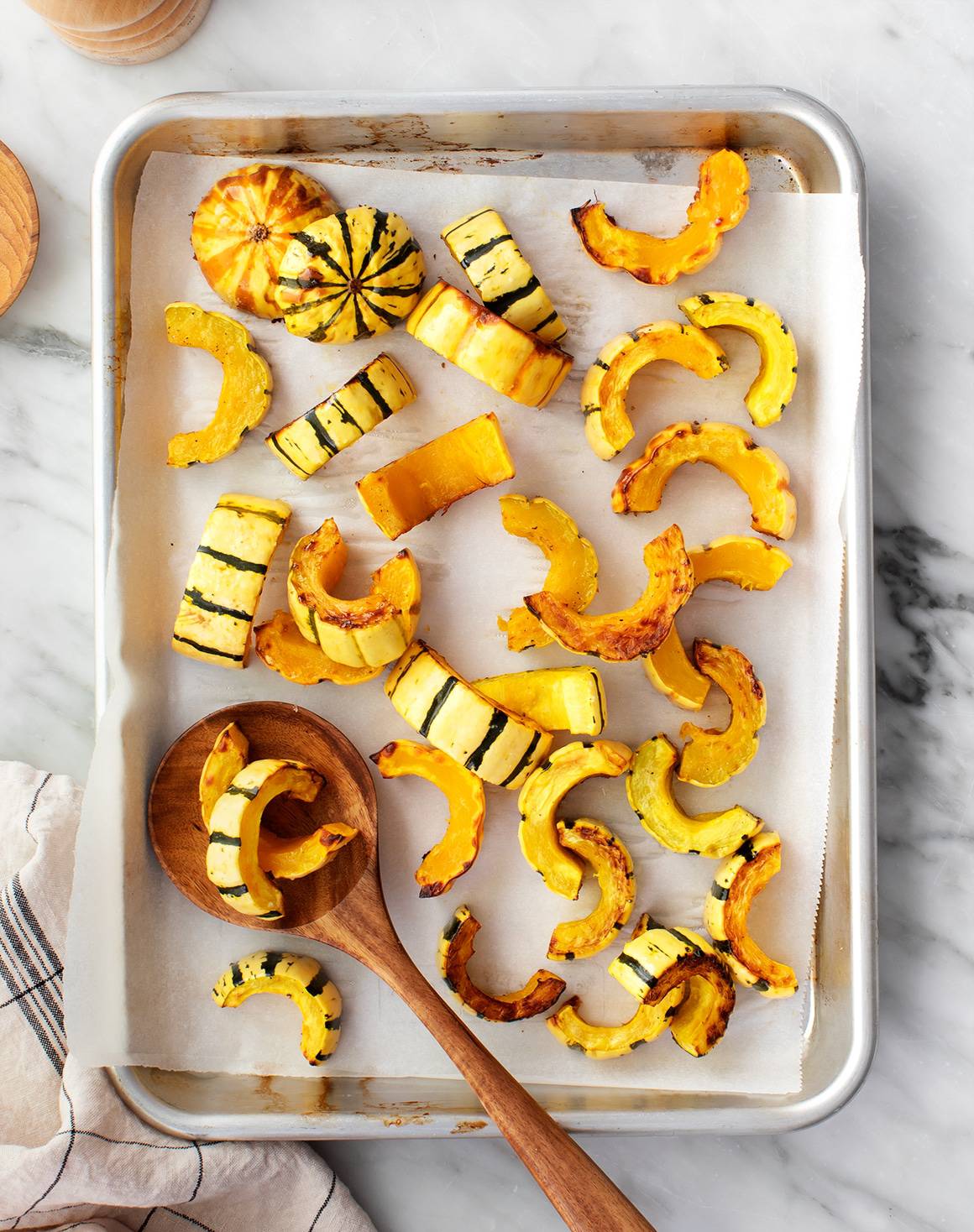
When subjected to high-heat roasting, the natural sugars within the squash undergo caramelization, producing deep, nutty undertones reminiscent of brown sugar and sweet potatoes. The interior transforms from a firm vegetable into a rich, melt-in-your-mouth puree encased in a lightly crisped half-moon edge.
3. Nutritional Density
Beyond its superior taste and texture, roasted delicata squash is a nutritional powerhouse. A standard serving (approximately one-fourth of a medium squash, or about 108 calories) packs a significant wellness punch:
- Vitamin A: Provides over 60% of the recommended daily value, supporting ocular health and immune function.
- Vitamin C: Delivers roughly 34% of the daily value, acting as a potent antioxidant as flu season approaches.
- Potassium: Offers an impressive 793 milligrams per serving, aiding in electrolyte balance and cardiovascular health.
- Dietary Fiber: Contributes 3 grams of fiber, promoting digestive wellness and prolonged satiety.
Chronology: From Market Stall to Oven Pan in 40 Minutes
Preparing delicata squash requires minimal culinary expertise and an investment of less than an hour from counter to table. Culinary experts recommend following a precise, three-step methodology to achieve optimal caramelization and texture.
Phase 1: Procurement and Preparation (Prep Time: 10 Minutes)
- Selection: Look for firm, heavy-for-their-size squashes with a matte finish and a steady, intact stem. Avoid specimens with soft spots, deep bruising, or wrinkly skin. The background color should range from creamy yellow to pale orange, accented by deep green, striped vertical ribs.
- Washing: Thoroughly wash the exterior, as the skin will be consumed.
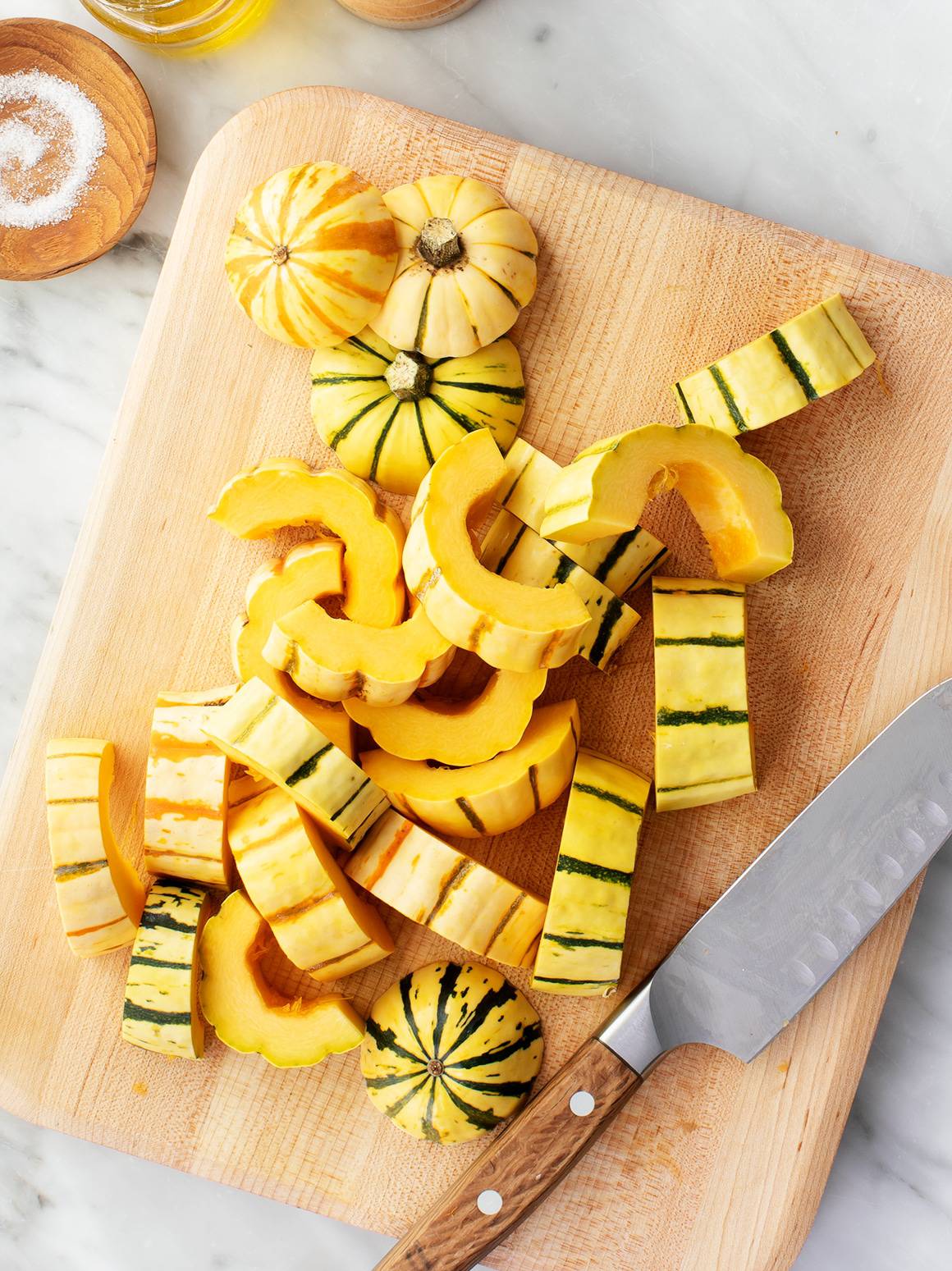
- The Cut: Place the stable squash on a secure cutting board. Using a sharp chef’s knife, slice the squash cleanly in half lengthwise from stem to base.
- De-seeding: Take a standard metal spoon and scrape out the central cavity, removing the stringy pulp and seeds (pro tip: these seeds can be rinsed, seasoned, and roasted just like pumpkin seeds).
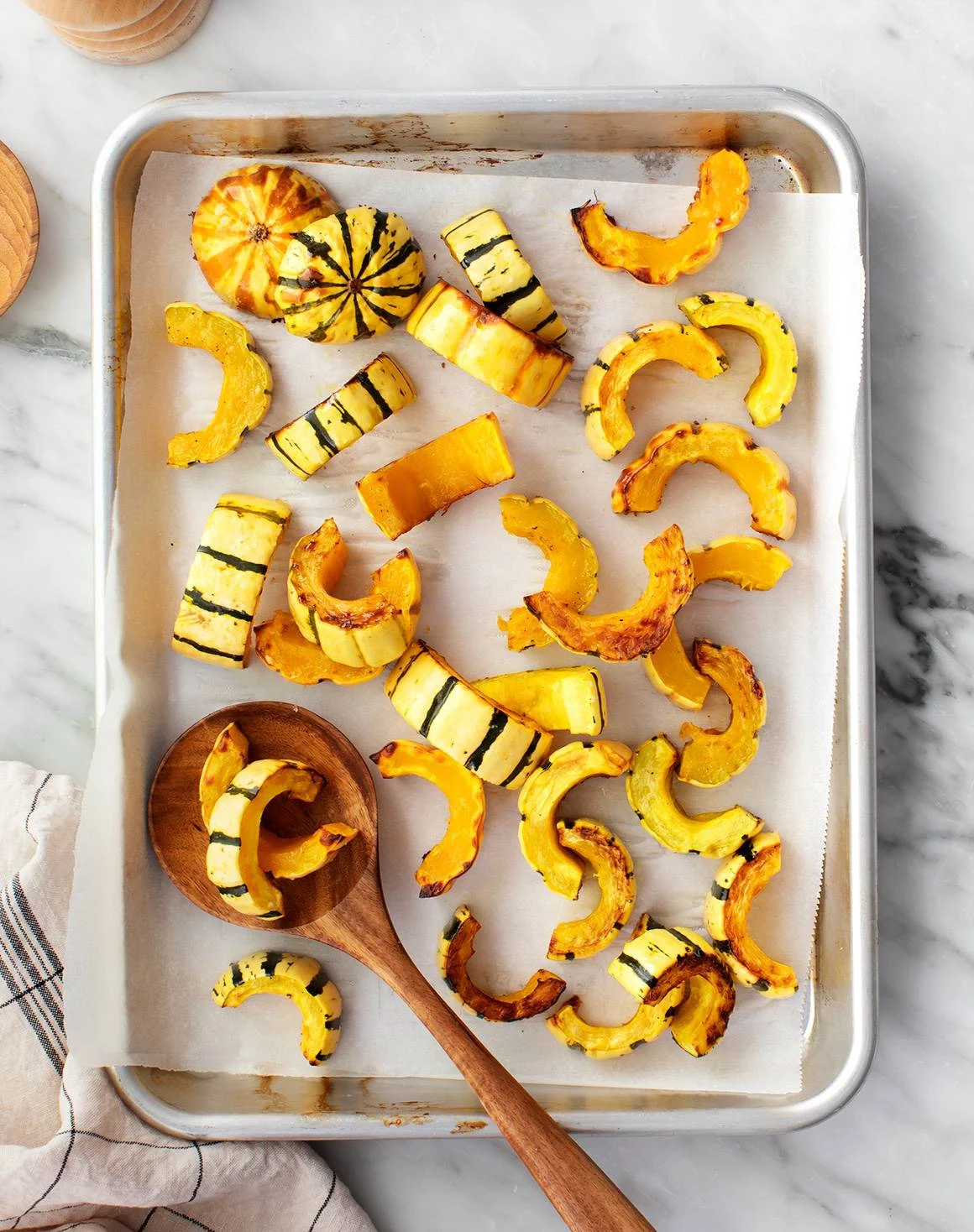
- Shaping: Lay the hollowed halves flat-side down on the board, then slice them crosswise at half-inch intervals. This yields a collection of uniform, aesthetically pleasing half-moon shapes.
Phase 2: Seasoning and Staging (Active Time: 5 Minutes)
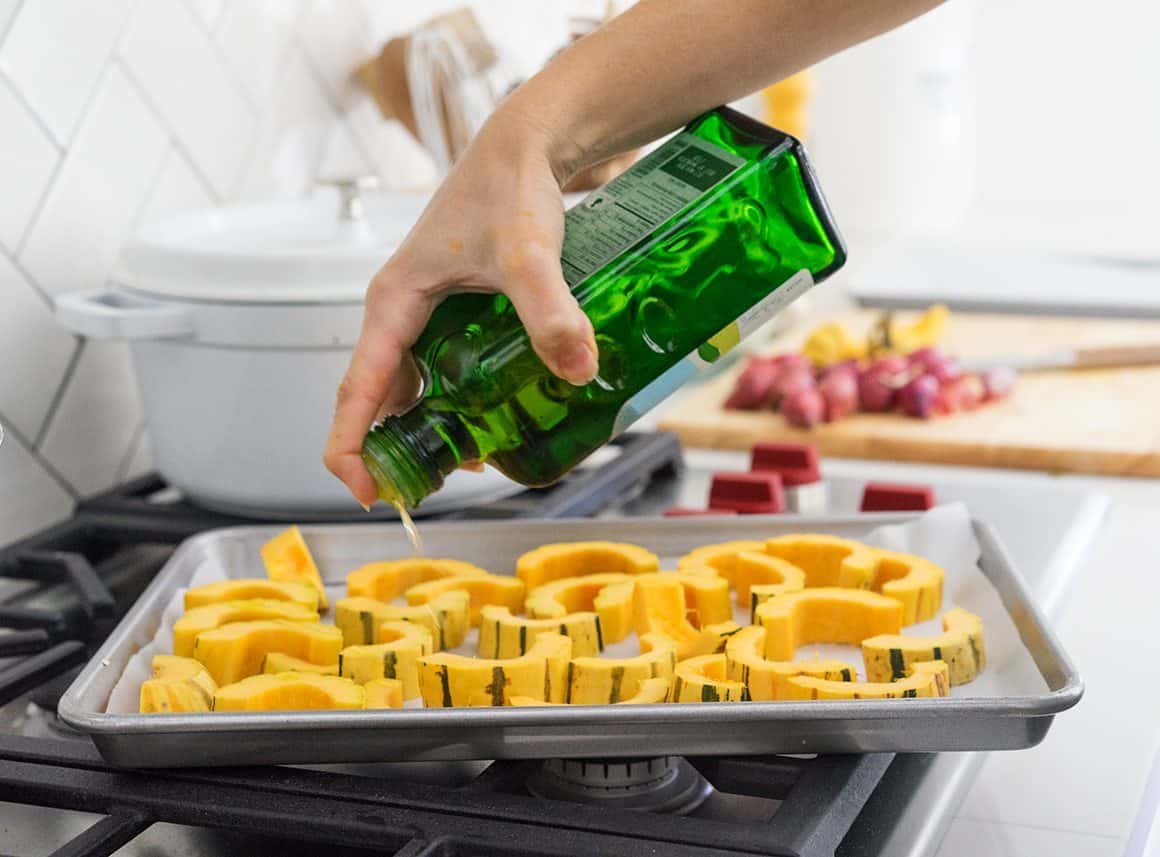
- Coating: Transfer the half-moon slices to a mixing bowl or directly onto a rimmed baking sheet lined with parchment paper. Drizzle generously with a high-smoke-point oil, such as extra-virgin olive oil or avocado oil.
- Spicing: Season with Kosher salt and freshly cracked black pepper. For a sweet-and-savory profile, home cooks frequently add a pinch of smoked paprika, cinnamon, or garlic powder. Toss thoroughly to ensure every surface is lightly coated.
- Arrangement: Spread the slices into a single, uncrowded layer across the baking sheet. Overcrowding traps steam, leading to a soggy texture rather than the desired roasted caramelization.
Phase 3: The Roasting Process (Cook Time: 20–30 Minutes)
- Oven Temperature: Preheat the oven to a blazing 425°F (220°C). High heat is mandatory to trigger the Maillard reaction and surface browning before the interior overcooks.
- Bake: Place the sheet pan on the middle rack. Roast undisturbed for 20 to 30 minutes. Halfway through, checking for doneness is encouraged, but leaving the slices undisturbed ensures deep, dark brown crusts on the bottom contact points.
- Completion: The squash is ready when a fork pierces the thickest part of the flesh with zero resistance, and the edges display a rich, golden-brown char.
Supporting Data: Culinary Versatility and Pairing Metrics
While roasted delicata squash is remarkable when consumed straight from the oven with a mere dusting of salt and pepper, its neutral-yet-sweet canvas makes it an extraordinarily versatile ingredient across various culinary applications.
Weeknight Side Dish Integration
For standard weeknight dinners, delicata rings serve as a vibrant, colorful bridge between simple proteins (such as roasted chicken breast, pan-seared salmon, or pork chops) and hearty carbohydrates. Because it cooks in roughly the same time frame as many sheet-pan proteins, it minimizes dishwashing and streamlines evening meal preparation.

Comfort Food Complements
During the depths of autumn and winter, sweet roasted vegetables provide a vital textural and flavor contrast to heavy, savory comfort foods. Culinary trend analysts note frequent pairings with:
- Soups and Stews: Placed atop creamy gnocchi soup or stirred into rich vegetarian chili to add structural integrity and a touch of natural sweetness.
- Grain Bowls: Layered into warm farro, quinoa, or wild rice bowls alongside roasted chickpeas, massaged kale, and tahini dressing.
Holiday Feasts and Special Occasions
As Thanksgiving and winter holidays approach, home cooks look for alternatives to traditional heavy casseroles. Delicata squash rings elevate holiday tablescapes visually through their striking half-moon geometry and deep amber hues. They pair harmoniously with traditional holiday side dishes, including:
- Traditional buttery mashed potatoes.
- Classic green bean casserole with crispy shallots.
- Earthy roasted Brussels sprouts with balsamic glaze and toasted pecans.
Official Responses and Culinary Expert Perspectives
Top-tier chefs, food scientists, and agricultural economists have increasingly championed delicata squash as an unsung hero of modern seasonal eating.
The Chef’s Perspective
Renowned cookbook authors and culinary educators frequently cite delicata squash as an ideal teaching tool for novice home cooks. Chef and food writer Lia Greenwood notes, "When teaching people how to roast vegetables, delicata is always my testing ground. It forgives mistakes, it doesn’t require specialized knife skills to peel away armor-like skin, and its natural sugar content guarantees a delicious result even if you under-season it."
Agricultural Insights
According to agricultural extension reports from major produce-producing regions, delicata squash acreage has seen steady year-over-year growth. Consumers are shifting away from massive, labor-intensive winter squashes in favor of single-serving or small-household-friendly varieties. A standard delicata squash typically weighs between one and two pounds, making it the ideal portion size for a modern family of two to four without leaving half a vegetable languishing in the crisper drawer.
Nutritional Endorsements
Dietitians praise the vegetable for its low caloric density relative to its high nutrient yield. Registered dietitians point out that incorporating brightly colored, carotenoid-rich vegetables like delicata squash into autumn meal plans provides crucial immune support precisely when seasonal changes challenge the human body.
Implications: Why Delicata Squash Represents the Future of Seasonal Cooking
The surging popularity of delicata squash is not merely a transient food trend; it reflects a broader, systemic shift in consumer preferences toward convenience, sustainability, and holistic wellness in home cooking.
1. Combating Food Waste
A major hidden driver in modern culinary trends is the mitigation of kitchen waste. Traditional winter squashes often intimidate consumers, leading to bruised rinds, discarded halves, and excessive food loss during the prep phase. Because the skin of the delicata squash is completely edible, utilization rates approach 100%. When seeds are roasted for snacking and the flesh is fully consumed, the environmental footprint of the meal shrinks considerably.
2. Democratization of Gourmet Cooking
In an era where consumers seek restaurant-quality dining experiences within the financial and temporal constraints of their own homes, ingredients that offer high aesthetic and gustatory rewards with minimal labor are invaluable. Delicata squash looks sophisticated—its scalloped half-moon rings resemble edible stained glass when roasted—yet it requires less active preparation than peeling an onion. This bridges the gap between everyday cooking and gourmet presentation.

3. Embracing Hyper-Seasonal Eating
As global supply chains experience ongoing fluctuations and consumers increasingly prioritize local, sustainable food sources, eating in harmony with the agricultural calendar has become a cultural movement. Delicata squash serves as an accessible ambassador for this movement. Thriving in the crisp, cooling weather of September through November, it reminds consumers of the joy found in transitional seasons.
Conclusion
Whether you are an experienced home chef looking to streamline your weeknight dinner rotation or a culinary explorer eager to try the latest seasonal star, roasted delicata squash demands a spot on your autumn menu. With its effortless prep, velvety texture, and rich, caramelized flavor, it captures the very essence of comfort, warmth, and culinary delight that defines the fall season. Grab a knife, fire up the oven, and prepare to fall in love with autumn’s most versatile squash.