Main Facts
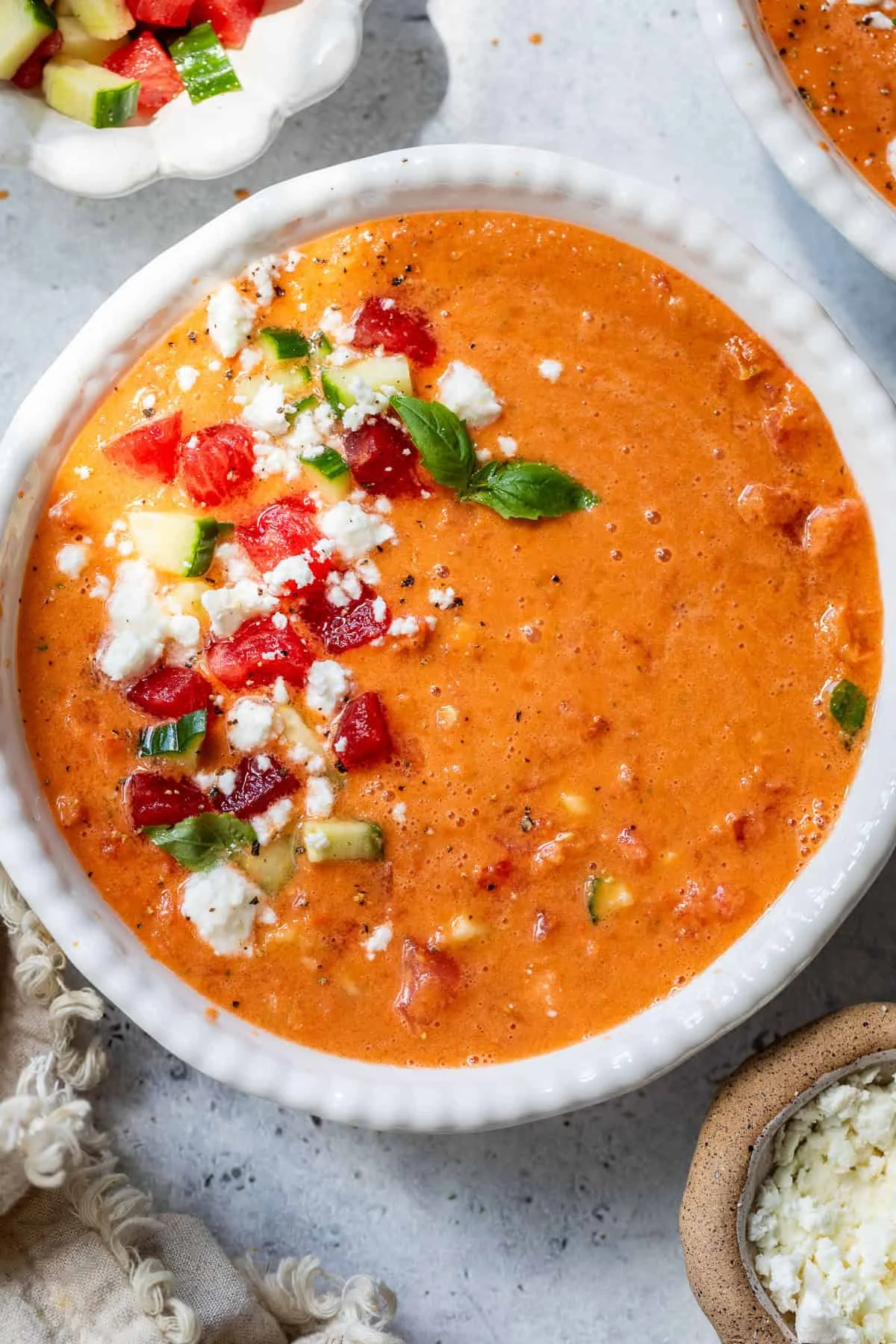
As scorching July temperatures push home cooks away from the stove and oven, a refreshing culinary trend is taking center stage: the chilled, no-cook soup. Leading the charge is Watermelon Gazpacho, a vibrant, blender-made dish conceptualized by cookbook author and culinary developer Erin Clarke of Well Plated.
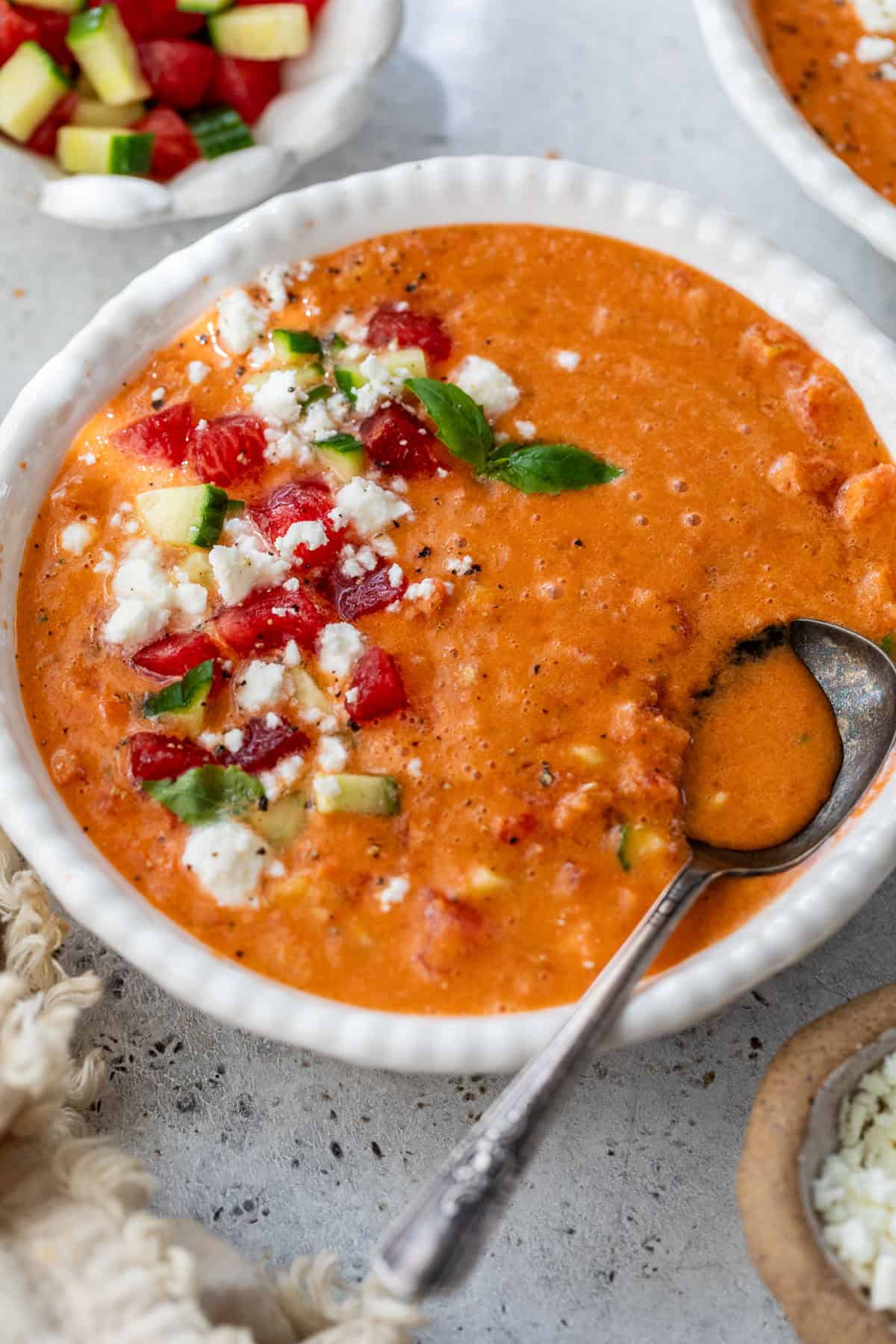
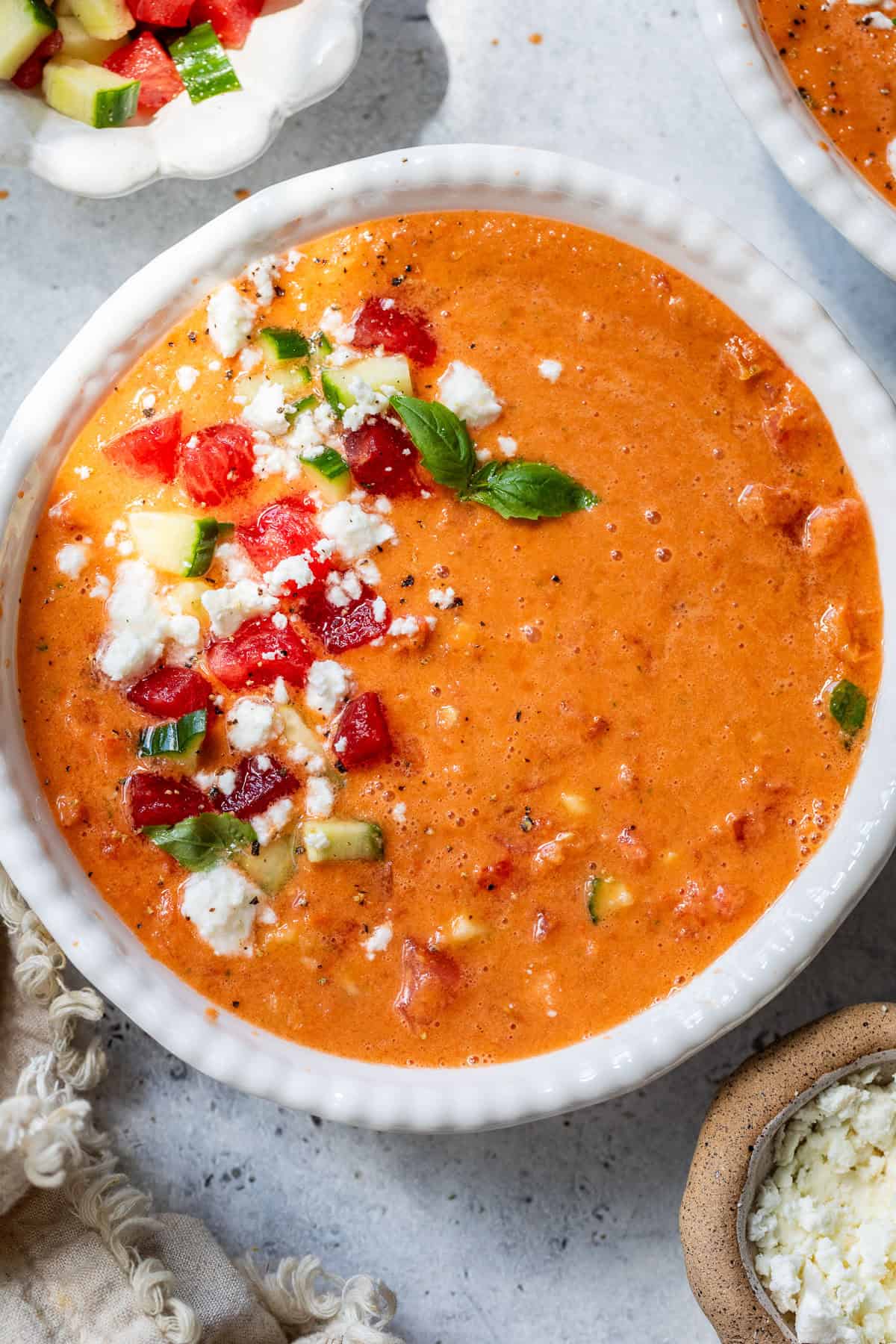
Far from traditional, hot winter broths, this modern twist on the classic Spanish soup blends ripe summer produce—specifically sweet watermelon, garden-fresh tomatoes, crisp cucumbers, and bell peppers—into a chilled meal that bridges the gap between a light salad and a revitalizing beverage.
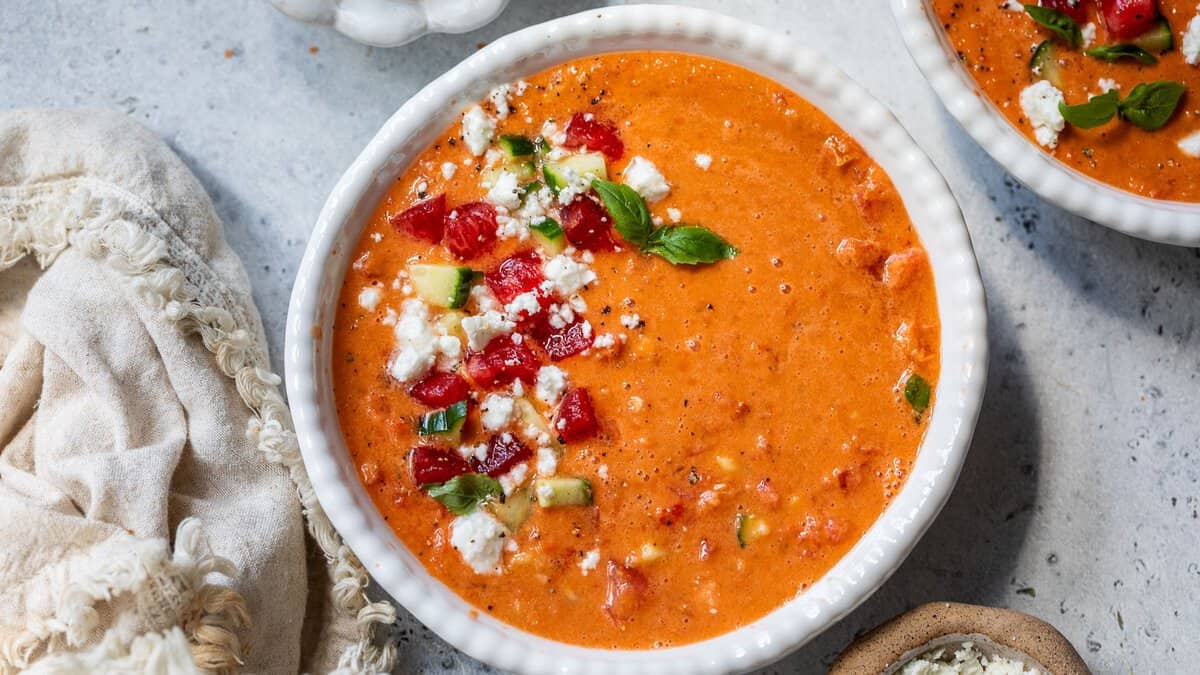
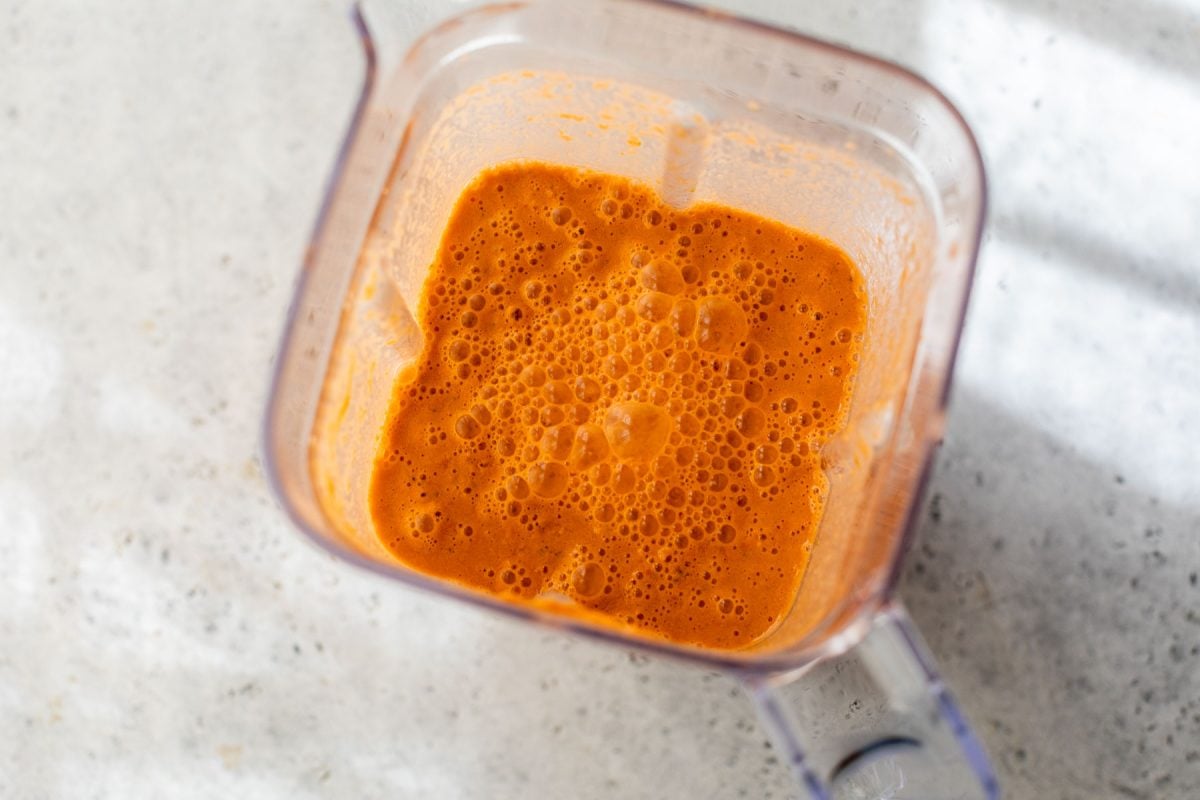
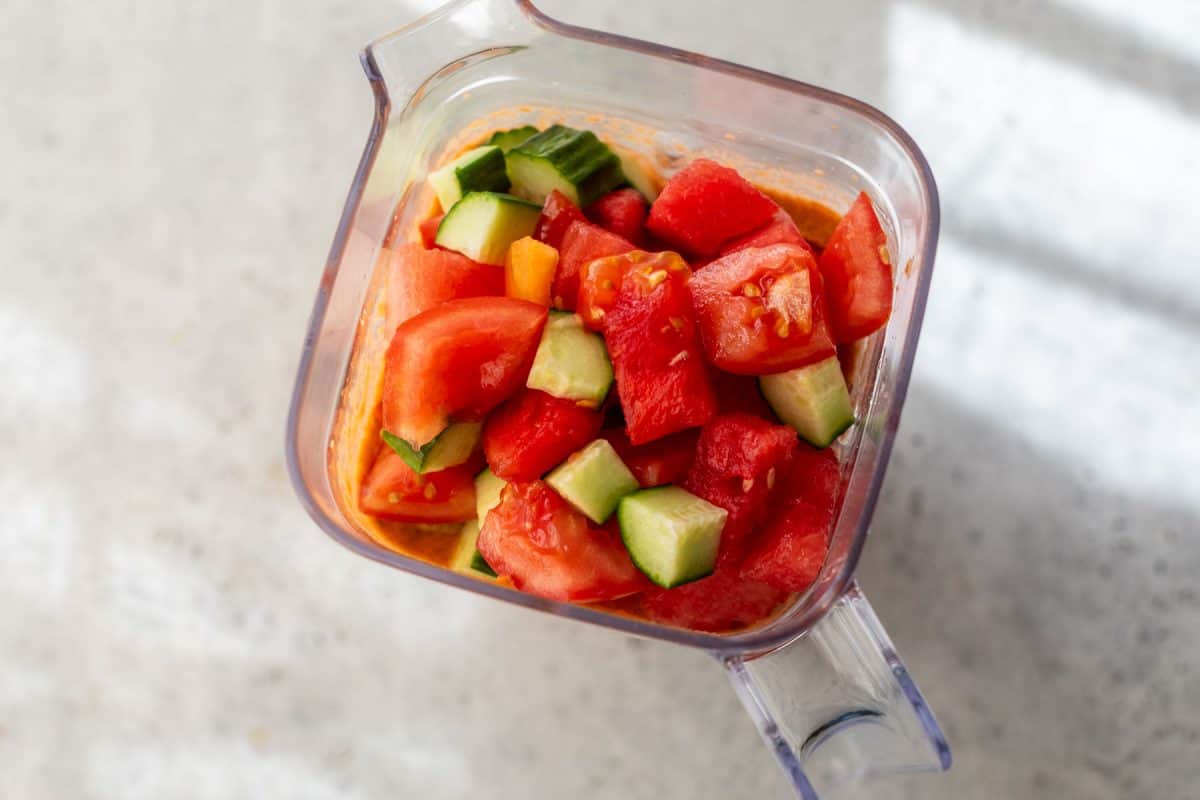
Rather than relying on heavy starches like bread for thickness, Clarke’s perfected recipe achieves its velvety body through a clever dual-processing technique. Half of the fresh produce is blended completely smooth with garlic, onions, olive oil, and vinegar to form a creamy base, while the remaining half is pulsed in at the end for a satisfying, chunky texture. Clocking in at just 222 calories per serving, the dish offers an innovative solution for beating the summer heat without sacrificing nutrition, flavor, or culinary excitement.
Chronology of a Summer Staple: From Traditional Roots to Modern Evolution
The journey of gazpacho spans centuries, evolving from a peasant dish in the Iberian Peninsula to a gourmet canvas for modern culinary artists.
Historical Origins
Traditional Andalusian gazpacho originated long before the introduction of tomatoes and peppers to Europe. It began as a humble, utilitarian mixture of stale bread, garlic, olive oil, salt, and vinegar, pounded together in a wooden mortar to provide field workers with hydration and sustenance during blistering Mediterranean summers. It wasn’t until the Columbian Exchange brought New World crops across the Atlantic that tomatoes and peppers became foundational components of the classic red gazpacho known globally today.
The Modern Fruit Integration
In recent decades, contemporary chefs began experimenting with sweet-savory flavor profiles, introducing fruits like peaches, strawberries, and cantaloupe into the blender. Watermelon emerged as the ultimate summer pairing. Its high water content naturally thins and hydrates the soup, while its natural fruit sugars counteract the high acidity of raw tomatoes, eliminating the need for added sweeteners.

The Perfecting Process: Clarke’s Iterations
In developing the definitive modern recipe, culinary author Erin Clarke documented a trial-and-error approach to texture. Her initial attempts yielded two extremes:
- The Over-Blended Mistake: Blending all ingredients simultaneously created a uniform liquid that lacked mouthfeel, resembling a thick vegetable juice rather than a proper meal.
- The Too-Chunky Trap: Leaving all vegetables roughly chopped resulted in a watery, disjointed bowl that failed to hold together.
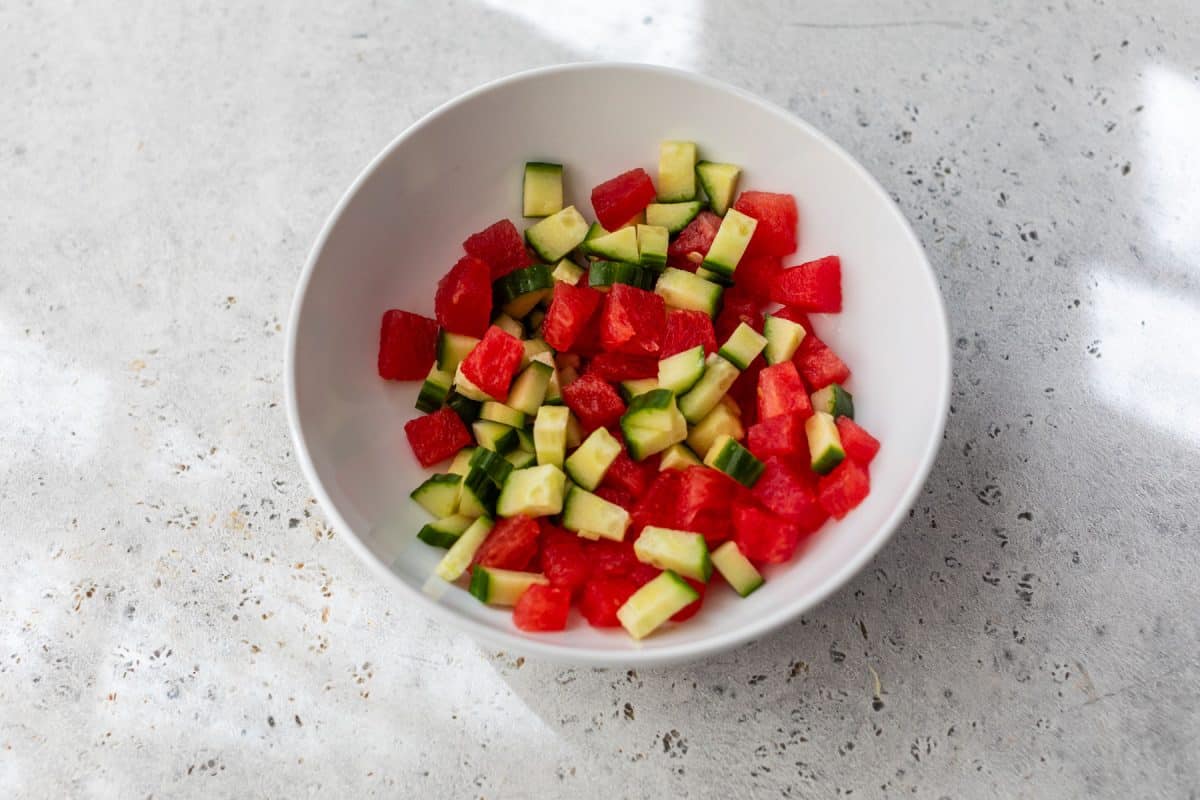
The breakthrough came through division. By blending half of the vegetables into a rich, creamy emulsion and gently folding in finely diced fresh watermelon and cucumber at the finish line, Clarke solved the textural paradox. This method eliminated the traditional requirement of soaking bread to thicken the soup, making the recipe lighter, naturally gluten-free, and perfectly adapted to modern dietary preferences.
Supporting Data and Nutritional Breakdown
For health-conscious consumers seeking quick, nutrient-dense summer meals, Watermelon Gazpacho delivers a powerhouse of vitamins, hydration, and balanced macros. An analysis of a standard single-serving portion (one-fourth of the total recipe yield) reveals an exceptionally nutrient-rich profile:
- Calories: 222 kcal
- Total Carbohydrates: 24g
- Dietary Fiber: 4g
- Sugars: 17g (naturally occurring from fruit and vegetables)
- Protein: 3g
- Total Fat: 14g (predominantly heart-healthy monounsaturated fats from olive oil)
- Saturated Fat: 2g
- Sodium: 596mg
Micronutrient Highlights
Beyond standard macronutrients, this raw summer soup acts as a functional food packed with essential vitamins and protective antioxidants:
- Vitamin C: A massive 77mg per serving, fulfilling and exceeding daily recommended intake baselines to support immune function and collagen production under the summer sun.
- Vitamin A: 3,372 IU, derived from the beta-carotene in tomatoes, peppers, and watermelon, promoting healthy skin and vision.
- Potassium: 773mg, making it an ideal post-workout or hot-weather recovery meal to help maintain electrolyte balance and prevent dehydration cramps.
Culinary Adaptations and Regional Twists
While the classic European gazpacho relies on sherry vinegar and Mediterranean herbs like basil or mint, the inherent versatility of watermelon gazpacho has opened the door to global flavor variations.
The Mexican Street Food Influence
A popular adaptation transforms the profile into a vibrant, fiesta-ready dish by swapping European ingredients for vibrant Latin American staples:
- Acid Swap: Replace traditional sherry vinegar with freshly squeezed lime juice to heighten the tropical brightness.
- Aromatics & Heat: Garnish with finely chopped fresh cilantro and paper-thin slices of fresh jalapeño pepper.
- Cheese Finish: Substitute traditional feta or goat cheese crumbles with authentic, crumbly Cotija cheese to add a savory, salty counterpoint to the sweet watermelon base.
Pairing and Serving Recommendations
Culinary experts recommend keeping the gazpacho in the refrigerator for a minimum of two hours before serving to allow the flavors to marry and the temperature to drop near-freezing. For optimal results, preparing the batch 24 hours in advance allows the garlic, onion, and vinegar to mellow into a cohesive, deeply complex flavor profile. Serve in chilled ceramic or glass bowls, garnished meticulously with reserved diced produce, a drizzle of high-grade extra virgin olive oil, and cracked black pepper.
Implications for Modern Home Cooking and Summer Diets
The rise of recipes like Watermelon Gazpacho signals a broader shift in how modern households approach summer meal planning. As global temperatures continue to rise during peak summer months, consumer demand for "no-cook" and low-energy kitchen solutions has surged exponentially.
Energy Conservation and Kitchen Comfort
Cooking traditional meals during July and August forces home air conditioning units to work overtime, driving up household energy costs and heating up living spaces. Blender-based soups eliminate stovetop and oven usage entirely, offering a sustainable, cool alternative that requires less than 15 minutes of active preparation time.
Combating Food Waste through Produce Utilization
Summer farmer’s markets and home gardens frequently yield an overabundance of tomatoes, cucumbers, and melons that risk spoiling before consumption. A blender gazpacho acts as a brilliant vehicle for utilizing bruised, overripe, or excess produce that might otherwise go to waste. Because the vegetables and fruits are pulverized, cosmetic blemishes on tomatoes or softer cucumbers have zero negative impact on the final product.

Shifting Perceptions of "Soup"
For decades, mainstream American culinary culture categorized soup strictly as a hot, comforting winter comfort food—something associated with canned chicken noodle or heavy potato chowder. Dishes like Watermelon Gazpacho challenge these outdated paradigms, encouraging adventurous eating and expanding public appreciation for savory-sweet flavor combinations. By redefining what a soup can be, home cooks are discovering lighter, fresher, and more exciting ways to incorporate daily servings of vital fruits and vegetables into their warm-weather diets.