In the modern landscape of youth sports, the schedule for a young athlete is often as demanding as that of a professional. Between early morning practices, back-to-back tournament games, and the academic rigors of school, children are consistently pushing their physical limits. For parents, the challenge lies not just in managing logistics, but in providing the sustained energy required to keep these growing bodies performing at their best.
While the market is saturated with expensive, over-processed sports bars and synthetic shakes, nutritionists and pediatric dietitians emphasize a different approach: whole-food nutrition. Fueling a young athlete isn’t about extreme protein intake; it is about providing a strategic balance of carbohydrates, proteins, healthy fats, and vital micronutrients to support growth, recovery, and peak performance.
The Science of the Sports Snack: Understanding Nutrient Timing
To understand why a snack matters, one must first understand what happens to a child’s body during physical activity. When a child runs, jumps, or competes, they burn through glycogen—the body’s primary fuel source stored in the muscles and liver.
The Pillars of Performance Nutrition
A balanced sports snack serves three distinct functions: providing immediate energy, sustaining blood sugar levels, and repairing muscle tissue.
- Protein: Essential for muscle protein synthesis and recovery. High-quality sources include Greek yogurt, cottage cheese, eggs, legumes, and lean meats.
- Carbohydrates: The "gasoline" for the engine. Complex carbohydrates like oats and fruits provide sustained energy, while simple carbohydrates can provide a quick boost.
- Healthy Fats: Crucial for hormone regulation and satiety, particularly for endurance athletes or those participating in long-duration sports like soccer or swimming.
- Hydration: The most overlooked performance enhancer. Dehydration can lead to early fatigue and diminished cognitive focus, which is particularly dangerous in contact sports.
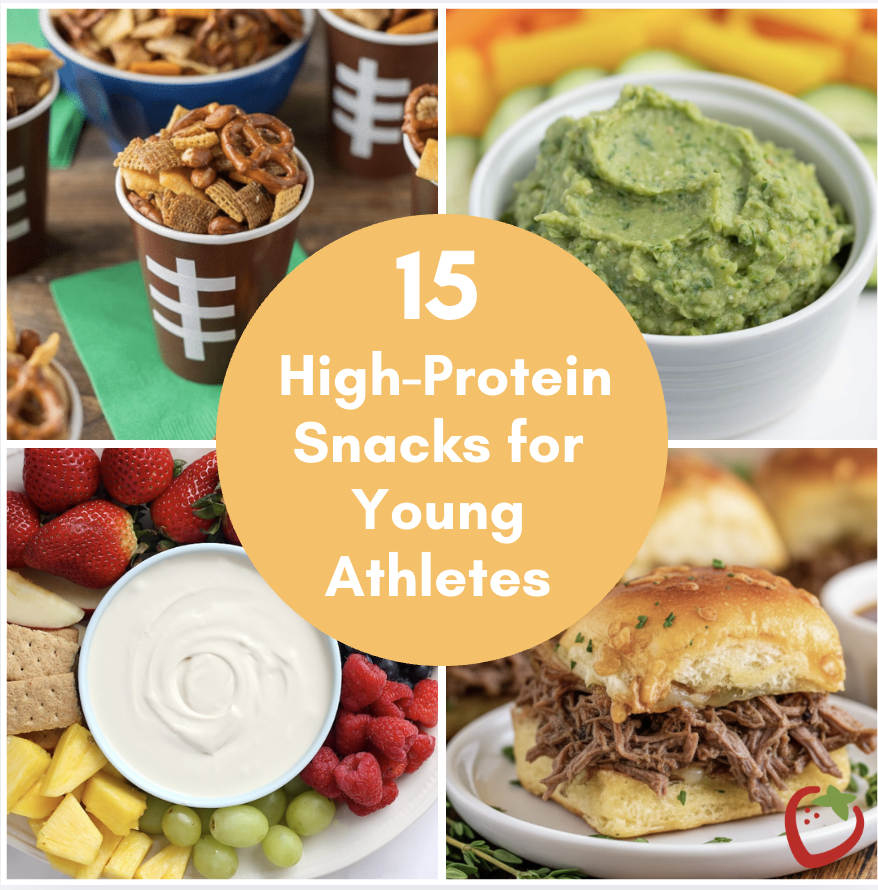
15 High-Protein Snack Solutions: A Culinary Roadmap
Moving away from expensive supplements, here are 15 evidence-backed, kid-friendly snack options that leverage whole-food ingredients to provide the nutrients active bodies crave.
1. Mixed Berry Protein Smoothies
The smoothie remains the ultimate "portable meal." By blending frozen berries, a banana, Greek yogurt, and a splash of milk, you provide a high-protein, antioxidant-rich recovery drink.
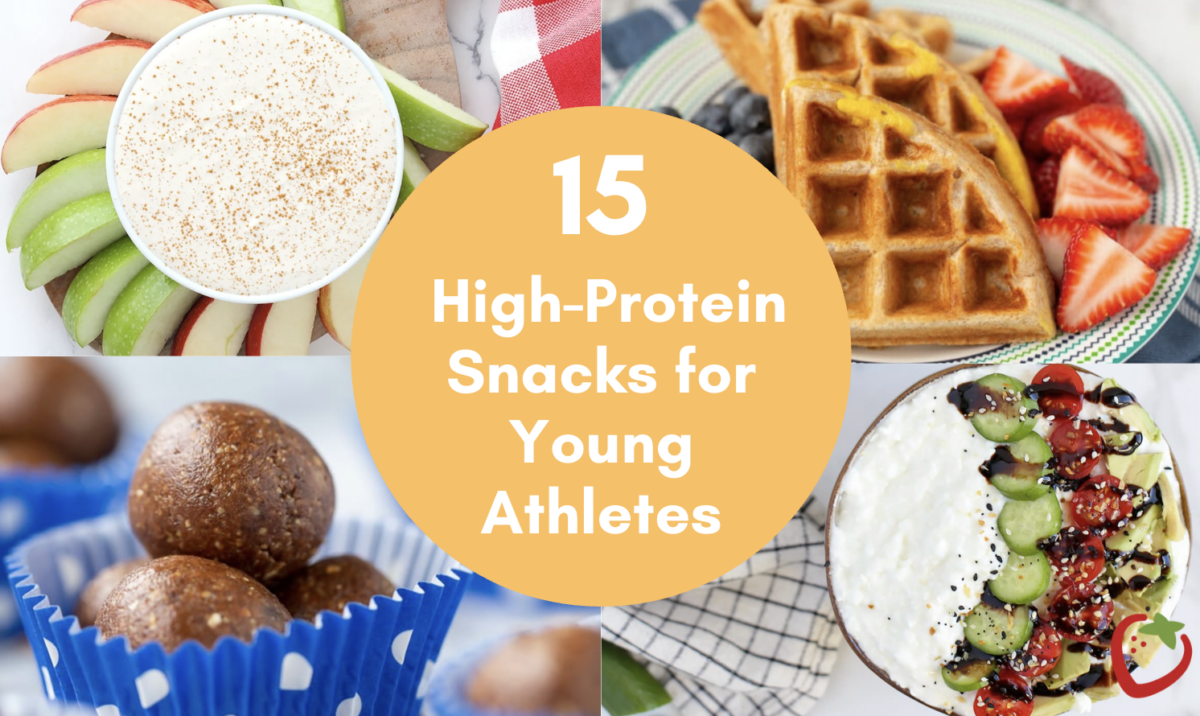
- Athlete’s Edge: The cold temperature helps lower core body temperature, while the blend of fruit and yogurt offers an optimal carb-to-protein ratio.
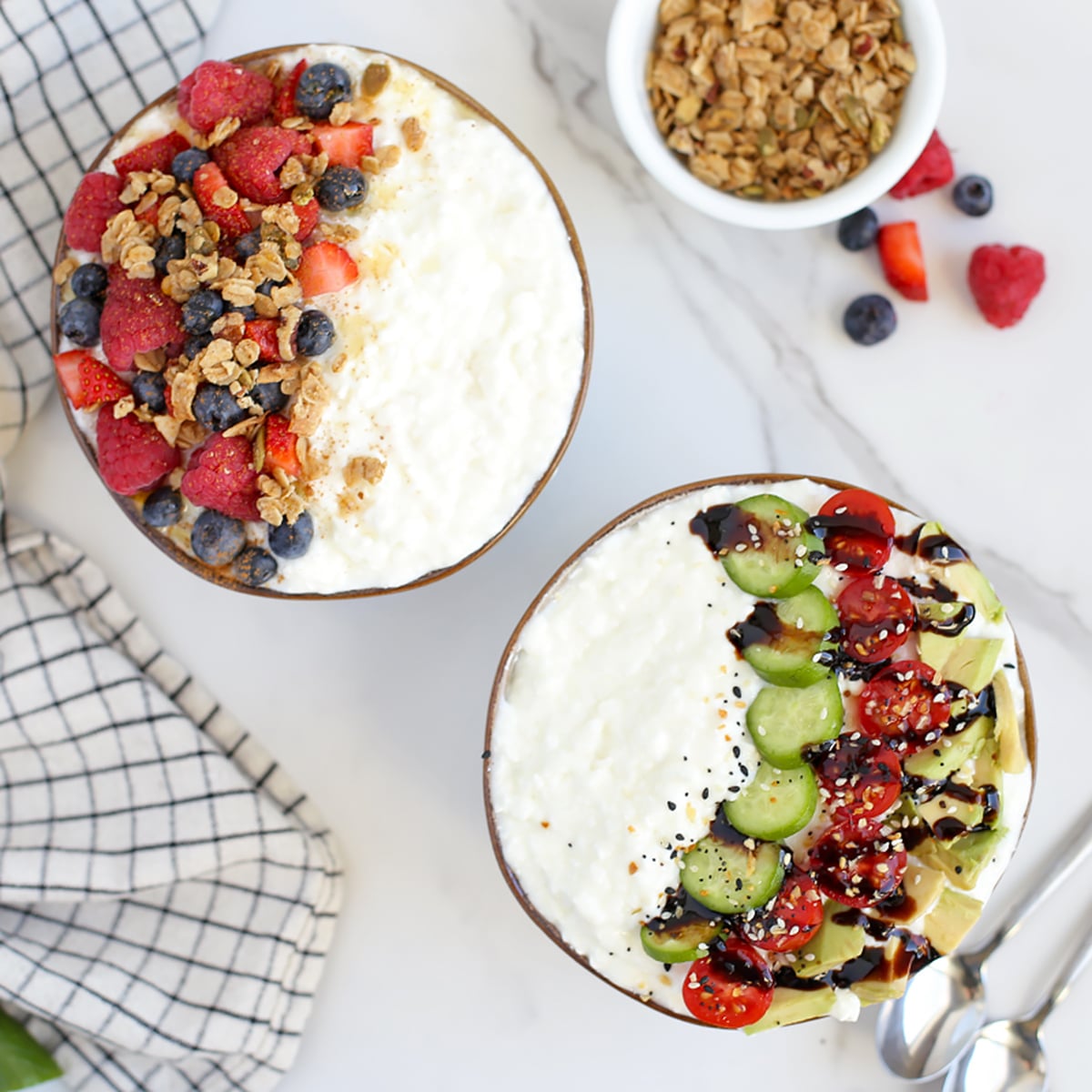
2. High-Protein Cottage Cheese Bowls
Cottage cheese is a nutritional powerhouse, offering nearly 17 grams of protein per serving. Its mild flavor makes it a versatile canvas for both sweet (berries, granola, honey) and savory (tomatoes, cucumber, balsamic glaze) toppings.
3. Blueberry Protein Popsicles
For summer tournaments, these are a game-changer. By freezing a blend of Greek yogurt and blueberries, parents can provide a cooling, protein-packed treat that replaces the need for sugar-laden ice pops.
4. Peanut Butter Fudge Protein Energy Balls
Using dates as a natural binder and peanut butter for fat and protein, these no-bake bites are ideal for a pre-game energy boost.
5. Easy High-Protein Edamame
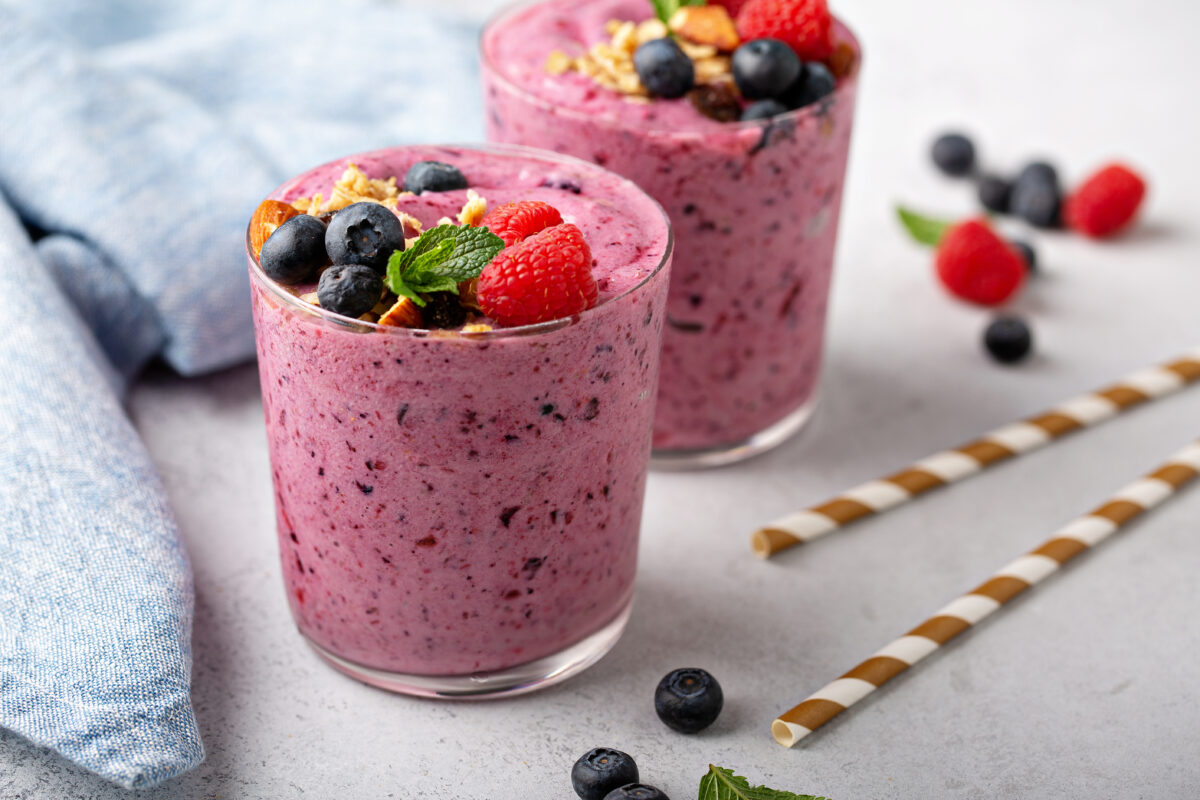
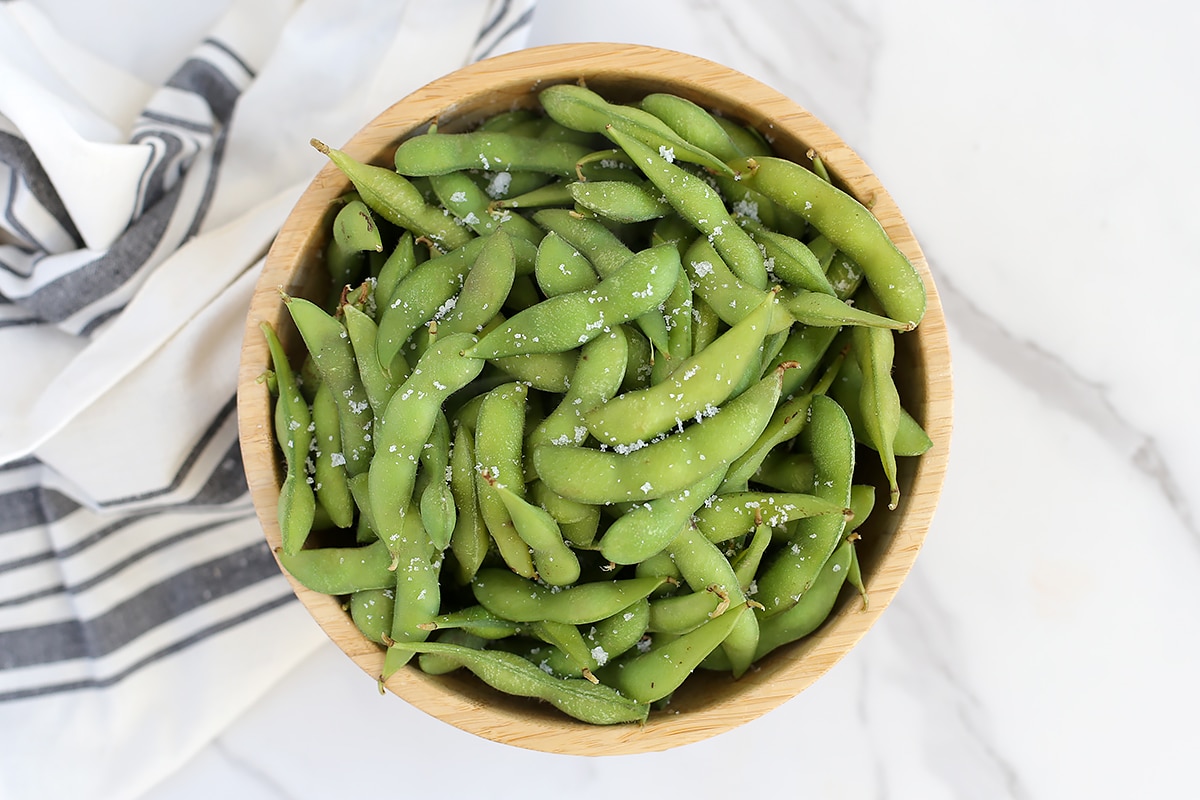
Simple, inexpensive, and fun to eat, edamame is a plant-based protein goldmine. Steaming frozen pods and finishing with a touch of sea salt creates a high-fiber, high-protein finger food.
6. Homemade Chocolate "RX-Style" Bars
For the teenager who prefers a "bar" format, homemade options using egg-white powder, dates, and nuts offer a controlled, additive-free alternative to store-bought versions.
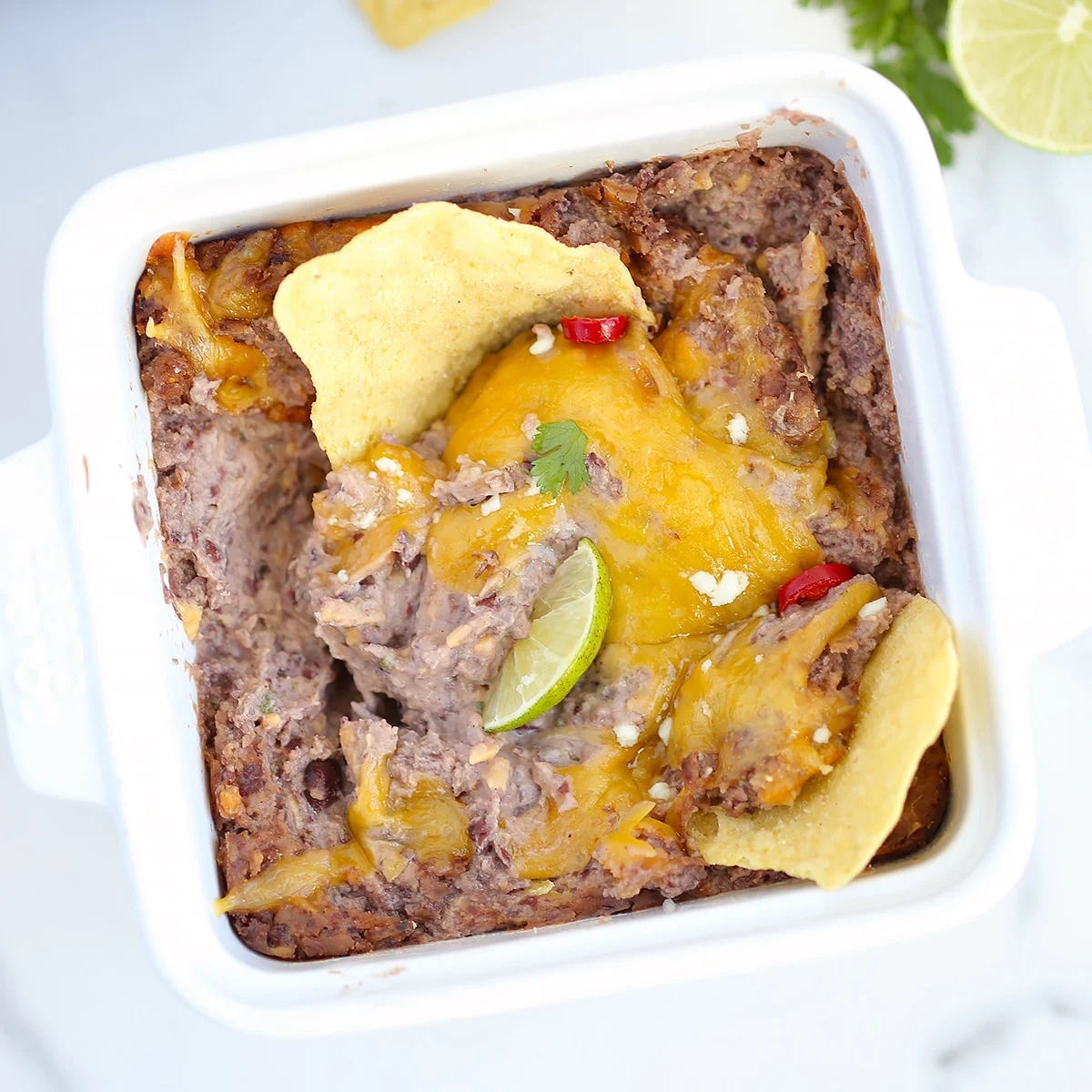
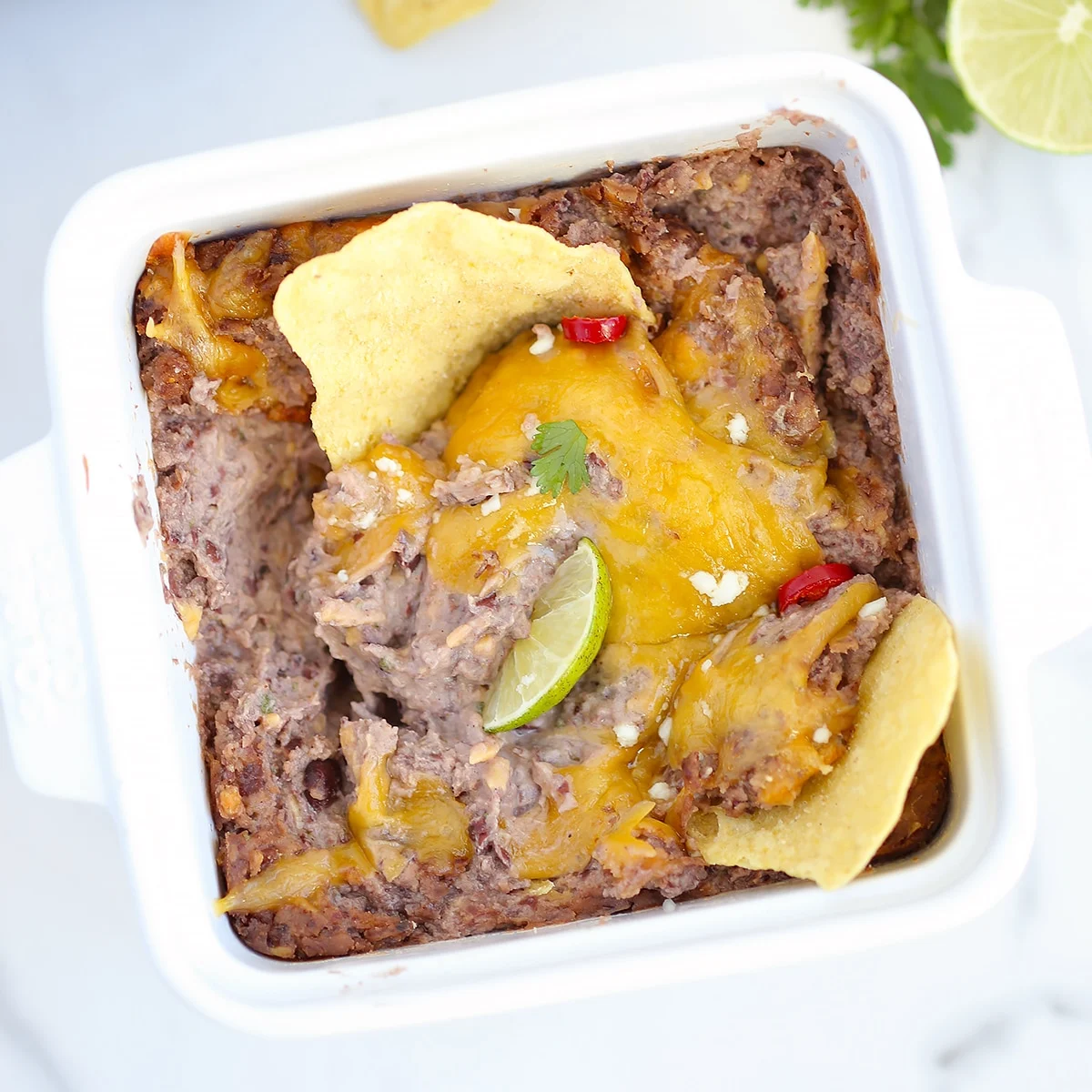
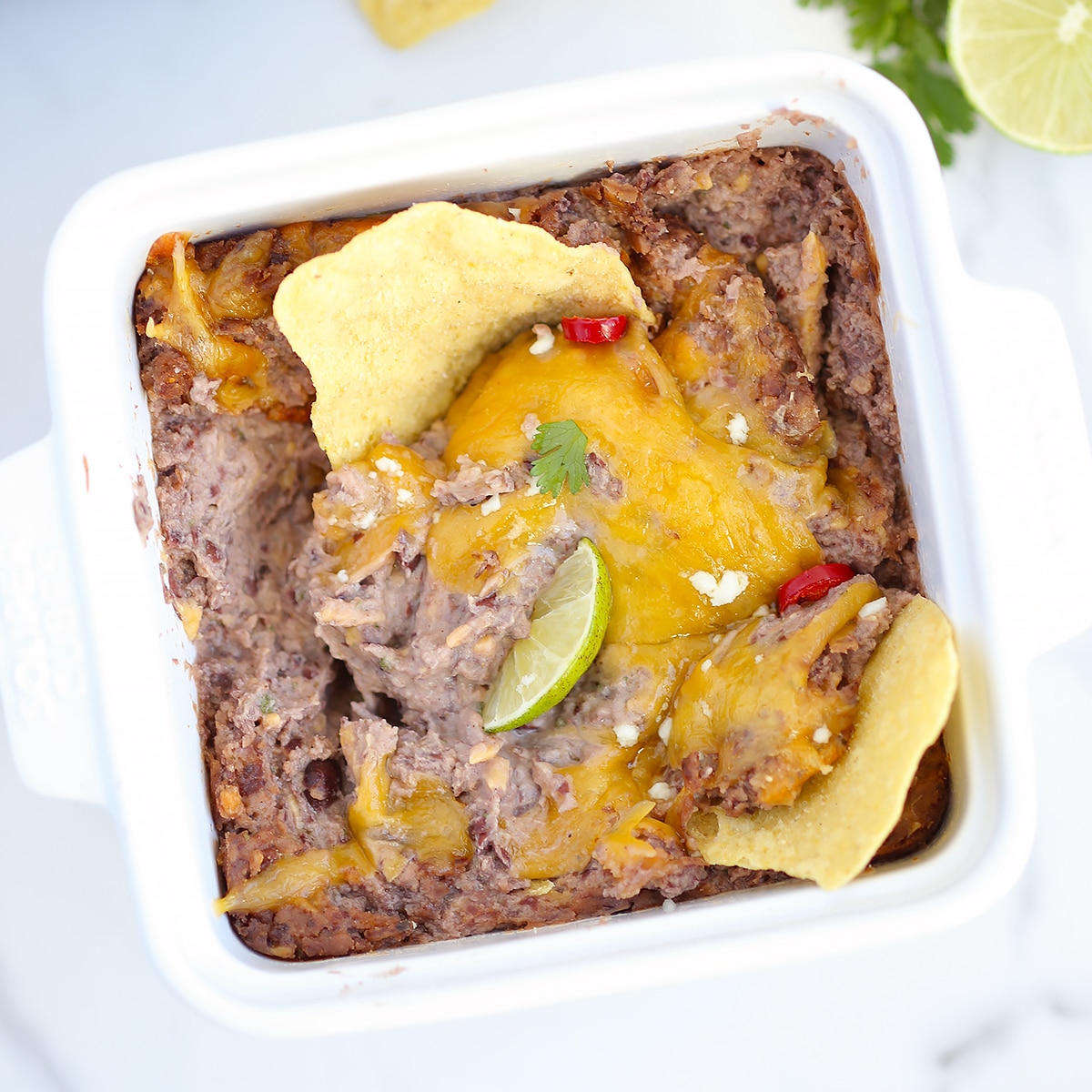
7. High-Protein Black Bean Dip
Beans are frequently underestimated in youth diets. Blending black beans with Greek yogurt and spices creates a creamy dip that delivers roughly 14 grams of protein per serving.
8. Kid-Friendly Protein Waffles
By incorporating egg and Greek yogurt directly into whole-wheat batter, these waffles transition from breakfast to a post-practice snack that is easy to heat and eat.
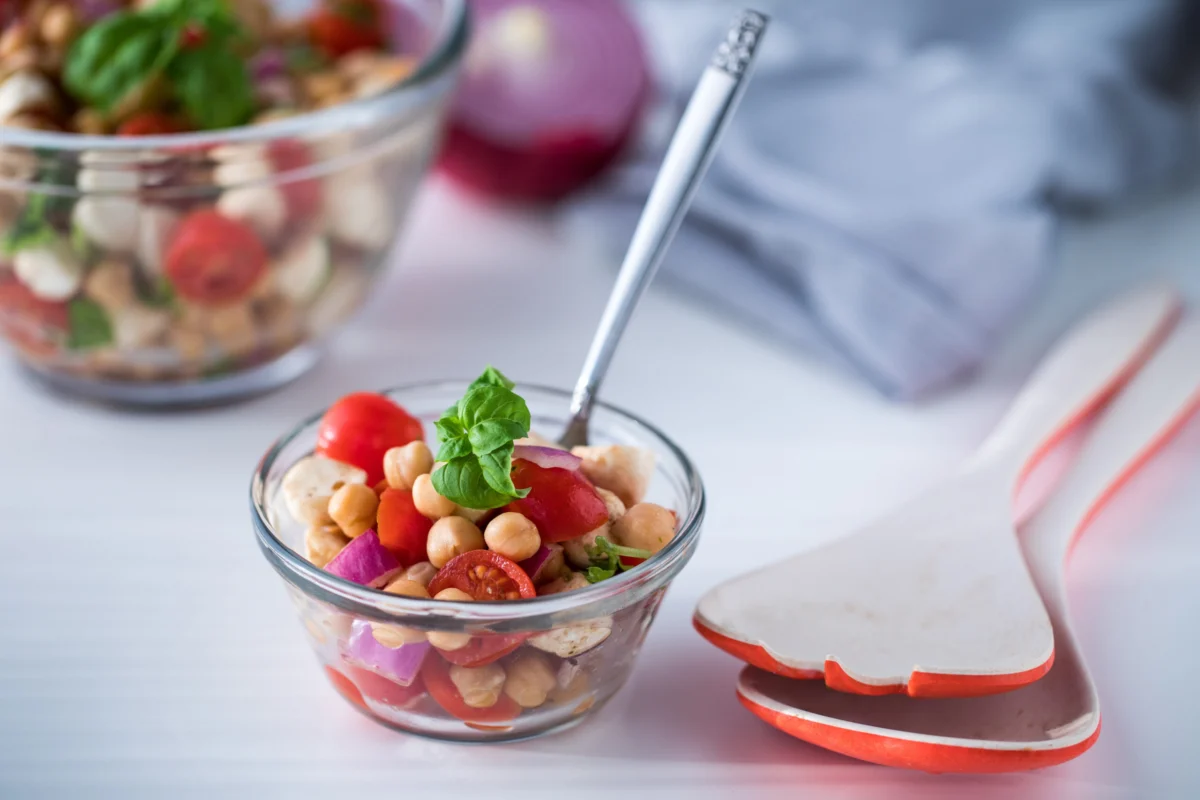
9. Roasted Chickpeas
When the craving for something "crunchy" strikes, roasted chickpeas provide a fiber-dense, protein-rich alternative to potato chips. With flavors like Barbecue or Cinnamon Sugar, they cater to any palate.
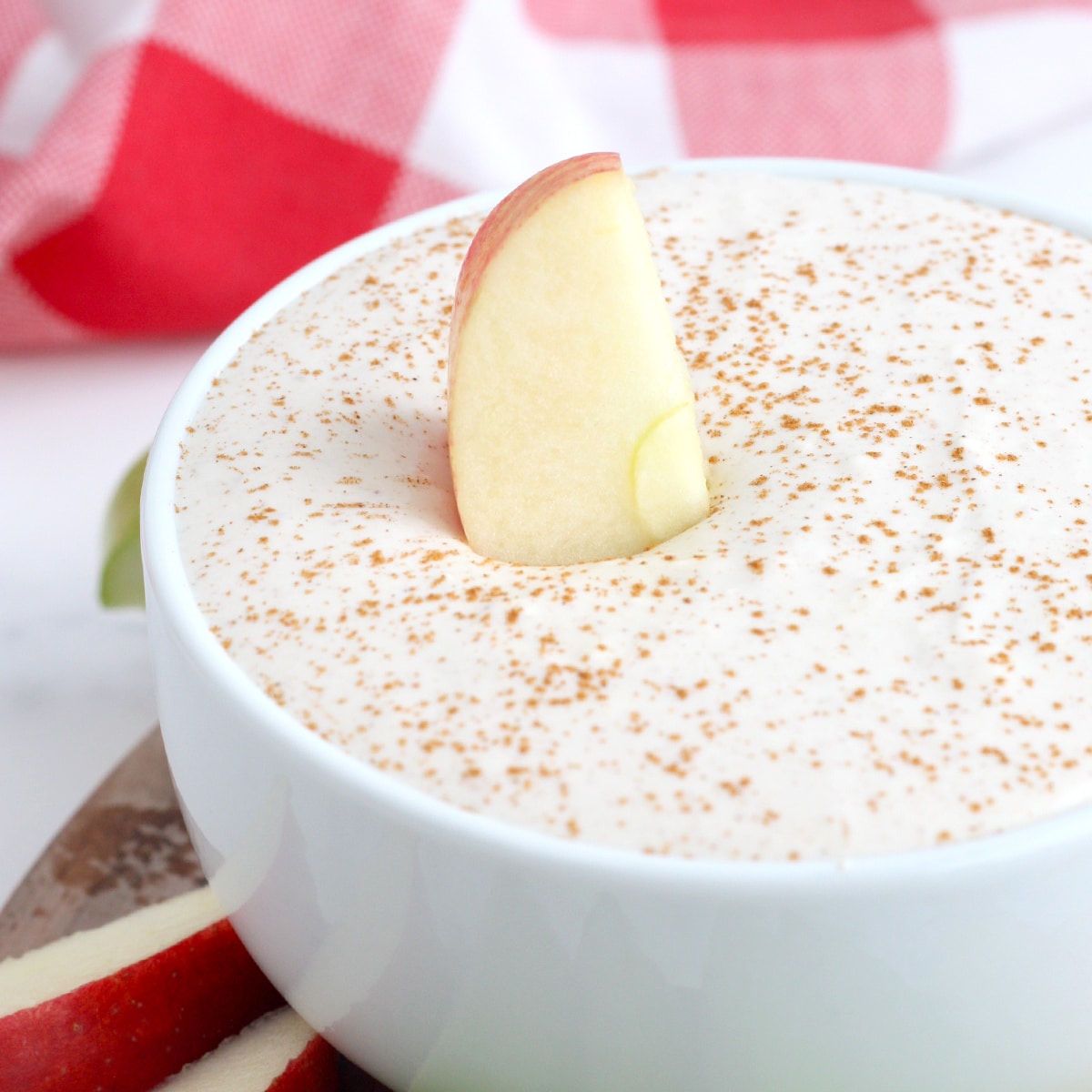
10. Healthy Yogurt Fruit Dip
A simple mix of Greek yogurt, honey, and cinnamon turns a plain apple slice into a balanced snack that encourages kids to consume more fruit.

11. Crunchy Roasted Peas
A lower-calorie, high-fiber alternative to traditional snacks, roasted peas offer a satisfying crunch that can be easily tossed into a school lunchbox.
12. Greek Yogurt Dip with Veggies
For the savory-leaning athlete, a dip made with dill, garlic, and Greek yogurt provides a refreshing, nutrient-dense way to consume vegetables.
13. "Kids Can Make ‘Em" Energy Bites
Empowering children to prepare their own food increases the likelihood of them eating it. These bites involve oats, flaxseed, and dark chocolate chips.
14. Chia Seed Energy Bites
Chia seeds provide a dense source of Omega-3 fatty acids, which are vital for reducing inflammation after intense exercise.
15. Raspberry Quinoa Smoothie
Quinoa is a rare plant-based "complete" protein, meaning it contains all nine essential amino acids. Blending it into a smoothie creates a hearty, filling snack for older teens.
The Chronology of Fueling: Before vs. After
The timing of a snack is just as important as the content.
Pre-Activity (1–2 hours before): Focus on carbohydrates with moderate protein. The goal is to provide fuel without weighing the stomach down. Examples include fruit with a small amount of Greek yogurt or a handful of roasted chickpeas.
Post-Activity (Within 45 minutes after): This is the "anabolic window." The body is primed to absorb nutrients for muscle repair. A combination of protein and carbohydrates is non-negotiable here. A protein smoothie or cottage cheese bowl is ideal for rapid recovery.
Supporting Data: Why Whole Foods Win
Data from the Journal of the International Society of Sports Nutrition suggests that the bioavailability of protein from whole foods—like dairy and legumes—often exceeds that of highly processed powders. Furthermore, whole foods provide essential micronutrients (like Vitamin C from berries or potassium from bananas) that are frequently missing in synthetic supplements.

Official Guidance: Do Kids Need Protein Powder?
Leading pediatric organizations, including the American Academy of Pediatrics, generally advise against the use of protein powders and supplements for young athletes. The primary concern is twofold:
- Lack of Regulation: The supplement industry is not strictly regulated; contaminants and undisclosed ingredients are a recurring issue.
- Nutritional Imbalance: Relying on powders often crowds out the consumption of diverse, nutrient-dense whole foods.
"Most kids can hit their protein requirements through a standard, balanced diet," says Dr. Elena Rossi, a pediatric sports nutritionist. "If a child is meeting their overall caloric needs and eating a variety of food groups, supplementation is rarely necessary and often counterproductive."
Implications for Parents and Coaches
The implications of proper nutrition extend beyond the scoreboard. Athletes who are properly fueled show improved concentration in the classroom, better mood stability, and a lower incidence of injury.
Building a "Fueling Station"
- The Fridge: Always stocked with Greek yogurt, cottage cheese, and fresh berries.
- The Freezer: Home to pre-made energy bites, waffles, and protein popsicles.
- The Pantry: Filled with nuts, seeds, and dried beans.
Conclusion: A Holistic Approach
The goal for parents of young athletes is to cultivate a long-term, positive relationship with food. By moving away from the "supplement-first" mentality and embracing the simplicity of whole-food combinations, we provide our children with more than just energy; we provide them with the foundational habits that will support their health for a lifetime.
Whether it is a quick yogurt dip before soccer or a quinoa smoothie after a long day of basketball, these snacks represent a commitment to the long-term well-being of the athlete. By treating food as fuel, we empower our children to reach their potential, one snack at a time.