THE NETHERLANDS — In the quiet agricultural fields of the northern Netherlands, a quiet culinary revolution is taking root. While supermarket aisles across the country are dominated by uniform, mass-produced legumes, a rare and deeply historic specialty pulses with regional pride: the Giele Wâltbeantsje.
Rooted in Frisian heritage but cultivated in rich southern soils, this yellow-brown bean represents a fascinating intersection of agricultural history, culinary resilience, and modern food culture. Once a staple of traditional rural diets, the Giele Wâltbeantsje nearly faded into obscurity, overshadowed by its ubiquitous cousin, the ordinary brown bean (bruine boon). Today, however, through specialty retailers like Ekoto and the efforts of curious home cooks and food scientists, this heirloom legume is staging an unexpected comeback.
Main Facts: What is the Giele Wâltbeantsje?
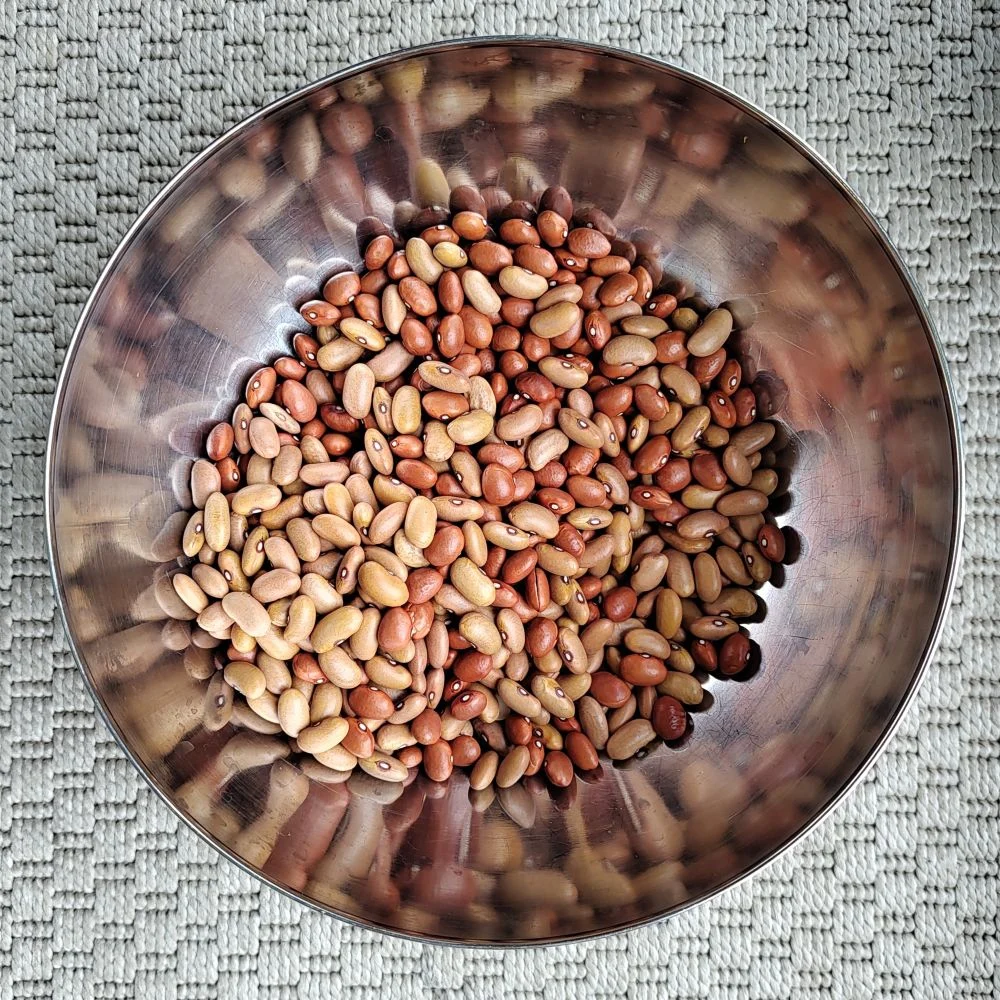
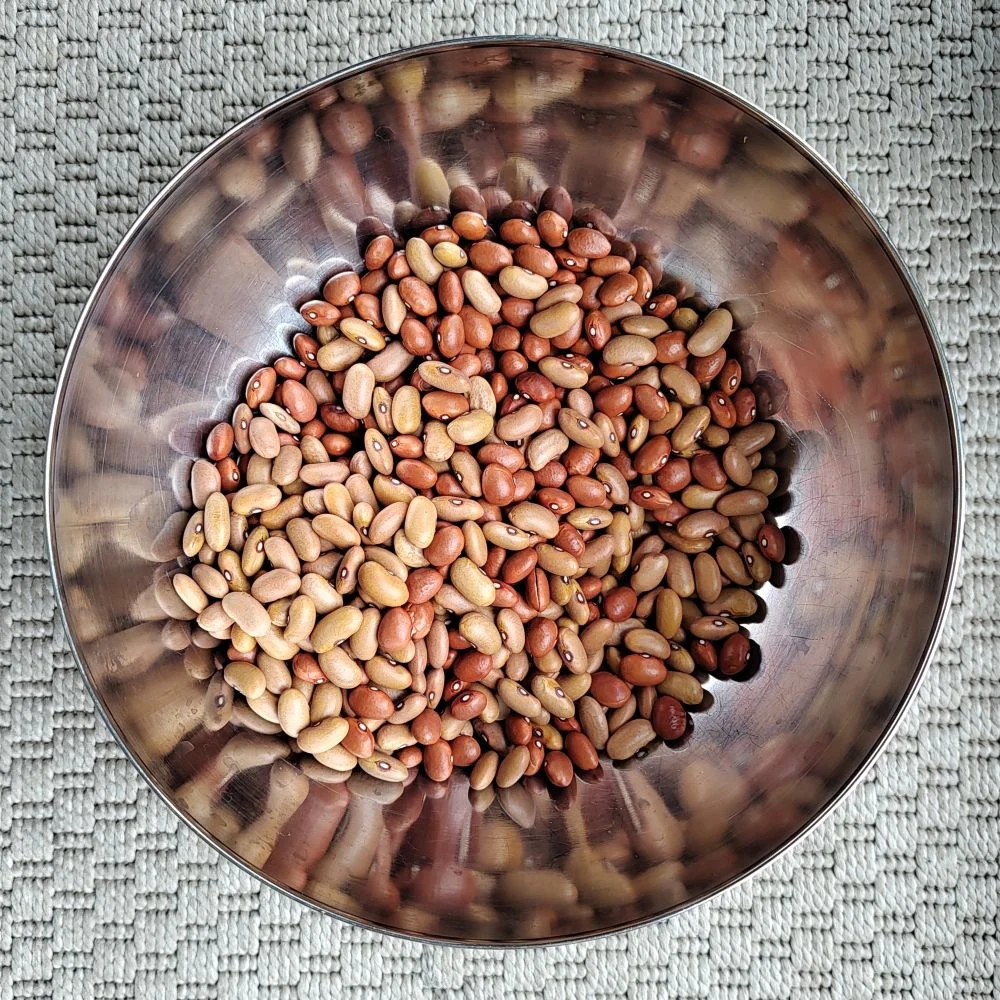
The Giele Wâltbeantsje (literally translated from West Frisian as "yellow forest bean") is an indigenous Dutch legume with a distinct identity.
- Appearance: Sporting a yellowish-brown or light ochre hue when dry, the bean transforms after cooking to closely resemble the standard brown bean. It is fractionally larger than its common relative, maintaining a plump, robust shape.
- Geographic Origin: While historically anchored in the northern province of Friesland, modern cultivation stretches into other provinces, including North Brabant.
- Availability: Unlike standard brown beans—which occupy prime shelf space in virtually every Dutch supermarket—the Giele Wâltbeantsje remains a niche product. It is occasionally found in specialty farm shops, regional markets, and targeted e-commerce platforms.
- Culinary Profile: Highly versatile and rich in earthy flavors, the bean holds its shape exceptionally well. It excels in traditional applications such as hearty soups and regional stews, adapts seamlessly to modern dishes like chili con carne, and can even be repurposed into innovative desserts like black-bean-style brownies.
Chronology: From Frisian Fields to Modern Kitchens
To understand the journey of the Giele Wâltbeantsje, one must trace its path through Dutch agricultural history, modern distribution channels, and contemporary kitchen experimentation.
1. Historical Roots in the Frisian Landscape
Centuries ago, agricultural plots in Friesland were characterized by small-scale, diverse crop rotation. Farmers cultivated regional varieties of legumes that were uniquely adapted to local microclimates and soil conditions. The Giele Wâltbeantsje emerged as a reliable source of plant-based protein, capable of being dried and stored for years—a crucial survival trait during harsh Dutch winters. Unlike fresh produce, dried pulses could sustain a household long after the harvest season ended.
2. The Commercial Marginalization
As European agriculture industrialized in the mid-to-late 20th century, efficiency and uniformity took precedence over biodiversity. Supermarket chains demanded crops that could be harvested with heavy machinery, yielded predictably massive volumes, and appealed to standardized consumer tastes. While the resilient standard brown bean secured major marketing backing and streamlined supply chains, heirloom varieties like the Giele Wâltbeantsje were left behind. Production shrank to a handful of dedicated growers, turning the bean into a regional secret known mostly to older generations and culinary historians.
3. The Digital Renaissance and Specialty Sourcing
In recent years, alternative food networks and online platforms have breathed new life into forgotten heritage foods. Retailers focused on organic, localized, and sustainable agriculture—such as the Dutch platform Ekoto—began sourcing these rare legumes directly from independent farmers. This digital bridge connected remote growers with urban consumers eager to explore culinary heritage.
4. Modern Kitchen Experiments
As these beans find their way into contemporary households, they are subjected to modern cooking methods that test their physiological limits. Traditional instructions mandate a lengthy soaking process—often lasting several hours or overnight—to rehydrate dried legumes and neutralize anti-nutrients. However, contemporary home cooks utilizing modern kitchen technology, such as pressure cookers, have begun experimenting with unsoaked, direct-heat cooking methods, yielding surprising successes that challenge traditional culinary dogma.
Supporting Data: Comparative Analysis of Dutch Legumes
To fully grasp why the Giele Wâltbeantsje occupies such a unique space in the modern food economy, it is helpful to examine the structural and market differences between heritage pulses and commercial staples.
| Feature | Standard Brown Bean (Bruine Boon) | Giele Wâltbeantsje |
|---|---|---|
| Market Penetration | Ubiquitous across all major Dutch supermarket chains | Niche availability; specialty stores, regional markets, and online platforms |
| Marketing & Scale | Mass-marketed, high-volume industrial agriculture | Small-batch, localized farming networks |
| Physical Appearance | Uniform dark brown; medium size | Light yellowish-brown; slightly larger |
| Storage Capacity | Excellent (months to years when properly dried) | Excellent (can be stored for years in dry conditions) |
| Culinary Adaptability | Traditional soups, stews, and purées | Soups, stews, chili con carne, and modern baking (e.g., brownies) |
| Price Point | Economical, mass-produced pricing | Premium pricing reflecting small-scale labor and distribution |
Nutritional and Agricultural Resilience
Like most dry beans, the Giele Wâltbeantsje is an agricultural powerhouse. Legumes possess the unique biological ability to fix atmospheric nitrogen into the soil via symbiotic rhizobia bacteria in their root systems. Incorporating heritage beans into crop rotation cycles reduces the need for synthetic nitrogen fertilizers, making them a vital component of sustainable, regenerative agriculture. Nutritionally, they offer a dense matrix of complex carbohydrates, dietary fiber, plant-based proteins, iron, and B-vitamins, aligning perfectly with modern dietary guidelines that emphasize shifting away from heavily processed foods toward whole, plant-forward ingredients.
Official Responses and Expert Perspectives
While the Giele Wâltbeantsje does not have a corporate public relations department, its resurgence is championed by a growing chorus of food scientists, agricultural historians, and specialty retailers who advocate for agrobiodiversity.
The Retailer Perspective: Sourcing Beyond the Supermarket
Agri-food platforms specializing in direct-to-consumer heritage goods emphasize that consumer demand is the primary driver for preserving rare crops. Representatives from sustainable distribution networks point out that keeping a crop alive requires creating economic incentives for farmers to plant them.
"When consumers buy a bag of Giele Wâltbeantsje, they aren’t just buying dinner; they are subsidizing agricultural biodiversity," notes a supply chain specialist working within the Dutch organic sector. "If we rely solely on what is cheap and easy for massive supermarket logistics chains, we risk losing centuries of agricultural adaptation in a single generation."
Culinary Experts on Texture and Preparation
Food science communicators and culinary bloggers who have tested the bean highlight its remarkable structural integrity. Unlike mass-produced canned beans, which can occasionally turn mushy, dried heritage beans cooked from scratch offer superior control over texture and flavor absorption.
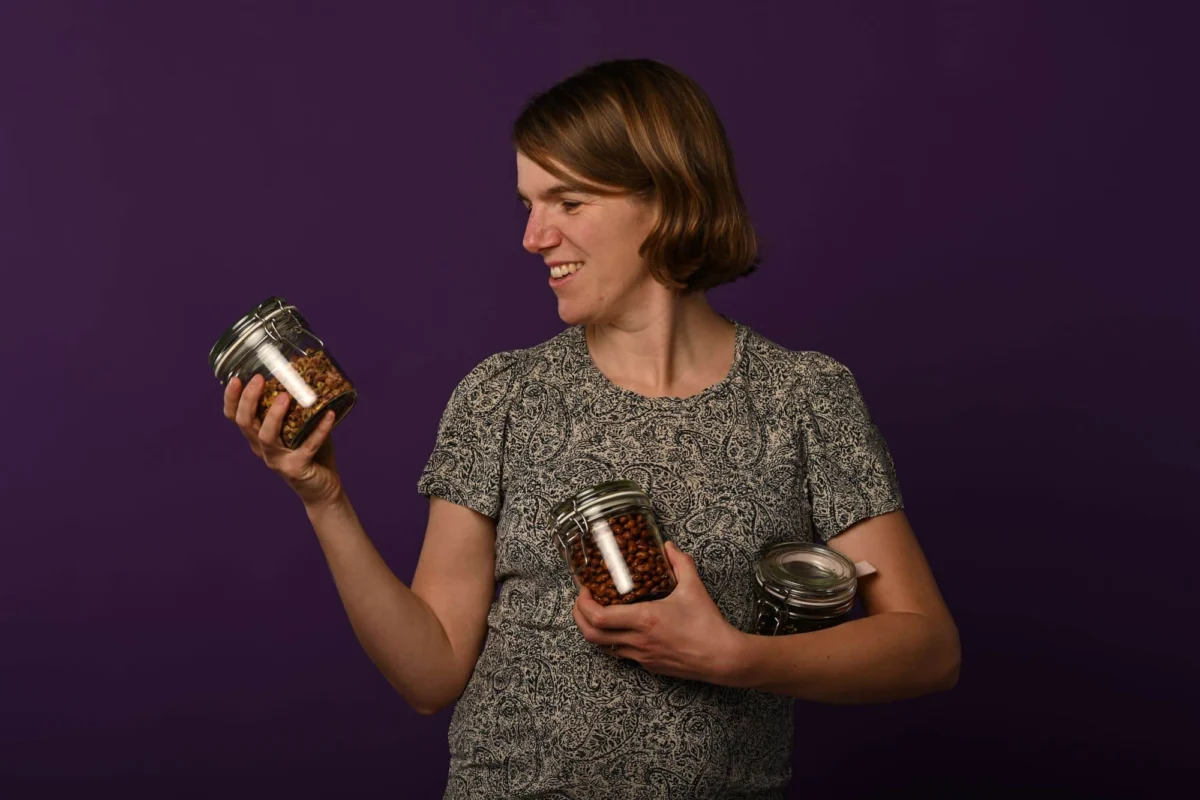
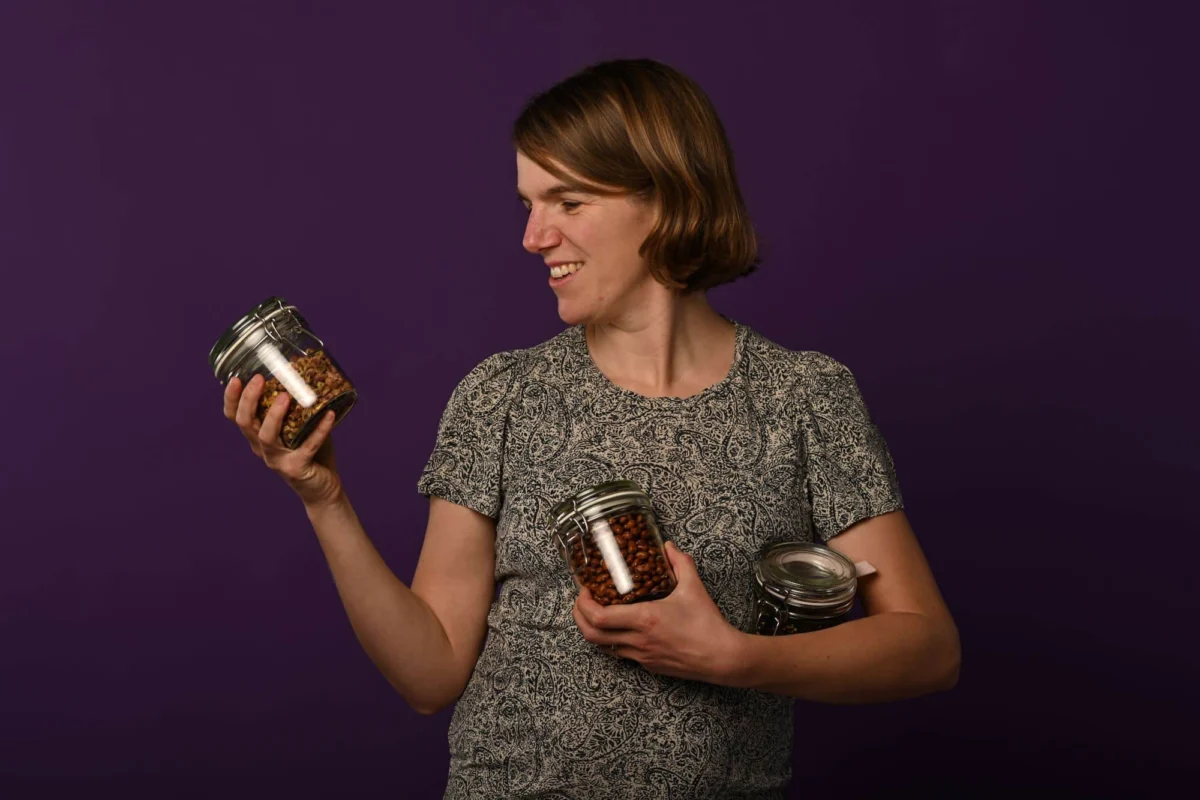
Food science writer Marieke de Jong notes the stark contrast between traditional culinary wisdom and modern kitchen shortcuts: "Standard instructions for dried legumes are strict: soak for hours, simmer gently, and avoid rapid temperature shifts. Yet, when pushed into a pressure cooker without warning or preparation, the Giele Wâltbeantsje maintains its dignity. It refuses to disintegrate into sludge, proving that its physical structure is exceptionally robust."
Implications: The Future of Food Heritage in the Netherlands
The modest journey of the Giele Wâltbeantsje—from a forgotten Frisian field to an experimental modern kitchen via an online organic retailer—carries profound implications for the future of European food systems.
1. Protecting Agrobiodiversity
The agricultural sector faces mounting pressure to adapt to climate change, soil degradation, and water scarcity. Relying on a hyper-narrow selection of staple crops leaves the global food supply vulnerable to pests, diseases, and environmental shocks. Heritage varieties like the Giele Wâltbeantsje possess genetic traits honed by centuries of local cultivation. Preserving these seeds ensures a deeper genetic reservoir for future agricultural breeding programs.
2. The Rise of "Narrative Eating"
Modern consumers, particularly younger generations, increasingly seek a narrative behind their food. Knowing that a bean was grown in Brabant by heritage-conscious farmers, sourced via an ethical online platform like Ekoto, and cooked into an experimental batch of brownies transforms a basic nutritional necessity into a cultural experience. This trend, often termed "narrative eating," bridges the disconnect between urban consumers and rural producers.
3. Redefining Culinary Boundaries
The culinary versatility demonstrated by the Giele Wâltbeantsje—transitioning effortlessly from a traditional Frisian winter soup to a modern, plant-based brownie—exemplifies how heritage ingredients can escape the museum case and actively participate in contemporary gastronomy. By substituting black beans with Frisian yellow-brown beans in modern baking, home cooks demonstrate that tradition and innovation are not mutually exclusive.
Conclusion
The Giele Wâltbeantsje may never unseat the ordinary brown bean from its dominant position in mainstream Dutch supermarkets. Its supply chain is too small, its production costs too high, and its marketing too grassroots. Yet, its very survival is a testament to the power of culinary curiosity and agricultural preservation.
For those willing to look beyond the brightly lit aisles of corporate grocery stores—venturing into specialty shops or scrolling through digital farm markets—the reward is more than just a delicious bowl of soup or an inventive dessert. It is a literal taste of history, preserved in a dried yellow-brown shell, waiting patiently to be soaked, pressured, and savored.