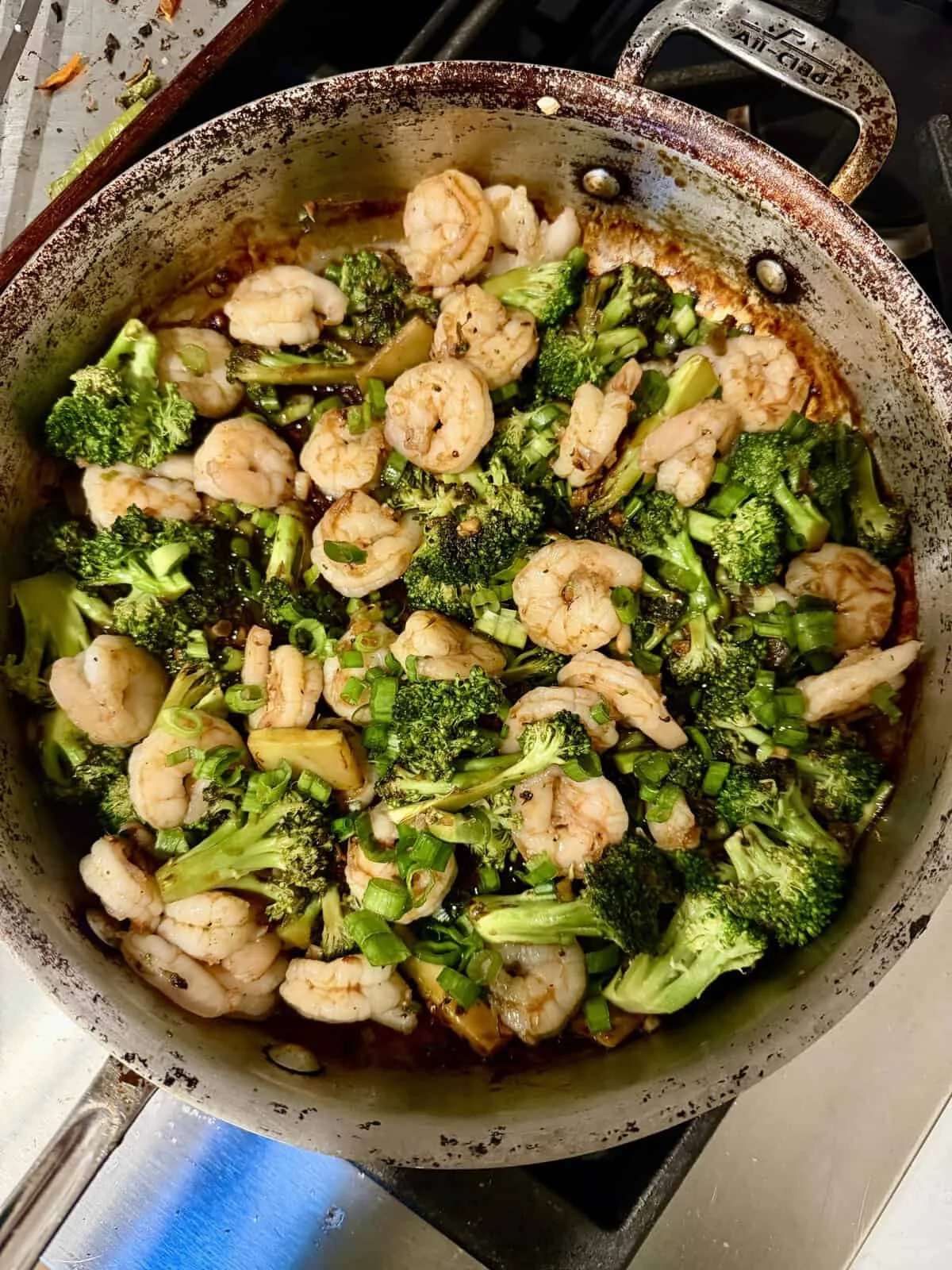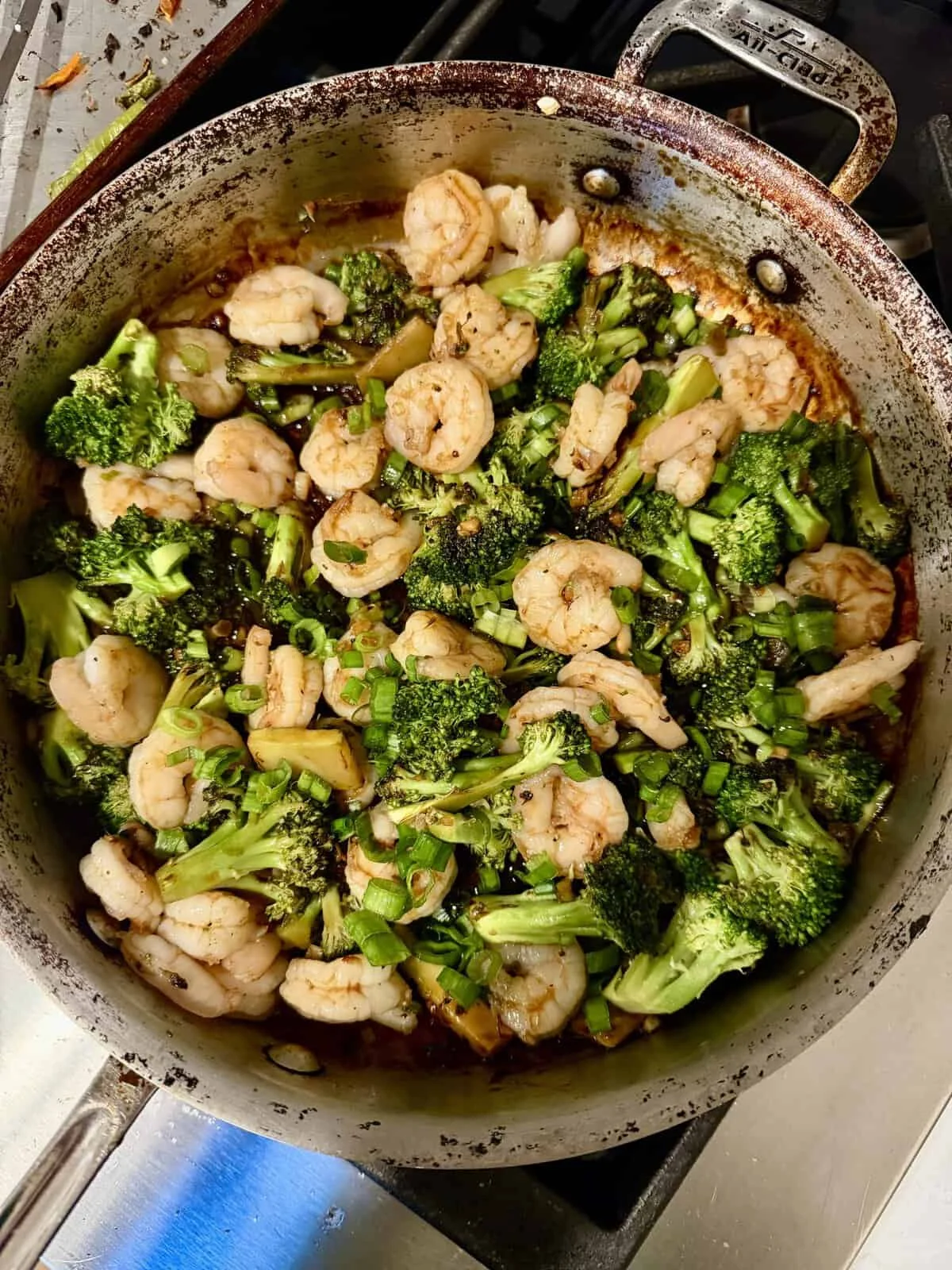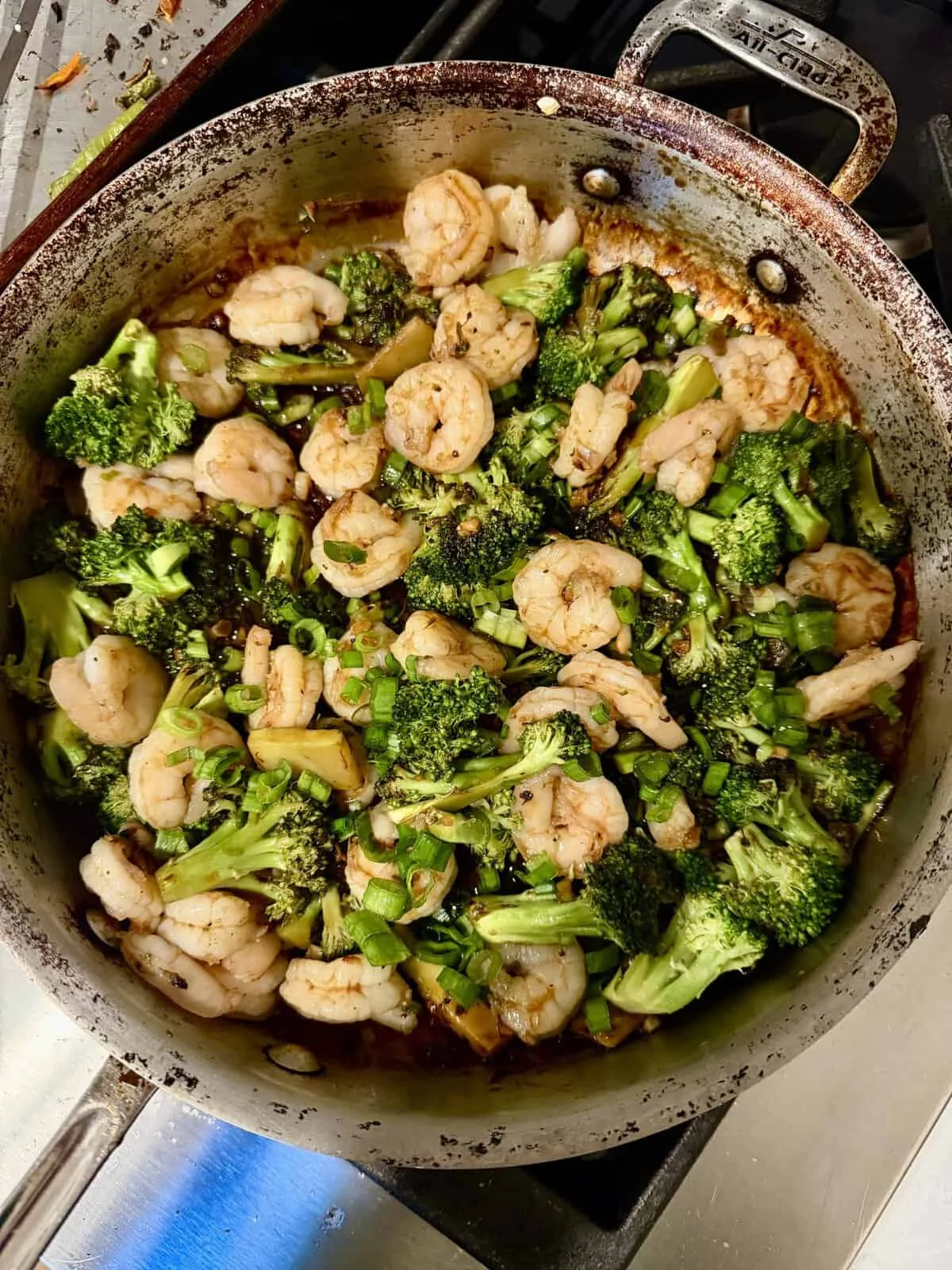
In the modern culinary landscape, the quest for the "perfect weeknight dinner" is a challenge that pits the desire for high-quality, nutrient-dense ingredients against the reality of a packed schedule. For many home cooks, the solution lies in the versatile and efficient technique of the stir-fry. Among the pantheon of quick-fix meals, few combinations are as iconic—or as frequently botched—as shrimp and broccoli.
Renowned cookbook author and culinary expert Erin Clarke, the creator behind the widely acclaimed Well Plated, has recently shared her definitive approach to this classic dish. By balancing the delicate, rapid-cook nature of shellfish with the structural needs of hearty cruciferous vegetables, Clarke has refined a method that bridges the gap between lackluster home cooking and the vibrant, flavor-forward experience of restaurant-quality takeout.

The Core Concept: Efficiency Meets Excellence
At its heart, the appeal of a stir-fry is simple: speed. A blazing hot pan and a well-composed sauce can transform raw, disparate ingredients into a cohesive meal in under thirty minutes. However, the common pitfall for many home cooks is the lack of timing synchronization. Shrimp, which requires mere moments to reach its succulent, opaque state, is often relegated to a rubbery afterthought when cooked alongside vegetables that require more time to achieve a tender-crisp texture.
Clarke’s approach, honed through years of professional recipe testing, emphasizes the "two-stage" cooking technique. By searing the shrimp, removing them from the heat, and then utilizing the residual oils and flavor profile to cook the broccoli, the home cook can ensure that neither element is compromised. It is this attention to detail that elevates a simple meal into a staple of the home kitchen.

A Chronological Guide to the Perfect Stir-Fry
To achieve the results championed by Clarke, one must follow a specific, disciplined process. The orchestration of the kitchen workspace is just as important as the quality of the ingredients themselves.
Phase 1: The Mise en Place (Preparation)
Before a single flame is ignited, success is determined by preparation. The sauce, a critical component that acts as both a seasoning and a glaze, should be whisked together in a small vessel beforehand. A blend of aromatics—fresh ginger, garlic, and scallions—must be prepped and ready for immediate access. This "within arm’s reach" philosophy prevents the common error of burning garlic while scrambling to find ingredients.

Phase 2: Mastering the Shrimp
The process begins by heating a high-smoke-point oil, such as canola, in a wok or large stainless steel skillet over medium-high heat. The shrimp are arranged in a single, uncrowded layer. This ensures a proper sear rather than a steam. Within one to two minutes, once the shrimp have curled into a characteristic "C" shape and lost their translucent hue, they are removed from the pan. This pause in the cooking process is the "secret" that prevents the proteins from turning rubbery.
Phase 3: Perfecting the Broccoli
With the shrimp safely set aside, the remaining oil is used to introduce the broccoli to the pan. Leaving the florets undisturbed for two minutes allows for browning—a process known as the Maillard reaction, which adds a depth of flavor that steaming alone cannot achieve. After this initial sear, a small amount of water is introduced, and the pan is covered. This brief steam ensures the broccoli achieves the desired tender-crisp finish.

Phase 4: The Final Integration
The aromatics (garlic, ginger, and the white/light green parts of the scallions) are introduced to the pan. Constant movement is required here to prevent the garlic from browning, which can introduce an undesirable, bitter flavor. Once the fragrance is released, the pre-mixed sauce is poured over the vegetables. The shrimp are then returned to the pan, and the entire mixture is tossed until the sauce reaches a glossy, thickened consistency that clings to the ingredients. The dish is finished with a garnish of fresh, dark green scallion tops, adding a final note of brightness.
Nutritional Profile and Dietary Implications
For the health-conscious consumer, the Shrimp and Broccoli stir-fry offers an impressive nutritional profile. Based on a three-serving yield, this meal balances lean protein with high-fiber vegetables, making it a sustainable choice for those monitoring caloric or macronutrient intake.

- Protein Density: With approximately 35g of protein per serving, the dish is an excellent post-workout recovery meal or a satiating dinner option.
- Micronutrient Richness: Broccoli is a powerhouse of vitamins C and K, as well as essential minerals like potassium and calcium.
- Energy Balance: The meal contains roughly 469 kcal per serving, with a balanced distribution of complex carbohydrates and healthy fats.
- Sodium Management: While takeout versions of this dish are notoriously high in sodium, home-cooked versions allow for precise control over salt levels, ensuring the meal remains heart-healthy without sacrificing the umami profile of the sauce.
Professional Perspectives: Tips from the Kitchen
Erin Clarke emphasizes that recipes are living documents, meant to be adapted to the specific needs of the cook. Her testing notes offer several key insights for those looking to customize the dish:
- Scaling for Appetite: For households with higher caloric needs or more than three diners, the recipe should be doubled. Clarke specifically suggests increasing the shrimp quantity to 1.5 pounds to ensure the protein-to-vegetable ratio remains satisfying.
- The Sweetness Variable: The provided recipe is designed to be savory, with a subtle depth. However, stir-fry preferences are highly subjective. For those who enjoy the sweet-and-savory profile typical of many regional Asian cuisines, increasing the honey content to 3 tablespoons is a recommended adjustment.
- Alternative Preparation: For those who prefer a more "hands-off" approach, the technique can be adapted for a sheet-pan bake. By roasting the shrimp and broccoli on a high-heat tray, one can achieve a similar flavor profile with even less active time in the kitchen.
Implications for the Modern Home Cook
The enduring popularity of the Shrimp and Broccoli stir-fry serves as a microcosm for the broader "cooking at home" movement. As food costs rise and the quality of fast-casual takeout remains inconsistent, the ability to replicate restaurant-quality meals with fresh, accessible ingredients has become a valuable life skill.

The philosophy championed by experts like Clarke is not just about the specific ingredients, but about the methodology of cooking. By understanding how to control heat, the sequence of cooking, and the importance of fresh aromatics, the home cook moves from a passive consumer of recipes to an active participant in their own nutrition. This shift has profound implications for long-term health and financial wellness, as it replaces the reliance on processed, pre-packaged, or high-sodium delivery meals with a sustainable, scalable, and highly customizable culinary practice.
In conclusion, the path to a superior weeknight dinner is paved with simple techniques that prioritize the integrity of the ingredients. Whether you are a novice looking to build confidence or an experienced cook seeking to streamline your routine, mastering the shrimp and broccoli stir-fry provides a solid foundation for a lifetime of healthy, delicious, and efficient home cooking.