By Rich Manning | September 27, 2026
Photography by John Valls
Main Facts
In the quiet, high-altitude alpine meadows of Europe, a resilient yellow flower blooms against the odds. The gentian plant (Gentiana lutea), particularly native to the mountains of Central and Southern Europe, has quietly anchored the global beverage and spirits industry for centuries. Known primarily for its intense, earthy bitterness and unmistakable herbal funk, gentian is the unsung backbone of some of the world’s most recognizable elixirs.
While everyday drinkers may recognize its bitter signature in globally famous staples like Campari, Aperol, and Angostura bitters, the modern craft cocktail movement has shifted its gaze toward gentian-forward liqueurs. Products like Salers, Suze, Avèze, and Luxardo Bitter Bianco are stepping out of the shadows of traditional apéritifs. No longer merely serving as a background modifier or a bitter dash, gentian is increasingly taking center stage. Bartenders across North America and Europe are leveraging its unique, dusty, vegetal complexity to bridge the gap between unexpected ingredients, redefine classic builds, and inject a refreshing, bittersweet vitality into contemporary glassware.
Chronology: A History of Alpine Bitters
To understand gentian’s current renaissance on the back bars of trendy urban cocktail lounges, one must trace its journey back through centuries of European distillation and herbal medicine.
- The 1600s: Bavarian Roots and Medicinal Origins
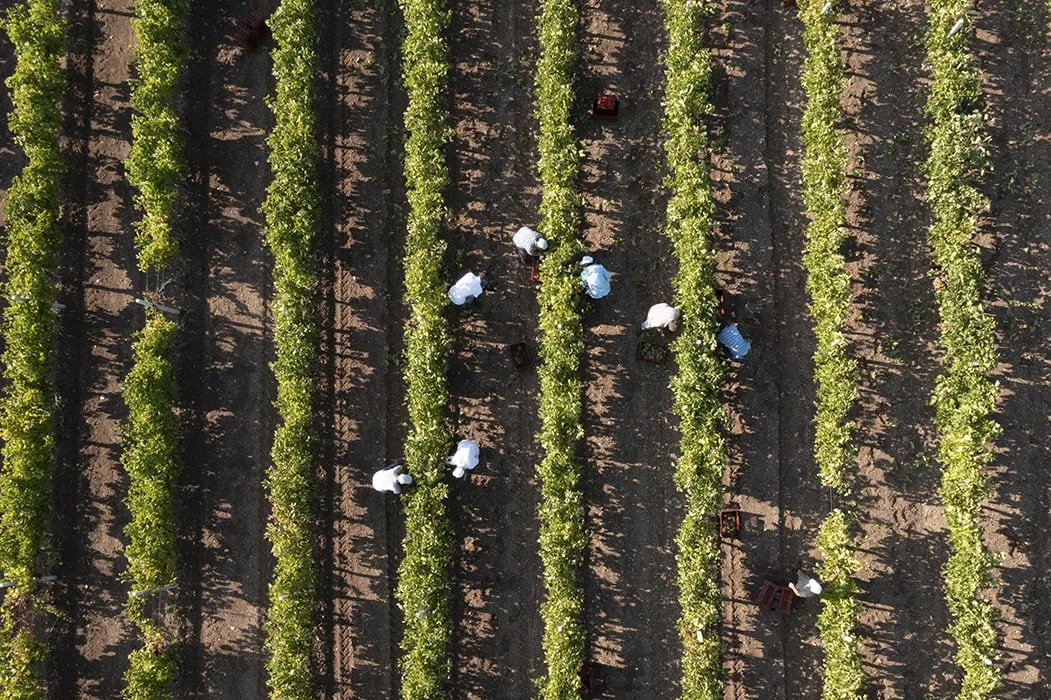
Historians trace the utilization of gentian root back to Bavaria in the 17th century. Originally valued for its purported medicinal properties—specifically its ability to stimulate digestion and act as a general tonic—the bitter, subterranean root stalks of the wild gentian plant were harvested, dried, and macerated in high-proof alcohol or wine. - The 19th Century: The French Apéritif Boom
Two centuries after its medicinal introduction in Germany, gentian found its cultural home in France. In the 1800s, commercial houses began refining the recipes. Notably, Salers released a pioneering bittersweet apéritif made from Alpine gentian root stalks macerated in alcohol. This established a ritual in France where the herbaceous, earthy essence was enjoyed over ice with a squeeze of fresh lemon to whet the appetite before a heavy meal. - The Mid-20th Century: Consolidation and Mass Appeal
Brands like Suze became cultural touchstones in France, celebrated in art and literature, while other European expressions carved out regional loyalties. However, for decades in the English-speaking world, gentian remained an exotic, acquired taste largely restricted to classic cocktail modifiers like vermouths and commercial bitters. - The 21st Century: The Craft Cocktail Renaissance
As the global cocktail renaissance took off in the early 2000s, forward-thinking bartenders began hunting for complex, lower-ABV ingredients that could add structural depth to drinks without overpowering them. Gentian liqueurs experienced a massive global resurgence. Today, bartenders routinely stock multiple expressions of gentian, utilizing its dusty funk to craft complex, minimalist masterpieces that challenge the palate.
Supporting Data & Industry Insights
The resurgence of gentian is not merely an aesthetic choice by avant-garde mixologists; it represents a fundamental shift in consumer preferences toward complex, botanical, and lower-intervention flavor profiles.
According to beverage industry trends, sales of bitter liqueurs, amari, and gentian-based apéritifs have steadily climbed over the last decade. This growth is driven by several key factors:

- The Low-ABV and Apéritif Culture: Consumers are increasingly seeking out drinks that prioritize complexity over sheer alcoholic punch, making gentian—typically bottled between 15% and 20% ABV—an ideal vehicle for sessionable, daytime-friendly cocktails.
- Minimalist Construction: Unlike heavily layered tiki drinks or ultra-sweet dessert cocktails, gentian thrives in minimalist formats. Industry data highlights a consumer pivot toward three- and four-ingredient cocktails where individual components can truly "breathe."
- Geographic Versatility: While historically tied to French and Italian drinking traditions, modern adoption spans craft bars from Detroit to Austin and Nashville, proving that the ingredient transcends regional drinking habits.
Official Responses and Bartender Perspectives
To understand how gentian is reshaping modern cocktail menus, leading mixologists and bar operators share their insights on working with this notoriously bold botanical.
The Power of Balance: Kiesling, Detroit
At Kiesling in Detroit, general manager Jeremy Ross emphasizes the incredible utility of gentian behind a high-volume bar.
"Gentian is fairly versatile," explains Ross. "It makes a killer White Negroni, it can be an asset in any Martini build, and it sings in a highball. In our case, it pulls together our drink perfectly."
This sentiment is echoed by Detroit bartender Kira Ellington, who engineered the bar’s music-inspired drink, the Suze Greenburg. Ellington utilized Suze not as a background accent, but as the critical bridge between the vegetal notes of fresh carrot juice and mezcal, balanced against the sweet essence of amaro and honey.
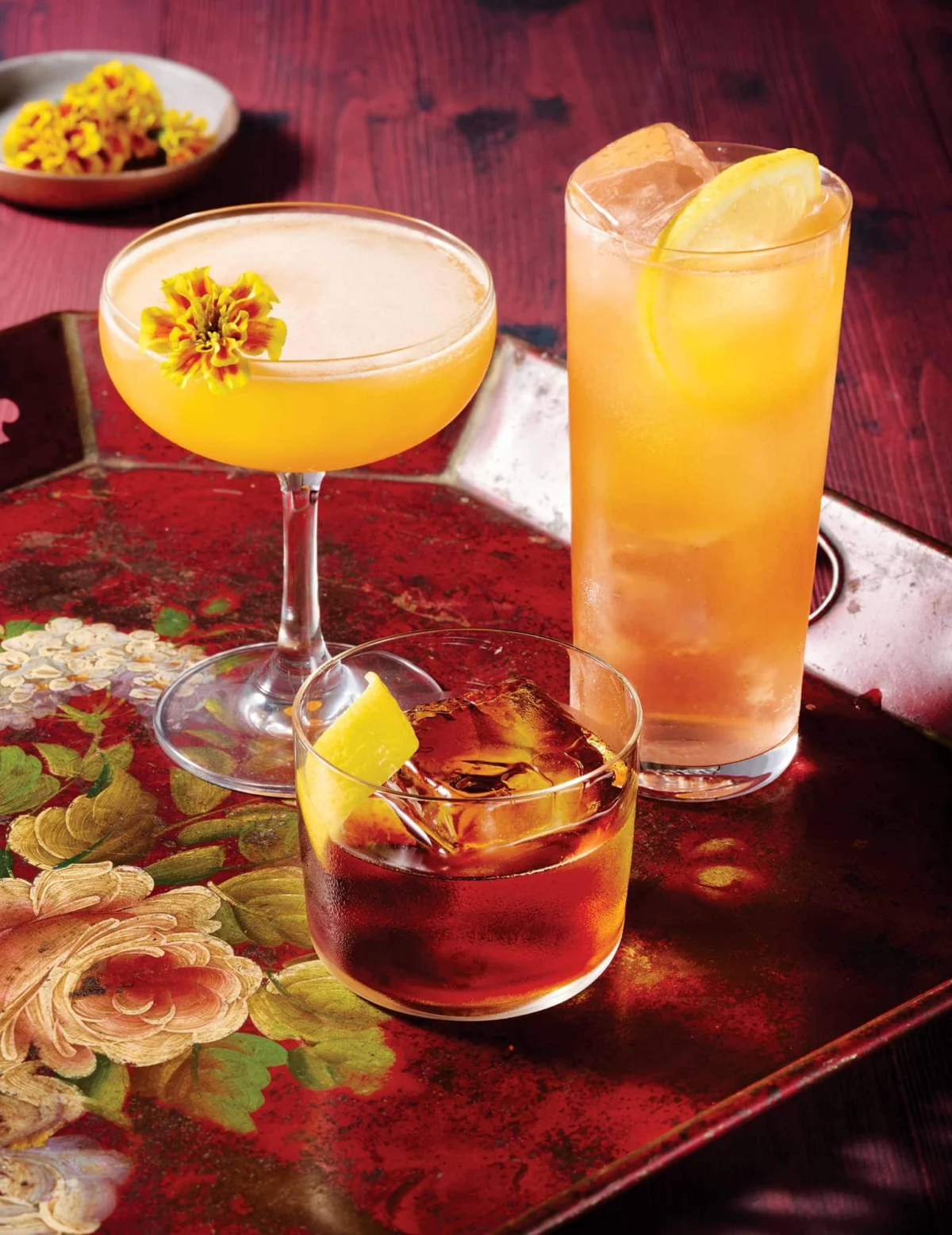
Suze Greenburg
Gentian brings harmony between vegetal and sweet notes in this music-inspired drink.
- 1 1/4 oz. mezcal
- 3/4 oz. Suze
- 3/4 oz. fresh lemon juice
- 1/2 oz. fresh carrot juice
- 1/2 oz. honey syrup (2:1)
- Tools: Shaker, strainer, fine strainer
- Glass: Coupe | Garnish: Marigold
- Method: Shake all of the ingredients with ice, double strain into a chilled coupe, then garnish. (Kira Ellington, Kiesling, Detroit)
Reinventing the Classics: Whisler’s, Austin
In Austin, Texas, bartenders Sean Skvarka and Matt Ross approached gentian from a different angle while experimenting with variations on the classic Black Manhattan at Whisler’s. Their goal was not to completely overhaul a beloved template, but to nudge it into a brighter, patio-ready profile.
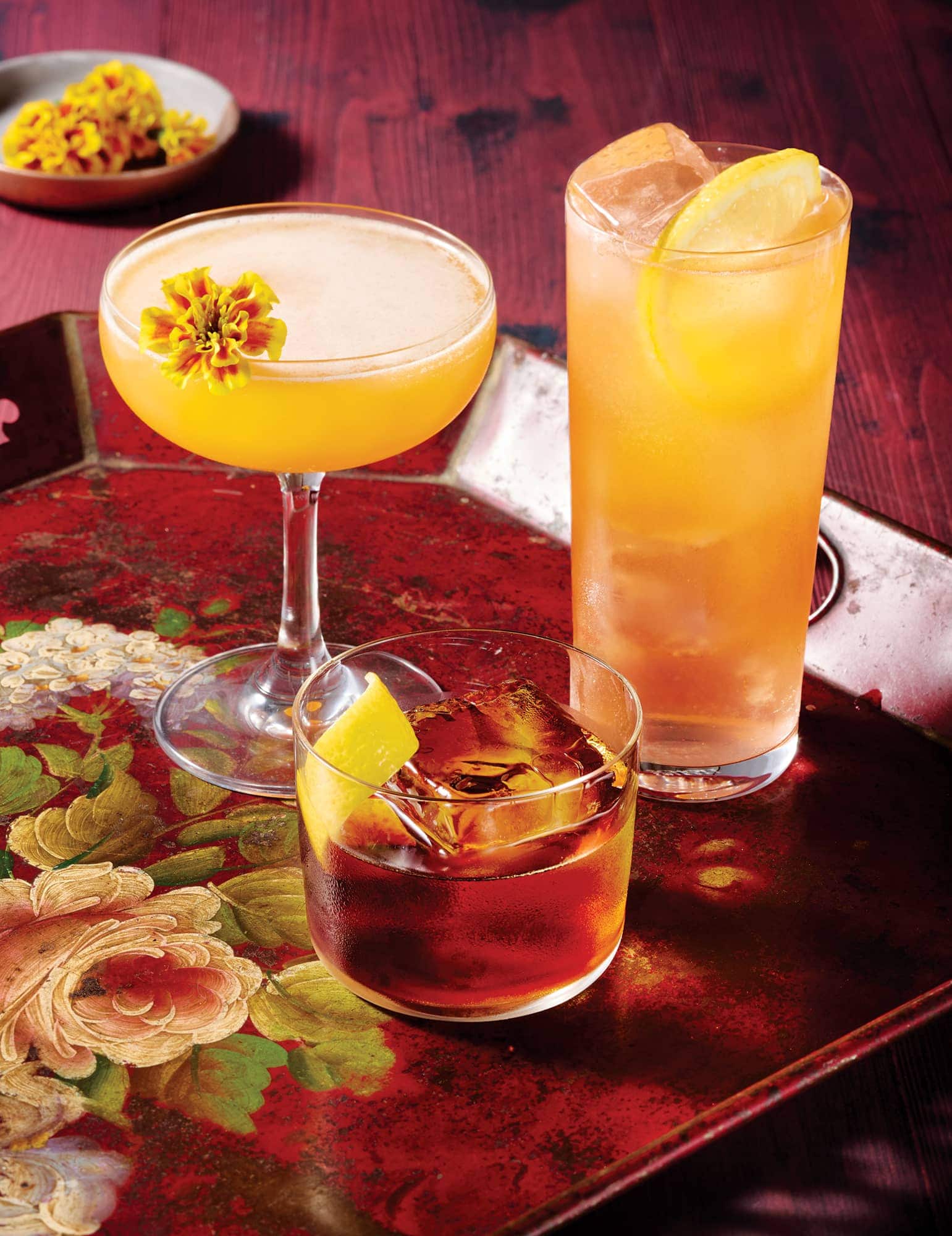
"We weren’t looking to reinvent the wheel," says Skvarka, who also manages the bar’s upstairs mezcal tasting room, Mezcalería Tobalá. "We just wanted to give it a different spin."
By introducing gentian liqueur into a mix of rye whiskey, Averna, and orange bitters, the botanical’s funk coaxes out hidden spicy notes from the rye while reining in the excessive sweetness of the amaro.
Southern Gentleman
This bright riff on a Black Manhattan uses gentian’s funk to enhance the drink’s rye and amaro notes.
- 1 1/2 oz. rye whiskey (such as Rittenhouse 100 proof)
- 3/4 oz. Averna
- 1/2 oz. gentian liqueur
- 2 dashes orange bitters
- Tools: Barspoon, strainer
- Glass: Old Fashioned | Garnish: Lemon peel
- Method: Stir all of the ingredients with ice, then strain into a glass over a large ice cube. Twist a piece of lemon peel across the top of the drink and rub it onto half of the rim. Use as garnish. (Sean Skvarka and Matt Ross, Whisler’s, Austin)
The Rule of Minimalism: Rosemary & Beauty Queen, Nashville
Jim O’Shea, co-owner of Nashville’s Rosemary & Beauty Queen, stresses that gentian requires a delicate touch to truly shine. Because of its intense aromatic profile, overly complicated builds can cause the flower’s distinct character to get lost in the noise.
"Gentian’s distinctive bitterness and floral funk can get lost or clash in highly complex builds," O’Shea notes. "A three- or four-ingredient drink lets it breathe."
This philosophy comes to life in the bar’s Remake/Remodel cocktail, crafted by bartender Alise Alicardi. The drink pairs vodka with Italian apéritif, fresh lemon juice, and gentian to add structural length and bone-dry refreshment.
Remake/Remodel
Gentian liqueur adds length and dryness to this vodka-based refresher.
- 1 1/2 oz. vodka
- 1/2 oz. Aperol or Luxardo Aperitivo
- 1/2 oz. Salers or Luxardo Bitter Bianco
- 1/2 oz. fresh lemon juice
- Chilled ginger beer
- Tools: Shaker, strainer
- Glass: Collins | Garnish: Lemon wheel
- Method: Shake all of the ingredients (except the ginger beer) with ice and strain into an ice-filled glass. Top with chilled ginger beer, then garnish. (Alise Alicardi, Rosemary & Beauty Queen, Nashville)
Implications for the Future of Mixology
The ascent of gentian from an obscure Alpine root into a celebrated modern cocktail anchor carries several broader implications for the hospitality industry:
- Expanding the Bitter Spectrum: While the cocktail world spent the 2010s obsessed with amari and Italian bitters (such as Campari and Fernet), gentian opens up an entirely different sensory vocabulary—one characterized by earthy dustiness, floral sharpness, and vegetal dryness rather than caramel or citrus peel.
- Sustainability and Wildcrafting Awareness: As demand for authentic, terroir-driven ingredients grows, producers face the challenge of sustainable harvesting. Because wild gentian takes years to mature in fragile alpine ecosystems, distillers are increasingly focused on responsible sourcing and cultivation to protect the natural habitat of the plant.
- The Evolution of Low-Intervention Drinking: With consumers demanding drinks that are lighter on alcohol yet heavy on flavor, gentian-forward builds provide a blueprint for creating sophisticated cocktails that do not rely on high-proof spirits to deliver an unforgettable sensory experience.
As long as bartenders continue to seek out ingredients that challenge the palate and elevate the unexpected, the resilient yellow flower of the Alps will remain a fixture of modern cocktail culture—proving that sometimes, a little bitterness is exactly what a drink needs.