By Paul Clarke
Published September 24, 2026 | Photography by John Valls
Main Facts
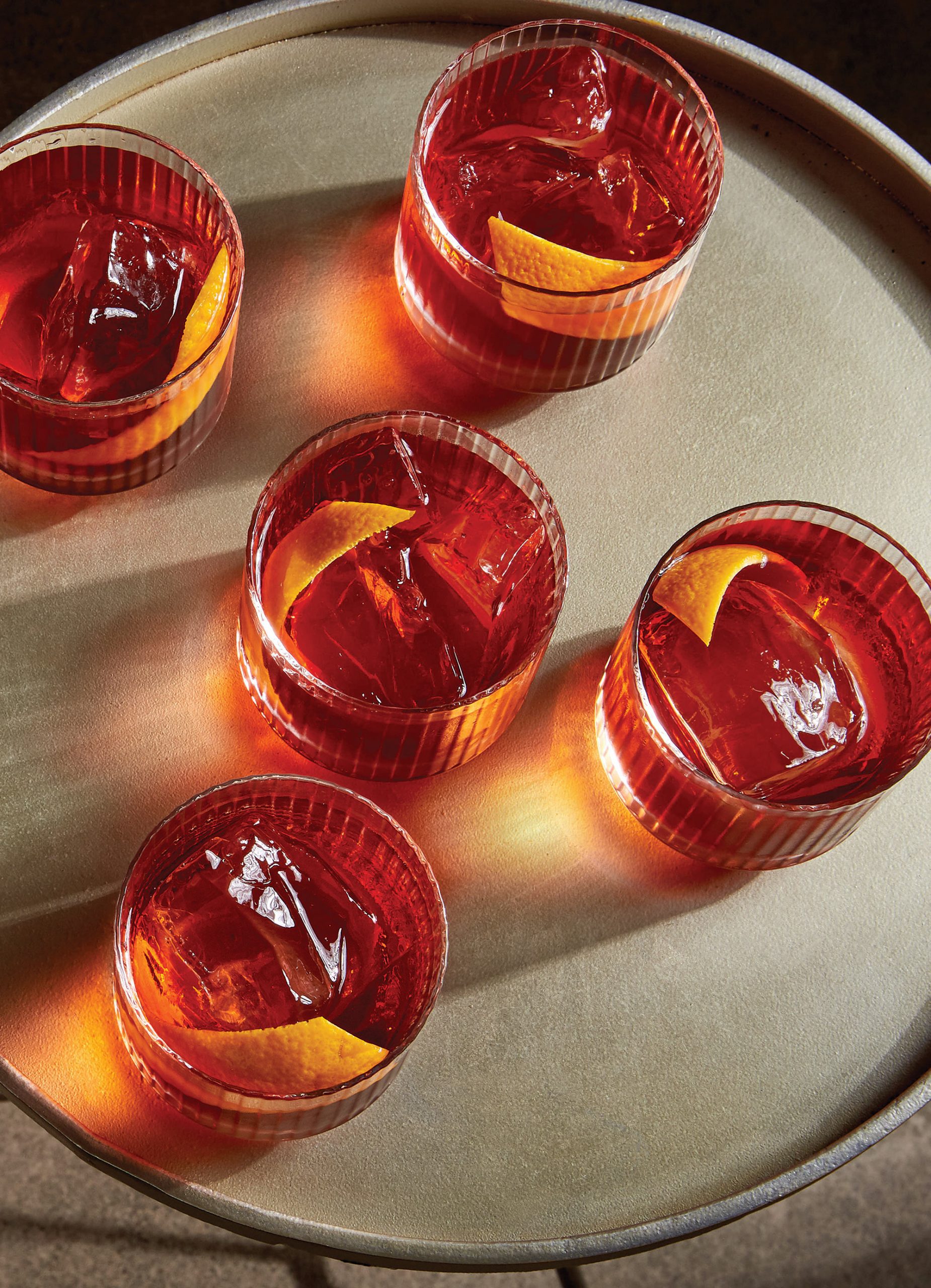
As thousands of bars across the globe swing open their doors to participate in the annual global phenomenon known as Negroni Week, a staggering volume of crimson-hued cocktails crosses wooden and marble bars alike. From pristine, crystal-clear hotel lounges to neighborhood dive bars, the drink of choice for millions during this celebration remains fundamentally unchanged.
Yet, when cocktail historians and passionate bartenders speak of this week’s festivities, they make a careful, deliberate distinction. The global toast is not simply dedicated to a Negroni—the category of stirred, bitter-forward drinks that has inspired countless riffs, variations, and contemporary adaptations over the decades. Instead, the world raises a glass to The Negroni: a beverage so mathematically balanced, so deceptively simple, and so culturally transcendent that it functions as a foundational pillar of the entire modern cocktail canon.
Standing shoulder-to-shoulder with heavyweight peers like the Manhattan, the Martini, the Old Fashioned, and the Daiquiri, the Negroni relies on a famously modest three-ingredient formula: equal parts gin, Campari, and sweet vermouth. But this apparent simplicity masks a radical historical disruption. Before the Negroni emerged to claim its throne, bitterness within the cocktail landscape was treated merely as an accent mark—a dash of bitters judiciously added to an Old Fashioned, or a subtle botanical note riding along with sweetness in a Manhattan’s measure of vermouth.
The Negroni changed the cocktail world forever by elevating bitterness from a background player to an essential, equal co-star. By placing the intense, bittersweet complexity of Campari front and center, the drink permanently expanded the American and global palate, transforming the way bartenders utilize bitter components and altering the trajectory of cocktail culture forever.
Chronology
To understand how a bitter Italian aperitivo became a global juggernaut, one must trace its journey from early-20th-century Florence to the digital-age cocktail renaissance.
- 1919 (The Origin): Legend places the birth of the Negroni at the Caffè Casoni in Florence, Italy. Count Camillo Negroni, seeking a stronger variation of his favorite drink—the Americano (which featured Campari, sweet vermouth, and club soda)—reportedly asked the bartender, Fosco Scarselli, to swap out the soda water for a splash of gin. The bartender obliged, garnishing the glass with an orange slice rather than the traditional lemon twist of the Americano, thereby inadvertently inventing a modern classic.
- The Mid-20th Century (Post-War Adoption): Following World War II, returning American servicemen and European travelers began seeking out the refreshing, herbaceous, and bitter flavor profiles popular across the Mediterranean. The Negroni slowly transitioned from a regional Italian staple to an international order found in upscale American hotel bars and classic European establishments.
- The Early 2000s (The Craft Cocktail Revival): As the global craft cocktail movement gained momentum, pioneering bartenders in cities like New York, San Francisco, and London began dusting off forgotten vintage recipes. The Negroni experienced a massive resurgence, championed for its balance, beauty, and ease of preparation. Bartenders began experimenting with different styles of gin, artisanal vermouths, and alternative bitter liqueurs.
- 2013 (The Birth of Negroni Week): Recognizing the cultural and philanthropic potential of the cocktail, Imbibe magazine partnered with Slow Food to launch the inaugural Negroni Week. What began as a modest initiative involving a few hundred participating venues quickly exploded into an international movement, raising millions of dollars for charitable causes worldwide.
- Present Day (Global Dominance): Today, the Negroni stands as one of the most widely ordered cocktails on the planet. Its DNA has spawned an entire ecosystem of beloved relatives—including the whiskey-forward Boulevardier and the rum-centric Kingston Negroni—solidifying its status as an immortal blueprint for modern mixology.
Supporting Data
The cultural and economic footprint of the Negroni, particularly through the vehicle of Negroni Week, is supported by impressive metrics gathered over more than a decade of organized celebration:
- Global Reach: Thousands of bars, restaurants, and hospitality groups spanning dozens of countries officially register and participate in Negroni Week annually.
- Economic Impact: The collective sale of millions of classic Negronis and innovative riffs during the single-week event generates substantial revenue for the hospitality industry during traditionally shoulder-season months.
- Philanthropic Contributions: Since its inception in 2013, Negroni Week has raised well over $4 million for charitable partners, most notably Slow Food, an organization dedicated to promoting equitable, sustainable, and biodiverse food and beverage systems globally.
- The Blueprint Proportions: The classic, time-tested home recipe relies on exact parity:
- 1 oz. Gin: Provides the botanical, high-proof structural backbone.
- 1 oz. Campari: Delivers the iconic, ruby-red hue and unmistakable bittersweet punch.
- 1 oz. Sweet Vermouth: Rounds out the edges with lush, herbal, and vinous complexity.
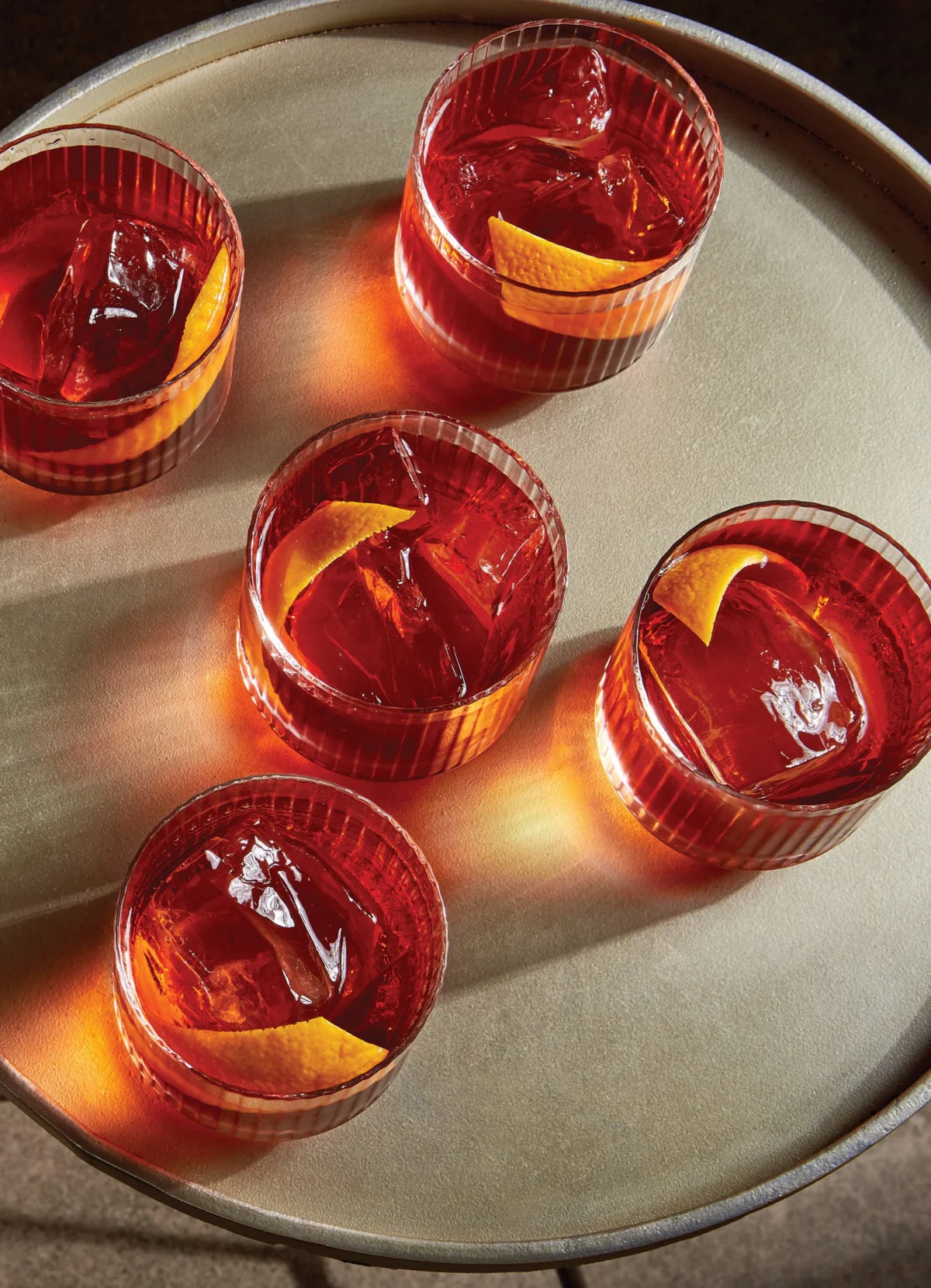
- Serving Specifications: Standard preparation calls for stirring the ingredients thoroughly with quality ice to achieve proper dilution and chilling, before straining into a rocks glass over fresh ice (or a single, massive clear ice cube) and finishing with an orange wheel or freshly expressed orange twist.
Official Responses and Industry Perspectives
The enduring appeal of the Negroni draws continuous praise from top-tier mixologists, spirits educators, and culinary organizations who view the drink as a masterclass in balance.
"What we’re talking about here isn’t A Negroni," notes prominent beverage writer and industry authority Paul Clarke. "It’s THE Negroni, a cocktail so iconic—yet so simple!—that it functions as a key supporting structure for the entire cocktail canon."
Bartenders frequently emphasize the drink’s adaptability as a primary reason for its longevity. While purists fiercely defend the equal-parts blueprint, contemporary mixology has embraced slight modifications to suit individual preferences. Many modern cocktail bars scale the gin up to 1.5 ounces to give the botanical spirit a louder voice, while others tinker subtly with the ratios of vermouth and Campari to dial in specific flavor notes.

"Maybe you prefer the more contemporary take, stepping up the gin to 1 ½ ounces? Or maybe tweaking the proportions of vermouth and/or Campari to your taste?" Clarke notes. "In that case, as the saying goes, you do you."
Furthermore, partnerships with organizations like Slow Food have given the cocktail community a unified platform for social good. Official statements from event organizers highlight that the hospitality industry’s willingness to rally around a single drink demonstrates the profound community-building power of food and beverage culture. By enjoying a daily cocktail hour responsibly, patrons directly support sustainable agricultural initiatives and global food equity projects.
Implications
The lasting dominance of the Negroni carries profound implications for the future of the beverage and hospitality industries.
First and foremost, the cocktail’s success shattered the long-held consumer bias that bitter flavors were unapproachable or medicinal. By proving that bitterness could be alluring, refreshing, and deeply sophisticated, the Negroni paved the way for the explosive growth of the broader amaro and aperitivo categories. Today, consumers are far more adventurous, eagerly seeking out complex, herbaceous, and bitter profiles in everything from low-ABV spritzes to avant-garde craft cocktails.
Second, the structural framework of the Negroni serves as an infinite formula for creative experimentation. By understanding the core interplay of spirit, bitter agent, and fortified wine, modern bartenders are able to formulate endless localized riffs using native spirits, regional vermouths, and craft amari. This adaptability ensures that the cocktail remains a dynamic teaching tool for young bartenders entering the craft.
Finally, the incredible philanthropic success of Negroni Week illustrates a changing paradigm within the hospitality sector. Consumers and business owners increasingly expect bars and restaurants to be forces for positive social change. By aligning a historic, universally beloved luxury item with a charitable mission focused on sustainability, the Negroni ecosystem points the way toward a more conscious, community-minded future for global drinking culture.
Whether enjoyed at a bustling urban bar on a warm autumn evening or mixed quietly at home using the classic equal-parts recipe, The Negroni remains a testament to the fact that perfection in mixology requires nothing more than quality ingredients, precise execution, and a bold embrace of the bitter side of life.