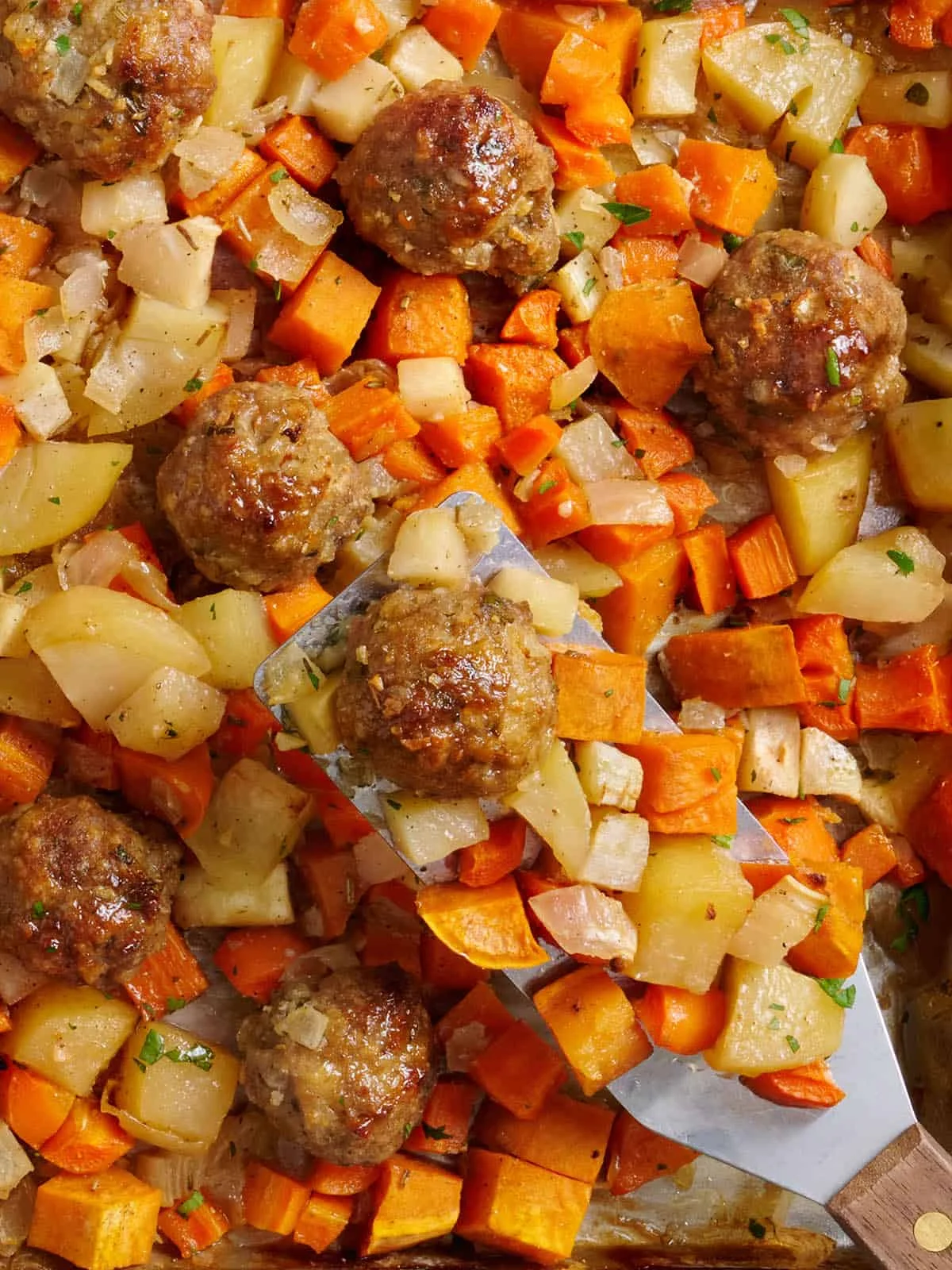
In the modern culinary landscape, the "one-pan" movement has transitioned from a social media trend to a fundamental survival strategy for the busy home cook. As grocery prices continue to fluctuate, the demand for high-protein, cost-effective, and minimal-cleanup meals has never been higher. Enter the latest innovation from the Nashville Test Kitchen: Sheet Pan Turkey Meatballs with Root Vegetables.
At a total cost of just $9.26 for four generous servings—averaging out to a remarkable $2.32 per plate—this dish represents the intersection of fiscal responsibility and gourmet ambition. By utilizing a clever "secret ingredient" to solve the common issue of dry poultry, this recipe is proving that budget-friendly cooking does not require a sacrifice in texture or depth of flavor.
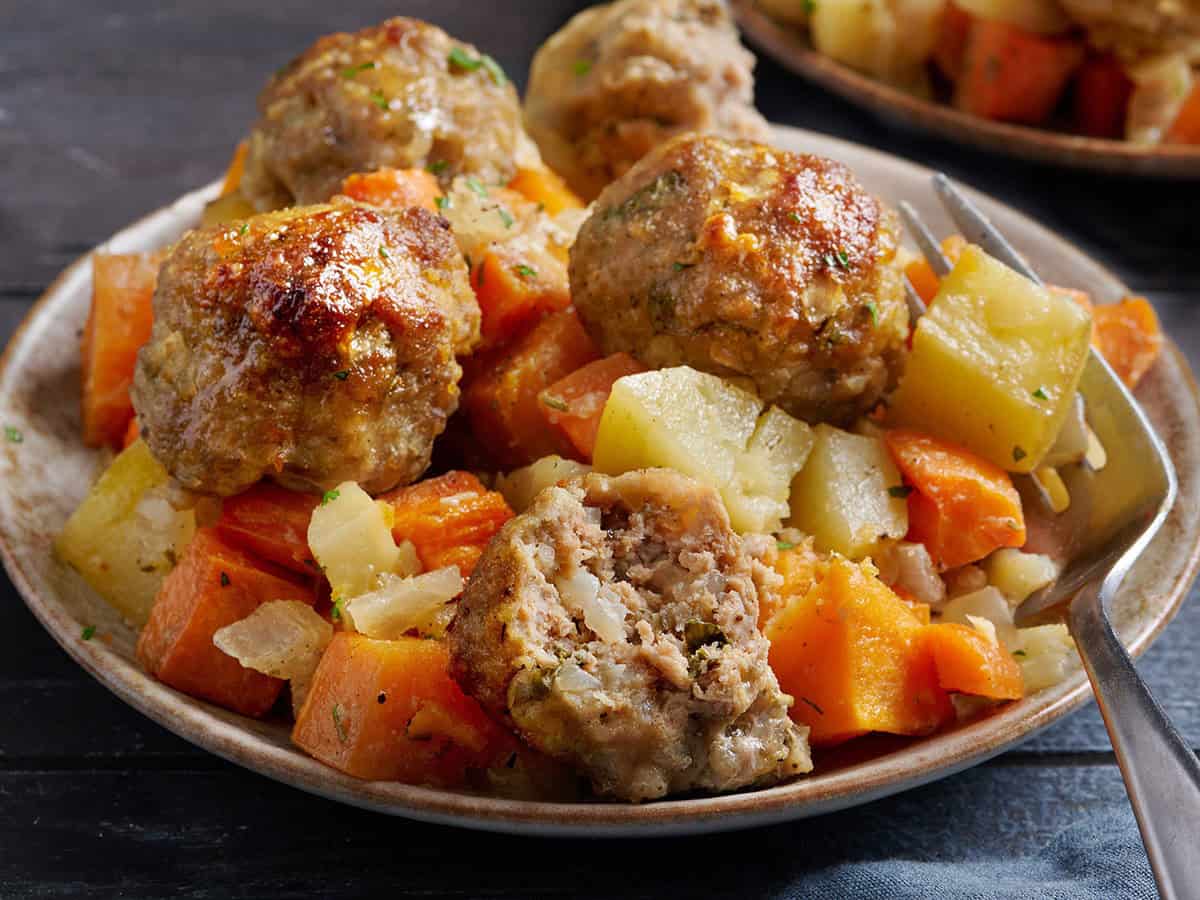
The Core Concept: Efficiency Meets Culinary Science
The genius of this sheet pan dinner lies in its synchronized cooking timeline. Frequently, home cooks struggle with sheet pan meals because different components require vastly different roasting times, often resulting in charred vegetables or undercooked proteins.
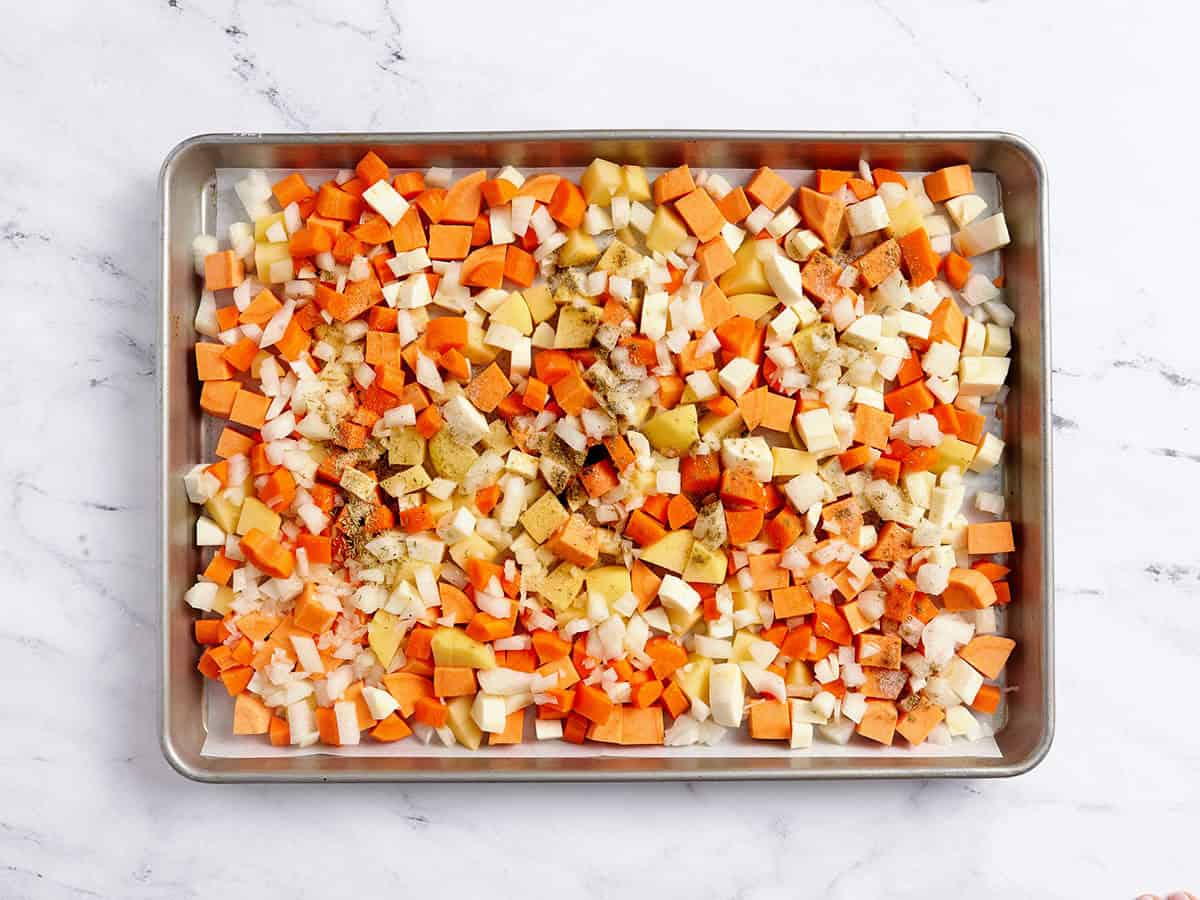
To mitigate this, recipe developer Jennie Alley has standardized the prep work. By dicing carrots, sweet potatoes, yellow potatoes, and parsnips into uniform 3/4-inch cubes, the vegetables reach a state of caramelized tenderness at the exact moment the turkey meatballs achieve their target internal temperature of 165°F. This technical precision removes the "juggling" factor that often discourages cooks from attempting home-cooked meals after a long workday.
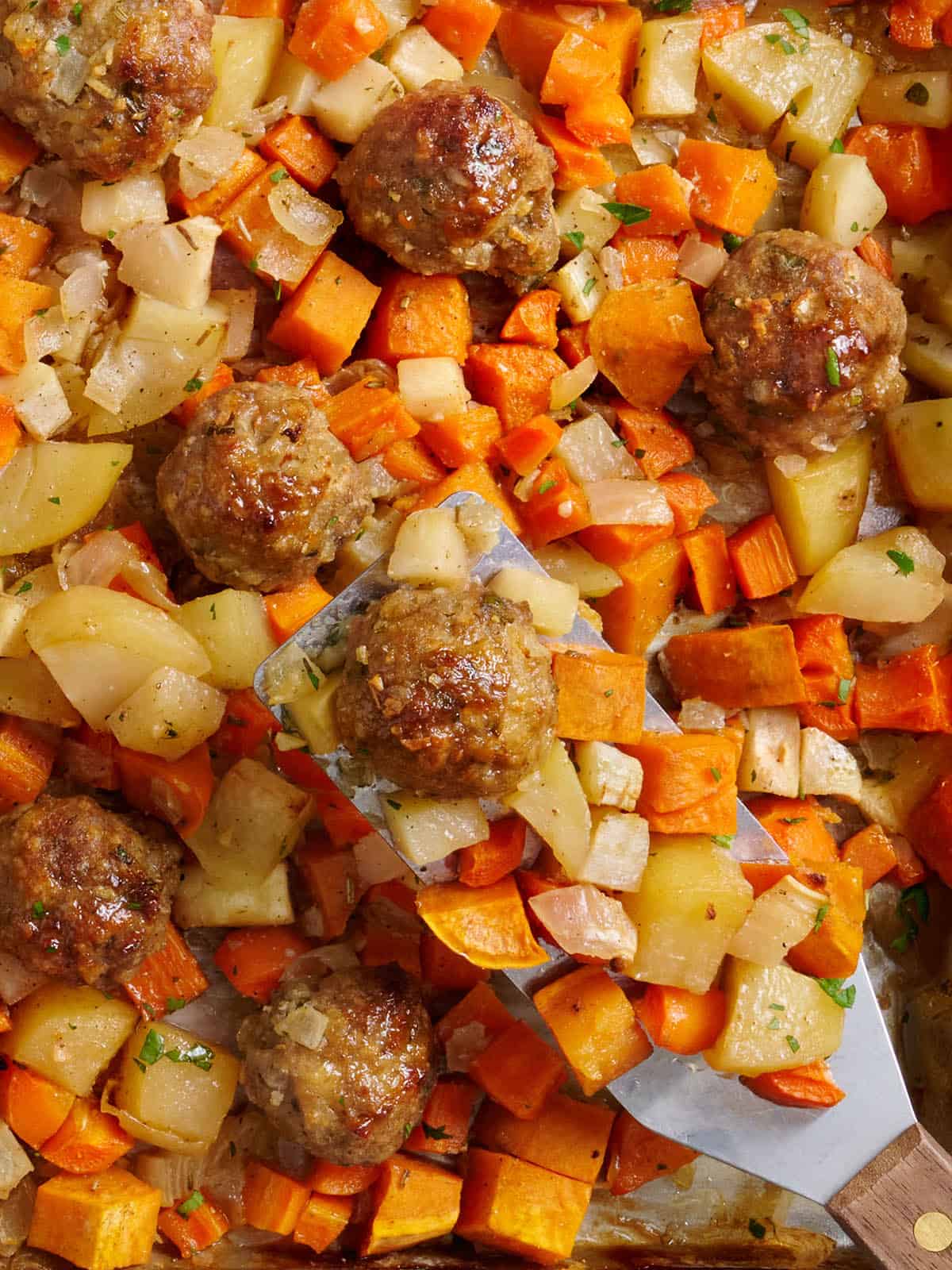
The Cottage Cheese Innovation
The most notable departure from traditional meatball recipes is the substitution of egg for cottage cheese. While eggs have historically served as the primary binder for meatballs, they can sometimes lead to a dense, rubbery texture if overmixed.
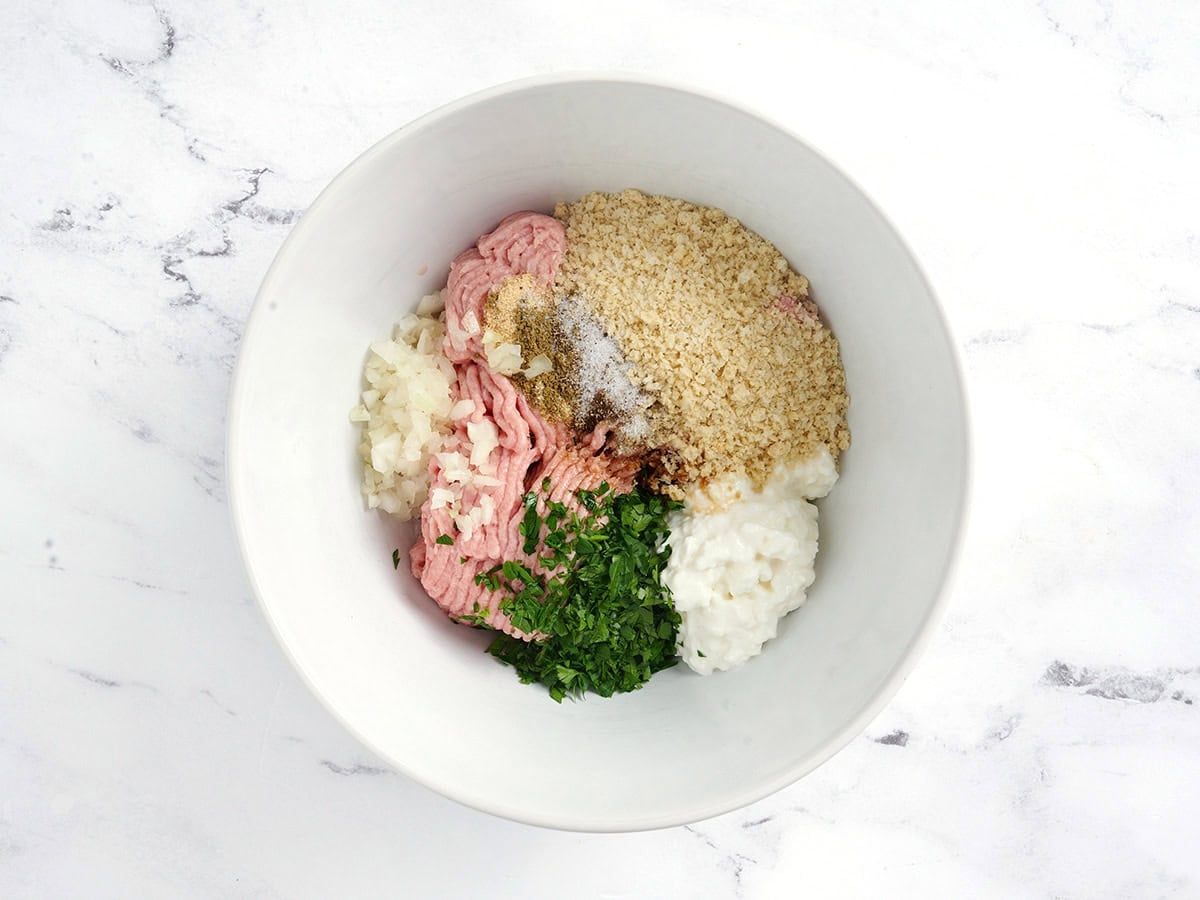
Cottage cheese, however, introduces moisture and richness through its high protein and fat content. As the meatballs roast, the cheese creates a steam-like effect inside the meat mixture, ensuring that the ground turkey remains succulent despite its inherently lean nature. This technique is particularly effective for those seeking a high-protein dinner that avoids the typical dryness associated with ground turkey.
A Chronology of the Process
The preparation of this meal is designed for streamlined execution, allowing the oven to do the heavy lifting while the cook focuses on minimal assembly.
- Preparation (10–15 Minutes): The process begins by preheating the oven to 425°F. Preparing a large, rimmed sheet pan with parchment paper or foil is essential for the "no-dishes" promise. Vegetables are chopped into uniform sizes to ensure even cooking.
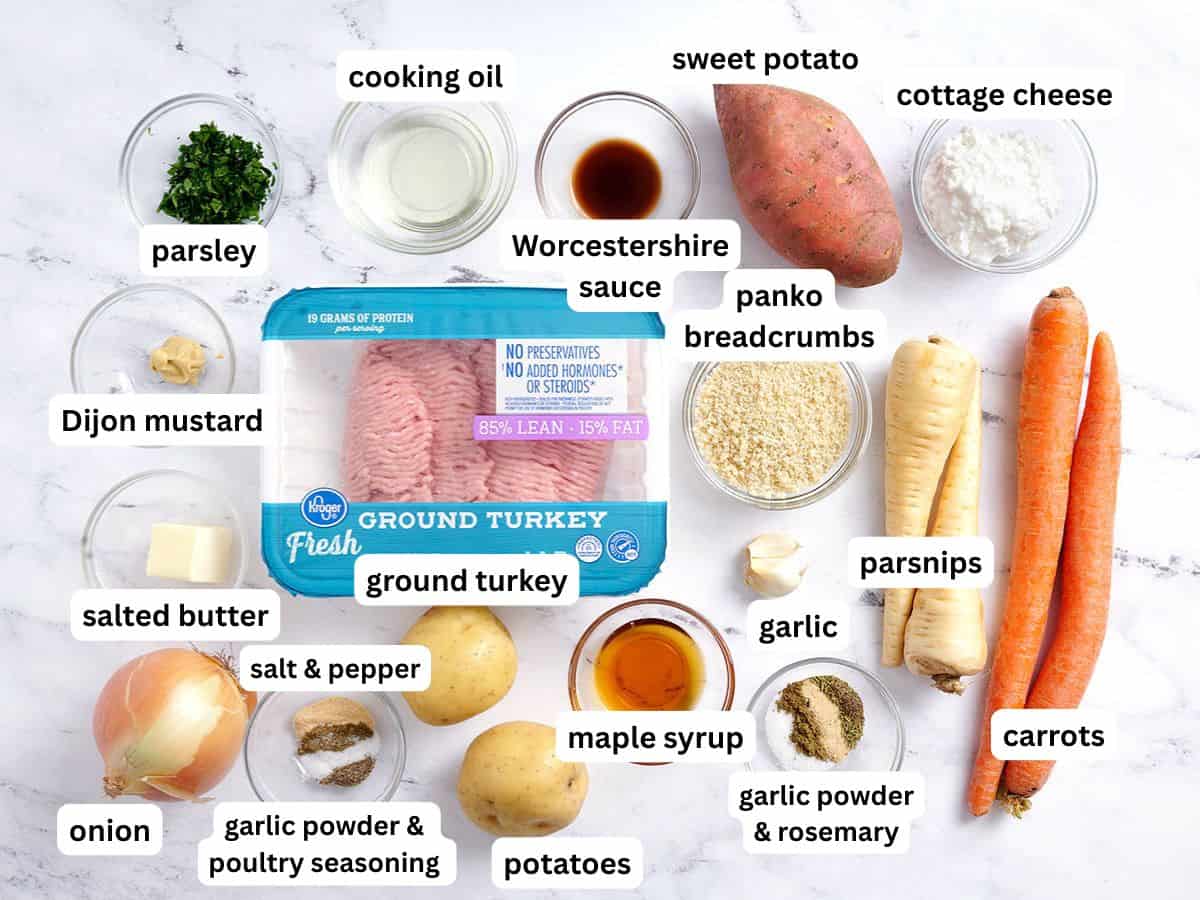
- Seasoning the Foundation: The root vegetables are tossed in a high-smoke-point cooking oil, salt, pepper, garlic powder, and a poultry seasoning blend. The use of a consistent herb blend—featuring sage, thyme, and rosemary—across both the vegetables and the meat creates a cohesive flavor profile that ties the dish together.
- The Meatball Assembly: The turkey mixture is kept simple: ground turkey, cottage cheese, panko breadcrumbs, onion, fresh parsley, and Worcestershire sauce. The key here is "gentle handling." Overworking the meat can lead to a tough final product, so mixing until just combined is the golden rule.
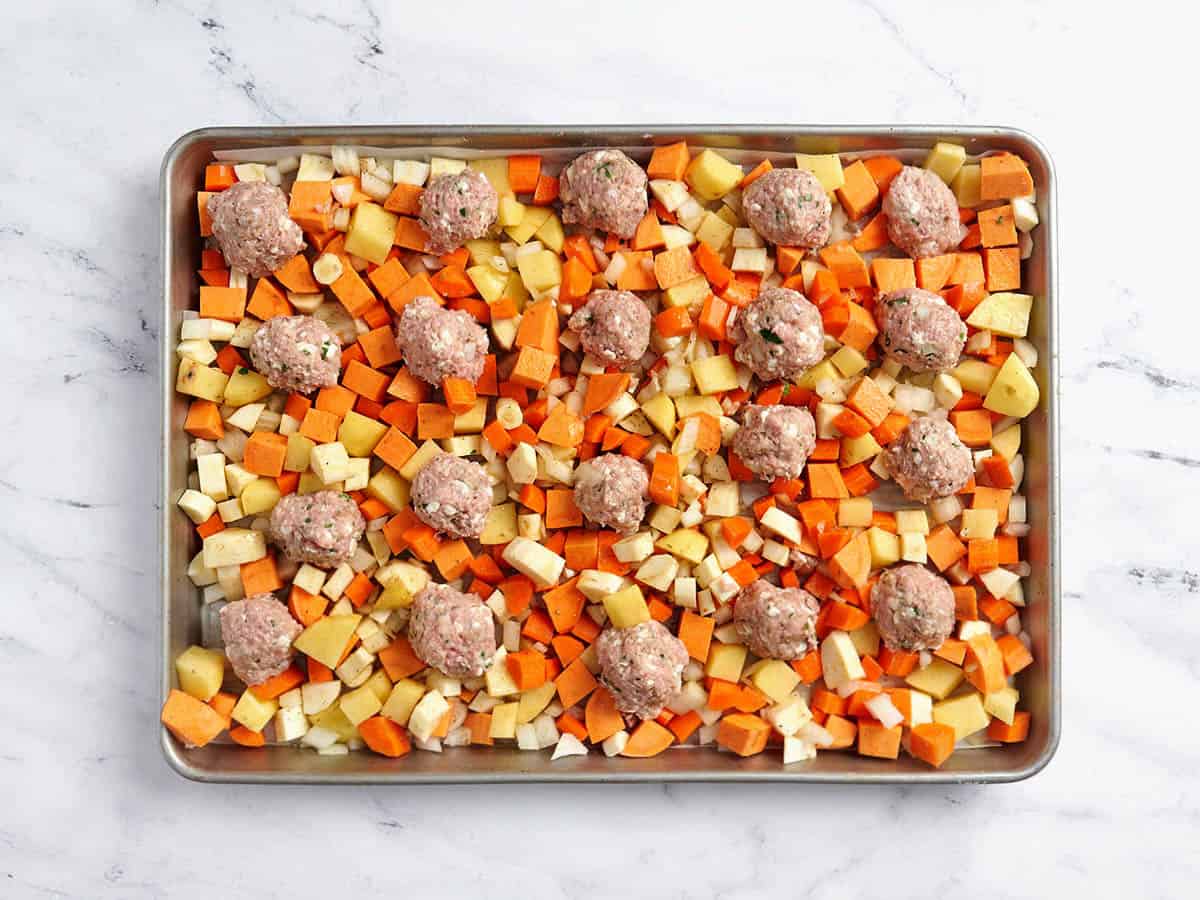
- The Initial Roast: The shaped meatballs are nestled atop the seasoned vegetables. A 20-minute roast allows the vegetables to begin softening and the meatballs to set their structure.
- The Glaze Application: The "make-or-break" moment occurs after the initial 20 minutes. A glaze composed of melted butter, garlic, pure maple syrup, and Dijon mustard is brushed over the entire pan. This adds a sweet-and-savory caramelized crust during the final 10–12 minutes of roasting.
Supporting Data: Nutrition and Economic Impact
In an era where inflation has driven the cost of dining out to record highs, the data behind this recipe offers a compelling argument for home meal preparation.
- Cost-Efficiency: At $9.26 for four servings, this meal is significantly cheaper than the average fast-casual takeout, which can easily exceed $15–$20 per person.
- Nutritional Profile: Each serving delivers approximately 34g of protein and 9g of fiber. With a calorie count of 485 kcal, it hits the "sweet spot" for a balanced dinner that provides sustained energy without leaving the diner feeling lethargic.
- The Sodium Factor: While the sodium content is noted at 1,357mg, home cooks have the agency to adjust this by using low-sodium poultry seasonings or reducing the salt in the initial vegetable toss, providing a level of control that processed convenience foods cannot match.
Professional Perspectives on Meal Prep
The team at the Nashville Test Kitchen emphasizes that this recipe is not merely a "set and forget" dinner, but a blueprint for professional-grade meal prep.
"We focus on how ingredients behave under heat," explains the development team. "The choice of panko breadcrumbs over traditional breadcrumbs is intentional. The larger, airier flakes of panko create a structure that holds the turkey together without compacting it, which is the difference between a light, fluffy meatball and a heavy, dense one."
Furthermore, the "make-ahead" potential is a critical implication for the modern worker. The meatballs can be shaped and held in the refrigerator for several hours prior to roasting, meaning a fresh, hot dinner can be on the table in under 30 minutes on a busy Tuesday.
Implications: The Future of Home Cooking
The success of the Sheet Pan Turkey Meatball recipe signals a broader shift in consumer behavior. As households become more conscious of both time and money, the "one-pan" methodology is becoming the industry standard for efficiency.
Flexibility as a Core Value
Perhaps the most significant implication of this recipe is its adaptability. By establishing a template—protein + root vegetables + aromatic glaze—the home cook is empowered to improvise. When parsnips are out of season, carrots or butternut squash can be substituted. If the maple-Dijon profile doesn’t suit a particular palate, a chimichurri or a lemon-herb butter can be applied with the same roasting technique.
Storage and Waste Reduction
The recipe’s focus on storage and reheating is equally vital. By utilizing the leftover pan juices—which are essentially a concentrated reduction of the maple-Dijon glaze—the reheated meal avoids the "refrigerated flavor" common in leftovers. The ability to freeze these portions for up to three months makes this dish a viable option for those who practice batch cooking to minimize food waste.
Conclusion: Simplifying the Daily Grind
In summary, the Sheet Pan Turkey Meatballs with Root Vegetables is more than just a recipe; it is a masterclass in culinary efficiency. By integrating high-protein ingredients like cottage cheese, leveraging the science of roasting root vegetables, and utilizing a simple but sophisticated glaze, the Nashville Test Kitchen has provided a solution to the perennial question: "What’s for dinner?"
For the home cook, this dish offers the rare combination of high-impact flavor and low-impact effort. It serves as a reminder that with the right approach to preparation, even the most budget-conscious, time-strapped individual can produce a meal that feels intentional, nourishing, and—most importantly—delicious. Whether enjoyed as a fresh dinner or packed for a work lunch, this recipe is a testament to the fact that simple, affordable food is often the best food of all.