WASHINGTON — For millions of home bakers navigating celiac disease or gluten sensitivities, the quest for a genuinely satisfying muffin has long been an exercise in compromise. Too often, gluten-free baked goods are plagued by a dense, gummy crumb, a sandy texture, or a disappointing lack of structural height. However, a breakthrough recipe developed by gluten-free culinary expert Nicole Hunn of Gluten Free on a Shoestring is challenging everything bakers thought they knew about flour alternatives.
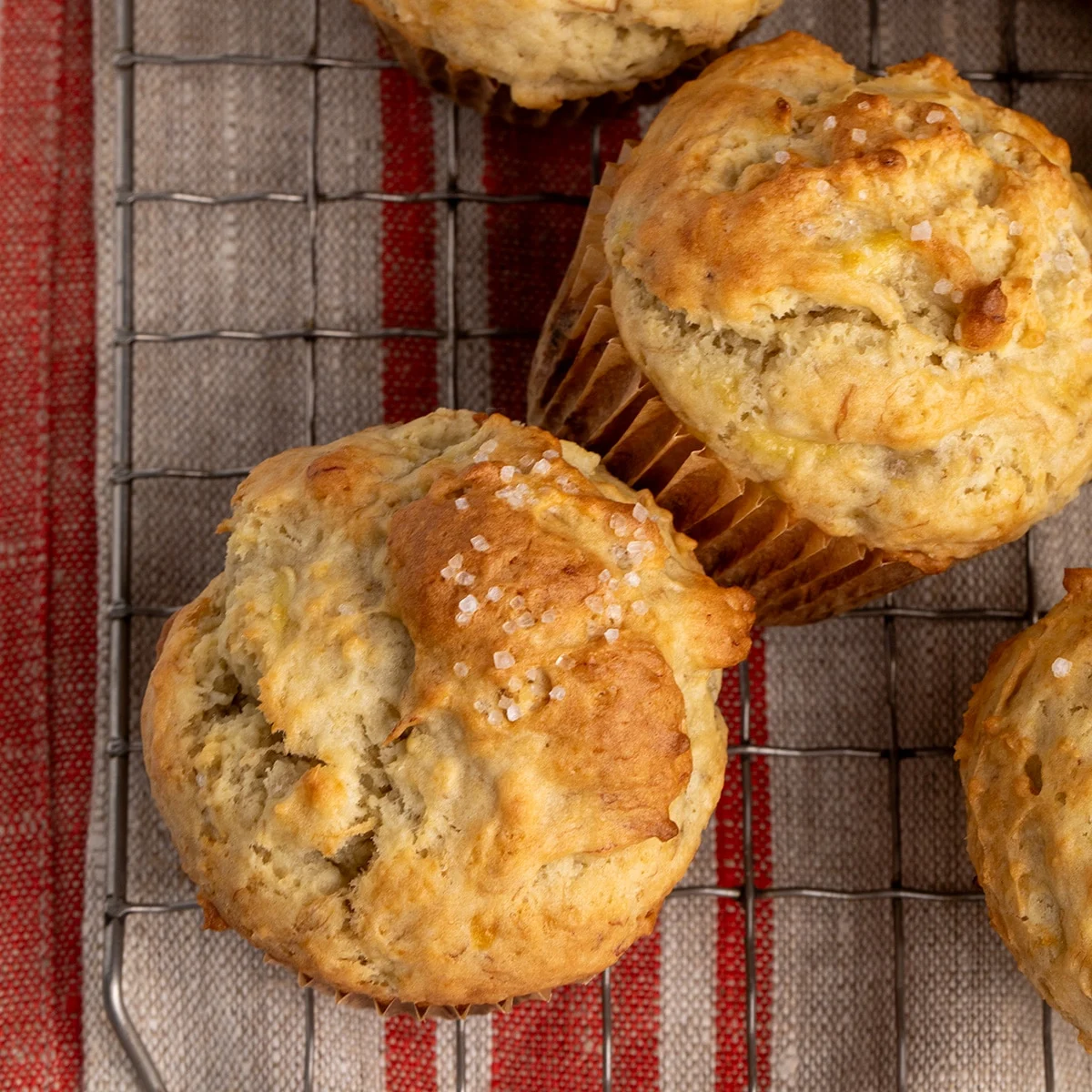
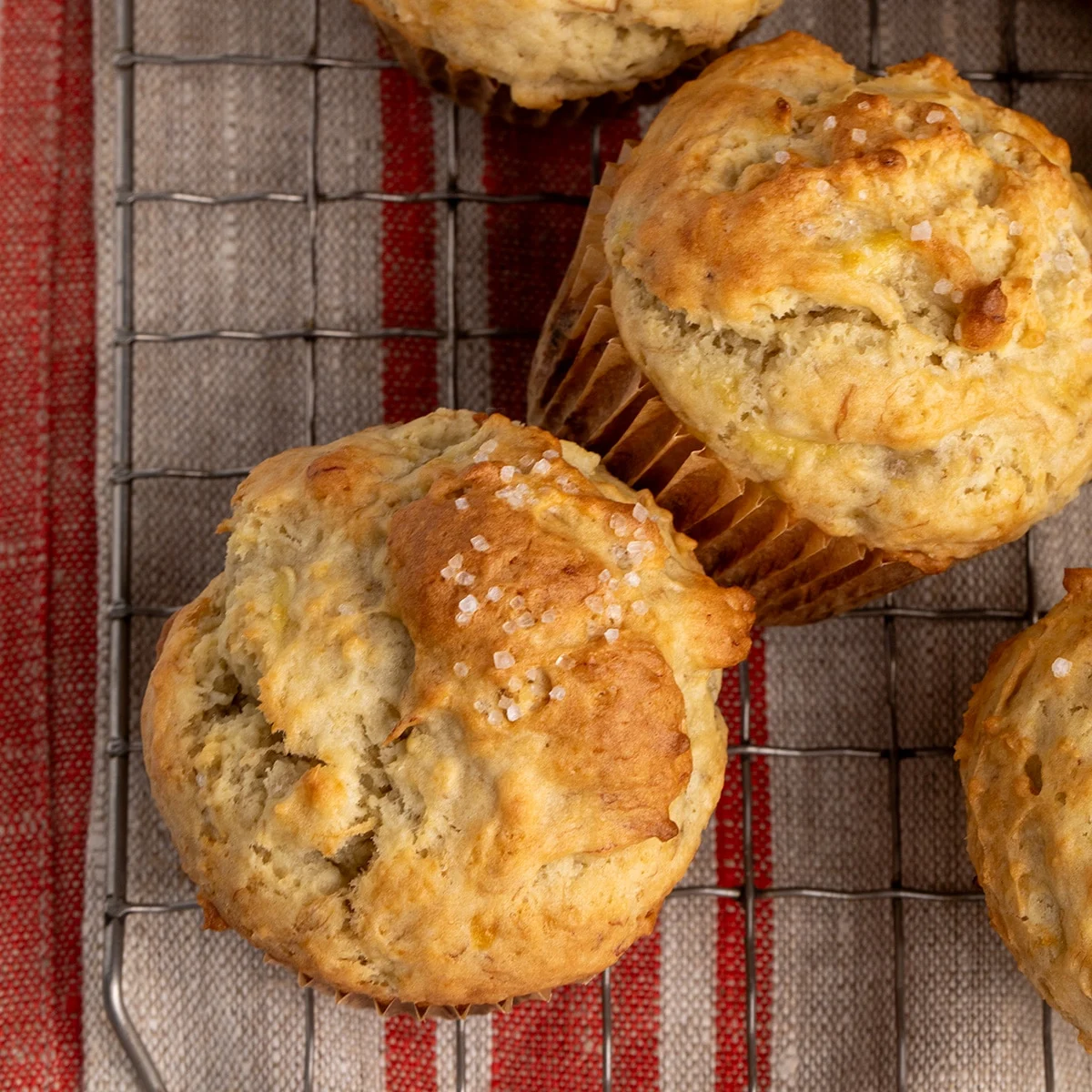
By rethinking the mechanics of mixing, the fat-to-moisture ratio, and thermal baking dynamics, this new approach yields tall, golden-brown banana muffins featuring a tender, fluffy crumb and an intensely rich banana flavor. Clocking in at nearly two full cups of mashed bananas per batch, this recipe defies the common baking pitfall of turning heavy under the weight of excessive fruit.
Main Facts: Engineering the Ultimate Gluten-Free Muffin
The primary innovation of this recipe lies in its structural integrity. Traditional wheat flour relies on gluten proteins to trap carbon dioxide released by leavening agents, creating a high-rising, resilient structure. When baking without gluten, achieving that same lift requires a meticulous balance of starches, binders, and baking physics.
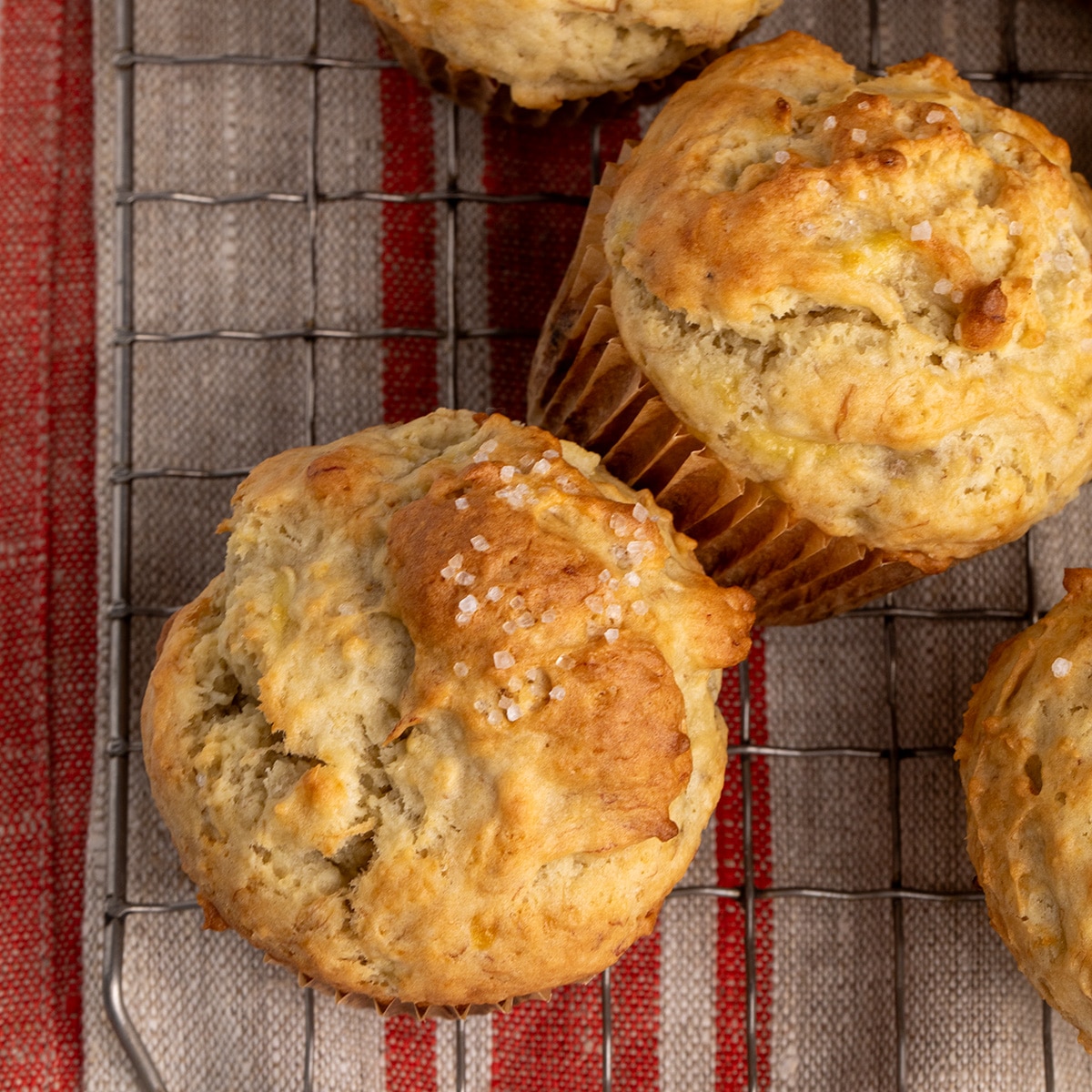
Key elements defining this baking breakthrough include:
- The Banana Threshold: Utilizing an impressive $1frac34$ to $2$ cups of mashed ripe bananas guarantees a deep, authentic fruit profile without sacrificing texture.
- The Fat Matrix: A precise hybrid of melted butter (or virgin coconut oil for dairy-free variations) and neutral cooking oil provides both rich flavor and extended shelf-life moisture.
- Dual-Stage Baking Mechanics: Initiating the bake in an aggressively hot oven ($425^circtextF$) triggers immediate "oven spring," forcing the batter upward into tall, majestic domes before completing the bake at a moderate $350^circtextF$.
Chronology of the Bake: Step-by-Step Execution
For home bakers eager to replicate these results, precision is key. The process breaks down into a streamlined sequence designed to protect the delicate balance of the batter.
Phase 1: Dry Integration
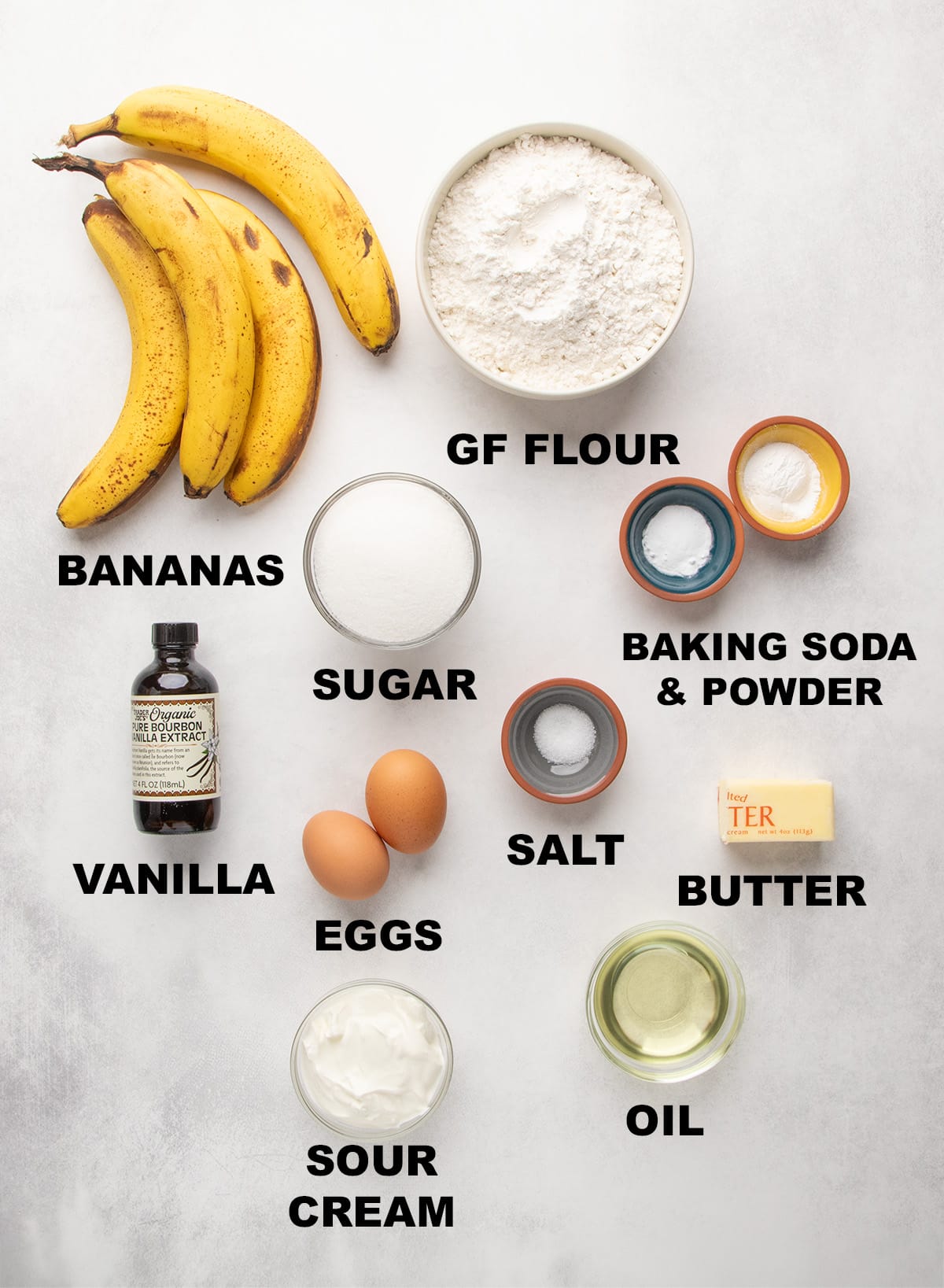
The foundation begins in a spacious mixing bowl. The gluten-free flour blend, xanthan gum (if not already present in the blend), baking powder, baking soda, salt, and granulated sugar are whisked thoroughly. This step is critical to evenly distribute the leavening agents, preventing pockets of unreacted soda or powder that can cause metallic off-flavors or uneven rising.
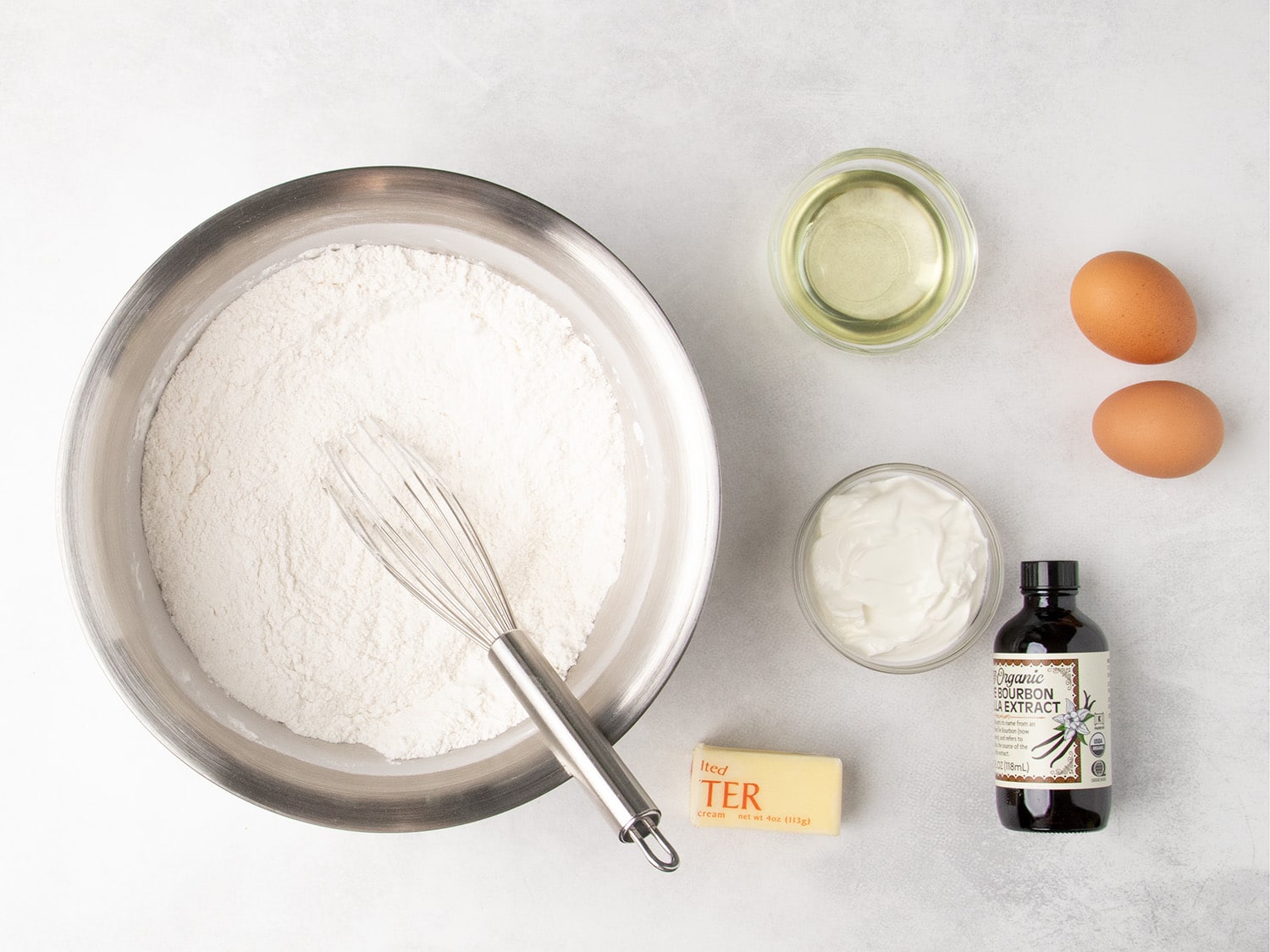
Phase 2: The In-Bowl Wet-to-Dry Method
Rather than dirtying a secondary container, the recipe optimizes workflow by creating a well directly in the center of the dry ingredients. Melted butter, neutral oil, eggs, sour cream, and pure vanilla extract are added to the center. The wet components are lightly beaten together before gradually incorporating the surrounding dry mixture. The resulting batter is intentionally thick—too heavy to be smoothly overworked—which acts as a structural defense against premature chemical reactions.
Phase 3: The Delicate Fold
The final addition is the star of the show: the mashed ripe bananas. Folded in gently with a spatula, the bananas immediately loosen the stiff batter. Culinary scientists note that adding the bananas at the very end is the secret weapon against gumminess; delaying this step prevents the fruit from releasing excess moisture too early in the mixing process.
Phase 4: Thermal Shock and Baking
To achieve the iconic, bakery-style domed muffin, the batter is portioned generously into lined muffin tins—with bakers advised to utilize every other well for maximum heat circulation and expansion space.
- Minutes 0–5 ($425^circtextF$): The high initial heat aggressively activates the baking powder, forcing the batter upward and instantly setting the outer crust.
- Minutes 5–20 ($350^circtextF$): Reducing the temperature allows the centers to cook through completely without scorching the sugary exterior.
Supporting Data and Nutritional Breakdown
Understanding the nutritional profile of specialty baked goods helps consumers manage dietary goals without sacrificing flavor. According to automated nutritional calculations per standard serving (one out of 16 muffins):
- Calories: 234 kcal
- Carbohydrates: 37 g
- Protein: 2 g
- Total Fat: 8 g (Saturated Fat: 3 g)
- Sodium: 190 mg
- Dietary Fiber: 2 g
- Sugars: 16 g
Note: Nutritional data is automatically generated and serves as an approximation depending on specific brand choices for flours and dairy components.
Expert Insights and Adaptations
Achieving consistent results across diverse home kitchens requires an understanding of ingredient variations and dietary accommodations.
Flour Selection Matters
Culinary experts emphasize that not all gluten-free flour blends are created equal. Recommendations include:
- Better Batter (Original Blend): Formulated without xanthan gum, offering a reliable, neutral canvas.
- Nicole’s Best Multipurpose Blend: Requires an additional $1frac13$ teaspoons of xanthan gum for optimal binding.
- Bob’s Red Mill 1-to-1 Baking Flour: Requires an extra $frac14$ teaspoon of xanthan gum to counteract a tendency toward excessive crumbliness.
Dietary Substitutions
- Going Dairy-Free: Substitute melted virgin coconut oil (triple-filtered to avoid a distinct coconut taste) for the butter. Replace sour cream with a high-quality dairy-free sour cream or strained plain dairy-free yogurt matching Greek yogurt consistency.
- Going Egg-Free: Swap the two eggs for chia eggs (one tablespoon of ground chia seeds mixed with two tablespoons of water per egg, allowed to gel), a commercial egg replacer like Bob’s Red Mill, or refrigerated liquid egg alternatives.
Implications for the Gluten-Free Community
The release and widespread acclaim of refined baking techniques like this signal a broader shift in modern gastronomy. For too long, dietary restrictions were synonymous with culinary sacrifice. Recipes that bridge the gap between scientific precision and comforting homestyle flavor prove that gluten-free cooking can stand shoulder-to-shoulder with conventional baking.
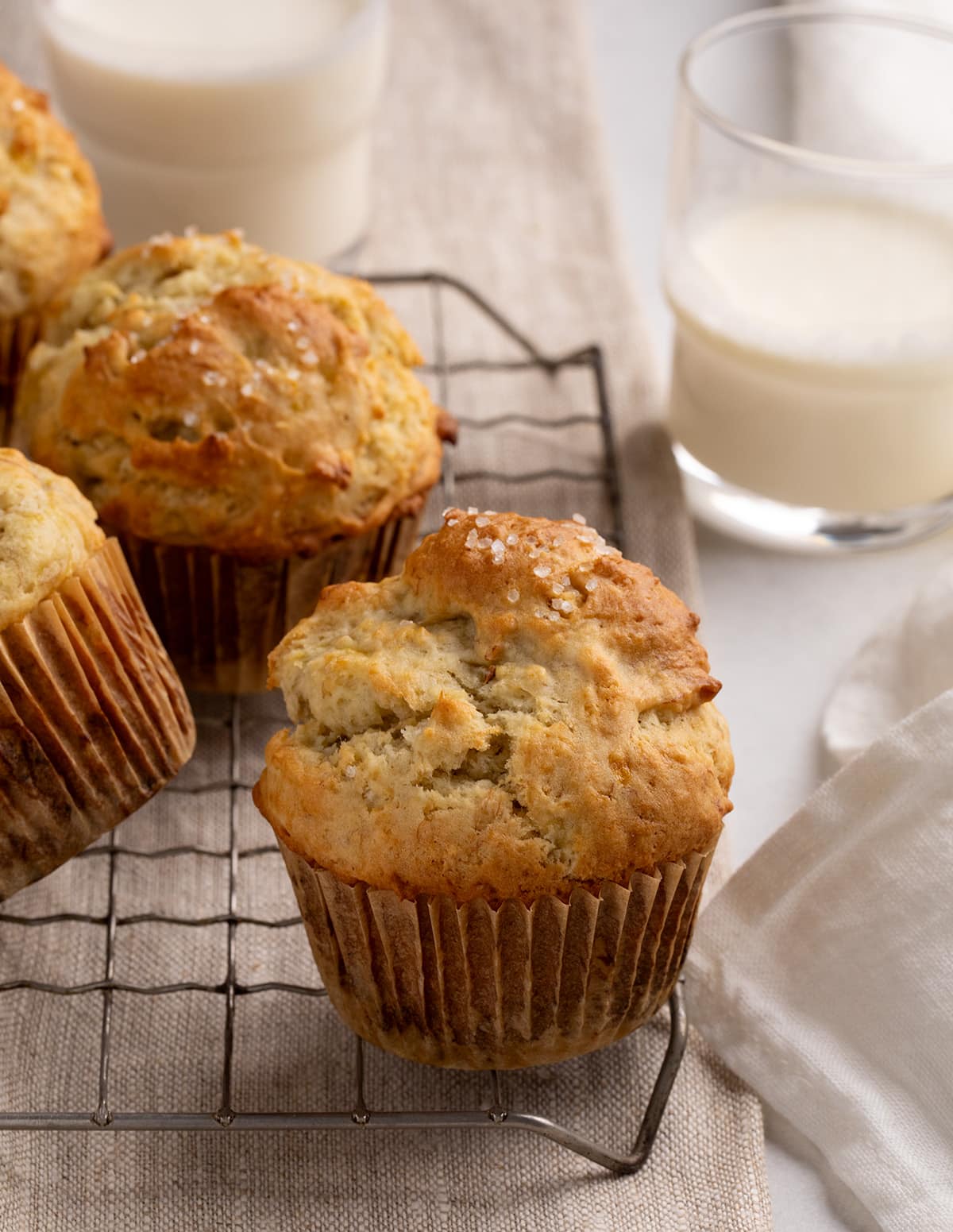
For families managing celiac disease, the ability to pull a batch of tall, golden, incredibly moist banana muffins from the oven—without guests ever guessing they are allergen-friendly—represents a major milestone in inclusive dining. Whether served warm alongside a glass of milk or frozen for hectic weekday mornings, these muffins redefine what is possible in the gluten-free kitchen.