In the realm of home cooking, few proteins carry the same aura of "special occasion" as halibut. Prized for its firm, meaty texture and mild, sweet flavor, this lean white fish is a staple of high-end seafood restaurants. Yet, for the average home cook, the prospect of preparing it can feel daunting. There is a persistent myth that cooking high-quality fish requires specialized techniques or constant monitoring to avoid the dreaded rubbery texture.

However, a shift in culinary perspective is underway. As demonstrated by noted cookbook author and culinary expert Erin Clarke, the secret to mastering halibut doesn’t lie in complex sous-vide methods or elaborate poaching liquids. Instead, the answer is remarkably straightforward: high-heat roasting. By utilizing a simple, 15-minute baked halibut method, home cooks can achieve a restaurant-quality result that is as accessible on a frantic Tuesday as it is impressive for a dinner party.

Main Facts: The Simplicity of the 15-Minute Roast
The primary appeal of this baked halibut technique is its efficiency. When working with a fish as lean as halibut, the biggest challenge is moisture retention. High-heat roasting at 450°F serves two purposes: it creates a gentle sear that locks in the fish’s natural juices, and it ensures the cooking process is rapid enough to prevent the fibers from drying out.

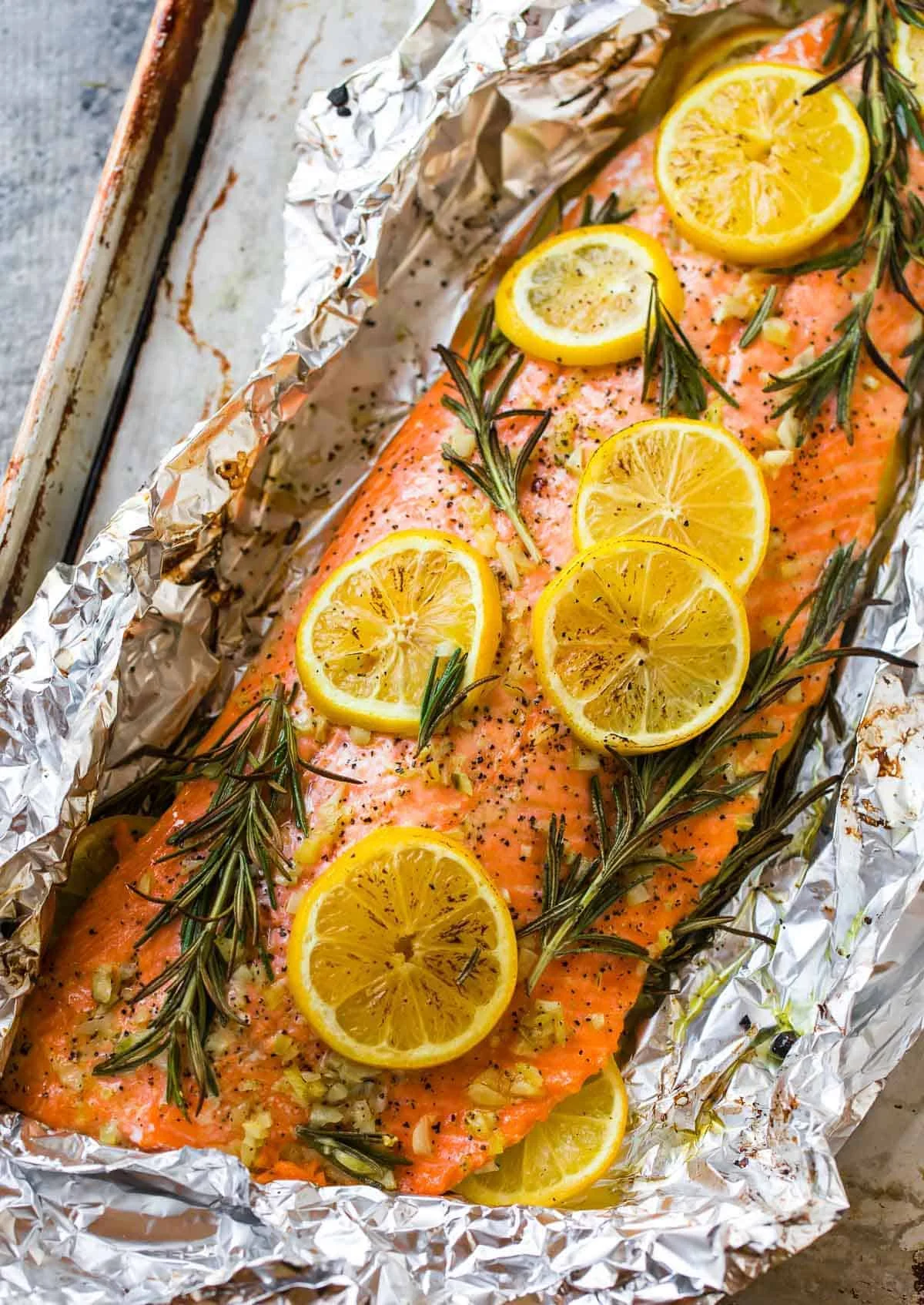
The foundation of this dish relies on a minimalist approach to seasoning. By using a light coating of oil, kosher salt, paprika, and a touch of cayenne, the natural integrity of the fish remains the star. The addition of fresh rosemary and thin lemon slices is not merely aesthetic; the rosemary infuses the air and the fish with an earthy, piney aroma, while the lemon provides the necessary acidity to brighten the mild flavor profile of the halibut.

A Chronological Guide to Perfect Baked Halibut
Achieving consistency with this recipe requires a disciplined approach to the preparation process. By following these steps, you can ensure that your fillets are cooked uniformly and arrive at the table with the perfect flake.

1. Preparation and Tempering
Before the heat is introduced, the fish must be handled with care. Begin by preheating your oven to 450°F. Ensure your oven rack is positioned in the upper third of the oven; this proximity to the heat source is crucial for the quick roasting process. Crucially, take your halibut fillets out of the refrigerator 10 to 15 minutes before cooking. Patting them completely dry with paper towels is the most important step; surface moisture creates steam, which prevents the desired texture and can lead to a mushy mouthfeel.

2. Seasoning Strategy
In a small bowl, whisk together your oil (olive oil is preferred for its smoke point and flavor) with your dry seasonings. By creating a paste-like mixture, you ensure that the spices are distributed evenly across the fillets rather than clumping in one spot. Brush this mixture gently over the top and sides of the fish.

3. The Aromatics
Arrange the fillets in a lightly greased baking dish. Place fresh rosemary sprigs and thin, uniform lemon slices directly atop each piece of fish. This creates a "flavor seal." As the fish bakes, the citrus oils and rosemary aromatics are trapped against the flesh, infusing the halibut as it cooks.

4. Precision Baking
Place the dish into the oven and set a timer for 10 minutes to start. While the total time is approximately 15 minutes, the exact duration depends on the thickness of your fillets. The goal is an internal temperature of 145°F. When the fish is finished, it should flake easily when pressed with a fork.

Supporting Data and Nutritional Profile
Beyond its ease of preparation, halibut is a nutritional powerhouse that fits into a variety of dietary frameworks. According to nutritional analysis, a standard serving of this baked halibut provides:

- High-Quality Protein: At 43g of protein per serving, it serves as an excellent recovery meal for active individuals or those looking to increase their lean protein intake.
- Low Caloric Density: With approximately 264 calories per serving, it is a satisfying, substantial meal that doesn’t feel heavy.
- Essential Nutrients: The fish is rich in potassium (1043mg), which supports cardiovascular health, and contains healthy monounsaturated fats (5g).
- Macro-Balance: With only 3g of carbohydrates and 8g of total fat, this dish is highly compatible with ketogenic, low-carb, and Mediterranean-style diets.
Expert Perspectives: The Philosophy of "Well Plated"
Erin Clarke, the force behind the Well Plated brand, emphasizes that the barrier to eating healthy, high-quality food is rarely skill—it is usually the perceived time and effort required.

"Halibut feels fancy, but it shouldn’t feel intimidating," Clarke notes. Her approach focuses on "low-friction cooking," which involves minimizing the cleanup process and maximizing flavor through high-quality, simple ingredients. By stripping away the need for complex sauces or long marination times, she allows the natural, buttery texture of the halibut to take center stage. Her philosophy is built on the belief that home cooks are capable of creating professional-grade meals without "overthinking it."

Implications: Elevating the Weeknight Routine
The implications of adopting this method extend beyond a single successful dinner. When home cooks master a foolproof technique for a premium protein like halibut, it changes their relationship with grocery shopping and menu planning.

- Reduced Food Waste: Because this recipe is so reliable, there is less likelihood of "ruining" an expensive cut of fish, encouraging more frequent consumption of seafood.
- Versatility in Sides: This recipe serves as a "blank canvas." Because the seasoning is balanced, it pairs effortlessly with a wide array of sides, from roasted root vegetables and quinoa to fresh, crunchy salads like a Mediterranean mix or sautéed green beans.
- Sustainable Habits: By shifting the focus to simple, fast, and healthy meals, home cooks are more likely to sustain their cooking habits long-term, moving away from reliance on processed convenience foods.
Ultimately, the goal of this recipe is to demystify the "special" ingredient. By removing the guesswork from the kitchen, the home cook is empowered to reclaim their weeknight dinner routine, turning an ordinary evening into an opportunity for a high-quality, nourishing, and delicious experience. Whether you are a novice looking to build confidence or an experienced cook seeking a reliable staple, the 15-minute baked halibut stands as a testament to the fact that the best food is often the simplest to prepare.