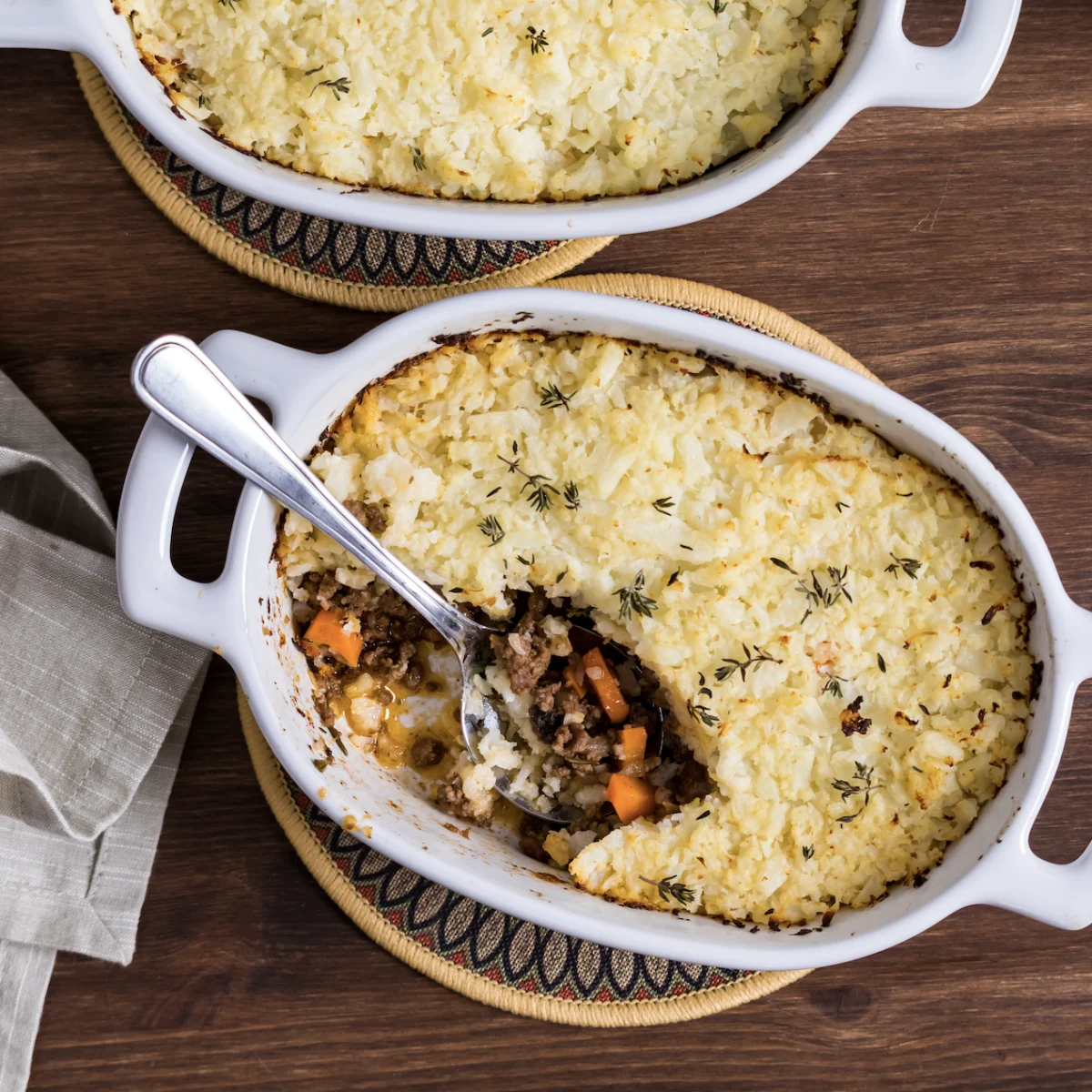
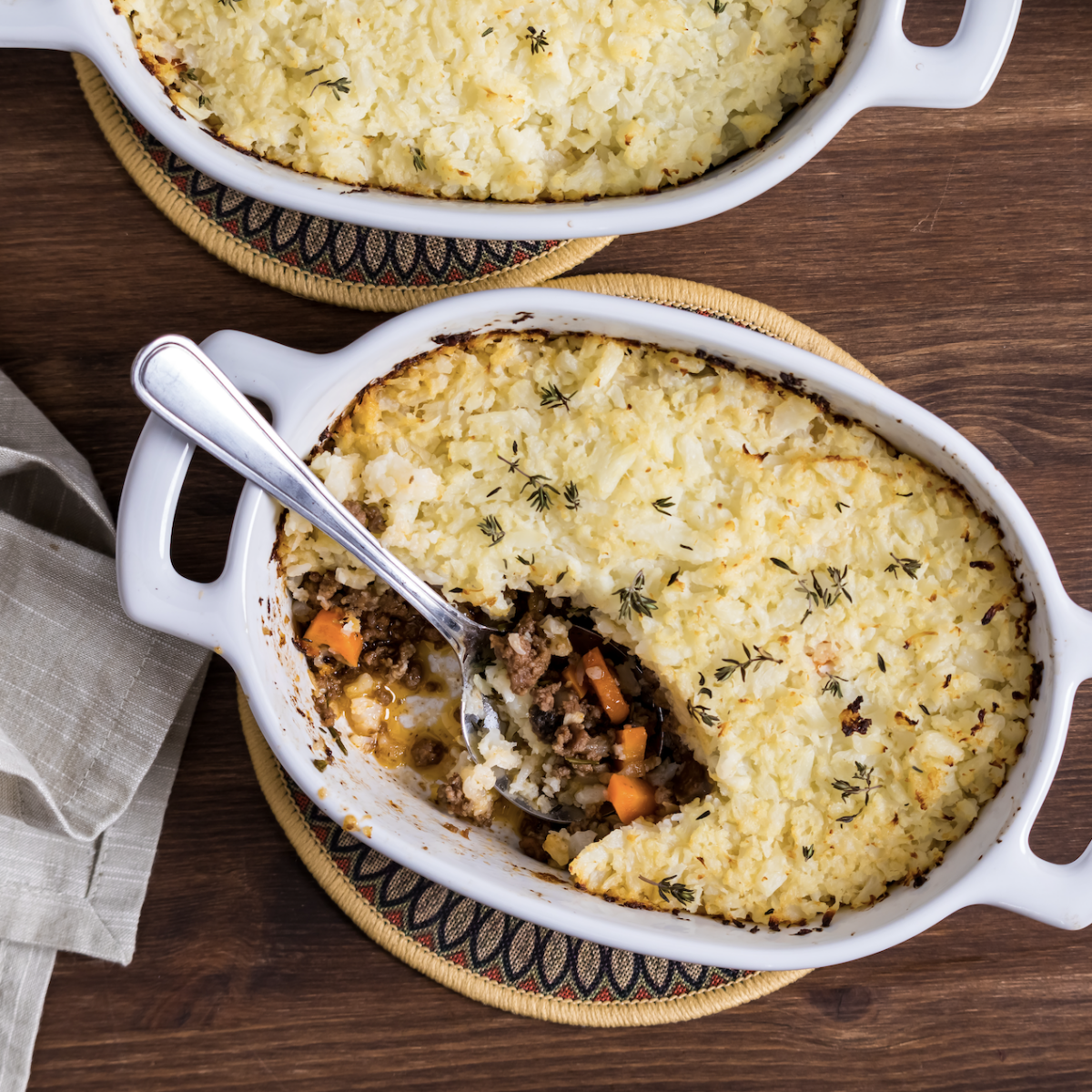
In the landscape of modern home cooking, few dishes evoke the warmth of nostalgia quite like a classic shepherd’s pie. Traditionally a humble, utilitarian meal consisting of a rich, savory base of minced meat and root vegetables blanketed by a dense layer of buttery mashed potatoes, it has served as a staple of British and Irish culinary heritage for centuries. However, as dietary preferences evolve toward nutrient-dense, lower-glycemic options, culinary innovators are reimagining this timeless comfort food. Enter the Shepherd’s Pie with Cauliflower Crust—a modern, lighter twist that maintains the soul of the original while significantly elevating its nutritional profile.
The Main Facts: A Nutritional Pivot
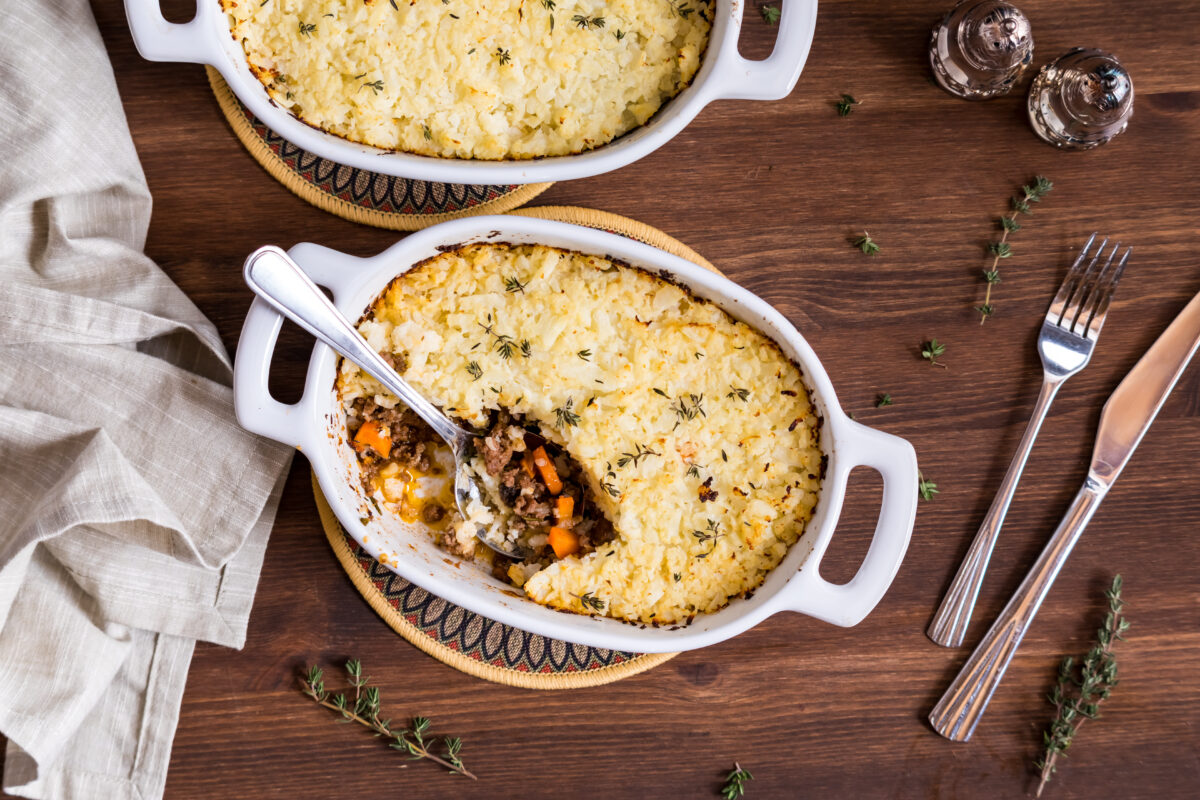
The fundamental shift in this recipe lies in the "crust." By substituting high-starch potatoes with a creamy cauliflower mash, the dish undergoes a drastic transformation in macronutrient composition. Cauliflower, a cruciferous vegetable lauded for its high fiber, Vitamin C, and potassium content, provides a satisfyingly smooth texture without the carbohydrate load of a traditional potato topping.
The resulting dish is a powerhouse of protein and micronutrients. The filling, typically composed of ground lamb (or beef, in the case of the historically distinct "Cottage Pie"), serves as a robust foundation of high-quality protein. When paired with sautéed aromatics—carrots, peas, onions, and celery—the dish becomes a balanced meal that addresses the modern family’s desire for "stealth health": the ability to integrate substantial vegetable portions into a meal that retains the sensory profile of classic comfort food.
Chronology of a Culinary Transformation
The transition of shepherd’s pie from a heavy, carbohydrate-laden dish to a vegetable-forward centerpiece did not happen overnight. The trajectory of this evolution can be traced through several key phases:
- The Era of Carbohydrate Awareness (2010–2015): As the popularity of low-carbohydrate and ketogenic diets surged, home cooks began experimenting with "cauli-mash" as a direct substitute for mashed potatoes. Initially, the texture was often criticized for being watery or thin, leading to a period of recipe refinement.
- The Technique Refinement Phase (2016–2020): Culinary experts identified the "moisture problem." It was during this period that the professional technique of drying cauliflower in a warm skillet after boiling—or roasting it to intensify flavor—became standard practice. This changed the perception of cauliflower as a "diet food" to a viable culinary component.
- The Mainstream Adoption (2021–Present): With the rise of meal-prep culture and the increased focus on family-friendly, freezer-friendly meals, the cauliflower-crust shepherd’s pie emerged as an ideal candidate for batch cooking. Today, it stands as a fixture in many household rotation schedules, favored for its ability to reheat without the degradation of texture often associated with potato toppings.
Supporting Data: Why Moisture Control Matters
The science behind a successful cauliflower crust is rooted in the chemistry of cellular water content. Cauliflower is approximately 92% water, compared to roughly 79% for potatoes. Without proper moisture management, the vegetable-based topping will inevitably weep, turning the savory meat base into a soup.
Professional chefs emphasize three critical steps to mitigate this:
- Thermal Evaporation: After boiling, transferring the cauliflower back to the hot pot for 1–2 minutes allows residual steam to escape.
- The Dairy/Fat Emulsion: Incorporating Greek yogurt and Parmesan cheese does more than add flavor; the protein and fat content help stabilize the cauliflower puree, creating a structural integrity that holds up under the heat of the oven.
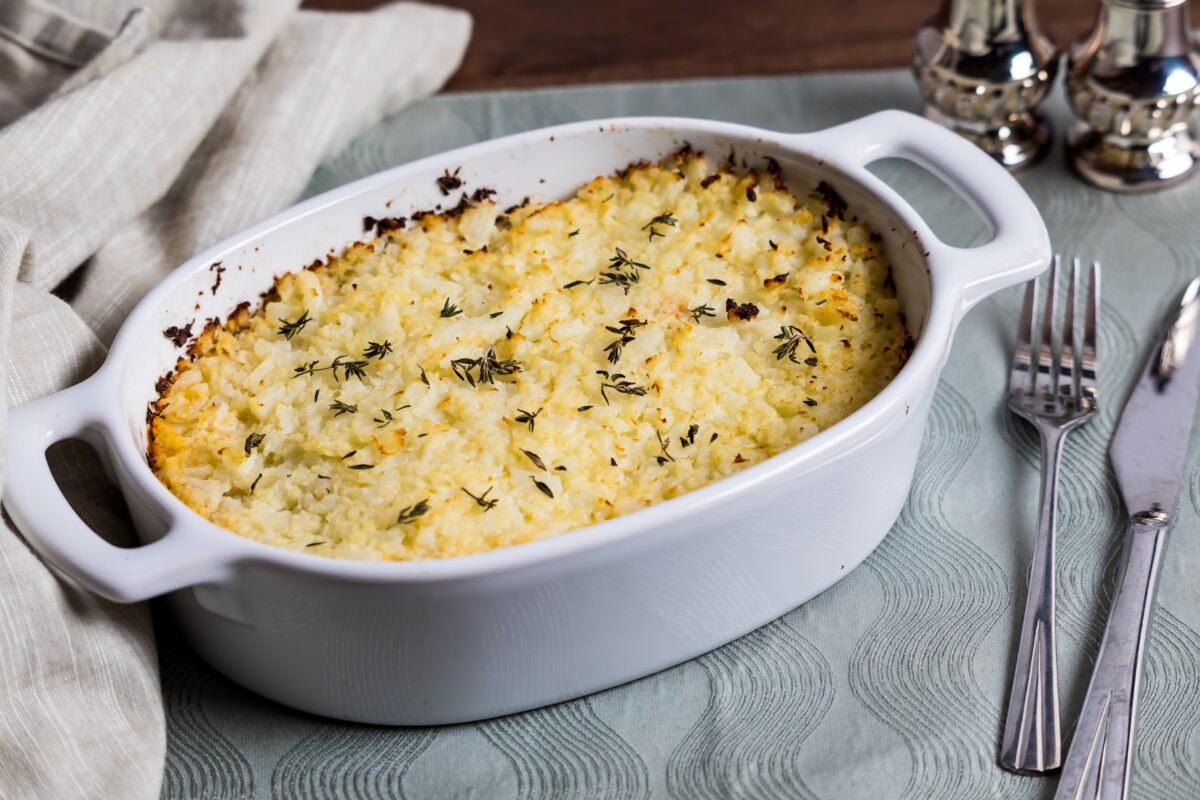
- Ridging Technique: Using a fork to create ridges on the surface of the mash is not merely aesthetic. These ridges increase the surface area, allowing for better browning and crisping during the final stage of baking, which mimics the golden crust of a traditional potato topping.
Culinary Implications: The "Stealth Health" Movement
The rise of this dish has significant implications for family nutrition. Pediatric nutritionists have long noted the difficulty of integrating green vegetables into children’s diets. By camouflaging cauliflower within a familiar, savory, and visually appealing casserole, parents are seeing higher acceptance rates for cruciferous vegetables.
Furthermore, the dish addresses the modern "busy weeknight" dilemma. Because the ingredients—meat, mirepoix, and cauliflower—are pantry and freezer-stable, the meal is highly adaptable. Whether one chooses to make it vegetarian by substituting lentils and mushrooms or opts for a lean ground turkey, the structure remains consistent. The "make-ahead" capability, where the dish can be assembled 24 hours in advance, provides a psychological buffer for families managing tight schedules, reducing the reliance on processed, pre-packaged convenience foods.
Professional Tips for Excellence
To achieve the best possible result, home cooks are encouraged to treat the meat base with the same respect one would give a French ragù.
- Maillard Reaction: Browning the meat until it achieves a deep, dark color is non-negotiable. This step provides the depth of flavor necessary to stand up to the mild, earthy profile of the cauliflower.
- Vegetable Timing: While carrots and peas are standard, adding them toward the end of the meat-browning process ensures they retain a slight "bite" or al dente texture. Over-soft vegetables lead to a mushy, unappealing mouthfeel.
- Resting Period: Much like a roasted protein, a shepherd’s pie requires a "rest" of 5 to 10 minutes post-oven. This allows the internal starches and proteins to set, ensuring that when the dish is sliced, it maintains its integrity rather than collapsing into a heap on the plate.
The Future of the Casserole
As we look toward the future of home cooking, the shepherd’s pie with a cauliflower crust serves as a blueprint for the "health-conscious classic." It proves that traditional recipes are not static artifacts but living entities that can be adjusted to meet contemporary health standards without losing their emotional resonance.
Whether one is a proponent of the ketogenic lifestyle, a parent trying to sneak more vegetables into their child’s diet, or simply a cook looking for a lighter take on a rainy-day meal, this dish offers a sophisticated solution. It is a testament to the fact that when we prioritize technique—specifically, mastering the balance of moisture and flavor—we can reinvent our favorite traditions in ways that nourish our bodies as much as they satisfy our appetites.
By combining the timeless techniques of savory braising with the modern, nutrient-dense innovation of vegetable-based starches, the shepherd’s pie of the 21st century is poised to remain a cornerstone of the home kitchen for generations to come. It is, quite simply, the evolution of comfort.