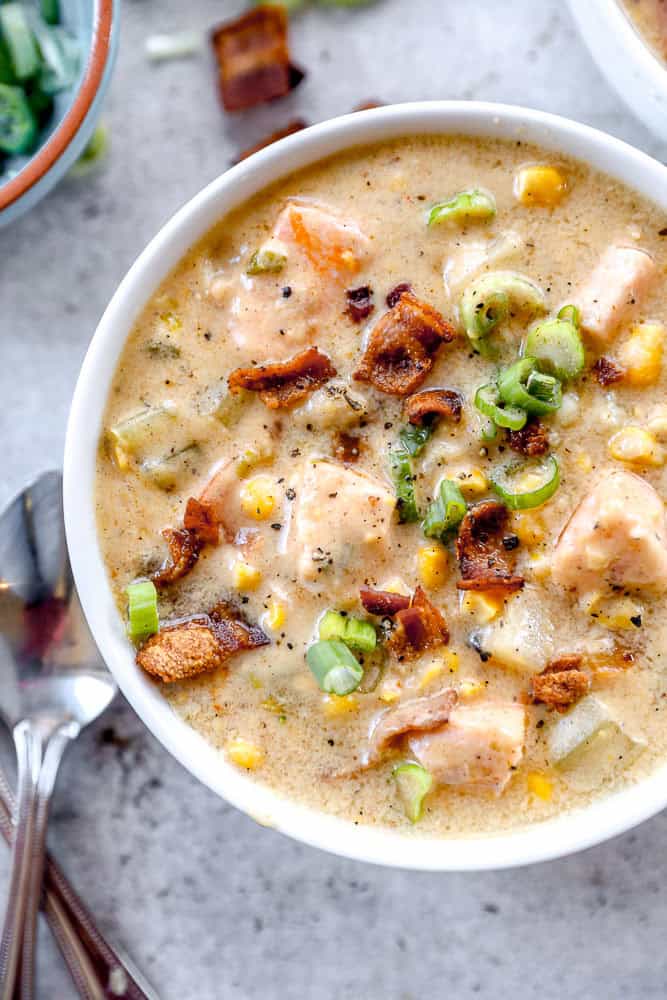
In the world of home cooking, few dishes strike the delicate balance between rustic comfort and sophisticated flavor as effectively as a well-executed chowder. Recently, a new standard for this category has emerged, gaining traction among home chefs and culinary enthusiasts alike: the Creamy Salmon Chowder. Developed by cookbook author Erin Clarke, this dish is not merely a soup; it is a meticulously layered sensory experience that combines the smokiness of cured bacon, the sweetness of summer corn, and the buttery, tender richness of fresh salmon.
As the culinary landscape continues to shift toward "elevated comfort food"—meals that offer the emotional security of traditional dishes while providing the complexity of restaurant-grade cooking—Clarke’s latest recipe has moved to the forefront of the home-dining conversation.

Main Facts: The Anatomy of a Perfect Chowder
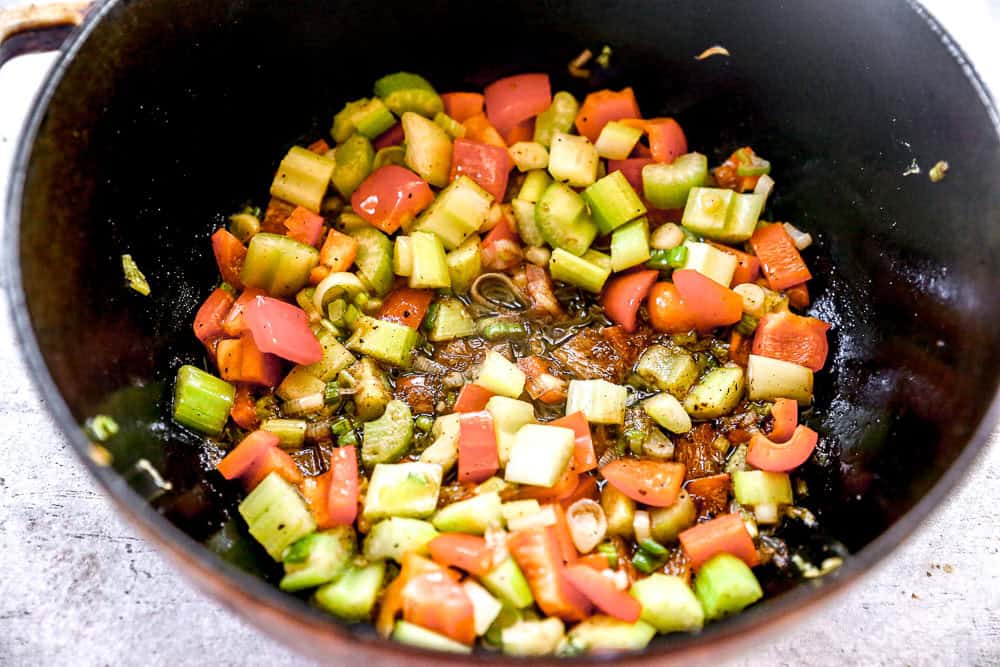
The allure of this specific salmon chowder lies in its architectural construction. Unlike standard stews that rely on singular flavor profiles, this recipe utilizes a "layering" technique. The process begins with the rendering of high-quality bacon, which provides the foundational fat for the entire dish. Into this savory base, a mirepoix of green onions, celery, and red peppers is sautéed, absorbing the smoky essence of the bacon.
The "wow factor" of the dish, however, comes from the strategic integration of Cajun seasoning. This spice blend introduces a subtle, earthy heat that cuts through the creaminess of the dairy base, preventing the soup from feeling too heavy or one-dimensional. The use of both corn kernels and cream-style corn creates a textural interplay, offering pops of sweetness that contrast beautifully with the starch of the potatoes.
A Chronological Approach to Preparation
To understand why this recipe has become a staple for many, one must look at the step-by-step chronology of its preparation. The process is designed to be efficient for the home cook while maintaining the integrity of the ingredients.
Phase 1: Building the Foundation
The preparation starts with the Dutch oven. By cooking the bacon over medium-low heat, the cook ensures that the fat is properly rendered without burning the bits. Once the bacon is removed, the vegetables are introduced. The key here, according to the methodology, is the timing of the aromatics. Garlic and Cajun spices are added in the final 30 seconds of the vegetable sauté, ensuring the spices bloom in the heat without scorching.

Phase 2: Developing the Velouté
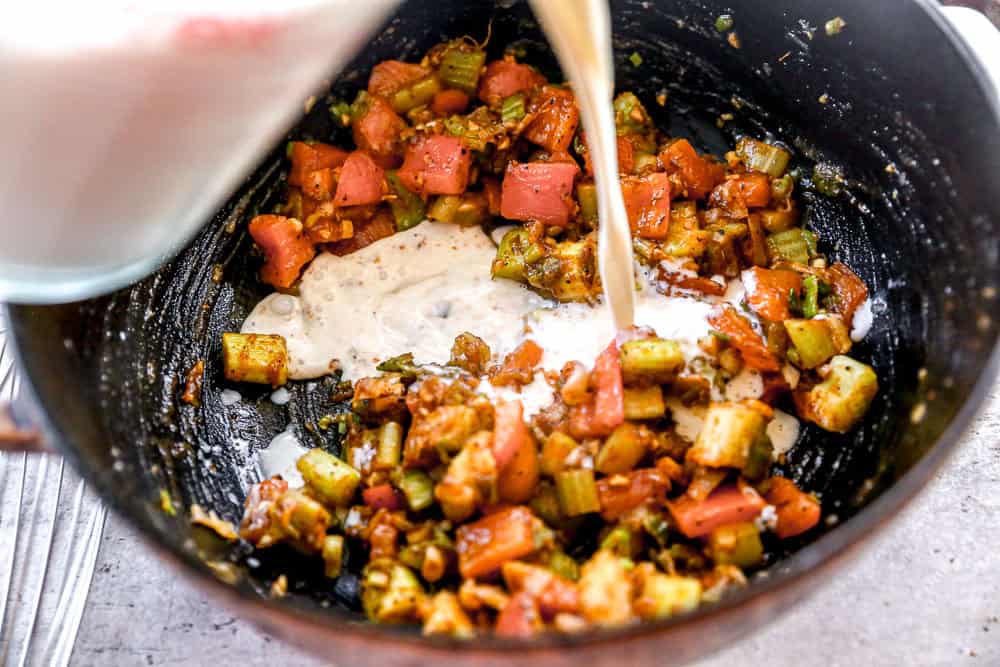
The transition from a vegetable sauté to a chowder base requires the addition of flour. This creates a roux, which acts as the thickening agent. The gradual introduction of milk is the most critical technical step; by whisking in small amounts of liquid, the cook ensures a smooth, lump-free consistency that forms the backbone of the chowder.
Phase 3: The Simmer and The Finish
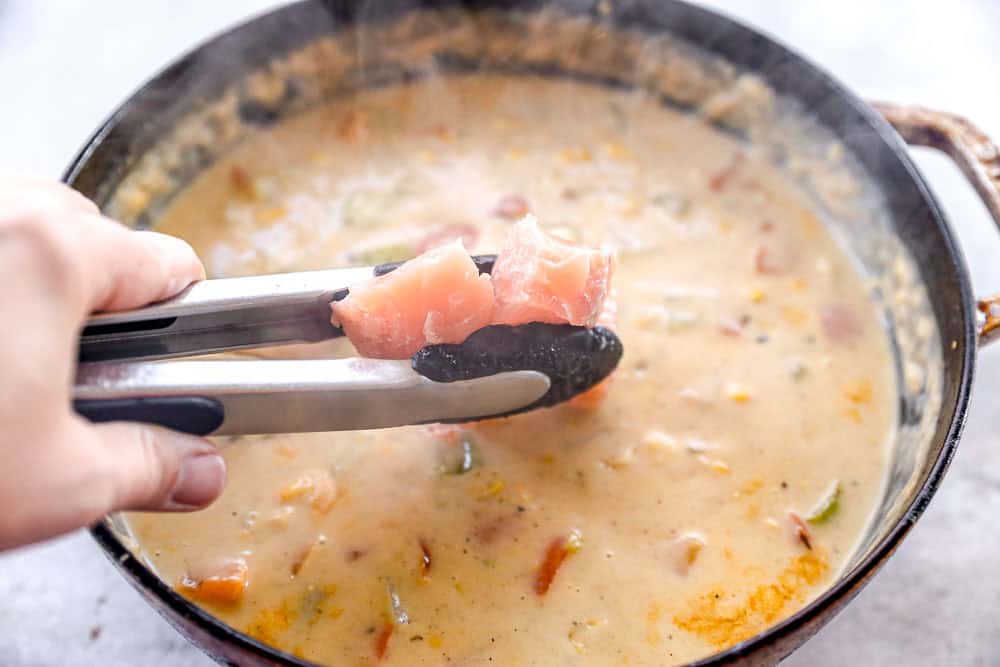
Once the base is established, the corn and potatoes are added to cook through. The salmon, the star of the show, is the final ingredient to enter the pot. Because salmon is delicate, it is added at the very end and poached gently in the hot broth. This prevents the fish from becoming overcooked or rubbery, ensuring that every spoonful contains a succulent, flaky piece of protein.

Supporting Data and Nutritional Composition
For those monitoring their intake, this recipe provides a substantial profile. With 604 calories per serving and a protein content of 36 grams, it serves as a robust main course rather than a light appetizer.
Nutritional Breakdown (Per Serving):
- Total Fat: 32g
- Carbohydrates: 47g
- Fiber: 4g
- Sodium: 961mg
- Protein: 36g
The high potassium (1398mg) and Vitamin A (1808 IU) content suggest that the inclusion of fresh vegetables and fish provides a nutrient-dense profile that exceeds that of traditional, flour-heavy chowders. The balance of monounsaturated fats (11g) also aligns with contemporary preferences for heart-healthier fats despite the cream-based nature of the dish.
Official Perspective: The Creator’s Vision
Erin Clarke, the creative force behind this recipe, notes that the development of this dish was a response to a personal craving for something that felt both indulgent and wholesome. "I have a problem: I cannot stop making this soup," she says, acknowledging that the frequency with which she returns to this recipe is a hallmark of its success.
Clarke emphasizes that the versatility of the chowder is intentional. Whether it is served as a post-skiing meal in the depths of winter or prepared with fresh-from-the-stalk corn in the height of summer, the dish is designed to adapt. "It starts with comfort food vibes—creamy, bacon-y, corn—and then elevates things by layering in buttery salmon and Cajun seasoning," she explains. This philosophy of "elevated comfort" is a central pillar of her approach to cookbook writing, aiming to help home cooks feel confident in their kitchens without the stress of overly complex techniques.
Implications for Modern Home Cooking
The popularity of this salmon chowder has broader implications for the future of home cooking. It suggests a trend where home chefs are increasingly willing to invest time in "slow" techniques—such as carefully whisking a roux or properly rendering bacon—if the result provides a restaurant-quality experience.
Furthermore, the recipe’s success highlights the importance of ingredient flexibility. The instructions provide clear guidance on how to substitute ingredients, acknowledging that home cooks often work with what is available in their pantries. This flexibility is key to the democratization of fine cooking; by providing a framework that is forgiving yet sophisticated, creators like Clarke are encouraging more people to step away from pre-packaged convenience meals and toward scratch-made dining.
The Role of Seasonal Ingredients
The suggestion to use fresh corn in the summer highlights a move toward seasonal cooking, even in dishes that are traditionally considered "winter comfort." By aligning the dish with the seasonality of its produce, the recipe remains relevant throughout the year. This approach transforms a static recipe into a living part of a household’s annual culinary calendar.

Culinary Techniques for the Amateur
The inclusion of specific, easy-to-follow photography in the recipe’s instructions serves an educational purpose. By visualizing the sautéing of vegetables and the tempering of milk, the reader is not just given a list of instructions, but a lesson in culinary physics. This lowers the barrier to entry for novice cooks, empowering them to tackle dishes that might otherwise seem intimidating.
Conclusion: A New Classic
As we look toward the future of family dinners, the Creamy Salmon Chowder stands out as a testament to the power of simple, high-quality ingredients treated with respect. It satisfies the human craving for comfort and warmth, but does so with a nod to the complexities of flavor development. Whether you are a seasoned chef looking for a reliable midweek meal or a novice cook hoping to impress your family, this recipe offers a path to culinary satisfaction that is as rewarding to make as it is to eat.

In an era where time is a luxury, the ability to create a meal that feels like a labor of love in under an hour is invaluable. Through its thoughtful construction, nutritional balance, and emphasis on flavor, this salmon chowder is likely to remain a permanent fixture in the repertoire of those who value the intersection of health, comfort, and professional-grade taste.