WASHINGTON — As local farmers’ markets reach their peak harvest cycle, agricultural economists and culinary historians are tracking a quiet yet powerful shift in consumer shopping habits. Over the coming weeks, produce aisles across the country will be overflowing with one of Mexican cuisine’s most essential, yet frequently misunderstood, ingredients: the tomatillo.
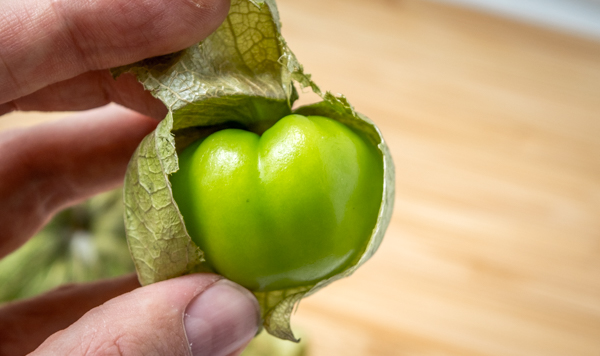
Often mistaken for an unripe, green garden tomato due to its physical appearance, the tomatillo (Physalis ixocarpa) is actually a distinct member of the nightshade family native to Mexico, tracing its culinary history back to the Aztec empire. Today, as home cooks increasingly seek out authentic, globally inspired flavors, a new wave of culinary resources—exemplified by popular recipe platforms like Mexican Please—is demystifying this vibrant green fruit, offering comprehensive guides and a staggering variety of recipes designed to help consumers make the most of the seasonal surplus.
Main Facts: Anatomy, Flavor Profile, and Selection
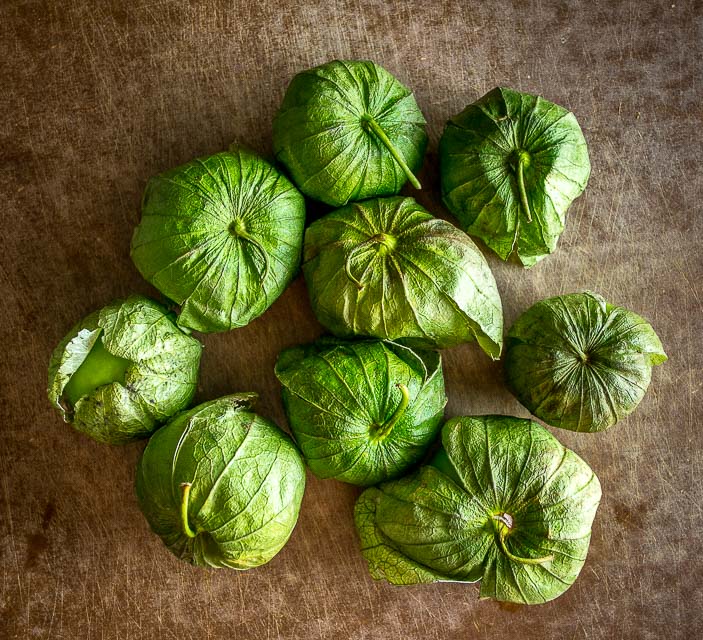
To understand the current surge in tomatillo popularity, one must first understand the ingredient itself. Unlike standard tomatoes, tomatillos are wrapped in a papery, dry husk. Peeling back this husk reveals the sticky, bright green fruit that serves as the architectural foundation of authentic Mexican green sauces, or salsas verdes.
Key Characteristics of Fresh Tomatillos:
- Botanical Classification: A member of the genus Physalis, closely related to the Cape gooseberry (ground cherry), rather than the standard tomato (Solanum lycopersicum).
- Flavor Profile: Naturally vibrant, tart, and citrusy when raw, providing a sharp acidity that cuts through heavy fats and proteins.
- Storage: When kept in their husks inside the refrigerator crisper drawer, fresh tomatillos can easily retain their quality for weeks at a time, making them a remarkably shelf-stable fresh produce item.
"The markets will be overflowing with tomatillos over the coming weeks; try to grab some fresh ones while you can," culinary experts advise. For home cooks with a surplus, preservation methods such as quick-pickling have also gained traction, turning extra tomatillos into a crunchy, acidic pantry staple that pairs effortlessly with everything from tacos to artisanal pizzas.
Chronology: From Farm Stand to the Culinary Blueprint
The journey of the tomatillo from regional staple to mainstream kitchen regular has been decades in the making, accelerated by the digital age of cooking tutorials and step-by-step recipe sharing.
- Pre-Columbian Era: Cultivated extensively by indigenous peoples in Mesoamerica, predating European contact.
- Late 20th Century: Introduced to broader American audiences alongside the growth of Mexican immigration and the expansion of authentic Mexican restaurants.
- The Digital Recipe Boom (2010s–Present): Culinary platforms begin demystifying ethnic ingredients, moving past vague descriptions to offer granular, step-by-step guides on roasting, peeling, and blending.
- The Current Harvest Window: Markets experience seasonal gluts, prompting a surge in demand for comprehensive recipe roundups—featuring up to 18 distinct applications for a single ingredient.
Supporting Data and The Essential Roasting Protocol
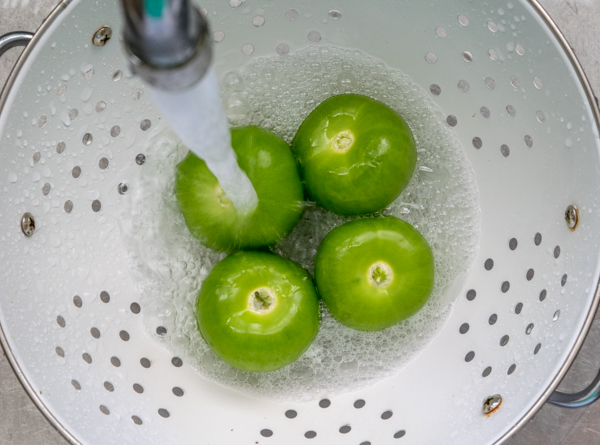
One of the primary barriers for home cooks new to tomatillos is preparation. Underneath the papery husk lies a sticky, resinous film that requires a thorough rinsing in cold water. More importantly, culinary science dictates a crucial chemical transformation before the fruit is blended or simmered: thermal processing (roasting).
Raw tomatillos possess an aggressive, sharp tartness. Applying sustained heat caramelizes their natural sugars, taming the acidity and yielding a deeply savory, complex flavor profile.
The Standard Oven-Roasting Method:
- Husk and Clean: Pull away the dry outer husks and rinse the tomatillos thoroughly under warm water to remove the sticky residue.
- Trim: Cut out the hard stem core from the top of each fruit.
- Roast: Place them on a baking sheet in a preheated oven at 400°F (200°C) for approximately 20 minutes.
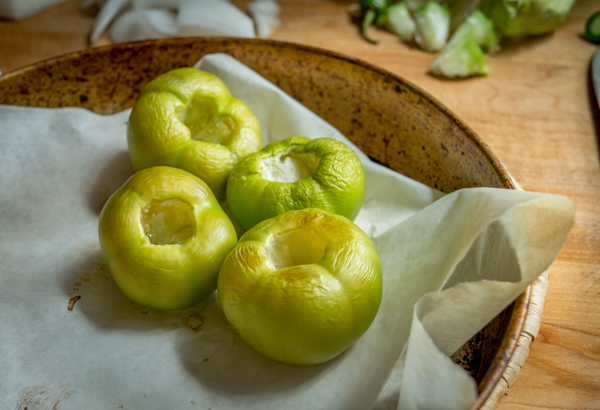
- Visual Cues: The tomatillos are officially ready when they turn a muted army-green color, soften, and develop slight surface wrinkles.
While oven-roasting is the default method for many home cooks, alternative techniques—including broiling, boiling, or charring on a dry comal (griddle)—yield equally successful results, provided sustained heat is applied.
Official Culinary Guidance: 18 Ways to Utilize Fresh Tomatillos
Once roasted, the culinary possibilities expand exponentially. Food experts emphasize that mastering a few foundational preparations unlocks a vast ecosystem of traditional and fusion dishes. Below is a categorized breakdown of how culinary platforms are deploying fresh tomatillos across 18 distinct recipes:
1. The Foundation: Authentic Salsas
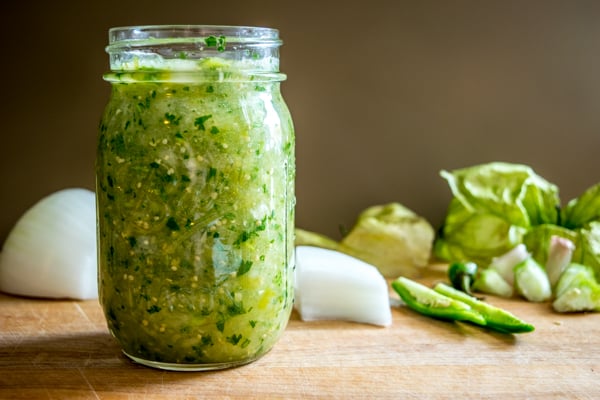
- Homemade Salsa Verde: The definitive starting point for beginners, utilizing fresh or roasted tomatillos blended with sharp serrano or jalapeño peppers, garlic, and cilantro.
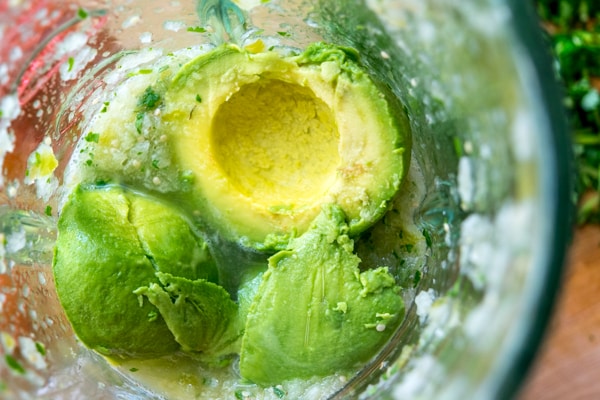
- Avocado Salsa Verde: A velvety, creamy variation where a ripe avocado is introduced into the blender with standard salsa verde, creating a rich sauce frequently used to elevate burritos and quesadillas.
- Tomatillo Chipotle Salsa: A smoky, fiery blend proving that a tiny ingredient list (tomatillos, garlic, and chipotles in adobo) can produce profound depth of flavor.
- Roasted Tomato and Tomatillo Salsa: A hybrid salsa that merges red tomatoes and green tomatillos to create a completely unique, balanced acidity.
2. Comfort Classics and Stews
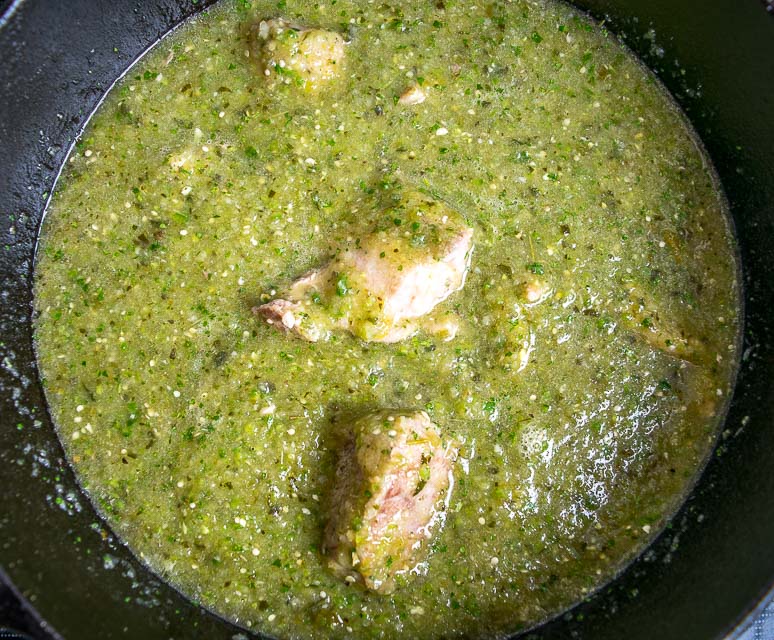
- Chicken Chile Verde & Traditional Chile Verde: Slow-simmered stews typically featuring pork shoulder or chicken drenched in a rich, herbaceous green sauce made from tomatillos and roasted poblanos.
- Pozole Verde: A comforting, hominy-based traditional soup elevated by the bright, tangy notes of roasted green nightshades.
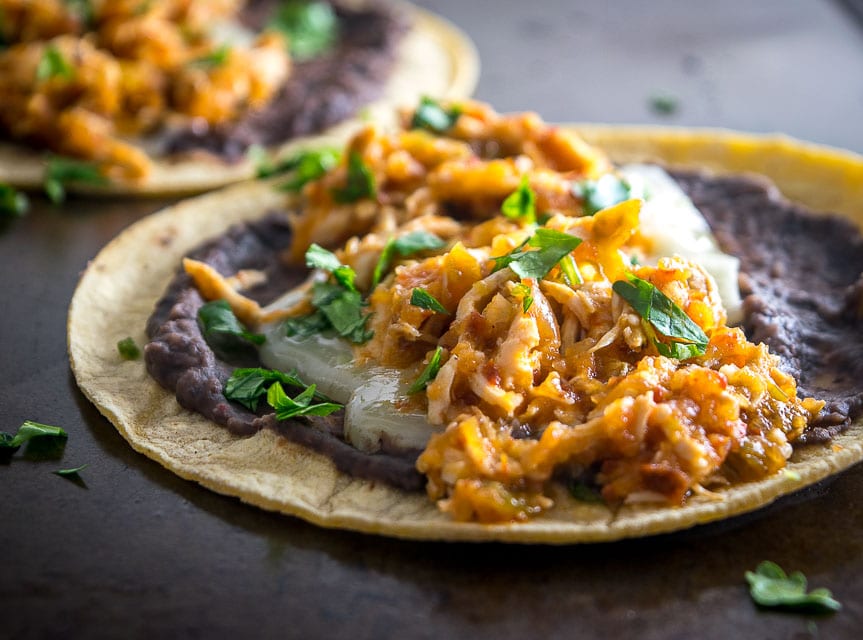
- Spicy Chicken Tinga: A departure from traditional tomato-only tinga, utilizing a blend of tomatoes, tomatillos, and chipotles to brighten the flavor profile of shredded chicken.
3. Baking and Casseroles
- Enchiladas Suizas: Chicken enchiladas coated in a decadent, creamy green sauce enriched with a touch of heavy cream and roasted poblano peppers.
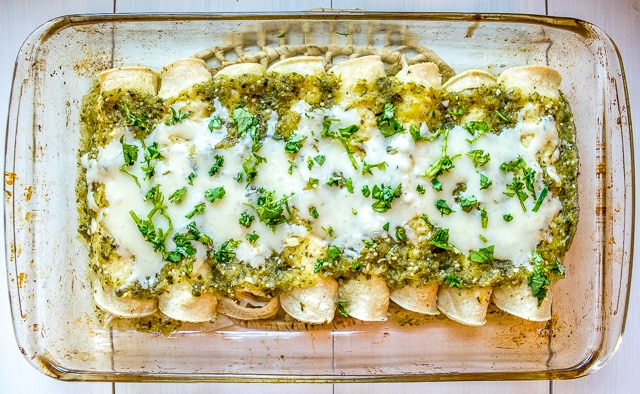
- Enchiladas Verdes: A lighter, weeknight-friendly enchilada dish where salsa verde is thinned with broth and seasoned with Mexican oregano.
4. Breakfast and Egg Dishes
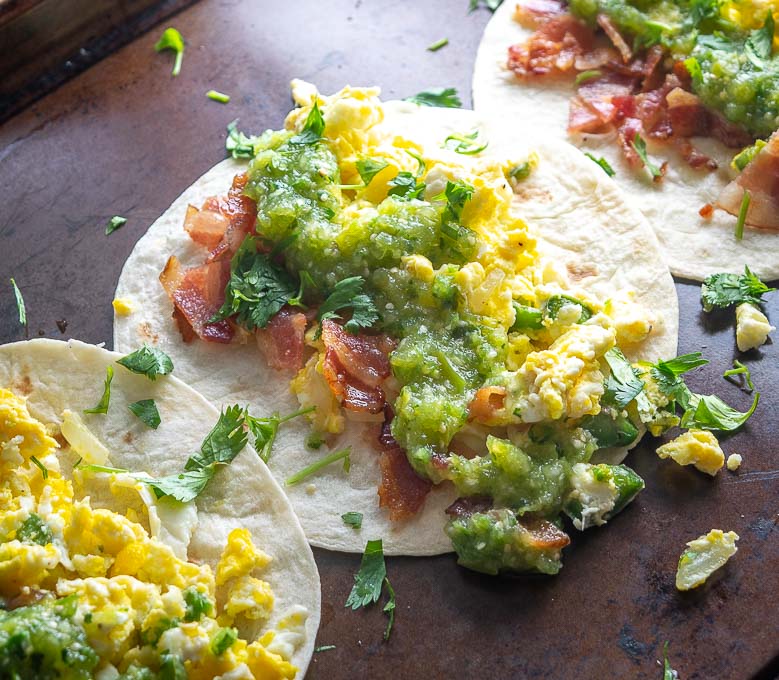
- Breakfast Tacos: An efficient morning meal highlighting the magical flavor pairing of fresh salsa verde, scrambled eggs, and bacon.
- Migas: Crispy corn tortilla strips tossed with eggs and crowned with homemade salsa verde.
- Huevos Divorciados ("Divorced Eggs"): A visually striking breakfast dish featuring two eggs, one blanketed in red tomato-jalapeño salsa and the other in green tomatillo salsa verde.
5. Quick Bites, Dips, and Preservation
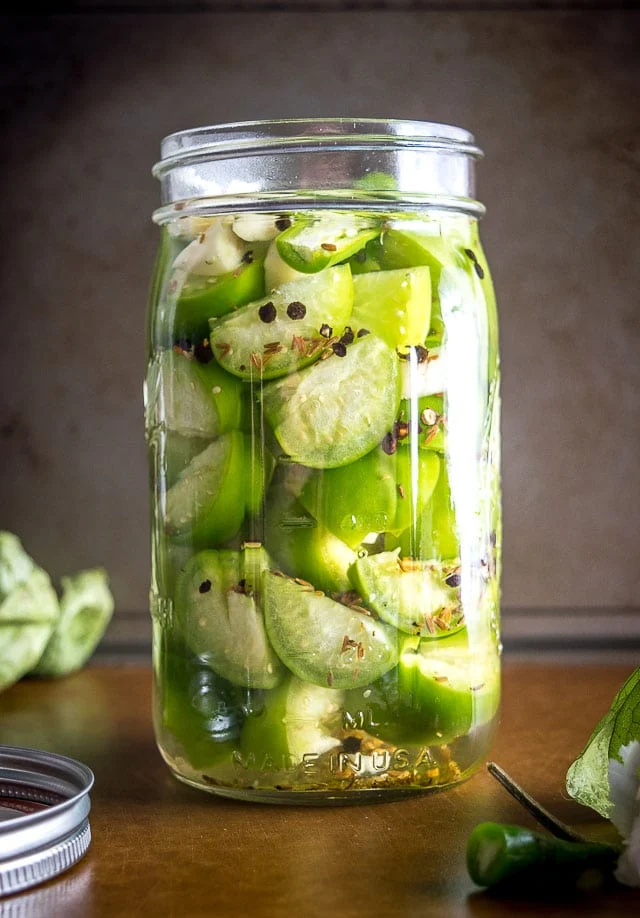
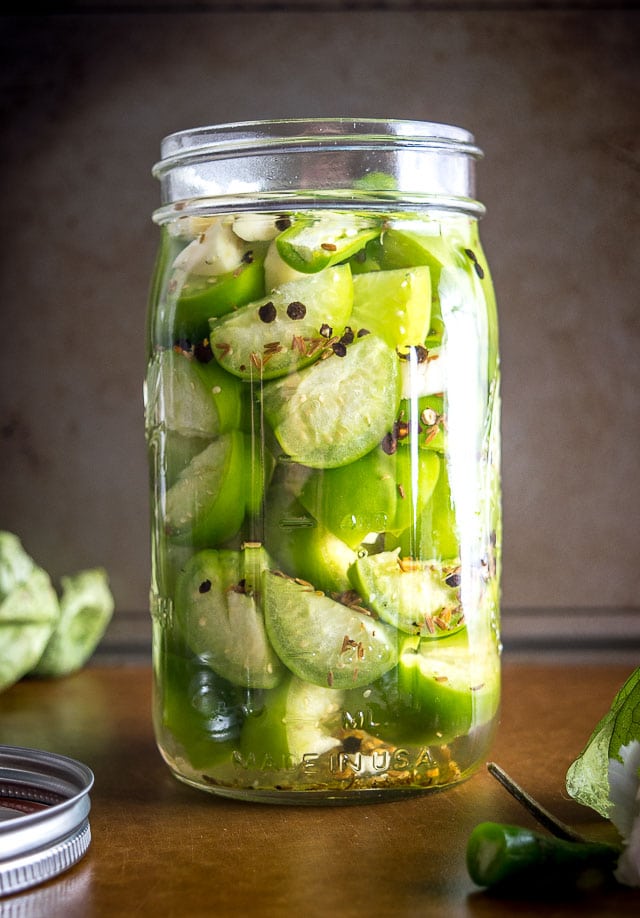
- Pickled Tomatillos: A brilliant method for preserving a surplus harvest, offering a tart burst of acidity ideal for tacos, sandwiches, or even specialty pizzas.
- Quesadillas Dipped in Avocado Salsa Verde: Crispy, cheese-filled tortillas served alongside a creamy green dipping sauce.
- Chicken Burritos with Avocado Salsa Verde: A straightforward meal where a spoonful of creamy green sauce acts as the primary flavor driver.
- Chile Verde Rice and Beans: A lightning-fast, meatless weeknight bowl utilizing leftover green chile sauce tossed with basic grains and legumes.
- Easy Carnitas Recipe: Oven-roasted pork shoulder paired with a sharp, cutting salsa verde to balance the rich, savory meat.
Implications for the Modern Food Economy
The growing accessibility of tomatillos and the democratization of ethnic recipes through digital media carry significant implications for both consumer behavior and the agricultural sector.
First, it signals a broader palate evolution among mainstream consumers. As shoppers become more adventurous, specialty produce items that were once confined to ethnic grocery stores are now standard offerings in major national supermarket chains. This shift drives agricultural diversification, encouraging local and regional farmers to experiment with alternative crops that thrive in varied climate conditions.
Second, digital culinary education bridges the gap between raw agricultural commodities and home preparation. By providing clear visual markers (such as the "army-green wrinkle test" for roasting) and step-by-step instructions, digital platforms empower home cooks to experiment with scratch-cooking, reducing reliance on overly processed, store-bought jarred sauces.

As the fall harvest brings a fresh wave of tomatillos to market stands, consumers are encouraged to look past their unfamiliar husks, pick up a batch, and experiment with a culinary tradition that has sustained cultures for centuries. Whether blended into a fiery salsa verde, simmered in a hearty chile verde, or preserved in a mason jar, the tomatillo remains one of the most versatile and rewarding ingredients in the modern kitchen.