The transition between the final school bell and the dinner hour is a period known to parents and caregivers as the "snack gap." It is a delicate time of day: children arrive home with genuine hunger, yet serving a snack that is too heavy can ruin their appetite for a balanced family meal. For years, the default solution has been pre-packaged, processed snacks that offer little nutritional value. However, a growing trend in culinary nutrition for children is shifting the focus toward "assembly-style" snacking—a method that emphasizes autonomy, fresh ingredients, and the strategic pairing of macronutrients.
At the center of this movement are "After-School Snack Crackers." By utilizing a humble graham cracker as a blank canvas, parents are discovering that they can provide a snack that is not only fun and customizable but also nutritionally dense.
The Core Concept: Culinary Autonomy for Kids
The philosophy behind these snack crackers is simple: empower the child. By presenting ingredients as separate components rather than a pre-assembled plate, caregivers invite children to participate in the preparation process. This practice, often referred to as "food play," has been shown to increase a child’s willingness to try new foods. When a child constructs their own snack, they are more likely to engage with the textures and flavors of the fruits and nut butters provided, transforming a routine hunger fix into an educational culinary experience.
The Mechanics of the Snack
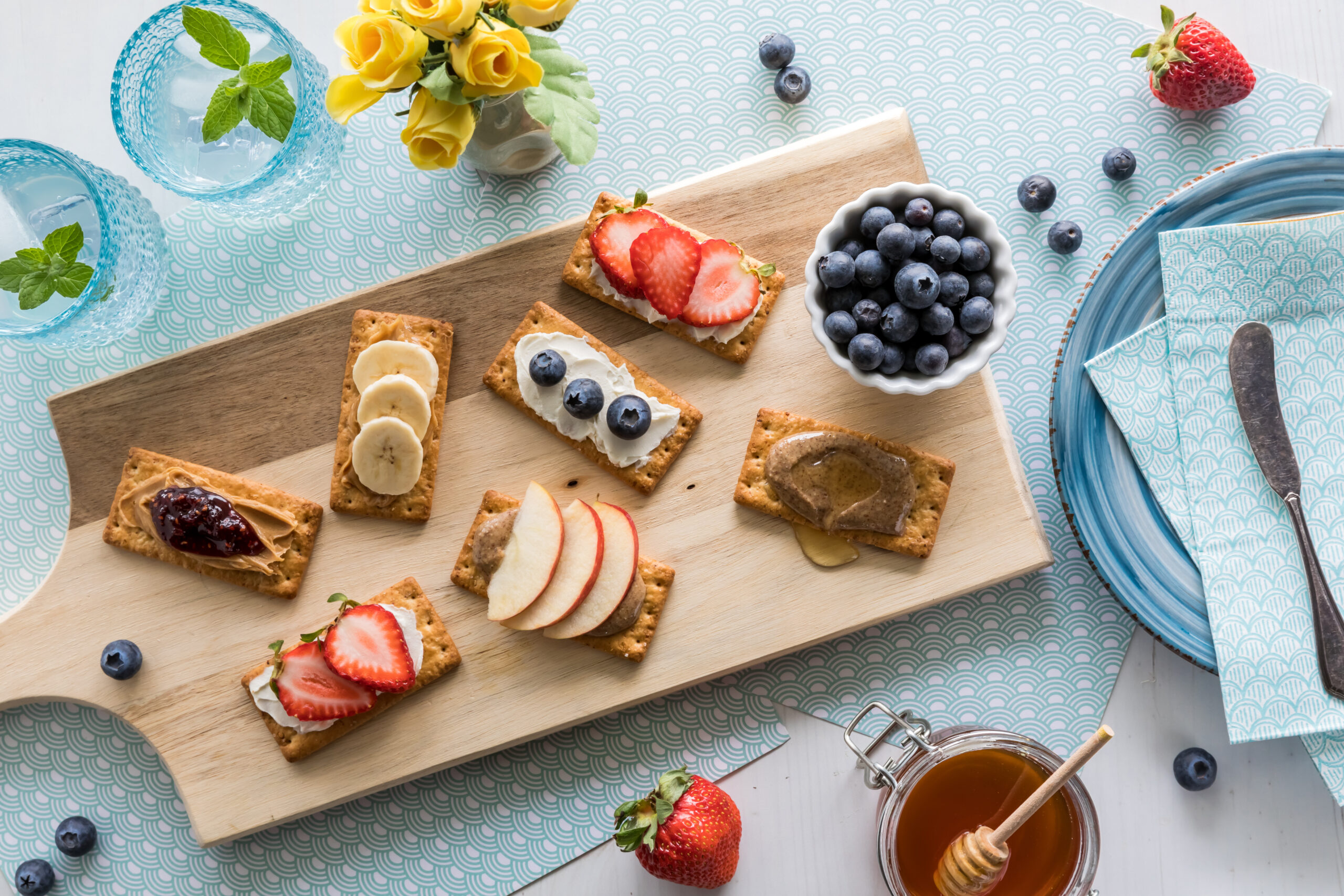
The structure of these crackers relies on the "Spread-Top-Drizzle" method. A base—the graham cracker—provides a satisfying crunch and a hint of sweetness. This is topped with a "glue" (a protein-rich spread) and finished with a nutrient-dense garnish (fruit or seeds). The goal is to balance the glycemic index of the snack by pairing the carbohydrates in the graham cracker with the fats and proteins found in nut butters or dairy-based spreads.
A Chronology of the Modern Snack
The evolution of the after-school snack has been marked by a transition from convenience-focused items to health-conscious, whole-food alternatives.
- Early 2000s: The era of the "100-calorie pack" and highly processed, shelf-stable granola bars dominated the market. While convenient, these often contained high levels of refined sugars and artificial preservatives.
- 2015–2020: A shift toward "clean eating" prompted parents to seek out whole-food ingredients. The rise of the "snack board" (or charcuterie board for kids) gained traction, emphasizing variety and aesthetic presentation.
- Present Day: The focus has moved toward "no-cook" efficiency. As families face increasingly busy schedules, the demand for snacks that require zero heat—but offer maximum nutritional impact—has reached an all-time high. The graham cracker snack model sits at the intersection of this timeline, offering a bridge between the nostalgia of childhood favorites and the modern requirement for quick, healthful sustenance.
Nutritional Implications: Balancing the Plate
Dietitians often suggest that a successful snack should ideally contain a combination of fiber, protein, and healthy fats. This trio works to stabilize blood sugar levels, preventing the common "sugar crash" that follows the consumption of high-fructose, low-fiber snacks.
The Power of Pairing
By analyzing the common topping combinations, we can see how this simple snack provides a robust nutritional profile:
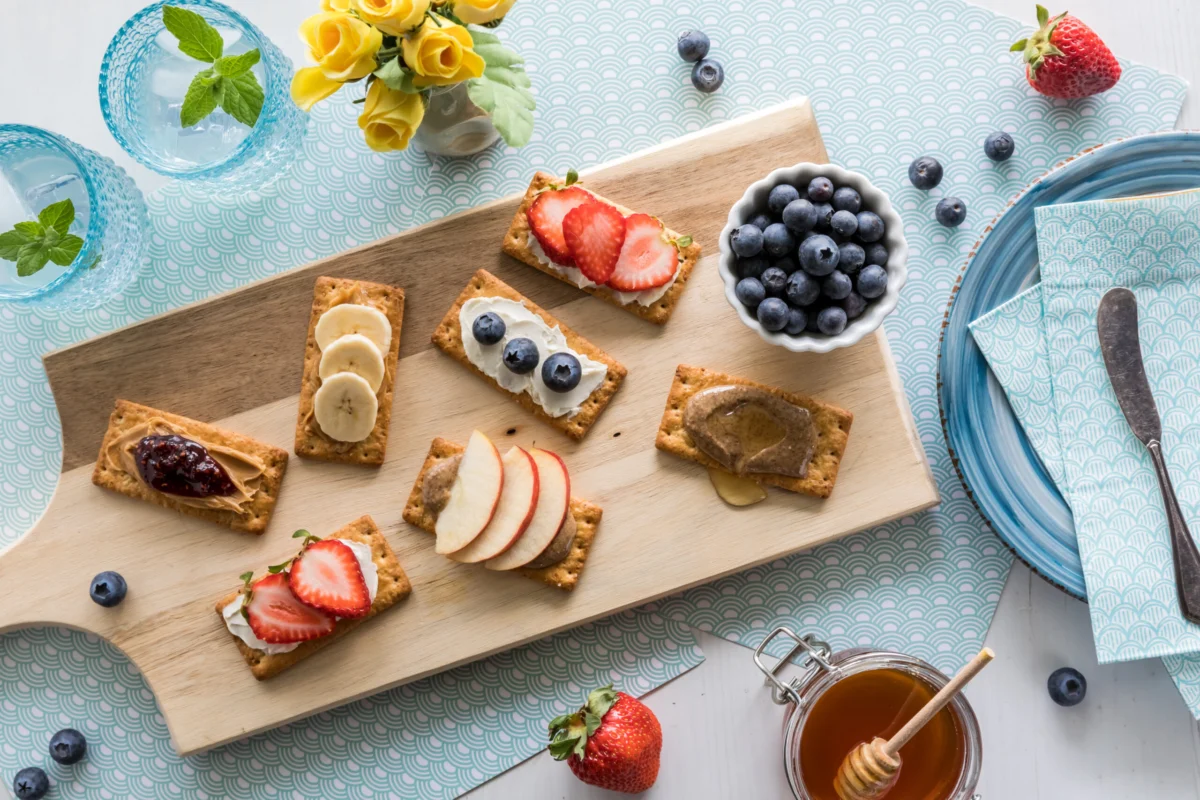
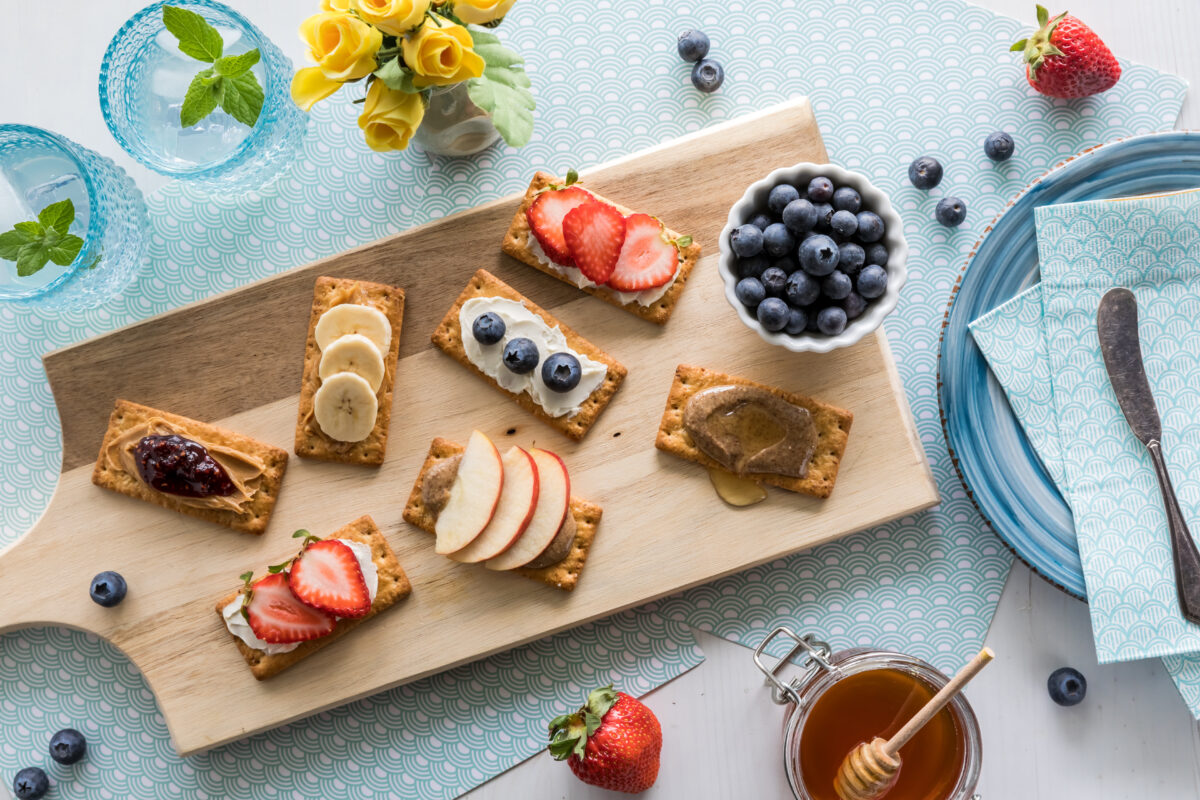
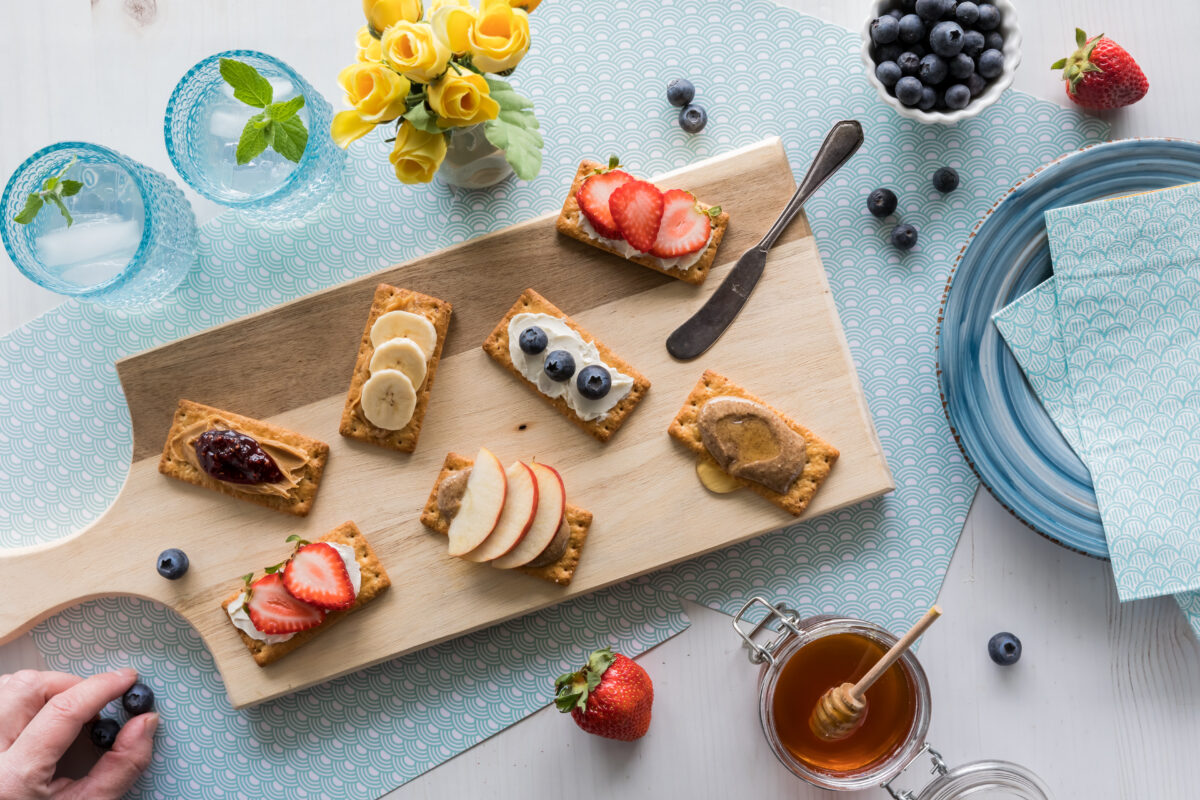
- Peanut Butter & Banana: Provides potassium and sustained energy through complex fats.
- Almond Butter & Apple: Offers a significant boost in fiber and Vitamin C, which is essential for immune support after a long day in a classroom environment.
- Cream Cheese & Berries: Delivers calcium and antioxidants. By opting for fresh berries rather than jellies or jams, caregivers can significantly reduce the intake of added refined sugars.
Expert Perspectives and Parental Feedback
In recent interviews with child nutrition advocates, the consensus remains that the "snack board" format is highly effective for families with multiple children. When parents set out a "snack station"—a collection of small bowls containing sliced fruit, various nut butters, and seeds—it eliminates the need for individual meal planning based on specific preferences.
"When you give a child the agency to build their own snack, you change the power dynamic," says a leading consultant in pediatric nutrition. "The child stops viewing the snack as something ‘imposed’ by an adult and starts viewing it as a personal creative project."
Practical Implementation: Building Your Snack Board
To successfully implement this at home, organization is key. A standard, organized snack board should include:
- The Base: Sturdy, whole-grain or classic graham crackers.
- The Spreads: Peanut butter, almond butter, sunflower seed butter (for nut-free environments), and room-temperature cream cheese.
- The Fruits: Thinly sliced apples (tossed in a little lemon juice to prevent browning), banana rounds, fresh blueberries, and strawberry slices.
- The "Fun" Toppings: Chia seeds, hemp hearts, shredded coconut, or a light sprinkle of cinnamon.
Strategic Tips for Success
To ensure these snacks remain appetizing, there are several "pro-tips" that elevate the experience:
- Moisture Management: Always pat berries dry after washing. Excess water on a graham cracker leads to premature sogginess, which is a common complaint among younger children who prefer a consistent crunch.
- Temperature Control: Soften your cream cheese or nut butters at room temperature for 15 minutes before serving. This prevents the crackers from breaking under the pressure of a cold, stiff spread.
- The Slicing Rule: Use a mandoline or a sharp knife to ensure apple and banana slices are thin. This improves the structural integrity of the snack, making it easier for smaller hands to hold.
The Broader Implications for Family Culture
Beyond the immediate nutritional benefits, the ritual of assembling snacks together can serve as a vital transition point in the day. It provides a low-pressure environment for children to discuss their school day. The act of "building" something together fosters a collaborative spirit, turning a mundane requirement—eating—into a moment of connection.
Furthermore, this approach teaches children the basics of food assembly. By learning which flavors pair well together, children begin to develop a palate for natural, whole foods. This early education in flavor profiles is an invaluable tool in fostering long-term healthy eating habits.
Addressing Potential Challenges
Critics of the "assembly" model often point to the mess factor or the time required to set up individual bowls. However, supporters argue that the "clean-up" is minimal compared to the time spent preparing traditional cooked snacks. Additionally, using a single wooden board or platter makes cleanup as simple as rinsing a few small bowls and wiping down the surface.
For families with specific dietary restrictions, the model is highly adaptable. Gluten-free graham crackers, dairy-free cream cheese alternatives, and nut-free sunflower seed butters can easily be swapped in without compromising the overall integrity of the snack.
Conclusion: A Simple Solution for Modern Challenges
In an era of overly complicated health advice, the return to simple, whole-food snacks is a breath of fresh air. The "After-School Snack Cracker" is more than just a quick bite; it is a scalable, customizable, and inherently social way to fuel children. By providing a base of healthy fats and fresh fruit, parents can ensure their children are well-nourished and satisfied until dinner, all while fostering a sense of culinary independence.
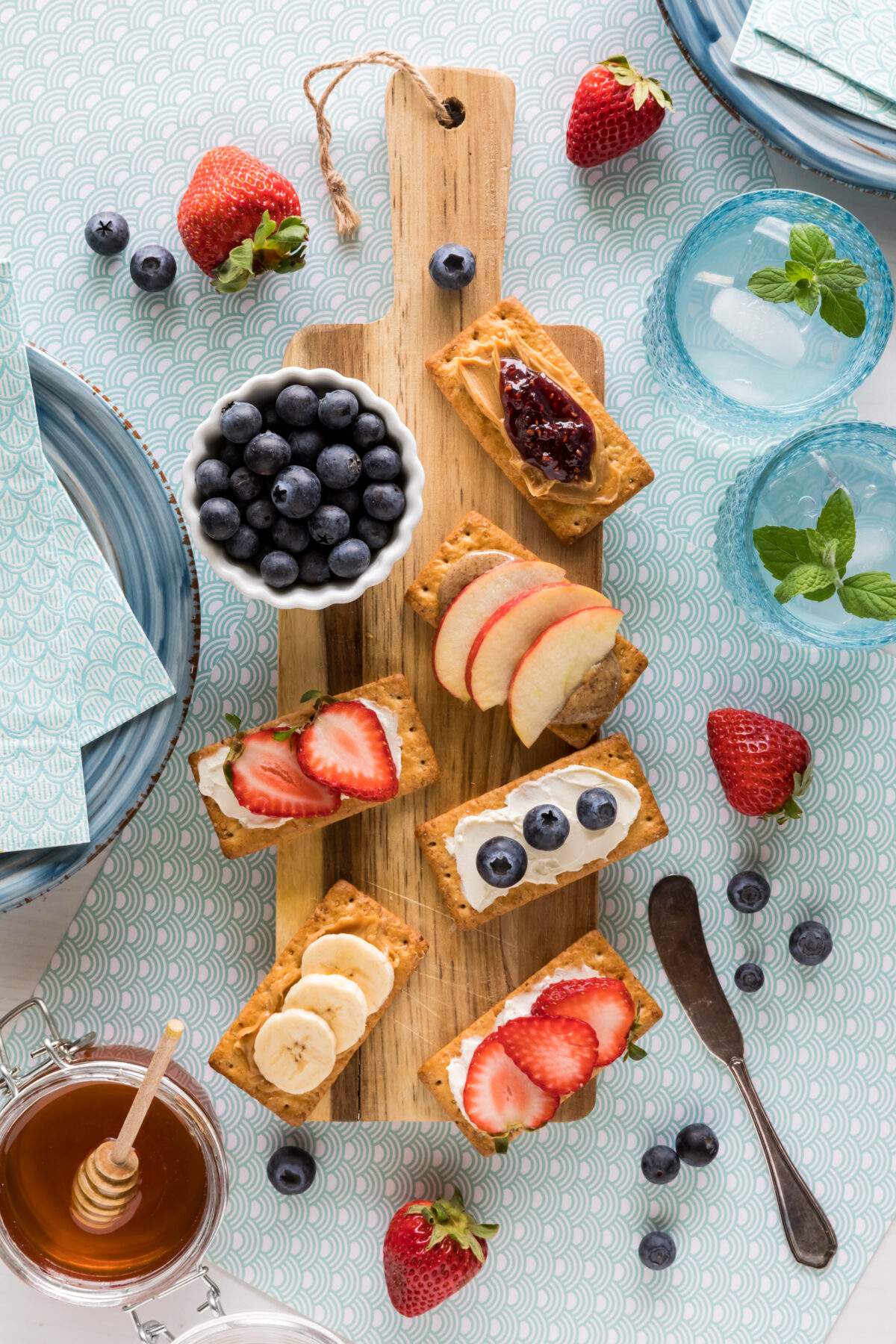
Whether it is a quick peanut butter and banana stack or a more sophisticated cream cheese and berry creation, the versatility of this snack ensures that it will never become boring. By treating the humble graham cracker as a blank canvas, we transform the simple act of snacking into a building block for healthy, lifelong habits. As we continue to navigate the demands of modern parenting, simple, accessible solutions like these remind us that the best nutrition doesn’t have to be complicated—it just has to be thoughtful.