In the evolving landscape of plant-based culinary arts, few desserts bridge the gap between "health-conscious" and "decadent indulgence" quite like the newly popularized Vegan Nutella Ice Cream. As consumers continue to shift away from traditional dairy-based confections, home chefs are finding that six simple ingredients are all it takes to replicate the complex, velvety profile of a classic gelato. This development marks a significant milestone in dairy-free innovation, proving that complex flavor profiles—traditionally reliant on heavy cream and eggs—can be achieved through the strategic use of roasted nuts and coconut-based emulsions.
Main Facts: The Anatomy of a Modern Dessert
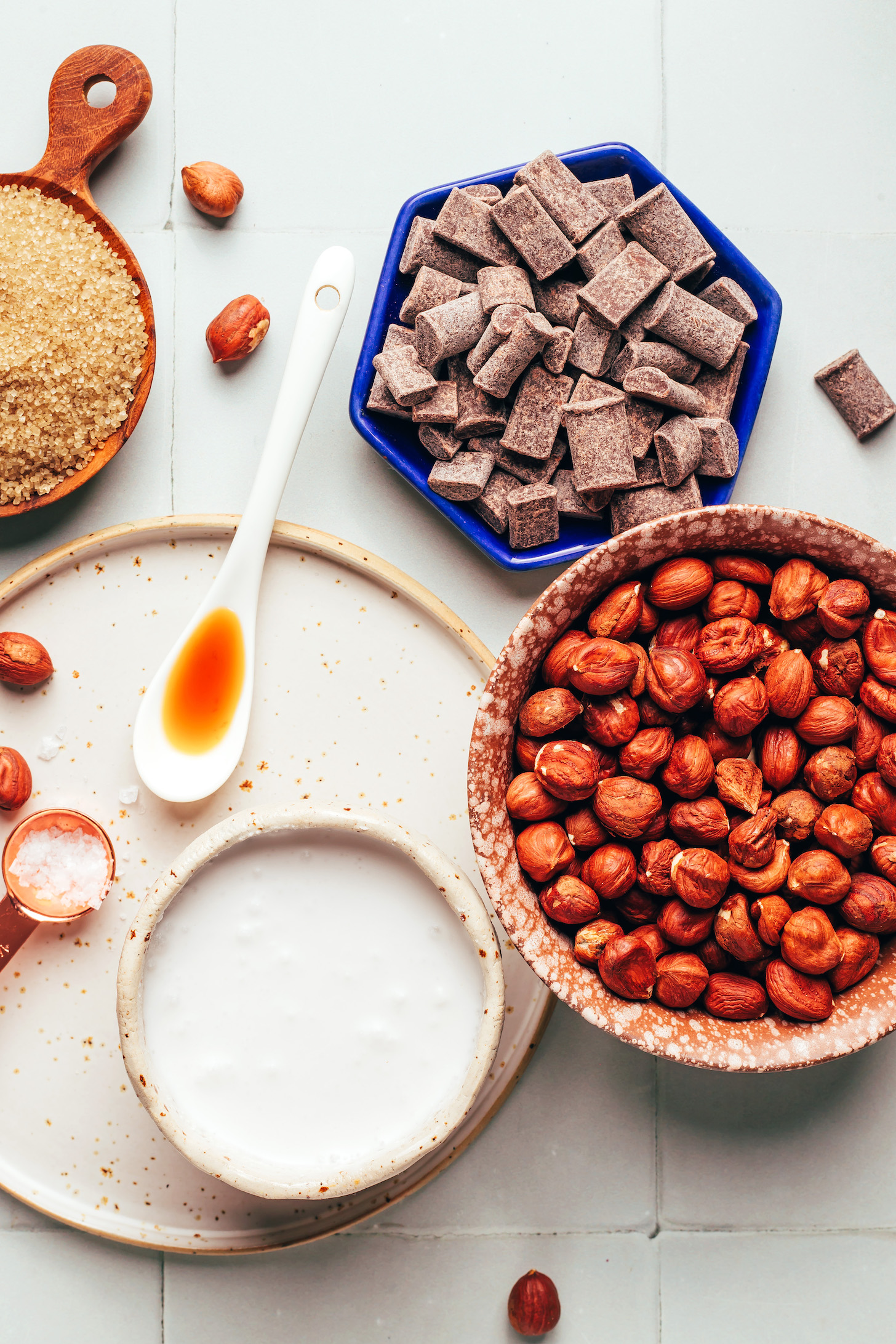
At its core, this recipe is a masterclass in minimalist ingredient science. The base consists of only six essential components: roasted hazelnuts, high-quality chocolate, light coconut milk, cane sugar, vanilla, and a pinch of salt. Unlike commercial dairy ice creams that rely on stabilizers like carrageenan or heavy milk fats to achieve a smooth mouthfeel, this recipe utilizes the natural fat content of the hazelnut and the stabilizing properties of coconut milk.
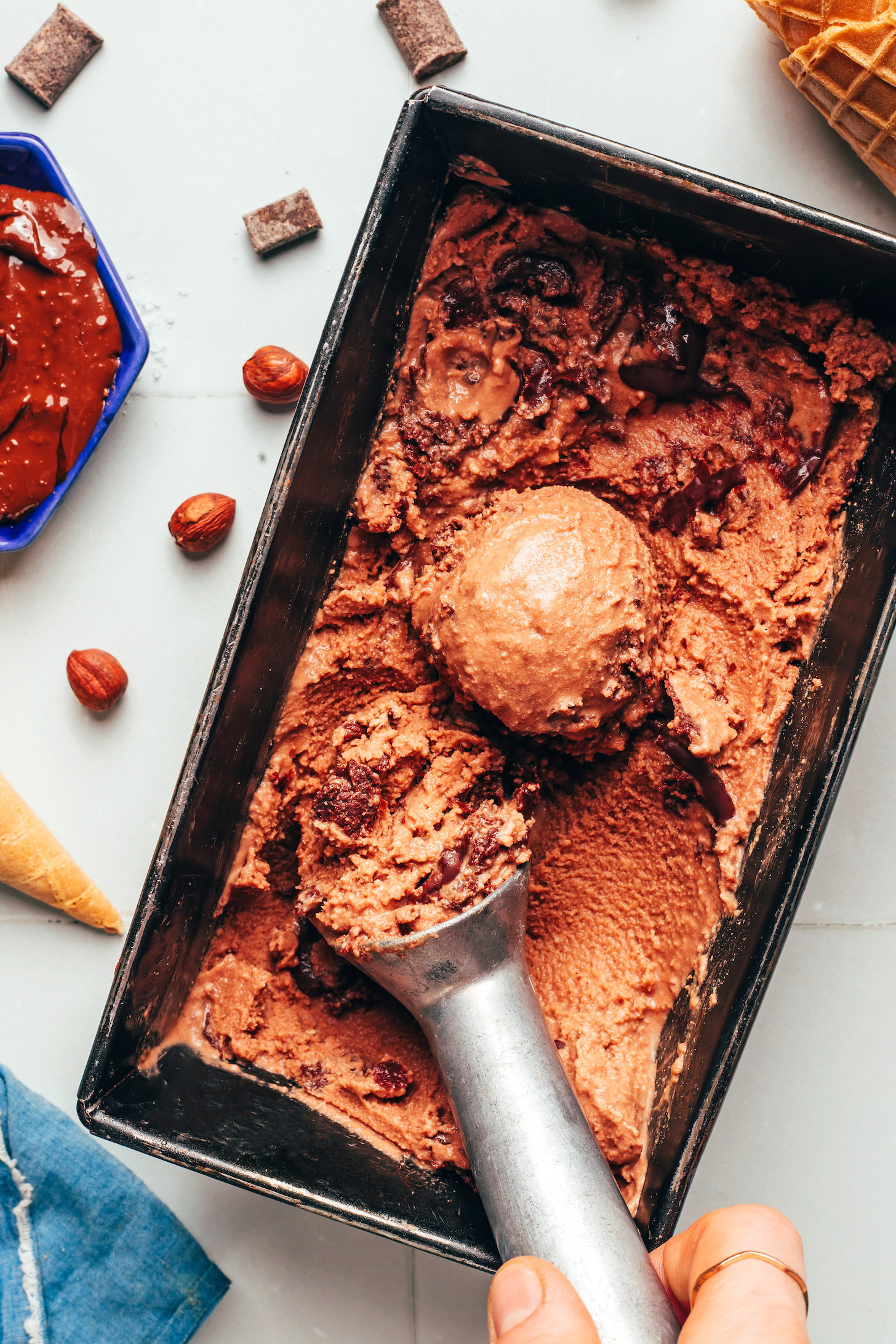
The "Nutella" element—the defining characteristic of the dessert—is produced by blending freshly roasted hazelnuts with melted chocolate. This process creates a homemade spread that serves two purposes: it acts as the primary flavor agent for the ice cream base and provides the textural contrast through a final "swirl" step before freezing. The resulting product is not merely a substitute; it is a sophisticated, nutrient-dense alternative that offers a rich, nutty flavor profile without the cholesterol or lactose associated with traditional dairy.
A Chronological Guide to Crafting the Perfect Scoop
The creation of this dessert is a study in precision and timing. While the total preparation time is approximately three hours, the majority of this period is passive, allowing for chilling and churning.
Phase 1: The Maillard Reaction
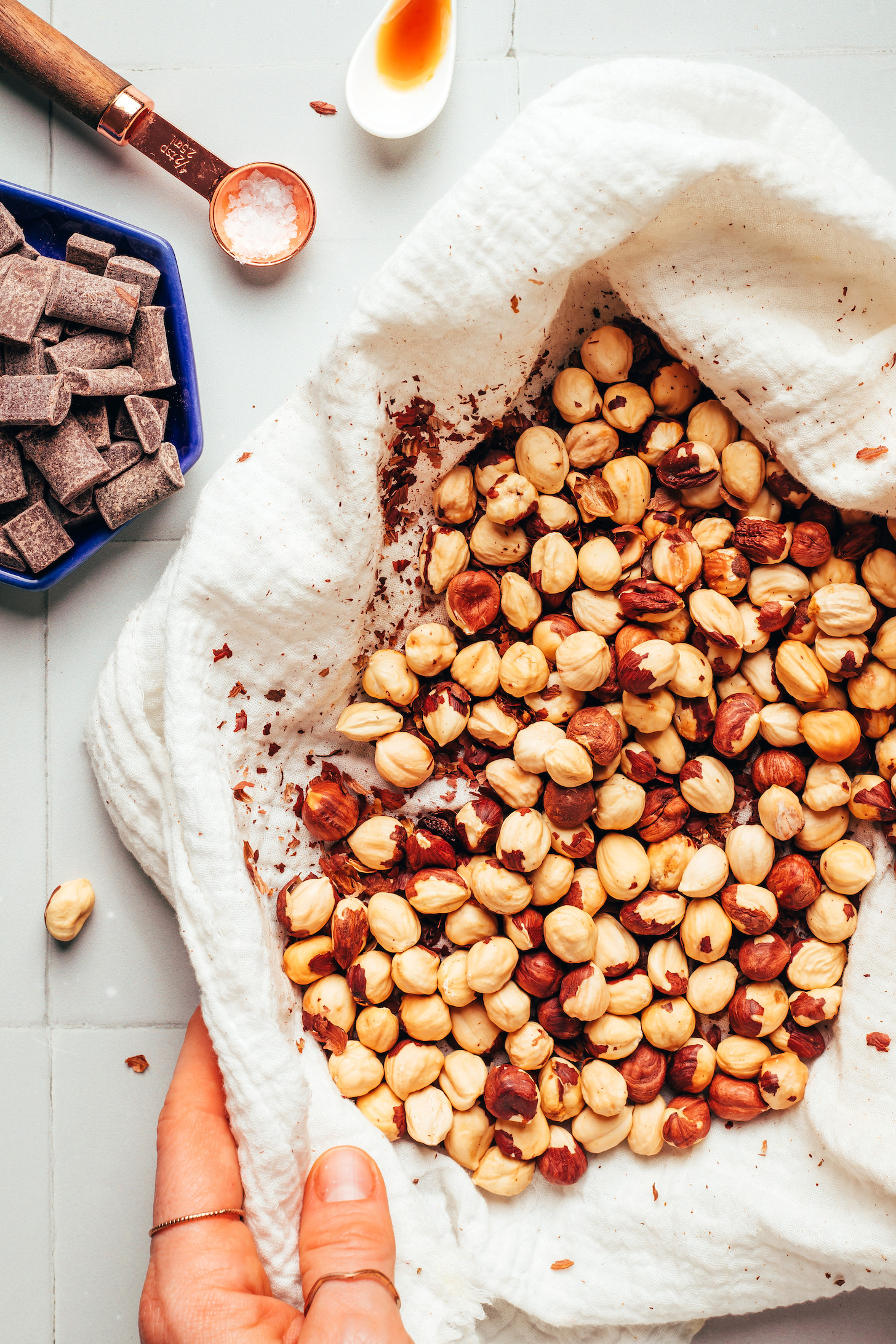
The process begins with the roasting of raw hazelnuts. This is a critical step, not merely for flavor, but for chemical transformation. Roasting the nuts at a moderate temperature triggers the Maillard reaction, which browns the surface and releases essential oils. This heat also facilitates the removal of the bitter, papery skins, ensuring the final ice cream is smooth rather than gritty.
Phase 2: Emulsification
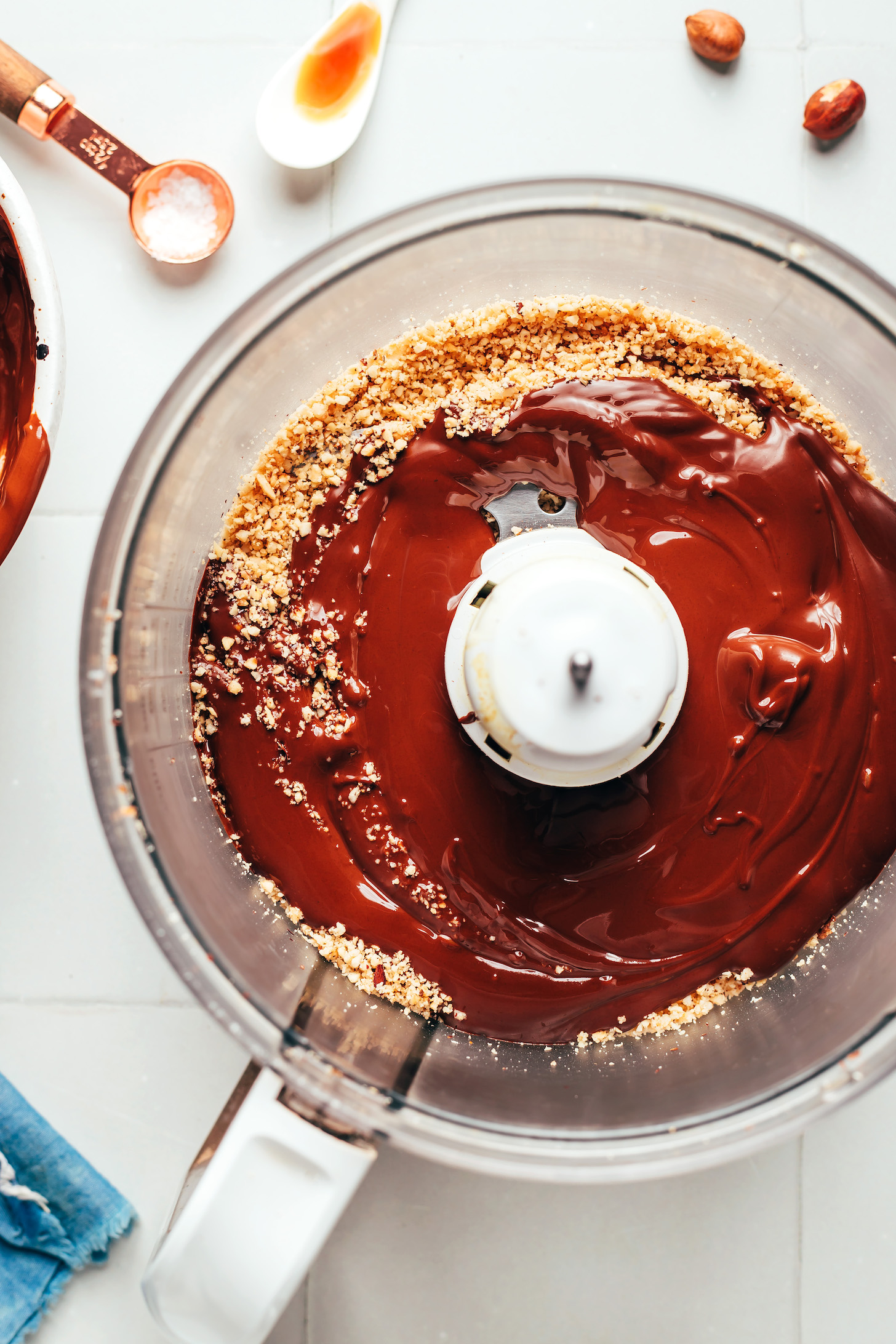
Once roasted and skinned, the hazelnuts are blended with melted chocolate until they form a smooth butter. This "homemade Nutella" is the foundation of the dish. A portion is reserved, while the remainder is integrated into the liquid base—a mixture of light coconut milk, cane sugar, vanilla, and sea salt. The use of light coconut milk is a deliberate choice by culinary experts; it provides the necessary moisture and fat to ensure the mixture does not become overly heavy or frozen solid in the deep freeze.
Phase 3: The Cooling and Churning Cycle
The mixture must be refrigerated for at least one hour before it enters the ice cream maker. This cooling period is vital; it allows the fats in the coconut milk to solidify slightly and ensures the mixture is at an optimal temperature for aeration. As the ice cream maker churns the mixture for roughly 30 minutes, it introduces air bubbles, transforming the liquid base into a light, fluffy, and scoopable gelato.
Phase 4: The Final Swirl
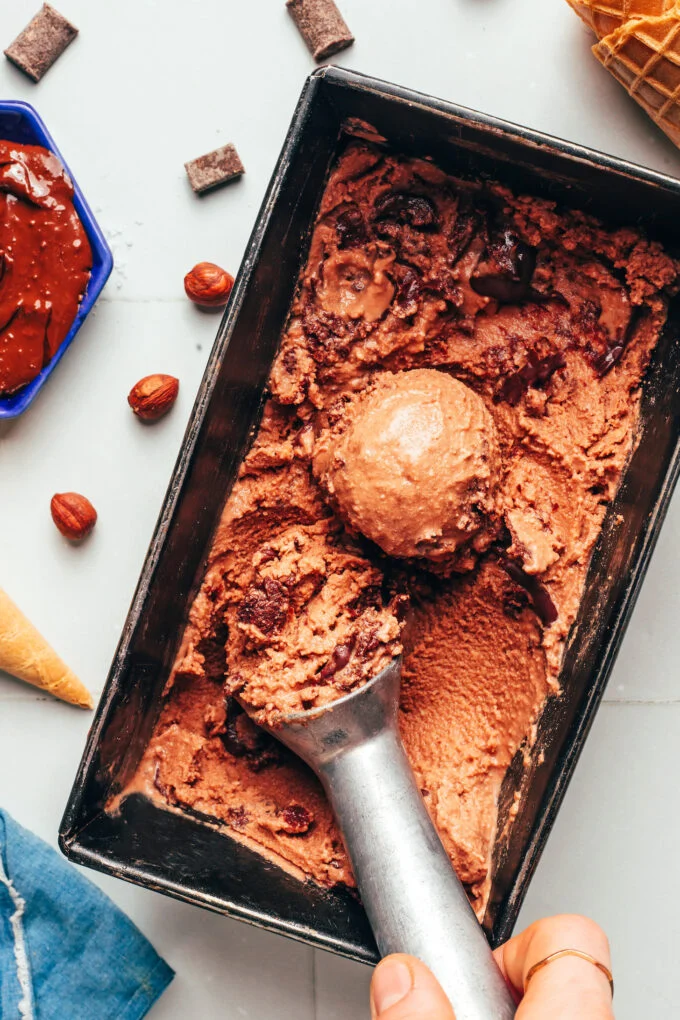
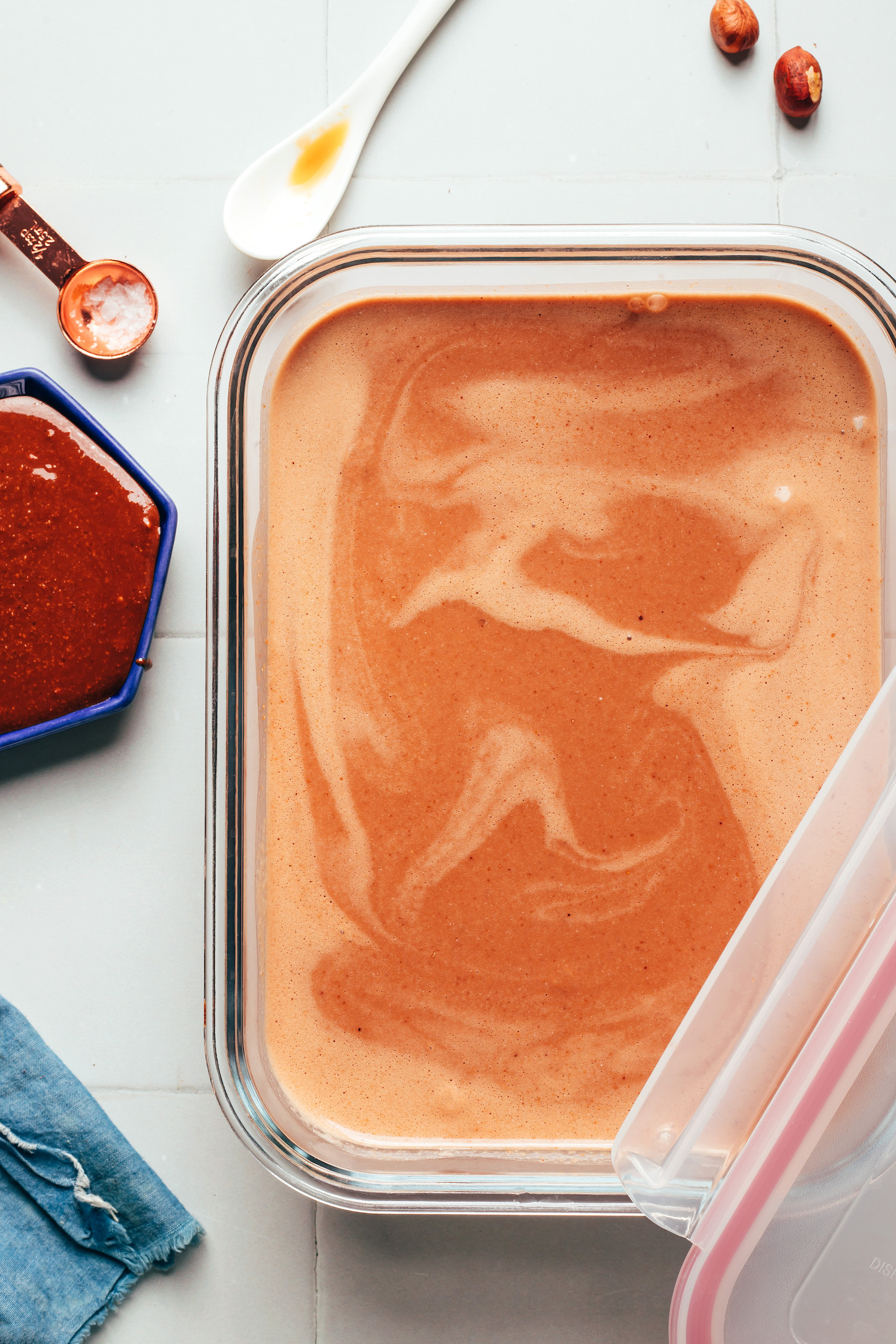
In the final moments of the churn, the reserved hazelnut-chocolate mixture is folded in. This creates the signature aesthetic of a "swirled" dessert, providing pockets of concentrated chocolate-hazelnut intensity that balance the lighter, airier ice cream base.
Supporting Data: Nutritional Composition and Dietary Benefits
From a nutritional perspective, this recipe offers a unique profile compared to traditional commercial ice cream. A standard half-cup serving contains approximately 277 calories, 21.2 grams of fat, and 17 grams of sugar.
While the fat content is relatively high, it is primarily derived from plant sources—hazelnuts and coconut. Hazelnuts are rich in vitamin E, healthy monounsaturated fats, and manganese. Because the recipe is entirely plant-based, it is cholesterol-free and significantly lower in sodium than most processed dairy desserts, containing only 31 mg per serving. Furthermore, the inclusion of 2.8 grams of dietary fiber per serving—a rarity in traditional ice cream—adds a level of satiety that is often missing from sugar-heavy, air-filled commercial products.
Official Perspectives: The Philosophy of Minimalist Baking
The culinary philosophy behind this recipe is rooted in the "Minimalist" movement, which advocates for high-quality ingredients over complex chemical additives. By stripping away the need for artificial thickeners, emulsifiers, and preservatives, the recipe creators argue that the natural flavor of the ingredients can shine.
"We are moving toward a future where dietary restrictions—whether vegan, gluten-free, or dairy-free—are no longer viewed as limitations, but as a gateway to better, more intentional cooking," noted a representative from the recipe development team. The focus is on accessibility; by limiting the ingredient list to six items, the barrier to entry for home cooks is lowered, encouraging a wider audience to engage with plant-based cooking.
Implications for the Future of Frozen Desserts
The success of this recipe has broader implications for the frozen dessert industry. As consumer demand for "clean label" products continues to climb, the industry is under pressure to reformulate products to remove unrecognizable ingredients. This recipe serves as a blueprint for how large-scale manufacturers might pivot. By replacing dairy with nut-and-coconut emulsions, brands can tap into the growing vegan market while maintaining the sensory experience that consumers crave.
Furthermore, this recipe highlights the growing trend of "at-home artisanal production." The rise of affordable, high-quality home ice cream makers has allowed consumers to reclaim control over their ingredients. Rather than purchasing mass-produced pints that may sit in supply chains for months, consumers are increasingly choosing to craft their own batches, tailored to their personal preferences for sweetness and texture.
The environmental impact of this shift cannot be ignored either. Dairy farming is a significant contributor to methane emissions and requires massive water resources. By utilizing nuts—which generally have a lower environmental footprint than cattle—and coconut, home cooks are making a choice that aligns with modern sustainability goals.
A Versatile Addition to the Culinary Repertoire
The versatility of this base is another point of discussion. The same technique used to create the chocolate-hazelnut base can be adapted for other flavors, such as almond-espresso or cashew-vanilla bean. This modular approach to cooking—mastering one reliable base and then iterating on flavor—is the hallmark of the modern home chef.
As the summer season approaches, the demand for cold, refreshing treats will naturally rise. With its combination of ease of preparation, nutritional transparency, and sophisticated flavor, the Vegan Nutella Ice Cream stands as a testament to the fact that simple, plant-based ingredients can compete with, and often outperform, their traditional counterparts. Whether serving a crowd at a summer party or enjoying a quiet bowl at home, this recipe provides a blueprint for what the next generation of dessert should look like: clean, intentional, and undeniably delicious.
For those who have struggled to find a dairy-free dessert that feels "real," the search may finally be over. It is a reminder that the best flavors are often found not in a laboratory, but in the simple, deliberate combination of the earth’s most flavorful offerings.