The nonalcoholic (NA) beverage landscape is undergoing a monumental cultural and culinary renaissance. Once an afterthought defined by watery substitutes and disappointing flavor profiles, the modern NA category stands shoulder-to-shoulder with traditional brewing. Major macro-breweries and independent craft makers alike are investing heavily in innovative recipes that deliver the complexity, mouthfeel, and aromatic depth of full-strength beers.
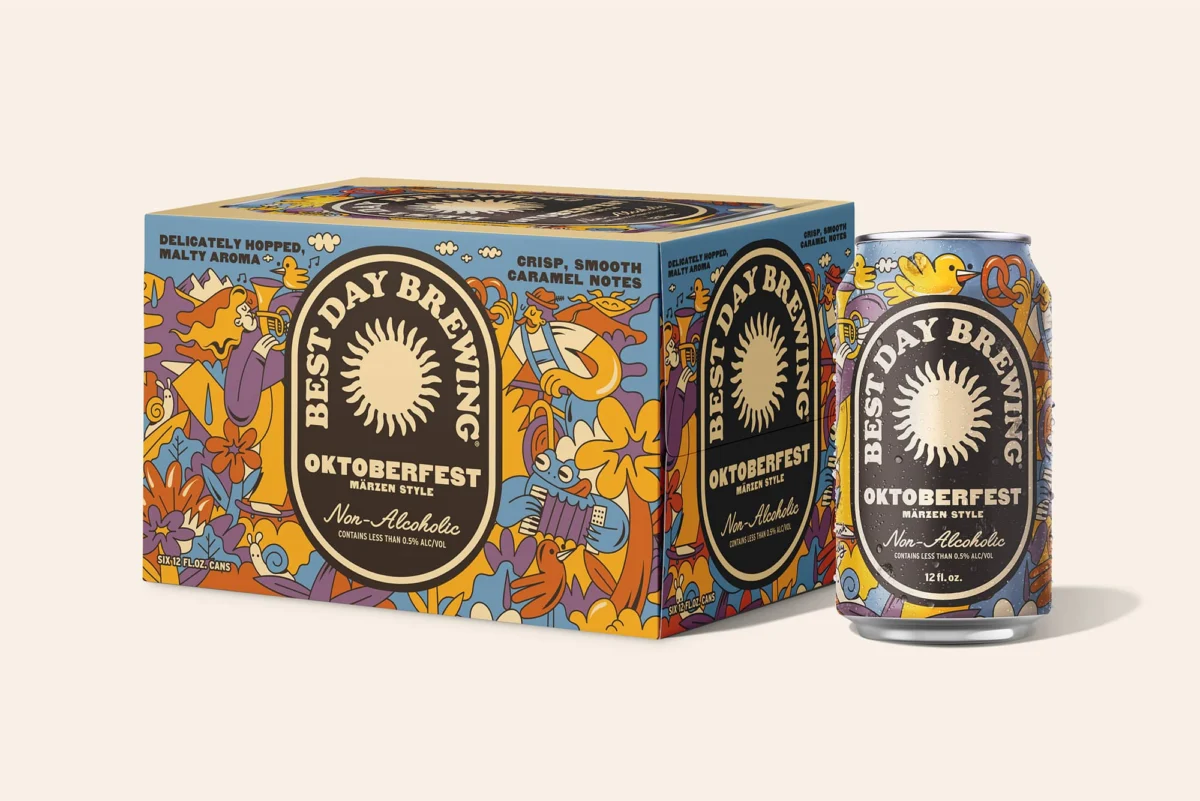
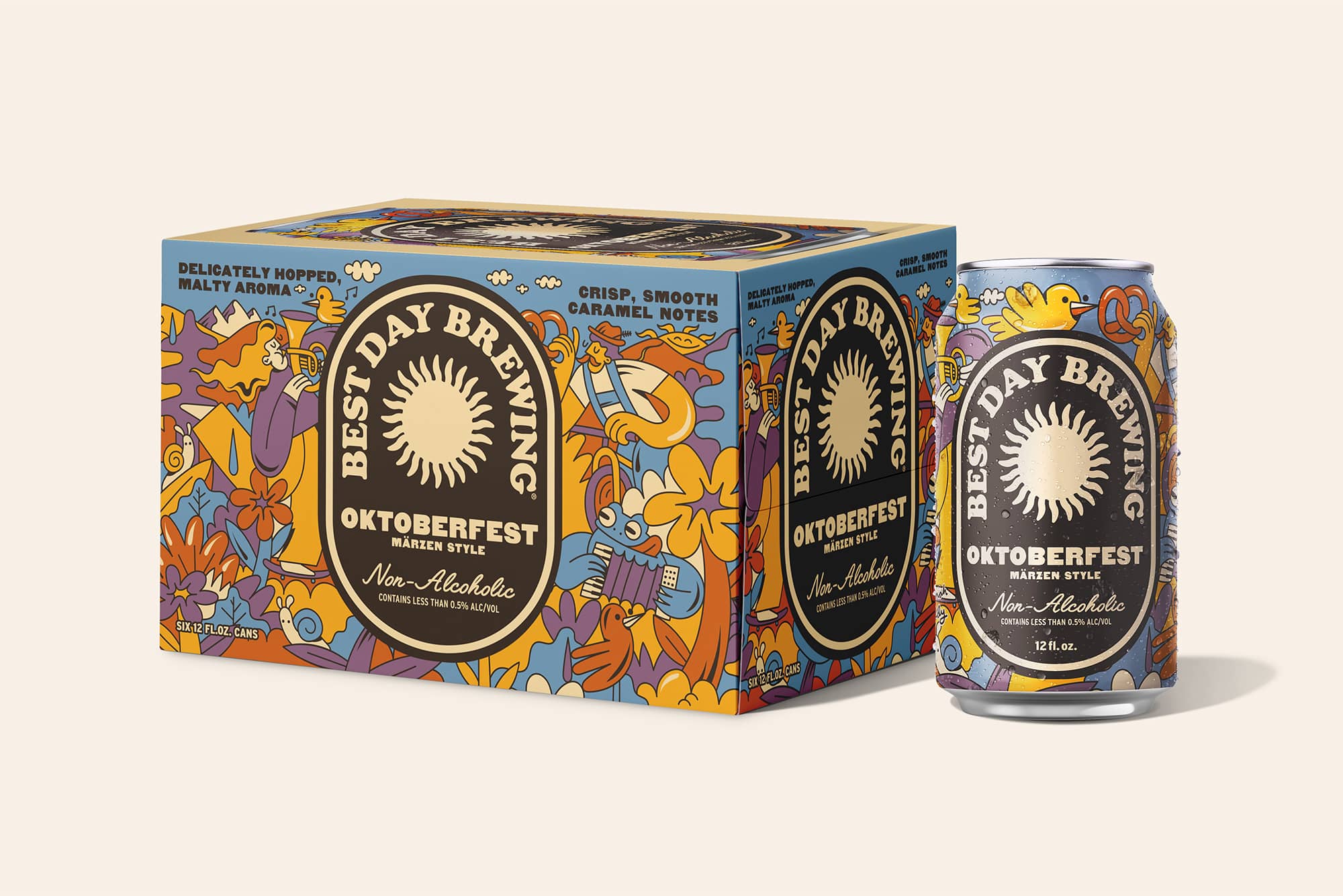
As autumn approaches and consumer preferences pivot toward cozier, malt-forward profiles, seasonal offerings are expanding to meet the demand. Best Day Brewing, a dedicated nonalcoholic craft brewery based in Northern California, has officially entered the seasonal ring with the release of its Märzen-style Oktoberfest.
Designed to capture the rich heritage of traditional Bavarian lagers, Best Day Brewing’s Oktoberfest pours a deep amber hue, offering toasty aromas, a subtly sweet malt backbone, and a balanced, gentle bitterness that culminates in a crisp finish. Rather than relying on arrested fermentation—which can leave behind a sugary wort profile—Best Day brews its beer to full strength before extracting the alcohol using advanced reverse osmosis and membrane filtration. This meticulous process preserves the delicate nuances of the brew, resulting in an authentic seasonal option engineered to pair seamlessly with traditional fall fare like bratwurst, pretzels, and hearty stews.
Available nationwide at major retailers including Whole Foods, Total Wine, and The Fresh Market, this limited-run seasonal release highlights just how far nonalcoholic brewing technology has evolved over the past decade.
Chronology: The Evolution of Nonalcoholic Beer
To understand the significance of Best Day Brewing’s seasonal release, it is necessary to examine how the nonalcoholic beer category has transformed over time.
The Early Era (Late 20th Century): For decades, nonalcoholic beer was viewed primarily as a functional beverage for designated drivers or individuals abstaining from alcohol for medical or personal reasons. Brewed mostly by large industrial conglomerates, these early iterations were often subjected to hasty manufacturing shortcuts, resulting in flat, sweet, and metallic flavor profiles that alienated craft beer enthusiasts.
The Craft Beer Revolution (2010s): As the craft beer boom swept the globe, consumers grew accustomed to hop-forward IPAs, complex sours, and deeply roasted stouts. During this period, early NA options felt increasingly out of touch with modern palates. The prevailing wisdom assumed that alcohol was the primary vehicle for flavor, leaving nonalcoholic options structurally flawed.
The Technological Turning Point (2020–2024): A wave of specialized nonalcoholic breweries emerged, shifting the industry narrative. Producers began treating NA brewing not as a process of elimination, but as an art form. Investments in advanced scientific equipment—such as vacuum distillation and membrane filtration systems—allowed brewers to handle alcohol removal with surgical precision.
The Mainstream Boom (2025–Present): Nonalcoholic options have transitioned from niche alternative items to essential drivers of profitability and retail growth. Breweries now roll out deliberate, seasonal calendars mirroring traditional craft lineups, culminating in autumnal releases like Märzen-style lagers, pumpkin ales, and dark winter warmers.
Supporting Data & Market Insights
The launch of Best Day Brewing’s Oktoberfest arrives against a backdrop of explosive market growth for the nonalcoholic sector. Consumer habits are shifting rapidly, driven by a growing wellness movement, mindful drinking trends, and the sheer quality improvements within the category.
Market Valuation and Growth Trajectory: According to recent market research reports, the global nonalcoholic beverage market continues to post double-digit compound annual growth rates (CAGR). Nonalcoholic beer remains the dominant segment, capturing the largest market share as mainstream consumers embrace "zebra-striping"—alternating between alcoholic and nonalcoholic drinks during social events.
Demographic Shifts: Market data indicates that Gen Z and Millennial consumers are drinking significantly less alcohol per capita than previous generations at the same age. However, these demographics maintain high expectations for flavor, branding, and ingredient transparency, forcing nonalcoholic producers to adopt craft-level standards.
Technological Efficiency: The adoption of cold-filtration methods like reverse osmosis has transformed product consistency. Traditional thermal dealcoholization often exposed the liquid to high heat, cooking off volatile aromatic compounds and leaving a "cooked wort" off-flavor. Advanced membrane filtration operates at lower temperatures, retaining the true-to-style characteristics of styles like German lagers, pale ales, and stouts.
Retail Real Estate Expansion: Major national grocery chains and specialty bottle shops have expanded their dedicated NA shelving by upwards of 40% over the last three years, moving nonalcoholic products out of dusty bottom shelves and into prominent, eye-level displays.
Official Responses and Industry Perspectives
Makers and industry insiders point to the intersection of modern science and brewing heritage as the driving force behind products like Best Day’s Oktoberfest.
Brewing teams across the country emphasize that making a nonalcoholic beer is frequently more challenging than brewing a standard 5% ABV ale or lager. Without alcohol to act as a natural preservative and body-enhancer, brewers must rely entirely on their grain bills, mash schedules, and fermentation profiles to create a satisfying mouthfeel.
"While beer may have been a progenitor of the nonalcoholic category, the early offerings left a lot to be desired, chief among them being flavor and variety," notes industry commentary surrounding the modern NA renaissance. “Not so today. The NA category as a whole is booming, and NA beers—now being cranked out by breweries both macro and craft—have never been better.”
Industry experts highlight that capturing a classic style like a German Märzen requires immense precision. By brewing a full-strength base beer rich in Munich and Vienna malts, and subsequently stripping the alcohol via gentle membrane filtration, producers can honor the structural integrity of historical styles without sacrificing the sensory experience.
"Best Day opts to brew full strength beers and remove the alcohol through reverse osmosis and membrane filtration, which helps to preserve beer’s nuanced flavors and aromas," explains production overviews of the brewery’s methodology. "The result in this case is an authentic tasting Oktoberfest fit for pairing with bratwurst and lederhosen."
Implications for the Beverage Industry and Consumers
The successful rollout of seasonal, style-specific nonalcoholic beers carries profound implications for both the commercial beverage sector and the everyday consumer.
1. The Normalization of Mindful Drinking
The availability of complex, traditional styles like Oktoberfest Märzen helps dismantle the social stigma historically attached to ordering nonalcoholic drinks in social settings. When an NA beer looks, pours, and tastes indistinguishable from its alcoholic counterpart, it allows abstainers, designated drivers, and wellness-minded individuals to participate fully in cultural traditions—such as fall beer festivals and backyard barbecues—without feeling othered.
2. A Shift in On-Premise and Off-Premise Strategy
Bars, restaurants, and hospitality venues are realizing that a robust nonalcoholic menu is no longer optional. Restaurants that fail to offer high-end, craft-quality NA options risk alienating patrons who want a sophisticated pairing with their meals but choose not to consume alcohol. Retailers, similarly, are finding that seasonal rotation keeps foot traffic steady, as consumers hunt down limited-edition autumn and winter releases.
3. Raising the Technical Bar for Competitors
As consumers develop more sophisticated palates regarding nonalcoholic beverages, the margin for error shrinks. Low-quality, mass-produced NA lagers produced as an afterthought will face increasing pressure from dedicated craft brands utilizing advanced filtration technology. For independent breweries, this means that entering the NA space requires capital investment in proper equipment and rigorous quality control to ensure flavor fidelity.
Ultimately, Best Day Brewing’s seasonal Märzen demonstrates that nonalcoholic beer has matured past simple substitution. By bridging traditional Bavarian brewing techniques with cutting-edge filtration science, the industry has proven that drinkers seeking to cut back on alcohol no longer have to compromise on tradition, flavor, or seasonal celebration.