NEW YORK — As the crisp winds of autumn sweep across the country, culinary enthusiasts and home bakers alike turn their attention to the comforting flavors of the harvest season. Among the pantheon of fall treats, few items command as much devotion as the spiced scone. However, for the millions of individuals navigating celiac disease, gluten sensitivities, or intentional dietary choices, achieving a bakery-quality pastry that is both structurally sound and intensely flavorful has historically presented a formidable challenge.
Enter a newly refined culinary approach developed by specialty baking advocate Nicole Hunn of Gluten Free on a Shoestring. By rethinking a foundational baking ingredient—swapping traditional pumpkin puree for concentrated pumpkin butter—this new recipe successfully bridges the gap between dietary restriction and artisanal indulgence. The resulting pastry delivers a crisp-tender exterior, a flaky interior, and a robust profile of warm autumnal spices, topped with a dual-layered sweet glaze.

Main Facts: Redefining Fall Pastries Without Gluten
The hallmark of a superior scone lies in its texture: a delicate balance of crisp edges, a crumbly yet tender center, and distinct, flaky layers. When adapting such pastries for gluten-free baking, standard wheat flour—which provides elasticity and structure through gluten networks—must be replaced by engineered flour blends, often supplemented with binding agents like xanthan gum.
In the case of these autumn-inspired scones, the primary innovation is the elimination of standard canned pumpkin puree.

- The Moisture Problem: Standard pumpkin puree contains a high water content, which can introduce unwanted moisture into gluten-free doughs, resulting in a dense, heavy, or overly cake-like consistency.
- The Pumpkin Butter Solution: Utilizing rich, concentrated pumpkin butter provides an intense, concentrated pumpkin flavor and aroma without overloading the dough with excess liquid. This allows the pastry to maintain its signature crumbly and tender structure.
- Textural Engineering: The incorporation of cold, high-fat butter shards, combined with a precise cut-and-stack lamination technique, creates natural pockets of steam during baking, yielding flaky layers reminiscent of traditional French pastry techniques.
- The Dual-Layer Icing: Because the scones themselves are intentionally light on sugar, they are finished with a two-tier topping: a smooth, foundational white glaze followed by a secondary maple and cinnamon drizzle.
Chronology: The Evolution of Gluten-Free Baking Techniques
The journey toward creating a reliable, commercially viable gluten-free scone recipe mirrors the broader evolution of specialty baking over the last two decades.
- Early 2000s (The Era of Compromise): Early attempts at gluten-free baking were widely characterized by dry, crumbly textures and a heavy reliance on single-grain starches like rice flour. Products frequently fell apart, leading to the colloquial consumer consensus of accepting food that was merely "good, for gluten-free."
- 2010s (The Rise of Commercial Blends): The introduction of standardized all-purpose gluten-free flour blends transformed home baking. Bakers began understanding the necessity of xanthan gum to mimic gluten’s binding properties, though moisture management in seasonal items like pumpkin pastries remained an ongoing hurdle.
- Mid-2010s (Initial Pumpkin Scone Iterations): Early pumpkin scone recipes heavily relied on standard pumpkin purées, often requiring extensive draining, paper-towel blotting, and heavy adjustments to dry ingredients to prevent soggy results.
- Present Day (Precision Pastry Engineering): The current shift toward using concentrated fruit butters—such as pumpkin butter—marks a sophisticated leap forward. By introducing flavor and fat in a concentrated, low-moisture format, modern recipes bypass the traditional pitfalls of seasonal baking, delivering consistent, professional-grade results in domestic kitchens.
Supporting Data and Technical Specifications
Culinary science relies on precise measurements and chemical reactions to achieve desired textures. The technical specifications of this recipe highlight the careful calibration required to produce a successful gluten-free pastry.

Nutritional and Compositional Overview (Per Serving)
- Yield: 8 triangular scones
- Calories: ~275 kcal
- Macronutrients: Carbohydrates (56g), Protein (2g), Fat (11g — including 7g of Saturated Fat)
- Sodium & Minerals: Sodium (339mg), Potassium (87mg), Calcium (115mg)
- Dietary Markers: Naturally gluten-free (when utilizing certified gluten-free ingredients); easily adaptable for dairy-free diets.
Key Chemical and Physical Interactions
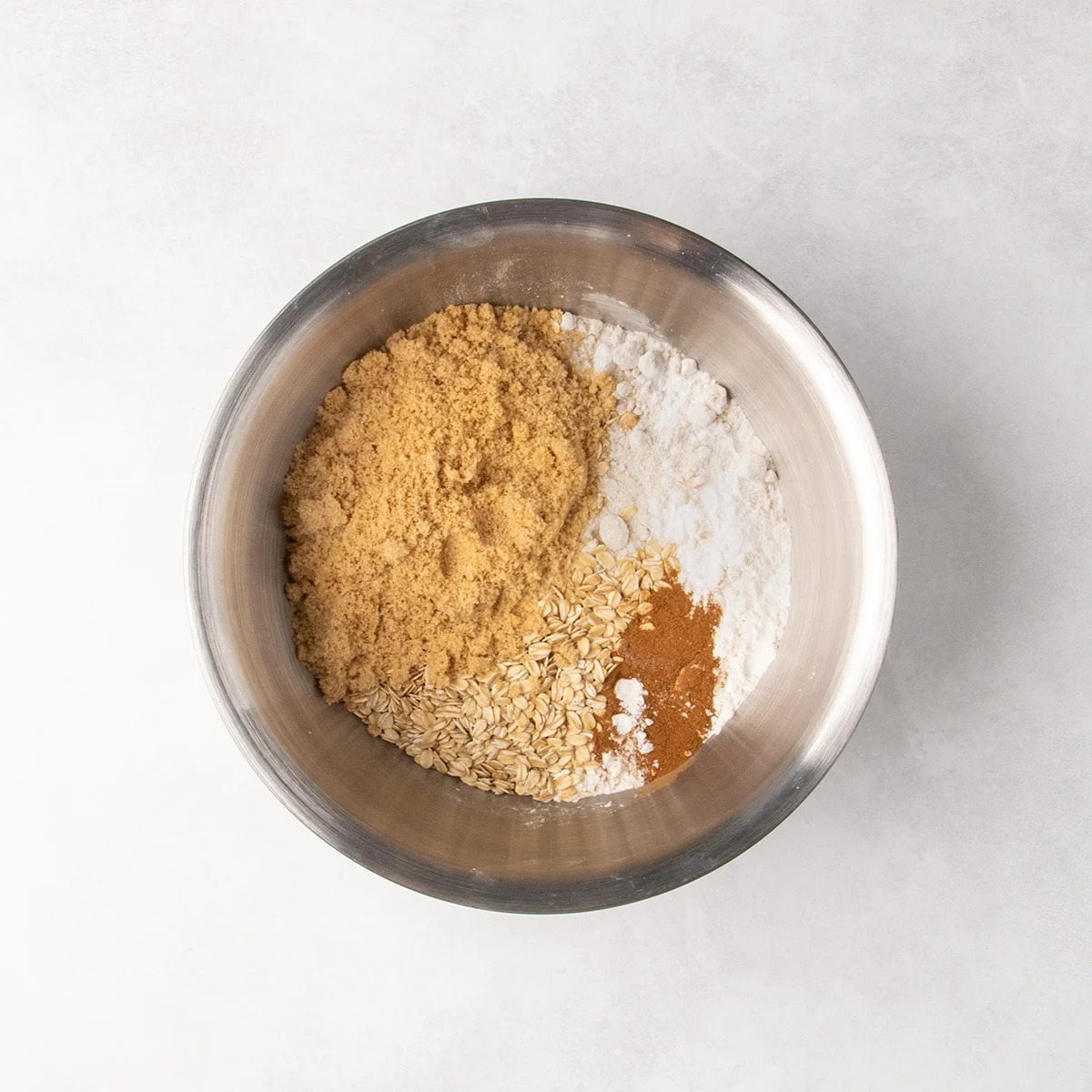
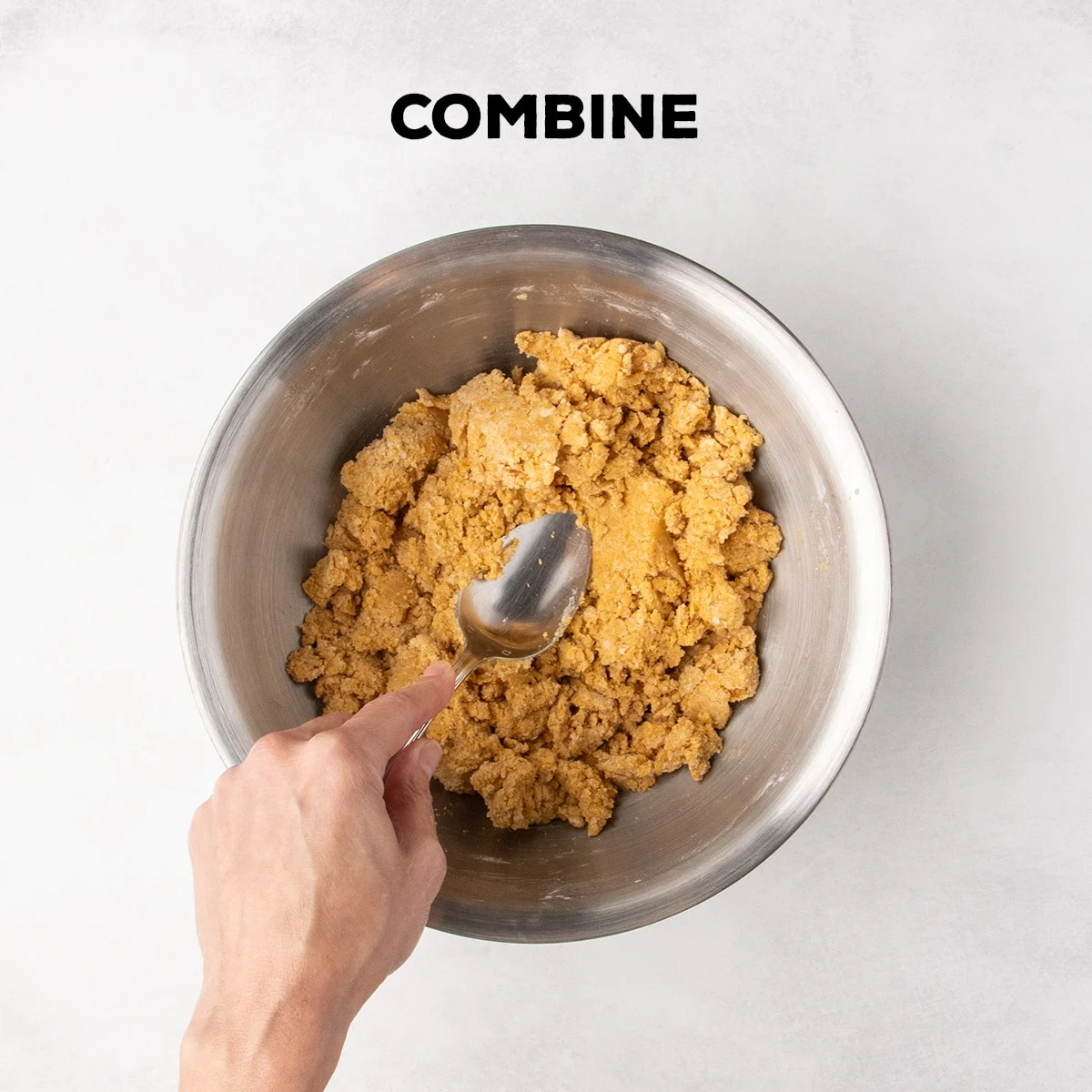
- Leavening and Spicing Distribution: Whisking the dry ingredients—comprising the flour blend, xanthan gum, baking powder, salt, and pumpkin pie spice—before introducing fats ensures uniform distribution. This prevents bitter pockets of chemical leavening agents or unevenly spiced bites.
- Butter Shard Integrity: Tossing cold, chopped butter in the dry flour mixture coats each piece, thermally insulating it against hand-heat. Flattening these pieces into paper-thin shards creates distinct fat layers that melt in the hot oven, generating steam pockets for optimal flakiness.
- Lamination via Stacking: Rolling the dough into a 1/4-inch rectangle, cutting it into thirds, and stacking the pieces multiplies the internal layers by three. Repeating this process creates a total of nine distinct structural layers without requiring complex pastry-folding skills.
- Thermal Setting: Spacing the raw dough triangles 1 to 2 inches apart on a parchment-lined baking sheet ensures that hot oven air circulates freely, allowing the edges to brown while the interior sets to a firm, vertical rise of approximately one inch.
Official Responses and Expert Insights
Culinary professionals and dietary advocates have increasingly emphasized the importance of flavor concentration and texture in modern specialty cooking.
Nicole Hunn, the recipe developer behind the innovation, notes a broader philosophy shift within the community:

"At Gluten Free on a Shoestring, ‘good, for gluten free’ just isn’t good enough. When you are adapting classic baked goods like scones, you cannot simply substitute flours and hope for the best. You have to respect the chemistry of the ingredients—managing moisture levels through components like pumpkin butter and building physical layers through smart handling is what separates a mediocre pastry from an exceptional one."
Dietary nutritionists also point out that the ability to recreate comforting seasonal favorites at home plays a significant role in adherence to medical diets such as those required for celiac disease. By removing the intimidation factor of complex baking techniques—such as traditional dough lamination—recipes like these empower consumers to enjoy inclusive, high-quality dining experiences within their own homes.

Implications for the Home Baking and Specialty Food Markets
The refinement of gluten-free seasonal baking carries several notable implications for both domestic kitchens and the broader culinary industry:
- Democratization of Gourmet Baking: Techniques such as the "cut-and-stack" method prove that professional-grade results—traditionally gatekept behind culinary school training—can be successfully translated into accessible home-cooking steps.
- Expanded Uses for Preserves and Butters: The success of pumpkin butter in this recipe highlights the untapped potential of concentrated fruit and vegetable spreads in baking, paving the way for further experimentation with apple butter, sweet potato butter, and other seasonal preserves.
- Inclusivity in Holiday Traditions: As autumn baking traditions heavily center around communal sharing (such as Thanksgiving gatherings and harvest festivals), reliable gluten-free recipes ensure that individuals with dietary restrictions are no longer relegated to eating separate, inferior foods, thereby fostering a more inclusive culinary culture.
- Commercial Product Development: The rising consumer demand for elevated gluten-free baked goods signals to commercial bakeries and cafes that consumers are willing to pay for superior texture and authentic seasonal flavor profiles, driving continuous innovation across the artisanal baking sector.